Oversikt
Lær kor brass vert laga hos Vastmaterial frå smelting av kopar sinklegering til kaldvalsa messingstripe med strenge dimensjonsmessige toleransar.
Kor vi produserer brass: The Vastmaterial Standard
Hos Vastmaterial, forståing kor brass vert laga er grunnleggjande for å levere høgtydande legeringar som oppfyller strenge globale standardar. Vår produksjonsprosess kombinerer avansert metallurgi med strenge kvalitetskontrollar for å produsere førsteklasses Kopar-Zink legering materialar. Vi overvakar kvar fase av produksjonen, frå den første smeltingen til den siste skjeringa, for å sikre at kundane våre får materiale med presise kjemiske samansetjingar og mekaniske eigenskapar.
Råvareutval & Smelting (Renheitskontroll)
Kvaliteten byrjar med råvarene. Vi hentar høgkvalitets elektrolyttisk kopar og sink, med strenge kontrollar av forholdet mellom resirkulert skrap og fersk materiale for å oppretthalde reinleik. Blandinga vert smelta i elektriske induksjonsovnar ved temperaturar over 1 000°C. Under denne fasen utfører vi sanntids kjemisk analyse for å sikre at samansetjinga stemmer overeins med spesifikke grader, som C2600 eller C2680, før metallet vert støpt.
Kontinuerleg støping (Billetdanning)
Når legeringa når riktig temperatur og samansetjing, vert den overført til ein oppbevaringsovn. Gjennom Brass Billet Støping, vert den smelta metallen stivna til kaker eller billets. Denne kontinuerlege støpeprosessen sikrar ein jamn indre struktur, minimerer porøsitet og segregasjon, noko som er kritisk for den strukturelle integriteten til sluttproduktet.
Varmvalsing
Dei stivna billets vert forvarma og passert gjennom vår Varmvalsingsverkstad. Under massiv trykk reduserer rullane materialets tjukkleik betydelig. Dette steget bryt ned den støpte kornstrukturen, betre mekaniske eigenskapar i legeringa og omdannar den tunge billets til ein arbeidbar, tynnare spole.
Overflatefrånskjering (Skraping)
Varmvalsing etterlet uunngåeleg overflateoksidasjon og mindre urenheiter. For å sikre eit feilfritt overflatefinish, brukar vi presisjonsmaskiner for å “skrape” topp- og botnlagene av spolen. Dette fjernar overflatefeil, og sikrar at grunnmaterialet er reint og glatt før det går inn i den kalde prosessfasen.
Presisjons kaldvalsing
For å oppnå presise tykkleikstoleransar—ofte ned til 0,01mm—går materialet gjennom Presisjons kaldvalsing. Denne prosessen vert utført ved romtemperatur, noko som herdar messingen og forbetrar kornstrukturen. Dette steget er essensielt for å produsere høgkvalitets Kaldvalsede Messingstripe med den nøyaktige tykkleikskonsistensen som krevst for intrikate elektroniske kontaktar og bildeler.
Annealing- og syrebehandling
Kaldvalsing fører til indre spenningar og aukar hardheita. For å tilpasse materialets temper, nyttar vi ein kontrollert Annealingprosess. Ved å varme opp og kjøle ned messingen, gjenopprettar vi ductilitet og justerer hardheita til spesifikke tilstandar (frå mjuk ‘O’ til superhard ‘SH’). Etter varmebehandling gjennomgår messingen Syrebehandling og overflatebehandling i syrebad for å fjerne oksidasjon, noko som resulterer i ei rein, blank og kjemisk stabil overflate.
Skjering og ferdigstilling
Den siste fasen involverer tilpassing av produktet til kundens mål. Våre Presisjonskuttelinjer klipper dei brede coilane til smale striper i henhold til nøyaktige breiddespecifikasjonar. Vi sikrar burrfrie kantar og tett dimensjonell nøyaktigheit før vi pakkar det ferdige messingen for å forhindre korrosjon under frakt.
Materialspesifikasjonar og klassar
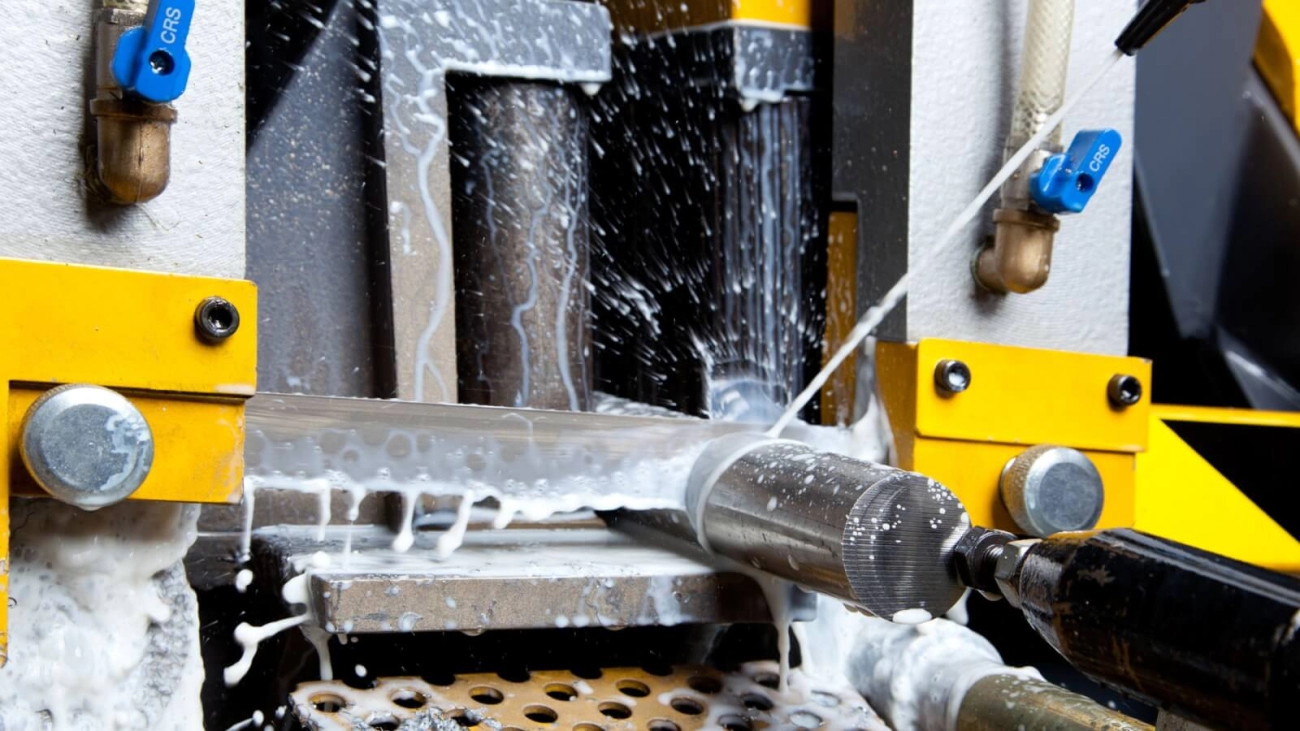
Forstå kor brass vert laga For å møte industrielle standardar krev det ei grundig forståing av metallurgisk samansetjing. Hos Vastmaterial kontrollerer vi strengt koppar-zink-forholdet for å produsere legeringar som oppfyller spesifikke mekaniske krav, enten du treng høg ductilitet for djuptrekking eller stivheit for strukturelle komponentar.
Legeringsklasse Samansetjing (H62, H65, C2600)
Ytelsen til ein kopar-sink legering Avhenger heilt av den spesifikke blandinga av element. Vi leverer eit breitt utval av klassar som er i samsvar med JIS, ASTM og GB-standardar.
| Klassing (JIS/ASTM) | Vanleg namn | Sammensetning | Nøkkelkjenneteikn |
|---|---|---|---|
| C2600 | Kassettmessing | ~70% Cu, 30% Zn | Utmerka ductilitet, ideell for djuptrekking og forming. |
| H65 (C2680) | Gul Messing | ~65% Cu, 35% Zn | Balansert styrke og formbarheit; mykje brukt i festemiddel. |
| H62 (C2800) | Muntz-metall | ~62% Cu, 38% Zn | Høg styrke, hardare enn C2600, eigna for varmforming. |
| C3604 | Frikutting messing | Pb tilsett | Overlegen maskinerbarheit for presisjonsdeler. |
Tilgjengelege former og dimensjonar
Våre produksjonskapasitetar gjer at vi kan bearbeide messing i ulike former for å passe til produksjonslinja di. Frå kraftige plater til ultratynne folie, oppretthald vi strenge måltilpassingar på alle produkt.
- Former: Rullar, Strips, Ark, Folie, Stavar og Røyr.
- Tykkningsområde: I stand til å rulle ned til 0.01mm for presisjons-elektronikk.
- Breidd: Tilpassa skjering tilgjengelig basert på kundespecifikasjonar.
Temperatur- og hardleiksvurderingar
Har avkølingsprosess og kaldvalsingspassar bestemmer den endelige temperen til materialet. Vi tilbyr eit fullt spekter av hardleiksnivå for å sikre at materialet oppfører seg nøyaktig slik du treng det under produksjonsprosessen din. Når dei mekaniske eigenskapane er fastsette, kan vi også bruke spesialiserte overflatebehandlingar for å auke korrosjonsmotstand eller ledeevne.
- O (Avkøla): Myk, fullt rekristallisert struktur for maksimal formbarheit.
- 1/4H til 1/2H: Mellomhardleik for bøying utan sprekkar.
- H (Hard): Høg styrke for flate komponentar.
- EH / SH (Ekstra/Spenningshard): Maksimal elastisitet for fjører og kontaktar.
Sikring av metallurgisk integritet

Forstå kor brass vert laga inneber meir enn berre å blanda kopar og sink; det krev grundig verifisering for å sikre at materialet fungerer nøyaktig som forventet. Vi gjennomfører eit strengt kvalitetskontrollregime for å garantere at kvar spole og plate oppfyller presise industrielle standardar.
Spektrometertesting
Vi forlet ikkje den metallurgiske samansetjinga til sjans. Ved bruk av avanserte optiske emisjonsspektrometre analyserer vi den kjemiske samansetjinga av kvar batch. Dette sikrar at kopar-sink legering forholdet er perfekt balansert for spesifikke grader, som C2600 eller C2680. Dette steget stadfestar at urenheiter er minimaliserte og materialet er kjemisk reint før det nokon gong forlet vår fabrikkgolv.
Strekkfastheitstest
Mekanisk yting er kritisk for produksjonskundar. Vi gjennomfører omfattande mekanisk testing for å verifisere strekkstyrke, forlenging, og hardheit.
- Kornstrukturkontroll: Vi kontrollerer at annealingprosessen har oppnådd riktig kornstorleik for optimal formbarheit.
- Ytingverifisering: Vi sikrar at messingstripen kan tåle dei fysiske påkjenningane ved pressing, bøying eller djuptrekking utan å sprekke.
ISO- og RoHS-sertifiseringar
Vår forplikting til kvalitet er støtta av globale standardar. Vår leiingssystem er ISO 9001:2015-sertifisert, som sikrar konsistens på tvers av alle produksjonslinjer. I tillegg er materiala våre SGS/RoHS-etterleving, noko som gjer dei trygge og eigna for eksport til marknader som krev strenge miljøkrav, som elektronikk- og bilsektoren.
Industriar drevne av Vastmaterial Brass
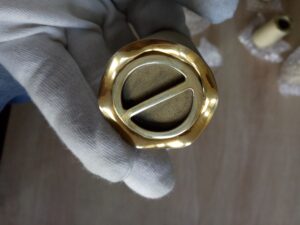
Forstå kor brass vert laga gir våre kundar tillit til at materiala våre kan tåle dei strenge kravene i deira spesifikke sektorar. Fordi vi kontrollerer kvart steg—frå den første kopar-sink legering blandinga til den endelige skjeringa—leverer vi materialar skreddarsydde for høgtytande bruksområde.
Elektriske komponentar
Nøyaktighet er ikkje til å diskutere i elektronikk. Vår måltilpassingar Kontroll sikrar at messingstrimlar brukte for kontaktar, terminalar og reléfjører passar perfekt inn i automatiserte samleband.
- Høg Konduktivitet: Vi optimaliserer kornstrukturen for å maksimere elektrisk flyt.
- Korrosjonsmotstand: Essensielt for brytarar og kontaktar utsette for varierande miljø.
Automotive Delar
Bilindustrien er avhengig av materialar som balanserer styrke med formbarheit. Messingen vår er konstruert for komponentar som radiatorkjerner, sensorar og væskehandteringssystem. For spesialiserte tryggleikssystem for køyretøy leverer vi materialar som er kompatible med høgpresisjonsfabrikasjon, liknande vår kopper-nikkel legering bremselinjemaskineringstjenester, som sikrar pålitelegheit under press.
Arkitektonisk Dekorasjon
Estetikk driv denne sektoren. Vi leverer messingplater med upåklagelege overflatefinishar for interiørdesign, heispanel og dekorativ list.
- Fargekonsistens: Streng legeringskontroll hindrar fargevariasjon mellom parti.
- Formaevne: Ideell for intrikate stemplings- og etseprosessar.
Forsvar og Ammunisjon
Denne sektoren krev det høgaste strekkstyrke og duktilitet. Vi produserer spesifikke kvalitetar, som til dømes C2600 og C2800 Messing, som er kritisk for djuptrekkingapplikasjonar som patronhylser. Annealingsprosessen vår er justert for å sikre at materialet kan utvide seg raskt utan å sprekke, og oppfyller strenge militære spesifikasjonar.
Ofte stilte spørsmål om messingproduksjon
Kva er skilnaden mellom messing og bronse?
Sjølv om begge er koparbaserte legeringar, ligg den viktigaste forskjellen i deira legeringselement. Messing er ein kopar-zinklegering, kjend for sitt lyse, gullaktige utseende, høg formbarheit og framifrå akustiske eigenskapar. Det vert mykje brukt i musikkinstrument, kassetter og dekorative kantar. Bronse, derimot, er hovudsakleg kopar og tinn. Det har ein tendens til å vere hardare, har ein raudbrun farge, og tilbyr overlegen motstand mot korrosjon, noko som gjer det ideelt for marine bruksområde og lager. Hos Vastmaterial spesialiserer vi oss på høgpresisjonsmessingformuleringar som C2600 og C2680 for å møte spesifikke industrielle behov.
Kan Vastmaterial tilpasse hardleiken på messingen?
Ja, kontroll av herding er ein kritisk del av kor brass vert laga i vårt anlegg. Gjennom våre presise avkølingsprosess og kalddreiingsteknikkar kan vi justere dei mekaniske eigenskapane til materialet for å tilpassa di bruk. Vi sel ikkje berre standardlager; vi utviklar messingen til spesifikke hardheitsnivå, inkludert:
- O (Myk): Fullt annealert for maksimal formbarheit.
- 1/4H til 1/2H: Moderat hardleik for formingseiningar.
- H (Hard) til EH (Ekstra Hard): For bruk som krev høg stivheit og fjæreeigenskapar.
- SH (Super Hard): Spesialisert for komponentar som krev ekstremt slitestyrke.
Er messingen dyktig i miljøvennleg produksjon?
Berekraft er sentralt i vår drift. Messing er ein av dei mest resirkulerbare metallane i verda, og prosessen vår nyttar i stor grad resirkulering av skrap for å minimere avfall utan å gå på kompromiss med reinleiken. Vi opererer under strenge miljøstyringssystem, og sikrar at alle produkta våre er RoHS-etterleving. Ved å raffinere rein skrapmetall og strengt kontrollere smelteprosessen, reduserer vi karbonavtrykket knytt til utvinning av uranorer, samtidig som vi oppretthald høg metallurgisk integritet som våre norske kundar forventar.