Узнайте, для чего используется титан в аэрокосмической, медицинской, морской и промышленной сферах, а также при литье и фрезеровании на Чаою Материал.
Почему выбирают титан? Основные свойства
Когда люди спрашивают меня для чего используется титан, я всегда начинаю с почему. Это не только о том, чтобы быть модным, дорогим металлом; речь идет о решении инженерных задач, с которыми другие материалы просто не справляются. Будь то спецификации для аэрокосмической отрасли или медицинских технологий, титан — это предпочтительный выбор, потому что он обеспечивает надежность там, где отказ недопустим.
Вот почему этот металл доминирует в отрасли:
Несравненное соотношение прочности к весу титана
Это ключевая особенность. Титан примерно так же прочен, как сталь, но примерно в 451 раз легче. Это невероятное коэффициент прочности к весу титана меняет правила игры для всего, что должно быстро двигаться или летать высоко. Вы не жертвуете долговечностью ради экономии веса; вы получаете лучшее из обоих миров.
Полная коррозионная стойкость
Если вы когда-либо сталкивались с ржавым оборудованием, вы знаете, как это неприятно. Титан естественным образом образует защитную оксидную пленку, которая делает его практически невосприимчивым к ржавчине. Он выдерживает:
- соленую воду и морские условия
- хлор и кислые химикаты
- промышленные загрязнения
Среди металлы, устойчивые к коррозии, титан — король долговечности.
Тепловая стабильность и биосовместимость
Неважно, замерзает ли он на орбите или жарится внутри реактивного двигателя; титан сохраняет свою форму и прочность. Но моя любимая характеристика? Это биосовместимыми. Человеческое тело не борется с этим. Это делает его золотым стандартом для хирургических имплантатов, потому что он может физически связываться с костями (оссеоинтеграция) без вызова токсичных реакций.
Быстрый обзор: Титан против остальных
| Ключевое свойство | Преимущество | Область применения |
|---|---|---|
| Высокое соотношение прочности к весу | Более прочные конструкции, меньше расхода топлива | Аэрокосмические детали, гоночные каркасы |
| Коррозионная стойкость | Отсутствие ржавчины, меньшие затраты на обслуживание | Морские такелажные системы, химические трубопроводы |
| Биосовместимость | Нетоксичный, безопасный для длительного контакта с телом | Замены тазобедренных суставов, стоматологические имплантаты |
| Термическая стабильность | Сохраняет целостность при экстремальных температурах | Компоненты реактивных двигателей |
Аэрокосмические и авиационные применения
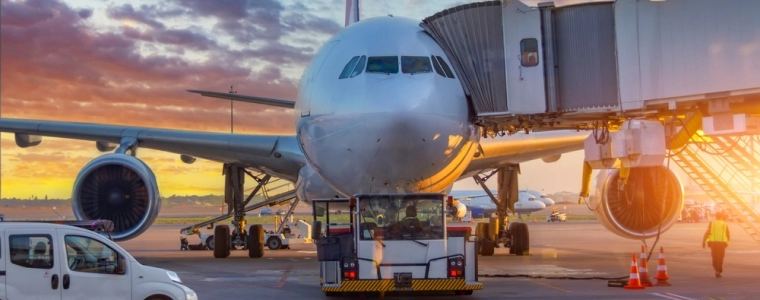
Когда люди спрашивают меня для чего используется титан, первая отрасль, которая приходит на ум, почти всегда — это аэрокосмическая промышленность. В этой области производительность — не просто цель; это требование безопасности. Мы сильно полагаемся на титан, потому что он предлагает идеальный баланс высокой прочности и низкой плотности, что критично, когда важен каждый килограмм.
Критическое использование в конструкциях воздушных судов и шасси
Прочность титана делает его незаменимым для аэрокосмических титановых компонентов. Мы часто используем Ti-6Al-4V (Группа 5) для критически важных структурных частей, таких как опоры крыльев и сборки шасси.
- Соотношение прочности к весу: Он обеспечивает прочность стали примерно вдвое легче, значительно повышая топливную эффективность.
- Износостойкость: Шасси должно выдерживать огромные ударные нагрузки. Высокая усталостная прочность титана гарантирует, что эти детали не выйдут из строя под давлением.
- Коррозионная стойкость: В отличие от стали, титановые детали не требуют тяжелого покрытия для предотвращения ржавчины, даже в влажных условиях эксплуатации.
Производство этих тяжелонагруженных компонентов часто включает современные технологии литья для обеспечения соответствия металла строгим авиационным стандартам.
Теплостойкие компоненты реактивных двигателей
Внутри реактивного двигателя температуры могут достигать более 538°C (1 000°F). Алюминиевые сплавы расплавились бы или деформировались, а титан остается на месте.
- Лопатки компрессора: Титан — предпочтительный материал для лопаток вентилятора и дисков компрессора в более холодных секциях двигателя.
- Тепловая стабильность: Он сохраняет свои механические свойства в зонах с высокой температурой, где другие легкие металлы выходят из строя.
- Устойчивость к ползучести: Материал сопротивляется деформации при длительном воздействии нагрузки при высоких температурах.
Чтобы еще больше продлить срок службы этих вращающихся частей, мы часто применяем специализированные поверхностную обработку для защиты от трения и износа.
Детали для экономии веса в космических исследованиях
В космических исследованиях коэффициент прочности к весу титана является финансовой необходимостью. Запуск массы на орбиту чрезвычайно дорог, поэтому снижение веса — приоритет.
- Топливные баки: Устойчивость титана к агрессивным топливам и окислителям делает его идеальным для хранения топлива.
- Структурные фермы: Используются в конструктивных каркасах спутников и роверов, обеспечивая жесткость без лишнего объема.
- Экстремально низкие температуры: В отличие от стали, которая может стать хрупкой в замороженной вакууме космоса, титан сохраняет свою прочность.
Медицинские и биомедицинские устройства
При вопросе для чего используется титан в здравоохранении ответ обычно сводится к одному важному фактору: биосовместимость. В отличие от других металлов, которые могут вызывать иммунные реакции, титан полностью нетоксичен и принимается организмом человека. Это делает его безусловным лидером среди материалов для жизненно важных медицинских применений, где безопасность — превыше всего.
Имплантаты и замены суставов, меняющие жизнь
Медицинские титановые имплантаты произошли революцию в ортопедической хирургии. Будь то винт для зубов, спинной стержень или полная замена коленного сустава, титан позволяет остеоинтеграции—где естественная кость фактически прорастает в металлическую поверхность.
- Эластичность, похожая на кость: Свойства Ti-6Al-4V включая модуль упругости, близкий к человеческой кости, что снижает эффект “стресс-шилдинга”, вызывающий потерю костной массы вокруг жестких имплантов.
- Износостойкость: Эти детали могут оставаться в организме десятилетиями без коррозии или деградации.
- Сложные формы: Производство таких сложных геометрий часто требует передовых технологий производства. Как указано в нашем руководстве по материалам литья в инвестиционной форме, использование высококачественных огнеупорных материалов в процессе литья необходимо для достижения точных допусков, необходимых для медицинских деталей.
Прочные и немагнитные хирургические инструменты
Титан также является стандартом для высокопроизводительных хирургических инструментов. Поскольку титан немагнитен, эти инструменты безопасны для использования в операциях с использованием МРТ, где магнитные стальные инструменты были бы опасны. Они невероятно легкие, что снижает усталость хирурга во время длительных процедур, и выдерживают повторные циклы стерилизации при высоких температурах без потери остроты.
Морское инженерное дело и использование в оффшоре
Когда наши клиенты спрашивают для чего используется титан в морской индустрии ответ прост: выживание в океане. Соленая вода жестока к оборудованию, но титан справляется с этим без проблем.
Валовые и такелажные системы
На воде вам нужно металлы, устойчивые к коррозии чему можно доверять. Вот как мы видим доминирование титана в морской среде:
- Иммунитет к соленой воде: В отличие от других материалов, морской титан не образует ям, не ржавеет и не трескается при постоянном контакте с морской водой.
- Тяжелые валовые и пропеллерные валы: Обеспечивает необходимую прочность для приведения в движение крупных судов при этом снижая общий вес.
- Такелаж и подводное оборудование: Это основной металл для оффшорных нефтяных платформ, подводной робототехники и глубоководных исследований, где отказ деталей просто недопустим.
Хотя такие процессы как литью из нержавеющей стали по инвестиционной технологии являются очень эффективными и распространенными для стандартных судовых деталей, титан — это абсолютное высшее качество улучшения, когда необходима нулевая компромиссность против коррозии в океане.
Титановые теплообменники
Очистные сооружения по опреснению воды по всему миру превращают морскую воду в пресную питьевую воду. Этот процесс создает горячую, высококонцентрированную рассол, который быстро разрушает обычный металл.
- Максимальная долговечность: A титановый теплообменник является отраслительным стандартом для этих объектов, потому что он легко выдерживает агрессивную морскую воду и экстремальные температуры без деградации.
- Долгосрочная экономия: Хотя первоначальная стоимость материала выше, оборудование работает десятилетиями без необходимости замены. Эта неустанная надежность идеально демонстрирует именно для чего используется титан в тяжелой промышленности.
Химическая и промышленная обработка
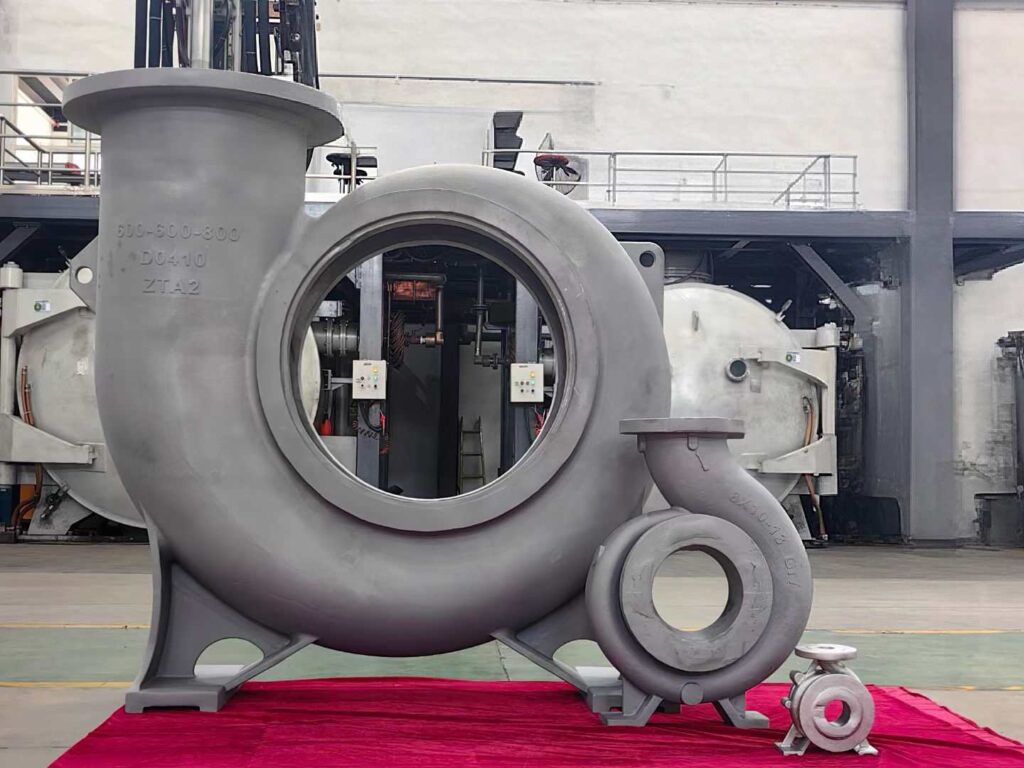
Когда мы рассматриваем для чего используется титан в тяжелом промышленном секторе все сводится к одному: выживанию в самых суровых условиях. По моему опыту, стандартные металлы просто не справляются с агрессивными жидкостями, встречающимися на современных химических заводах. Титан — это не просто вариант; зачастую это единственный материал, гарантирующий безопасность и долговечность.
Трубопроводы и клапаны для коррозийных химикатов
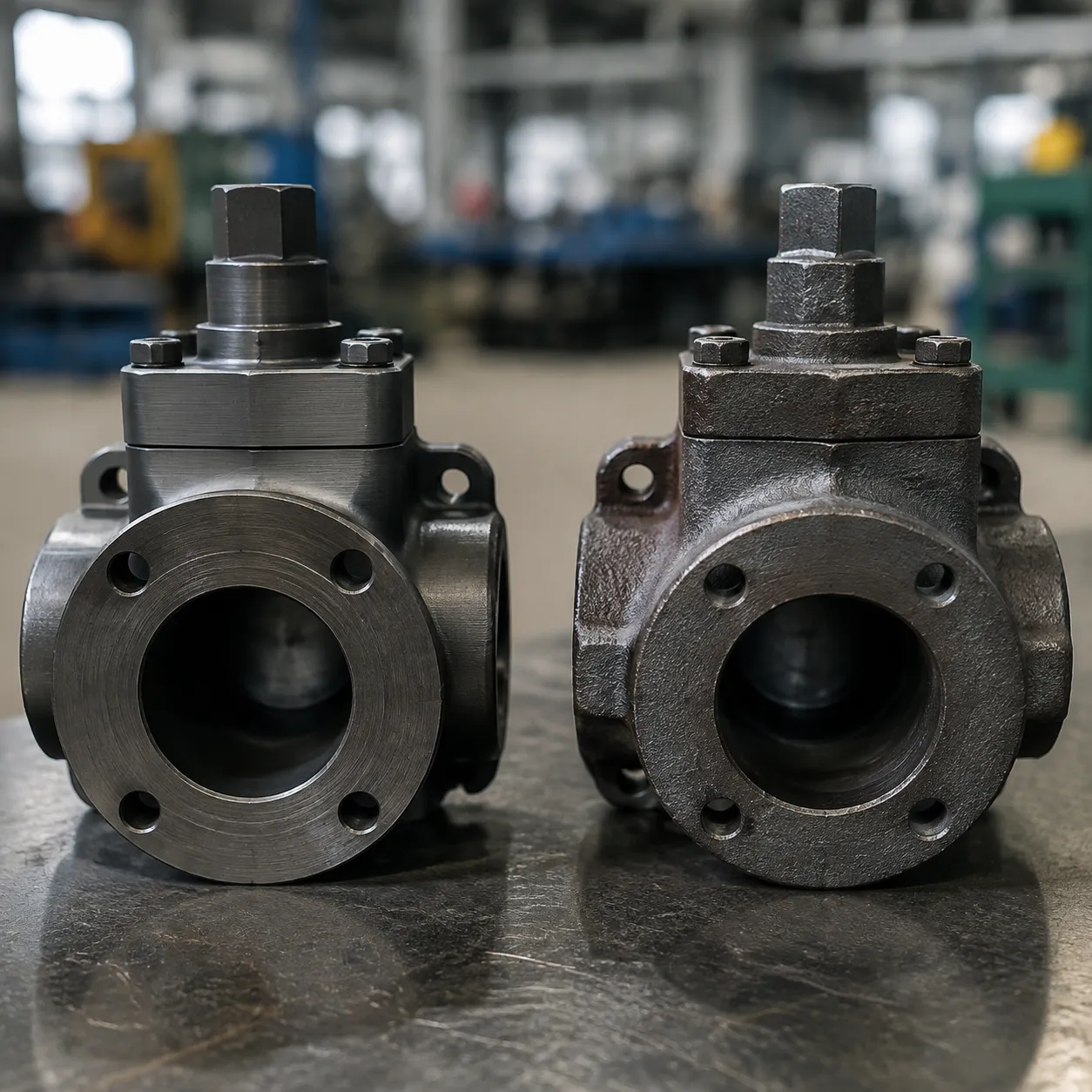
Мы полагаемся на материалы для химического оборудования которые не разлагаются. Титан здесь — золотой стандарт, потому что он обеспечивает надежность, которую нержавеющая сталь просто не может сравниться в определенных условиях.
- Коррозионная стойкость: Он практически не подвержен атакам влажного хлористого газа, хлоридов и окисляющих кислот, которые за несколько дней разрушили бы другие металлы.
- Снижение затрат на обслуживание: Титановые клапаны, насосы и системы трубопроводов требуют гораздо меньшего обслуживания, предотвращая дорогостоящие остановки производства.
- Эффективность потока: Поскольку он не корродирует и не образует пучков, внутренние поверхности остаются гладкими, поддерживая оптимальные показатели потока в течение десятилетий.
Энергетика и хранение ядерных отходов
Помимо общих химикатов, промышленные применения титана играют важную роль в энергетическом секторе. Мы широко используем его в конденсаторных трубках для электростанций благодаря его превосходной стойкости к эрозии и коррозии. Более того, его высокая стабильность делает его лучшим выбором для контейнеров для хранения ядерных отходов, где отказ материала абсолютно недопустим.
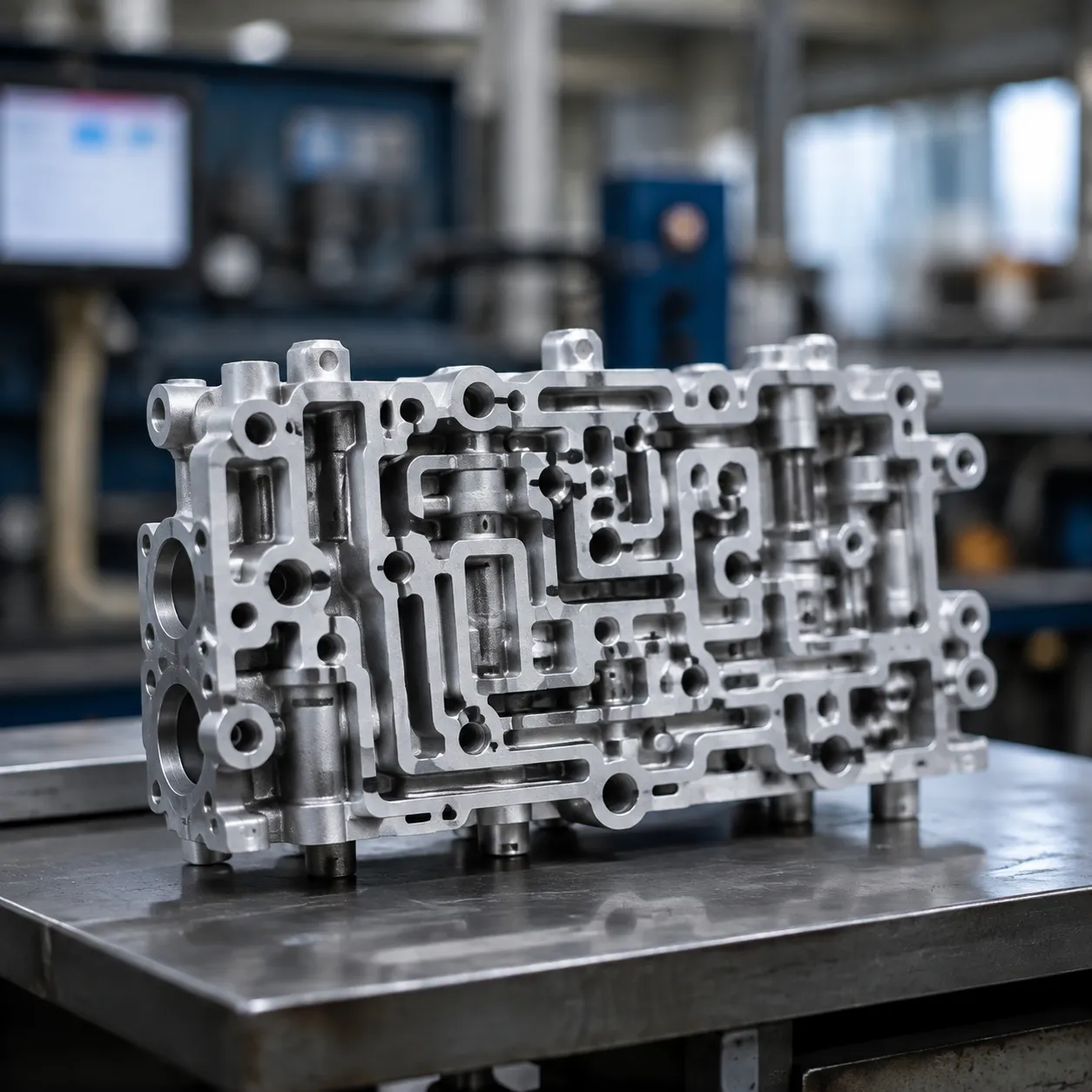
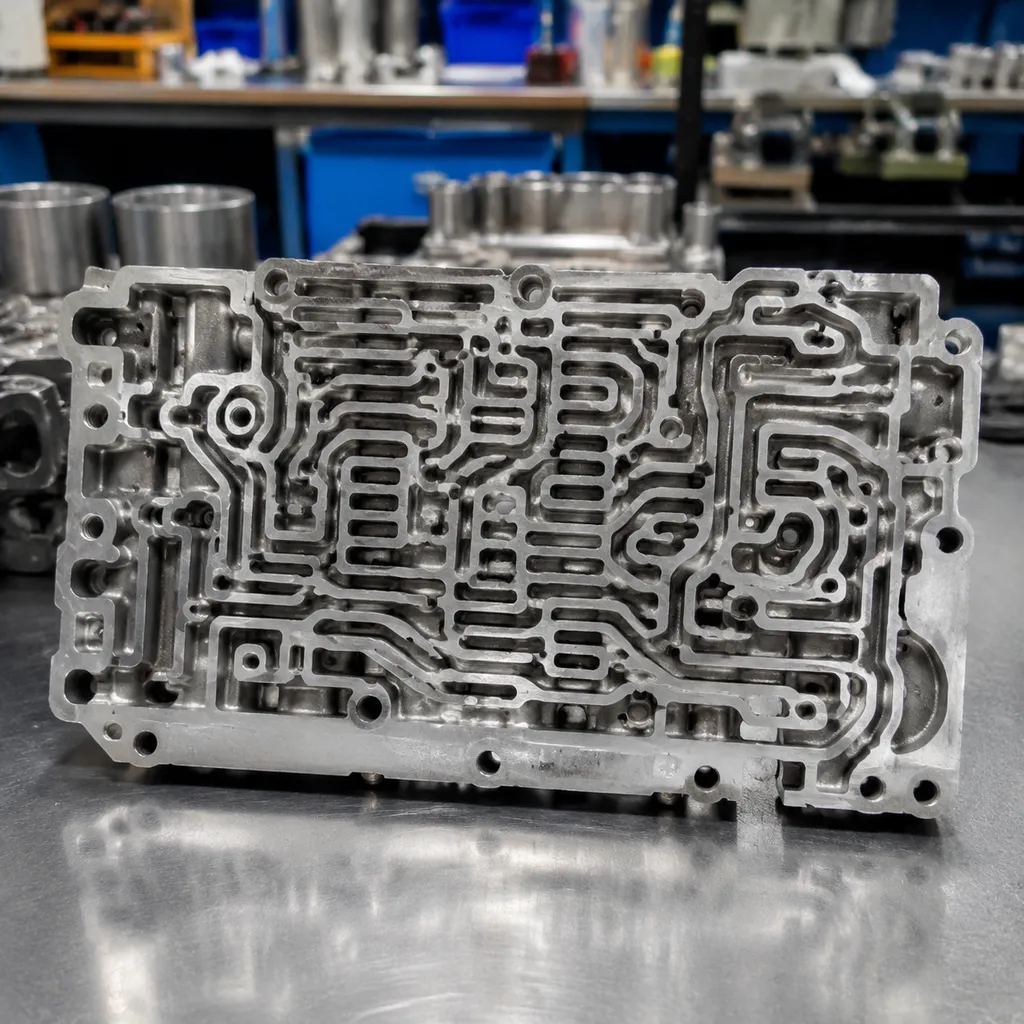
Для создания этих сложных, долговечных компонентов — таких как сложные корпуса насосов или корпуса клапанов — мы часто используем передовые методы производства. Понимание информациях о точном литье и характеристиках материалов помогает нам обеспечить соответствие этих критически важных деталей точным спецификациям, необходимым для высокорискованных промышленных условий.
Автомобильная промышленность и гонки высокой производительности
Когда спрашивают, для чего в автоиндустрии используют титан, ответ всегда сводится к снижению веса и выживанию при экстремальных нагрузках. В российской автомобильной и высокопроизводительной гоночной сцене мы полагаемся на этот металл, чтобы довести транспортные средства до их абсолютных пределов.
Легкие компоненты двигателя
Двигатель — это сердце любого гоночного автомобиля, и тяжелые детали замедляют его. Вот как мы используем титан для решения этой проблемы:
- Шатунные пальцы: Используя огромное соотношение прочности к весу титана, мы создаем шатуны, которые движутся быстрее и выдерживают более высокие обороты без поломки под давлением.
- Впускные и выпускные клапаны: Легкие клапаны предотвращают “плавание клапана” на высоких скоростях, обеспечивая плавную работу двигателя во время интенсивных заездов.
Высокопроизводительные выхлопные системы
Модернизация спортивного автомобиля с помощью титанового выхлопа — это не только для красоты, хотя характерная синяя отметка выглядит отлично. Он значительно снижает общий вес автомобиля по сравнению со стандартной сталью. Благодаря тому, что титан отлично справляется с экстремальной температурой, эти системы выхлопа служат дольше стандартных материалов, даже в условиях жесткой конкуренции.
Создание этих специализированных автомобильных деталей требует точности, подобной строгим стандартам, которым мы следуем в более широком масштабе производства оборудования чтобы каждая компонента работала безупречно на дороге и на треке.
От металла к детали: методы обработки титана
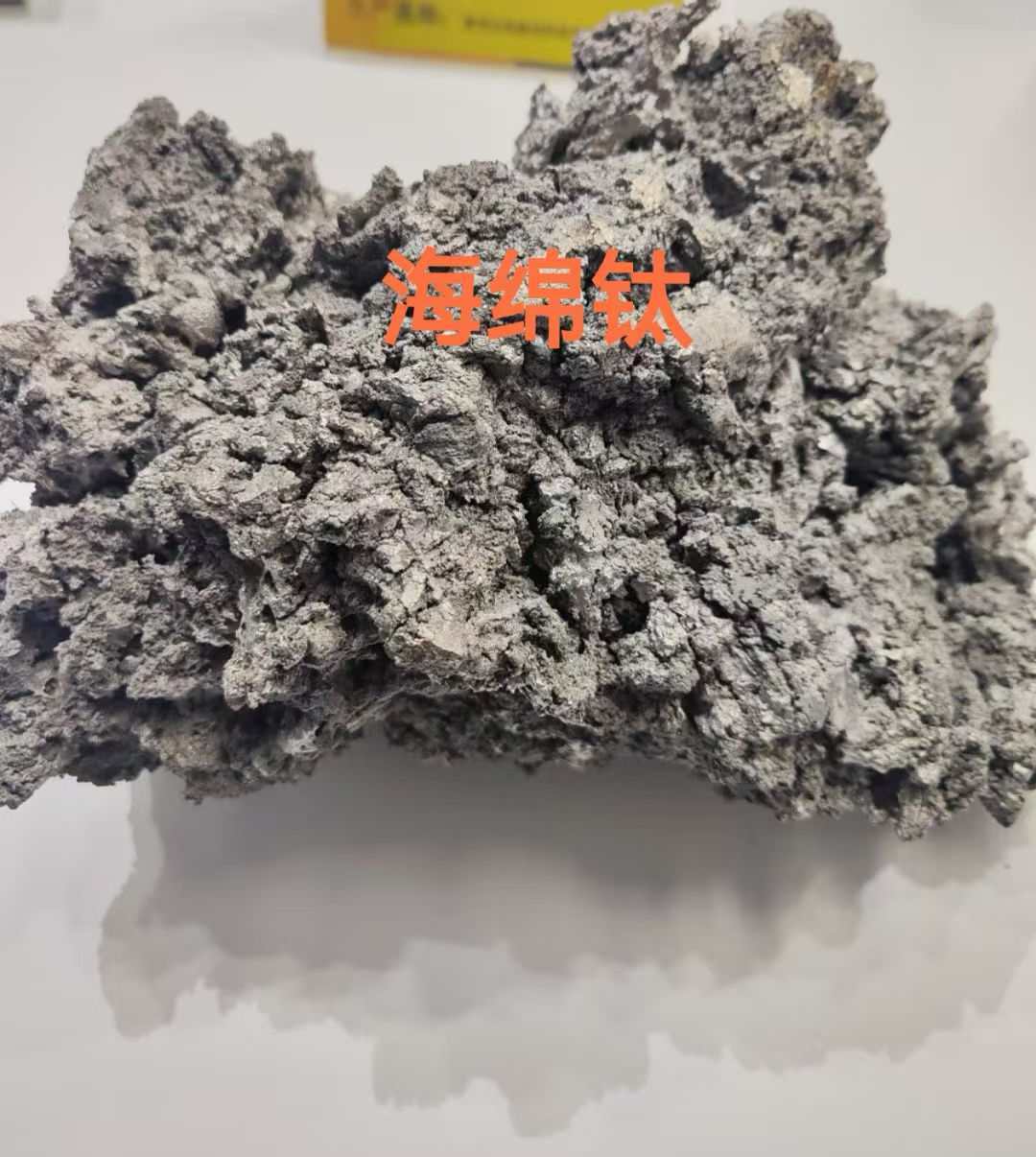
Преобразование необработанного титана в готовые компоненты высокой производительности требует специальной обработки для сохранения его превосходных свойств. Мы используем определенные технологические маршруты для эффективной формовки этого реактивного металла при минимизации отходов.
Точная литьевая и пескоструйная формовка
Когда нам нужны сложные формы без удаления дорогого материала, литье из титана является стандартом отрасли. Оно обеспечивает почти готовые формы с высокой точностью, что важно для сложных аэрокосмических деталей. Для более крупных промышленных компонентов часто предпочтительна пескоструйная формовка. Выбор правильного метода на основе детального руководство по сплавам для литья критичен для предотвращения дефектов, таких как пористость, и обеспечения структурной целостности.
Проблемы механической обработки CNC
Услуги по обработке титана на ЧПУ должны преодолеть склонность металла к удержанию тепла и прилипанию к режущим инструментам (залипание). Чтобы добиться точной отделки без повреждения инструментов, мы полагаемся на:
- Жесткие настройки станков для устранения вибраций и резонанса.
- Специализированные твердосплавные инструменты разработаны для сопротивления высоким тепловым нагрузкам.
- Гидравлические охлаждающие жидкости высокого давления для удаления стружки и немедленного снижения температуры.
Наш оптимизированный производственном процессе обеспечивает соблюдение очень строгих допусков, необходимых для медицинских имплантатов и лопаток турбин.
Обработка поверхности
эволюция Процесс анодирования титана широко используется для отделки деталей. В отличие от покраски, эта электролитическая обработка увеличивает толщину естественного оксидного слоя. Это повышает износостойкость, предотвращает заедание резьб и позволяет использовать цветовую маркировку — важную особенность для чего используется титан в идентификации различных размеров хирургических винтов и пластин.
Понимание классов титана: какой вам нужен?
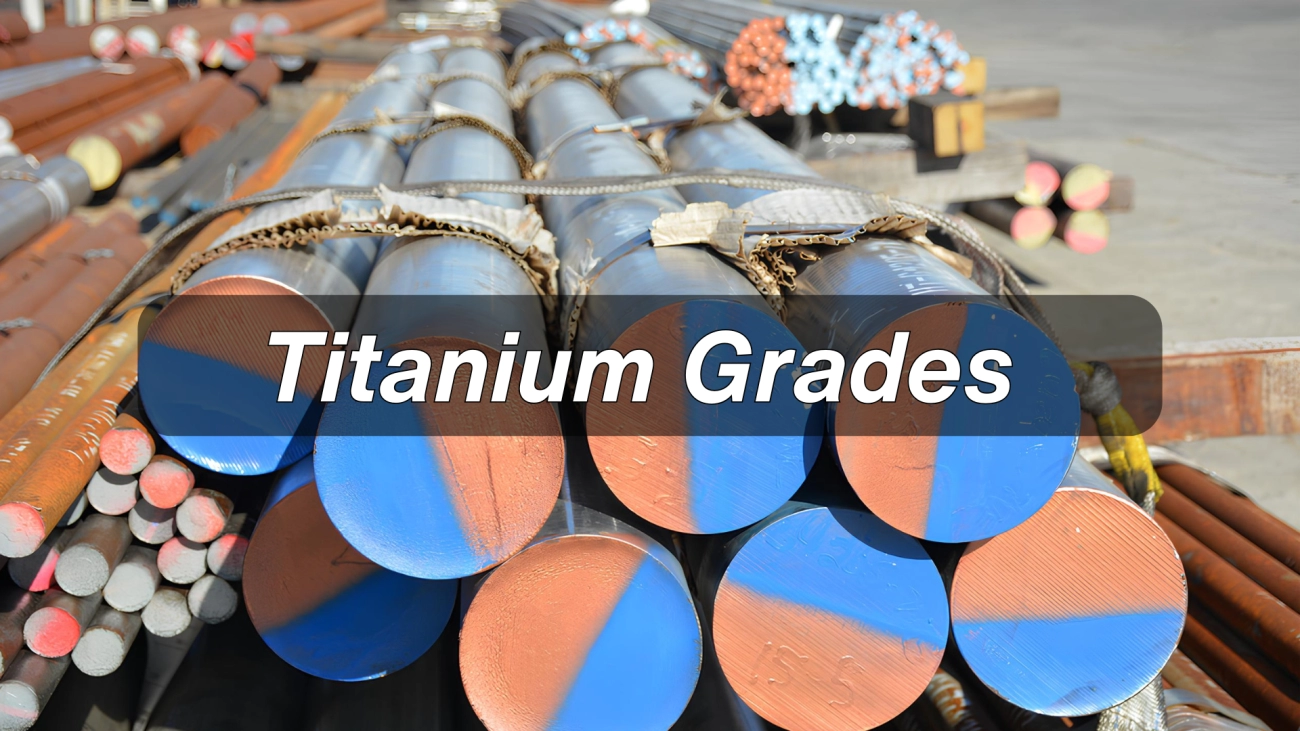
Когда спрашивают для чего используется титан, ответ часто полностью зависит от конкретного класса металла. Не весь титан одинаково хорош. В нашей отрасли неправильный выбор класса может означать разницу между деталью, которая прослужит всю жизнь, и той, что выйдет из строя под давлением. Обычно мы делим их на коммерчески чистые (CP) сорта и сплавы, каждый из которых обладает уникальными свойствами, подходящими для конкретных задач.
Коммерчески чистые (CP) сорта для пластичности
CP титан (классы 1-4) не содержит сплавов, то есть это титан в его наиболее естественном, очищенном виде. Я часто рекомендую эти сорта, когда приоритетом являются формуемость и коррозионная стойкость, а не прочность.
- Класс 1: Самый мягкий и наиболее пластичный. Его невероятно легко формовать, что делает его идеальным для оборудования химической обработки и архитектурных деталей.
- Класс 2: “Рабочая лошадка” семейства CP. Обеспечивает баланс прочности и формуемости, широко используется в промышленной трубопроводной системе и морской промышленности.
- Степень 4: Самый прочный из чистых сортов. Мы видим его использование там, где необходимы высокая прочность и отличная коррозионная стойкость, например, в компонентах авиационных конструкций.
Ti-6Al-4V (Grade 5): Мощный сплав
Если вы ищете Свойства Ti-6Al-4V, вы ищете производительность. Grade 5 - самый распространенный титановый сплав в мире, на который приходится половина всего мирового потребления титана. Он смешивает титан с 6% алюминия и 4% ванадия.
Почему он так популярен? Он предлагает значительно более высокую прочность, чем CP титан, сохраняя при этом ту же жесткость и тепловые свойства. На нашем литейное производство сплавов, мы часто используем этот сорт для применений с высокими нагрузками.
- Основные области применения: Аэрокосмические турбины, конструктивные компоненты и высокопроизводительные детали двигателей.
- Преимущество: Он поддается термической обработке, что означает, что мы можем изменять его свойства в соответствии с конкретными требованиями проекта.
Специализированные сплавы для медицинского и критического применения
Помимо стандартных сортов, мы используем специализированные сплавы, разработанные для самых критических сред, особенно в здравоохранении. Титан Grade 23 (Ti-6Al-4V ELI) является более чистой версией Grade 5. “ELI” означает Extra Low Interstitial (сверхнизкое содержание примесей), что означает, что в нем меньше примесей, таких как кислород и железо. Это делает его невероятно прочным и устойчивым к разрушению, что является обязательным условием для биомедицинских применений. Когда спрашивают чего используется титан в хирургической практике это обычно ответ — штифты, винты и ортопедические кабели, которые организм не отвергает.
Часто задаваемые вопросы о титане
Является ли титан прочнее стали?
Это одно из самых больших заблуждений в мире металлов. Если смотреть только на предел прочности на разрыв, высокопрочные стальные сплавы могут быть даже прочнее титана. Однако волшебство заключается в Соотношение прочности к весу титана. Титан примерно на 45% легче стали, но соответствует ей по прочности. Таким образом, в пересчете на вес титан значительно прочнее. Если ваш проект не требует экстремальной экономии веса, высококачественные продукты из нержавеющей стали часто являются более экономичным вариантом, но когда важен каждый грамм — например, в аэрокосмической или гоночной индустрии — титан является несомненным лидером в Титан против нержавеющей стали дискуссии.
Почему титан такой дорогой?
Цена на титан определяется сложностью добычи и переработки. В отличие от железа или алюминия, титан агрессивно связывается с кислородом, что делает процесс рафинирования (процесс Кролла) чрезвычайно энергоемким и медленным. Его необходимо обрабатывать в вакууме или в инертных газах, чтобы предотвратить хрупкость. Кроме того, обработка титана сложна для инструментов, что ведет к повышенным затратам на производство. Вы платите не только за сырье, но и за специализированные технологии, необходимые для превращения его в пригодные для использования детали.
Ржавеет ли титан?
Нет, титан не ржавеет в традиционном смысле. Он является одним из самых надежных металлы, устойчивые к коррозии доступных. Вместо отслаивания, как железная окалина (ржавчина), титан спонтанно образует тонкий, стабильный и защитный оксидный слой в момент контакта с кислородом. Эта барьерная пленка делает металл устойчивым к соленой воде, хлоридам и многим промышленным кислотам. Свойство самовосстановления особенно важно чего используется титан в суровых морских и химических условиях, где другие материалы бы корродировали и выходили из строя.