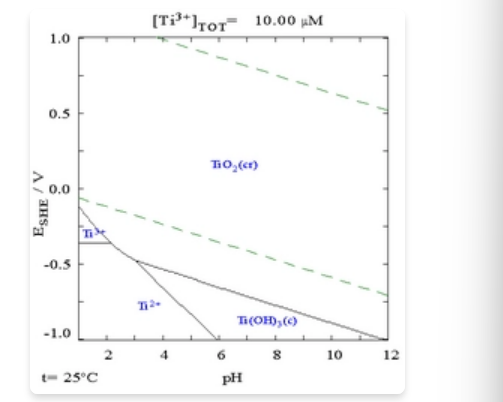
При проектировании критически важных компонентов для аэрокосмической, медицинской или промышленной отраслей понимание того, как производится титан даёт вам абсолютную уверенность в базовой целостности материала. Преобразование сырой руды в высокопроизводительный металл — это строго контролируемый многоэтапный металлургический процесс. Вот как мы превращаем сырье в первоклассные промышленные материалы.
Обработка руды ильменита и рутила
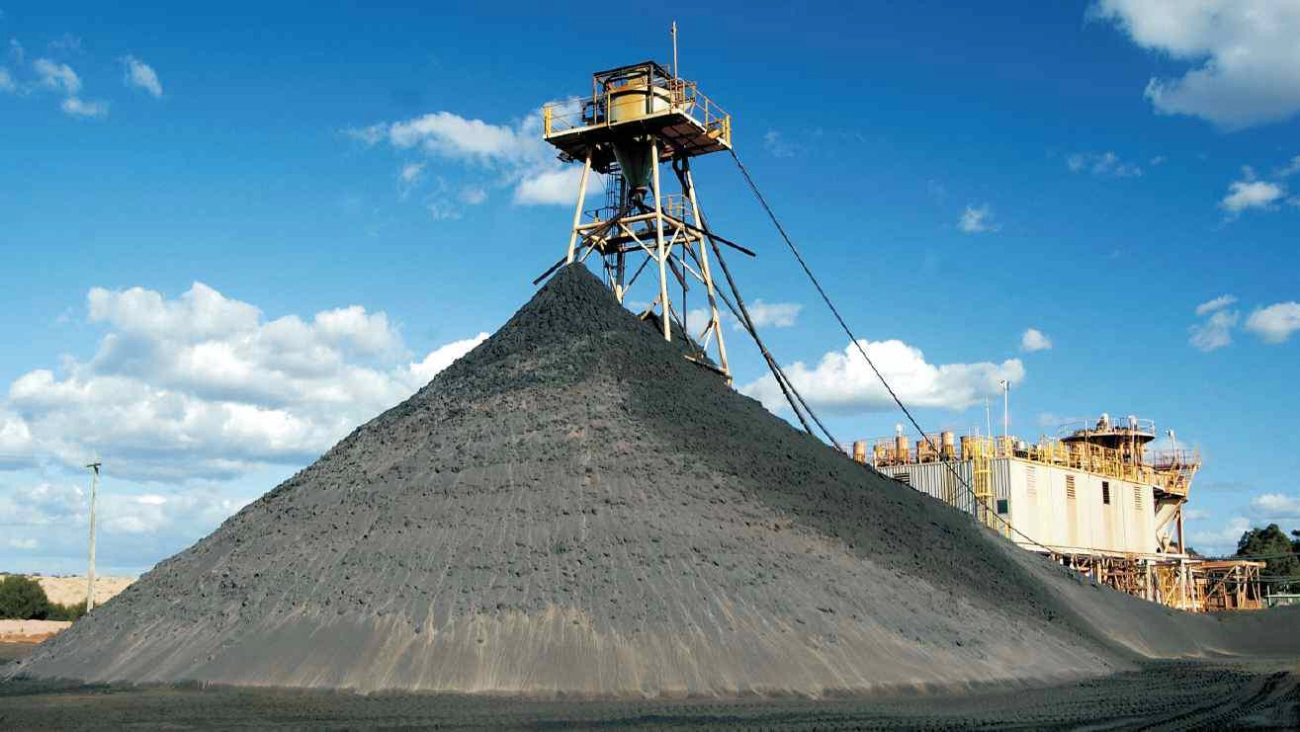
Основой любого высококачественного титанового продукта является добыча сырья. Мы начинаем с поиска первоклассных минералов, содержащих титан, в первую очередь ильменита и рутила. В ходе серии начальных обогащений и очистки мы выделяем диоксид титана из окружающей земли, создавая чистую базу для химического преобразования.
Процесс Кролла: Производство титановой губки
В отличие от стали, титан не может быть традиционно выплавлен из-за своей высокой реактивности с кислородом при высоких температурах. Вместо этого мы используем процесс Кролла для безопасного извлечения металла:
- Фаза хлорирования: Мы реагируем очищенный диоксид титана с хлором и углеродом при экстремальных температурах, чтобы получить тетрахлорид титана.
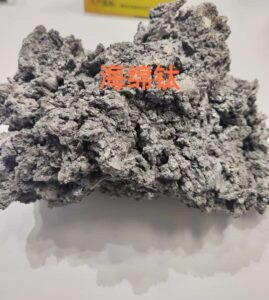
$TiO_2+2C+2Cl_2→ TiCl_4+2CO$ - Фаза восстановления: Чтобы избежать загрязнения, мы переносим тетрахлорид титана в герметичный реактор, заполненный инертным газом аргоном. Здесь вводится магний для удаления хлора, оставляя после себя высокопористую, чистую металлическую форму, известную как титановые губки.
$TiCl_4+2Mg→ Ti+2MgCl_2
Вакуумное дуговое переплавление (VAR) титана
Поскольку сырая титановая губка пористая и лишена структурной целостности, её необходимо консолидировать через Литейка титанового слитка.
- Прессование электродов: Мы измельчаем чистый титановые губки и гидравлически прессуем их в крупные расходные электроды.
- Легирование: Если производятся определённые высокопрочные сорта, именно здесь мы добавляем важные легирующие элементы, такие как алюминий или ванадий.
- Обработка VAR: Электроды расплавляются внутри Вакуумное дуговое переплавление (VAR) печи. Вакуумная среда гарантирует отсутствие атмосферных загрязнений, что обеспечивает получение плотного, идеально однородного титанового слитка.
Фрезерование, ковка и формовка
Чтобы превратить отливку в пригодные для промышленного использования форматы, мы начинаем строгую термомеханическую обработку. Точно контролируя температуру, мы подвергаем слитки горячей ковке, прокатке и экструзии. Этот важный этап формовки не только придает металлу коммерческие профили, но и выравнивает и уточняет внутреннюю зернистую структуру, обеспечивая конечные титановые бруски, листы и трубы, необходимые для ваших самых требовательных применений.
Почему важен процесс производства титана
Когда люди спрашивают меня как производится титан, я всегда отмечаю, что как именно то, что гарантирует, что металл не выйдет из строя в процессе эксплуатации. В haoyumaterial мы знаем, что каждый шаг процесса производства титана определяет конечную производительность ваших деталей.
Во время Производство титановой губки, мы полагаемся на строгий контроль атмосферы. Кислород — главный враг титана на этом этапе. Если кислород или влажность проникнут внутрь, металл станет хрупким и практически непригодным. Поддерживая полностью чистую среду, мы останавливаем загрязнение и сохраняем легендарное соотношение прочности и веса металла.
Прямое воздействие на ваши приложения
Начинается с чистой, беззагрязненной базы, что напрямую влияет на поведение металла в реальном мире. Этот контроль высокого уровня обеспечивает:
- Максимальный ресурс усталости: Предотвращает трещины в ваших конструкционных элементах при тяжелых, повторяющихся нагрузках.
- Полная биосовместимость: Обеспечивает безопасность, не токсичность и стабильность медицинских имплантатов внутри человеческого тела.
- Экстремальная температураустойчивость: Позволяет аэрокосмическим деталям выдерживать интенсивный нагрев без деформации или потери целостности.
Независимо от того, требует ли ваш проект стандартную листовую металл или вы оцениваете разницы между ковкой и литьем для высоко сложной компоненты, начало с первозданного сырья — обязательное условие. В качестве вашего надежного поставщика продукции из титана на металлопрокат, мы гарантируем, что качество высшего уровня закреплено задолго до того, как металл попадет на ваше производство.
Изучите премиальные продукты из титана Haoyumaterial
Будучи ведущим поставщиком продукции из титана и дистрибьютором промышленного титана в России, мы предоставляем материалы, соответствующие самым высоким стандартам отрасли. Если вы рассматриваете варианты для вашего следующего проекта, изучите наш комплексный гид по материалам из титана чтобы точно подобрать параметры под ваши требования.
Вот разбивка нашего основного ассортимента:
- Покупайте листы и пластины из титанового сплава: Доступны в широком диапазоне толщин и стандартных размеров по России. Это основной выбор для требовательных аэрокосмических конструкций и тяжелого химического оборудования.
- Титановый пруток и заготовки: У нас в наличии надежные круглые, квадратные и шестигранные прутки. Они обладают отличной обрабатываемостью, что делает их очень востребованными для производства прецизионных медицинских имплантатов и высоконагруженных механических деталей.
- Бесшовные титановые трубы: Мы предлагаем как бесшовные, так и сварные варианты, предназначенные для систем высокого давления и агрессивных сред. Они необходимы для строительства прочных теплообменников и надежной морской инфраструктуры.
- Титановая ковка и проволока на заказ: Когда стандартные размеры не подходят, мы предлагаем индивидуальные решения. Мы производим кованые изделия и специализированную проволоку на заказ в точном соответствии с вашими инженерными чертежами.
Марки титана, производимые в соответствии со стандартами ASTM и AMS
Когда вы изучаете, как производится титан, финальный этап включает в себя точную настройку химического состава для конкретных промышленных нужд. В haoyumaterial мы производим материалы строго в соответствии со стандартами ASTM и AMS. Независимо от того, закупаете ли вы титановую продукцию или изучаете другие методы производства в нашем руководстве по прецизионному литью металлов для инженеров и OEM-покупателей, правильный выбор марки металла имеет решающее значение.
Качественный чистый титан (CP)
Технически чистый (CP) титан в основном ориентирован на максимальную коррозионную стойкость и легкую формуемость.
- Марки 1 и 2: Это ваши основные материалы для химической обработки и морского оборудования, потому что они легко формуются и свариваются.
- Марки 3 и 4: Эти марки предлагают более высокую прочность, сохраняя при этом надежные антикоррозийные свойства, которые вы ожидаете от нелегированного титана.
Высокопрочные титановые сплавы
Когда работа требует экстремальной прочности на разрыв или строгого соответствия медицинским требованиям, мы смешиваем титан с другими элементами.
- Титан Ti-6Al-4V, марка 5: Бесспорный чемпион среди титановых сплавов. Он сочетает в себе прочность, ударную вязкость и вес, и именно поэтому покупатели полагаются на нас как на своего поставщика титана авиакосмического класса.
- Группа 7: Здесь мы добавляем небольшую дозу палладия, чтобы создать металл, который выдерживает самые суровые и коррозийные химические среды.
- Группа 23 (ELI): Обозначает сверхнизкое межзасорение. Это более чистая версия Группы 5, разработанная для максимальной усталостной прочности в медицинских имплантатах и критически важных аэрокосмических компонентах.
Почему стоит выбрать haoyumaterial в качестве вашего поставщика титана?
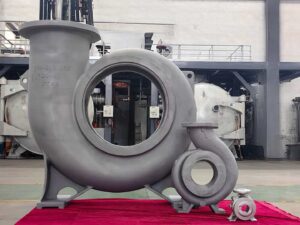
Понимание как производится титан это всего лишь первый шаг; надежный источник — это то, что обеспечивает работу ваших производственных линий. Когда вам нужен надежный промышленный дистрибьютор титана, вам нужен партнер, гарантирующий безупречное качество и скорость. В haoyumaterial мы управляем сложностями цепочки поставок, чтобы вы могли сосредоточиться на производстве.
Вот что мы предлагаем в качестве вашего прямого поставщика продукции из титана на металлопрокат:
- Строгий контроль качества ISO & ASTM: Мы проводим строгие испытания каждой партии. Вы получаете полностью сертифицированные металлы, соответствующие строгим стандартам для аэрокосмической, медицинской и промышленной сферы.
- Конкурентные цены напрямую с завода: Избегайте высоких наценок посредников. Мы используем прямые поставки, чтобы предоставить вам первоклассные материалы по цене, которая защищает ваш проект.
- Услуги по индивидуальной резке по размеру: Мы доставляем материалы, подготовленные точно по вашим чертежам. Это сокращает время обработки внутри компании и значительно уменьшает дорогостоящие отходы материала.
- Быстрые сроки выполнения заказа: Время — деньги в производстве. Наша оптимизированная глобальная логистика обеспечивает доставку титана в ваш объект точно в срок, предотвращая дорогостоящие задержки в графике.
Часто задаваемые вопросы (FAQ)
Сколько занимает процесс производства титана?
Сроки от добычи сырья до готового изделия обычно составляют несколько недель или месяцев. Только процесс Кролла занимает несколько дней непрерывной пакетной обработки, чтобы создать сырой титан-спонж. После извлечения этапы вакуумного дугового переплавления, ковки, фрезеровки и строгого контроля качества добавляют значительное время, прежде чем металл будет готов к распространению.
Почему производство титана дороже, чем стали?
Когда спрашивают как производится титан, они быстро понимают, насколько энергоемким является процесса производства титана на самом деле. В отличие от производства стандартных марок стали или специальных сплавов, таких как Сталь 8620, извлечение и рафинирование титана требуют экстремальной температуры, дорогого магния и строго контролируемых условий с использованием аргонового газа для предотвращения загрязнения кислородом. Кроме того, высокая прочность титана делает его особенно жестким для режущих инструментов, что увеличивает затраты на последующую обработку и отделку.
Может ли haoyumaterial предоставить титан, соответствующий требованиям DFARS?
Да, мы абсолютно можем. Как надежный поставщика титана авиакосмического класса и промышленный дистрибьютор титана, мы понимаем строгие требования к цепочке поставок для контрактов обороны и государственных заказов. Мы поставляем полностью прослеживаемые, соответствующие требованиям DFARS титановые изделия, поставляемые напрямую из стран-участников, что обеспечивает соответствие вашей производственной деятельности всем федеральным нормативам.