What is 2000 Series Aluminum?
When engineering components that demand high performance under extreme stress, material selection is critical. The 2000 series aluminum (often referred to as the 2xxx classification system) represents a specialized class of high-strength alloys where copper serves as the primary alloying element.
The Role of Copper in High-Strength Aluminum
Adding copper to aluminum fundamentally changes its mechanical properties. This strategic addition transforms a relatively soft base metal into a robust structural material capable of enduring heavy loads and cyclic stress. The copper alloying element effects result in a yield strength that rivals certain low-carbon steels, making these copper grades the go-to choice for the aerospace sector and heavy-duty industrial applications.
Heat Treatability and Maximizing Strength
To achieve peak mechanical performance, 2000 series aluminum must undergo specific thermal processing. These heat-treatable aluminium alloys rely on precise metallurgical control to reach their full potential:
- Solution Heat Treatment: The alloy is heated to a specific temperature to dissolve the copper into a solid solution, then rapidly quenched to lock the structural integrity in place.
- Artificial Aging: Following the initial quench, controlled precipitation hardening (aging) is applied to maximize the yield strength 2000 series aluminum is known for.
By leveraging these advanced thermal processes, we ensure the base material achieves the optimal hardness and structural stability required for precision casting and machining.
Key Mechanical Properties of 2000 Series Aluminum Alloys
When evaluating 2xxx series aluminum properties, the mechanical data speaks for itself. We rely on these heat-treatable aluminium alloys for demanding projects where material failure is simply not an option. Here is a breakdown of what makes this metal group so dependable.
High Performance and Strength
The yield strength of 2000 series aluminum rivals that of certain low-carbon steels. It delivers an exceptional strength-to-weight ratio, securing its position as a premier high performance structural aluminum. You get the heavy-duty load capacity typically associated with steel, but without the punishing weight penalty.
Exceptional Fatigue Resistance
Components subjected to continuous, repetitive motion require materials that will not micro-fracture under pressure. Fatigue resistance aluminum grades in the 2xxx family naturally excel in cyclic stress environments. This inherent endurance makes them ideal for dynamic load-bearing applications.
Superior Machinability
In its cured state, 2000 series aluminum provides excellent workability. The material forms clean chips during cutting, which extends tool life and accelerates production cycles. This structural stability is exactly what allows us to lock in precise dimensions. By combining the right alloy grades with advanced machining, our aluminum die casting services consistently hit tight tolerances for highly complex OEM components.
Corrosion Considerations
The primary alloying element that gives this series its massive strength—copper—does create a trade-off regarding 2000 series aluminum corrosion resistance. Because the raw alloy is susceptible to elemental degradation, we implement proven surface protection strategies:
- Alclad Protection: Applying a thin surface layer of high-purity aluminum that metallurgically bonds to the core, acting as a sacrificial shield.
- Anodizing: Utilizing hardcoat surface treatments to create a durable, oxidized barrier against moisture and harsh chemicals.
- Specialized Coatings: Applying industrial-grade primers and sealants for parts exposed to extreme outdoor environments.
Prominent Copper Grades in the 2000 Series Aluminum Family
When working with 2000 series aluminum, knowing the specific copper grades makes a massive difference in your manufacturing success. These heat-treatable aluminium alloys offer incredible versatility across high-stress environments. Here is a breakdown of the standout grades in the 2xxx lineup:
2026 Aluminum: The Aerospace Standard
If you operate in the aerospace sector, 2026 aluminum alloy specifications are likely a daily standard. Known for its exceptional yield strength and fatigue resistance, this grade is the primary choice for aircraft fuselage structures, wing tension members, and critical fittings. The heavy copper alloying element gives it structural integrity that directly rivals certain low-carbon steels.
2014 Aluminum: Heavy-Duty Performance
When comparing 2014 vs 2026 aluminum, 2014 steps up specifically for heavy-duty applications. We frequently see this high performance structural aluminum used for robust vehicle frames, heavy forgings, and structural components where maximum load-bearing capability is non-negotiable.
2011 & 2017 Aluminum: The Free-Machining Champions
For complex, screw-machine products requiring tight tolerances, 2011 and 2017 are the undisputed top choices. These grades are engineered for outstanding machinability. Because we provide comprehensive permanent mold casting services for precision aluminum and copper parts, we heavily rely on the predictable chip formation and exceptionally clean finishes that these free-machining alloys deliver during high-speed CNC operations.
Primary Industry Applications for 2000 Series Aluminum
Because of its exceptional strength-to-weight ratio, we frequently machine and cast 2000 series aluminum for industries where failure is not an option. The unique copper grades in these alloys make them ideal for environments that demand extreme durability and precision.
The Aerospace Sector
In the aerospace sector, this material is the gold standard. We regularly work with aerospace aluminum materials to produce critical flight components that require strict adherence to safety standards.
- Fuselage structures: Providing the necessary structural integrity and stiffness under pressure.
- Wing tension members: Handling immense cyclic stress and heavy loads during flight.
- Aircraft fittings: Ensuring reliable, high-strength connections throughout the airframe.
Military and Defense
Defense contractors rely on high performance structural aluminum for rugged, field-ready equipment. The robust nature of the 2xxx series makes it a staple in defense manufacturing.
- Structural armor: Offering lightweight but heavy-duty protection for personnel and vehicles.
- High-stress components: Machining high-strength aluminum ensures consistent reliability in unpredictable and extreme combat environments.
Automotive and Motorsport
For racing and custom vehicle builds, shedding weight without sacrificing strength is the ultimate goal. The high yield strength 2000 series aluminum provides exactly what these engineering teams need.
- Engine parts: Handling intense mechanical stress and rapid movements.
- Suspension components: Utilizing fatigue resistance aluminum to survive continuous cyclic loads and heavy impacts on the track.
Whether you are designing for the sky, the battlefield, or the race track, consulting a comprehensive alloy guide for high-performance alloys and precision casting helps ensure you select the exact grade needed to meet your stringent project requirements.
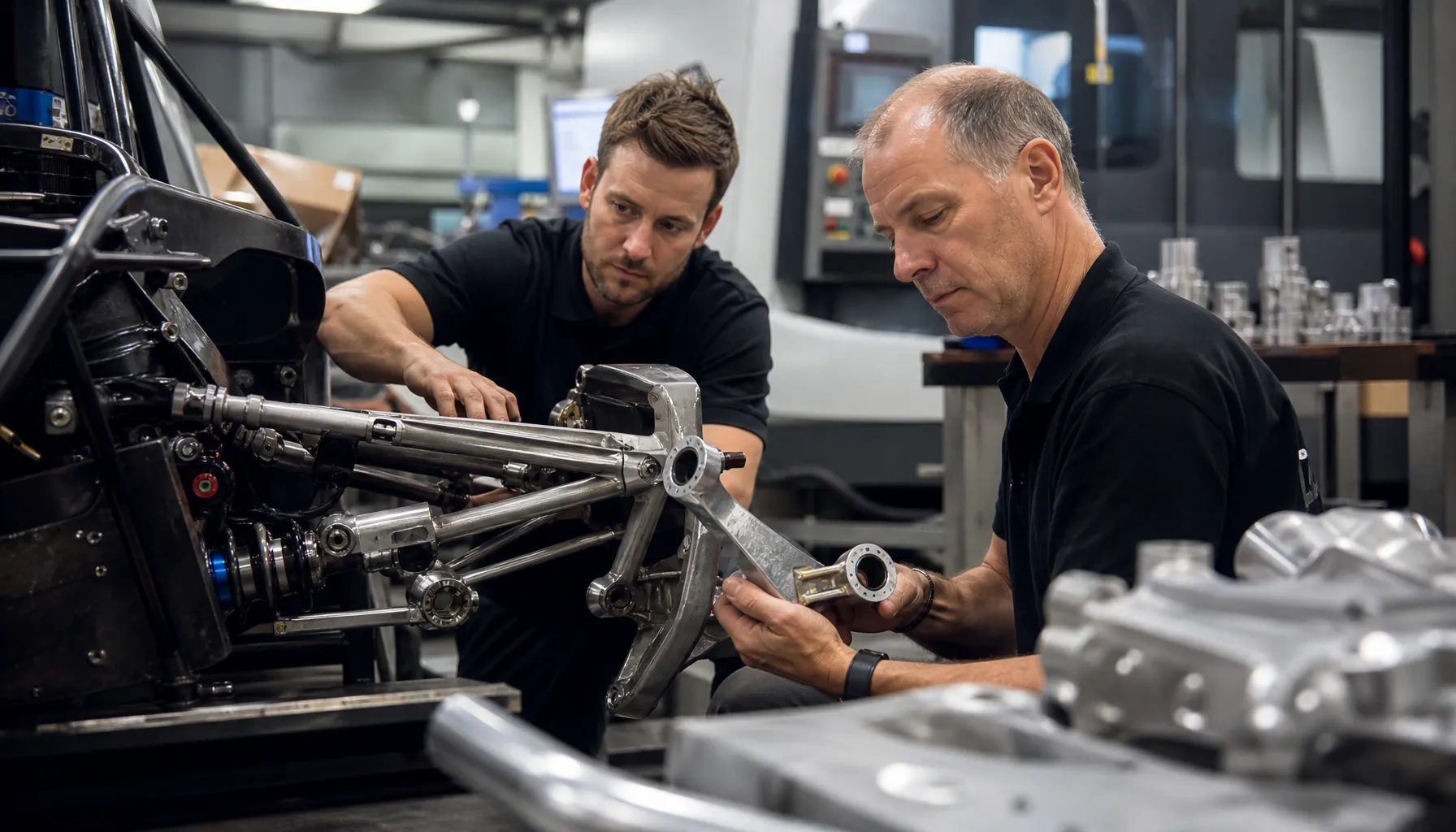
Precision Casting and Machining 2000 Series Aluminum
Machining high-strength aluminum from the 2xxx series requires a specialized approach. Because these copper grades are significantly stronger than standard aluminum, they present unique dynamics on the shop floor that must be managed properly.
Machining Dynamics
When working with 2000 series aluminum, understanding how the material behaves under the cutting tool is critical for a flawless finish.
- Chip Formation: The addition of copper alloying elements makes these metals yield shorter, continuous chips. This prevents the tool-clogging issues often seen with softer, gummy aluminum grades.
- Tool Wear: While generally easy to machine, the high strength of the material can slightly increase tool wear over time. Sharp carbide tooling is highly recommended.
- Cutting Speeds: Optimal cutting speeds require a careful balance. Running at high speeds with high-pressure coolant ensures an excellent surface finish while preventing excessive heat buildup that could alter the metal's properties.
Achieving Tight Tolerances
Hitting exact specifications requires rigid machine setups and precise thermal management. Maintaining dimensional stability during the cutting process is how we consistently achieve tight tolerances. We rely on advanced tool paths, optimized feed rates, and controlled manufacturing environments to prevent material warping. For complex components, our aluminum prototype services and rapid CNC machining provide the precision necessary to bring your engineering blueprints to life without compromise.
Vastmaterial's Expertise
At Vastmaterial, custom aluminum alloy machining is what we do best. We understand the specific challenges involved in precision casting and CNC machining 2000 series aluminum. From managing the thermal dynamics of copper-rich alloys to executing complex geometries, we implement strict quality control protocols to guarantee zero defects and total adherence to your specifications.
Our Precision Machining Capabilities
| Focus Area | Capability Details |
|---|---|
| Material Grades | 2026, 2014, 2011, and other 2xxx series |
| Core Services | CNC milling, turning, and precision casting |
| Tolerance Goals | Ultra-tight tolerances with strict dimensional stability |
| Quality Assurance | Zero-defect policy and rigorous final inspection |
2000 Series vs. Other Common Aluminum Alloys
When we select materials for high-stress applications, knowing exactly how 2000 series aluminum compares to other heat-treatable aluminium alloys prevents costly engineering mistakes. Here is a direct breakdown of how these materials perform under demanding conditions.
2000 Series vs. 6000 Series
- Strength Levels: The 2xxx series is vastly stronger. Thanks to its specific alloying element profile, it delivers a yield strength that easily rivals the performance of many precision machined parts made from low-carbon steel.
- Corrosion Resistance: The 6000 series takes the lead here. Because of the high copper content, 2000 series aluminum typically requires a protective Alclad layer or anodizing to prevent environmental degradation.
- Weldability: If your project requires welding, the 6000 series is the safer bet. Most 2000 series grades are susceptible to hot cracking and are strictly designed for mechanical fastening rather than welding.
2000 Series vs. 7000 Series
- Core Elements: The 2000 series utilizes robust copper grades for hardening, whereas the 7000 series relies heavily on zinc.
- Aerospace Sector Roles: Both are top-tier aerospace aluminum materials. The 7000 series boasts higher ultimate tensile strength for rigid structural frames. Conversely, 2000 series aluminum delivers superior fatigue resistance, making it our primary choice for fuselage structures that endure constant cyclic tension and pressure changes.
- Machining Performance: Both alloy families allow us to hold exceptionally tight tolerances during CNC machining. However, the 2000 series generally cuts cleaner, leaving a superior surface finish straight off the machine tool.
Frequently Asked Questions (FAQs) About 2000 Series Aluminum
Is 2000 series aluminum weldable?
Generally, 2000 series aluminum is not recommended for traditional fusion welding. The high copper content makes these alloys highly susceptible to hot cracking and stress corrosion during the heating and cooling cycles. In our precision machining and assembly facilities, we rely on mechanical fastening methods—such as riveting, bolting, or specialized adhesives—when working with these high-performance structural aluminum grades to ensure absolute structural integrity.
How do you protect 2xxx series aluminum from corrosion?
Because copper is the primary alloying element, the 2xxx series naturally trades away some corrosion resistance for its massive gains in strength. To protect these parts in harsh environments, we apply specific surface treatments:
Alcladding: Bonding a thin, protective layer of high-purity aluminum directly to the core metal.
Anodizing: Creating a hardened, controlled oxide layer that prevents environmental degradation.
Specialized Coatings: Applying aerospace-grade primers and protective paints.
For broader insights into how different compositions affect material performance, you can review our cast aluminum guide covering properties, processes, and applications.
What is the difference between 2026 and 7075 aluminum in aerospace?
Both are staple aerospace aluminum materials, but they serve distinctly different structural purposes. We routinely handle CNC machining for both, holding tight tolerances based on exact client specifications.
| Feature | 2026 Aluminum (2000 Series) | 7075 Aluminum (7000 Series) |
|---|---|---|
| Primary Alloy Element | Copper | Zinc |
| Key Advantage | Exceptional fatigue resistance and fracture toughness | Higher ultimate tensile and yield strength |
| Common Aerospace Uses | Fuselage skins, lower wing tension members | Upper wing panels, highly stressed gears and fittings |
| Machining Dynamics | Excellent chip formation for tight tolerances | Good, but requires specific tool wear management |