Comprendere i Processi Fondamentali
Da Haoyu Material, affrontiamo ogni giorno le complessità della produzione pesante. Quando i clienti ci si rivolge per componenti su larga scala come alberi rotori o involucri di mulino, la prima decisione tecnica spesso riguarda il la differenza tra forgiatura e fusione. mentre entrambi i metodi trasformano il metallo grezzo in parti utilizzabili, lo fanno attraverso meccanismi fisici fondamentalmente diversi che determinano la resistenza, l'integrità e l'applicazione del componente finale.
Comprendere fusione contro forgiatura è fondamentale perché il metodo di produzione influisce direttamente sulla durata e sull'affidabilità delle parti utilizzate in settori impegnativi come l'estrazione mineraria, la produzione di acciaio e l'energia eolica. Non produciamo solo; progettiamo soluzioni basate sul fatto che una parte abbia bisogno della geometria intricata di una fusione o della superiore integrità strutturale di una forgiatura.
Cos'è la Fusione?
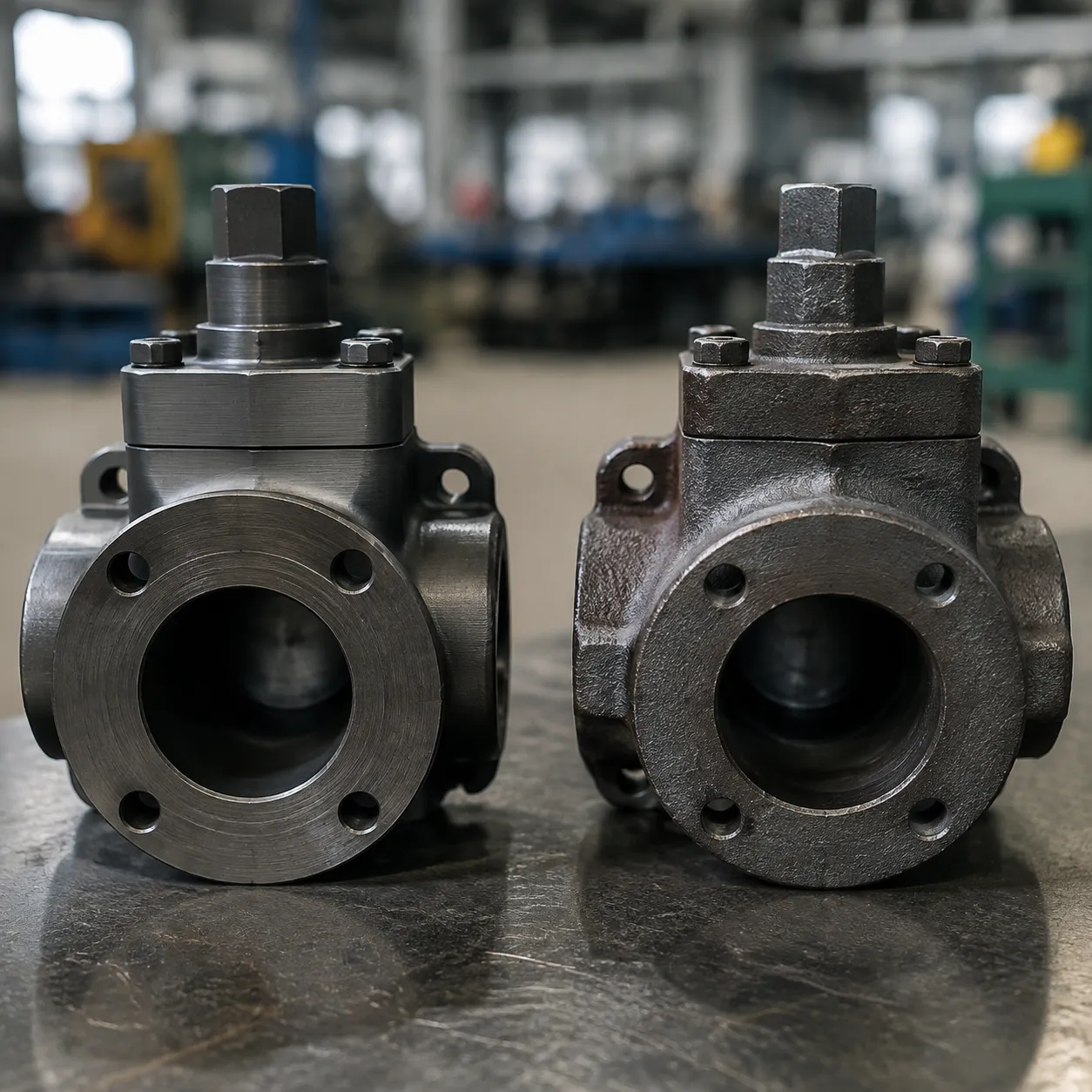
Fusione is a process that begins with liquidity. We heat material—typically carbon steel, alloy steel, or stainless steel—until it becomes metallo fuso. Questo liquido viene quindi versato in uno stampo preparato che contiene un'impronta negativa della forma desiderata. Una volta che il metallo si raffredda e si solidifica, rimuoviamo lo stampo per rivelare il componente.
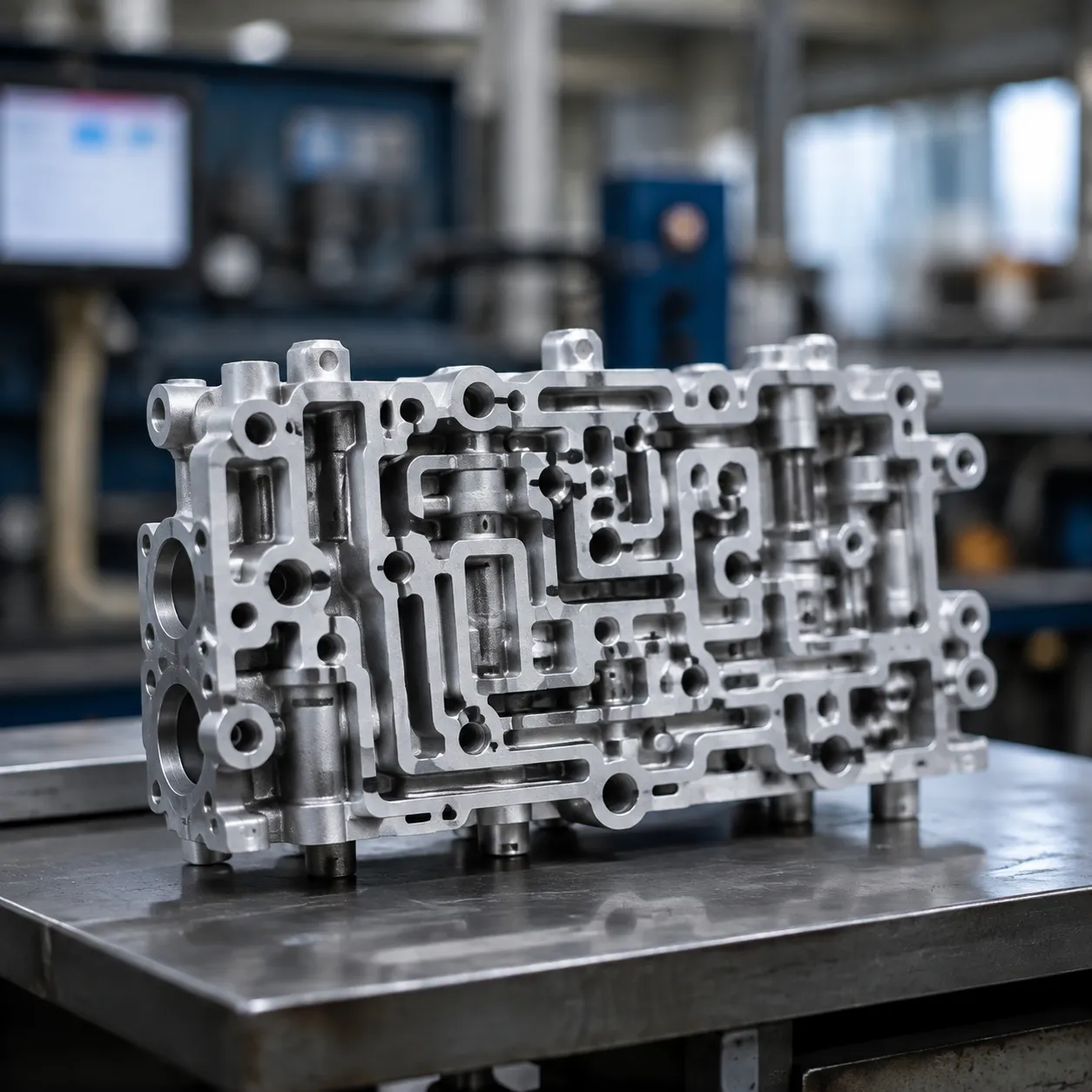
Nella nostra struttura, utilizziamo la pressofusione con sabbia ad alta resistenza per produrre parti massive e complesse che sarebbero impossibili o troppo costose da lavorare da un blocco solido.
- Caratteristica Chiave: Eccellente per creare cavità interne complesse e disegni intricati.
- Flusso del Processo: Fusione $rightarrow$ Colata $rightarrow$ Solidificazione $rightarrow$ Pulizia.
- Risultato: A forma quasi netta componente che minimizza lo spreco di materiale iniziale.
Cos'è la Forgiatura?
Forgiatura è tutto riguardo forza di compressione. e in deformazione plastica. A differenza della fusione, non sciogliamo mai il metallo in uno stato liquido durante la fase di formatura. Invece, riscaldiamo un blocco solido o un lingotto a una temperatura malleabile e applichiamo una pressione enorme usando presse idrauliche o martelli per modellarlo.
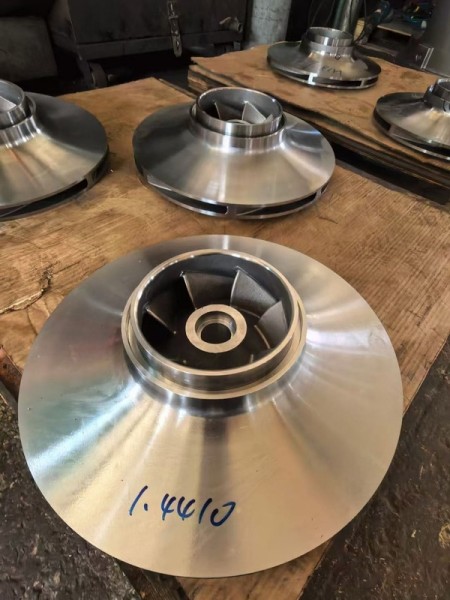
Questo processo è la spina dorsale della nostra produzione di componenti ad alta tensione come alberi a gradino, alberi eccentrici, e blanchi di ingranaggi. Forzando fisicamente il metallo a forma, ne modifichiamo le proprietà interne per il meglio.
- Caratteristica Chiave: Raggiunge una superiore allineamento della struttura del grano, seguendo il contorno della parte.
- Flusso del Processo: Riscaldamento $rightarrow$ Deformazione (Pressatura/Martellatura) $rightarrow$ Trattamento termico $rightarrow$ Lavorazione.
- Risultato: Una parte con eccezionale resistenza agli urti resistenza meccanica e meccanica, priva dei problemi di porosità spesso riscontrati nelle fusioni.
Le 5 differenze chiave tra forgiatura e fusione
Presso Haoyu Material, utilizziamo entrambi i metodi di produzione a seconda dei requisiti meccanici specifici del progetto. la differenza tra forgiatura e fusione.
Morfologia e Integrità dei Grani
La distinzione più critica risiede nella struttura interna. Quando forgiamo un componente, applichiamo massicce forza di compressione. su metallo solido. Questo processo affina la struttura dei grani e crea un flusso continuo che segue la forma della parte. Questo allineamento aumenta significativamente resistenza alla trazione, resistenza agli urti, e il limite di fatica.
Al contrario, la fusione prevede di versare metallo fuso in uno stampo dove si solidifica. La struttura dei grani qui è casuale. Sebbene le tecniche di fusione moderne siano robuste, generalmente mancano della resistenza direzionale presente nell'acciaio forgiato.
Complessità del Design e Tolleranze
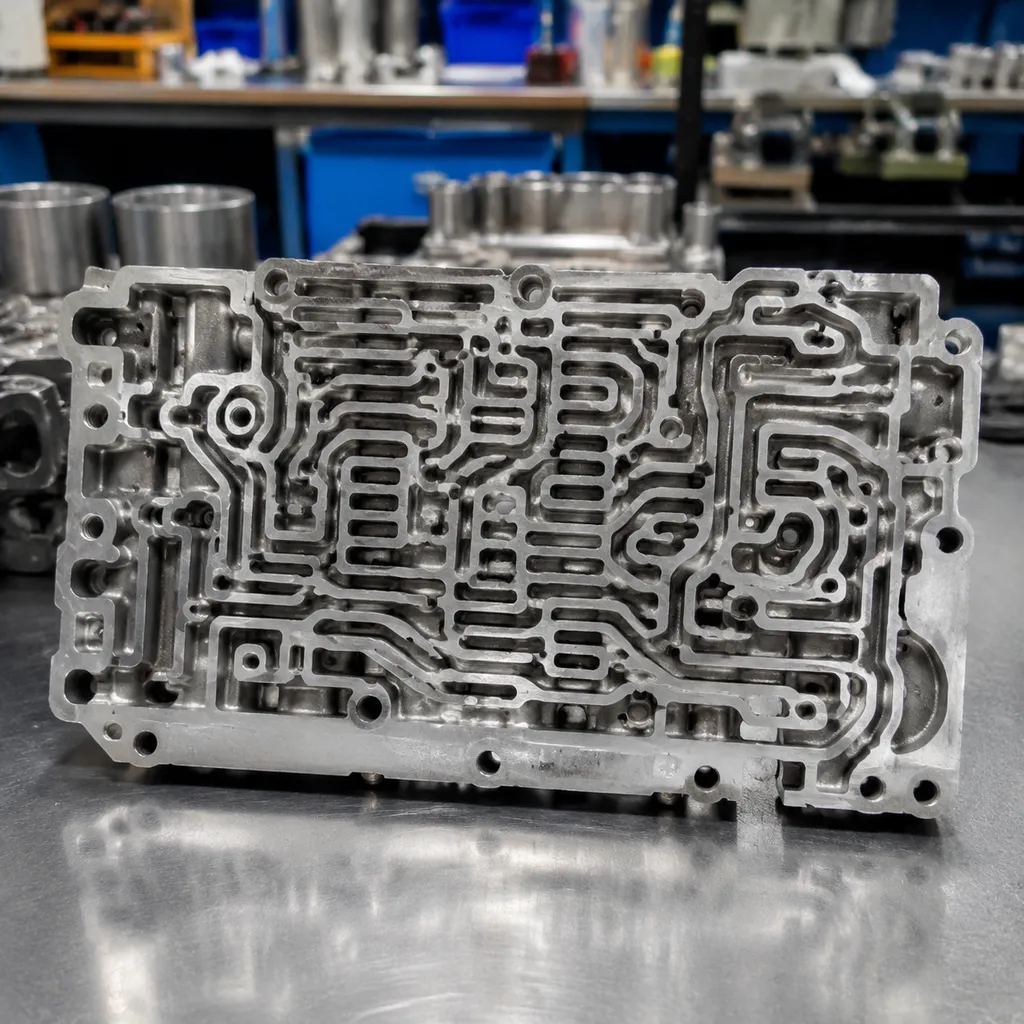
Se il tuo design presenta cavità interne intricate, pareti sottili o geometrie complesse non simmetriche, la fusione è spesso l'unica opzione praticabile. Ci permette di ottenere forma quasi netta risultati, minimizzando la quantità di materiale da rimuovere successivamente.
La forgiatura è limitata a geometrie più semplici come blocchi, anelli e alberi. Poiché il metallo è solido durante la formatura, non possiamo forzarlo in vuoti altamente complessi. Di conseguenza, le parti forgiate di solito richiedono un più margine di lavorazione per raggiungere le specifiche finali.
Opzioni di materiali disponibili
Gestiamo una vasta gamma di materiali, tra cui acciaio al carbonio, acciaio legato e acciaio inossidabile.
- Fusione: Offre una maggiore flessibilità in composizione della lega. Possiamo aggiungere elementi specifici alla fusione per ottenere proprietà uniche (come resistenza al calore o all'usura) che potrebbero rendere il metallo troppo fragile per essere forgiato.
- Forgiatura: Richiede materiali che possiedano sufficiente duttilità per subire in deformazione plastica senza crepare.
Implicazioni sui costi: utensili vs. prezzo unitario
L'efficacia dei costi di forgiatura vs. fusione dipende fortemente dal volume e dalla dimensione della produzione.
- Fusione: Generalmente comporta un costo iniziale più elevato costi degli attrezzi per stampi e modelli. Tuttavia, per produzioni ad alto volume o forme complesse, il prezzo unitario diminuisce significativamente.
- Forgiatura: L'imbutitura a stampo aperto (che utilizziamo per parti di grandi dimensioni) ha costi di attrezzo più bassi ma costi di lavorazione per unità più elevati a causa dell'energia e della manodopera richieste.
Finitura superficiale e potenziali difetti
Le parti forgiate di solito presentano una finitura più pulita Finitura superficiale e una integrità strutturale superiore. Il principale vantaggio della forgiatura è l'eliminazione di vuoti interni.
Le fusioni, per natura del processo di solidificazione, sono soggette a porosità metallurgica (piccole tasche d'aria) o cavità di restringimento. Per garantire affidabilità, il nostro fonderia professionale di fusione adotta rigorosi controlli non distruttivi, come il Controllo Ultrasonico (UT), per garantire che ogni componente fuso soddisfi gli standard industriali pesanti.
Tabella di confronto affiancato
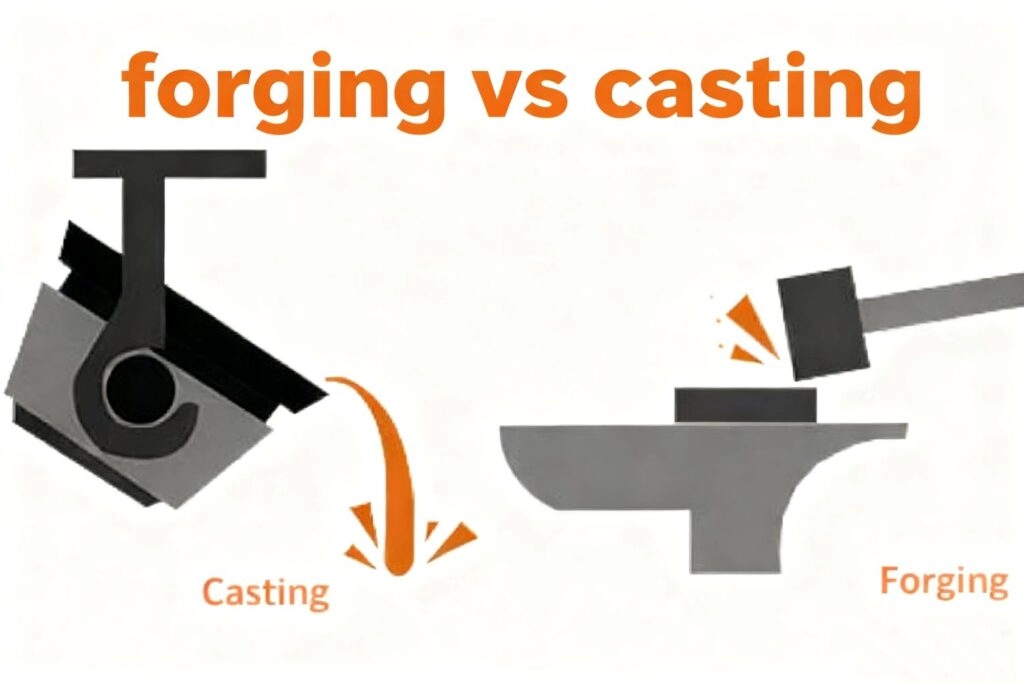
Quando si decide tra forgiatura vs. fusione per componenti industriali pesanti, vedere le specifiche tecniche affiancate aiuta a chiarire la strada migliore per il tuo progetto. Da Haoyu Material, utilizziamo entrambi i metodi a seconda che la priorità sia la massima integrità strutturale o la complessità geometrica.
La tabella sottostante evidenzia le differenze critiche in struttura dei grani, integrità e limiti di produzione.
| Caratteristica | Fucinatura (Processo Haoyu) | Colata (Processo Haoyu) |
|---|---|---|
| Struttura del grano | Flusso di grano allineato segue la forma della parte; resistenza direzionale superiore. | Struttura uniforme e granulare; proprietà isotropiche ma senza allineamento del flusso di grano. |
| Integrità interna | Alta densità; la forza di compressione elimina vuoti e porosità interne. | Potenziale per porosità metallurgica o ridurre le cavità se non controllato. |
| Complessità del design | Ideale per forme più semplici e simmetriche come alberi e anelli. | Ideale per disegni complessi, cavità interne e geometrie complesse come ghisa sferoidale componenti. |
| Proprietà Meccaniche | Più alto resistenza alla trazione, resistenza agli urti, e limite di fatica. | Buona resistenza alla compressione, anche se generalmente con minor duttilità rispetto ai pezzi forgiati. |
| Margine di lavorazione | Di solito richiede più lavorazioni per raggiungere le dimensioni finali. | Può essere prodotto più vicino a forma quasi netta, riducendo lo spreco di materiale. |
| Trattamento termico | Risponde in modo coerente al trattamento grazie alla raffinazione del grano. | Fondamentale per omogeneizzare la struttura e alleviare le tensioni interne. |
Questo confronto evidenzia perché forgiatura è la scelta principale per parti soggette a elevate sollecitazioni come gli alberi rotori, mentre fusione rimane essenziale per alloggiamenti e basi complessi. Comprendere questi compromessi garantisce di scegliere il processo che bilancia prestazioni ed efficienza dei costi.
Quando scegliere quale processo?
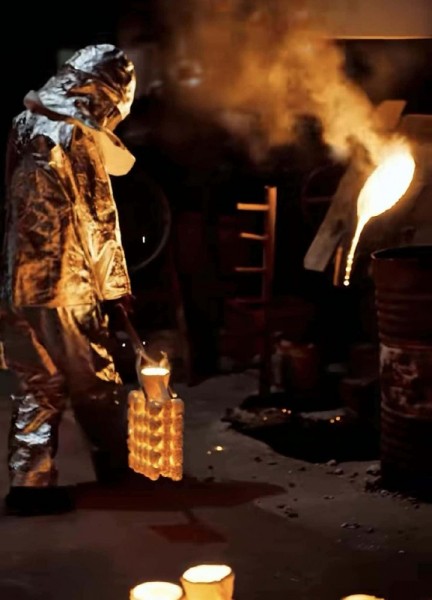
Decidere tra forgiatura vs. fusione alla fine dipende dalle esigenze specifiche della tua applicazione. Presso Haoyu Material, analizziamo il carico meccanico, la geometria del progetto e i requisiti di volume per raccomandare la strada giusta. Sebbene il costo sia sempre un fattore, la performance del componente finale in ambienti pesanti—come acciaierie o operazioni minerarie—è la priorità.
Scenario per la scelta della fusione
La fusione è generalmente il metodo preferito quando la geometria determina l'approccio di produzione. Se il tuo progetto presenta dettagli intricati, cavità interne o sezioni trasversali complesse che sarebbero impossibili o troppo costose da lavorare da un blocco solido, la fusione è la soluzione. Ci permette di ottenere un forma quasi netta, riducendo significativamente il margine di lavorazione richiesto successivamente.
Dovresti optare per la fusione quando:
- Progetti complessi: Il pezzo richiede camere interne, pareti sottili o forme non simmetriche.
- Scala Imponente: Hai bisogno di componenti estremamente grandi, come involucri di macchinari pesanti o basi di mulino, che superano la capacità delle presse di pressofusione standard.
- Requisiti specifici di lega: Stai usando materiali che hanno una scarsa plasticità e sono difficili da pressofondere.
- Efficienza dei costi: Per la produzione a basso volume di parti grandi e complesse, la fusione minimizza costi degli attrezzi rispetto alla creazione di più stampi per pressofusione.
Quando si valutano i metodi di produzione, comprendere le sfumature di processi di pressofusione a sabbia vs pressofusione a stampo è fondamentale per bilanciare precisione e volume di produzione.
Scenari per la scelta della forgiatura
La forgiatura è lo standard per i componenti critici per la sicurezza dove il guasto non è un'opzione. Il processo utilizza forza di compressione. per affinare la allineamento della struttura del grano del metallo, seguendo la forma del pezzo. Ciò si traduce in proprietà meccaniche superiori, rendendo le parti forgiate ideali per applicazioni ad alto stress.
Dovresti optare per la forgiatura quando:
- Elevati requisiti di resistenza: Il componente deve resistere a condizioni estreme resistenza alla trazione carichi e resistenza agli urti.
- Carico ciclico: La parte comporta rotazione o stress ripetitivo (come i nostri alberi a gradini, alberi del rotore e alberi eccentrici), richiedendo un'elevata limite di fatica.
- Integrità strutturale: È necessaria una struttura del materiale densa e priva di porosità metallurgica o vuoti.
- Uniformità: L'applicazione richiede proprietà meccaniche costanti in tutta la sezione trasversale del pezzo.
Il ruolo della qualità dei materiali nella produzione
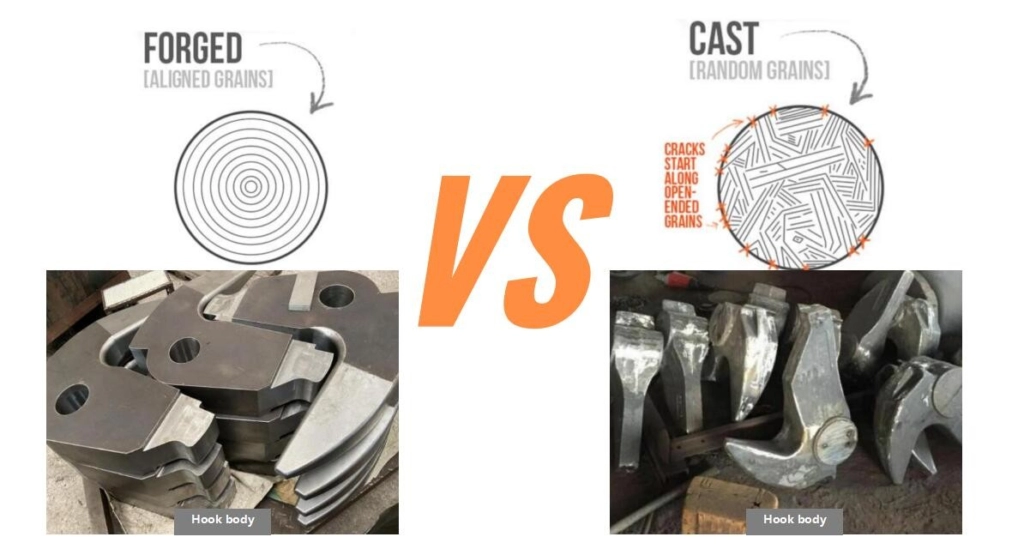
Il dibattito riguardante il la differenza tra forgiatura e fusione spesso mette in ombra un fattore critico: la qualità della materia prima stessa. metallo fuso Un processo di produzione perfetto non può riparare un metallo difettoso. forza di compressione. Che si tratti di versare composizione della lega per una fusione o applicare massicci.
per un forgiato, il resistenza alla trazione determinano le prestazioni di base del componente finale. confronto tra acciai legati e acciai inossidabili, In Haoyu Material, sottolineiamo che raggiungere alta.
e durata inizia prima che il processo di formatura abbia inizio. Comprendere le proprietà specifiche del tuo metallo di base, come i compromessi trovati nel nostro
Per garantire che i nostri assi e anelli su larga scala soddisfino rigorosi standard industriali, ci concentriamo su tre pilastri principali della qualità dei materiali:
- Purezza della fusione: Controllare la composizione chimica durante la fase di fusione previene impurità indesiderate che portano a debolezze strutturali.
- Trattamenti Termici: Dopo che il metallo è modellato, è necessario un trattamento termico preciso (tempra e rinvenimento) per sbloccare il pieno potenziale meccanico, migliorando il limite di fatica e durezza.
- Controllo Non Distruttivo (NDT): Utilizziamo test ultrasonici (UT) e test con particelle magnetiche (MT) interni per verificare che la struttura interna sia solida, indipendentemente dal fatto che il pezzo sia stato forgiato o colato.
Domande frequenti sulla lavorazione dei metalli
L'acciaio forgiato è più resistente dell'acciaio colato?
Nella maggior parte delle applicazioni pesanti, sì. La differenza risiede nel allineamento della struttura del grano. Quando applichiamo massicciamente forza di compressione. during the forging process, the metal’s internal grain flows with the shape of the part. This in deformazione plastica risultato in superiore resistenza alla trazione, più alto resistenza agli urti, e un molto migliore limite di fatica rispetto agli stampi. Parti fuse, sebbene robuste, possono occasionalmente soffrire di porosità metallurgica (piccole sacche d'aria) formate quando il metallo fuso solidifica, il che può compromettere l'integrità strutturale sotto stress estremo.
La fusione è più economica della forgiatura?
Spesso dipende dalla complessità del design e dal volume di produzione. La fusione è generalmente più conveniente per parti complesse perché ottiene un forma quasi netta proprio fuori dallo stampo. Ciò riduce significativamente il margine di lavorazione—you don’t have to cut away as much excess material. While the initial costi degli attrezzi per gli stampi possono essere più alti, il costo per unità diminuisce per produzioni più grandi. Se cerchi un azienda di fusione dell'acciaio per gestire geometrie complesse, la fusione di solito offre il miglior equilibrio tra prezzo e prestazioni per parti strutturali non critiche.
Puoi forgiare forme complesse?
L'imbossatura è in qualche modo limitata quando si tratta di complessità geometrica. È ideale per componenti simmetrici come alberi, anelli e blocchi. Poiché il processo coinvolge la martellatura o la pressatura di metallo solido, non può facilmente creare cavità interne, pareti sottili o sotto-incastro. Per progetti altamente dettagliati che richiedono tolleranze strette e caratteristiche intricate, consigliamo il nostro servizi di colata a precisione per parti metalliche complesse. Questo metodo ci consente di creare forme specifiche che sarebbero impossibili o troppo costose da lavorare da un blocco forgiato solido.