Os implantes de côndilo femoral Vastmaterial oferecem restauração anatômica precisa para substituições unicondilares e totais do joelho com avançados materiais CoCrMo ou Oxinium. O que […]

O que é o Cóndilo Femoral? Anatomia e Relevância Clínica
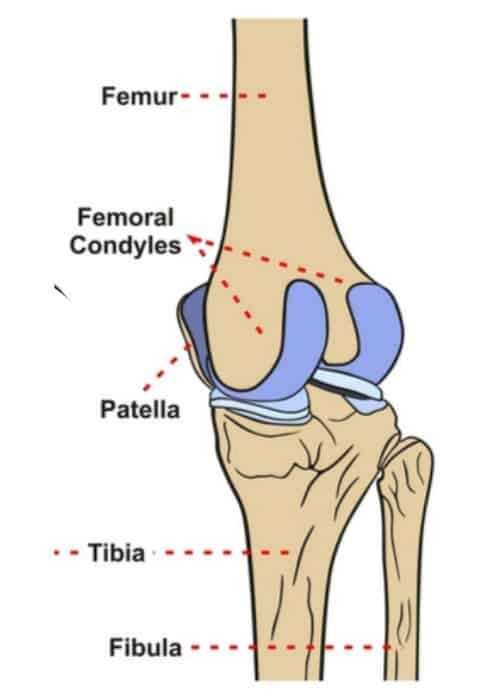
Os cóndilos femorais são duas protuberâncias arredondadas localizadas na extremidade distal do fêmur, essenciais para a articulação do joelho. São os cóndilos femorais medial e lateral, cada um com características anatómicas e funcionais distintas. O cóndilo medial é geralmente maior e suporta mais carga devido ao seu papel na transmissão de peso durante a marcha. Em contraste, o cóndilo lateral é menor, mas contribui significativamente para a estabilidade do joelho e para a biomecânica complexa do movimento articular.
Anatomicamente, os cóndilos femorais formam a superfície de articulação com a plataforma tibial e a patela. Apresentam superfícies lisas cobertas por cartilagem, permitindo um movimento de baixo atrito. A geometria em curva em J de cada cóndilo—definida por raios únicos ou duais—desempenha um papel fundamental na preservação do deslocamento posterior nativo do cóndilo e na cinemática geral do joelho.
Clinicamente, compreender as diferenças entre os cóndilos femorais medial e lateral é essencial para um design eficaz de implantes e restauração cirúrgica. Os cóndilos suportam cargas substanciais, e qualquer comprometimento na sua estrutura—devido a trauma, degeneração ou defeitos osteocondrais—pode levar a uma deficiência funcional significativa. A restauração precisa da anatomia do cóndilo é fundamental para o sucesso dos resultados da artroplastia do joelho, mantendo a estabilidade articular e a amplitude de movimento.
Patologias Comuns que Afetam o Cóndilo Femoral
O cóndilo femoral é frequentemente afetado por várias condições comuns que impactam a função do joelho e podem requerer intervenção médica ou substituição.
- Osteoartrite (Unilateral): Esta é a questão mais frequente, especialmente em um compartimento do joelho. Causa desgaste da cartilagem, levando a dor e rigidez, principalmente no cóndilo femoral medial ou lateral.
- Lesões Osteocondrais (LOC): Estas ocorrem quando um fragmento de cartilagem e osso subjacente se separam do cóndilo femoral. As lesões osteocondrais frequentemente afetam o cóndilo medial e podem causar bloqueio da articulação ou inchaço.
- Necrose Avascular: Esta condição envolve a perda de fornecimento de sangue ao osso do cóndilo femoral, levando à morte do osso e colapso. Pode afetar gravemente a integridade da articulação se não for tratada.
- Fraturas Traumáticas: Lesões de impacto às vezes causam fraturas do fêmur distal envolvendo os cóndilos. Tais fraturas requerem reparo ou substituição precisos para restaurar a estabilidade do joelho.
Compreender essas patologias é fundamental ao considerar implantes ou opções de ressurfacing do cóndilo femoral. Para opções de materiais detalhados adequados aos componentes do cóndilo femoral, explore o nosso flanges de aço liga personalizados e produtos de aço inoxidável projetado para durabilidade e desempenho.
Vastmaterial® Condilo Femoral – Visão Geral do Produto
O Vastmaterial® Cóndilo Femoral foi concebido para mimetizar de perto a anatomia natural do joelho, focando na restauração anatómica precisa do formato em curva em J e dos raios únicos do cóndilo femoral. Essa atenção à forma garante uma articulação suave e uma distribuição de carga ótima, o que é crucial para o conforto do paciente e o sucesso a longo prazo do implante.
Em termos de ciência dos materiais, o Vastmaterial® oferece duas opções avançadas: o tradicional cobalto-cromo-molibdénio (CoCrMo) e o inovador Oxinium. O CoCrMo é conhecido pela sua durabilidade e resistência comprovadas, sendo uma escolha confiável em muitos implantes de cóndilo femoral. O Oxinium, por outro lado, é um metal revestido a cerâmica que oferece resistência superior ao desgaste, com menor risco de sensibilidade ao metal ou reações alérgicas. Essa diferença de material pode melhorar significativamente a longevidade do implante e a satisfação do paciente.
Ao combinar um design geométrico preciso com materiais de ponta, o Vastmaterial® Cóndilo Femoral oferece tanto precisão anatómica quanto desempenho duradouro, ideal para substituições parciais ou totais do joelho. Para saber mais sobre as nossas ligas avançadas, incluindo aquelas usadas nestes componentes, consulte as nossas páginas detalhadas de produtos de ligas de titânio e cobre.
Principais Características dos Componentes do Condilo Femoral Vastmaterial®
Os componentes do Condilo Femoral Vastmaterial® destacam-se por várias características-chave desenhadas para atender a diversas necessidades cirúrgicas, garantindo uma excelente função articular:
- Replicação Geométrica PrecisaCada implante replica com precisão a forma do condilo femoral natural, incluindo a curva em J complexa e raios variáveis, proporcionando uma restauração mais anatómica e uma articulação suave.
- Opções Específicas de Tamanho para Medial e LateralImplantes separados para o condilo femoral medial e substituição do condilo femoral lateral atendem à sua anatomia única, melhorando o ajuste e a distribuição de carga.
- Configurações com cimento e sem cimentoCirurgiões podem escolher entre versões cimentadas para fixação imediata ou sem cimento que promovem o crescimento ósseo, apoiando a estabilidade a longo prazo.
- Compatibilidade PatelofemoralOs componentes são desenhados para serem totalmente compatíveis com implantes patelares e sistemas de joelho Vastmaterial®, garantindo uma tracção suave da patela e reduzindo complicações.
| Característica | Benefício |
|---|---|
| Forma anatómica precisa | Sensação natural & movimento melhorado |
| Tamanhos medial & lateral | Melhor ajuste e desempenho do implante |
| Opções cimentadas & sem cimento | Flexibilidade para diferentes casos |
| Compatibilidade patelofemoral | Garante uma mecânica do joelho suave |
Estas características tornam os implantes Vastmaterial® uma escolha fiável para necessidades de componentes femorais de joelho unicondilar, otimizando tanto os resultados cirúrgicos como a recuperação do paciente.
Resultados Clínicos & Evidências
O Condilo Femoral Vastmaterial® demonstrou excelentes resultados clínicos apoiados por dados robustos. Análises de sobrevivência Kaplan-Meier mostram uma alta taxa de sobrevivência do implante superior a 95% aos 10 anos, refletindo durabilidade a longo prazo. Os pacientes relatam melhorias significativas na função do joelho, com o OKS (Oxford Knee Score) e KSS (Knee Society Score) a aumentarem consistentemente após a cirurgia em 30–40 pontos, indicando melhor alívio da dor e mobilidade.
Estudos clínicos publicados no PubMed apoiam esses resultados, confirmando a eficácia dos implantes Vastmaterial® tanto em cenários de substituição unicondilar como total do joelho. Esta evidência destaca o benefício da replicação geométrica precisa e de materiais avançados na promoção da satisfação do paciente e desempenho duradouro.
Compatibilidade com Sistemas de Joelho Vastmaterial®
Os componentes do Condilo Femoral Vastmaterial® foram desenhados para uma integração perfeita com toda a nossa gama de sistemas de joelho. Funcionam perfeitamente com substituições do joelho unicondilar, quer prefira fixo-comportamento or móvel-comportamento designs, oferecendo aos cirurgiões flexibilidade com base nas necessidades do paciente.
Para casos mais extensos, estes implantes de côndilo também se encaixam na nossa plataforma modular de joelho total, permitindo uma intercambialidade suave com outros componentes femorais, tibiais e patelofemorais. Esta modularidade garante que os cirurgiões possam adaptar cada procedimento de forma precisa, otimizando os resultados.
Ao escolher Vastmaterial®, obtém implantes projetados para manter uma biomecânica consistente em ambos os unicompartmental e artroplastia total do joelho soluções, facilitando uma função articular fiável e duradoura.
Destaques da Técnica Cirúrgica
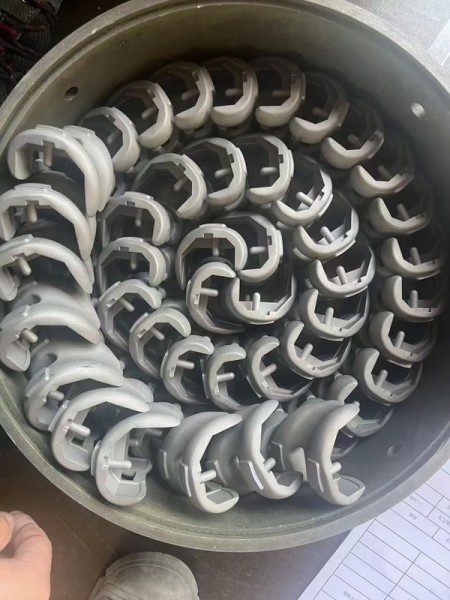
Ao implantar um côndilo femoral Vastmaterial®, a escolha do método de referenciação adequado é fundamental. A referenciação intramedular proporciona um alinhamento aprimorado ao usar o canal interno do fémur, oferecendo orientação precisa para os cortes ósseos. A referenciação extramedular, por outro lado, baseia-se em marcos anatómicos externos e pode ser útil quando o acesso intramedular é limitado ou em casos de revisão.
Os níveis de resseção óssea para o côndilo femoral devem ser cuidadosamente planeados para preservar o osso saudável, garantindo um ajuste perfeito para o implante. Normalmente, realiza-se uma remoção mínima de osso para manter a integridade estrutural e otimizar a fixação do implante, seja cementado ou sem cimento.
A redução de ensaio é uma etapa essencial. Ajuda a verificar o tamanho correto e a posição do componente do côndilo femoral, garantindo uma articulação suave com a inserção tibial e as superfícies patelofemorais. A melhor prática inclui verificar gaps de flexão e extensão equilibrados e confirmar o rastreio estável da patela antes da fixação final.
Esta abordagem apoia resultados bem-sucedidos e a longevidade do côndilo femoral Vastmaterial® dentro do sistema do joelho.
Informações de Encomenda & Tabela de Tamanhos
Os componentes do côndilo femoral Vastmaterial® estão disponíveis numa gama abrangente de tamanhos para se ajustarem às várias anatomias dos pacientes. A nossa tabela de SKU cobre tanto joelhos esquerdo e direito opções, com distintas medial e lateral Implantes de côndilo femoral para corresponder às diferenças anatómicas com precisão. Os tamanhos variam de Tamanho 1 até Tamanho 11, proporcionando um ajuste perfeito para substituições parciais do joelho ou procedimentos de resurfacing do fémur distal.
Os pontos-chave na encomenda e dimensionamento incluem:
- Implantes específicos para o lado: Configurações esquerda e direita garantem um alinhamento anatómico preciso.
- Opções medial vs lateral: Implantes separados atendem à geometria única e às funções de suporte de carga de cada côndilo.
- Ampla gama de tamanhos: Tamanho 1–11 acomoda uma ampla população de pacientes.
- Designação clara de SKU: Simplifica a gestão de inventário hospitalar e o planeamento cirúrgico.
Para cirurgiões e equipas de aquisição, esta versatilidade de tamanhos apoia a restauração anatómica precisa e melhores resultados clínicos com componentes de côndilo femoral Vastmaterial®.
Explore a nossa linha completa de produtos e especificações detalhadas no Catálogo de produtos Vastmaterial® para ajudar nas suas necessidades de encomenda.
Perguntas Frequentes
| Pergunta | Resposta |
|---|---|
| Qual é a diferença entre implantes de condilo femoral medial e lateral? | Os implantes mediais são desenhados para a parte interior do joelho, suportando mais carga e muitas vezes ligeiramente maiores. Os implantes laterais ajustam-se ao lado externo do joelho, com uma forma diferente para corresponder à anatomia e movimento naturais. Ambos têm opções específicas de tamanho para garantir um ajuste adequado. |
| O Condilo Femoral Vastmaterial® pode ser utilizado em cirurgia de revisão? | Sim, os implantes Vastmaterial® são compatíveis com muitos cenários de revisão graças ao seu design modular e disponibilidade em opções cimentadas e não cimentadas. Esta flexibilidade ajuda a resolver perdas ósseas e casos complexos. |
| O Condilo Femoral Vastmaterial® é compatível com ressonância magnética? | Sim, os componentes Vastmaterial® são compatíveis com MRI, permitindo imagiologia pós-operatória sem artefactos significativos, auxiliando no diagnóstico de acompanhamento preciso. |
Para mais detalhes sobre opções de implantes e aplicações cirúrgicas, consulte o nosso serviços de fundição de precisão que garantem uma replicação geométrica exata, vital para substituições do condilo femoral.
Produtos Relacionados
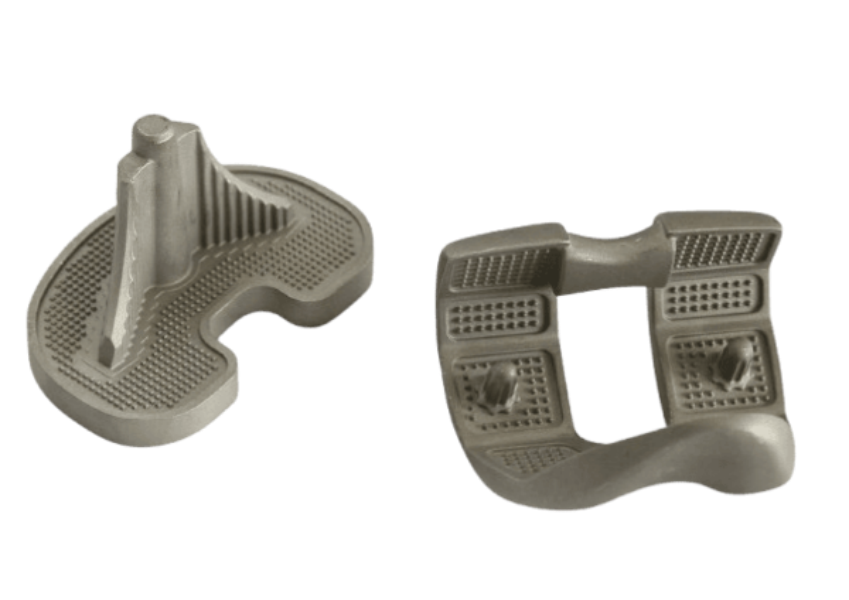
Para complementar o Condilo Femoral Vastmaterial®, oferecemos uma gama de produtos relacionados projetados para uma integração perfeita e funcionamento ótimo do joelho:
- Bases Tibiais: Desenvolvidas para compartimentos medial e lateral, compatíveis com fixação cimentada e não cimentada.
- Inserções de UHMWPE: Inserções de polietileno de alta resistência ao desgaste disponíveis em designs de rolamento fixo e móvel para atender às suas necessidades de substituição do joelho.
- Osteocondrais Allografts: Enxertos frescos ou preservados para restaurar defeitos de cartilagem nos condilos femorais e na plataforma tibial.
- Instrumentação Personalizada: Guias e gabaritos de corte personalizados adaptados à anatomia individual para melhorar a precisão cirúrgica e reduzir o tempo operatório.
Estes componentes trabalham em conjunto para fornecer soluções duráveis e anatómicamente precisas para substituições parciais e totais do joelho. A sua compatibilidade com os Sistemas de Joelho Vastmaterial® garante um conjunto completo de ferramentas para uma restauração eficaz da articulação do joelho.
Recursos & Downloads
Acesse uma gama completa de recursos e downloads para apoiar o uso dos componentes do Condilo Femoral Vastmaterial®. Aqui encontrará catálogos detalhados de produtos, guias de técnicas cirúrgicas, tabelas de tamanhos e fichas técnicas concebidas para facilitar a seleção e implantação. Os nossos materiais para download também incluem resumos de estudos clínicos e recomendações de manutenção para garantir resultados ótimos a longo prazo.
Quer procure especificações detalhadas sobre o implante do condilo femoral medial ou orientações para escolher entre opções cimentadas e não cimentadas, estes recursos fornecem informações claras e práticas. Para pedidos simplificados, consulte as tabelas de tamanhos e as tabelas de SKU disponíveis para combinar precisamente o componente de substituição lateral ou medial do condilo.
Mantenha-se atualizado com as últimas evidências clínicas e dicas cirúrgicas verificando regularmente, pois aprimoramos continuamente os nossos materiais de suporte ao produto para atender às necessidades em evolução na artroplastia do joelho unicondilar.
Para detalhes técnicos sobre os nossos processos avançados de fabricação que contribuem para a fiabilidade e precisão dos componentes de joelho Vastmaterial®, visite a nossa página sobre o processo de fabricação.