Обзор
Что такое литьё из никелевых сплавов?
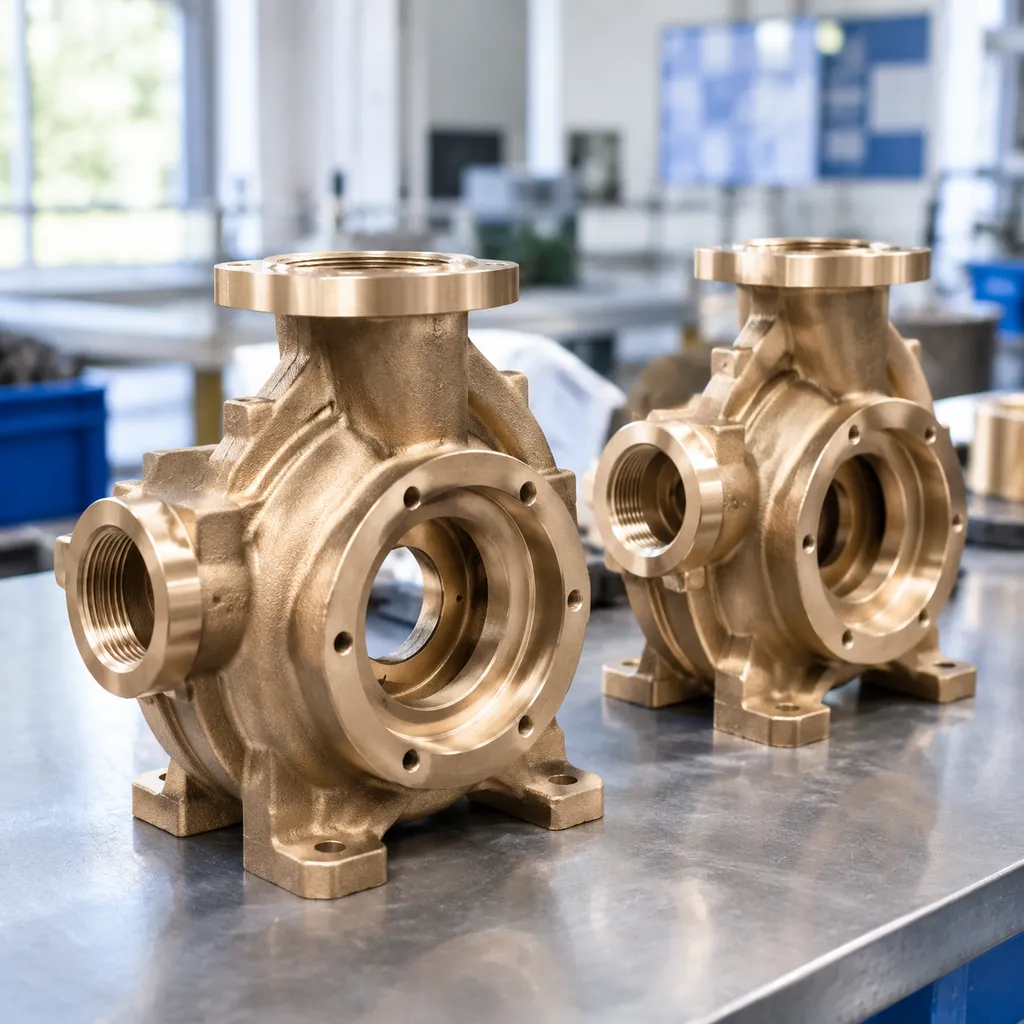
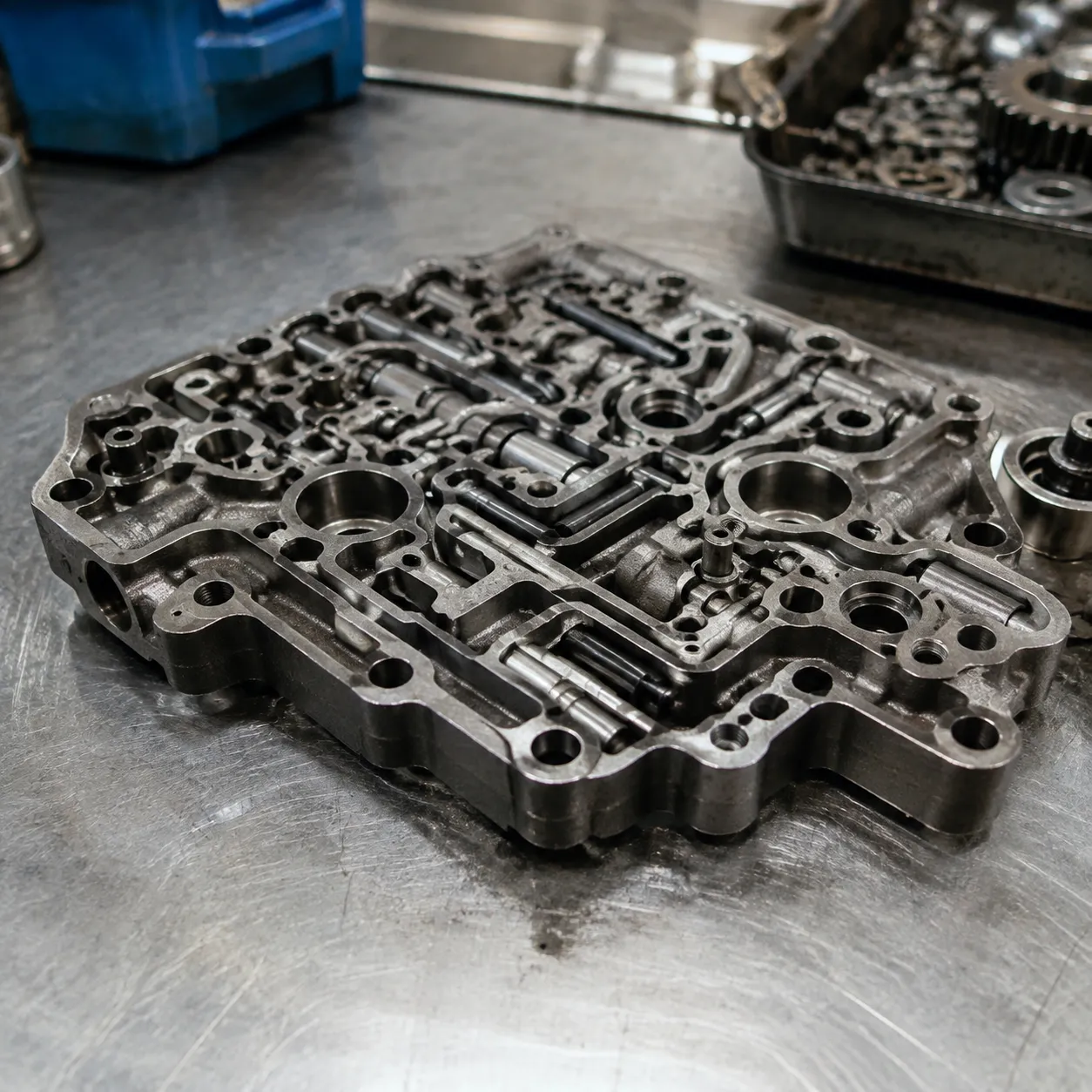
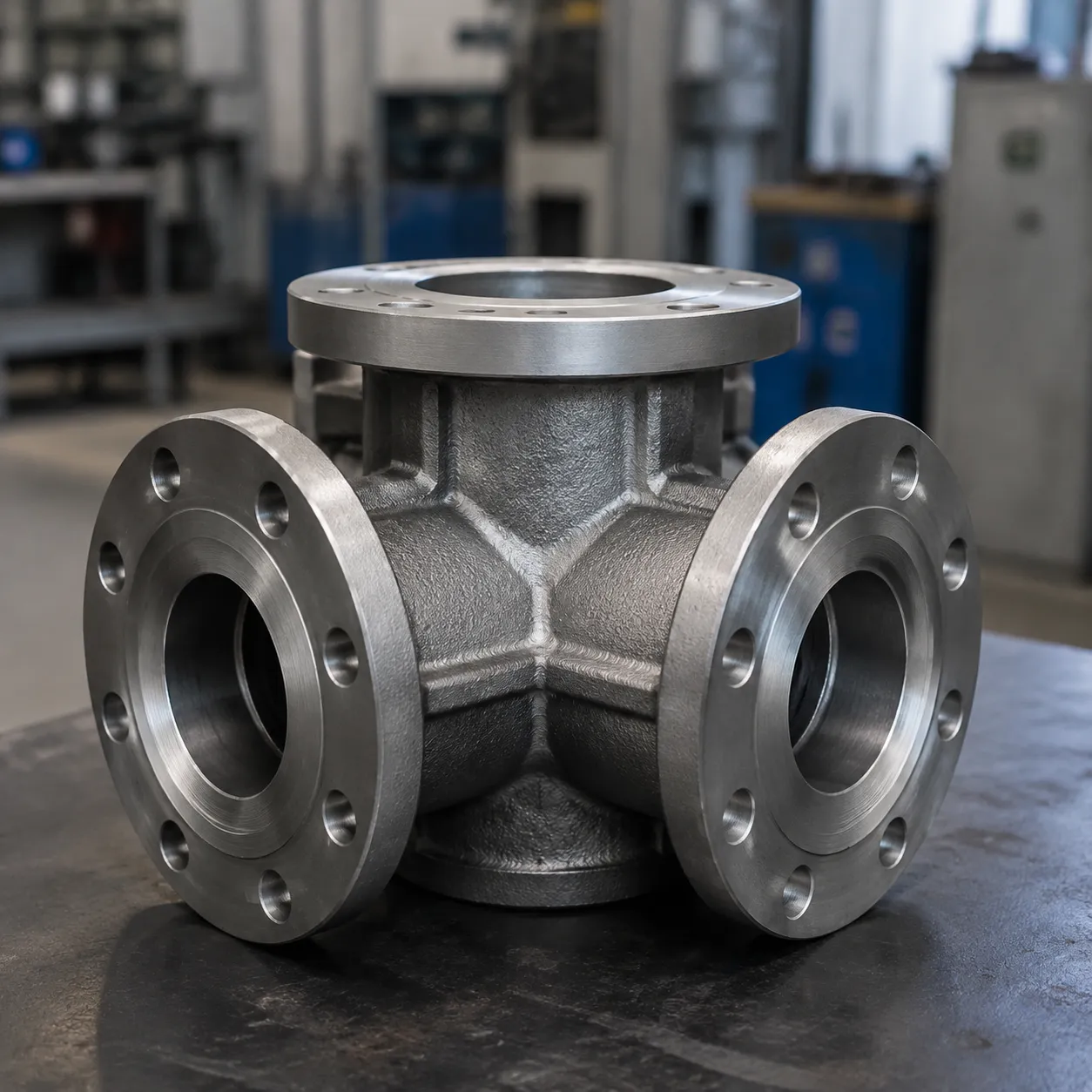
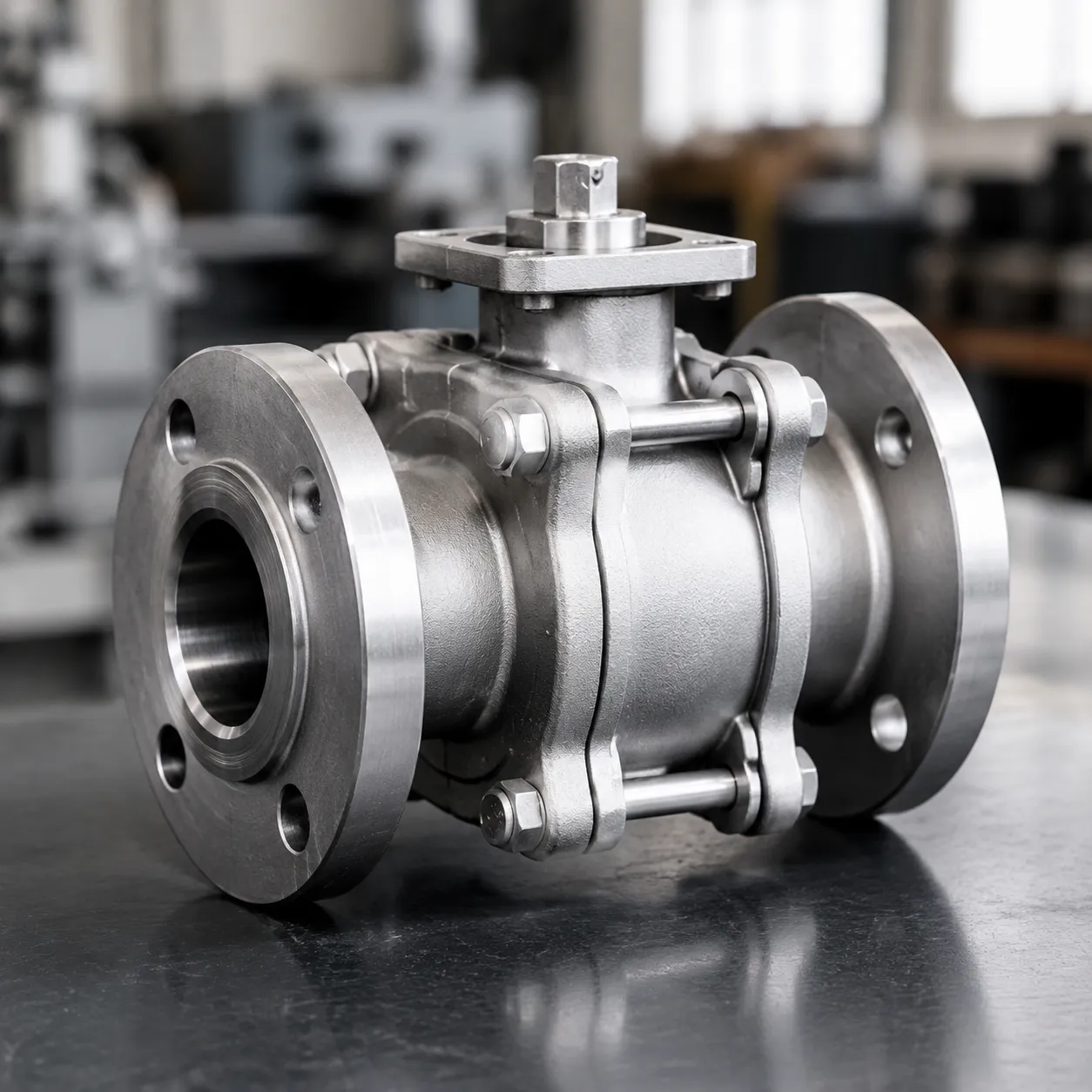
Литьё из никелевых сплавов — это процесс плавление никелевых сплавов и заливка их в формы чтобы создавать детали близкой к чистовой форме с высокими эксплуатационными характеристиками в экстремальных условиях. В отличие от обычной углеродистой стали или простых нержавеющих сталей, отливки из никелевых сплавов предназначено для работы с высокими температурами, высоким давлением и агрессивной коррозией, где обычные материалы не справляются.
На нашей литейной фабрике мы работаем с никель-хромовые, никель-молибденовые, никель-медные и никель-железные суперсплавы. Эти сплавы расплавляются в контролируемых печах, заливаются в прецизионные формы (инвестиционные, песочные или центробежные), затвердевают, затем подвергаются термообработке и доводке для соответствия строгим механическим и размерным требованиям.
Основные преимущества по сравнению со стандартной сталью и нержавеющей сталью
Переходя от стали или обычной нержавеющей стали к литью из никелевых сплавов,, вы получаете:
- Значительно лучшую коррозионную стойкость в кислотах, хлоридах, морской воде, сероводороде и смешанных химических средах
- Более высокую температурную устойчивость с отличной прочностью, сопротивлением ползучести и стабильностью при температурах выше 1000°F (538°C)
- Улучшенная усталость и прочность при тепловом циклировании и колебаниях давления
- Долгий срок службы и меньше незапланированных остановок в критических системах
- Повышенная надежность в оборудовании, критически важном для безопасности и выполнения задач
Если ваши текущие стальные или нержавеющие компоненты корродируют, трескаются или деформируются при температуре, отливки из никелевых сплавов часто становятся следующим логичным шагом.
Где имеет смысл использование никелевых сплавов для литья
Никелевые сплавы для литья обычно являются правильным выбором, когда ваши детали подвергаются:
- непрерывным или циклическим температурам выше ~800°F (427°C)
- высокому внутреннему давлению в сочетании с коррозийными средами
- хлоридам, морской воде, кислым обслуживанием или сильным кислотам/щелочам
- Тепловой удар и режимы быстрого пуска-остановки
Общие примеры: горячие газовые пути, оборудование для дымовых газов, химические реакторы, насосы и клапаны высокого давления, морское оборудование и оффшорные компоненты.
Кто использует никелевое литьё
Большая часть наших работ по отливкам из никелевых сплавов используется для:
- Аэрокосмическую промышленность и оборону – лопатки и направляющие турбины, выхлопные компоненты, детали горячей секции
- Химическая и нефтехимическая промышленность – реакторы, насосы, рабочие колёса (импеллеры), клапаны, скрубберы
- Энергетика – детали газовых и паровых турбин, арматура котлов, горелки
- Морская и оффшорная промышленность – гребные винты, валы, клапаны для морской воды, компоненты насосов
- Нефть и газ – клапаны для агрессивных (sour service) сред, корпуса дросселей, подводное оборудование, системы регулирования потока
Везде, где отказ является дорогим, опасным или и тем, и другим, в игру вступают отливки из никелевых сплавов.
Ключевые факторы перед выбором никелевого сплава для отливки
Прежде чем вы решитесь на отливку из никелевого сплава, нам следует согласовать:
- Экологические условия эксплуатации
- Диапазон температур и профиль циклов нагрева и охлаждения
- Уровни давления и режимы нагрузки
- Среда: хлориды, H₂S, CO₂, кислоты, щёлочи, морская вода и т.д.
- Требования к производительности
- Требуемая прочность на растяжение/предел текучести и твердость
- Цели коррозии/окисления (точечная коррозия, SCC, трещины в зазоре)
- Ожидаемый срок службы и допустимый риск
- Геометрия и допуски
- Сложность детали и толщина стенки
- Требуемые допуски и качество поверхности
- Доступ к обработке, сварке и НКИ
- Стоимость и поставка
- Компромиссы между бюджетом и производительностью
- Годовой объем и ожидания по доставке
- Применимые стандарты (ASTM, ASME, AMS, API и др.)
Если ваше применение явно относится к высокотемпературные, высоко‑коррозионные, высоко‑надежные космическая, никелевая сплавная отливка обычно является наиболее экономичным выбором на протяжении всего жизненного цикла — даже если первоначальная цена за изделие выше, чем у стали или стандартной нержавеющей стали.
Преимущества литья никелевых сплавов
Литье никелевых сплавов обеспечивает уровень надежности, которого стандартная сталь или нержавеющая сталь достичь не могут, когда речь идет о действительно суровых условиях. Эти никелевые сплавы выдерживают кислоты, хлориды, морскую воду и сероводородные газы, поэтому вы получаете коррозионностойкие детали из никелевых сплавов, которые продолжают работать там, где другие выходят из строя. Они также обеспечивают высокую стойкость к окислению при высоких температурах, что критично для энергетического, химического и морского оборудования на рынке России.
Ключевые преимущества, на которые можно рассчитывать при использовании высокотемпературных никелевых сплавных отливок:
- Коррозионная и окислительная стойкость – Выдерживают воздействие кислот, хлоридов, морской воды, сероводородных газов и смесей без быстрого образования точечной коррозии или трещин при напряжении.
- Высокая температура прочности и сопротивление ползучести – Поддержание прочности, твердости и термической стабильности там, где нержавеющая сталь начинает смягчаться или деформироваться.
- Сопротивление усталости и ударная вязкость – Способность выдерживать циклическое давление, вибрацию и термический цикл с хорошей пластичностью и ударной вязкостью, снижая вероятность усталостных отказов.
- Размерная стабильность и точные допуски – Литье из никелевых сплавов и центробежное литье обеспечивают точные и стабильные размеры для критичных корпусов клапанов, турбинного оборудования и насосных компонентов.
- Долгий срок службы и меньшее количество остановок – Лучше сопротивление износу, коррозии и ползучести напрямую приводит к более длительным интервалам обслуживания и меньшему количеству внеплановых простоях.
- Нижшая общая стоимость владения – Хотя стоимость материала выше, чем у нержавеющей или низколегированных сталей, меньшее количество замен, меньшие затраты на обслуживание и повышенная работоспособность обычно обеспечивают лучшую стоимость жизненного цикла, особенно если вы уже понимаете компромиссы в производительности легированных сталей и нержавеющей стали.
Виды литья из никелевых сплавов
Когда мы говорим о никелевых сплавах в реальных производственных условиях, мы обычно выбираем между тремя основными семействами: Ni‑Cr‑Mo, Ni‑Cu и Ni‑Fe суперсплавами. Каждый из них решает разные задачи: тепло, коррозия или их сочетание. Если вам нужен более широкий обзор сплавов, мы разбираем основные семейства сплавных отливок в нашем руководстве по литьевым сплавам с типами, свойствами и применениями.
Обзор никелевых сплавных отливок (Ni‑Cr‑Mo, Ni‑Cu, Ni‑Fe)
Основные группы, которые вы будете использовать:
- Сплавы Ni‑Cr‑Mo
- Фокус: высокая коррозионная стойкость + прочность при температуре
- Типичное применение: химическая обработка, очистители, дымовые газы, кислые среды
- Примеры: Hastelloy C‑276, Inconel 625 (высокое содержание Cr + Mo для сопротивления коррозии)
- Сплавы Ni‑Cu
- Фокус: устойчивость к морской воде и рассолу, очень прочный
- Типичное применение: морское оборудование, насосы, клапаны, валы
- Пример: Monel 400
- Никелево‑медные сплавы
- Никелево‑железные суперсплавы (и Ni‑Cr‑Fe)
- Фокус: высокая температура прочности, сопротивление ползучести, сопротивление окислению
- Типичное применение: турбины, выхлопные системы, оборудование горячей зоны
Литейные изделия из никелевого сплава Inconel
Примеры: Inconel 718, другие никелево‑железные суперсплавные отливки“
Ключевые марки литейных сплавов Inconel
- Inconel 625
- Inconel обычно является первым названием, которое приходит на ум, когда покупатели из России запрашивают «высокотемпературные никелевые сплавные отливки».
- Сплав Ni‑Cr‑Mo‑Nb
- Отлично подходит для горячих, коррозийных потоков жидкостей
- Инконель 718
- Высокая коррозионная стойкость + хорошая высокая температура прочности
- Сплав Ni‑Cr‑Fe‑Nb‑Mo, закаляемый осадками
- Рабочая лошадка для аэрокосмической и энергетической техники
Работоспособность при высокой температуре (типичное поведение)
- Выдерживает растяжение и предел текучести при повышенной температуре значительно лучше, чем нержавеющая сталь
- Хорошая устойчивость к ползучести и усталости при термическом циклировании
- Отличная устойчивость к окислению в условиях выхлопных и дымовых газов
Наилучшие области применения
- турбинные колеса, сопла и компоненты статора/роторa
- выхлопные коллекторы, части турбонагнетателей и газовых турбин
- Кронштейны, крепления и оборудование для горячего газа при высокой температуре
- Клапаны и внутренние части насосов при высоком давлении и высокой температуре
Преимущества Inconel при литье
- Ручки высокая температура + давление + вибрация вместе
- Прочный устойчивость к окислению и коррозии горячих газов устойчивость
- Хорошая долгосрочная стабильность для критичных деталей аэрокосмической и энергетической промышленности
Недостатки / компромиссы
- Высокая стоимость сплава по сравнению с нержавеющими и низколегированными сталями
- сложнее обрабатывать, требует правильных инструментов и режимов подачи/скорости
- Может быть чрезмерно там, где температуры и коррозия умеренные
Для более глубокого изучения марки и свойств Inconel смотрите наш специализированный Руководство по сплавам Inconel для свойств, марок и применений.
Литые изделия из никелевого сплава Hastelloy
Хастеллой (в основном сплавы Ni-Cr-Mo) — это то, к чему мы обращаемся, когда коррозия очень агрессивна, а время работы важнее стоимости материала.
Основная марка литых изделий Hastelloy
- Хастеллой C‑276
- Сплав Ni-Cr-Mo-W
- Очень высокая стойкость к коррозии
- Лучше справляется с окислительными и восстановительными средами, чем большинство сплавов
Профиль химической стойкости
- Высокая стойкость к:
- Кислотам: хлористоводородной, серной, фосфорной (в различных концентрациях)
- Хлоридам: устойчивость к питтингу и коррозии в зазорах лучше, чем у нержавеющей стали
- Смешанным и загрязненным средам: хлоридам + кислотам + высокой температуре
- Хорошие показатели в окисление и восстановление условия, поэтому это безопасный выбор при колебаниях химического состава
Типичные области применения литья
- Химические реакторы и компоненты, содержащие давление
- Насосы, импеллеры и корпуса клапанов в агрессивных средах
- Очистители, абсорберы и установки десульфурации дымовых газов
- Теплообменники и внутренние части колонн на нефтеперерабатывающих заводах и химических предприятиях
Преимущества
- “Один сплав подходит для многих химий” в суровых условиях предприятий
- Основной снижение коррозионных утечек и внеплановых остановок
- Отличный выбор для кислого газа, богатых хлоридами, и в условиях работы с разбавленными кислотами
Компромиссы
- Премиальная цена по сравнению с нержавеющей сталью и даже некоторыми марками Inconel
- Не требуется там, где среда слабо коррозийна или хорошо контролируется
- Несколько более сложное литье и обработка по сравнению с базовыми сплавами Ni-Fe
Литые изделия из Monel и никель-медных сплавов
Monel и другие сплавы Ni-Cu — наши предпочтительные материалы для долгосрочной эксплуатации в морской воде и рассоле.
Общие марки литейных сплавов никель-медь
- Монель 400
- Сплав Ni-Cu с отличной коррозионной стойкостью в морской воде
- Хорошая ударная вязкость от субнулевых до умеренно высоких температур
Работа в морской воде
- Очень устойчив к атаке хлорида, включая быстротекущую морскую воду
- Ручки пресную воду, соляной туман и зоны брызг чрезвычайно хорошо
- Устойчивость к устойчивость к коррозийному растрескиванию под напряжением лучше многих нержавеющих сталей
Типичные применения литых деталей из Монеля
- Насосы для морской воды, крыльчатки и корпуса
- Клапаны, фитинги и коллекторы в морских и оффшорных системах
- Валы, гнёзда винтов и другое погружное оборудование
- Компоненты систем опреснения и водозабора морской воды
Ограничения / когда не стоит выбирать Монель
- Стоимость: выше стандартной нержавеющей стали, особенно для крупных деталей
- Не идеально в сильных окисляющих кислотах (например, горячая концентрированная азотная кислота)
- Ограниченная высокотемпературная производительность по сравнению с суперсплавами Inconel
- Избыточность для пресной воды или нехлоридных, неморских применений
Другие сорта литейных сплавов никеля
Помимо Inconel, Hastelloy и Monel, мы также отливаем ряд других никелевых и никель-железных суперсплавов, когда этого требует спецификация.
Примеры
- Жаростойкие сплавы Ni-Fe-Cr для печей и приспособлений для термообработки
- Специализированные суперсплавы для турбинных колес, компонентов сгорания и горячих конструкционных деталей
- Никелевые сплавы, оптимизированные для низкотемпературной ударной вязкости или определённых коррозийных химий
Как сравнить марки
При выборе марки литейного сплава никеля учитывайте три основных фактора:
- Температура
- Ниже ~600°F: выбор обычно определяется коррозией
- 600–1200°F: баланс прочности, ползучести и коррозии
- Выше 1200°F: склоняйтесь к суперсплавы созданы для высокотемпературной прочности
- Среда / окружающая среда
- Морская вода, рассол, зона брызг → Ni-Cu (Monel)
- Смешанные кислоты, хлориды, кислый газ → Ni-Cr-Mo (Hastelloy, Inconel 625)
- Чистый горячий газ, газовая трасса турбины → Ni-Fe / Ni-Cr-Fe суперсплавы (Inconel 718)
- Механические нагрузки
- Высокие циклические нагрузки и вибрация → суперсплавы повышенной прочности
- Постоянно высокое давление при умеренной температуре → коррозионно-оптимизированные марки Ni-Cr-Mo
- Ударные или шоковые нагрузки → сплавы с хорошей ударной вязкостью и пластичностью
Быстрый подбор по окружающей среде и отрасли
- Аэрокосмическая промышленность / газовые турбины: Литьё из инконеля 718 и связанных с ним никель-ферритных суперсплавов
- Химическая и нефтехимическая промышленность: Литьё из Hastelloy C‑276 и других никель-хром-молибденовых коррозионностойких сплавов
- Морская и оффшорная промышленность: Литьё Monel 400 и никель-медных сплавов для насосов, клапанов и валов
- Энергетика и промышленное тепло: Теплостойкие сплавы из инконеля и никель-феррит-хрома для горелок, сопел и горячего оборудования
Процессы литья никелевых сплавов
Обзор методов литья никелевых сплавов
Для литья никелевых сплавов я в основном использую три процесса: литьё по выплавляемым моделям, песочное литье, и центробежное литье. Каждый из них достигает разной оптимальной точки по стоимости, точности и размеру детали. Правильный выбор зависит от сложности вашей детали, количества и требуемых характеристик при воздействии тепла, давления и коррозии.
Когда выбирать инвестиционное, песчаное или центробежное литье
Проще говоря:
- литьё по выплавляемым моделям – Лучшее для сложных, с точными допусками, средних и малых деталей.
- Песочное литье – Лучшее для крупных, тяжелых, менее сложных компонентов.
- Центробежное литьё – Лучшее для кольцевых, труб, втулок и подшипников тех, кому нужны плотные, устойчивые к дефектам стенки.
Если вам нужны высокоточные отливки из никелевых сплавов, я обычно рекомендую сочетать их с нашими услугах по точному литью, а затем дорабатывать процесс под вашу геометрию и объем.
Как выбор процесса влияет на стоимость, сроки и характеристики
- Стоимость
- Инвестиционное: более высокая стоимость инструмента и изделия, компенсируемая меньшей обработкой и отходами.
- Песчаное: меньшие затраты на инструмент, экономично для больших деталей и низко-до среднеобъемных партий.
- Центробежное: средняя стоимость инструмента, очень эффективно для цилиндрических форм.
- Время выполнения заказа
- Инвестиционное: более длительные подготовительные работы (инструмент и создание оболочки).
- Песчаное: обычно самое быстрое для получения первых деталей на крупных отливках.
- Центробежное: быстро после настройки инструмента для повторных запусков.
- Характеристики детали
- Инвестиционное: лучшая точность размеров и качество поверхности.
- Песок: Надежная производительность с гибкими вариантами дизайна и размеров.
- Центробежный: Самая высокая плотность стен и минимальные внутренние дефекты для давления и износостойких деталей.
Литейные сплавы никеля
Этапы процесса:
- Создание восковых моделей (однокамерных или многокамерных).
- Образование керамической оболочки вокруг воска.
- Удаление воска, обжиг оболочки.
- Заливка расплавленного никелевого сплава, охлаждение и разрушение оболочки.
- Резка, удаление литников, термическая обработка и окончательная обработка.
Типичные возможности:
- Допуски: ±0.13–0.25 мм (±0.005–0.010 дюймов), в зависимости от размера.
- Поверхностная отделка: Очень гладкая; минимальная механическая обработка на некритичных поверхностях.
- Толщина стенки: До ~0.08 дюймов (2 мм) при правильном дизайне.
Лучшие типы деталей:
- Сложные внутренние проходы.
- Тонкостенные, высокоточные компоненты.
- Аэрокосмическая, турбинная и промышленная компоненты высокой производительности, где важна детализация больше, чем размер детали.
Преимущества:
- Отличная точность и повторяемость.
- Точные допуски и отличная поверхность.
- Идеально для сложной геометрии и снижения веса.
Недостатки:
- Стоимость детали выше, чем при пескоструйном литье.
- Более длительное время выполнения из-за изготовления оснастки и создания оболочки.
- Максимальный размер детали ограничен по сравнению с пескоструйным литьем.
Если вам нужны очень точные допуски и сложные детали, но из алюминия вместо никеля, мы используем похожие рабочие процессы в наших алюминиевых инвестиционных отливках для прецизионных деталей.
Пескоструйное литье никелевых сплавов
Рабочий процесс:
- Создание оснастки / модели.
- Заполнение формовочной смеси вокруг модели (с сердечниками, если необходимо).
- Удаление модели, установка сердечников, если требуется.
- Заливка расплавленного никелевого сплава в форму.
- Обработка, удаление каналов и подъемных трубок, термическая обработка и механическая обработка.
Размер и вес:
- Ручки крупные никелевые отливки, от средних корпусов до очень тяжелых промышленных форм.
- Лучше всего, когда вес и габариты большие, а ультратонкие детали не требуются.
Идеальные геометрии и допуски:
- Проще формы: корпуса клапанов, корпуса насосов, кожухи, кронштейны.
- Типичные допуски: более свободные, чем инвестиционная модель; ожидайте больше заготовки для обработки.
Преимущества:
- Самый экономичный вариант для крупных деталей и меньших объемов.
- Очень гибкий в размерах и геометрии деталей.
- Более быстрый цикл изготовления оснастки по сравнению с полными инвестиционными системами (для многих задач).
Недостатки:
- Грубая поверхность.
- Более широкие допуски, больше постобработки.
- Более высокий риск появления дефектов поверхности, связанных с песком, при недостаточном контроле.
Центробежное литье никелевых сплавов
Как это работает:
- Расплавленный никелевый сплав заливается в вращающуюся форму.
- Центробежная сила выталкивает металл наружу, создавая плотную, однородную стенку.
- Идеально подходит для кольцеобразных или цилиндрических деталей, где наружный и внутренний диаметр могут быть обработаны до нужного размера.
Микроструктура и характеристики:
- Очень плотная микроструктура с меньшим количеством дефектов газа и усадки.
- Прочные, устойчивые к дефектам стенки для условий высокого давления и износа.
- Отлично подходит для деталей, сталкивающихся термическое циклирование и механические нагрузки.
Лучшие случаи использования:
- Кольца, втулки, рукава, liners и цилиндрические секции труб.
- Компоненты в насосах, клапанах, химических и энергетических системах, где критична целостность стенки.
Сравнение процессов литья никелевых сплавов
Параллельное сравнение
| Особенность / Процесс | Литье по выплавляемым моделям | Пескоструйное литьё | Центробежное литье |
|---|---|---|---|
| Лучше всего для геометрии | Сложные, детализированные, тонкостенные детали | Крупные, более простые формы | Кольца, трубы, втулки, цилиндрические формы |
| Типичные допуски | Самые точные | Самые широкие | Умеренные до плотных по внешнему и внутреннему диаметру после обработки |
| Отделка поверхности | Лучшие | Более шероховатый | Хорошо по внешнему диаметру; внутренний часто обрабатывается |
| Диапазон размеров деталей | Маленький до среднего | От средних до очень больших | Ограничены диаметром/длиной формы в форме |
| Стоимость детали | Самое высокое за штуку | Самое низкое для крупных деталей | Среднее; экономично для объемов колец |
| Срок изготовления (первые детали) | Средне-длинный | Короткий до средне | Средний (после изготовления формы) |
| Плотность / дефекты | Хорошо при правильном контроле процесса | Хорошо, но с большим риском пористости | Самая высокая плотность, наименьшее внутреннее дефекты |
Как выбрать правильный процесс
Сосредоточьтесь на трех вещах:
- Геометрия
- Сложные + тонкие стенки + малый/средний размер → литьё по выплавляемым моделям.
- Большие габариты + более простая геометрия → Песочное литье.
- Цилиндрические / кольцеобразные → Центробежное литьё.
- Количество и бюджет
- Маленький объем / прототипы → Песчаное или литьё по выплавляемым моделям в зависимости от требуемой точности.
- Средне-высокий объем прецизионных деталей → литьё по выплавляемым моделям.
- Многократные серии похожих колец/труб → Центробежное литьё.
- Влияние на обработку, инспекцию и сроки выполнения
- Более жесткие допуски при литье (инвестиционное, центробежное OD) = меньшие затраты на обработку.
- Песчаное литье обычно требует больше обработки, но инструменты быстры и недороги.
- Чем сложнее процесс, тем больше планирования требуется заранее, но тем лучше долгосрочная повторяемость и производительность.
Если вы поделитесь чертежами, условиями эксплуатации и планами объема, я обычно могу сузить выбор подходящего процесса литья никелевых сплавов за один обзор и настроить вас на предсказуемый путь по стоимости, срокам и качеству.
Руководство по проектированию для никелевых сплавов
Общие правила проектирования для никелевых сплавов
Когда я проектирую литьё из никелевых сплавов, я рассматриваю сплав как “высокая ценность, низкая прощаемость”. Это означает:
- Держите геометрию максимально простой и открытой.
- Избегайте резких изменений сечения и изолированных тяжелых масс.
- Проектируйте детали так, чтобы они затвердевали направленно (от тонких к толстым, в сторону risers).
Раннее проектирование с вашей литейной компанией обязательно; это сэкономит вам больше, чем любые последующие шаги по снижению затрат.
Толщина стенки и однородность
Никелевые сплавы не любят экстремальных изменений толщины. В качестве практического правила:
- Минимальная толщина стенки (литьё по выплавляемым моделям): Около 2–3 мм (0.08–0.12 дюймов), в зависимости от сплава и размера.
- Минимальная толщина стенки (песчаное литье): Около 5–8 мм (0.20–0.30 дюймов).
- Однородность: Держите изменения толщины в пределах 25–30% при возможности.
- Используйте скосы вместо резких скачков, добавляйте ребра или ребра жесткости, если нужна жесткость без больших сечений.
Черты, скругления и радиусы
Для снижения напряжений, недоплавлений и трещин:
- Черты:
- Литье по выплавляемым моделям: 1–2° на внешних стенках, 2–3° на внутренних элементах.
- Литье в песчаные формы: 2–3° снаружи, 3–5° внутри.
- Скругления/Радиусы:
- Избегайте острых внутренних углов; добавьте радиус не менее 1,5–3 мм (0,06–0,12 дюйма) в местах с высоким напряжением.
- Плавно соединяйте ребра и выступы со стенками; избегайте острых кромок.
Проектирование для обеспечения течения металла и его затвердевания
Никелевые суперсплавы имеют более высокую вязкость и узкие диапазоны затвердевания по сравнению с углеродистыми сталями, поэтому важны поток и подача:
- Держите подачу в затвердевающих зонах толстых, горячих участках в первую очередь.
- Избегайте длинных, тонких “тупиковых” ответвлений; соединяйте их с более прочными путями потока.
- Используйте Плавные переходы и хорошо вентилируемые участки для предотвращения холодных швов и недоливов.
- Работайте с результатами моделирования вашей литейной фабрики; регулируйте толщину и соединения для содействия направленному затвердеванию.
Избегайте пористости, усадки и горячих точек
Общие проблемы при литье никелевых сплавов:
- Газовая пористость: Возникает из-за турбулентности и плохого вентиляции. Используйте гладкие, щедрые каналы и избегайте резких изменений площади.
- Усадочные раковины: Проявляются в массивных, изолированных участках и толстых соединениях (например, тройниковых разветвлениях).
- Горячие точки: Толстые площадки, выступы и ступицы без достаточного питания.
Движения в проектировании, которые помогают:
- Разделите большие массы на сетки или сердечники секции.
- Используйте Равномерные ребра вместо толстых пластин.
- Держите толщину пересечений близкой к толщине самой толстой стенки, питающей их.
Заливка и подъемники с вашим поставщиком
Вам не обязательно самому проектировать литниковую систему и прибыли, но вы должны спроектировать с учетом их использования:
- Оставить достаточный запас и доступ для ворот, подъемников и их удаления.
- Избегайте критических особенностей в очевидных местах ворот/подъемников.
- Планируйте “жертвенные” зоны, где литейный цех может питать массивные участки, не повреждая конечную геометрию.
Хороший литейный цех поделится концепциями формовки и моделированием затвердевания во время обзора, чтобы вы могли скорректировать модель вместо последующей переработки.
Управление выемками, тонкими секциями и острыми углами
Литейные сплавы никеля допускают сложность, но сложность стоит денег:
- Выемки: Постарайтесь устранить или уменьшить их; они требуют более сложных формовочных инструментов и могут задерживать металл или газ. При необходимости рассмотрите разделенные ядра или изменения конструкции, позволяющие обработать эту особенность на станке.
- Тонкие секции: Избегайте длинных, неподдерживаемых тонких ребер или стенок. Укоротите пролеты или добавьте опорные ребра, чтобы предотвратить недоплавление и деформацию.
- Острые углы: Рассматривайте любой острый край как потенциальный источник трещин; округляйте и сглаживайте там, где позволяет дизайн.
Допуски на обработку для литых сплавов никеля
Обработка никелевых сплавов сложнее, чем углеродистых и нержавеющих сталей, поэтому я всегда оставляю больше запаса там, где важны точные посадки:
- Допуск на обработку при литье в форму: обычно 0,5–1,5 мм (0,02–0,06 дюйма) с каждой стороны на критических поверхностях.
- Допуск на обработку при песчаном литье: 0,5–1,5 мм (0,06–0,12 дюйма) с каждой стороны или более, в зависимости от размера.
- Концентрируйте припуск на механическую обработку на уплотнительных поверхностях, отверстиях и посадках; не завышайте требования к некритическим поверхностям.
Если вы балансируете литье и механическую обработку по стоимости (аналогично тому, как я балансирую процессы на нашем проектов по точной обработке сплавов), раннее согласование допусков значительно влияет на цену вашего конечного изделия.
Ожидания по качеству поверхности в зависимости от процесса литья
Реалистичные отделки перед обработкой:
- Литье под инвестиции никелевых сплавов: ~125–250 мкм Ra в литом состоянии, тоньше с оптимизированными оболочками.
- Песчаное литье никелевых сплавов: ~250–500 мкм Ra в литом состоянии.
План после механической обработки или шлифовки для герметичных поверхностей, посадочных мест под подшипники и аэродинамических поверхностей в турбинах или выхлопных системах.
Подготовка к сварке и проектирование соединений для компонентов из никелевых сплавов
Многие отливки из никелевых сплавов свариваются в более крупные сборки, поэтому дизайн соединений важен:
- Обеспечьте правильные углы скоса (обычно 30–37,5° включительно) и толщину гребня для канавочных сварных швов.
- Держите сварные швы подальше от массивных изменений сечения и углов с высоким напряжением.
- Добавить пусковые/стоповые пластины или дополнительный материал в зонах сварки, когда вы знаете, что будете использовать автоматическую или высокоэнергетическую сварку.
- Убедитесь, что выбор сплава и термическая обработка совместимы с вашей процедурой сварки и требуемой твердостью.
Если вы определите эти основные принципы дизайна на ранней стадии, отливки из никелевых сплавов будут работать чище на литейном заводе, быстрее обрабатываться в цехе и дольше служить в эксплуатации.
Возможности и мощность литья из никелевых сплавов
Диапазоны размеров и веса
Для литья из никелевых сплавов я охватываю все — от мелких прецизионных деталей до тяжелого промышленного оборудования:
- Литейные сплавы никеля
- Типичный размер: до ~24 дюймов (600 мм) по наибольшей стороне
- Толщина стенки: до ~2–3 мм на стабильных участках
- Диапазон веса: примерно 0,1 фунта до 80 фунтов (50 г до 35 кг)
- Пескоструйное литье никелевых сплавов
- Типичный размер: от ~4 дюймов (100 мм) до нескольких футов по стороне
- Диапазон веса: от 10 фунтов до более 2000 фунтов (5 кг до более 900 кг), в зависимости от геометрии и инструментации
Если вы не уверены, где подходит ваша деталь, отправьте 3D-модель, и я быстро подтвержу возможность изготовления.
Объем производства и сроки выполнения
Я поддерживаю полный жизненный цикл: от первого образца до долгосрочного производства.
- Прототипирование и опытные партии
- 1–20 шт. для первоначальной валидации
- 3D-печать шаблонов или мягкое инструментальное оборудование, что сокращает время и стоимость
- Стандартные сроки выполнения (типичные, не гарантированные)
- Оснастка + первые образцы: 4–8 недель для литья по выплавляемым моделям, 5–10 недель для песочного литья
- Производственные заказы: обычно 4–6 недель после утверждения, в зависимости от количества и требований NDT
- Масштабируемость
- Малые объемы: специализированные запчасти для аэрокосмической, энергетической и химической промышленности
- Средний–высокий объем: повторные серии для корпусов клапанов, компонентов насосов, турбинного оборудования
Раннее прогнозирование позволяет мне закрепить мощность и стабилизировать цены.
Плавка, термообработка и отделка
Работоспособность никелевых сплавов зависит от того, как они плавятся и обрабатываются. Я использую контролируемые процессы, адаптированные для высокотемпературный сплав семейств и никелевых суперсплавов.
- Возможности плавки
- Индукционная плавка в воздухе или в контролируемой атмосфере
- Строгий контроль химического состава и температуры для сплавов Ni-Cr-Mo, Ni-Cu и суперсплавов
- Совместимо с требовательными стандартами, такими как ASTM и AMS для никелевых отливок
- Для проектов, требующих кобальтовых или других высокотемпературных сплавов, я также работаю с специализированными высокотемпературный сплав установки для плавки.
- Термическая обработка никелевых суперсплавов
- Обработка раствором, старение, снятие напряжений и циклы стабилизации
- Контролируемые температурные диапазоны до ~1095°C (2000°F)+ в зависимости от сплава
- Рецепты, соответствующие маркам, таким как Inconel и Hastelloy, для прочности, ползучести и ударной вязкости
- Внутренняя отделка и механическая обработка
- Черновая и прецизионная механическая обработка для деталей с жесткими допусками
- Финишная обработка поверхности, подготовка к сварке и обработка соединений
- Подготовка к покрытию (абразивная обработка, маскировка поверхностей, контроль размеров) для поддержки последующего нанесения гальванических или защитных покрытий
Если вы пришлете чертеж с техническими характеристиками материала, заметками по термической обработке и ключевыми допусками, я могу подготовить полный расчет литой и механически обработанный никелевый сплав для решения, а не просто необработанный отливок.
Применение никелевых сплавов для литья

Отливки из никелевых сплавов встречаются там, где заказчики требуют, чтобы детали выдерживали высокие температуры, давление и жесткую коррозию. Ниже приведены основные области их использования.
Литье из никелевых сплавов для аэрокосмической и оборонной промышленности
В аэрокосмической и оборонной промышленности литье из никелевых сплавов занимает важное место.
- Типичные детали: лопатки и направляющие турбин, выпускные сопла, коллекторы, кронштейны, компоненты двигателя
- Почему никель: сохраняет прочность при высоких температурах, сопротивляется окислению, выдерживает термические циклы и вибрации
- Что мы видим в спецификациях: точные допуски по размерам, полное неразрушающее тестирование (рентген, капиллярный тест), никелевые суперсплавы по стандартам AMS/ASTM
- Надежность: длительные интервалы обслуживания, предсказуемая creep и усталостная характеристика, строгая документация и прослеживаемость
Когда вес критичен, но температуры ниже, мы иногда сочетаем никелевые отливки с более легкими компоненты из титанового сплава в одном сборе.
Химические и нефтехимические никелевые отливки
Для химической обработки никелевые отливки часто являются предпочтительным выбором, когда нержавеющая сталь выходит из строя раньше времени.
- Типичные детали: насосы, клапаны, импеллеры, мешалки, компоненты реакторов и скрубберов
- Обрабатываемые среды: кислоты, хлориды, сернистый газ, смешанные окислительно-восстановительные потоки
- Почему никель: высокая стойкость к питтингу, коррозии в зазорах и трещинам под напряжением
- Реальные преимущества: более длительное время работы между остановками, меньше утечек, ниже стоимость обслуживания за час работы
Никелевые отливки для производства электроэнергии
Электростанции используют никелевые сплавы там, где самые высокие температуры и давление.
- Типичные детали: котельные фитинги, горелки, корпуса клапанов, оборудование для сжигания
- Условия: пар высокого давления, горячие газовые потоки, частые тепловые циклы
- Преимущества: отличная стойкость к creep, окислению, стабильная микроструктура при температуре
- Области применения: паровые котлы с ископаемым топливом, газовые турбины, ядерные установки, некоторые системы возобновляемой энергии
Морские и оффшорные никелевые отливки
В морской и оффшорной эксплуатации детали из никелевых сплавов защищают время бесперебойной работы.
- Типичные детали: валы, пропеллеры, корпуса насосов, корпуса клапанов, муфты в морской воде
- Окружения: морская вода, зоны брызг, подводные сборки, скважины с серой средой
- Преимущества: высокая стойкость к воздействию морской воды, коррозии, связанной с биопленками, и трещинам от хлоридов
- Морская ценность: более длительные интервалы осмотра, меньше аварийных замен, лучшая стоимость жизненного цикла для критического оборудования
Другие отрасли, использующие литьё из никелевых сплавов
Литьё из никелевых сплавов также оправдывает себя в тяжелой промышленности и новых чистых энергетических приложениях.
- Целлюлозно-бумажная промышленность: варочные котлы, насосы для щелочи, клапаны в среде с высоким содержанием хлоридов и отбеливающих средах
- Горная промышленность и минералы: компоненты шламовых насосов, износостойкие части в кислых или насыщенных хлоридами шламах
- Промышленная обработка: оборудование для высокотемпературных печей, крепежи и индивидуальные инструменты для высоких температур
- Новые применения: компоненты для водорода, оборудование для производства батарей и катодов, части для чистой энергетики
Быстрый обзор применения
| Отрасль / Среда | Типичные отливки из никелевых сплавов | Основное преимущество |
|---|---|---|
| Аэрокосмическая промышленность и оборона | Лопатки турбин, направляющие, выпускные коллекторы, оборудование для двигателей | Высокотемпературная прочность и надежность |
| Химическая и нефтехимическая промышленность | Насосы, клапаны, импеллеры, компоненты реакторов | Коррозионная стойкость в агрессивных смесях химикатов |
| Энергетика | Котельное оборудование, горелки, корпуса клапанов | Стойкость к ползучести и окислению при высокой температуре |
| Морская и оффшорная промышленность | Валы, пропеллеры, насосы, корпуса клапанов морской воды | Коррозионная стойкость морской воды и кислых сред |
| Пульпа, горнодобывающая промышленность, чистая энергия | Производственное оборудование, части для шламов, части для водорода и аккумуляторов | Долговечность в суровых, специализированных условиях эксплуатации |
Эксплуатационные и технические свойства отливок из никелевых сплавов
Литые изделия из никелевых сплавов обеспечивают сочетание прочности, коррозионной стойкости и стабильности, которых не достигают большинство сталей, особенно при высоких температурах и в агрессивных средах. При проектировании, расчетах и обосновании стоимости важно понимать основные механические, коррозионные и тепловые свойства и их проявление в реальных условиях эксплуатации.
Механические свойства отливок из никелевых сплавов
Большинство отливок из никелевых сплавов обеспечивают:
- Растяжимость и предел текучести
- Типичная прочность при растяжении при комнатной температуре: 550–1100 МПа (80–160 ksi)
- Типичный предел текучести: 275–900 МПа (40–130 ksi) в зависимости от марки и термической обработки
- Многие отливки из никелевых сверхсплавов сохраняют высокую прочность значительно выше 538°C (1000°F) где свойства углеродистой и нержавеющей стали 4140 начинают снижаться.
- Удлинение и пластичность
- Удлинение при разрыве обычно в диапазоне 10–40% диапазон.
- Хорошая пластичность помогает деталям поглощать ударные нагрузки и смещения без трещин.
- Поведение при усталости и ползучести
- Разработано для обработки усталости при высоком и низком цикле в турбинах, насосах и вращающемся оборудовании.
- Отличная Устойчивость к ползучести при повышенных температурах, что критично для давления, корпусов клапанов и горячих газовых компонентов, работающих годами под нагрузкой.
- Ударная вязкость и низкотемпературные характеристики
- Многие никелевые сплавы сохраняют ударную вязкость при сверхнизких температурах.
- Именно поэтому они используются в криогенных условиях, на морских объектах и в приложениях, где часто встречаются циклы нагрева-охлаждения при запуске-остановке.
Коррозионная и окислительная стойкость
Детали из коррозионностойких никелевых сплавов являются предпочтительным выбором, когда нержавеющая сталь не выдерживает химического воздействия:
- Устойчивость к питтингу, коррозионным ямкам и SCC
- Высокий уровень никеля и молибдена обеспечивает сильную устойчивость к коррозия в виде ямочек и трещин.
- Многие никелевые сплавы показывают отличную стойкость к разрушению коррозией под напряжением, вызванной хлоридами, распространенному виду отказа для нержавеющей стали в химической и морской среде.
- Поведение в агрессивных средах
- Доказанная эффективность в кислоты, щелочи, хлориды, морская вода и сероводородные газы.
- Подходит для смешанных и загрязненных химических сред, где условия меняются со временем и трудно предсказать.
- Окисление при высоких температурах
- Литые суперсплавы на основе никеля и хрома образуют стабильные оксидные пленки, которые защищают от накипи и окисления при повышенных температурах.
- Это критично для литых никелевых сплавов при высоких температурах в горелках, турбинах и выхлопных системах.
Тепловые и физические свойства никелевых сплавов
Тепловые и физические свойства напрямую влияют на посадку, зазоры и долгосрочную стабильность:
- Тепловое расширение
- Коэффициент теплового расширения умеренный и предсказуемый, что помогает поддерживать тесные зазоры в оборудовании при высокой температуре.
- Совпадение расширения с материалами для соединения является ключевым для предотвращения заедания или утечек.
- Теплопроводность и тепловой поток
- Никелевые сплавы обычно предлагают низкую теплопроводность по сравнению с углеродистой сталью или медными сплавами.
- Это может быть преимуществом для компонентов, которым необходимо сохранять тепло или защищать от него, но это влияет на скорости охлаждения и тепловые градиенты во время эксплуатации.
- Плотность и вес оказывают влияние
- Плотность аналогична или немного выше, чем у нержавеющей стали, поэтому масса на деталь сравнима.
- Для систем, где важен вес, мы балансируем выбор сплава и геометрию, чтобы получить лучший баланс прочности и массы.
В совокупности эти механические, коррозионные и тепловые свойства объясняют, почему я использую литые никелевые сплавы, когда важны безотказность, безопасность и производительность, а не минимальная первоначальная стоимость материала.
Контроль качества литых никелевых сплавов
Покупая у нас никелевые сплавы, вы платите за стабильность, а не за сюрпризы. Мы внедряем качество на каждом этапе, от плавки до финальной проверки, и подтверждаем это документированными тестовыми данными.
Методы инспекции и испытаний никелевых сплавов
Мы объединяем разрушительные и неразрушительные методы испытаний для проверки каждого плавки и критической партии:
- Неразрушительные испытания (NDT): Рентгенография, ультразвуковое тестирование (UT) и проверка с помощью красителя для обнаружения внутренней пористости, усадки, трещин и дефектов поверхности в литых сплавах на основе никеля.
- Измерительный контроль: КММ, измерительные инструменты и специальные приспособления для проверки точных допусков на корпусах клапанов, турбинных компонентах и насосных деталях, включая полное расположение на первых образцах.
- Металлургический анализ: Спектрохимический анализ, обзор микроструктуры и проверки чистоты для подтверждения соответствия химического состава и зерновой структуры спецификации никелевых сплавов.
- Механические испытания: Испытания на растяжение, предел текучести, удлинение, твердость, ударную вязкость, а при необходимости — creep или стресс-растяжение для подтверждения характеристик отливки при температуре.
Мы подтверждаем это проверенными процедурам тестирования и контроля качества решениями, разработанными для требовательных применений литья из никелевых сплавов.
Стандарты, сертификаты и прослеживаемость
Чтобы покупатели из России были уверены в соответствии требованиям и документации, мы работаем по тем спецификациям, которые вы уже используете:
- Технические характеристики материалов: Классы литья из никелевых сплавов по ASTM, AMS, API и ASME для Inconel, Hastelloy, Monel и других сверхсплавов.
- Системы качества: ISO 9001 в качестве базового стандарта, с поддержкой AS9100, NADCAP и API 6A там, где это требуется для аэрокосмической и нефтегазовой отраслей.
- Отслеживаемость: Номера плавки, записи о плавке, планы инспекций и сертифицированные отчеты о испытаниях (CMTR), привязанные к каждой поставке, чтобы вы могли закрыть цикл в своей системе контроля качества.
Контроль процессов и надежность при литье из никелевых сплавов
Надежное литье из никелевых сплавов — инвестиционное, песчаное и центробежное — зависит от стабильного контроля процессов:
- От плавки до финальной инспекции: Контролируемая практика плавки, формовки, заливки, термообработки и параметров обработки, все зафиксировано в рабочих инструкциях.
- Профилактика дефектов: Предварительные FMEA процессов, надежный дизайн формовки и подачи, а также документированные корректирующие действия при возникновении проблем.
- Стабильность партии: Статистический контроль процессов и повторяемые настройки, чтобы долгосрочные программы обеспечивали одинаковое качество литья из никелевых сплавов от партии к партии, год за годом.
Сравнение литья из никелевых сплавов с другими материалами
Литые сплавы никеля против нержавеющей стали
Если вы повышаете температуру, коррозию или время работы, отливки из сплавов никеля почти всегда превосходят нержавеющую сталь.
Основные различия:
- Ограничения по температуре
- Типичная нержавеющая сталь (304/316): надежна при температуре до примерно 900–1000°F (480–540°C)
- Сплавы никеля (Inconel, Hastelloy): работают стабильно при 1500–1800°F+ (815–980°C) с лучшей сопротивляемостью ползучести и меньшими искажениями
- Коррозионная стойкость
- Нержавеющая сталь испытывает трудности с хлоридами, морской водой, сероводородом и сильными кислотами (потемнение, коррозия в зазорах и трещины от стресс-коррозии)
- Сплавы никеля разработаны для хлоридов, кислот, морской воды и смешанных сред, поэтому они выдерживают там, где не справляется нержавеющая сталь
- Прочность и стабильность
- Нержавеющая сталь быстро теряет прочность при высокой температуре и длительном напряжении
- Сплавы никеля сохраняют прочность, ударную вязкость и размерную стабильность при термическом циклировании и давлении
Если вы сравниваете с обычной нержавеющей сталью или низколегированной сталью для отливок, никелевые сплавы — очевидный выбор для тяжелых условий эксплуатации, особенно на нефтеперерабатывающих заводах, химических предприятиях и электростанциях.
Стоимость против производительности и стоимости жизненного цикла
Литейные изделия из никелевых сплавов будут стоить дороже на начальном этапе, но обычно выигрывают за счет срока службы оборудования:
- Более высокая стоимость материала + плавки
– более дорогим сплавом, более строгий контроль процесса - Нижшая общая стоимость владения
- Длительный срок службы в агрессивных средах
- Меньше незапланированных простоев
- Меньше замен и аварийных ремонтов
- Лучшее соотношение цена/эффективность при:
- Отказ — дорогой (потеря производства, экологический риск, безопасность)
- Доступ — сложный (морские платформы, удаленные электростанции, ядерные объекты)
Для умеренных условий нержавеющая сталь (или дуктильная нержавеющая сталь из нашей линейки нержавеющих сталей) может быть более экономичной. Для агрессивных сред или высоких температур никелевые сплавы обычно окупаются.
Литейные сплавы из никелевых сплавов против кобальта и других суперсплавов
Кобальт и другие сверхсплавы конкурируют с никелем в экстремальных условиях, но они не универсальны.
Где имеет смысл кобальт:
- Очень высокая износостойкость + высокая температура (горячие износостойкие части, некоторые сегменты турбин)
- Где жаропрочность и износостойкость важнее коррозии
Где выигрывает никель:
- Коррозия + температура вместе (химическая промышленность, нефтегазовая отрасль, оффшор, дымовые газы)
- Более широкий диапазон коммерческих марок и характеристик
- Лучше доступности и цен для большинства промышленных отливок
Ключевые компромиссы:
- Вес: Никелевые и кобальтовые суперсплавы оба тяжелые; существенной разницы нет
- Стоимость: Кобальтовые сплавы часто дороже и более изменчивы по цене
- Доступность: Литые сорта никелевых сплавов и прутки для механической обработки легче найти и заказать повторно
Когда никелевые сплавы подходят лучше всего
Выбирайте никелевые сплавы, когда:
- Вы выше 1000°F длительное время или циклически постоянно меняете температуру
- Вы находитесь в хлористые соединения, морская вода, кислый газ, сильные кислоты или смешанные коррозийные среды
- Незапланированные остановки — это проблема на большие деньги
- Вам нужно жесткие допуски удерживать при нагреве и нагрузке
Рассмотрите нержавеющая сталь, дуплекс или низколегированные стали вместо этого, когда:
- Температуры умеренные
- Коррозия слаба или контролируется
- Детали не критичны и цена за штуку является вашим основным фактором
Итог: если вы в России и ваше применение — “приятное дополнение” по стоимости, но “нельзя допустить отказа” по надежности, литье из никелевых сплавов обычно является правильным выбором.
Покупка литья из никелевых сплавов
Как указывать требования к литью из никелевых сплавов
Когда вы запрашиваете цены на никелевое литье, отправляйте ясные и полные данные заранее. Минимум, включите:
- 2D-чертежи + 3D-модели
- Полностью размеченный PDF-чертеж
- 3D-модель в форматах Step/IGES/Parasolid
- Подготовка к сварке, заготовки для обработки, указания по поверхности
- Условия эксплуатации
- Диапазон температур и циклы
- Давление, среда (кислоты, хлориды, морская вода, сероводород, и т.д.)
- Ожидаемый срок службы, циклы усталости, коэффициенты безопасности
- Технические требования
- Цель класс сплава (например, Inconel 625, Hastelloy C-276, Monel 400) или целевые показатели по производительности, если вы открыты для предложений
- Допуски (общие + критические размеры)
- Требования к неразрушающему контролю (уровень рентгена, покрытие ультразвуком, области LP/MT)
- Термическая обработка Технические спецификации (раствор, старение, отпуск, твердость)
- Любые релевантные Мы гарантируем соответствие определенным маркам, таким как Alloy 6, 12 и 21 (аналог Stellite), обеспечивая, чтобы микроstructure соответствовала отраслевым стандартам. технических характеристик
Обозначение критические особенности на чертеже:
- Размеры, связанные с уплотнением, посадками или выравниванием
- Области высокого напряжения и горячие точки коррозии
- Поверхности, которые будут полностью обработаны на станке, и поверхности после отливки
Если планируется тяжелая механическая обработка, можно также воспользоваться специализированными услугами точной ЧПУ токарной и фрезерной обработки для доводки отливок из никелевых сплавов до точных допусков; здесь полезен руководство по процессу ЧПУ обработки для планирования сборки и окончательных характеристик.
Факторы стоимости при литье никелевых сплавов
Основные факторы, влияющие на цену:
- Класс сплава
- Высоконелевые, высокомолибденовые суперсплавы (Inconel, Hastelloy) стоят дороже, чем стандартные нержавеющие или никельно-железные сплавы.
- Коррозионная стойкость и высокая температура обычно оправдывают премию по сравнению с жизненным циклом детали.
- Сложность детали
- Тонкие стенки, глубокие карманы, узкие радиусы и вырезы вызывают:
- Более сложное оборудование для обработки
- Более высокий риск брака
- Больше механической обработки и контроля
- Тонкие стенки, глубокие карманы, узкие радиусы и вырезы вызывают:
- Количество и ежегодное использование
- Большие объемы распределяют затраты на оснастку и шаблоны.
- Одноразовые и аварийные запчасти будут стоить дороже за штуку.
- Выбор процесса литья
- литьё по выплавляемым моделям: Более высокая стоимость инструмента, меньшая цена за штуку на сложных деталях среднего и высокого объема.
- Песочное литье: Более низкая стоимость оснастки, более высокая цена за штуку, лучше для крупных или низкосортных деталей.
- Центробежное литьё: Эффективно для колец, втулок, труб, с отличными свойствами в этих геометриях.
Советы по оптимизации стоимости:
- Расслабьте допуски там, где это возможно; сохраняйте строгие только там, где это требует функция.
- Небольшое увеличение толщины стенки для улучшения литейности вместо принуждения к экстремально тонким секциям.
- Используйте однородную толщину стенки и плавные переходы для сокращения отходов и отказов при неразрушающем контроле.
- Отделяйте компоненты, которые “должны быть из никелевого сплава”, от тех, что могут быть из нержавеющей стали или углеродистой стали.
Сроки выполнения и вопросы поставки
Для российских покупателей реалистичные сроки выглядят так:
- Оснастка и первые образцы
- Литье под давлением: около 4–8 недель на изготовление инструмента + 2–4 недели на образцы
- Пескоструйное литье: около 2–4 недель на изготовление инструмента + 2–3 недели на образцы
- Производство
- Типичные серии: около 4–10 недель после заказа, в зависимости от сплава, НКТ и обработки
- Экстренные заказы возможны, но стоят дороже и могут ограничить выбор процессов
Внутренние против зарубежных:
- Внутренние литейные заводы (Россия)
- Более быстрое общение и доставка
- Проще проводить аудиты поставщиков и согласовывать качество
- Меньше геополитических и логистических рисков
- Зарубежные
- Потенциально ниже цена за штуку
- Более длительный срок выполнения, большая подверженность фрахту
- Больше рисков по графику, переделкам и интеллектуальной собственности
Для критического оборудования в аэрокосмической, оборонной, энергетической или химической сферах большинство наших российских клиентов предпочитают внутренние никелевые сплавные литейные заводы для контроля рисков, качества и времени реакции.
Работа с никелевым сплавным литейным заводом
Вы получаете лучшие результаты, если привлекаете литейный завод на ранней стадии:
- Раннее сотрудничество
- Обмен предварительными моделями и условиями обслуживания.
- Позвольте инженерам литейного завода предложить:
- Корректировки сплава
- Выбор процесса (инвестиционный, песочный или центробежный)
- Проектирование, толщина стенок и изменения, удобные для заливки/клапанов
- Обзор DFM, выборка, утверждения
- Ожидается:
- Обратная связь по DFM относительно геометрии и допусков
- Обновленные чертежи/модели для утверждения
- Образцы отливок с полным инспекционным и НКТ-отчетами
- Вы закрепляете окно процесса перед переходом к производству.
- Ожидается:
- Постоянная поддержка
- Стабильные программы с:
- Регулярные обзоры качества
- Четкий процесс ECN/инженерных изменений
- Согласованные планы хранения или заказов на критические запчасти
- Стабильные программы с:
Если вам также необходимы обработка поверхности или покрытия на ваши отливки из никелевых сплавов (пассивация, гальваника или защитные покрытия), мы можем координировать это с внутренним или партнерским производством услугами по обработке поверхности чтобы вы получали детали ближе к готовым к установке.
Чем более полными будут ваши предварительные спецификации и чем раньше вы привлечете литейное производство, тем выше ваши шансы достичь требований по характеристикам, срокам и бюджету для никелевых сплавов.
Часто задаваемые вопросы о литье никелевых сплавов
Распространенные вопросы о стоимости литья никелевых сплавов
В: Почему литье никелевых сплавов дороже, чем сталь или нержавеющая сталь?
Потому что никель, молибден и кобальт — дорогие легирующие элементы, а окно плавки/литья уже. Вы платите за содержание сплава + более требовательный контроль процесса.
В: Как выбор сплава влияет на бюджет моего проекта?
- Инконель: Более высокая стоимость материала, отличная стойкость к высоким температурам.
- Хастеллой: Премиционная коррозионная стойкость, обычно самый высокий цена сплава.
- Монель: Средняя стоимость для морских/морской воды задач.
Чем агрессивнее окружающая среда или температура, тем больше стоит заплатить за правильный сплав заранее.
В: Как изменение процесса литья влияет на стоимость?
- литьё по выплавляемым моделям: Более дорогие инструменты, меньшая цена за деталь при большом объеме, лучше подходит для сложных, мелких, прецизионных деталей.
- Песочное литье: Меньшие затраты на инструмент, более высокая цена за штуку при низком объеме, идеально для больших, простых деталей.
- Центробежное литьё: Специализированные формы (кольца, втулки), хороши для структурной целостности и износа.
Типичные диапазоны цен (приблизительно, рынок России)
| Сплав / Процесс | Типичный размер детали | Приблизительный диапазон* |
|---|---|---|
| Литье из инконеля на инвестиционной модели | Маленькие, сложные, <4.5 кг | $80 – $800 за деталь |
| Литьё из инконеля песчаное | 20–500 фунтов | $500 – $8,000+ |
| Литьё из Hastelloy | Аналогичные размеры | ~15–40% над Inconel |
| Литьё из Monel | Морское оборудование | Часто между нержавеющей сталью и инконелем |
*Реционная цена зависит от геометрии, НКТ, обработки и объёма.
Технические вопросы о допусках и возможностях
В: Какую толщину стенки можно отлить из никелевых сплавов?
- литьё по выплавляемым моделям:
- Минимум: ~0.08–0.12 дюймов (2–3 мм) типичный
- Максимум: ~0.75–1.0 дюймов (19–25 мм) без специальной проектной работы
- Песочное литье:
- Минимум: ~0.25–0.4 дюймов (6–10 мм)
- Максимум: несколько дюймов, в зависимости от размера и баланса сечения
В: Какие допустимые размеры допусков являются реалистичными?
| Процесс | Типичный линейный допуск* |
|---|---|
| литьё по выплавляемым моделям | ±0.005–0.010 дюймов/дюйм (мин ±0.01–0.015 дюймов) |
| Песочное литье | ±0.03–0.06 дюймов/дюйм (зависит от размера) |
| Центробежное литьё | Очень плотное по внешнему/внутреннему диаметру, часто доводится обработкой |
*Окончательные допуски после обработки могут быть значительно строже; мы учитываем запас для обработки соответственно.
Для быстрого ознакомления с тем, как литье сравнивается с другими процессами, наш обзор ядра возможностями производственного процесса является хорошей отправной точкой.
Сроки выполнения и объемы заказов
В: Какие сроки выполнения мне следует ожидать?
- Новая оснастка + образцы: обычно 6–12 недель
- Повторное производство: обычно 4–8 недель, в зависимости от объема и НКТ.
В: А как насчет минимальных объемов заказа (MOQ)?
- Никелевые сплавы дорого плавить; мы обычно устанавливаем MOQ по размеру плавки + затратам на подготовку.
- Мы поддерживаем прототипные серии (даже однозначные количества), если деталь стратегически важна и вы принимаете более высокую себестоимость за единицу.
В: Насколько реалистичны прототипы и испытательные запуски?
- литьё по выплавляемым моделям: Лучше всего для пилотных запусков с производственным инструментом.
- Песочное литье: Хорошо для одиночные изделия и короткие серии на больших деталях.
Обслуживание и срок службы
В: Как долго служат литые изделия из никелевых сплавов?
Это зависит от окружающей среды и конструкции, но типичные диапазоны в тяжелых промышленных условиях России:
| Окружающая среда | Типичный срок службы (хорошо спроектированная деталь) |
|---|---|
| Горячий выхлоп / турбинное оборудование | 5–20+ лет |
| Химические насосы/клапаны (Hastelloy) | 10–20+ лет |
| Морская вода (Монель, Ni-Cu) | 15–30+ лет |
В: Что вызывает преждевременные отказы или коррозию?
Общие причины:
- Неправильный сплав для конкретной химии или температуры
- Локализованный недоразработано (тонкие секции, острые углы, напряженные участки)
- Плохая поверхность или трещины, задерживающие хлориды/химикаты
- Недостаточная термообработка после сварки или неправильный наполнитель металла
Когда деталь выходит из строя, мы обычно:
- Обзор истории обслуживания (температура, химический состав, колебания давления)
- Выполнять фрактографические и металлографические проверки
- Проверять химический состав в соответствии с техническими требованиями
- Настраивать сплав, термообработку или геометрию для следующей итерации
Если вам нужен никелевый отливка с последующей механической обработкой в одном месте, наш опыт в точной металлообработке (например, на высоколегированных деталях, таких как наши обслуживание фрезеровки тазобедренного сустава кобальт-хром) дает вам хорошее представление о качестве поверхности и допусках, которых мы достигаем постоянно.