Overview
Vastmaterial offers precise cast prototype and engineering services with rapid investment casting, vacuum casting, and expert DFM support.
Bridging Design and Production with Precision Engineering
Moving a project from a digital CAD file to physical reality requires more than just raw manufacturing power; it demands technical foresight. At Haoyu Material, our precise cast prototype & engineering services bridge the critical gap between rapid 3D printed concepts and functional, production-grade parts. We specialize in transitioning designs from initial SLA or SLS models into robust low-volume production units, ensuring your prototype performs exactly like the final product.
We tackle the engineering challenges that often stall development, specifically handling complex geometries that require expert attention. Our team optimizes designs for:
- Intricate Undercuts: Modifying tooling strategies to accommodate features that cannot be molded with simple open-shut tools.
- Thin-Wall Sections: Ensuring structural integrity while maintaining lightweight design requirements.
- Dimensional Accuracy: Rigorous file review to control shrinkage rates and material behavior during the casting process.
Before production begins, we apply comprehensive Design for Manufacturing (DFM) protocols. We review every STEP or IGES file to verify draft angles for smooth mold release and optimize wall thickness to prevent sink marks or warping. This engineering-first approach ensures that your rapid prototypes are not just visual models, but functional components ready for testing.
Our Core Casting & Prototyping Capabilities
At Haoyu, we streamline the transition from digital design to physical reality. Whether you need a single visual model or a small batch of functional parts, our precise cast prototype & engineering services cover both metal and plastic requirements with speed and accuracy. We combine traditional manufacturing wisdom with modern rapid technologies to deliver parts that work as good as they look.
Rapid Investment Casting (Metal)
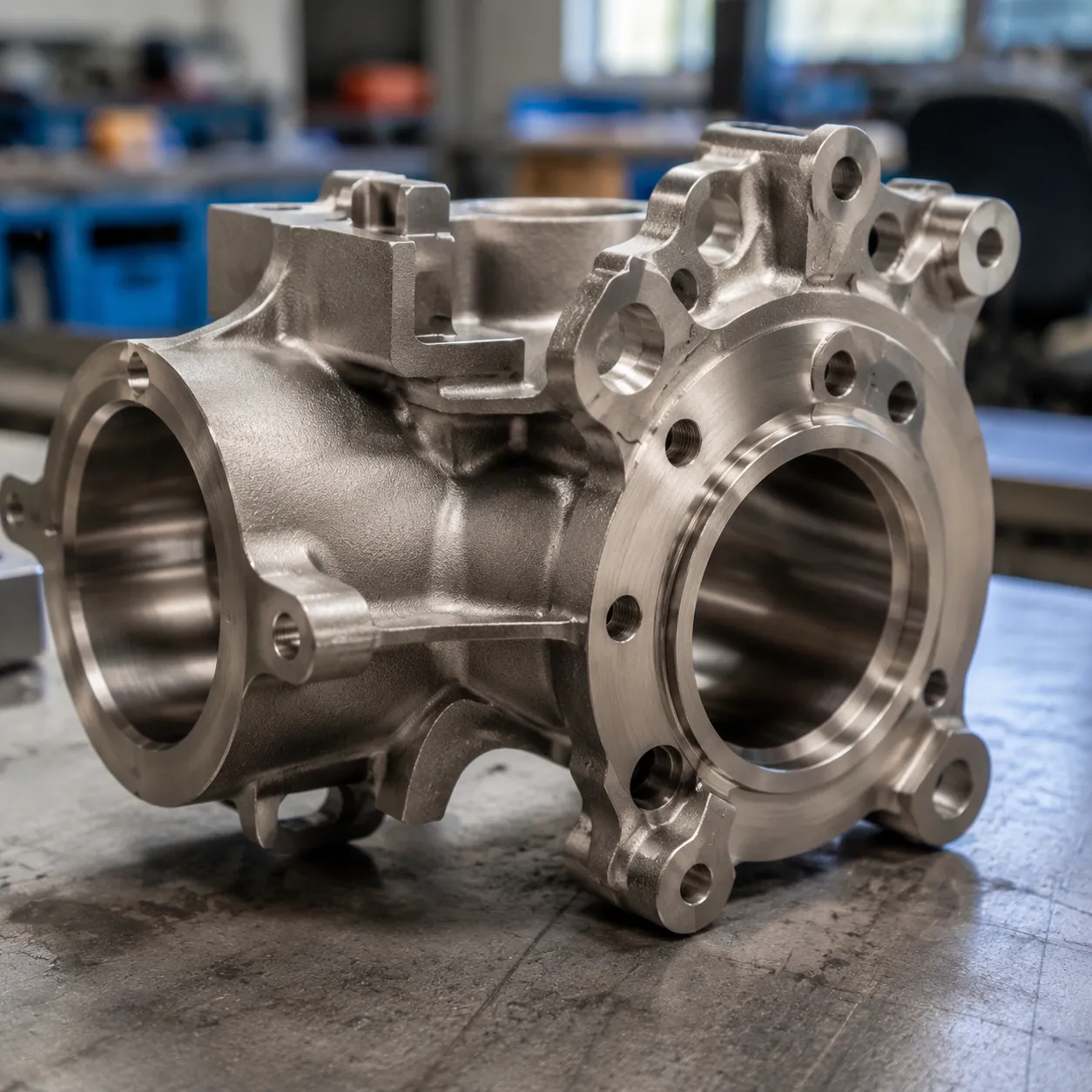
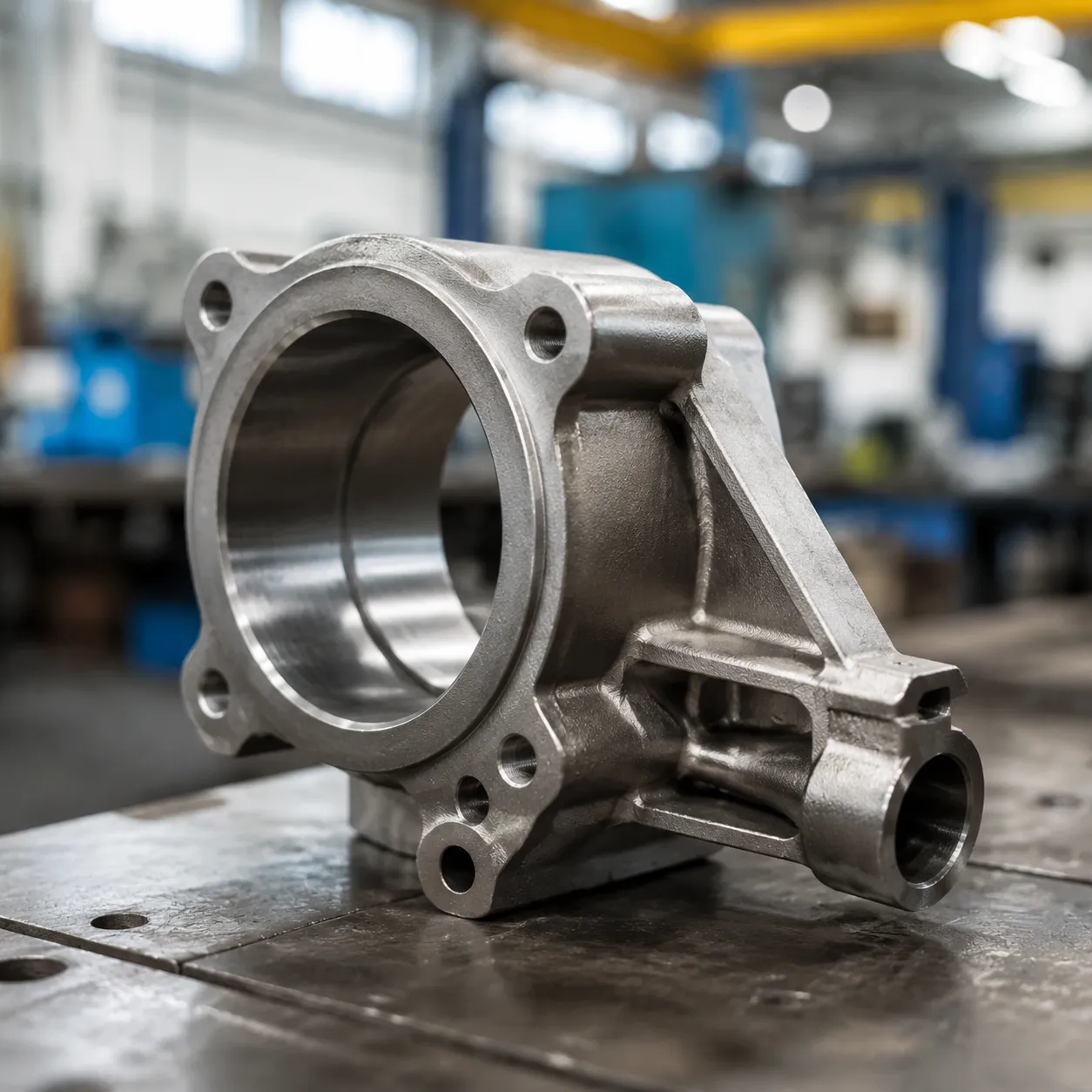
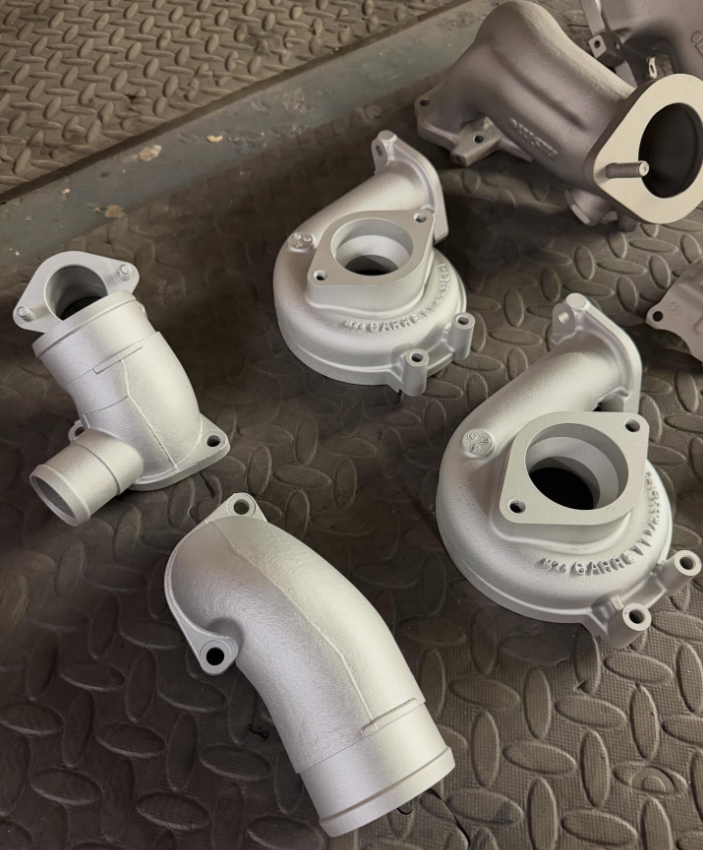
This is our go-to solution for functional metal prototypes and complex aerospace components where hard tooling is too slow or costly. We bypass traditional mold making by using 3D printed wax patterns to create the ceramic shell, allowing for intricate geometries like undercuts and internal channels.
- Process: 3D printed pattern $rightarrow$ Ceramic shell creation $rightarrow$ Metal pouring.
- Materials: We cast a wide range of alloys, including Stainless Steel, Magnesium, Zinc, and A356-T6 aluminum for superior strength-to-weight ratios.
- Advantage: You get production-grade metal parts without the lead time or expense of permanent dies.
Vacuum Casting (Plastic)
When you need 10 to 50 pieces for marketing samples or fit-checks, vacuum casting prototypes offer the perfect balance of quality and cost. We create a silicone mold from a CNC-machined master pattern to produce high-fidelity copies that mimic final production parts.
- Process: CNC Master $rightarrow$ Silicone Molding $rightarrow$ Polyurethane casting.
- Materials: Our resins simulate the properties of ABS, PP, PC, Acrylic, and even soft rubber.
- Advantage: Simulates injection molding quality at a fraction of the cost, ideal for low-volume production runs.
Precision CNC Machining & Finishing
Casting gets us close to the final shape, but our CNC machined prototypes capabilities ensure the critical features meet strict engineering prints. We treat casting as a near-net shape process, using machining to refine the details.
- Tolerances: We perform post-cast machining to achieve tolerances as tight as ±0.01mm.
- Finishing: From anodizing and powder coating to bead blasting and heat treatment, we deliver parts ready for assembly or display.
Engineering Support: The DFM Advantage
We don’t just take your file and hit “print.” True precise cast prototype & engineering requires a deep dive into the design before a single ounce of material is poured. Our engineering team acts as a firewall between your concept and the manufacturing floor, ensuring that what you designed is actually buildable and functional.
We break down the Design for Manufacturing (DFM) Analysis into three critical stages:
- File Verification: We start by analyzing your STEP or IGES files to catch digital errors early. We look specifically for non-manifold geometry—edges or faces that don’t connect properly in the 3D space—which can cause catastrophic failures during the casting process. We also verify draft angles to ensure the part can be ejected from the mold without damage.
- Material Selection: Choosing the right alloy is critical for parts facing thermal or mechanical stress. We consult with you to match the material to the environment. Whether you need high-strength alloy steel options for heavy-duty applications or lightweight solutions, we guide you through the trade-offs. For those focused on non-ferrous metals, our comprehensive cast aluminum foundry guide helps clarify how different series perform under stress.
- Structure Optimization: To ensure longevity, we often suggest minor design tweaks that significantly reduce porosity and improve internal structure. This might involve thickening walls or adjusting geometry to allow for better metal flow, ensuring your prototype performs exactly like a production part.
Technical Specifications & Material Guide
Getting the specifications right is critical for successful precise cast prototype & engineering. We match your design requirements with the exact material properties needed for functional testing or low-volume production. Whether you need the durability of metal alloys or the flexibility of urethane resins, our engineering team ensures every part meets strict dimensional accuracy.
Material Categories & Capabilities
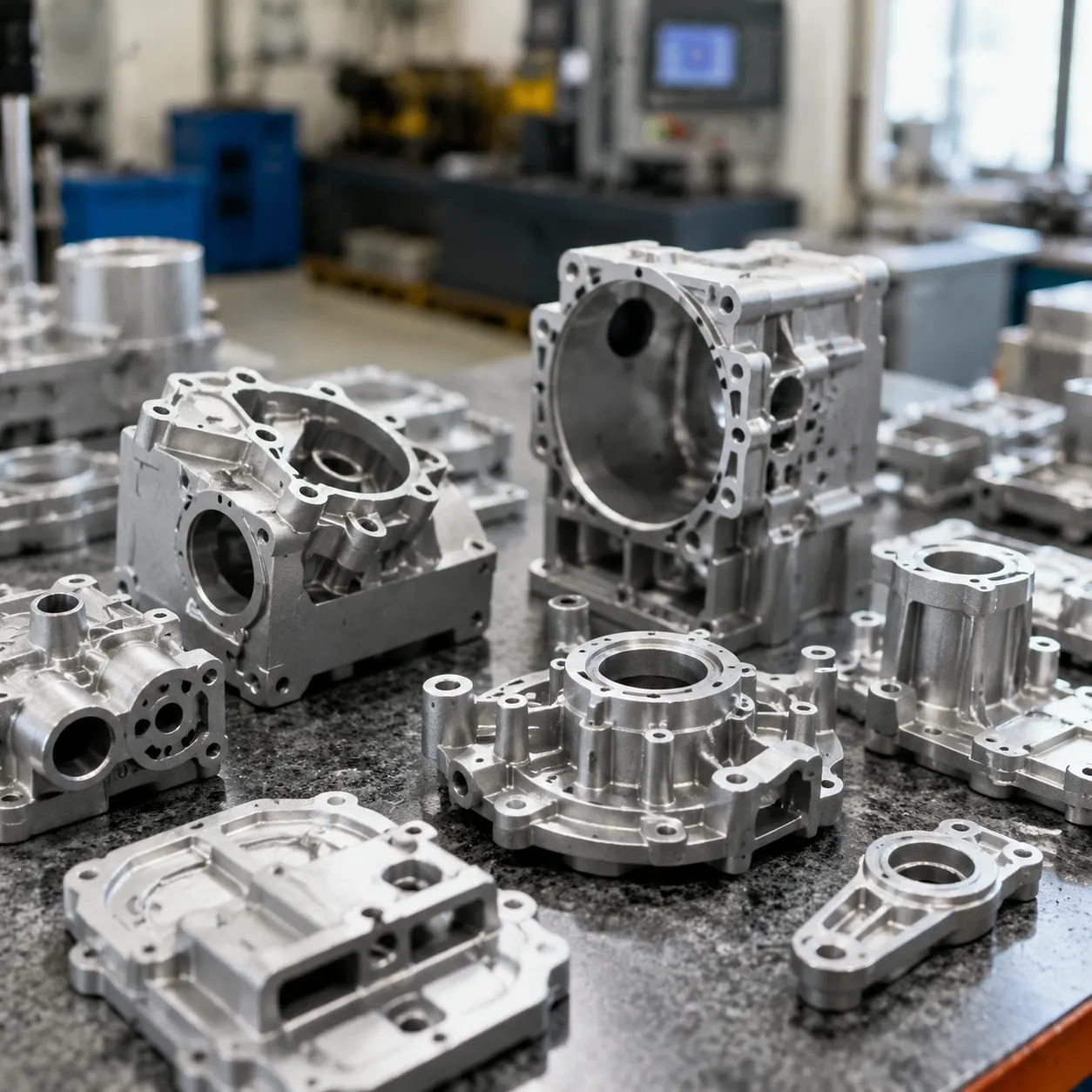
We offer a diverse range of production-grade materials. Our aluminum die casting services and CNC machining capabilities handle robust metals, while our vacuum casting process utilizes high-quality resins to simulate thermoplastics.
| Material Family | Common Grades / Types | Typical Tolerance | Key Properties |
|---|---|---|---|
| Aluminum Alloys | 6061, 7075 | ±0.01mm (CNC) | High strength-to-weight ratio, excellent machinability, corrosion resistance. |
| Stainless Steel | 304, 316 | ±0.01mm (CNC) | Superior durability, heat resistance, and medical-grade hygiene. |
| Urethane Resins | ABS-like, PC-like, Rubber-like | ±0.15mm (Vacuum) | Simulates injection molded plastics; available in clear, colored, or soft-touch finishes. |
| Engineering Plastics | POM (Delrin), PEEK, Nylon | ±0.05mm (CNC) | Low friction, high wear resistance, and thermal stability. |
Size & Scalability Standards
- Precision Machining: Our 3-axis, 4-axis, and 5-axis CNC centers handle complex geometries and tight tolerances down to ±0.01mm for critical features.
- Vacuum Casting Capacity: Ideal for small batches ranging from 10 to 50 pieces per mold, allowing for cost-effective replication of master patterns without hard tooling.
- Production Volume: We scale from single-unit visual prototypes to low-volume functional production runs of 1,000+ units, bridging the gap between concept and mass manufacturing.
Industries Served: Precise Cast Prototype & Engineering
We tailor our precise cast prototype & engineering workflows to meet the distinct regulatory and performance demands of major US sectors. By adapting our manufacturing logic to your specific industry standards, we ensure that every prototype serves its intended validation purpose, from fit checks to destructive testing.
- Aerospace & Defense
We specialize in aerospace grade castings that prioritize weight reduction without compromising structural integrity. Our team utilizes high-strength aluminum and magnesium alloys to produce lightweight components for flight hardware and tactical gear. We also supply custom wear-resistant industrial parts capable of withstanding the harsh environments typical of defense applications. - Medical Devices
Precision is critical when developing surgical tools and diagnostic equipment. We deliver prototypes using biocompatible-grade materials that simulate the mechanical properties of final production parts. This allows for accurate ergonomic testing and functional verification before committing to expensive medical tooling. - Automotive
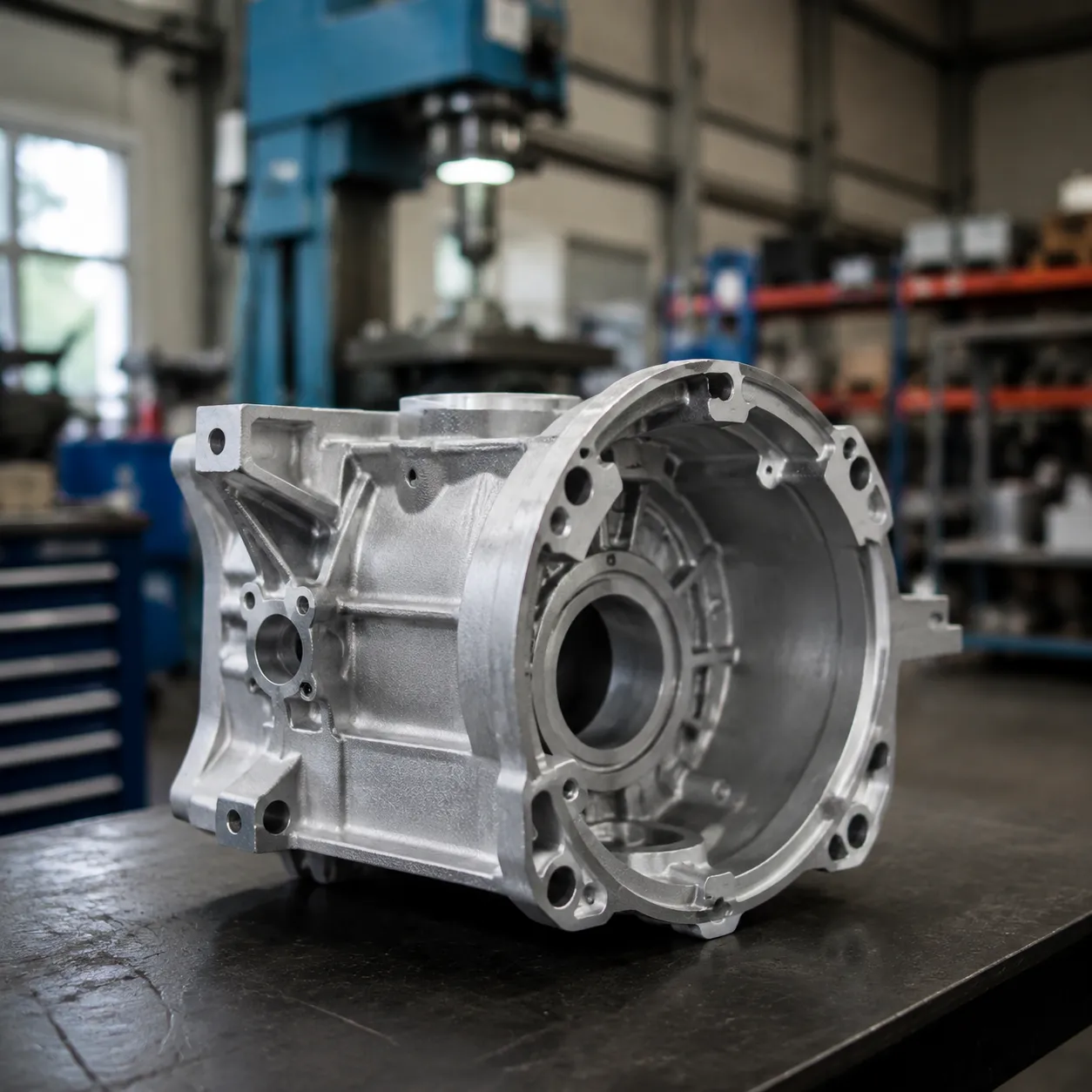
Speed is the driving force in automotive R&D. We produce functional under-the-hood components, including intake manifolds, brackets, and housing assemblies. Our capabilities extend to manufacturing custom OEM valve bodies that require tight tolerances for fluid control and heat resistance. - Electronics
We fabricate intricate enclosures and heat sinks designed for optimal thermal management. Our process handles complex geometries with thin walls, ensuring proper fitment for internal PCBs while providing necessary EMI shielding for sensitive consumer electronics.
Why Choose Vastmaterial for Your Prototype Engineering?
When you need a precise cast prototype & engineering partner, you need a team that balances speed with rigorous quality standards. We don’t just pour molds; we engineer solutions that bridge the gap between initial concept and mass manufacturing. Our facility is set up to handle everything from complex aerospace components to aesthetic consumer goods with the reliability of an ISO 9001 manufacturing partner.
Unmatched Speed and Scalability
Time is money, especially during product development. We have optimized our workflow to deliver low-volume production runs faster than traditional casting houses. Whether you need a single functional visual model or 500 units for market testing, our flexible production lines adapt to your specific project needs.
Standard Lead Times & Capacity:
| Service | Typical Lead Time | Volume Range | Best For |
|---|---|---|---|
| Vacuum Casting | 3–7 Days | 1–50+ Units | Visual models, fit checks, marketing samples |
| Rapid Metal Casting | 7–14 Days | 1–500+ Units | Functional testing, heat resistance, stress tests |
Rigorous Quality Control & Validation
Speed doesn’t matter if the parts don’t fit. We employ advanced inspection technologies to ensure every precise cast prototype meets your exact specifications. Our in-house metrology lab verifies dimensional accuracy and material integrity before shipping.
- CMM Inspection: We use Coordinate Measuring Machines to verify critical tolerances down to ±0.01mm.
- X-Ray & OES Analysis: For metal parts, we conduct X-ray testing to detect internal porosity and Optical Emission Spectroscopy (OES) to confirm alloy composition. You can review our detailed casting alloy guide to understand how we match material properties to your performance requirements.
- Surface Finishing: From basic blasting to high-end polishing, we apply the necessary surface treatment to ensure your prototypes look and perform like final production parts.
By integrating engineering validation directly into the casting process, we eliminate the risks associated with bridge tooling and ensure your transition to full-scale production is seamless.
Frequently Asked Questions (FAQ)
DMLS vs. Investment Casting Services
Many clients ask us whether to use Direct Metal Laser Sintering (DMLS) or traditional casting. DMLS (metal 3D printing) is excellent for complex internal geometries that cannot be molded, but it often comes with higher per-unit costs and rougher surface finishes.
In contrast, Investment Casting Services are ideal when you need superior surface quality and consistent material properties closer to mass production. For projects requiring robust metal parts, our aluminum investment casting solutions provide superior structural integrity and are more cost-effective for Low-Volume Production Runs (50–500 units).
Casting from 3D Printed Patterns
We utilize Rapid Tooling & Engineering techniques to accelerate the casting process. Instead of waiting weeks for expensive metal tooling, we can create a master pattern using high-resolution SLA 3D printing. This “QuickCast” approach allows us to move directly to Silicone Molding or ceramic shell creation much faster.
This method delivers a precise cast prototype & engineering verification model that mimics final production parts without the heavy upfront investment in hard tooling. It is the fastest route for validating design geometry and fit.
Standard Lead Times by Method
Time-to-market is critical. We optimize our workflow to ensure you receive parts quickly. Below are our typical turnaround times for different precise cast prototype & engineering methods:
| Manufacturing Method | Typical Lead Time | Best For |
|---|---|---|
| Vacuum Casting Prototypes | 3 – 7 Days | Visual models, marketing samples, small plastic batches (10-50 units). |
| CNC Machining | 3 – 7 Days | High-precision metal/plastic functional parts. |
| Rapid Investment Casting | 7 – 14 Days | Functional metal prototypes requiring production-grade alloys. |
| Rapid Tooling | 10 – 15 Days | Bridge production for injection molding. |
Note: Lead times may vary based on part complexity, material availability, and finishing requirements.