Struggling to master 2507 duplex stainless steel machinability without burning through your budget?
As a specialist in high-performance alloys, I know that this super duplex is as challenging to cut as it is vital for corrosion resistance. If you don't get the tooling selection and cutting speeds exactly right, you’ll face rapid tool wear and compromised mechanical strength.
In this guide, you’ll learn the exact strategies needed to handle this material’s unique microstructure and maximize your shop's efficiency.
Let’s dive right in.
What Is 2507 Duplex Stainless Steel?
2507 Duplex Stainless Steel, commonly known as Super Duplex 2507, is a high-alloy material designed for service in highly corrosive environments. It combines the most beneficial properties of both ferritic and austenitic steels, resulting in a metal that offers exceptional strength and superior resistance to localized corrosion. In the world of precision machining, this alloy is favored for critical components that must perform under extreme pressure and chemical exposure.
Chemical Composition of Super Duplex 2507
The high performance of Super Duplex 2507 is derived from its specific chemical makeup. This alloy is characterized by high levels of chromium, molybdenum, and nitrogen, which work together to provide enhanced durability. Key elements include:
- Chromium: Provides the primary defense against oxidation.
- Molybdenum: Significantly boosts resistance to pitting and crevice corrosion in chloride-rich environments.
- Nitrogen: Enhances the yield strength and improves the overall structural stability.
- Nickel: Carefully balanced to ensure the formation of the dual-phase structure.
Microstructure and Phase Balance
The "duplex" name refers to the unique dual-phase microstructure of the alloy. Super Duplex 2507 is engineered to maintain a nearly equal balance of austenite and ferrite grains. This 50/50 phase distribution is the secret behind its mechanical superiority:
- Austenite Phase: Delivers the necessary toughness and ductility.
- Ferrite Phase: Provides high yield strength and excellent resistance to stress corrosion cracking (SCC).
Achieving and maintaining this precise phase balance is essential during processing. Any deviation can significantly impact the 2507 duplex stainless steel machinability and the long-term reliability of the manufactured parts. As a provider of precision machining services, we understand that managing this microstructure is key to delivering high-quality, durable components for the global market.
Key Properties of Duplex 2507 Stainless Steel
Super duplex 2507 is defined by its high alloy content, which provides a unique balance of physical and chemical traits. We focus on these properties to determine the best approach for **2507 duplex stainless steel machinability** and long-term part performance.
Mechanical Strength and Toughness
This material is known for its exceptional yield strength and high impact toughness. Unlike standard grades, the dual-phase structure provides:
- High Tensile Performance: Significantly higher load-bearing capacity compared to standard austenitic steels, similar to how we evaluate the tensile strength of aluminum and other high-performance alloys.
- Work Hardening: Rapid hardening during processing, which requires specific feed rates and depth of cut to manage tool wear.
- Ductility: Maintains toughness even in low-temperature environments.
Corrosion Resistance Characteristics
The chemical makeup of super duplex 2507 ensures elite protection in harsh conditions.
- Pitting Resistance: High levels of chromium, molybdenum, and nitrogen provide superior resistance to pitting and crevice corrosion.
- Chloride Stress Corrosion Cracking (SCC): The ferritic phase makes it highly resistant to SCC in chloride-rich environments.
- Acid Resistance: Performs well in dilute sulfuric and organic acid applications.
Is Duplex 2507 Stainless Steel Magnetic?
Yes, 2507 duplex stainless steel is magnetic. Because its microstructure is a 50/50 mix of austenite and ferrite, the ferritic phase provides strong magnetic properties. This is a key differentiator from 300-series stainless steels, which are generally non-magnetic. We utilize this characteristic during material sorting and quality checks in our precision machining services to ensure the correct alloy is being processed for every project.
2507 Duplex Stainless Steel Machinability
Understanding the Machinability Rating
Super duplex 2507 is significantly more challenging to process than standard austenitic steels. Its high strength and high alloy content result in a machinability rating of approximately 25% to 30% compared to B1112. The primary hurdle is the material's tendency to work-harden almost instantly. If the cutting edge dwells or rubs, the surface becomes harder than the tool itself, leading to immediate failure.
Tooling Selection and Cutting Speeds
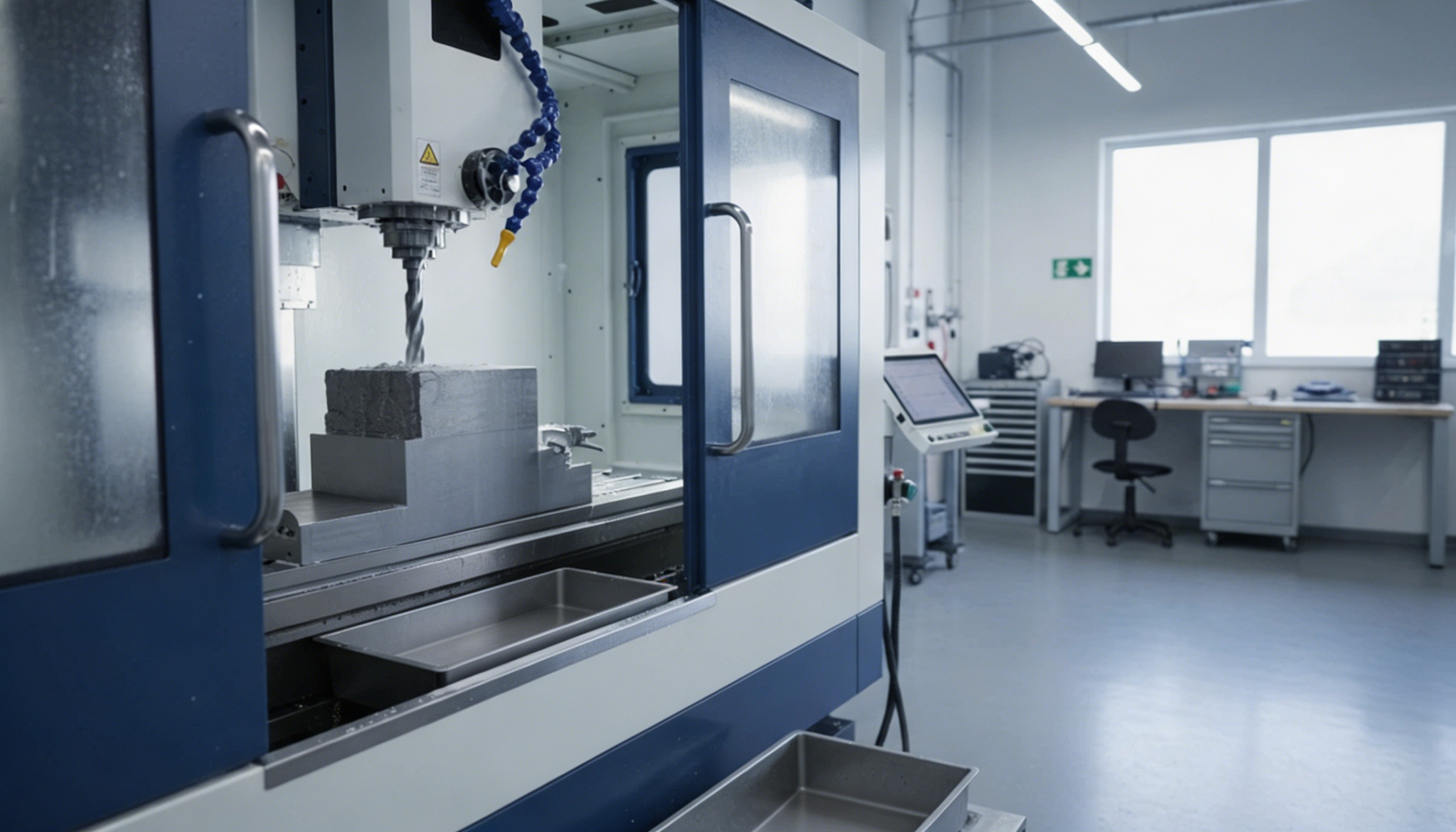
To achieve efficiency in our precision machining services, we prioritize specific tooling and rigid setups.
- Cemented Carbide Tooling: This is the industry standard for 2507. It provides the necessary hardness to withstand the abrasive nature of the alloy.
- High Speed Steel Tools: We generally limit high speed steel tools to specialized drilling or low-volume tasks, as they succumb to tool wear much faster than carbide.
- Cutting Speed: Must be kept low to manage heat.
- Feed Rate: A high, constant feed rate is mandatory to ensure the tool stays below the work-hardened layer.
- Depth of Cut: The depth of cut should be substantial enough to prevent the tool from simply "skimming" the surface.
Due to the extreme environments found in sectors like the mining industry, 2507 components must be machined with absolute precision to ensure they don't fail under pressure.
Cooling and Lubrication Strategies
Heat dissipation is critical when handling super duplex 2507. Because the material has low thermal conductivity, heat stays at the cutting edge.
- High-Pressure Coolant: We use high-pressure systems to force lubricant into the cutting zone.
- Lubricant Type: Heavy-duty, sulfurized, or chlorinated oils are preferred to reduce friction and flush out tough, stringy chips.
- Consistency: Never stop the flow of coolant during a cut; thermal shock can crack carbide inserts instantly.
| Parameter | Recommendation for 2507 |
|---|---|
| Tool Material | Coated Cemented Carbide |
| Cutting Speed | 20 - 50 m/min |
| Coolant | High-pressure oil or synthetic |
| Chip Control | Use chip breakers to manage long ribbons |
Manufacturing and Processing Guidelines
Managing the production of super duplex 2507 requires strict control over thermal cycles to maintain its high-performance characteristics. Because this material is designed for extreme environments, any deviation in processing can lead to a loss of corrosion resistance or mechanical integrity. We focus on stabilizing the material through precise handling to ensure that the final 2507 duplex stainless steel machinability remains predictable during secondary operations.
Heat Treatment and Microstructural Evolution
The goal of heat treatment for 2507 is to maintain a near-equal balance of austenite and ferrite phases.
- Solution Annealing: Typically performed between 1880°F and 2060°F (1025°C–1125°C).
- Rapid Quenching: Immediate water quenching is mandatory to prevent the formation of brittle intermetallic phases like sigma.
- Phase Balance: Maintaining the 50/50 ratio is critical; an imbalance significantly increases tool wear and makes the material harder to cut.
Properly annealed stock is much easier to handle when compared to other grades, as detailed in our 416 vs 316 stainless steel comparison guide, which highlights how different compositions respond to thermal processing.
Can Duplex 2507 Stainless Steel Be Welded?
Yes, 2507 is weldable, but it requires a specialized approach to avoid cracking and maintain corrosion resistance.
- Matching Fillers: We recommend using over-alloyed filler metals (usually with extra nickel) to ensure the weld zone retains the proper duplex structure.
- Heat Input Control: Low to medium heat input is necessary. Excessive heat slows the cooling rate, which can trigger the precipitation of unwanted phases.
- Preheating: Generally not recommended, as it can keep the metal in critical temperature zones for too long.
- Post-Weld Cleaning: Essential for removing heat tint and restoring the passive layer.
By controlling these manufacturing variables, we ensure the material is optimized for our precision machining services, allowing for consistent feed rates and depth of cut during the finishing stages.
Advantages and Disadvantages of Duplex 2507
Core Advantages in Industrial Use
We choose 2507 duplex stainless steel for its incredible balance of strength and durability. It offers a yield strength nearly double that of standard austenitic grades, allowing us to design lighter, thinner components without sacrificing safety.
- Extreme Corrosion Resistance: With a PREN (Pitting Resistance Equivalent Number) above 40, it thrives in aggressive chloride environments where other steels fail.
- Cost Efficiency: Because of its high strength, you use less material. It also contains lower nickel content than many high-performance alloys, making it a more stable choice against market price fluctuations.
- Thermal Performance: It provides better thermal conductivity and a lower coefficient of thermal expansion compared to 300-series stainless steels.
- Alternative Options: While 2507 is a top-tier choice for chloride resistance, we also provide 15-5 PH steel high strength corrosion resistant alloy for applications requiring different precipitation-hardening characteristics.
Disadvantages and Machining Challenges
The same properties that make this alloy tough also make 2507 duplex stainless steel machinability a significant hurdle. It is not a "set it and forget it" material; it requires a strategic approach to avoid destroying tools.
| Challenge | Impact on Production |
|---|---|
| Work Hardening | The surface hardens rapidly if the tool rubs instead of cuts, leading to immediate tool failure. |
| High Cutting Forces | Requires heavy-duty machinery and rigid setups to prevent vibration and chatter. |
| Heat Generation | Low thermal conductivity means heat stays at the cutting edge, requiring high-quality cemented carbide tooling. |
| Temperature Limits | It becomes brittle if exposed to temperatures above 600°F (315°C) for long periods, limiting its use in high-heat zones. |
The primary disadvantage we face is the tool wear rate. To manage this, we maintain a constant feed rate and avoid dwelling. If the machine hesitates for even a second, the material work-hardens so much that the next pass might break the insert. Success with this alloy depends entirely on rigid setups and aggressive, consistent cooling.
Common Applications of 2507 Duplex Stainless Steel
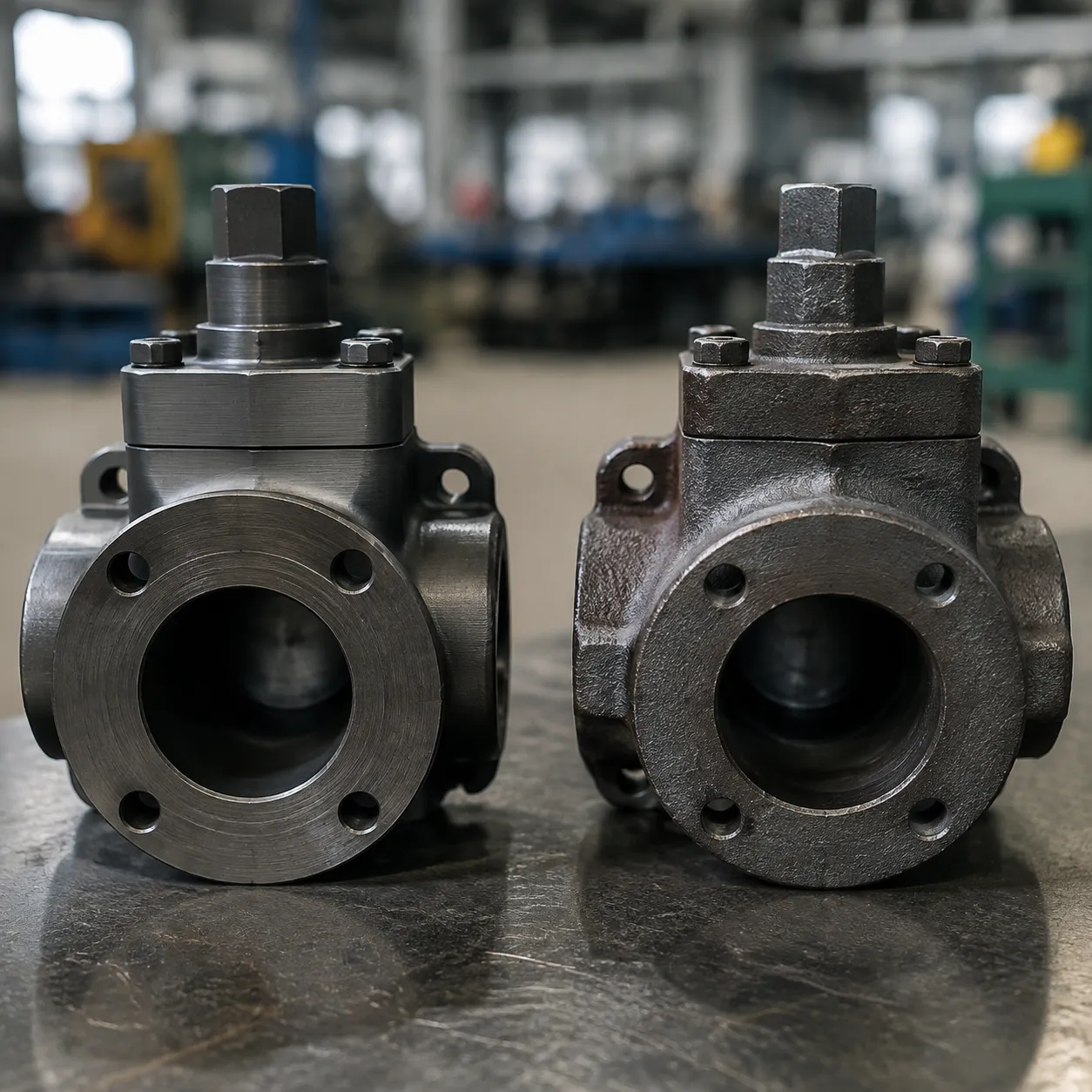
The unique properties of super duplex 2507 make it a preferred material for industries where standard stainless steel fails. Because of its high strength and extreme resistance to localized corrosion, it is used in critical infrastructure that demands long-term reliability. We specialize in providing precision machining services for these demanding sectors, ensuring every component meets strict industrial standards.
Oil and Gas Exploration Equipment
In the oil and gas sector, equipment is constantly exposed to high pressures and sour environments containing hydrogen sulfide. Super duplex 2507 is the standard for:
- Subsea manifolds and piping systems
- Downhole tools and valves
- Umbilicals and heat exchangers
Given the toughness of the material, 2507 duplex stainless steel machinability is a key factor we manage during the production of these complex parts to prevent premature tool failure and ensure dimensional accuracy.
Chemical Processing Plants
Chemical processing involves handling aggressive organic and inorganic acids. This alloy is widely used for:
- Pressure vessels and storage tanks
- Distillation columns
- Piping for phosphoric and sulfuric acid production
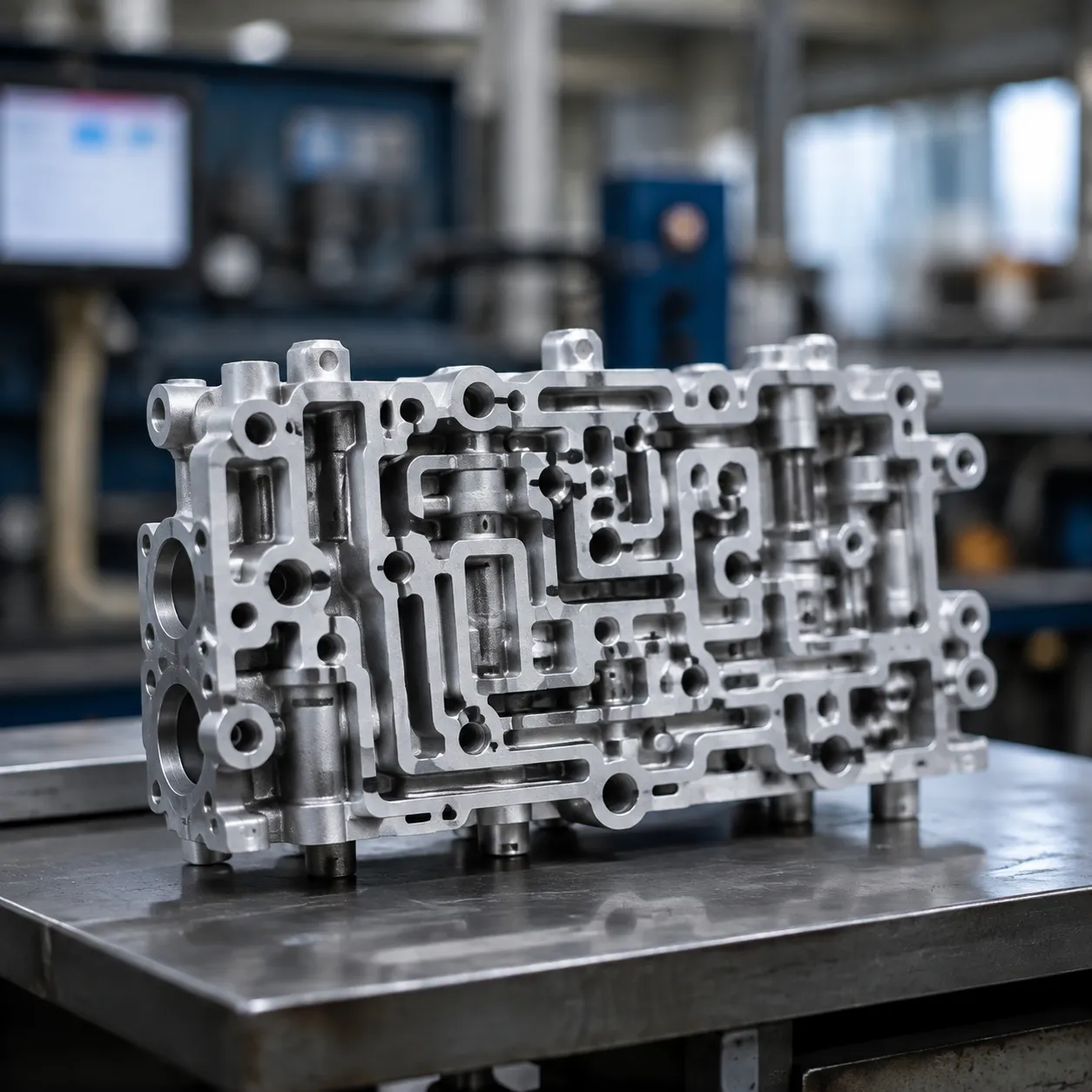
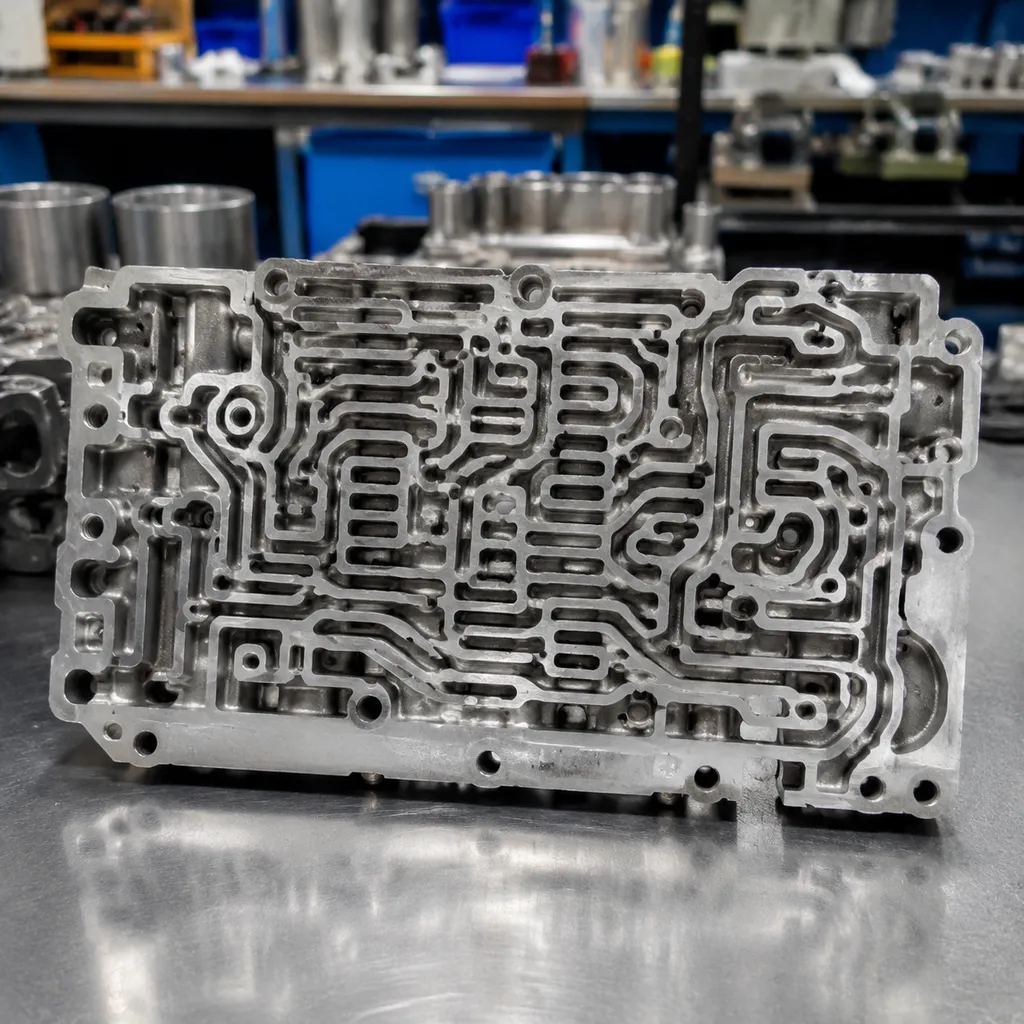
Our team focuses on maintaining the integrity of the material's microstructure during manufacturing. For projects requiring specialized production methods, we offer custom casting services for precision metal parts manufacturing to deliver high-performance components tailored to specific chemical environments.
Marine and High-Chloride Environments
The high chromium and molybdenum content provides exceptional resistance to chloride-induced stress corrosion cracking. This makes it indispensable for:
- Desalination plant components (high-pressure pumps and membranes)
- Seawater cooling systems
- Marine propellers and shafts
In these applications, the durability of the finished part depends on precise manufacturing. We optimize the cutting process to handle the work-hardening nature of the alloy, ensuring that marine hardware can withstand the most corrosive conditions on earth.
FAQs
Is 2507 duplex stainless steel hard to machine?
Yes, machining super duplex 2507 is significantly more difficult than standard stainless steels. Its high mechanical strength and rapid work-hardening rate require rigid setups and powerful machinery. We specialize in precision machining services for 2507 duplex stainless steel to overcome these challenges, ensuring tight tolerances despite the material's toughness.
What are the best tools for machining super duplex 2507?
For most operations, cemented carbide tooling is the industry standard. These tools offer the hardness and heat resistance necessary to maintain a sharp edge. While high speed steel tools may work for very low-speed applications or simple drilling, they typically succumb to rapid tool wear when faced with the abrasive nature of this alloy.
How do cutting speed and feed rate affect the process?
Finding the right balance is critical for efficiency:
- Cutting Speed: Must be kept moderate to prevent excessive heat buildup.
- Feed Rate: Needs to be high enough to ensure the tool is cutting below the work-hardened layer created by the previous pass.
- Depth of Cut: Should be substantial enough to maintain stability and prevent tool rubbing.
How does 2507 compare to other machined alloys?
While 4140 alloy steel machined parts are common in industrial applications, super duplex 2507 offers far superior corrosion resistance but at the cost of much lower machinability. Unlike carbon steels, 2507 requires constant cooling and specialized geometries to manage chip formation.
Can 2507 be used for precision cast components?
Yes, this alloy is frequently used for high-performance parts. For those integrating these components into complex systems, our investment cast part guide provides insights into how precision alloys like 2507 are handled from the foundry to the final machining stage.
What is the most common cause of tool failure?
The primary cause of failure is heat-related tool wear and notch wear at the depth-of-cut line. Using high-pressure coolant and ensuring the tool never dwells in the cut are the most effective ways to extend tool life when processing this difficult material.