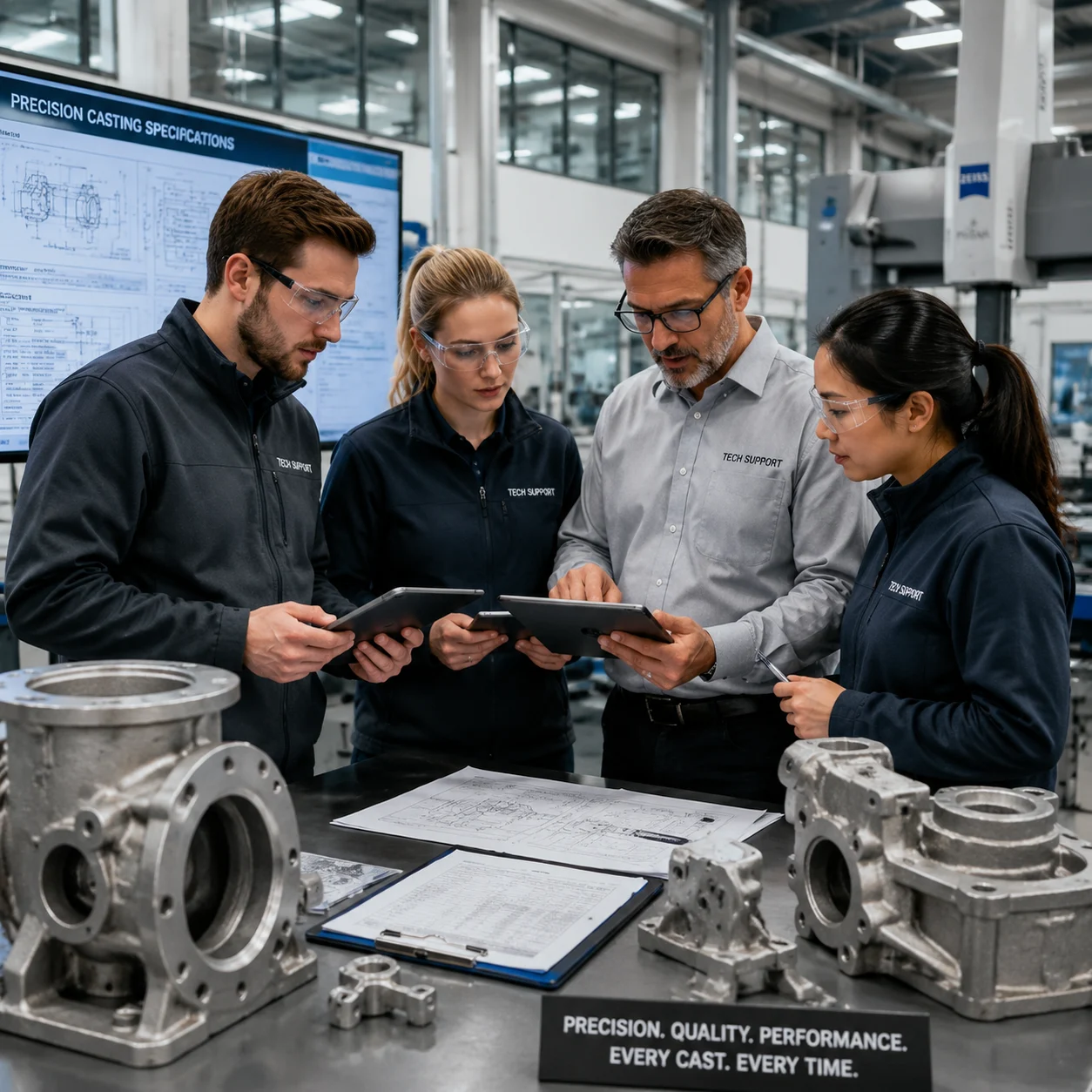
Precision Shell Mold Casting for Complex Metal Components
Vastmaterial delivers high-precision shell molding services engineered for intricate geometries, superior surface finishes, and exceptional repeatability. Minimize secondary machining and accelerate production with our scalable, high-volume manufacturing solutions, and explore our precision casting services for even more demanding applications.
Shell Molding Service Scope: Definition, Application, and Investment Casting Integration
Shell mold casting is an advanced precision molding technique that utilizes a rigid, resin-coated sand mixture to form high-strength ceramic-like shell molds. This specialized process bridges the gap between conventional sand casting and high-end investment casting, offering an optimal manufacturing solution for complex metal components. By providing superior dimensional stability and a highly refined surface finish, precision shell molding is ideal for mid-to-high volume production runs that demand strict structural integrity and minimal dimensional variance.
At Vastmaterial, our shell molding services are strategically integrated with our investment casting capabilities to maximize manufacturing flexibility and cost efficiency. While investment casting is unmatched for ultra-intricate configurations, shell mold casting serves as a faster, more cost-effective alternative for medium-sized components requiring thin walls, complex internal geometries, and narrow tolerances. This dual-process integration allows us to optimize production tooling costs, shorten engineering lead times, and significantly reduce downstream machining requirements through our machining services for our global partners.
- Process Definition: Thermosetting resin-coated sand is applied to a heated metal pattern, creating a durable, thin-walled sand shell mold. Once thermal curing is complete, the rigid halves are bonded together and filled with molten alloys to cast high-precision metal parts.
- Application Scope: Perfectly suited for medium-to-large production batches requiring complex contours, uniform thin-wall sections, structural ribs, and intricate surface details that standard sand molds cannot replicate.
- Investment Casting Integration: Our blended engineering approach pairs the rapid throughput of shell molding with the exceptional surface fidelity of silica sol investment casting, delivering a balanced manufacturing flow that optimizes unit costs and surface finish.
- Material Compatibility: Fully compatible with a versatile array of metals, including stainless steel, carbon steel, low-alloy steels, high-temperature superalloys, and non-ferrous materials to meet strict industrial specifications.
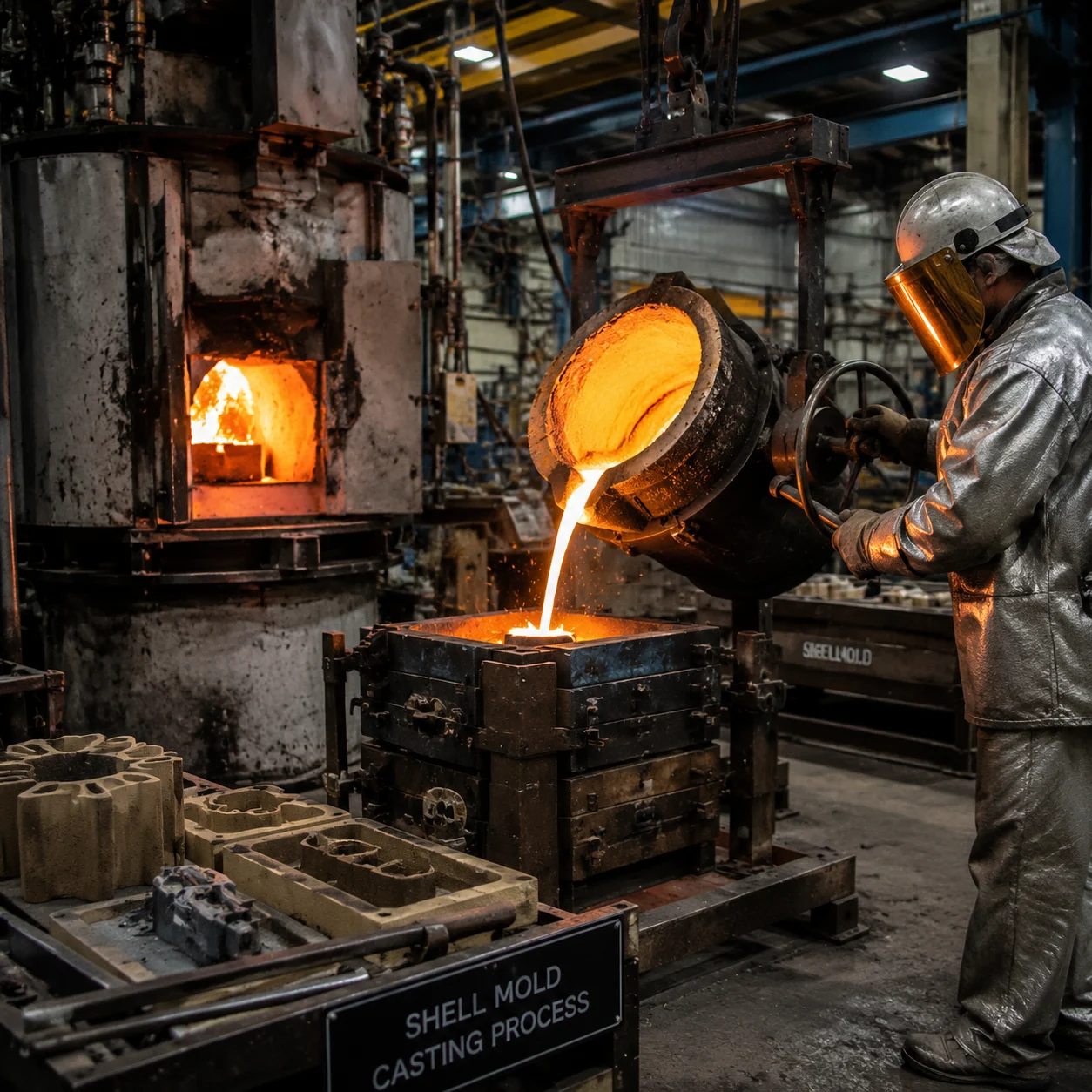
Vastmaterial leverages advanced manufacturing setups and colloidal silica precision casting expertise to support complex part production from initial mold design through mass execution. Our comprehensive service scope spans pattern engineering, automated shell coating, controlled metal pouring, metallurgy verification, and specialized surface treatment. This end-to-end process control guarantees high repeatability, exceptional structural density, and a minimized defect rate across every batch.
Critical industries, including automotive systems, commercial aerospace, industrial valves, pump assemblies, and medical instrumentation, rely on Vastmaterial’s custom shell molding capabilities. Whether fabricating heat-resistant engine components, complex pressure-sealed valve bodies, or rugged structural brackets, our manufacturing process ensures strict adherence to international quality standards while minimizing the total cost of ownership.
Why Choose Shell Mold Casting: Core Performance and Value Advantages
Precision shell molding bridges the gap between conventional sand options and costly investment processes, offering a uniquely competitive solution for complex metal components. By utilizing a resin-coated sand shell, this manufacturing method achieves exceptional dimensional stability and a superior surface finish, effectively minimizing the need for extensive secondary machining operations. For medium-volume production runs, precision casting yields tighter manufacturing tolerances and higher structural integrity across every production batch.
The high rigidity of the cured sand shell prevents mold wall movement during metal pouring, allowing engineers to design intricate thin-walled sections, complex internal cavities, and deep ribs with confidence. At Vastmaterial, our advanced shell molding service handles rigorous alloy requirements while ensuring consistent part weight and uniform thickness. This specialized tooling process excels at producing net-shape or near-net-shape components, keeping scrap rates exceptionally low and optimizing material utilization.
Tight Dimensional Accuracy
Maintains tight tolerances down to ±0.25mm. The thermal stability of the resin-bonded shell eliminates mold dilation, ensuring strict print-to-part compliance for high-precision applications.
Excellent Surface Finish
Achieves a smooth surface roughness profile of Ra 3.2–6.3 μm. This fine texture suppresses gas porosity and sand-inclusion defects, enhancing fluid-sealing performance and aesthetic appeal.
High Repeatability
Delivers predictable part-to-part consistency. Standardized metal patterns eliminate the human variability common in manual sand molding, providing stable reliability for automated assembly lines.
Cost-Efficient Tooling
Offers significantly lower initial tooling costs compared to die casting molds. This makes it an incredibly cost-effective strategy for medium-sized batches requiring premium casting characteristics.
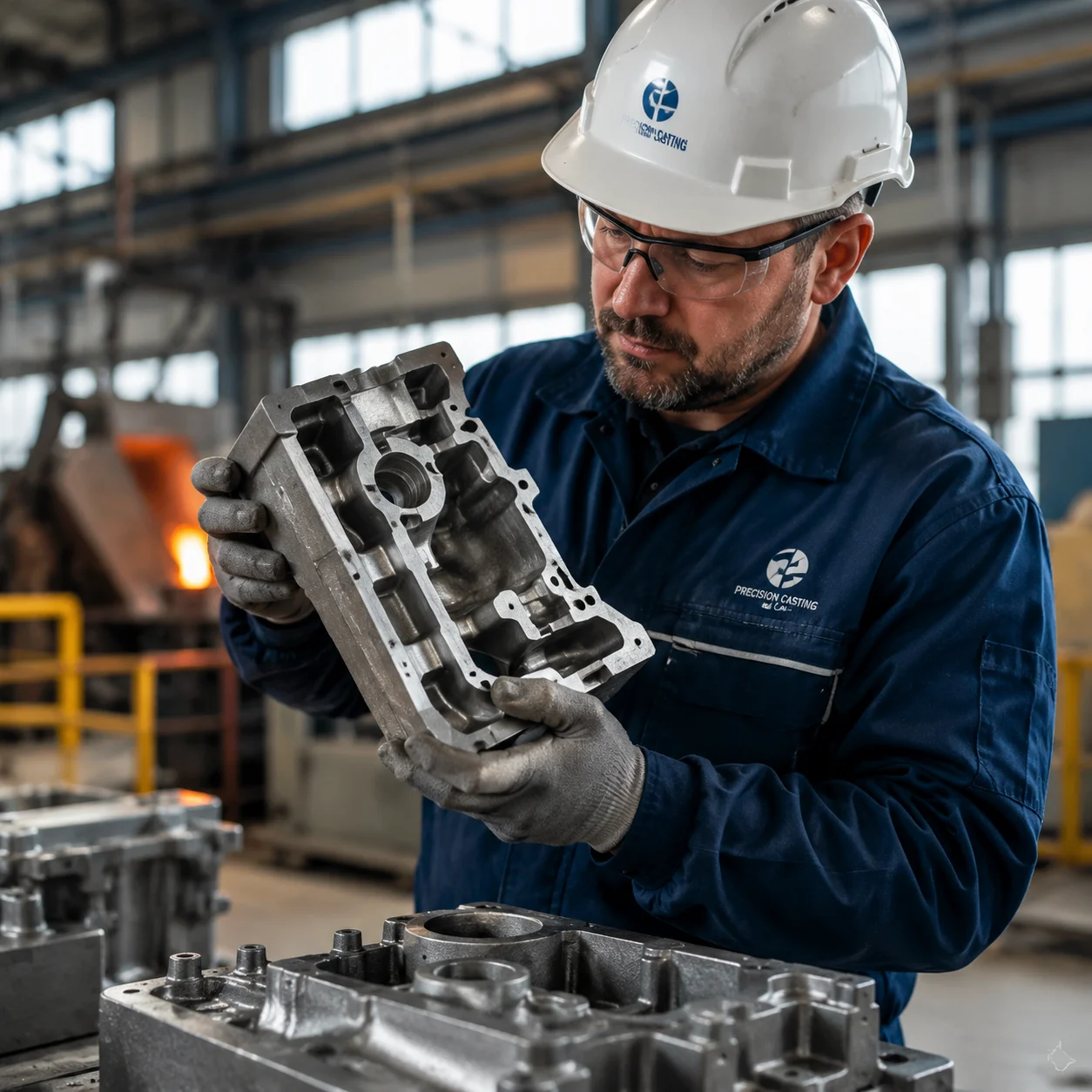
By leveraging Vastmaterial's technical expertise in precision shell molding, industrial buyers gain access to a highly controlled, end-to-end production environment. We execute meticulous grain-size selection for our resin sands and maintain precise pouring temperature controls, ensuring every casting batch exhibits uniform mechanical properties. Our integrated facilities handle stainless steel, carbon steel, and specialized high-temperature alloys to fulfill strict quality mandates across automotive, aerospace, industrial valve, and medical equipment sectors.
Ultimately, choosing shell mold casting addresses the critical challenges of modern component sourcing: balancing part complexity, mechanical longevity, and overall unit cost. The process serves as an ideal alternative for heavy-duty brackets, valve bodies, manifolds, and structural frames where raw sand casting falls short and investment casting proves cost-prohibitive. Vastmaterial pairs this robust casting technique with internal machining and non-destructive testing (NDT) to deliver fully verified, ready-to-assemble hardware.
Technical Material Capabilities and Tolerances for Precision Shell Molding
Precision shell mold casting bridges the gap between conventional sand mold methods and high-investment investment casting integration. By utilizing premium resin-coated sand bonded to heated metal patterns, Vastmaterial delivers complex metal components featuring tight dimensional tolerances and exceptional surface finishes that reduce or eliminate secondary machining. For broader production programs, our precision casting services extend these benefits across a wide range of component geometries and alloy systems.
Our specialized manufacturing facility processes a versatile range of ferrous and non-ferrous alloys. This shell molding service is engineered specifically for intricate, thin-walled geometries, complex internal cores, and medium-to-high volume production runs. From lightweight components to substantial structural parts, we manage tight material specifications with absolute process repeatability.
Supported Shell Molding Materials
- Stainless Steel: Austenitic, martensitic, duplex, and ferritic grades for high corrosion resistance
- Carbon Steels: Low, medium, and high carbon steel varieties for robust structural applications
- Low Alloy Steels: High-tensile strength and wear-resistant alloy selections
- High-Temperature Alloys: Chrome-moly steels, heat-resistant steels, and nickel-base superalloys
- Non-Ferrous Metals: Specialized aluminum, bronze, and brass alloys engineered for specific cast properties
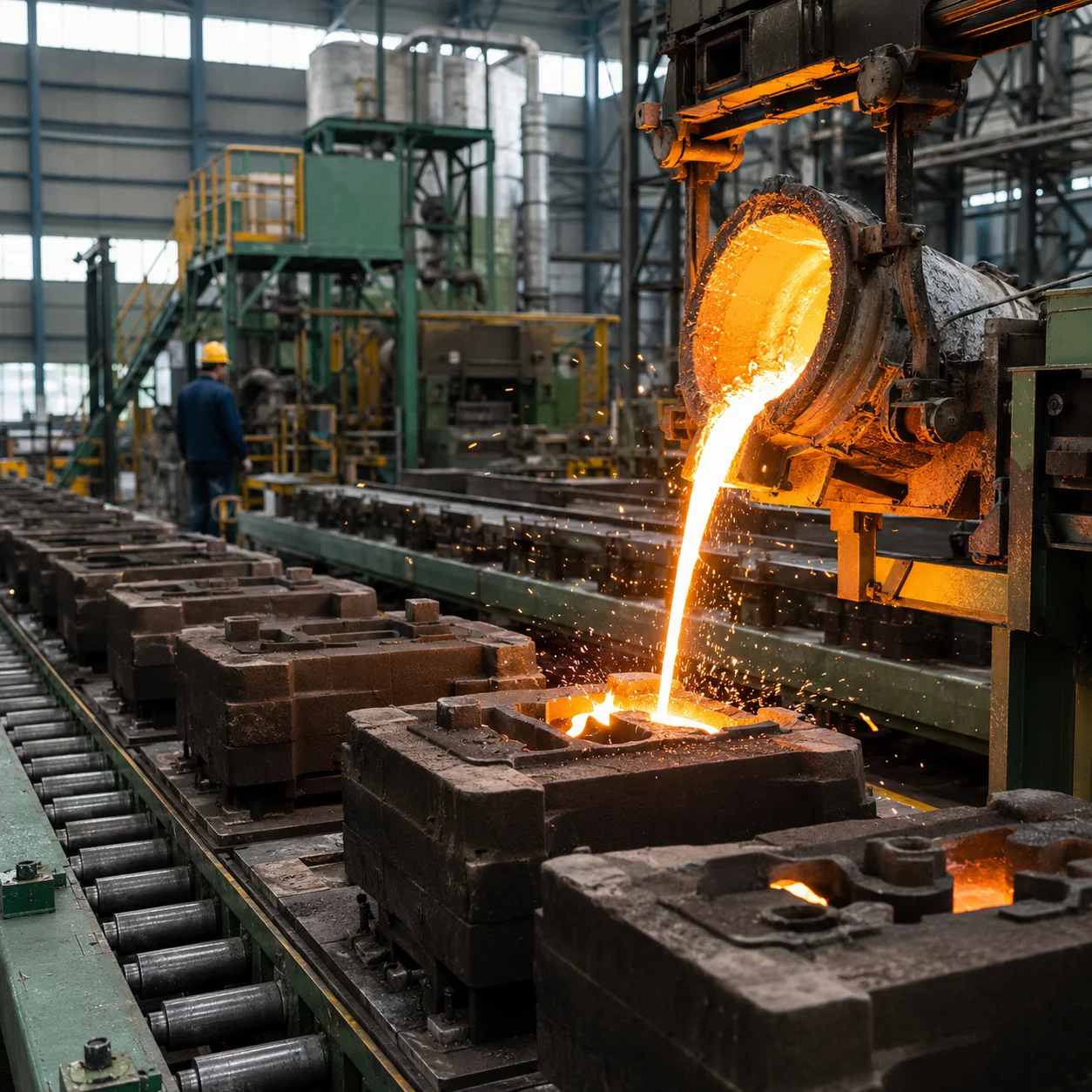
Dimensional Accuracy and Surface Finish Standards
Achieving reliable linear tolerances is the cornerstone of the Vastmaterial shell molding process. Our rigid mold structure routinely maintains a standard dimensional tolerance of ±0.25 mm for critical features, minimizing structural deflection during metal pouring and ensuring strict batch-to-batch consistency.
The fine grain size of our specialized resin sand creates an ultra-smooth mold face, yielding a superior casting surface roughness between Ra 3.2 µm and 6.3 µm. This significantly controls typical casting defects such as micro-porosity, gas inclusions, and sand burn-on, resulting in cleaner complex metal components.
| Technical Parameter | Typical Engineering Range | Process Optimization Notes |
|---|---|---|
| Dimensional Tolerance | ±0.25 mm to ±0.40 mm | Tighter limits achievable depending on draft angles and geometry |
| Surface Roughness (Ra) | 3.2 – 6.3 µm | Reduces secondary grinding and external blast finishing needs |
| Part Weight Capacity | 10 g – 20 kg | Optimal scope for small-to-medium complex commercial castings |
| Minimum Wall Thickness | 2.5 mm – 3.0 mm | Dependent on alloy fluidity and layout of internal core profiles |
To complement our raw casting capabilities, Vastmaterial offers comprehensive downstream processing under one roof. We manage precise post-casting thermal treatments, CNC finish machining, and protective surface treatments to supply completely finished, assembly-ready parts. This full-service approach keeps project lead times compressed and safeguards total material traceabilities.
If your specific engineering designs require larger dimensions, tighter tolerances, or custom alloy blending beyond our standard technical matrix, our application specialists can tailor custom process parameters to your goals. Contact the Vastmaterial technical support group to optimize your product configurations for manufacture.
Targeted Applications Across Industries for Shell Mold Casting Solutions
Precision shell molding delivers the tight dimensional tolerances and exceptional surface quality required for high-stress metal components. By utilizing premium resin-coated sand to build rigid, stable molds, this process effortlessly accommodates complex geometries, intricate internal cores, and thin-walled profiles that traditional sand casting cannot achieve. For tight tolerance surfaces, our precision casting approach keeps finish consistency high.
As an integrated manufacturer, Vastmaterial combines expert shell molding services with advanced investment casting options to provide full-spectrum engineering flexibility. This dual-capability ensures your specialized parts maintain high repeatability and reduced machining allowances across mid- to high-volume production runs.

Automotive & Commercial Vehicles
Heavy-duty exhaust manifolds, mounting brackets, engine mounts, and suspension nodes engineered for critical fatigue resistance and thermal endurance.
Aerospace & Energy
Heat-resistant turbine blades, combustion chamber hardware, and duct assemblies manufactured with strict grain structure control and surface uniformity, with lost wax casting supporting intricate aerospace profiles.
Industrial Valves & Pump Bodies
High-pressure valve bodies, complex pump impellers, and sealing seats that demand optimal fluid dynamics, zero porosity, and precise fitment.
Mechanical Equipment
Custom industrial jigs, heavy-duty structural plates, alignment fixtures, and guide rails requiring high tensile strength and long-term dimensional stability.
Medical & Instrumentation
Delicate equipment housings, custom electronic enclosures, and complex connectors requiring fine detail definition and aesthetic outer finishes.
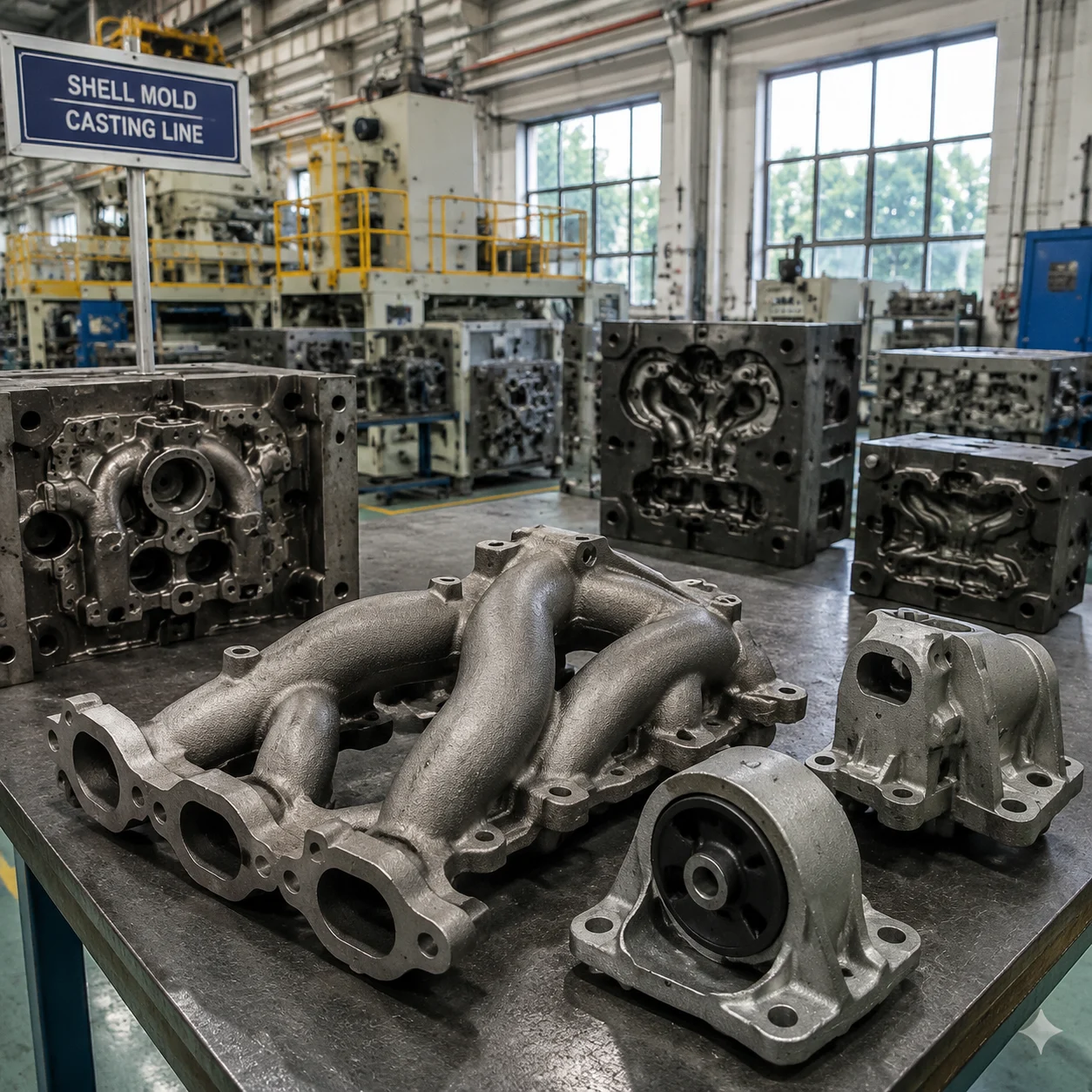
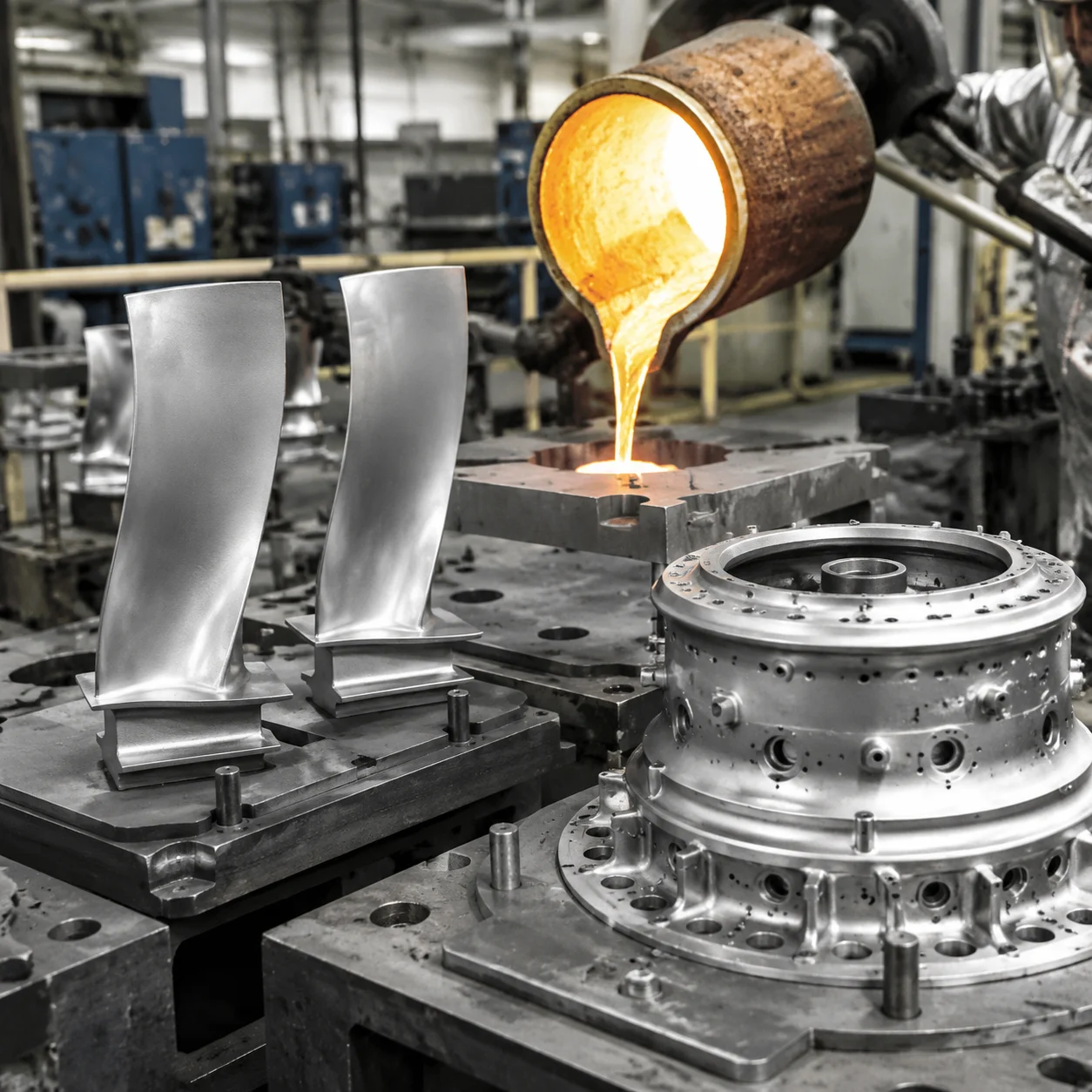
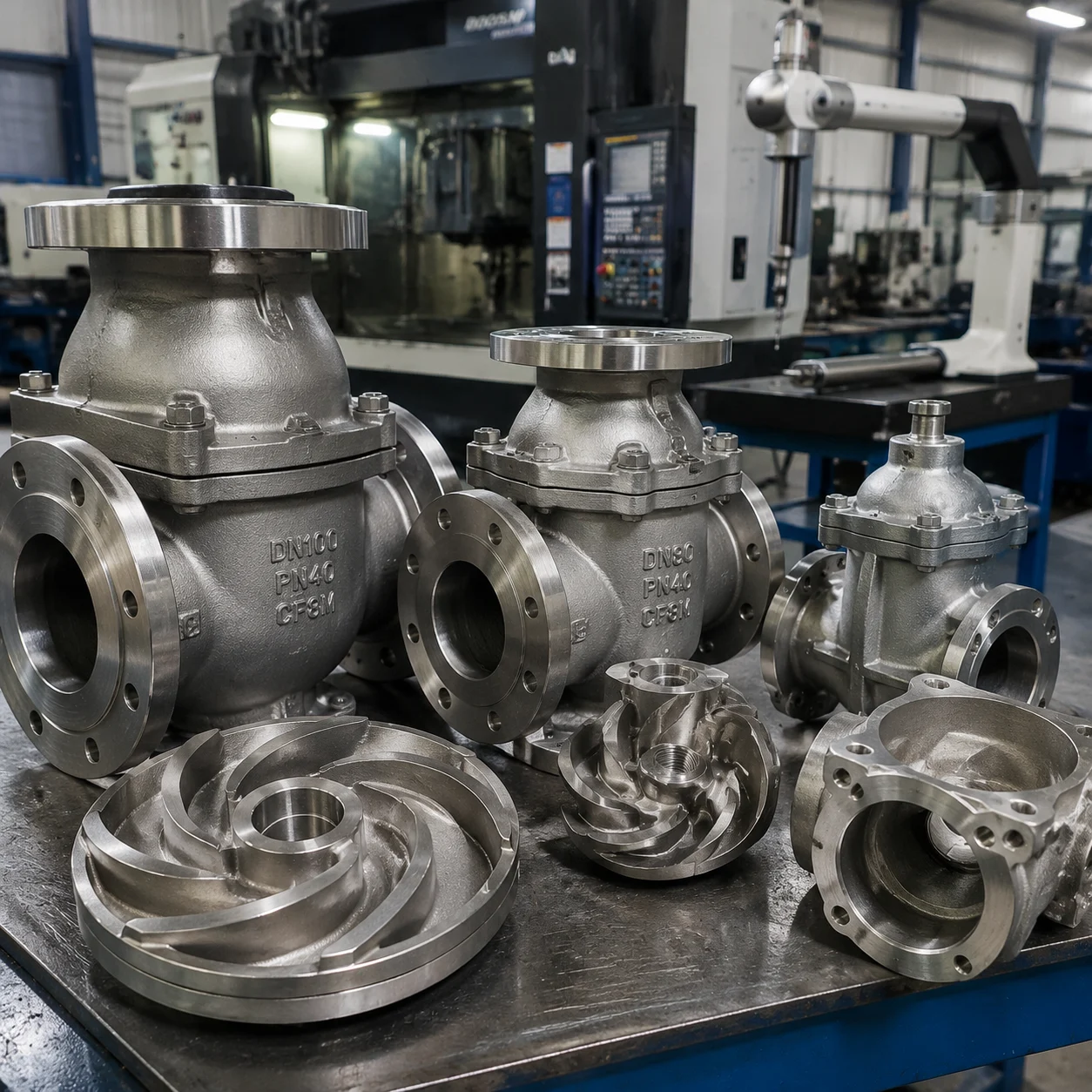
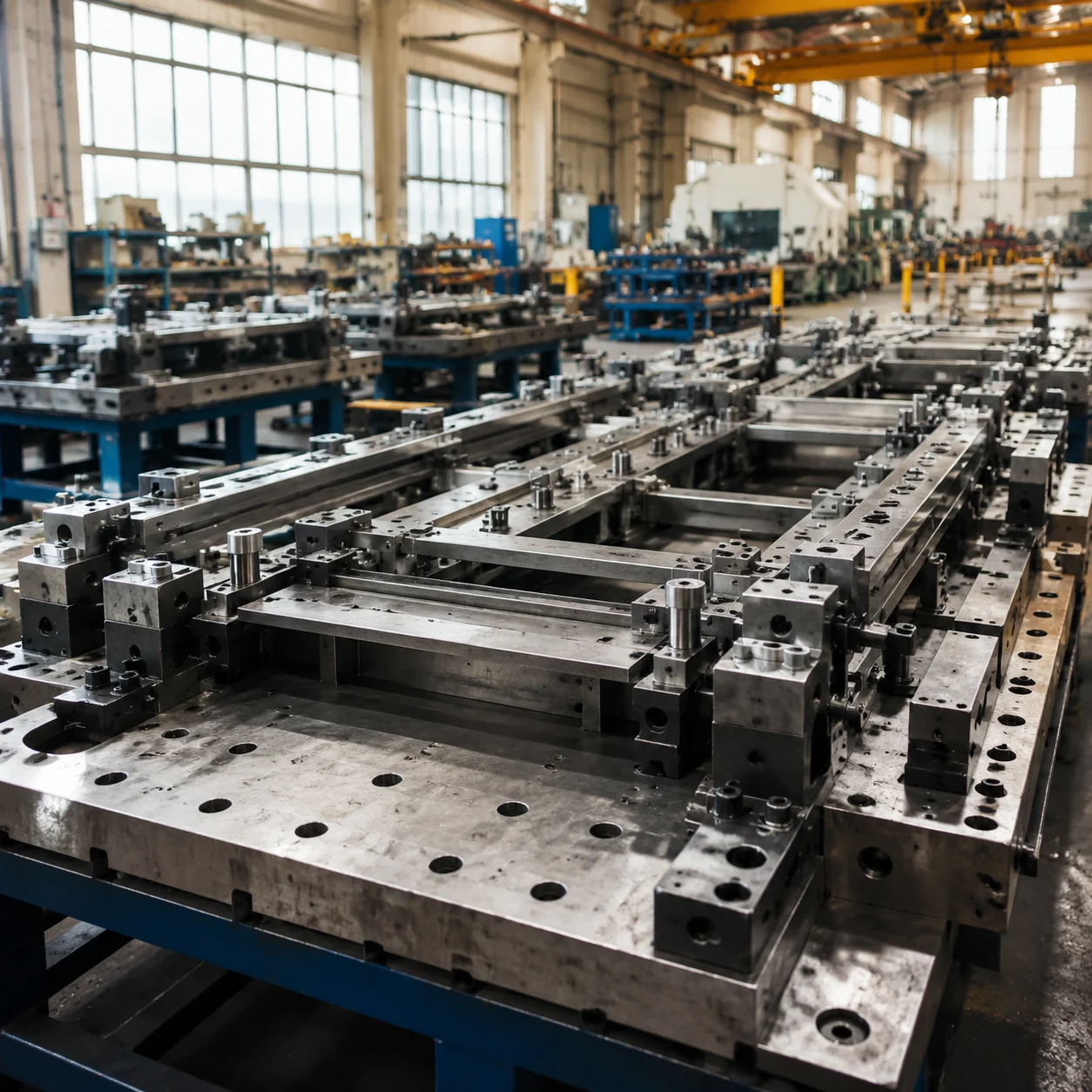
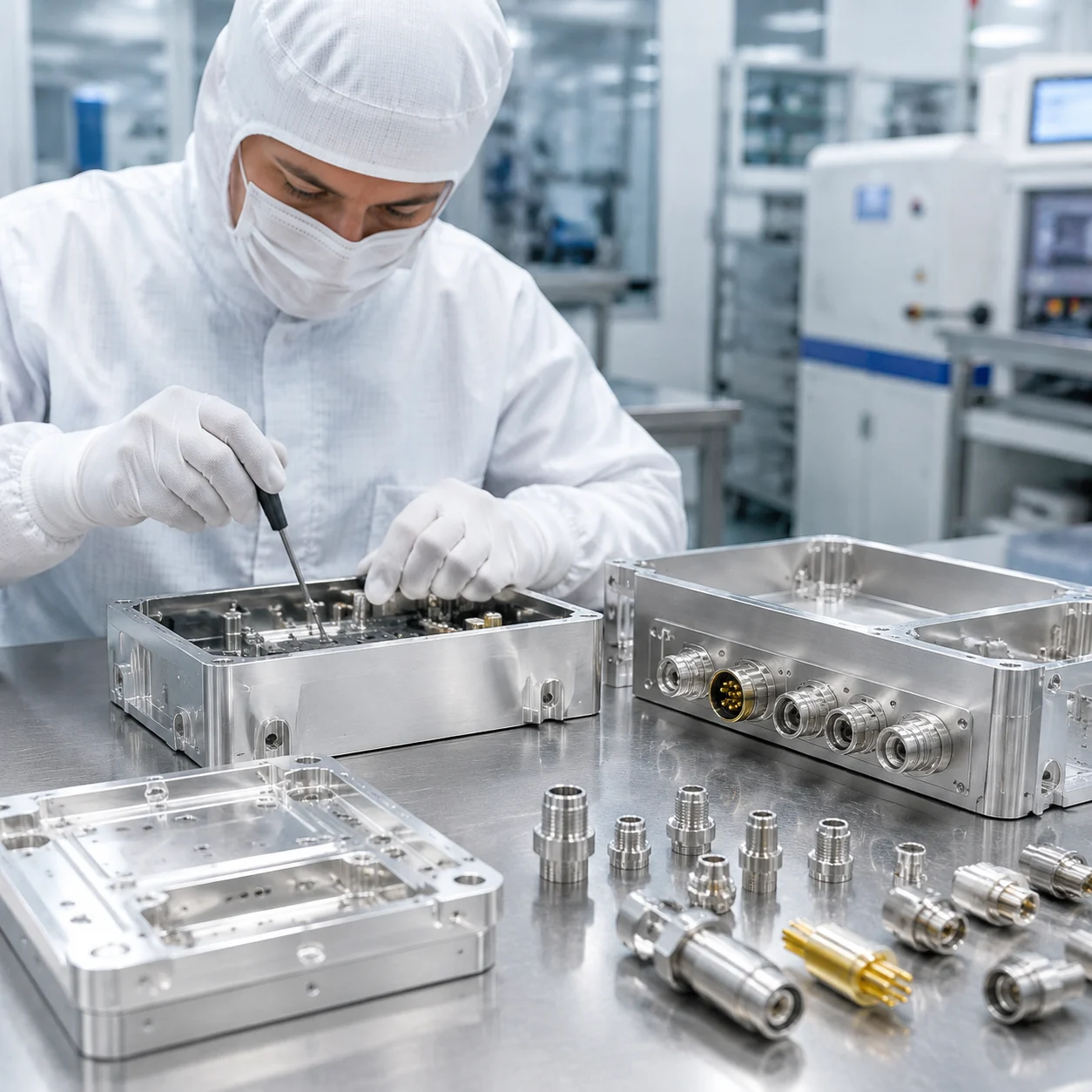
Regardless of your specific industry, Vastmaterial balances metallurgical precision with streamlined process controls to deliver shell mold casting applications that reduce your secondary machining overhead, minimize scrap rates, and meet rigorous global quality standards. Our technical team works directly with your design data to optimize alloy choice and gating geometry for predictable, long-term performance.
The Transparent Process of Shell Mold Casting from Pattern to Finished Part
Shell mold casting is an engineered manufacturing technique designed to bridge the gap between traditional sand casting and investment casting. By utilization of a resin-bonded sand mixture applied to heated metal patterns, this methodology produces dimensionally accurate shell molds that yield exceptional surface finishes and precise geometric repeatability for complex metal components.
At Vastmaterial, process transparency and rigorous engineering control form the backbone of our casting operations. We provide our global industrial clients with comprehensive visibility into every stage of the shell mold casting workflow—from precision tooling development to automated shell coating, pouring control, and final surface treatment. This systematic approach ensures complete traceability, minimized defect rates, and predictable lead times, fully aligning with our precision casting capabilities.
Step 1: Pattern and Core Fabrication
Production begins with CNC machining of high-durability metal patterns, typically engineered from iron or aluminum. These patterns incorporate necessary draft angles and shrinkage allowances, establishing a precise physical template for the final component geometry and any intricate internal cavities.
Step 2: Shell Coating and Curing
The metal pattern is heated and coated with a specialized thermosetting resin-sand mixture. Upon contact with the hot tool, the resin cures to form a rigid, thin-walled sand shell. This hardened shell mold exhibits excellent high-temperature resistance and permeability, ensuring smooth gas venting during casting.
Step 3: Mold Assembly and System Setup
The matching shell halves are securely joined together using structural adhesives or mechanical clamps, integrating custom gating and riser systems. This assembly configuration is optimized to control fluid dynamics, prevent turbulent flow, and eliminate shrinkage porosity in the metal.
Step 4: Pouring and Controlled Cooling
Molten alloy—whether stainless steel, carbon steel, or high-temperature superalloys—is poured into the rigid shell mold at tightly regulated temperatures. The dimensional stability of the shell allows for rapid, uniform cooling, which optimizes the grain structure and enhances the mechanical properties of the component.
Step 5: Shakeout and Initial Inspection
After solidification, the single-use resin shell is broken away from the metal during shakeout. The raw casting is thoroughly cleaned via shot blasting to remove residual sand, followed by an immediate visual inspection and initial dimensional check to verify structural integrity.
Step 6: Secondary Processes and Finishing
The component undergoes secondary processing, including precise heat treatment to relieve internal stresses and custom CNC machining to meet tight tolerance thresholds. Vastmaterial handles all final finishing, non-destructive testing (NDT), and surface treatments under one roof to deliver a fully deployment-ready part.
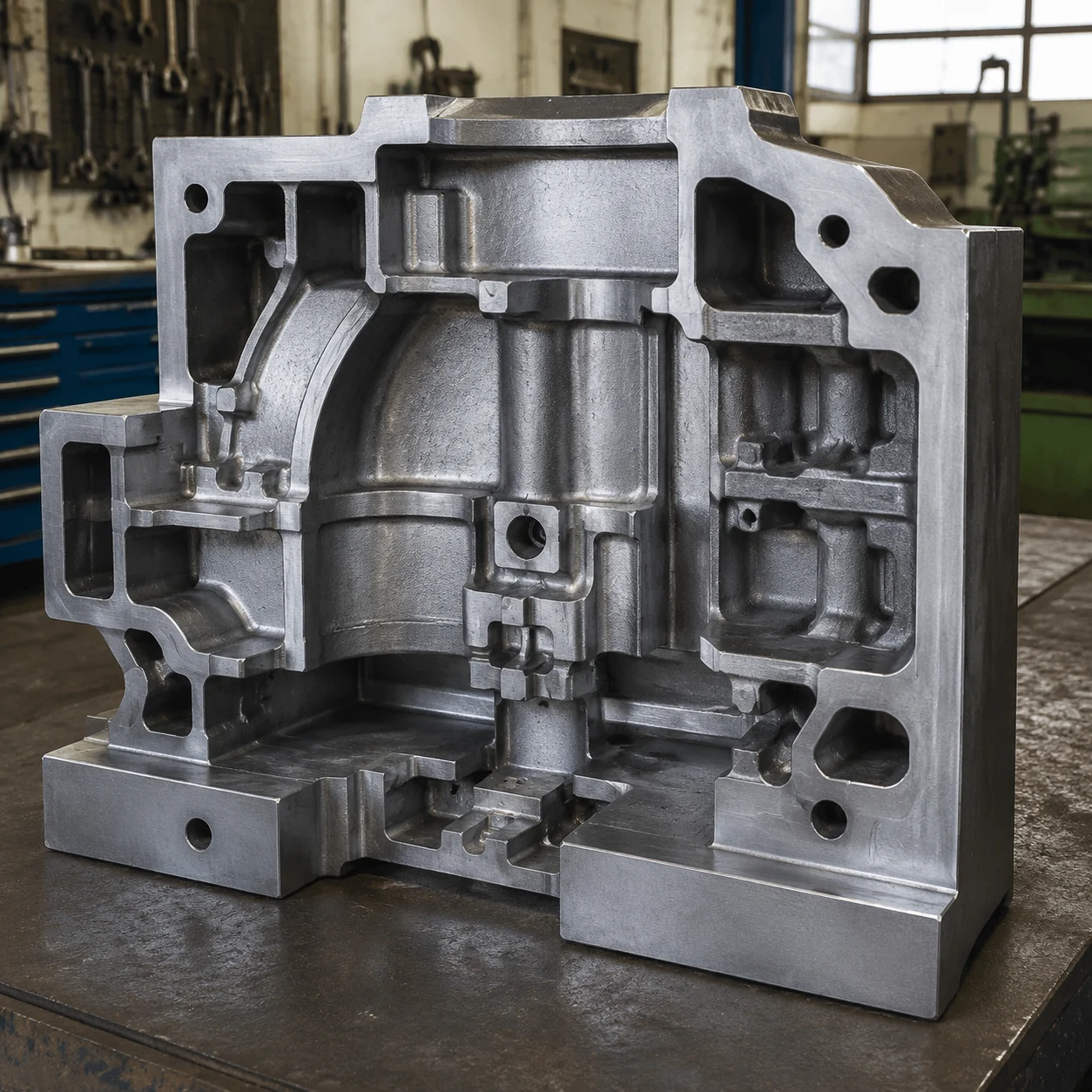
This structured process flow ensures that each precision shell molding project satisfies stringent international quality benchmarks while optimizing material yield and reducing scrap rates. Vastmaterial integrates advanced process controls at every stage—from automated sand-coating thermal monitoring to spectroscopic material validation. By coupling traditional metallurgical expertise with modern inspection protocols like X-ray, ultrasonic testing (UT), and coordinate measuring machine (CMM) dimensional analysis, we guarantee absolute batch-to-batch consistency.
Our transparent workflow and engineering-first philosophy provide procurement and technical teams with the visibility required for predictable supply chain integration. By standardizing these production phases, Vastmaterial delivers dependable, close-tolerance cast components tailored for demanding automotive, aerospace, and industrial valve applications.
Process Selection: Shell Mold vs Sand Casting vs Investment Casting
Selecting the optimal manufacturing method requires balancing dimensional accuracy, surface finish, and tooling amortization. Precision casting with shell mold casting fills a critical gap in industrial manufacturing, delivering tighter dimensional tolerances and superior surface quality compared to traditional sand casting, while offering a significantly lower tooling cost and faster production turnaround than investment casting.
Each casting technology presents distinct economic and technical thresholds based on component complexity, manufacturing volume, and post-machining targets. While conventional sand molding uses loose green sand for large-scale, heavy components, shell molding utilizes a thin, rigid resin-coated sand shell to yield repeatable, near-net-shape components. For ultra-complex geometries with thin walls, investment casting provides maximum precision but involves extensive multi-step processing and higher capital investment.
Shell Mold Casting
- High dimensional accuracy with reliable ±0.25mm engineering tolerances
- Excellent surface finish (Ra 3.2–6.3 μm) significantly reduces machining
- Optimized for complex geometries, thin-walled sections, and intricate ribs
- Perfect for medium to high batch production with rapid cycle times
- Highly cost-effective tooling compared to investment casting dies
Sand Casting
- Lowest upfront tooling expenditures utilizing reusable sand patterns
- Best suited for massive, low-complexity parts with loose tolerances
- Rougher surface profile requires substantial secondary machining
- Lower dimensional repeatability across high-volume production runs
- Extremely versatile material compatibility for heavy industrial alloys
Investment Casting
- Unmatched precision and ultra-fine surface finishes directly from the mold
- Ideal for intricate, thin-walled components with highly complex internal cavities
- Extended lead times due to multi-layered wax pattern and ceramic shell curing
- Substantially higher mold costs and specialized batch processing limits
- Premium solution for critical aerospace, medical, and specialized defense parts
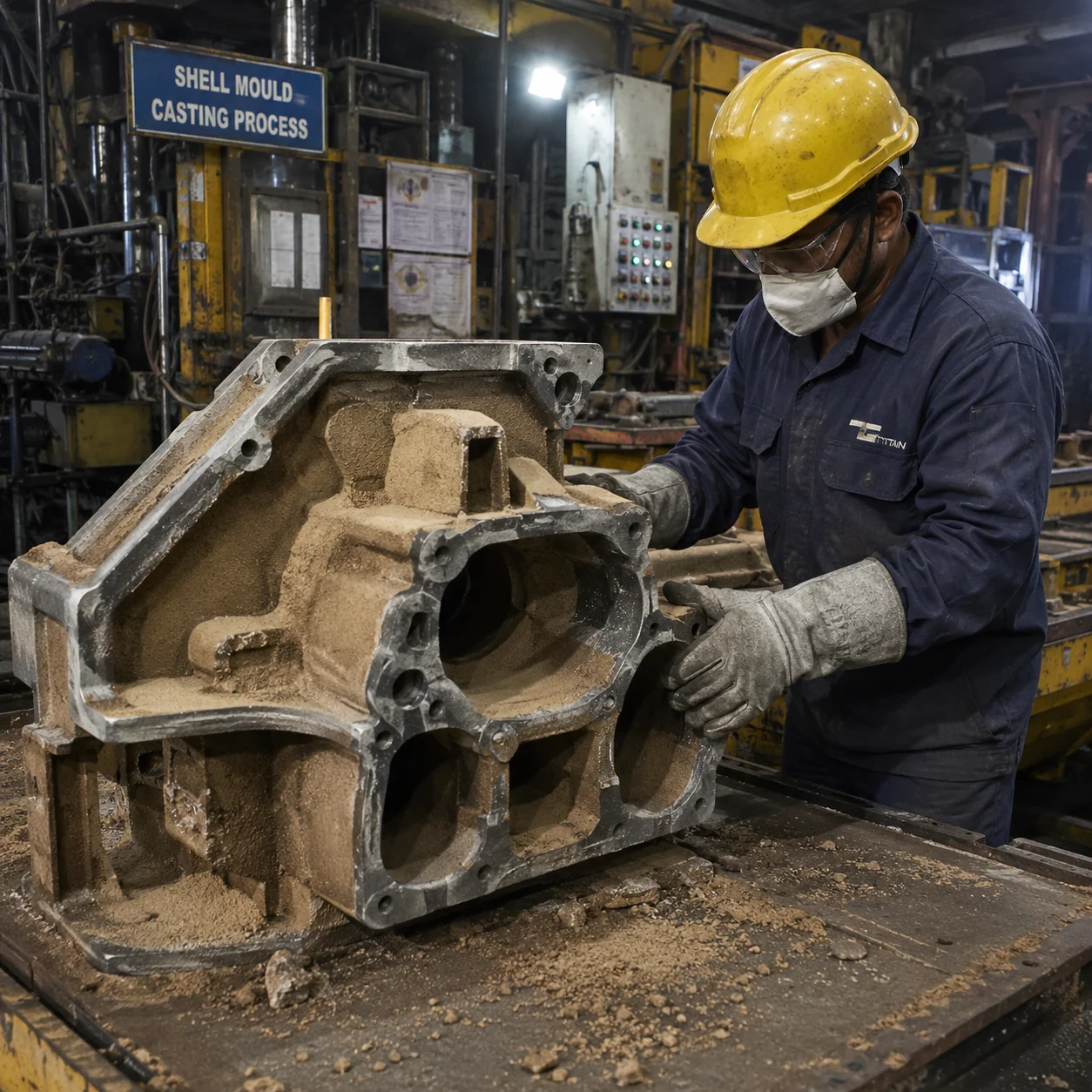
Shell mold casting bridges the technical divide between economical sand molding and premium investment casting by offering highly repeatable, high-integrity metal parts at an optimal total cost of ownership. The heat-cured resin-sand shell maintains exceptional structural rigidity under thermal stress. This increases dimensional stability, eliminates mold wall movement, and yields smooth outer surfaces that minimize scrap rates during automated medium to large production series.
In contrast, traditional sand casting is the default choice for heavy structural machinery components where raw weight outweighs tight tolerance demands. Its inherently coarse grain finish and variable mold dilation require generous machining allowances, driving up post-cast labor costs. On the opposite end, investment casting accommodates extreme design freedoms and exotic alloys but demands premium pricing and longer lead times that may not align with aggressive commercial product launches.
Engineers must evaluate the trade-offs between parting line restrictions, draft angles, production volume, and total budget. Vastmaterial provides expert design-for-manufacturability (DFM) technical support to deploy the ideal casting configuration, ensuring your custom components achieve strict structural specifications and optimized manufacturing costs for demanding automotive, aerospace, and industrial fluid control applications.
Rigorous Quality Assurance & NDT Inspection for Shell Mold Castings
At Vastmaterial, our precision shell molding and precision casting services are engineered to meet stringent industrial standards. By combining an ISO-certified quality management system with advanced Non-Destructive Testing (NDT), we guarantee high dimensional accuracy, excellent surface finishes, and structural integrity for every complex metal component we produce.
Standardized Process Control & Traceability
Defect prevention begins long before the pouring phase. Our internal quality control monitors every stage of production—from pattern making and resin-coated sand formulation to final cooling—ensuring batch-to-batch repeatability and minimal machining allowances.
- • Complete raw material certification and chemical spectrometry
- • Real-time monitoring of shell coating thickness and curing stability
- • Comprehensive coordinate measuring machine (CMM) dimensional verification
- • Full statistical process control (SPC) to minimize component variance
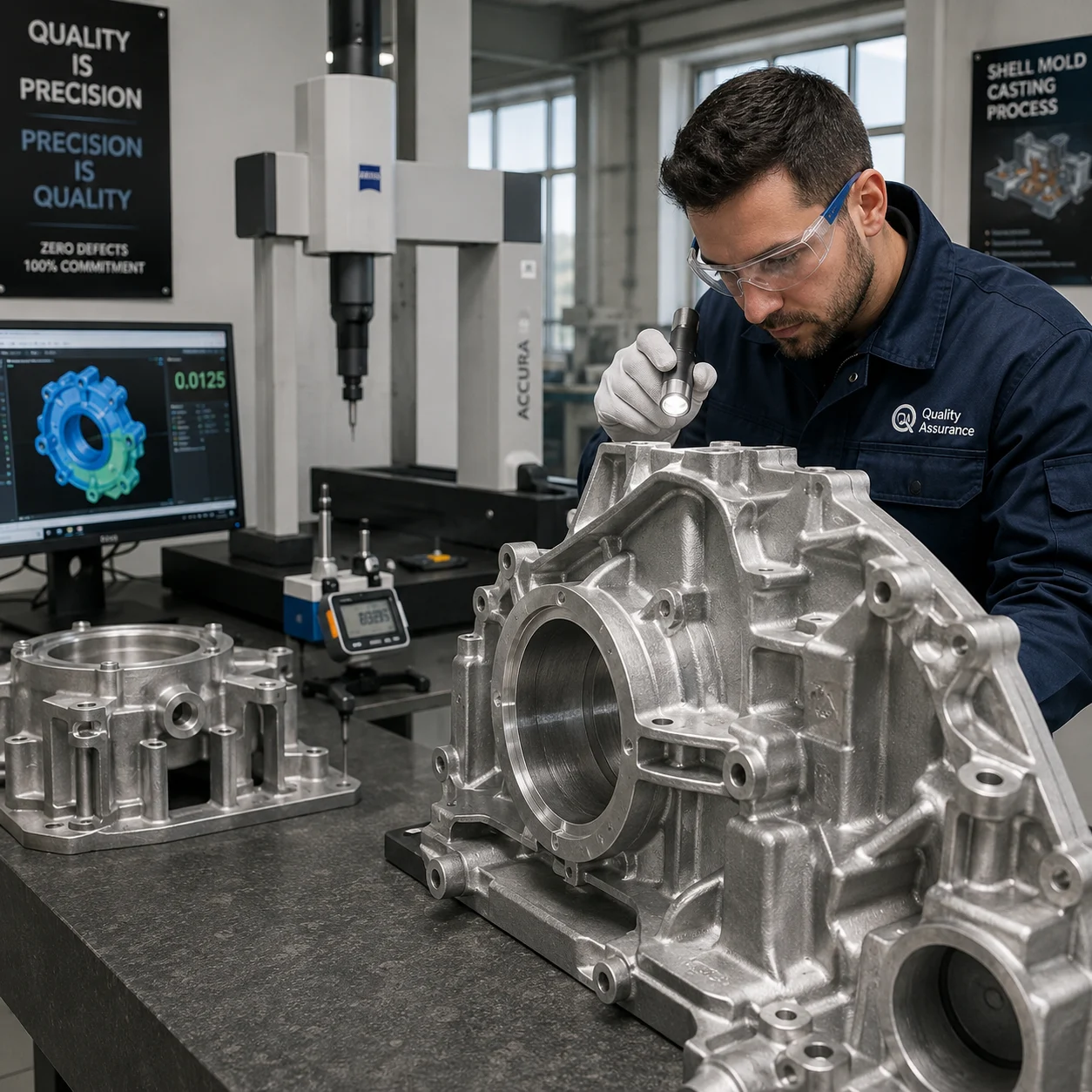
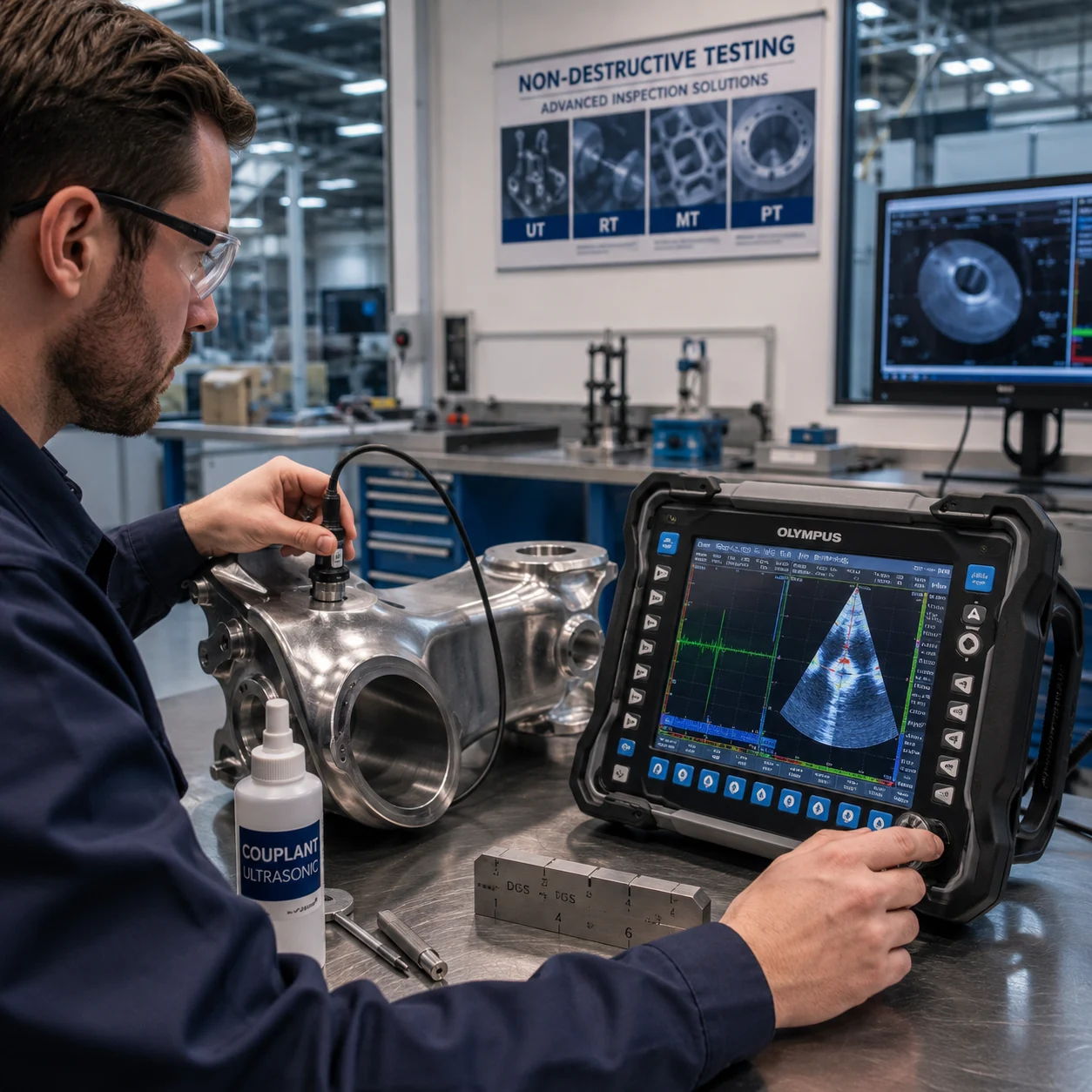
Advanced Non-Destructive Testing (NDT)
To ensure reliable performance in mission-critical applications like automotive, aerospace, and industrial valves, we deploy a suite of specialized NDT techniques to identify sub-surface anomalies without altering the finished product.
- • Ultrasonic Testing (UT) to detect internal micro-voids and shrinkage cavities
- • Magnetic Particle Testing (MT) for rapid surface and near-surface flaw discovery
- • X-ray Radiographic Testing (RT) for precise sub-surface structural validation
- • Liquid Penetrant Testing (PT) to ensure zero surface discontinuities on critical faces
Ready to Secure Certified Precision for Your Components?
Partner with Vastmaterial to leverage engineering-grade shell molding backed by verified material integrity reports, tight tolerances, and scalable monthly capacity.
Shell Mold Casting Production Capacity & Lead Times
Vastmaterial delivers high-volume precision shell molding services engineered to meet strict delivery timelines. By integrating automated shell coating, standardized pattern making, and advanced pouring control, we guarantee exceptional scalability, structural integrity, and predictable scheduling for your critical industrial supply chains.
Scalable Monthly Capacity
Our advanced foundry outputs up to 1.3 million precision pieces monthly across our integrated shell mold casting and investment casting lines. We easily accommodate project sizes from initial low-volume validation trials to continuous high-volume production runs for complex steel and alloy components.
Turnkey Lead Times
By pairing internal mold tooling with secondary CNC machining and heat treatment, we compress total turnaround cycles. Typical delivery schedules include:
- Rapid prototyping & sample approval: 2 to 3 weeks
- Small to medium batch runs: 3 to 4 weeks
- Full-scale mass production orders: 4 to 6 weeks
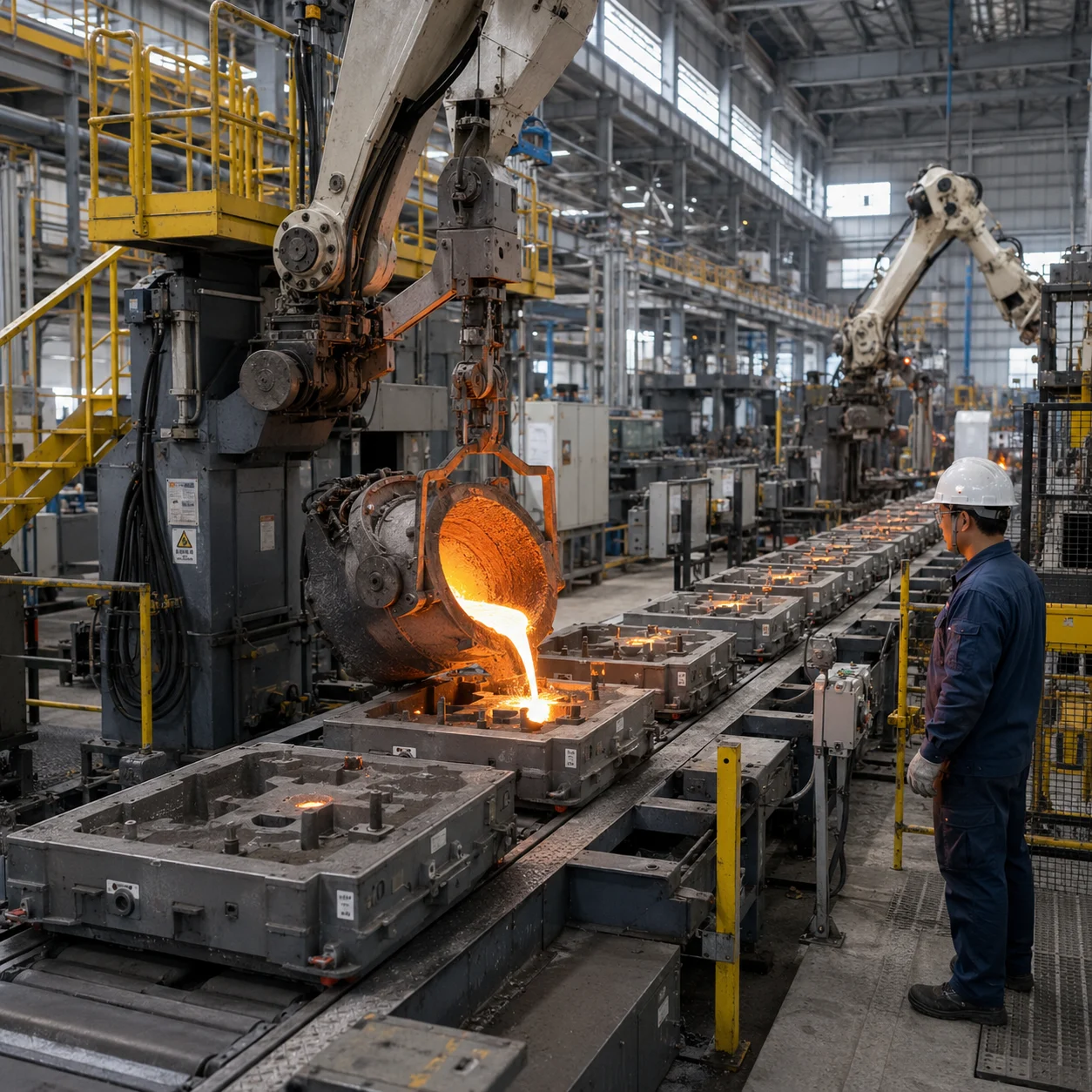
±0.25mm Tolerances
Achieve exceptional dimensional accuracy and a smooth Ra 3.2–6.3 μm surface finish with our CNC grinding services, drastically minimizing secondary machining expenses.
Versatile Batch Sizes
From fast design iterations to multi-industry mass deployment, our flexible manufacturing lines adjust seamlessly to your required volume.
On-Time Delivery
Vastmaterial ensures absolute timeline transparency through real-time batch tracking and proactive engineering support from quote to delivery.
Shell Mold Casting Success Stories & Performance Metrics
Vastmaterial delivers high-precision shell mold precision casting solutions that directly improve production yields and lower total manufacturing costs. Explore how our engineering expertise transforms complex geometries into high-performance metal components with exceptional repeatability.
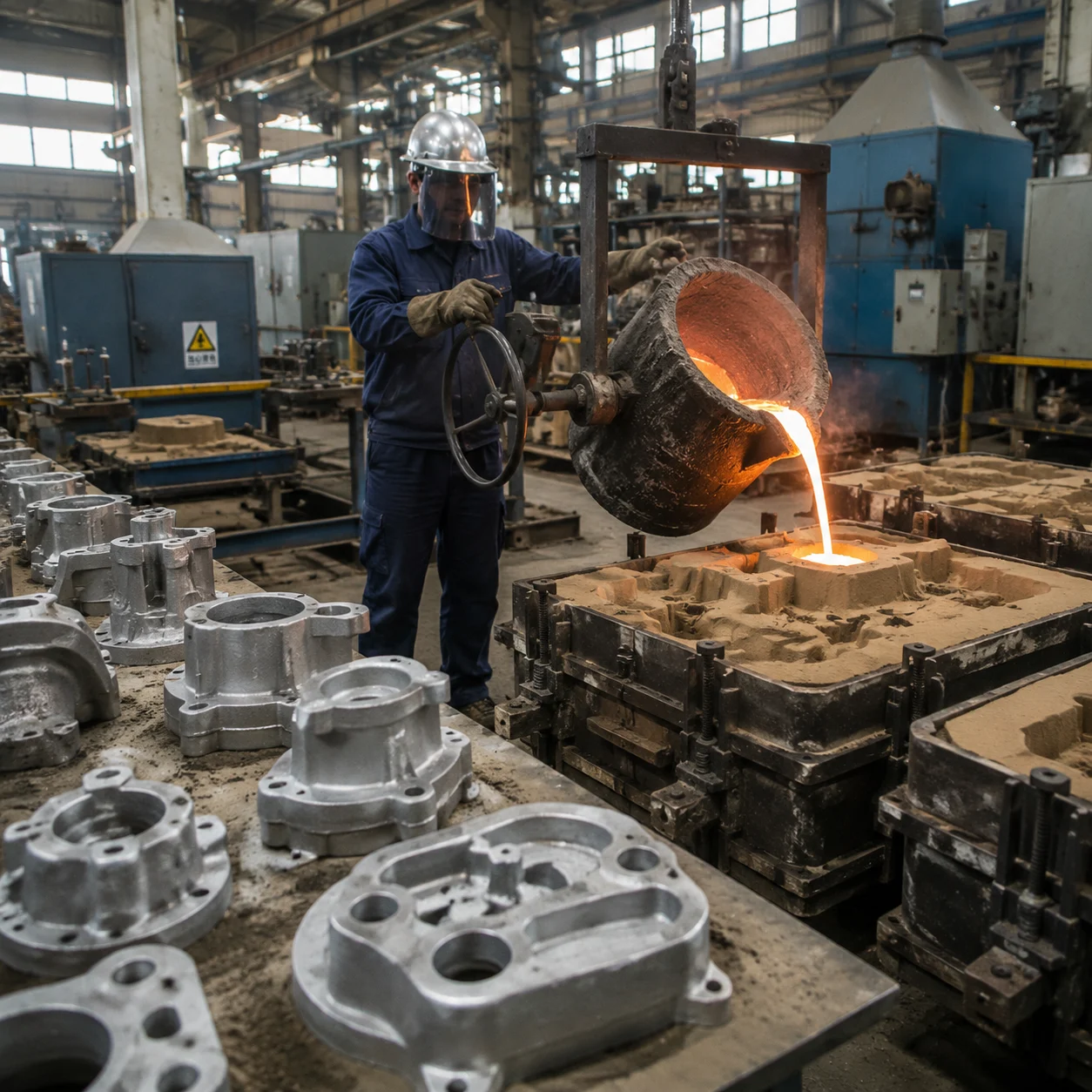
Automotive Components
By shifting to precision shell molding for engine brackets, a Tier-1 automotive supplier reduced surface defect rates to under 0.5% and cut secondary machining time by 30%, maintaining tight dimensional control across high-volume production.
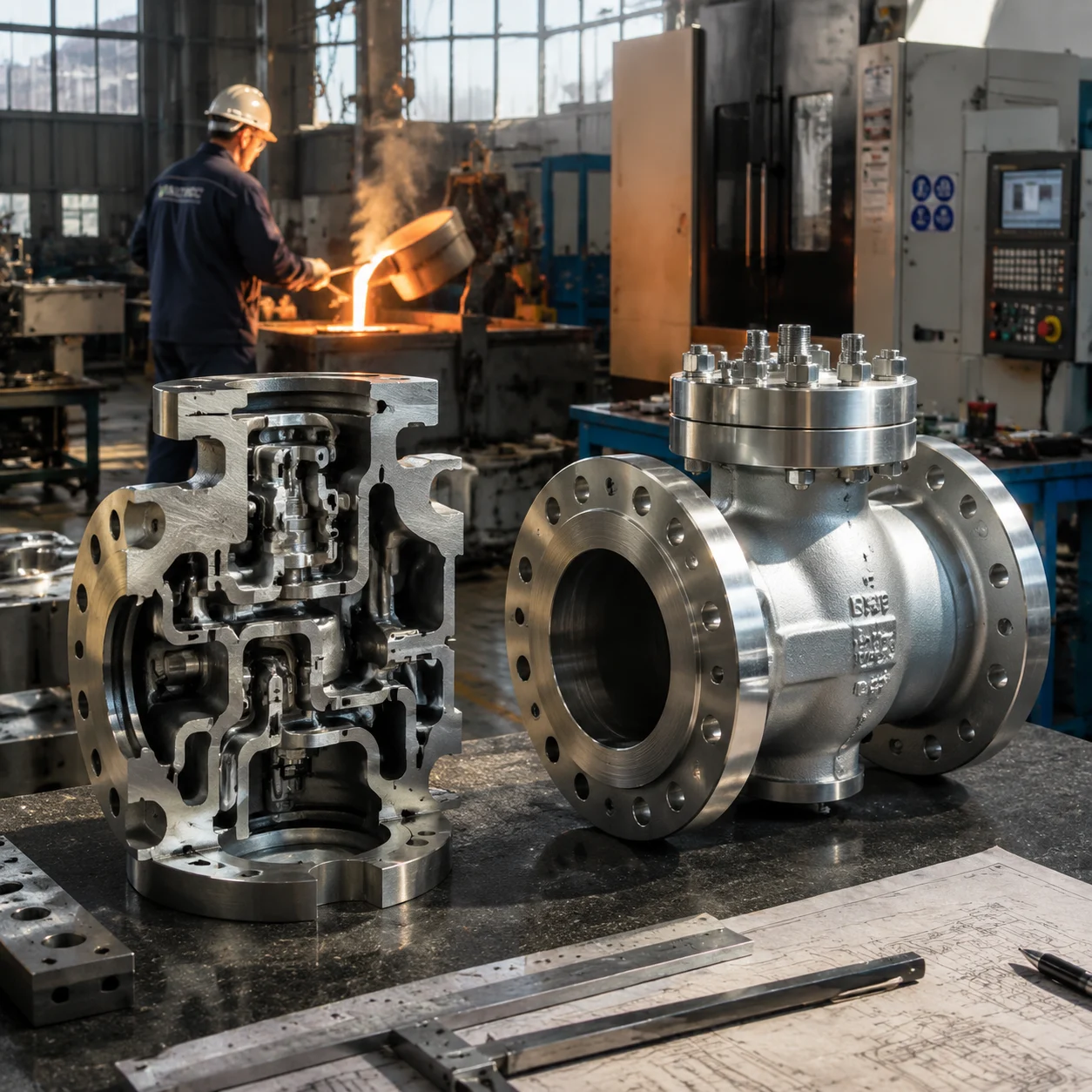
Industrial Valve Housings
We produced complex, pressure-tight valve bodies requiring superior structural integrity. The process ensured excellent dimensional stability, drastically reducing factory rework rates and meeting strict NDT pressure-testing standards.
Aerospace & Energy Parts
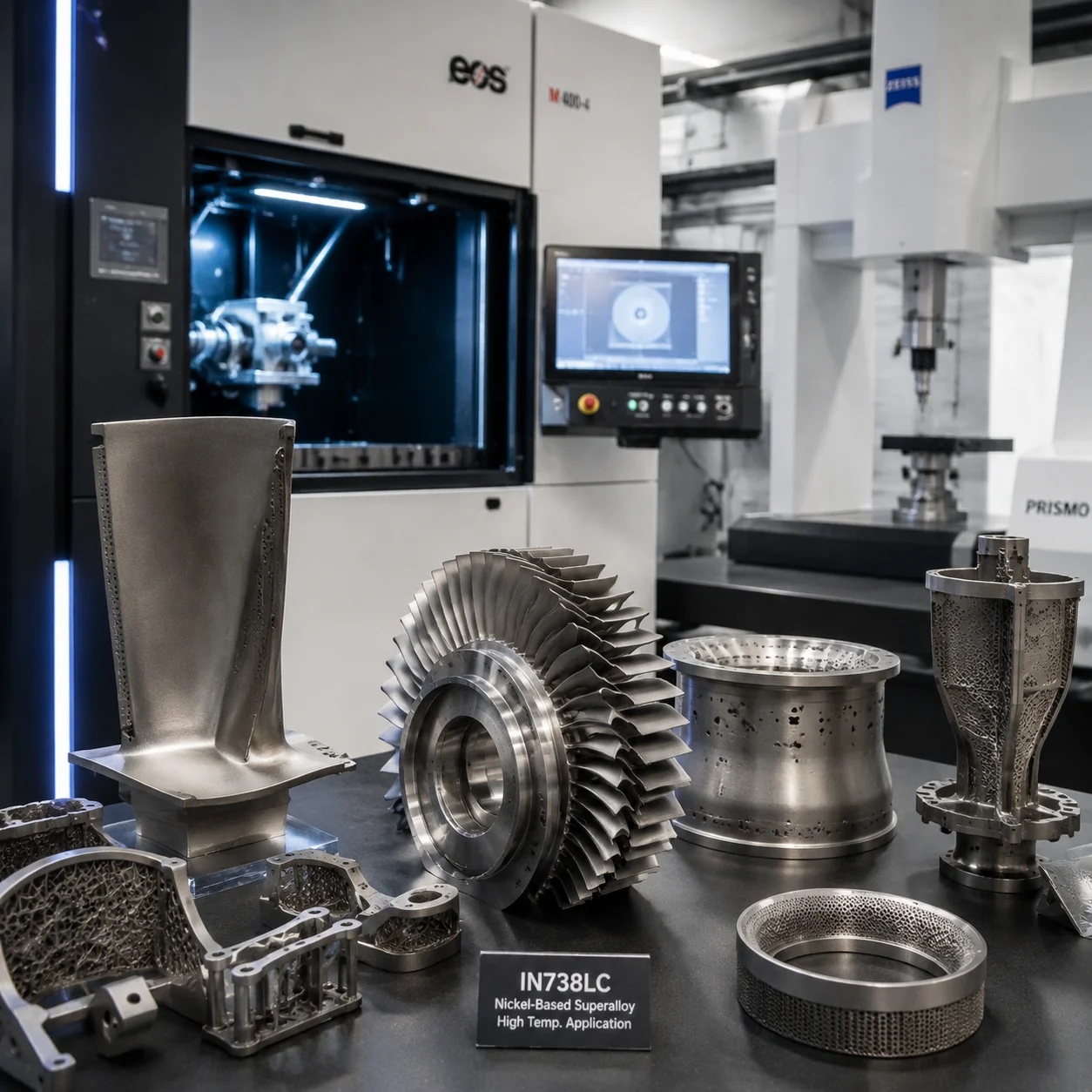
Using high-temperature alloys, Vastmaterial manufactured heat-resistant attachments with optimized thin-wall consistency. Our rigid process control guaranteed on-time delivery and part-to-part uniformity that surpassed industry benchmarks.
Ready to Optimize Your Next Casting Project?
Vastmaterial has delivered proven results for over 100 global clients. Contact our engineering team today to review your designs, run a detailed DFM analysis, and receive a competitive technical quotation.
Precision Shell Mold Casting FAQ
As a premier precision shell molding service provider, Vastmaterial addresses critical engineering, cost, and logistics questions below. Learn how our advanced manufacturing techniques, integrated investment casting options, and strict quality control optimize your complex metal components.
Q: What factors determine the overall cost of precision shell molding?
The primary cost drivers in shell mold casting include structural complexity, tooling scale, and material selection (such as stainless steel, carbon steel, or high-temperature alloys). While initial metal pattern costs are higher than standard sand casting, they are significantly lower than high-volume pressure die casting. This makes shell molding highly cost-efficient for medium to high-volume production. Additionally, achieving tighter raw dimensional tolerances minimizes expensive secondary CNC machining, lowering the total per-part cost.
Q: What are Vastmaterial’s minimum order quantities (MOQs) and production capacities?
Vastmaterial offers flexible batch sizes to support industrial scaling, ranging from rapid prototyping and initial engineering samples up to full-scale mass production. Our overall precision manufacturing capacity reaches 1.3 million complex components per month. While optimal cost-efficiency is typically realized at medium to large batch sizes, we customize production runs based on component geometry and multi-project schedules to help reduce upfront capital commitments.
Q: Which design-for-manufacturability (DFM) tips optimize shell mold casting quality?
To achieve exceptional dimensional accuracy and superior surface finish, designs should incorporate uniform wall thicknesses, proper draft angles (typically 1 to 2 degrees) for clean pattern ejection, and generous fillets or rounded corners. Avoiding sharp internal cross-sections and isolated heavy masses reduces risk of thermal tearing or internal porosity. Vastmaterial provides comprehensive engineering support and DFM analysis prior to pattern making to guarantee flawless shell coating and pouring.
Q: When should a project utilize shell mold casting versus sand casting or investment casting?
Process selection depends on your technical specifications, budget, and volume. Shell mold casting fills the strategic gap between standard sand casting and high-precision investment casting. It delivers far superior surface roughness (Ra 3.2–6.3 μm) and tighter tolerances ($pm0.25text{mm}$) than sand casting. For medium-sized parts with intricate internal cores or thin-walled ribs—such as automotive components or industrial valves—shell molding offers faster turnaround times and lower tooling costs than investment casting, without sacrificing structural repeatability.
Q: What one-stop post-processing and quality assurance services do you provide?
Vastmaterial eliminates supply chain fragmentation by providing fully integrated, turnkey manufacturing. Our in-house capabilities include precision heat treatment, advanced CNC machining, and specialized surface finishes. To fulfill stringent automotive, aerospace, and industrial energy standards, every delivery is backed by rigorous quality control, including spectrometers for alloy certification, coordinate measuring machines (CMM) for dimensional verification, and non-destructive testing (NDT) like X-ray, MPI, and ultrasonic inspections.
Request Your Shell Mold Casting Quotation
Ready to optimize your complex metal components? Contact Vastmaterial's engineering team today for a comprehensive design-for-manufacturability evaluation, rapid prototyping timeline, and a competitive manufacturing quote. You can also contact our team for immediate assistance.
- Get a fast, data-driven cost analysis and commercial proposal
- Consult with foundry engineers on strict tolerances and material specifications
- Streamline production with our integrated machining and surface treatment capabilities