Overview
17-4 PH Casting for High-Strength Stainless Components
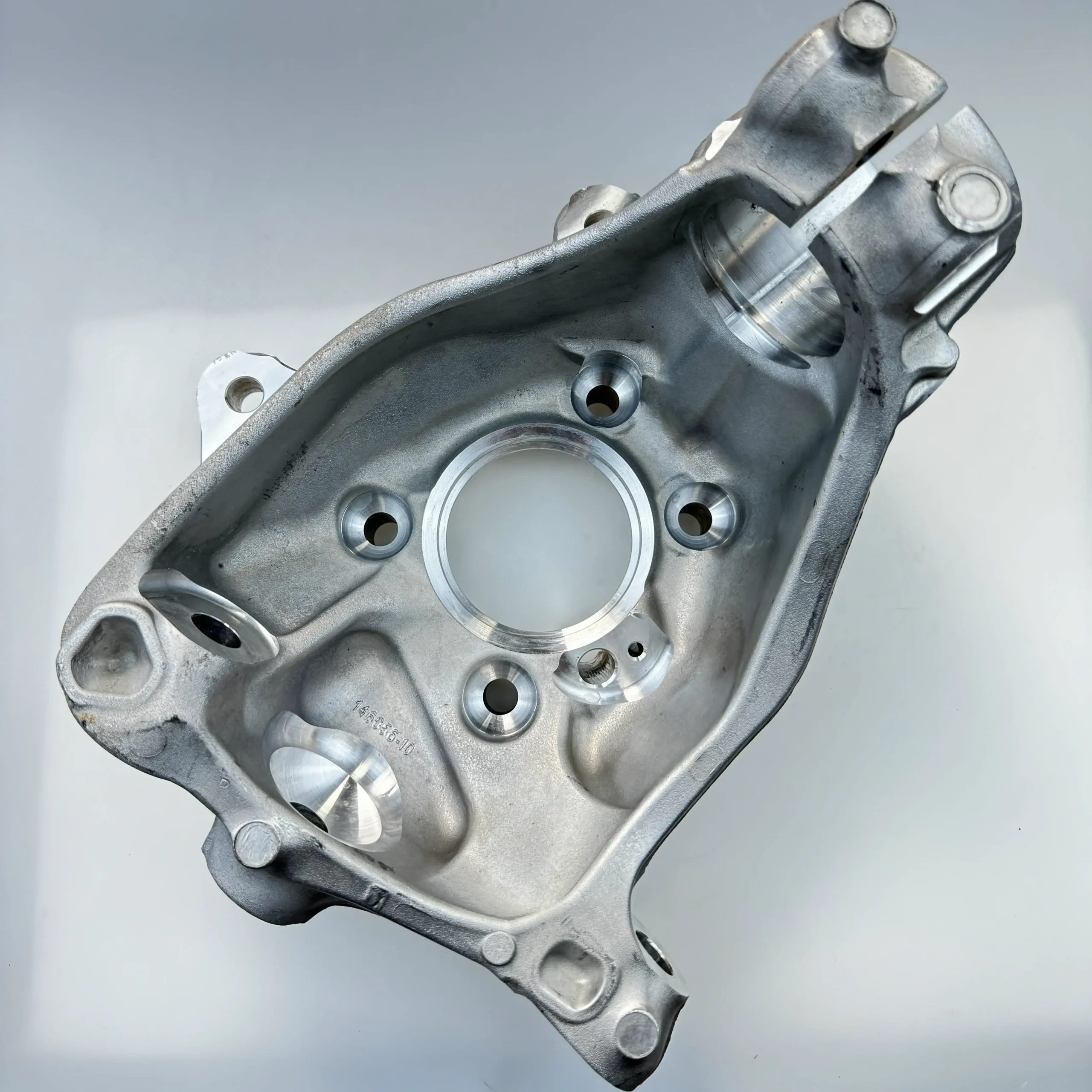
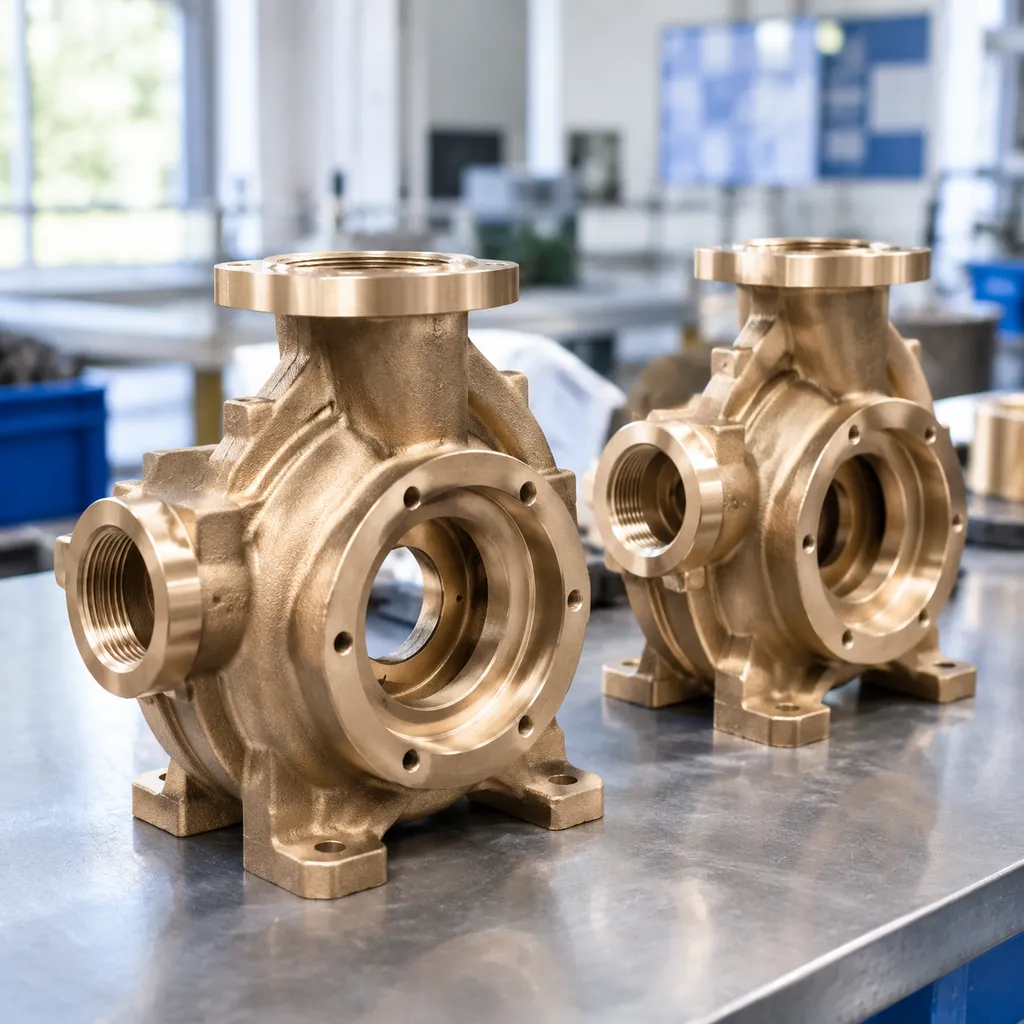
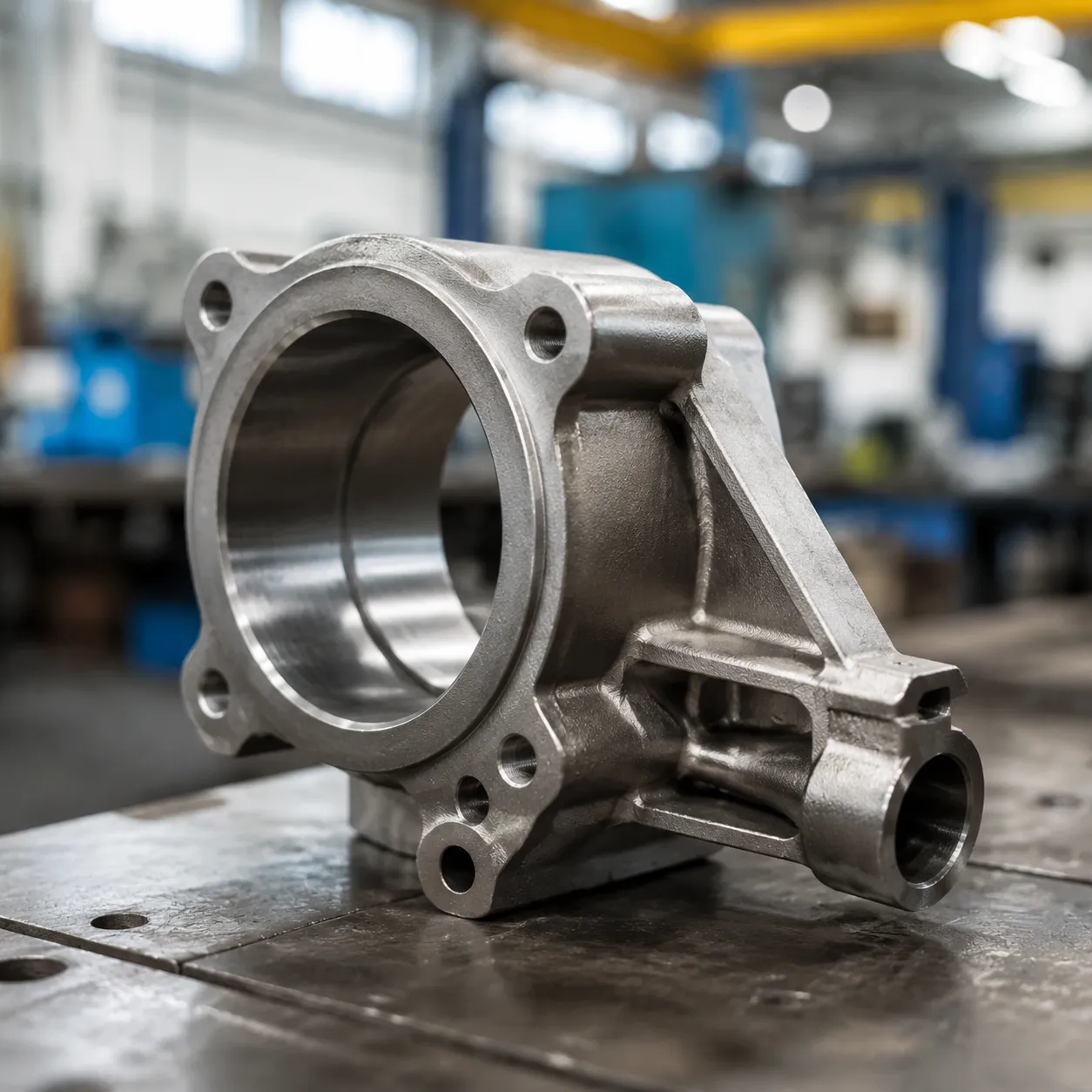
17-4 PH Casting — also called 17-4 PH stainless steel casting — is the process of melting and pouring this specialized martensitic alloy into molds to create complex, high-strength, and corrosion-resistant components. 17-4 PH stainless steel (Grade 630) is a premium chromium-copper-nickel alloy widely recognized for its exceptional blend of high mechanical strength, hardness, and outstanding corrosion resistance.
Through a process known as precipitation hardening (or age hardening), sub-microscopic copper precipitates form within the martensitic matrix, dramatically increasing the yield strength and hardness of the metal. Near-net-shape parts from 17-4 PH Casting leverage precipitation hardening steel while the investment casting process reduces material waste.
The Investment Casting Process Explained
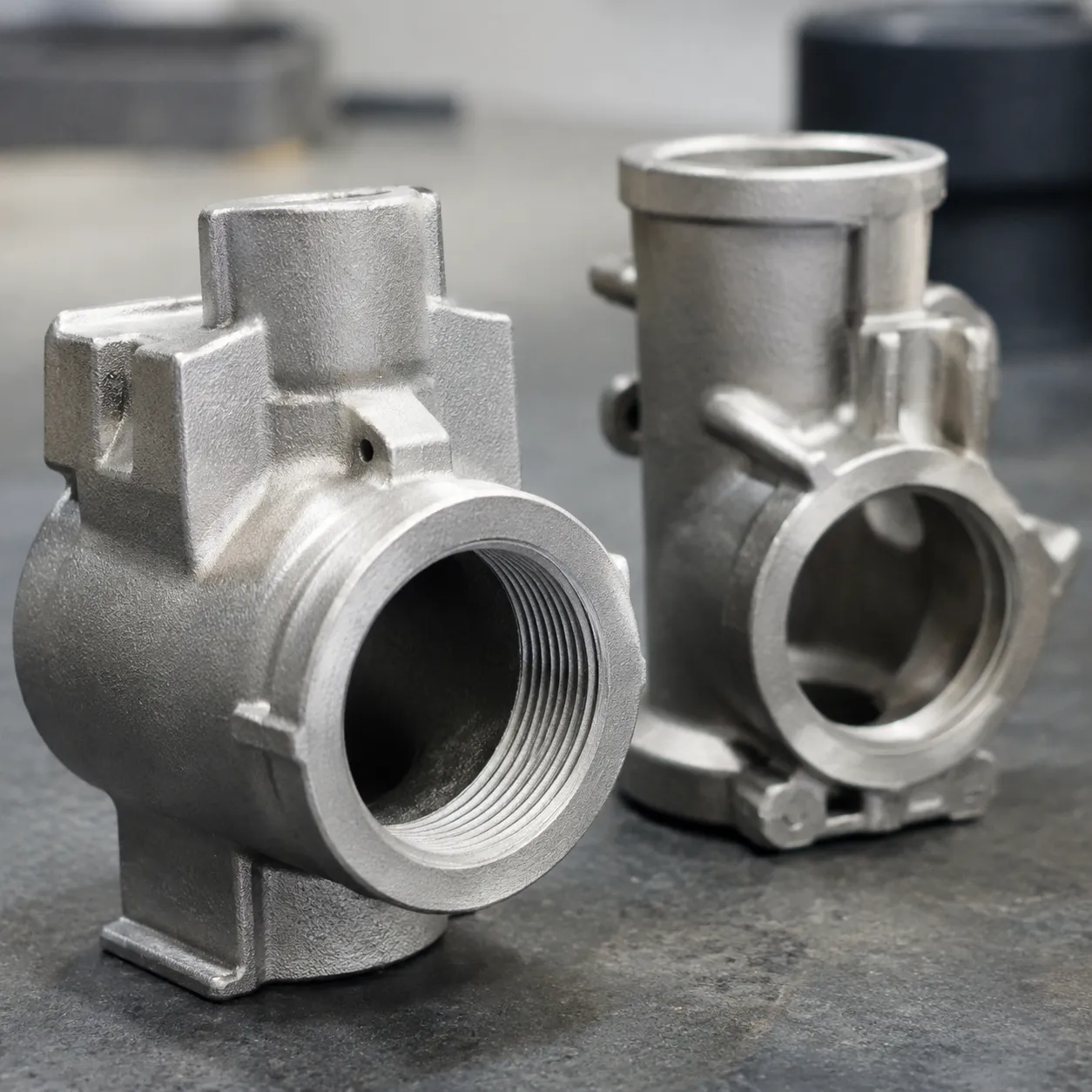
To achieve maximum dimensional accuracy, production uses the lost-wax method. A specialized investment moulding process for high-precision metal casting ensures every detail of the design is captured.
- Pattern Creation: A precise wax pattern of the component is created.
- Shell Building: The pattern is dipped in ceramic slurry to build a rigid, heat-resistant mold.
- Dewaxing & Pouring: The wax is melted out, and molten 17-4 PH stainless steel is poured into the cavity.
- Knockout & Finishing: Once cooled, the ceramic shell is broken away to reveal a highly precise casting.
This advanced stainless investment casting process delivers exceptional surface finishes, reducing the need for expensive and time-consuming secondary machining.
Centrifugal Casting vs. Investment Casting for 17-4 PH
Choosing the right casting method depends entirely on the geometry and application of the 17-4 PH components:
| Feature | Investment Casting | Centrifugal Casting |
|---|---|---|
| Best For | Complex, intricate, near-net shapes | Hollow, cylindrical, and symmetrical parts |
| Tooling Cost | Moderate | High initial setup |
| Surface Finish | Excellent (smooth, minimal finishing) | Moderate (often requires OD/ID machining) |
| Material Soundness | High structural integrity | High density due to centrifugal force |
While centrifugal casting relies on rotational force to distribute metal in simple round molds, investment casting remains the gold standard for complex, high-performance parts requiring tight tolerances.
Key Benefits of 17-4 PH Stainless Steel Castings
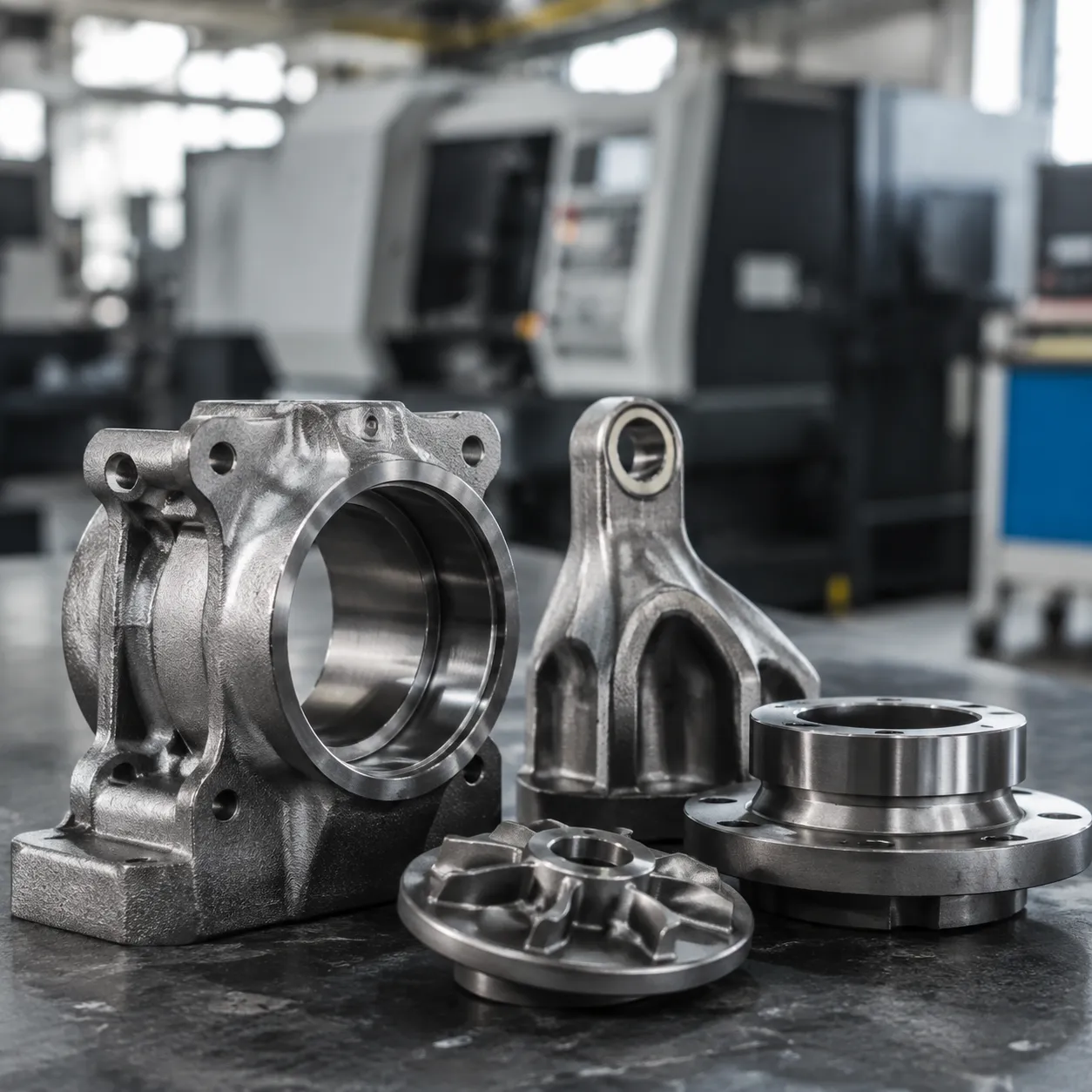
Choosing 17-4 PH casting for high-performance components delivers a unique combination of mechanical strength and environmental resistance. This precipitation hardening alloy produces near-net-shape parts that reduce the need for extensive secondary machining while ensuring long-term reliability in harsh operating conditions.
High Tensile Strength and Hardness
The defining feature of 17-4 PH stainless steel castings is their exceptional mechanical performance. Through targeted aging heat treatments, this martensitic alloy achieves a high yield strength and tensile strength that outclasses standard 300- or 400-series stainless steels.
The mechanical properties of 17-4 PH castings vary depending on the specific heat treatment condition:
| Heat Treatment Condition | Tensile Strength (Min. MPa) | Yield Strength (Min. MPa) | Typical Hardness (Rockwell C) |
|---|---|---|---|
| H900 (Highest Strength) | 1,310 | 1,170 | 40 - 45 HRC |
| H1025 | 1,070 | 1,000 | 35 - 38 HRC |
| H1150 (Highest Toughness) | 930 | 725 | 28 - 37 HRC |
Excellent Corrosion Resistance
While 17-4 PH matches the strength of high-alloy carbon steels, it retains the superior corrosion resistance of a true stainless steel.
- Atmospheric Protection: Highly resistant to ambient moisture, industrial run-off, and general weathering.
- Chemical Durability: Effectively resists corrosive attack from mild acids, organic compounds, and petroleum products.
- Stress-Corrosion Cracking: When heat-treated to higher aging temperatures (like H1150), the material gains exceptional resistance to stress-corrosion cracking, making it highly reliable for pressurized systems.
Good Machinability and Weldability
Managing high-strength alloys during post-casting processing can be difficult, but 17-4 PH is highly adaptable to standard workshop operations.
- Machining in the Solution-Annealed State: Parts are cast and supplied in the solution-annealed condition, where the material behaves like standard 304 stainless steel. This allows for straightforward CNC machining, tapping, and drilling before final heat treatments lock in maximum hardness.
- Excellent Weldability: Unlike many high-strength martensitic steels, 17-4 PH is highly weldable. It does not require intense pre-heating steps. Most standard welding techniques (such as TIG and MIG) can be used, and a simple post-weld heat treatment restores the uniform strength of the weld zone to match the parent casting.
What is 17-4 PH Stainless Steel?
17-4 PH stainless steel (Grade 630) is a premium chromium-copper-nickel alloy widely recognized for its exceptional blend of high mechanical strength, hardness, and outstanding corrosion resistance. It is a martensitic alloy that represents the gold standard for high-performance industrial components.
Designed to withstand extreme stress and hostile environments, this material offers structural integrity that surpasses standard austenitic stainless steels, making it a critical choice for global engineering applications.
Chemical Composition and Material Properties
The superior performance of 17-4 PH stainless steel stems directly from its precise chemical makeup. The designation "17-4" refers to its approximate content of 17% chromium and 4% nickel, supplemented by copper and columbium/niobium.
- Chromium (15.0% – 17.5%): Provides primary corrosion and oxidation resistance.
- Nickel (3.0% – 5.0%): Stabilizes the martensitic structure and enhances toughness.
- Copper (3.0% – 5.0%): Acts as the key precipitation hardening agent.
- Columbium/Niobium + Tantalum (0.15% – 0.45%): Prevents intergranular corrosion during welding.
| Material Property | Typical Value |
|---|---|
| Tensile Strength | 930 - 1310 MPa (135 - 190 ksi) |
| Yield Strength | 720 - 1170 MPa (105 - 170 ksi) |
| Hardness (Rockwell C) | 30 - 45 HRC |
| Density | 7.75 g/cm³ |
Precipitation Hardening (PH) Heat Treatment Process
The defining advantage of 17-4 PH stainless steel is its responsive heat treatment capability. Through a process known as precipitation hardening (or age hardening), sub-microscopic copper precipitates form within the martensitic matrix, dramatically increasing the yield strength and hardness of the metal.
- Solution Annealing (Condition A): The alloy is heated to approximately 1040°C (1900°F) and rapid-cooled (quenched). In this state, the material is relatively ductile and easier to machine.
- Age Hardening (H900 to H1150): The metal is reheated to a lower temperature range—between 482°C (900°F) and 621°C (1150°F)—and held for several hours before air cooling.
Varying the aging temperature allows precise control over final mechanical properties. For maximum strength and hardness, Condition H900 is used, while Condition H1150 optimizes toughness and ductility.
Alternative Precipitation Hardening Stainless Steel Grades
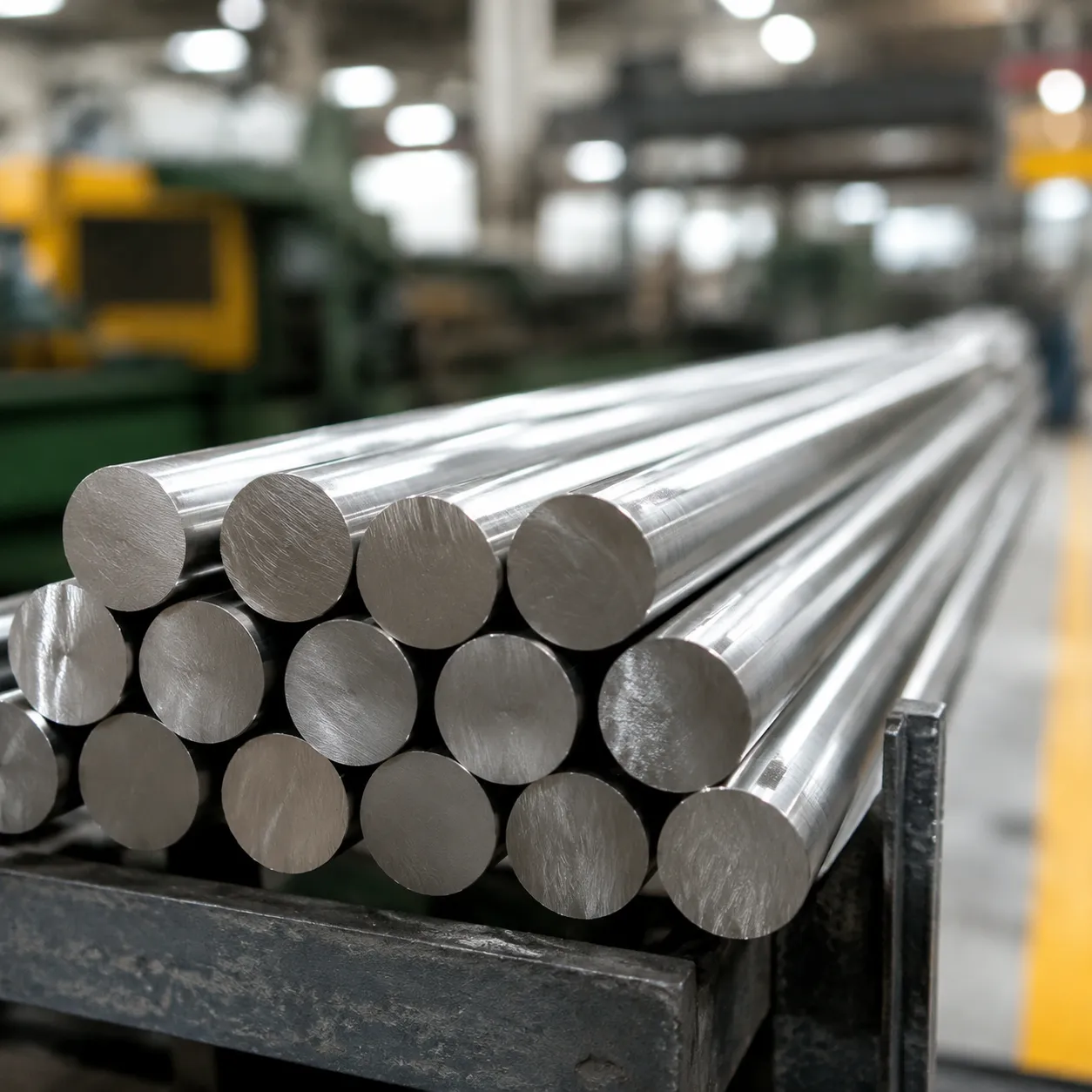
While 17-4 PH casting is the go-to solution for most high-strength applications, other precipitation hardening (PH) grades offer distinct advantages depending on specific operating conditions.
17-4 PH (Grade 630) vs. 15-5 PH
Choosing between these two heavyweights comes down to structural requirements:
- 17-4 PH (Grade 630): The industry standard. It delivers a superb balance of high hardness, high tensile strength, and excellent corrosion resistance.
- 15-5 PH: A refined variation of 17-4 PH. It is ferrite-free, meaning it provides better transverse toughness and more consistent mechanical properties in extremely thick sections.
| Property | 17-4 PH (Grade 630) | 15-5 PH |
|---|---|---|
| Microstructure | Martensitic (may contain trace ferrite) | Martensitic (ferrite-free) |
| Best Used For | General high-strength structural parts | Critical aerospace and high-stress parts |
| Toughness | Excellent | Superior (especially transverse) |
Martensitic, Semi-Austenitic, and Austenitic PH Alloys
Precipitation hardening stainless steels are classified into three main metallurgical families based on their final microstructure after heat treatment:
- Martensitic Alloys: Includes 17-4 PH and 15-5 PH. These start as martensite in the annealed state and gain immense strength through aging treatments.
- Semi-Austenitic Alloys: (e.g., 17-7 PH). These are austenitic in the annealed state for easy forming and are subsequently transformed into martensite before heat hardening.
- Austenitic Alloys: These remain austenitic even after thermal aging, offering stable non-magnetic properties and excellent high-temperature stability. If an application demands superior ductility over extreme hardness, comparing these options with specialized austenitic stainless steel grades ensures selection of the optimal material for custom components.
17-4 PH Casting Applications by Industry
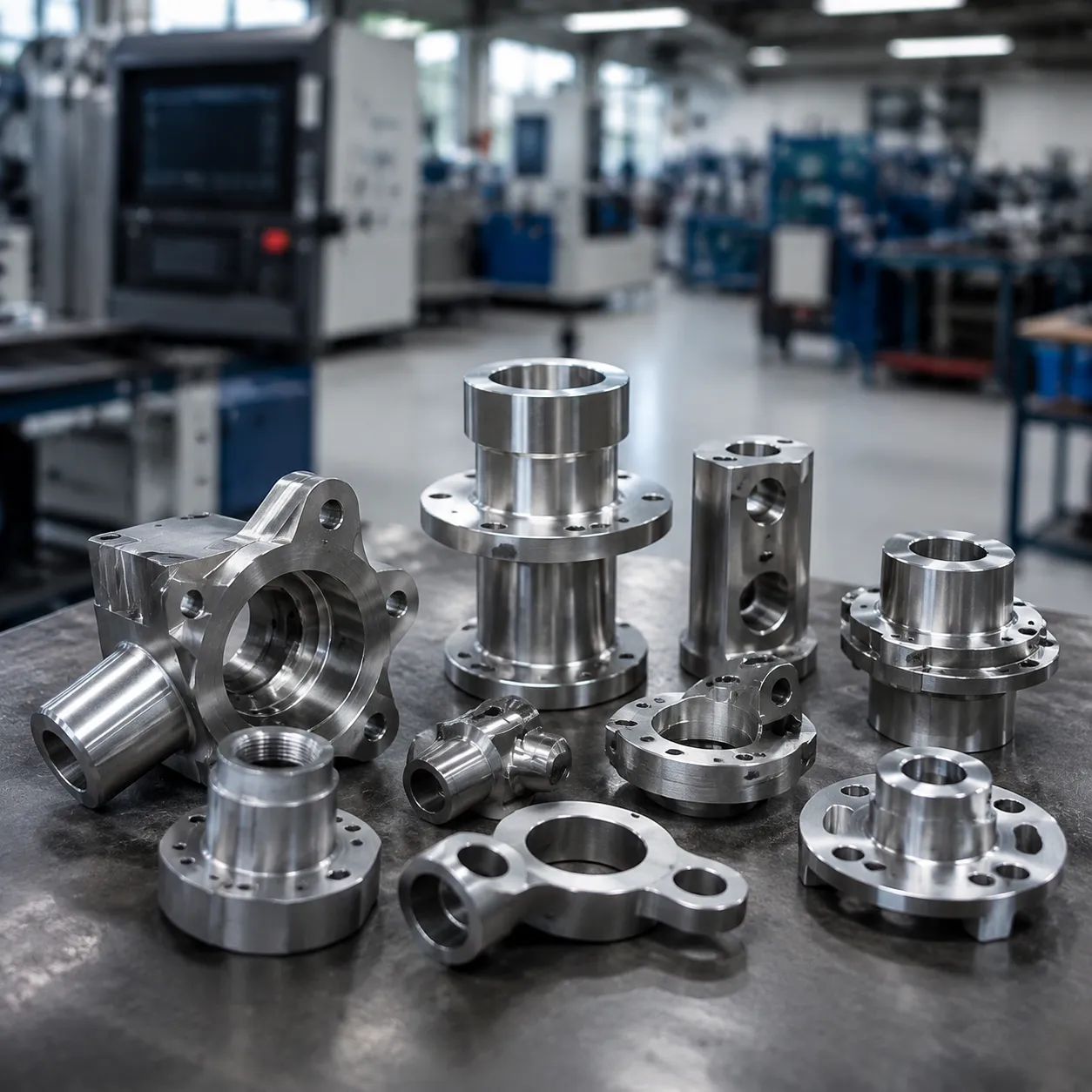
These 17-4 PH casting solutions deliver the ultimate balance of high mechanical strength, wear resistance, and corrosion protection. Because this grade responds so well to the precipitation hardening heat treatment, components are custom-engineered to thrive under extreme stress.
Below are the primary industries where high-precision castings make a critical difference.
Aerospace and Defense Components
In aerospace, every gram of weight and every degree of structural integrity matters. High-strength structural parts withstand flight loads and harsh atmospheric conditions.
- Key Components: Engine pylons, fuel system valves, actuator parts, and landing gear components.
- Why 17-4 PH: It provides an exceptional strength-to-weight ratio and reliable fatigue resistance.
- Alternative Materials: For extreme high-temperature zones that exceed the limits of stainless steel, specialized material classification and product applications of superalloys provide the necessary thermal and oxidation resistance.
Medical Devices and Surgical Instruments
The medical sector demands materials that are non-toxic, highly durable, and capable of withstanding repeated sterilization cycles without degrading.
- Key Components: Surgical forceps, bone drill guides, endoscopic tools, and orthopedic implants.
- Why 17-4 PH: Excellent corrosion resistance prevents rusting during autoclave sterilization, while its high hardness keeps cutting edges sharp over extended use.
Chemical Processing and Oil & Gas Equipment
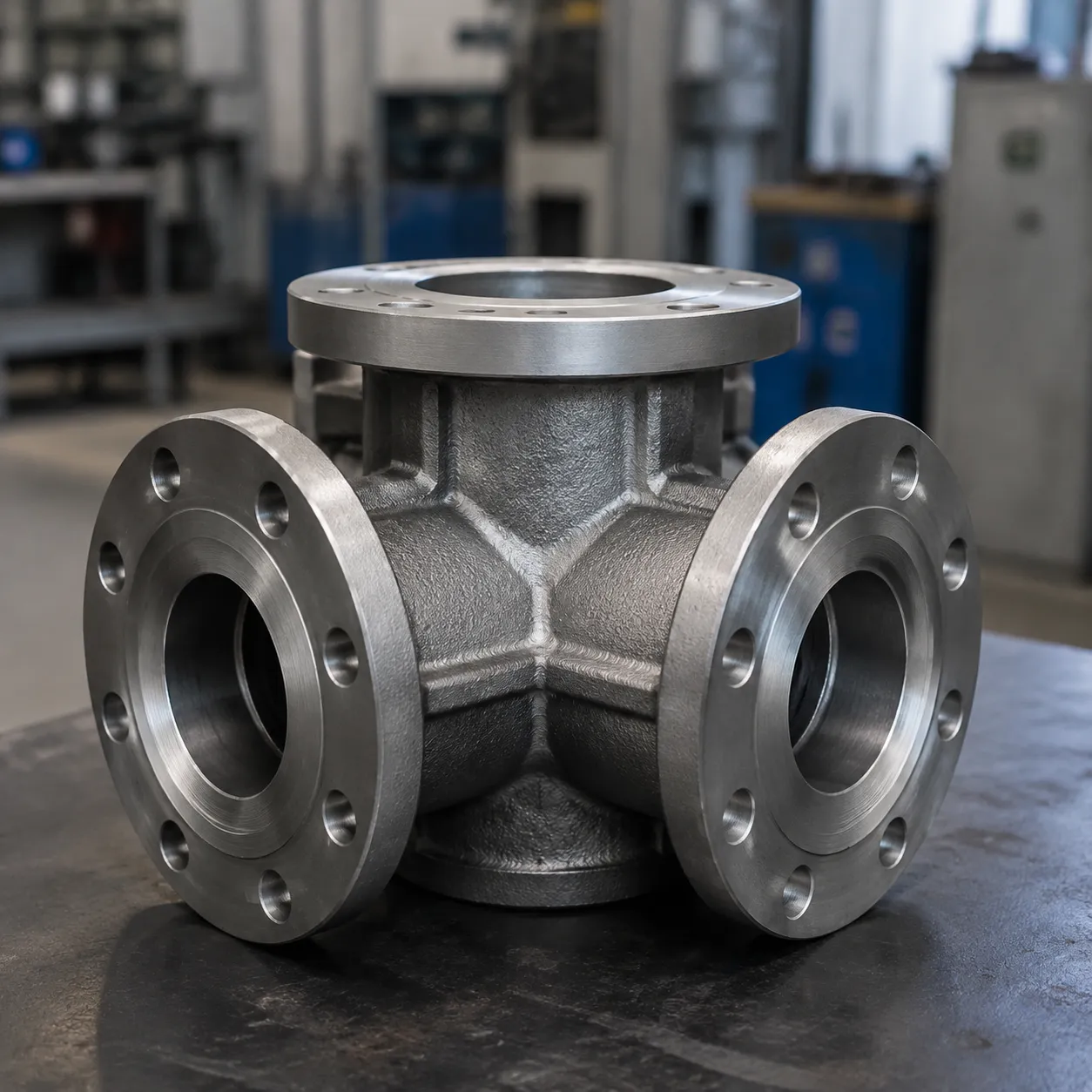
Handling corrosive fluids and high-pressure gases requires rugged, dependable metal parts. The investment casting process produces complex valve and pump geometries that prevent system failures.
- Key Components: Pump impellers, control valve bodies, high-pressure manifolds, and offshore drilling fasteners.
- Why 17-4 PH: It offers superior resistance to stress-corrosion cracking in sour environments containing hydrogen sulfide (H2S), ensuring long-term operational safety.
How to Choose a 17-4 PH Stainless Steel Casting Service
Selecting the right partner for 17-4 PH casting requirements is critical to ensuring part reliability and long-term performance. Professional precision casting programs deliver high-integrity components tailored to exact specifications across global industries. Key evaluation points when choosing a manufacturing partner include the following.
Quality Certifications and Testing Standards
High-performance applications demand rigorous quality control. A casting partner should hold internationally recognized certifications and offer comprehensive testing to ensure material integrity.
| Certification / Test Type | Purpose & Details |
|---|---|
| ISO 9001 & AS9100 | Ensures standardized quality management, especially for critical aerospace and defense parts. |
| Non-Destructive Testing (NDT) | Includes X-ray, magnetic particle inspection, and dye penetrant testing to detect internal and surface defects. |
| Material Verification | Spectrographic analysis to confirm the precise chemical composition of the stainless steel alloy. |
Secondary Finishing and Post-Casting Heat Treatment Options
To achieve the ultimate mechanical properties of 17-4 PH, precise post-casting processing is non-negotiable. The material is typically cast in a solution-annealed state and requires subsequent thermal processing to reach its peak tensile and yield strength.
- Heat Treatment Capabilities: Verify that the foundry manages the precipitation hardening process (such as H900, H1025, or H1150 conditioning) with precise temperature controls.
- Precision Machining: Castings often require tight tolerances. Providers should offer advanced CNC machining to deliver ready-to-assemble components.
- Surface Finishing: Options like pickling, passivating, bead blasting, or electro-polishing are essential for maximizing the alloy's natural corrosion resistance.
High-precision investment casting remains the primary route; the stainless steel sand casting process remains available when larger, less complex structural components—and traditional sand molds—are required.
Evaluating Foundry Capabilities and Production Capacity
A capable foundry must balance technical expertise with scalable manufacturing capacity to match project timeline and volume.
- Process Expertise: Ensure the engineering team understands the unique shrinkage and gating requirements of the investment casting process when working with 17-4 PH.
- Tooling & Prototyping: In-house mold making and rapid prototyping capabilities cut down development lead times significantly.
- Production Volume: Verify that the facility can seamlessly handle both low-volume pre-production runs and high-volume commercial manufacturing without compromising quality.
Request a quote with alloy condition, geometry, volume, and tolerance targets.