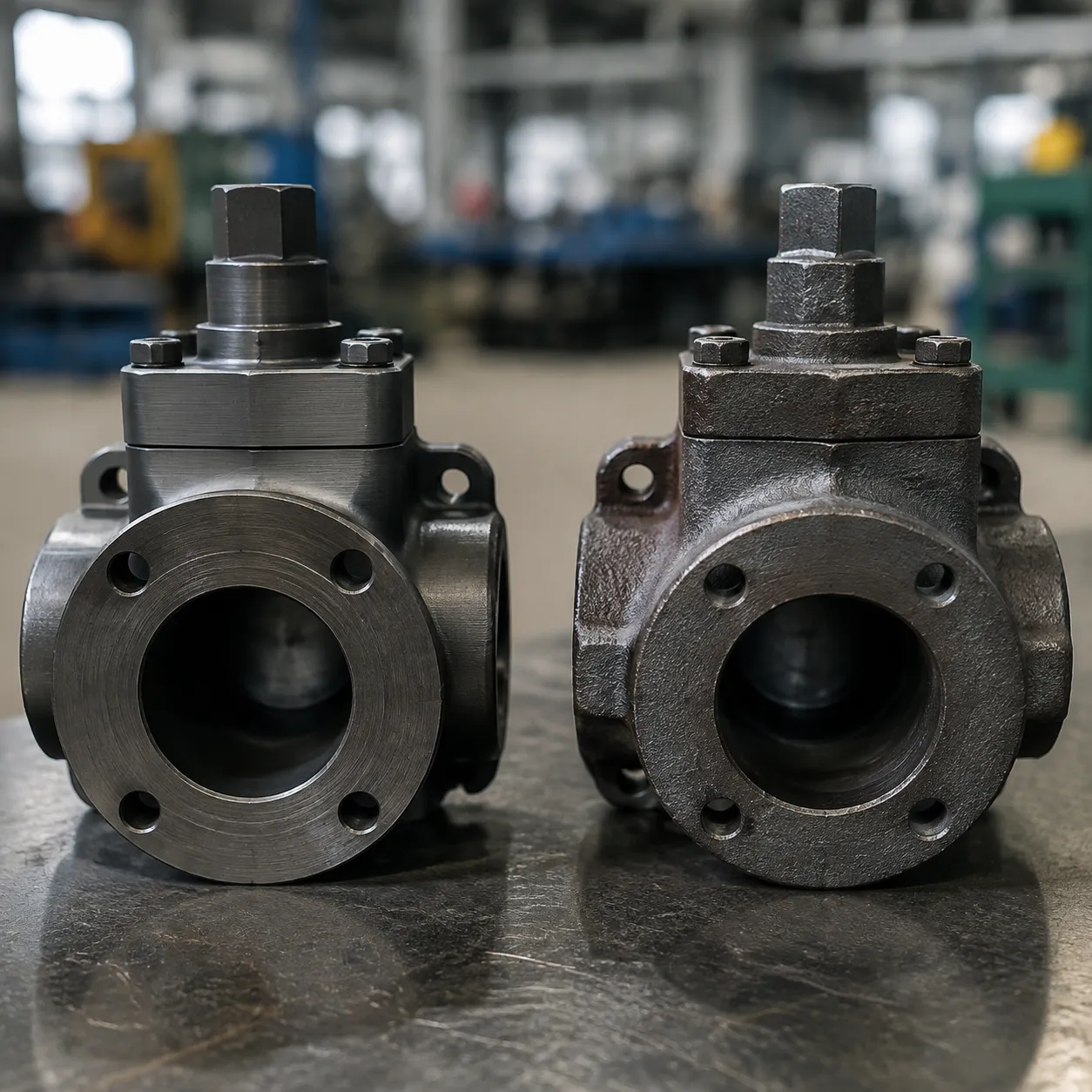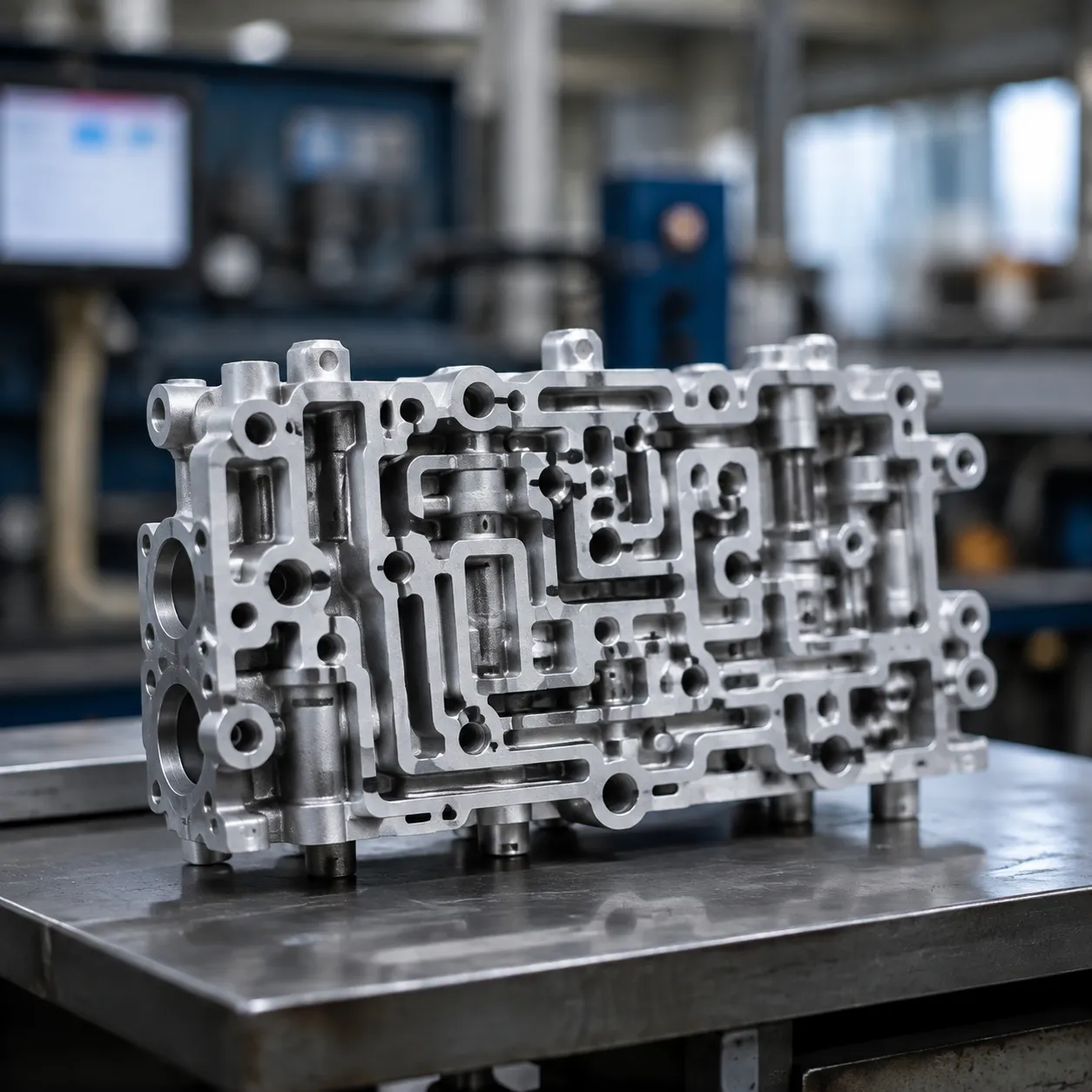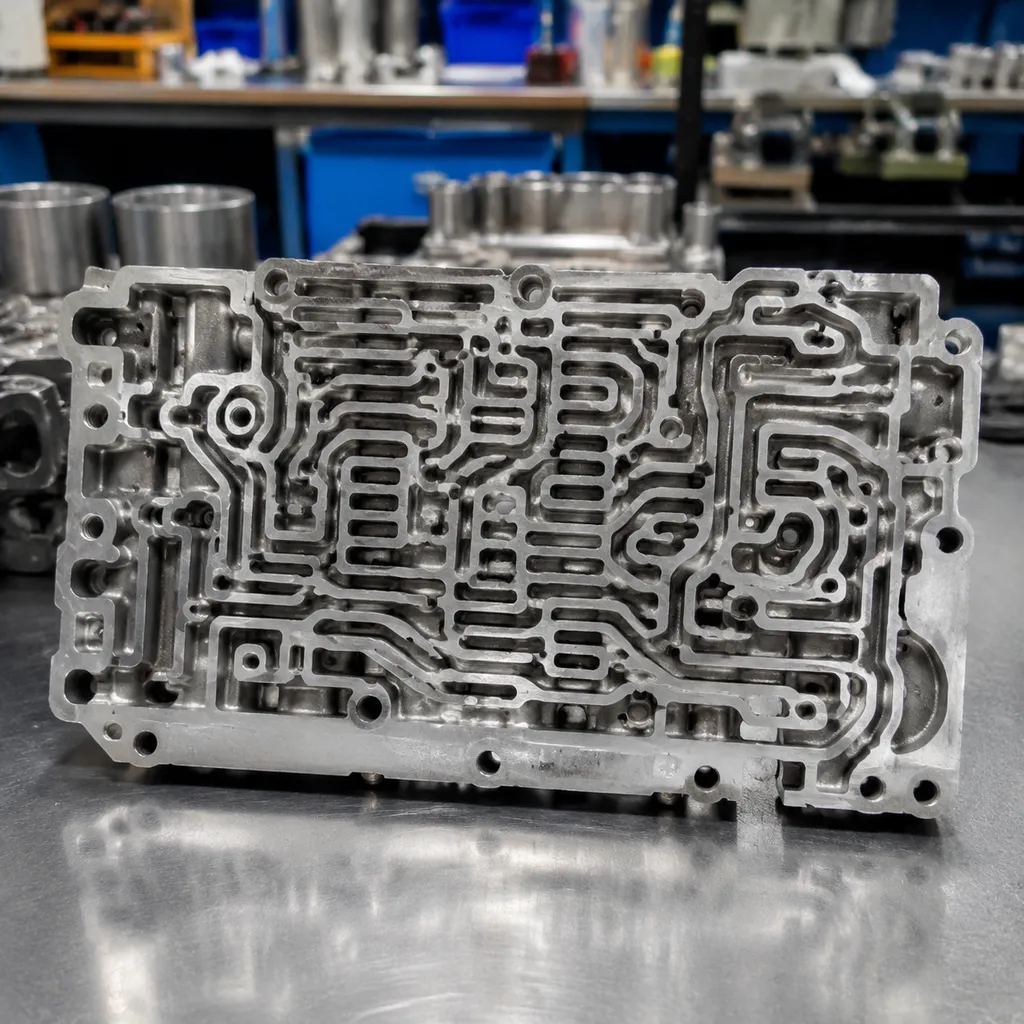
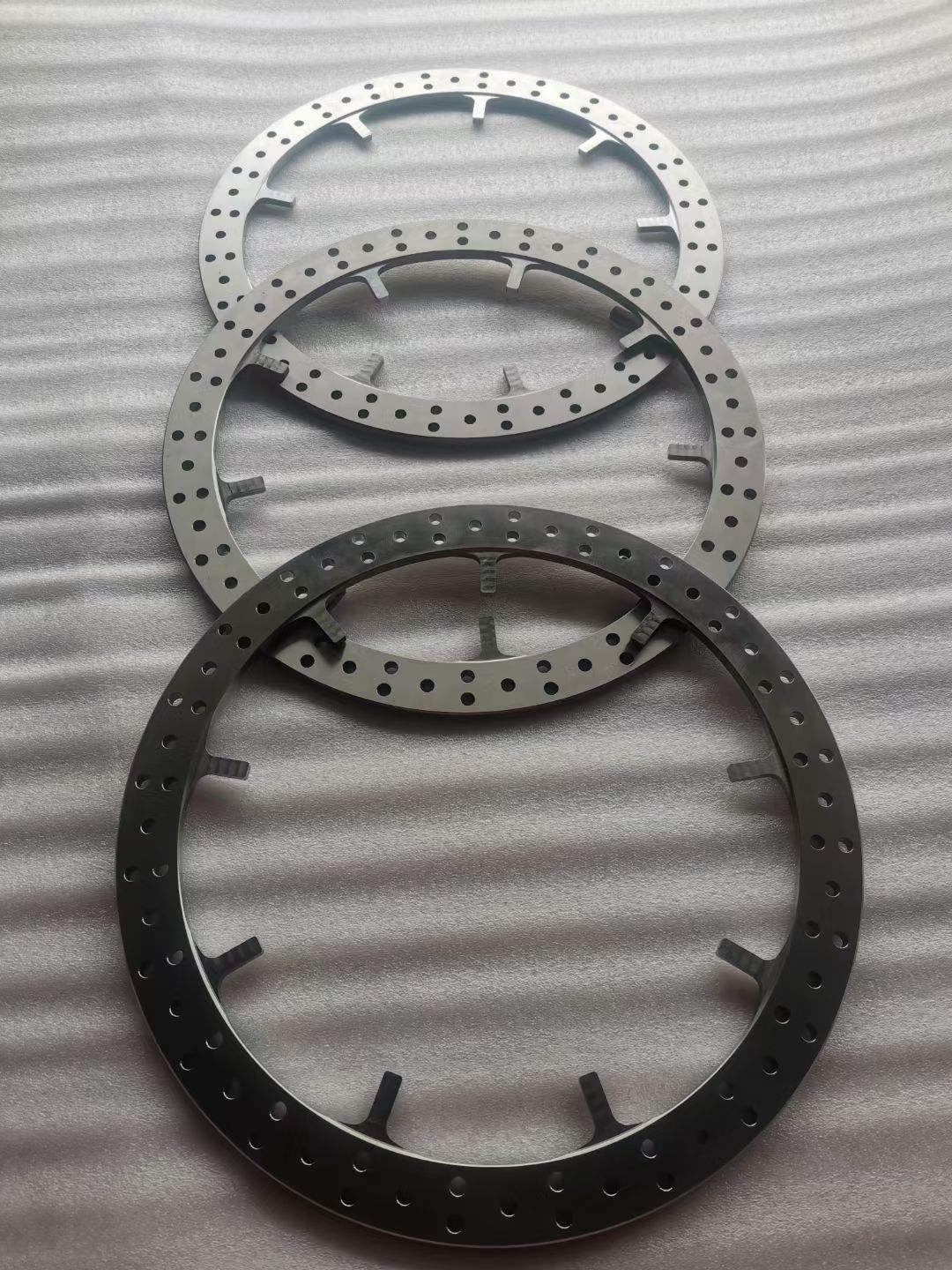
Industrial laser cut sheet steel services with 30kW power 12m bed tight tolerances and full fabrication capabilities.
Finding a fabrication partner for laser cut sheet steel is often a tradeoff between speed, capacity, and edge quality.
You need parts that fit your tolerances perfectly, but you also need a supplier who can handle large format metal cutting without the hassle of splicing or welding.
That is exactly where modern fiber laser cutting services have evolved.
In this guide, we are cutting through the marketing fluff to look at the real engineering data: CNC laser cutting tolerances, material thickness capabilities, and the massive efficiency gains of high-power 30kW laser technology.
Whether you are designing for heavy-duty carbon steel plate cutting or require surgical precision for stainless steel laser cutting, the rules of manufacturing have changed.
Here is how to leverage vastmaterial’s 12-meter processing capacity to optimize your next industrial project.
Let’s get to the specs.
Material Capabilities: What Can We Cut?
When sourcing laser cut sheet steel, material versatility is just as critical as precision. We don’t just cut standard gauges; our facility is equipped to handle heavy structural components and delicate architectural elements with equal accuracy. Whether you need robust structural steel or hygienic stainless parts, our setup is calibrated for diverse metallurgical properties.
Carbon Steel Plate Cutting
For structural applications, carbon steel plate cutting is our core competency. We process standard Mild Steel grades like A36 and 1018, ensuring high tensile strength for construction and heavy machinery parts.
- Thickness Capacity: Utilizing our high-power 30kW laser, we slice through thick carbon steel plates that standard 4kW or 6kW machines struggle with.
- Speed & Quality: The 30kW power density allows for cleaner vertical edges and significantly faster throughput on heavy-duty stock, reducing the heat-affected zone (HAZ).
Stainless Steel Laser Cutting
We specialize in stainless steel laser cutting for industries demanding hygiene and corrosion resistance, such as food processing and medical device manufacturing.
- Grades: We maintain an extensive inventory of 304 and 316 stainless steel.
- Oxide-Free Edges: We utilize high-purity Nitrogen cutting. This technique prevents edge oxidation, delivering a clean, silver finish that is ready for welding immediately without the need for secondary grinding or pickling.
Specialty Alloys & Non-Ferrous Versatility
Beyond ferrous steels, our advanced fiber laser technology excels at processing highly reflective materials that older CO2 lasers could not handle safely.
- Aluminum: Lightweight and durable options for aerospace and automotive sectors.
- Copper & Brass: Precision cutting for high-conductivity electrical components.
The Large Format Advantage: Breaking the 4×8 Barrier
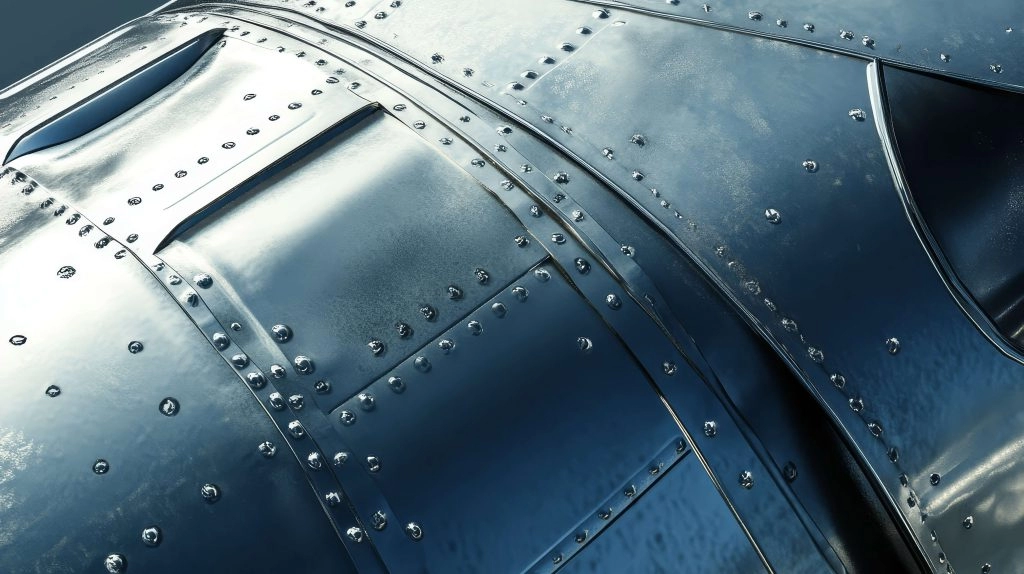
Standard 4×8 sheets are fine for small projects, but industrial applications often demand more. We have moved beyond standard limitations to offer large format metal cutting that accommodates massive scale projects. By utilizing advanced machinery, we eliminate the constraints of standard sheet sizes, allowing for seamless, single-piece components that improve both structural integrity and aesthetics.
The 12-Meter Solution
Our facility is equipped with a massive 12,000mm (approximately 40 feet) cutting bed. This capability fundamentally changes how we approach laser cut sheet steel fabrication. Instead of piecing together smaller sections, we process full-length sheets and plates in a single run.
Key Benefits of our 12-Meter Capacity:
- Zero Splicing: We cut long, continuous structural parts without the need for welding or joining multiple pieces. This results in stronger, cleaner components.
- Optimized Nesting: Larger plates allow us to nest parts more tightly. When processing expensive materials like stainless steel, this significantly reduces scrap waste and lowers material costs.
- Logistical Efficiency: Handling fewer, larger plates reduces setup time between cuts, speeding up the overall production cycle for laser cutting steel sheet orders.
High-Power Efficiency: 20kW-30kW vs Standard
Power dictates speed and edge quality. While many shops rely on standard 4kW or 6kW machines, we leverage High-power 30kW laser technology. This difference is not just about wattage; it is about the ability to cut thicker laser cutting steel plate faster and with superior edge fidelity.
Performance Comparison:
| Feature | Standard Laser (4kW – 6kW) | High-Power Laser (20kW – 30kW) |
|---|---|---|
| Cutting Speed | Moderate on thin sheets; Slow on thick plate | Extremely fast across all gauges |
| Max Thickness | Limited (often struggles >25mm) | Capable of cutting heavy plate |
| Edge Quality | Requires secondary deburring on thick cuts | Clean, dross-free edges (even on thick plate) |
| Heat Zone | Larger heat-affected zone (HAZ) | Minimal HAZ due to rapid cutting speed |
By utilizing high-power fiber lasers, we ensure that your industrial metal manufacturing projects are completed with tighter tolerances and faster turnaround times, regardless of the material thickness.
Design for Manufacturing (DFM) for Laser Cutting
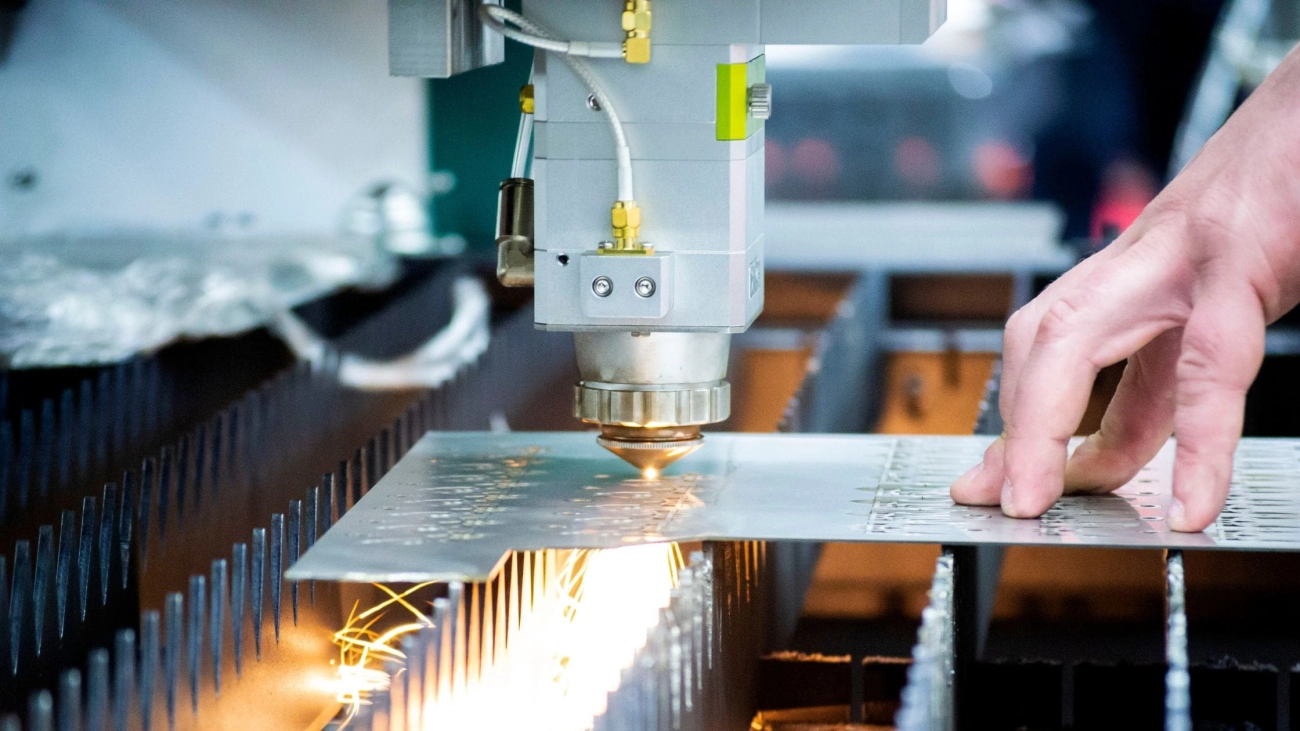
Optimizing your CAD files for laser cut sheet steel isn’t just about getting the shape right; it’s about ensuring the part can be manufactured efficiently and cost-effectively. At Haoyu Material, we work with engineers daily to refine designs for our fiber laser systems. Following a few core Design for Manufacturing (DFM) principles ensures you get the CNC laser cutting tolerances you expect without unnecessary delays.
Tolerances and Kerf Width
Every laser beam has a physical width, known as the “kerf.” While fiber lasers are incredibly precise, the laser burns away a small amount of material—typically between 0.004” and 0.010” depending on the thickness and nozzle setup.
- Standard Tolerances: We generally hold tolerances of +/- 0.1mm for most carbon steel plate cutting and stainless applications.
- CAD Adjustments: You usually do not need to offset your geometry for the kerf; our nesting software handles the beam compensation automatically. Just draw your parts to the exact nominal dimensions.
The Golden Rule: Hole Diameter vs. Thickness
One of the most common issues we see in custom sheet metal fabrication files is undersized holes. The intense heat of the laser can cause “blowouts” if the diameter is too small relative to the material depth.
- The Ratio: Keep hole diameters equal to or larger than the material thickness. For example, if you are cutting 1/2” steel, the smallest hole should be at least 1/2” in diameter.
- Alternative: If you need threaded holes or diameters smaller than the sheet thickness, we recommend drilling or using our low carbon steel machining services as a secondary process to ensure precision.
File Formats and Preparation
To get an instant quote and fast production turnaround, the file format matters. We prefer clean, vector-based files free of duplicate lines or open contours.
- DXF/DWG: The industry standard for 2D cutting. Ensure all text and title blocks are removed, leaving only the part geometry.
- STEP/IGES: Essential if your part requires post-process bending. A 3D model allows us to calculate bend deductions accurately.
Shared Lines (Common Line Cutting)
For high-volume orders, we can utilize common line cutting. This technique involves arranging parts so they share a single cut line. This reduces the total cut distance and piercing cycles, significantly lowering the cost of laser cut steel sheet production while minimizing material waste. This is ideal for rectangular or square parts where edge quality requirements allow for this method.
Beyond the Cut: Integrated Fabrication Services
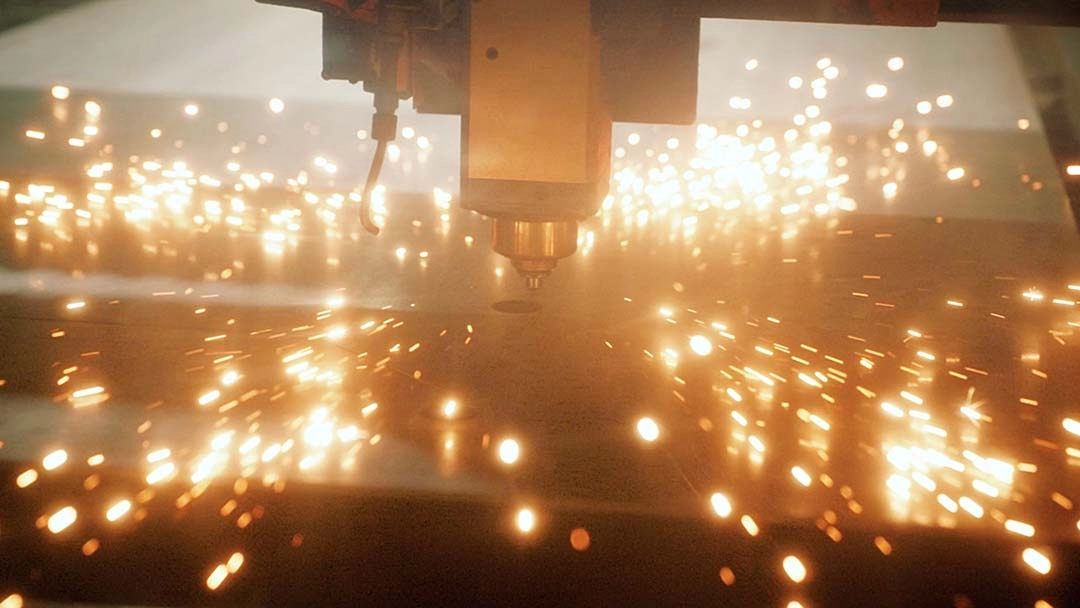
We know that for many projects, receiving a flat laser cut sheet steel part is just the beginning. To turn a 2D profile into a functional product, we offer a comprehensive suite of secondary processing services. This approach allows us to control quality from the initial cut all the way to the final assembly, ensuring that every dimension aligns with your specifications.
CNC Bending and Forming
Transforming a flat blank into a 3D component requires precision. Our sheet metal bending and folding capabilities utilize advanced CNC press brakes that automatically adjust for material spring-back. Whether you are working with thin enclosures or heavy structural brackets, we ensure accurate angles and consistent repeatability across large production runs. This level of control is crucial when maintaining precision CNC tight tolerances throughout the assembly process.
Welding and Assembly
We provide both robotic and manual welding services depending on the volume and complexity of the job. Robotic welding is ideal for high-volume laser cutting steel plate projects where consistency is key, while our certified manual welders handle intricate structural steel work. We ensure strong, clean joints that meet industrial metal manufacturing standards.
Metal Surface Finishing
Raw steel often requires protection against the elements or a specific aesthetic look. We offer extensive metal surface finishing options to improve durability and appearance:
- Deburring: Mechanical removal of any sharp edges or dross left after the laser cutting steel sheet process.
- Powder Coating: A durable, chip-resistant finish available in various colors for consumer-facing parts.
- Galvanizing: Hot-dip zinc coating that provides maximum corrosion resistance for outdoor applications.
The One-Stop Shop Advantage
Managing multiple vendors for cutting, bending, and painting creates logistical nightmares and delays. By handling custom sheet metal fabrication under one roof, we significantly reduce lead times and transportation costs. You get a finished product ready for the assembly line, streamlining your supply chain and simplifying project management.
Factors Influencing the Cost of Laser Cut Steel
Understanding how we calculate quotes for laser cut sheet steel allows you to optimize your designs for better pricing without sacrificing quality. The final cost isn’t just about the weight of the raw material; it is a calculation of machine time, energy consumption, and material utilization.
Here are the primary variables that drive the price of laser cutting steel sheet:
- Material Grade & Thickness: This is the biggest factor. Thicker plates require our high-power lasers to move slower to maintain a clean edge, increasing total machine time. Furthermore, premium alloys required for specialized applications, such as those in the aerospace industry, have a higher raw material cost and often require nitrogen cutting, which is more expensive than oxygen-assisted cutting used for standard carbon steel plate cutting.
- Cut Path Complexity: The laser beam has to physically travel the perimeter of every feature. A part with hundreds of small holes or complex, artistic geometries takes significantly longer to cut than a simple square or rectangle. More “pierces” (where the laser starts a cut) equal more time.
- Nesting Efficiency: We use advanced CAM software to arrange parts on a sheet to minimize waste. If a design has an irregular shape that prevents tight packing, the cost of the wasted “skeleton” material is factored into the price. Designing parts that nest well can lead to substantial savings.
- Quantity: Industrial metal manufacturing relies on economies of scale. There is a fixed setup time for programming the machine and loading the material. Spreading this setup cost across a production run of 1,000 units results in a much lower price per part than a single prototype run.
Frequently Asked Questions About Laser Cut Sheet Steel
What is the maximum thickness for laser cut carbon steel?
The maximum thickness depends heavily on the machine’s power output. With our advanced high-power 30kW laser technology, we can process carbon steel plate cutting much thicker than standard fiber lasers. While traditional 4kW machines often top out around 1 inch (25mm) for production quality, our high-wattage setups push these boundaries significantly, allowing for clean, perpendicular edges on heavy structural plates used in construction and machinery.
How does 30kW laser power affect cutting speed and cost?
Power equals speed and quality. A high-power 30kW laser cuts through thick laser cut sheet steel drastically faster than lower-wattage counterparts. This speed reduces the total machine time required for your order, which directly lowers the cost per part. Additionally, the high energy density vaporizes metal instantly, resulting in a cleaner edge with minimal dross, often eliminating the need for secondary grinding or deburring.
Can you cut parts longer than standard 4×8 sheets?
Absolutely. We understand that industrial applications often require components that exceed the standard 4×8 or 5×10 foot dimensions. Our large format metal cutting capabilities allow us to process plates up to 12 meters (approx. 40 feet) in length. This is a game-changer for structural beams and chassis rails, as it allows you to design single, continuous parts rather than splicing multiple smaller pieces together with welds.
What file formats are best for laser cutting quotes?
To get the fastest and most accurate quote for laser cutting steel sheet, we recommend submitting 2D vector files. The industry standard is the DXF file for laser cutting, as it contains precise geometry that our nesting software can read instantly. We also accept DWG and STEP files. Ensure your files are scaled 1:1 and contain only the cut lines (remove title blocks and dimensions) to speed up the estimation process.