

Vastmaterial Engineering Tools
Casting Weight Calculator
Calculate theoretical casting weights for gray iron, ductile iron, steel, aluminum, copper alloys, and cast nylon. Estimate by part dimensions, CAD volume, or direct wax-pattern conversion for lost wax casting.
Supported Materials
Free Casting Weight Calculator (Online Tool & Chart)
Use this free casting weight calculator to estimate metal casting weight by dimensions, wax-to-metal conversion, or CAD volume. Supports cast iron pipe, plate, round bar, radiator section, and custom alloy densities for procurement and machining planning.
Common Casting Weight Examples
| Example | Dimensions | Material | Net Weight | Pour Weight (15% gate) |
|---|---|---|---|---|
| Cast Iron Pipe | 12″ OD × 10″ ID × 120″ L | Gray Iron (0.260 lb/in³) | 1,958 lb | 2,252 lb |
| Cast Iron Plate | 24″ × 18″ × 1.5″ | Gray Iron (0.260 lb/in³) | 169 lb | 194 lb |
| Round Bar | 4″ Ø × 48″ L | Ductile Iron (0.257 lb/in³) | 129 lb | 148 lb |
| Steel Block | 200 × 150 × 80 mm | Carbon Steel (7.85 g/cm³) | 18.84 kg | 21.67 kg |
| Cast Iron Radiator | 24″ × 4″ × 3″ × 8 sections | Gray Iron (0.260 lb/in³) | 599 lb | 689 lb |
How to calculate metal casting weight accurately
Determine net component weight, estimate raw melt requirements, and factor in production allowances using standard foundry formulas.
1
Determine volume
Calculate geometric dimensions, pull 3D CAD data, or weigh a pattern.
2
Select alloy density
Apply standard values for cast iron, steel, aluminum, or custom alloys.
3
Include allowances
Factor in machining stock, draft angles, sprues, gates, and risers.
Reference Formulas
Standard weight formulas by casting geometry
Plate & Block
Volume = L × W × T
Ideal for rectangular plates, slabs, wear blocks, and flat stock commonly finished with CNC milling.
Round Bar
Volume = (π × D² ÷ 4) × L
Used for solid shafts, pins, rods, and circular flanges typically finished by CNC turning.
Pipe & Tube
Volume = π × (OD² - ID²) ÷ 4 × L
Designed for hollow sleeves, valve bodies, cylindrical housings, and bored pipe fittings.
Foundry Yield Planning
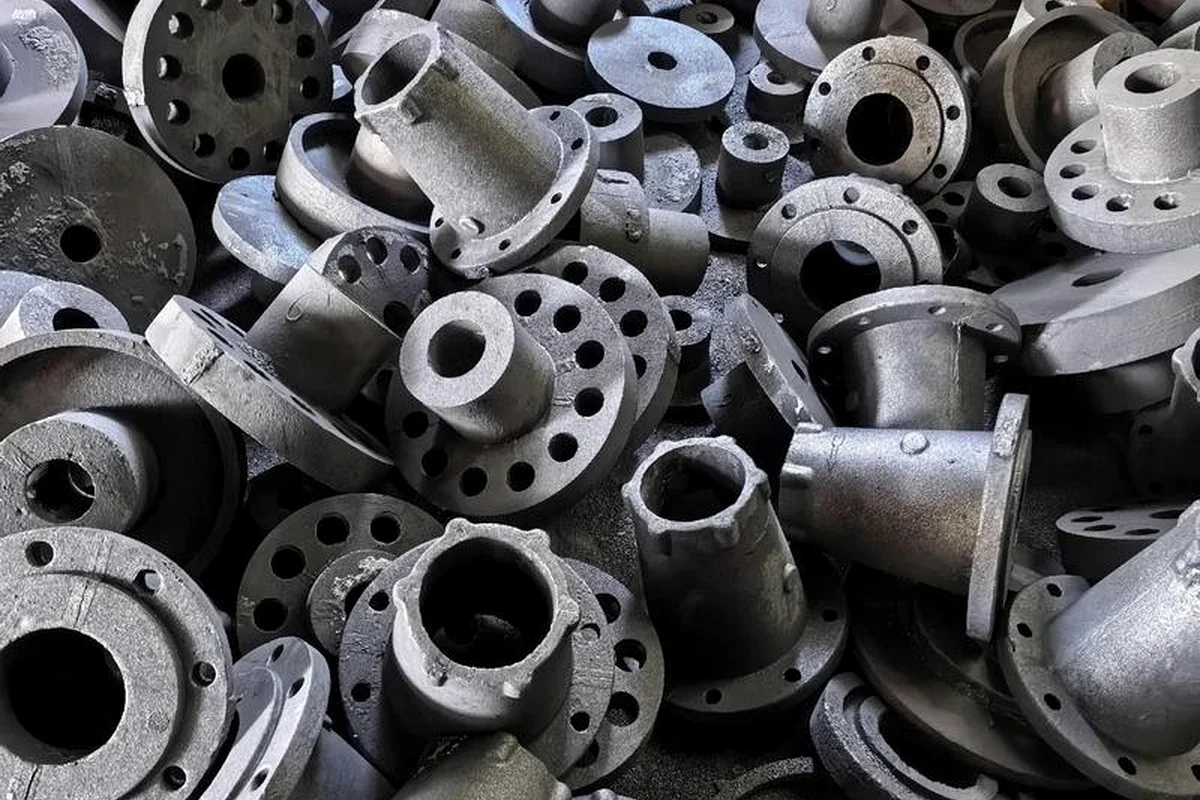
At Vastmaterial, we evaluate both net component weight and total poured melt volume to ensure accurate material planning and competitive production pricing.
- Plan melt volume from blank weight plus gating and riser yield.
- Align order quantity with furnace capacity and heat treatment batches.
- Use theoretical estimates as the baseline before drawing review and quoting.
Complex Geometries
Handling non-standard & pattern-based castings
- Extract exact CAD volume for castings with complex ribs, pockets, draft angles, and irregular surfaces.
- Convert pattern weight to metal weight using the ratio: Metal Weight = Pattern Weight × (Metal Density ÷ Pattern Density).
- Factor in complete gating systems, risers, sprues, and overflows for accurate foundry melt requirements.
- Verify final specs with Vastmaterial engineering team to account for shrinkage rates and machining allowances.
Density and Material Reference Chart
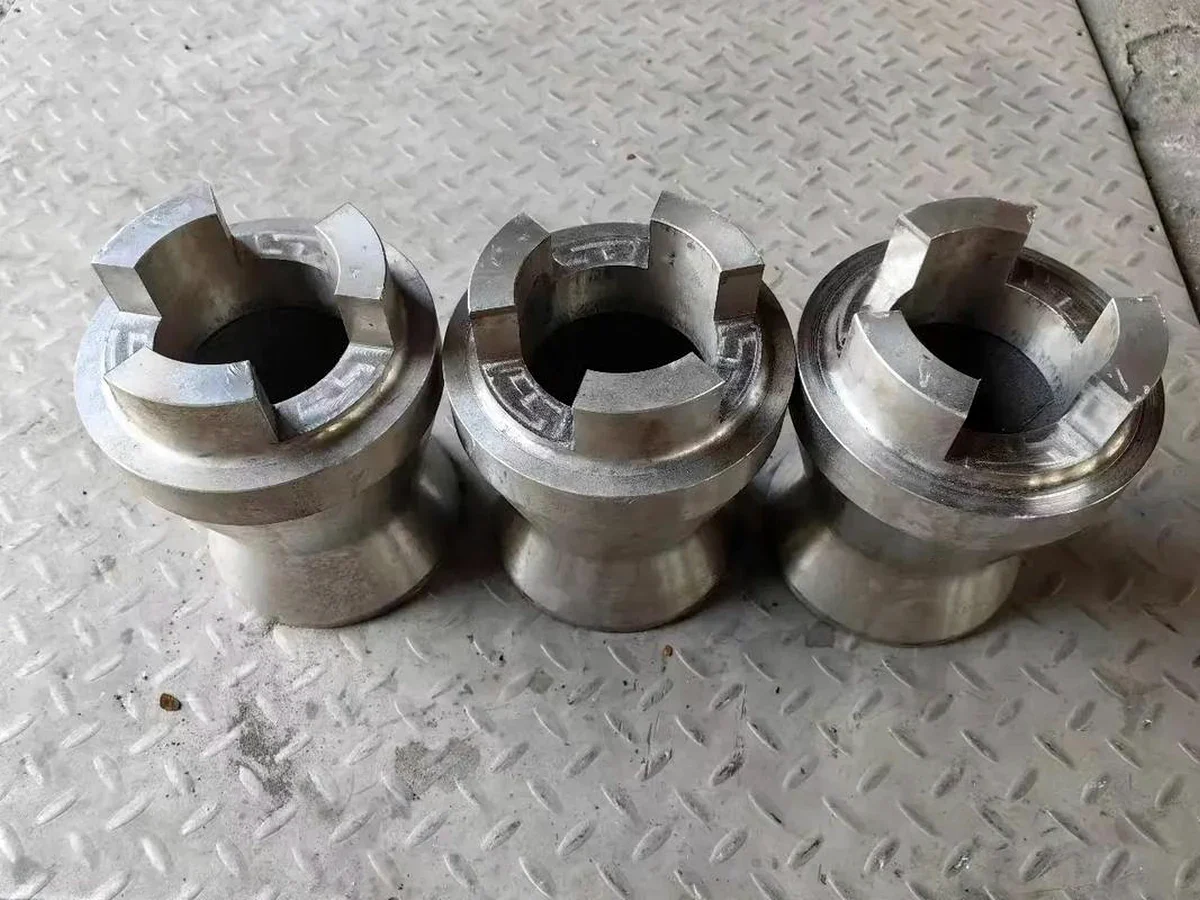
Compare standard densities and wax pattern conversion ratios across common casting metals and polymers. Seamlessly apply verified values to calculate net weight, blank mass, and pouring volume.
Engineering Baselines
Select Verified Density Multipliers
| Category | Material Grade | Density (g/cm³) | Density (kg/m³) | Wax Conversion Ratio | Action |
|---|---|---|---|---|---|
| Pattern Materials | Casting Wax | 0.90 | 900 | 1.00× | |
| Cast Iron | Gray Cast Iron (HT250 / Class 35) | 7.20 | 7,200 | 8.00× | |
| Cast Iron | Ductile Iron (QT450 / 65-45-12) | 7.10 | 7,100 | 7.89× | |
| Steel | Carbon Steel (WCB / 1045) | 7.85 | 7,850 | 8.72× | |
| Stainless Steel | 304 Stainless Steel (CF8) | 7.93 | 7,930 | 8.81× | |
| Stainless Steel | 316 Stainless Steel (CF8M) | 7.98 | 7,980 | 8.87× | |
| Nonferrous Alloys | Aluminum Alloy (A356 / 6061) | 2.70 | 2,700 | 3.00× | |
| Nonferrous Alloys | Brass (C36000) | 8.50 | 8,500 | 9.44× | |
| Nonferrous Alloys | Bronze (C93200) | 8.80 | 8,800 | 9.78× | |
| Engineering Plastics | Cast Nylon Sheet / Rod | 1.15 | 1,150 | 1.28× |
Material Taxonomy
Filter by Alloy Family
Cross-reference finished casting alloys with pattern substrates used in lost wax casting, 3D printing resins, or structural polymers.
Vastmaterial Precision Tools
Apply Reference Data to Your Calculation
Instantly transfer selected density values into our calculator to determine net part weight, casting blank weight, and total pouring mass.
Weight Definition Guide
Net Weight vs. Blank Weight vs. Pouring Weight
Accurate casting estimates depend on using the correct weight stage. Distinguishing between net weight, as-cast blank weight, and total pouring weight prevents costly discrepancies in material purchasing, machining, and foundry quoting.
Precision Weight Stage Management
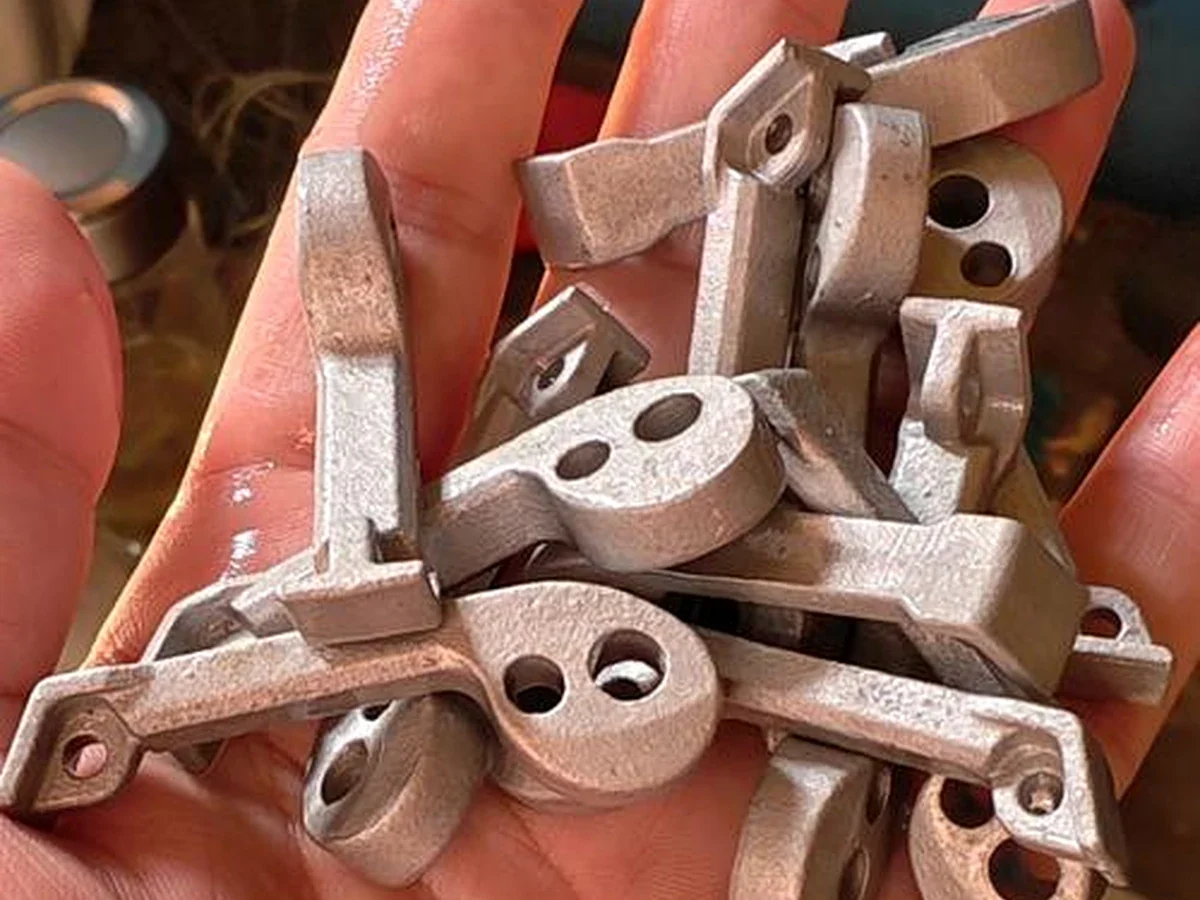
Distinguishing between finished parts, raw castings, and total melt volume ensures reliable production planning and transparent pricing.
| Weight Category | What Is Included | Primary Applications |
|---|---|---|
| Finished Net Weight | Machined part geometry after trimming, flash removal, and all CNC machining operations. | Logistics freight calculation, final product specs, and assembly weight analysis. |
| Casting Blank Weight | Raw as-cast part incorporating machining allowances, draft angles, and casting process tolerances. | Foundry procurement, raw blank pricing, CNC milling and CNC turning cycle time, and heat treatment batching. |
| Pouring / Shot Weight | Total molten metal poured, including the casting, gating systems, sprue, risers, biscuit, and overflows. | Furnace melt capacity, die casting machine selection, metal charge costing, and yield optimization. |
01
Start with Net Weight
Extract final part weight directly from your 3D CAD model or finished engineering drawing.
02
Calculate Blank Weight
Add required machining allowances, draft, and casting tolerances to establish raw blank weight.
03
Factor Total Pouring Weight
Include gating, risers, and process scrap ratio to plan raw melt volume and furnace capacity.
Vastmaterial Precision Insight
Quoting based solely on net weight risks severe cost underestimation. Tracking all three stages ensures precise budgeting and production efficiency.
Practical Casting Weight Calculation Examples for Common Materials
Test realistic casting scenarios for cast iron pipe, plate, radiator section, investment cast stainless steel, and cast nylon. Load pre-configured sample parameters, adjust your dimensions, and review accurate weight estimates before requesting a formal quote.
Gray Cast Iron Pipe Weight Calculation
Estimate theoretical net casting weight for hollow cylindrical castings based on outer diameter, inner diameter, and finished length.
Estimated Net Pipe Weight
Gray Cast Iron Plate & Block Weight
Calculate total raw casting weight for rectangular plates or blocks, factoring in machining allowances and production quantity.
Total Estimated Order Weight
Wax Pattern to 316 Stainless Steel Conversion
Convert investment casting wax pattern weight into estimated 316 stainless steel pouring weight, accounting for blank and gating allowances.
Estimated Pour / Shot Weight
Cast Iron Radiator Section Weight
Estimate cast iron radiator weight from section envelope dimensions and section count — useful for cast iron radiator weight calculator scenarios.
Estimated Radiator Weight
Engineering Calculation Assumptions
- Gray cast iron (Class 30) density is estimated at 0.260 lb/in³ (7.15 g/cm³).
- Cast nylon (PA6) density is estimated at 0.041 lb/in³ (1.15 g/cm³).
- Actual production weights vary based on alloy chemistry, draft angles, shrinkage allowances, and gating design.
Casting Weight Determinants
Key Factors Affecting Casting Weight
Theoretical CAD calculations provide an excellent starting baseline, but real-world foundry conditions dictate final production weight. Understanding these variables prevents procurement misalignments and unexpected material costs.
Engineering Insight
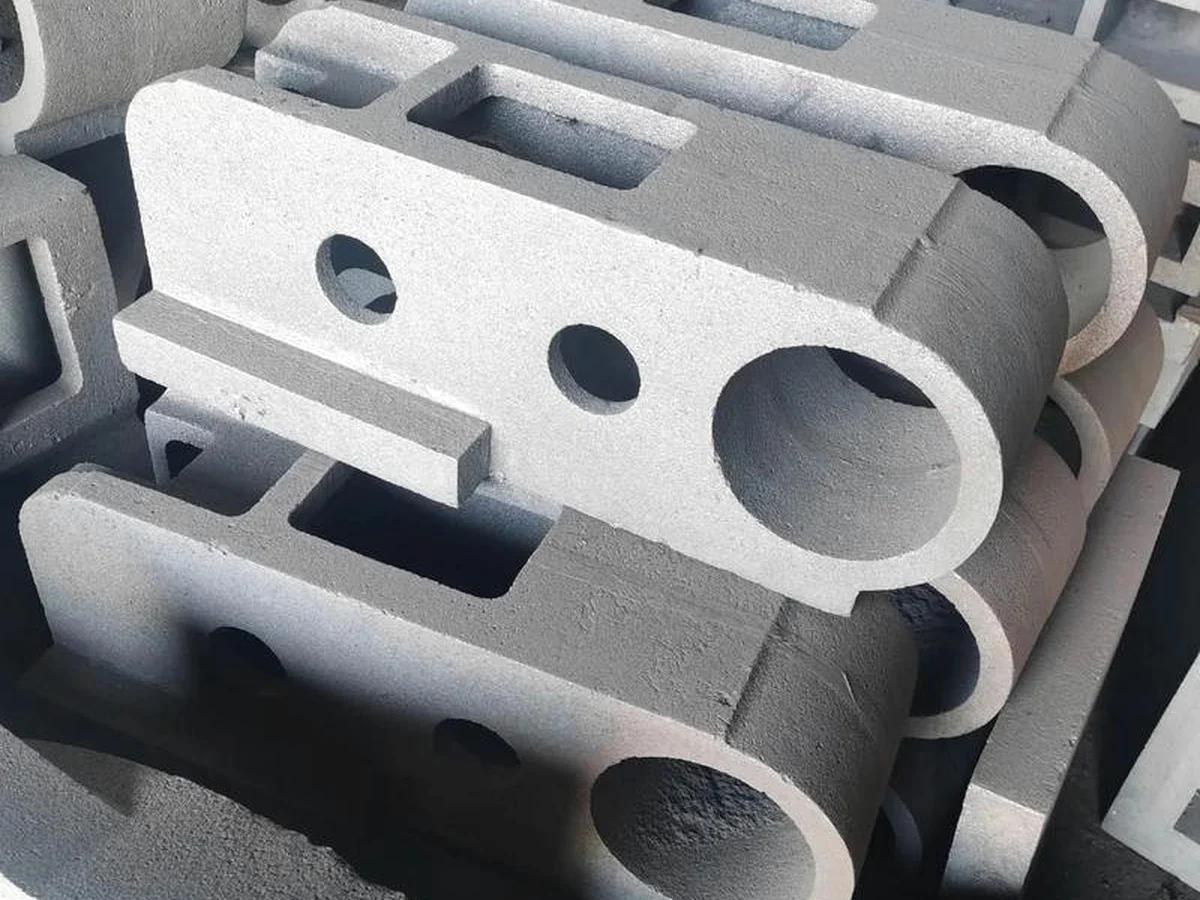
A thorough pre-production drawing review evaluates machining allowances, draft angles, and runner/riser ratios to ensure accurate cost forecasting before tooling begins.
Key production variables affecting part mass and melt weight
Alloy Chemistry & Density
Compositional tolerances within material specifications lead to density variations across different heat batches and alloy grades.
Mold Release Draft Angles
Necessary draft tapers added for smooth mold release slightly expand component geometry and total volume beyond nominal CAD models.
Shrinkage Compensation
Tooling and pattern dimensions are scaled up to offset volumetric contraction during solidification and cooling.
Machining Stock Allowance
Extra material added to critical surfaces ensures complete cleanup during CNC turning, CNC milling, drilling, or grinding.
Cavities & Wall Tolerances
Core placement precision, internal cavity shifts, and allowable wall thickness tolerances create minor batch-to-batch mass differences.
Gating Systems & Shot Weight
Runners, risers, gates, and die casting overflows increase total melt and pouring weight significantly above net component weight.
Need a Production-Ready Weight Review?
Vastmaterial engineers analyze your 2D/3D drawings, alloy specs, and order volume to provide precise production weight estimates.
Related Casting Tools
Continue with related engineering resources
Frequently Asked Questions About Casting Weight Calculation
Find expert engineering answers on estimating metal and engineering plastic weights, converting wax patterns, evaluating shot weight ratios, and transitioning from theoretical calculations to production quotes.
Calculation Principle
Weight = Volume × Material Density
Determine net geometric or CAD volume, apply alloy density, and adjust for machining allowance and gating yield to estimate gross production weight.
First, calculate geometric volume using outer dimensions (and subtract inner void volume for hollow shapes like pipes). Then multiply by standard alloy density—typically 7.15–7.25 g/cm³ (0.258–0.262 lb/in³) for gray iron or 7.10–7.20 g/cm³ for ductile iron. For cylindrical parts requiring finish work, CNC turning is typically used after casting.
1. Calculate Volume
Use outer dimensions or CAD data
2. Select Material
Apply exact alloy or polymer density
3. Factor Production
Include machining allowance & gating yield
Turn Theoretical Weight Estimates into Production-Ready Castings
Submit your 2D engineering drawings or 3D CAD models for an expert evaluation. Our foundry engineers review all critical factors impacting part weight, manufacturing cost, alloy performance, and delivery schedules.
Material Optimization
Match alloy grades and densities to mechanical demands and target budgets.
Machining Allowance
Calculate precise excess stock required for finish machining and critical fits.
Gating & Shot Weight
Determine true melt consumption beyond net casting weight for accurate pricing.
Process Selection
Align investment, die, or sand casting processes with your batch volume and required CNC milling operations.
Free Engineering Review
Request Your Casting Weight and Cost Analysis
Share your project specifications below. Our engineers will analyze your dimensions and return a detailed, production-ready quotation within 24 hours.