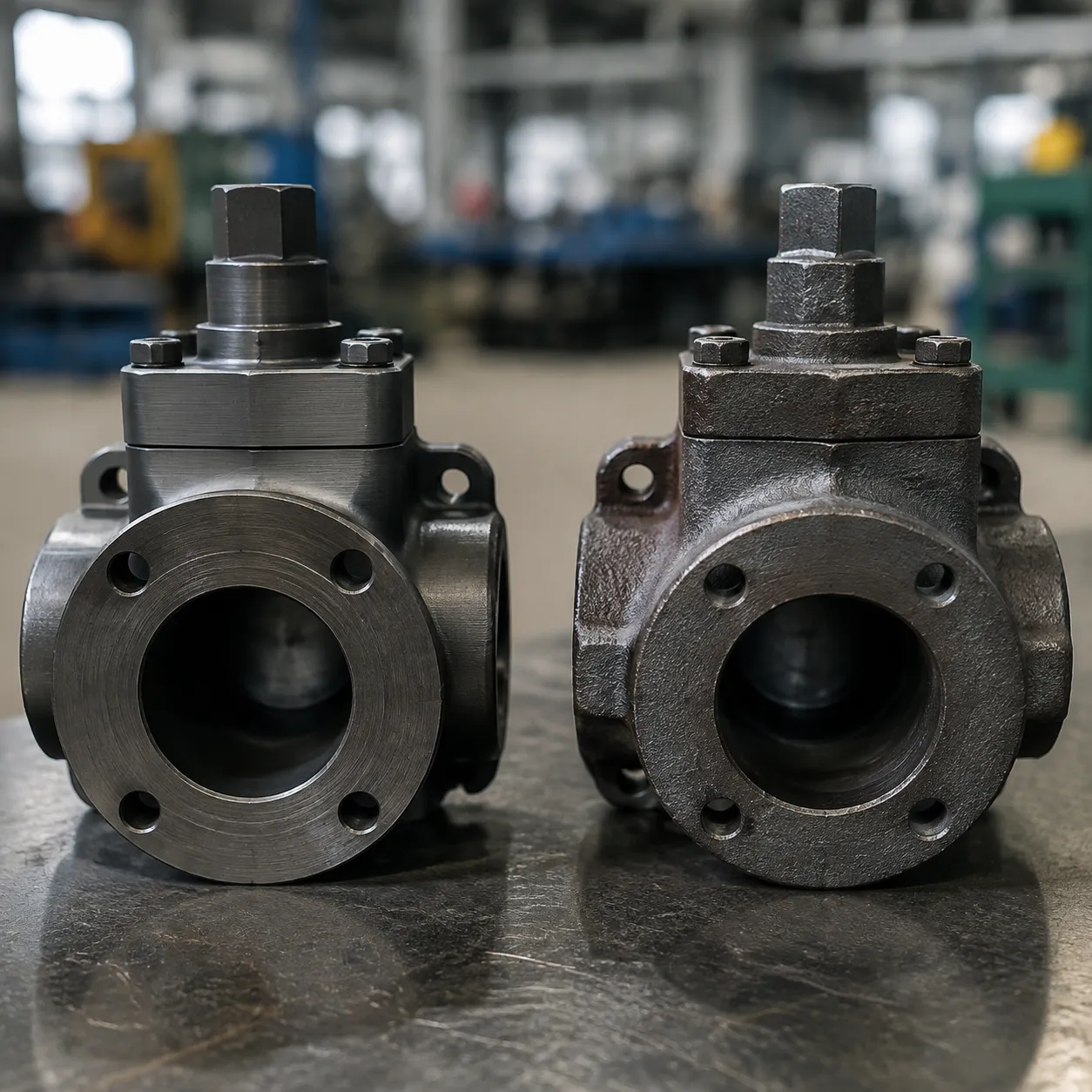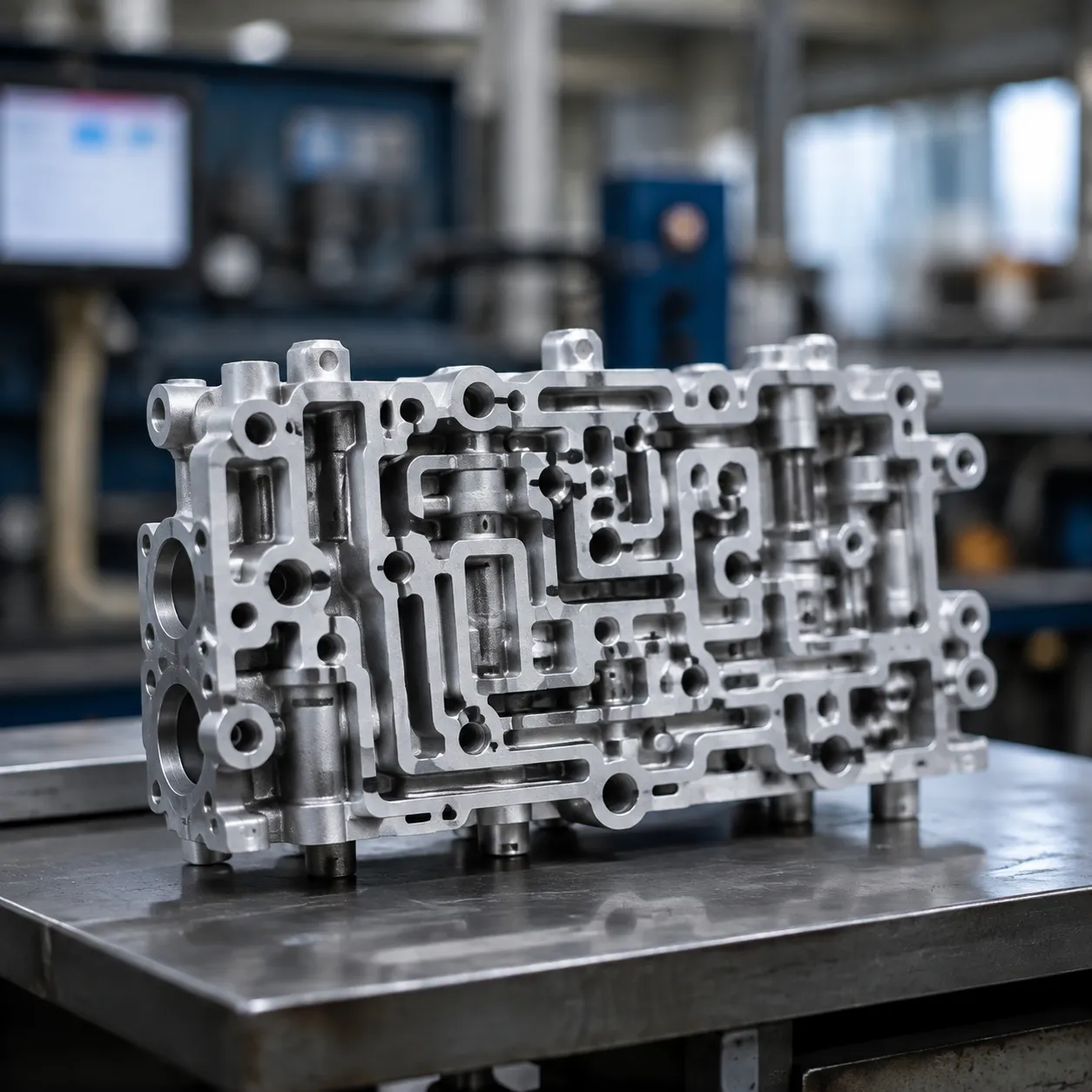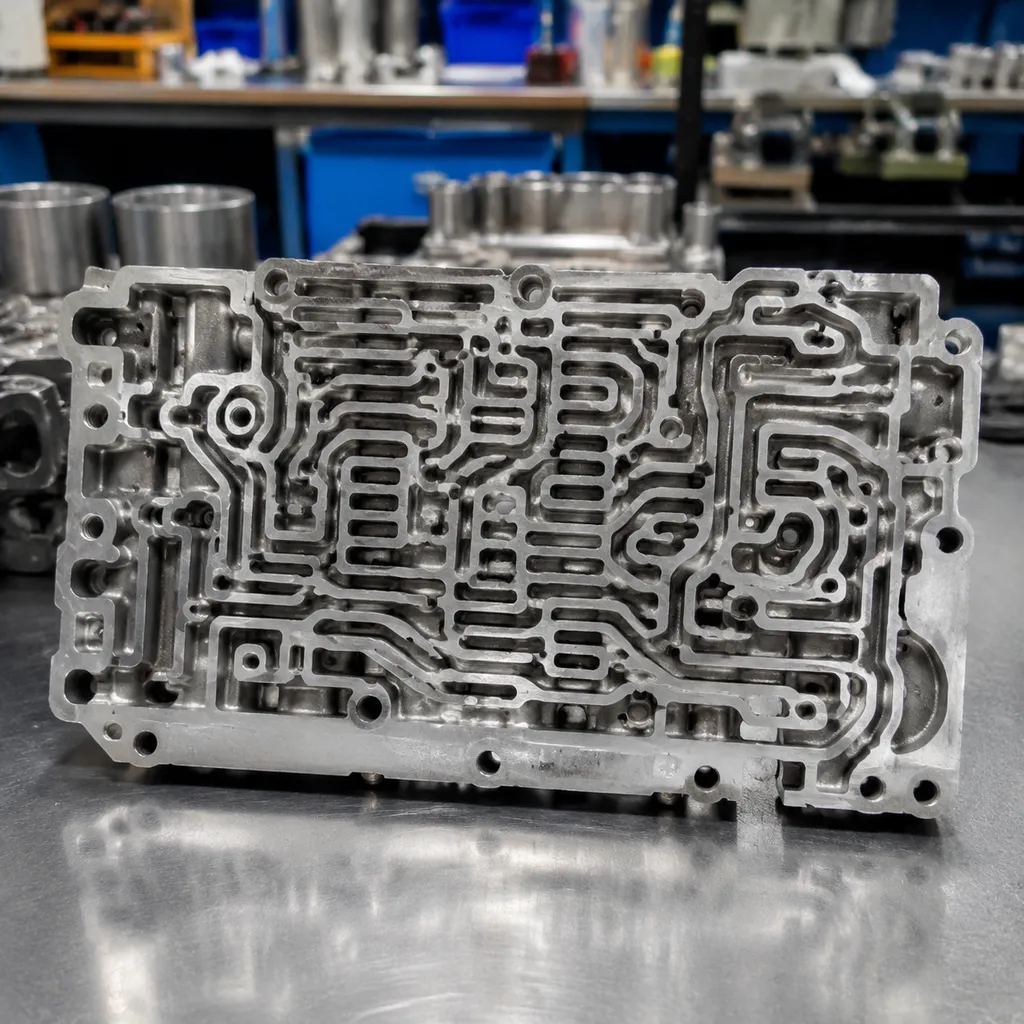
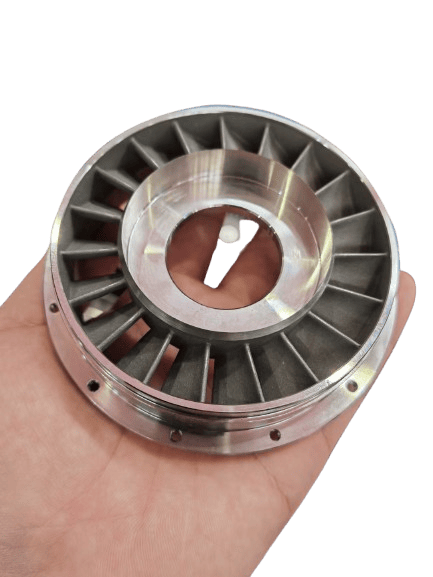
Technical guide to precision metal casting processes materials tolerances and supplier selection for engineers and procurement.
Are you losing time and money over-machining rough, inaccurate cast parts? Standard casting methods often leave you dealing with excessive material waste, poor dimensional accuracy, and climbing secondary operation costs. If you need exact geometries straight out of the mold, you need precision metal casting.
What is Precision Metal Casting?
At its core, precision metal casting is an advanced manufacturing method used to create highly detailed, complex metal components with strict dimensional accuracy. As a leading manufacturer, we primarily rely on the investment casting process (widely known as lost wax casting) to achieve these results.
We inject wax into an aluminum die to create a perfect replica of your part. We then coat this wax pattern in high-grade ceramic to build a rigid shell. Once the wax is melted out, we pour molten metal into the cavity. The result is a highly accurate, repeatable metal component.
Precision vs. Standard Casting
General sand casting gets the job done for bulky, simple shapes, but it falls short when you need tight tolerances and smooth surfaces. Precision casting guarantees superior integrity and an exceptional surface finish Ra right out of the mold.
| Feature | Standard Casting | Precision Metal Casting |
|---|---|---|
| Primary Method | Basic Sand Casting | Lost Wax / Investment |
| Surface Finish Ra | 12.5–25μm (Rough) | 1.6–3.2μm (Smooth) |
| Tolerances | Loose (±0.030″ or more) | Tight (Strict ISO 8062 limits) |
| Machining Needed | Extensive | Minimal to None |
The Near Net Shape Manufacturing Advantage
The biggest financial advantage we deliver to our clients is near net shape manufacturing. By casting parts that match your final design geometry almost perfectly, we bypass the heavy milling and turning required by standard castings.
- Drastic Cost Reduction: Achieving a near-net-shape directly reduces your downstream CNC machining costs by 40-60%.
- Less Material Waste: You buy less raw material because we aren’t cutting away bulk metal just to find your part inside.
- Faster Lead Times: Parts bypass heavy secondary machining operations, moving from our foundry floor to your assembly line much faster.
Core Precision Casting Processes
Selecting the right manufacturing method is just as critical as choosing the alloy. We don’t believe in a “one size fits all” approach. To achieve true near net shape manufacturing, we utilize three distinct processes depending on the part’s complexity, volume, and material requirements.
Investment Casting (Lost Wax)
This is the gold standard for intricate details and thin-walled components. The investment casting process excels where machining is difficult or impossible. We coat a wax pattern in a ceramic slurry to create a shell. This investment mold captures fine surface textures and complex internal geometries.
- Best For: Complex shapes, high-temperature alloys (superalloys), and parts requiring a superior Surface finish Ra.
- Advantage: Reduces secondary machining significantly; ideal for aerospace and medical applications.
Precision Die Casting
When high-volume production speed is the priority, precision die casting is the answer. We force molten metal under high pressure into reusable steel dies. This process is strictly for non-ferrous metals like Aluminum and Zinc.
- Best For: High-volume runs (10,000+ parts), housings, and brackets.
- Advantage: Extremely fast cycle times and excellent dimensional repeatability.
Advanced Sand Casting
Modern casting has evolved beyond the rough finishes of the past. Using chemically bonded resin sand, we achieve surprisingly high precision for massive components. For heavy-duty applications, our steel casting foundry guide details how we maintain structural integrity in large-scale parts.
- Best For: Large, heavy components (up to several tons) and low-to-medium volumes.
- Advantage: Lower tooling costs compared to die casting; flexible for design changes.
Process Comparison Table
To help you match the method to your project needs, here is a breakdown of capabilities:
| Feature | Investment Casting | Precision Die Casting | Advanced Sand Casting |
|---|---|---|---|
| Primary Material | Steels, Superalloys, Titanium | Aluminum, Zinc, Magnesium | Iron, Steel, Large Alloys |
| Typical Tolerance | ±0.005 inch/inch (High) | ±0.002 inch/inch (Very High) | ±0.030 inch/inch (Moderate) |
| Surface Finish (Ra) | 3.2 – 6.3 μm (Excellent) | 0.8 – 1.6 μm (Superior) | 12.5 – 25 μm (Rougher) |
| Wall Thickness | Min 1.5mm (Thin) | Min 1.0mm (Thinnest) | Min 3.0mm (Thick) |
| Volume Suitability | Low to High | High Volume Only | Low to Medium |
Material Selection for Precision Metal Casting
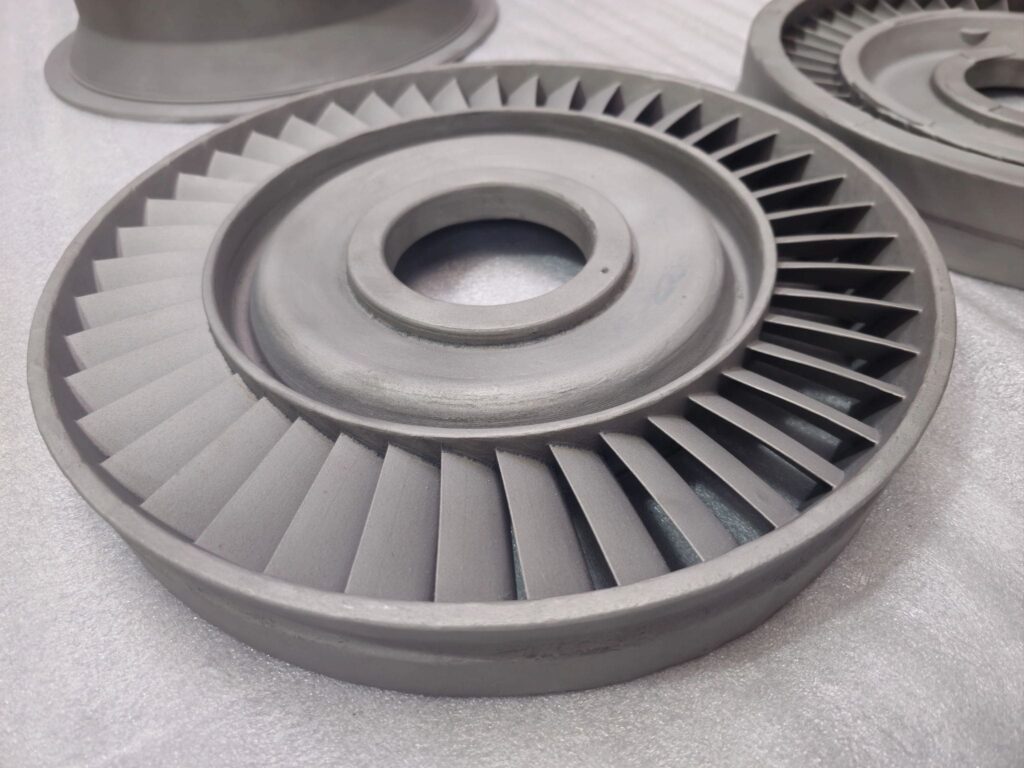
Getting the shape right is only half the battle. To ensure your parts perform under pressure, we match the exact alloy to your specific application.
- Stainless & Duplex Steels: Built for harsh environments. These metals offer superior corrosion resistance, making them the standard for marine, oil, and gas applications. For tough, long-lasting components, working with a specialized steel casting manufacturer guarantees the durability your project demands.
- High-Temperature Alloys: When extreme heat is a factor, standard metals fail. We pour nickel-based and cobalt-based superalloys specifically designed to withstand the brutal conditions inside gas turbines and aerospace components.
- Non-Ferrous Metals: We cast lightweight and specialized metals including titanium, aluminum, and copper. If your project relies on specific thermal or conductive traits, dialing in the right brass composition and grades ensures peak performance in the field.
- Custom Alloy Development: Off-the-shelf metals do not always meet strict engineering requirements. Through our custom metal casting services, our R&D team formulates unique chemical compositions designed to hit your exact mechanical property targets from day one.
Design Guidelines & Casting Tolerances ISO 8062
Getting the design right before we pour a single drop of metal is how we save you money and time. In precision metal casting, adhering to established design protocols ensures the transition from a 3D model to a physical part is seamless. We work closely with your engineering team to optimize geometry for manufacturability without sacrificing performance.
Linear Tolerances and Standards
Achieving tight tolerances is the hallmark of the investment casting process. For most standard applications, we maintain linear tolerances around ±0.005 inch per inch. We align our inspections with casting tolerances ISO 8062 standards (specifically CT4-CT6 for precision investment casting). This level of accuracy means “near net shape” is a reality, not just a buzzword, reducing the amount of stock material that needs to be removed later.
Wall Thickness and Geometry
One of the biggest advantages we offer is the ability to cast intricate, lightweight components.
- Minimum Wall Thickness: We can successfully cast walls as thin as 1.5mm (0.060 inch) depending on the alloy and part size. However, the specific shell system used—detailed in our guide to investment casting materials—plays a role in supporting these delicate structures during the pour.
- Draft Angles: To ensure the wax pattern releases cleanly from the mold, we recommend a draft angle of about 0.5 to 1 degree.
- Fillets and Radii: Sharp corners are stress concentrators. We suggest incorporating generous fillets to improve metal flow and reduce the risk of tearing during cooling.
Integrated CNC Machining Castings
While casting gets us 95% of the way there, some mating surfaces and threaded holes require absolute perfection. That’s where our secondary operations come in. We offer integrated CNC machining castings to achieve tighter tolerances (down to ±0.0005 inch) and superior surface finish Ra where critical. By handling both the casting and the machining in-house, we eliminate vendor finger-pointing and ensure the final part fits your assembly perfectly right out of the box.
Industry Applications for Precision Metal Casting
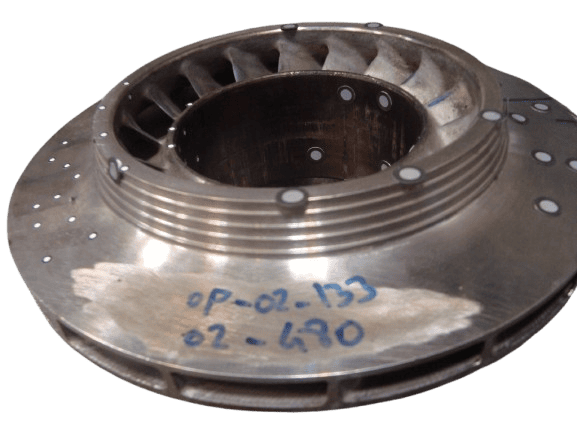
When failure isn’t an option, high-stakes sectors rely on precision metal casting to deliver critical components. We provide tailored manufacturing solutions designed to meet the extreme demands and tight regulations of these advanced industries.
- Aerospace & Aviation: Safety and performance are non-negotiable. Our aerospace metal casting capabilities produce lightweight, high-strength turbine blades and structural components that comply with strict AS9100 standards.
- Marine & Offshore: Harsh saltwater environments demand superior durability. We manufacture corrosion-resistant impellers, pump housings, and valves crucial for maritime operations and heavy-duty oil and gas applications.
- Energy & Nuclear: Power generation requires absolute reliability. We supply high-integrity parts backed by rigorous non-destructive testing (NDT) to guarantee flawless performance under extreme pressure and high temperatures.
- Medical: From complex surgical instruments to implantable-grade materials, our casting processes deliver biocompatible components with exact dimensions and perfectly smooth surface finishes.
Why Quality Control Defines “Precision Metal Casting”
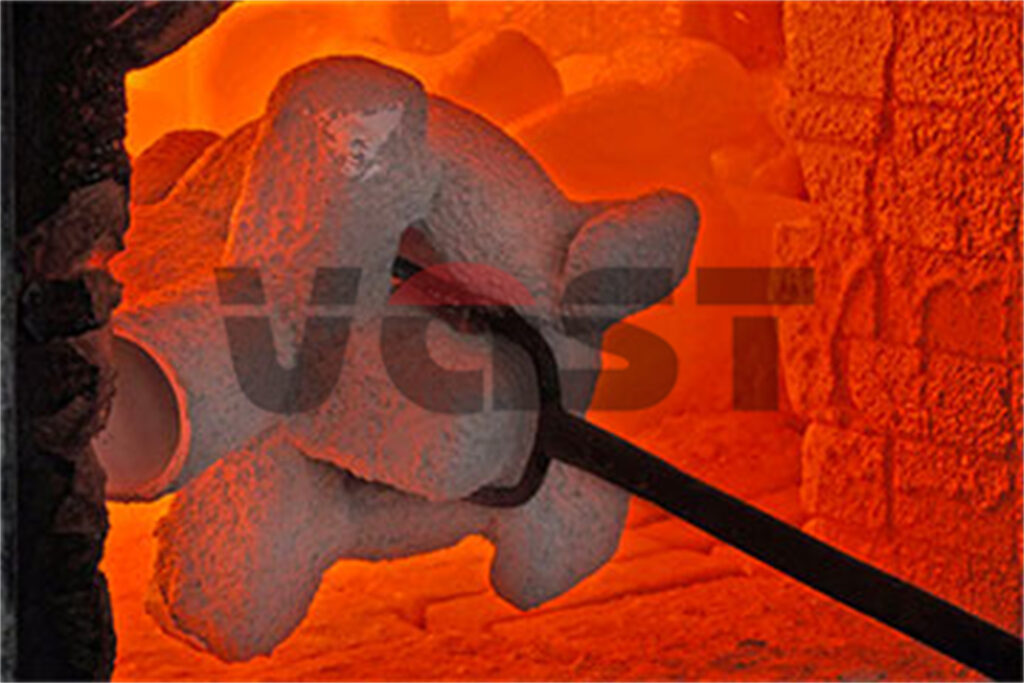
In the manufacturing world, calling something “precision” means nothing without the data to back it up. For precision metal casting, quality control is what separates a reliable part from a failed component. We use rigorous testing protocols and complete traceability to ensure every casting meets exact specifications.
Advanced Testing Methods
To catch microscopic metal casting defects before a part ever leaves our facility, we rely on a strict, multi-layered testing approach.
- Spectrometric Analysis: We verify the exact chemical makeup of the molten alloy before a single pour happens.
- Non-Destructive Testing (NDT): We use X-ray, dye penetrant, and magnetic particle inspections to scan for internal voids and surface-level cracks without damaging the part. This is absolutely critical when producing high-stress aerospace alloy components.
- Coordinate Measuring Machine (CMM) Inspection: We physically measure the final dimensions down to the micron to guarantee the finished part perfectly matches your CAD model.
Full Lot Traceability
Accountability matters for our US manufacturing partners. We utilize advanced ERP systems to track your parts through every stage of the production cycle. This provides complete lot traceability from the raw material ingot all the way to the finished product on your dock. If you ever need to audit a part, we can trace it back to the exact material batch, pour date, and operator.
Choosing the Right Precision Metal Casting Partner
Many general foundries struggle to meet the strict demands of the US manufacturing sector. The biggest issues usually come down to a lack of in-house engineering support or highly limited material choices. When your project requires tight tolerances or specialized alloys, a standard shop often falls short, leading to costly delays and out-of-spec components.
The Haoyu Material Advantage
To get the most out of precision metal casting, you need a manufacturing partner that handles more than just pouring liquid metal. We focus heavily on R&D and provide comprehensive custom metal casting services engineered for your specific application.
Here is what sets our casting foundry apart from the rest:
- End-to-End Support: We guide your project from initial 3D modeling and rapid prototyping casting all the way through to final surface finishing.
- Advanced Capabilities: Whether you need post-cast CNC machining castings to hit exact specs or require deep expertise in the stainless investment casting process, we have the technology ready to go.
- Production Flexibility: We scale with your business, easily managing both low-volume custom batches and high-volume production runs without ever sacrificing quality.
We eliminate the guesswork by delivering reliable near net shape manufacturing solutions that cut down your secondary machining costs and get your products to market faster.