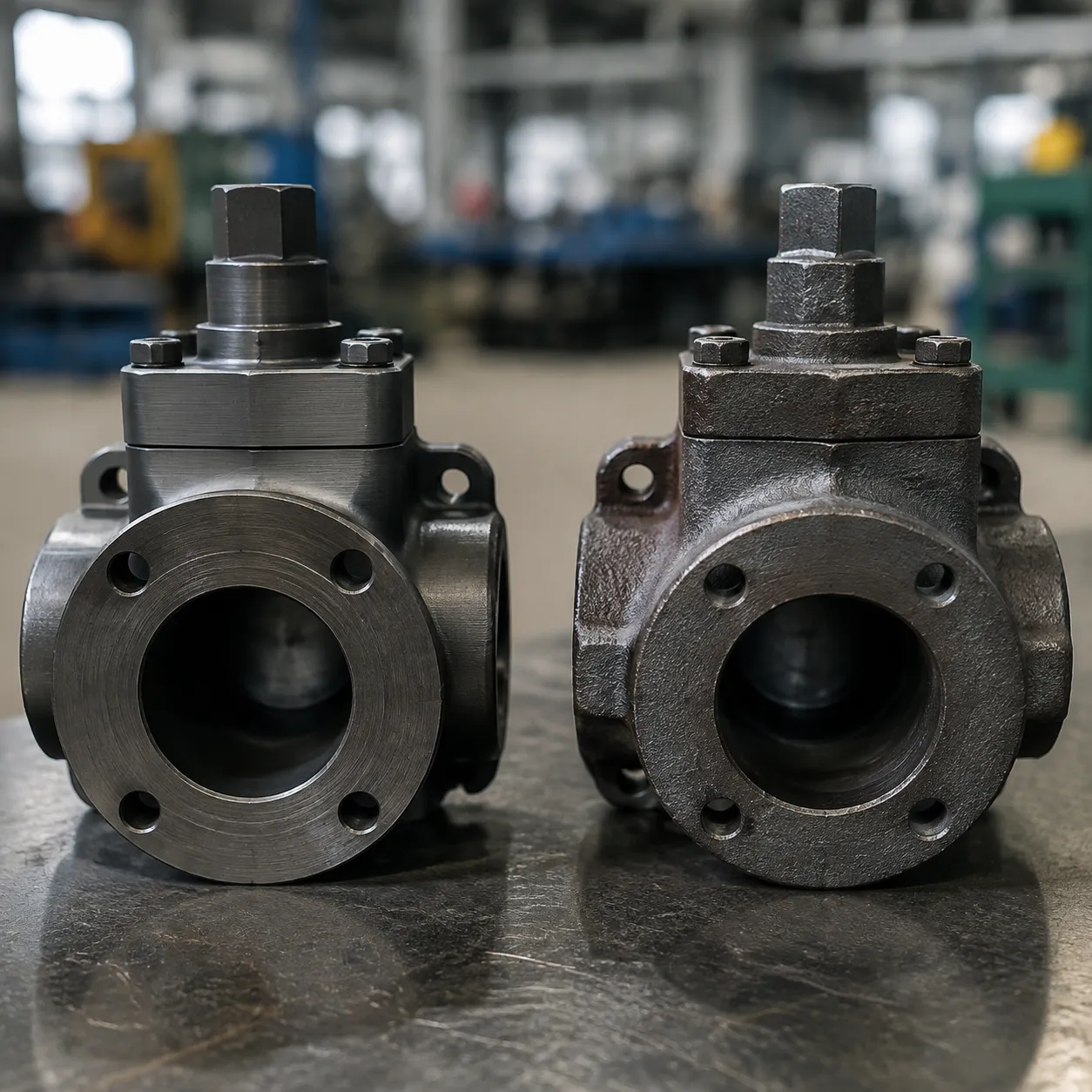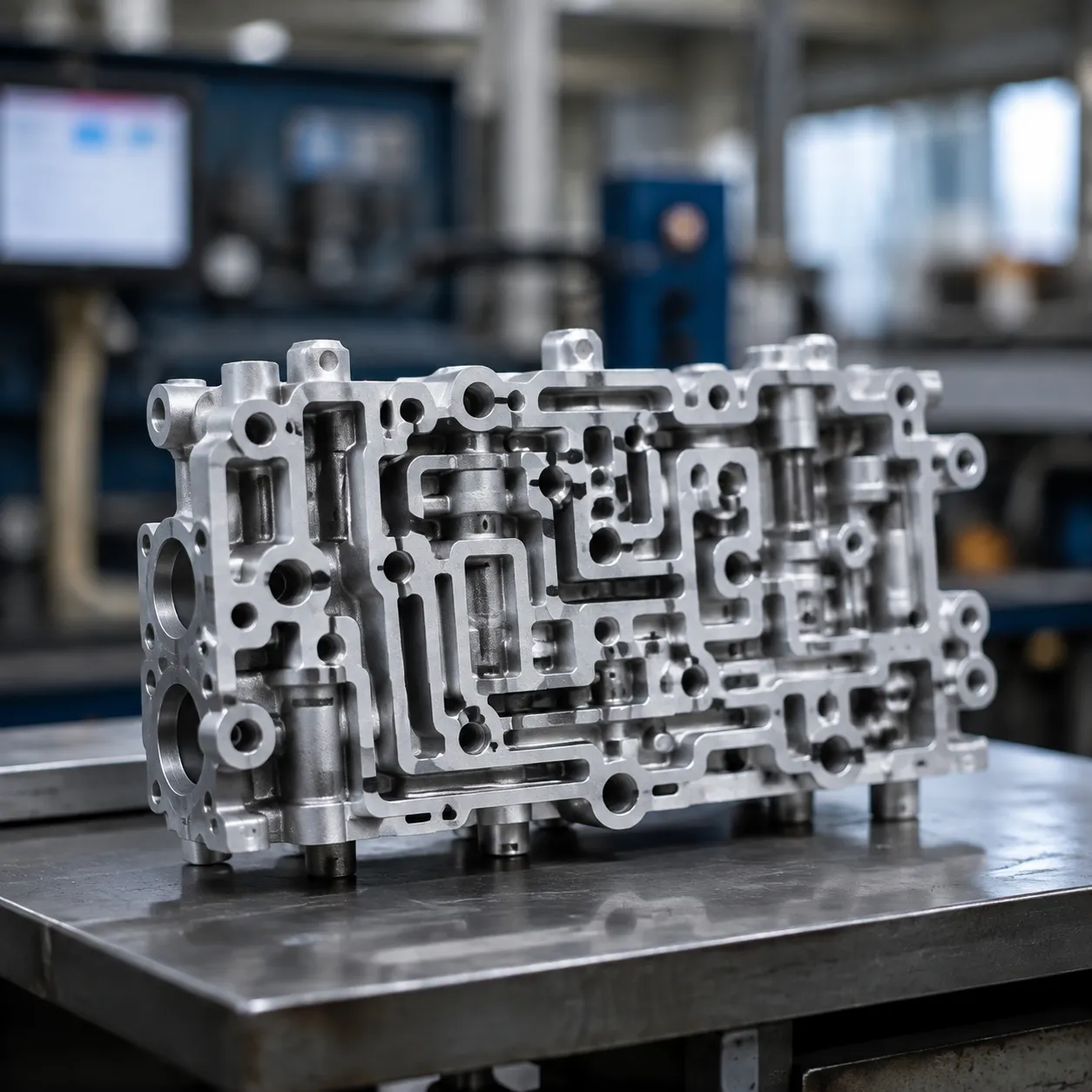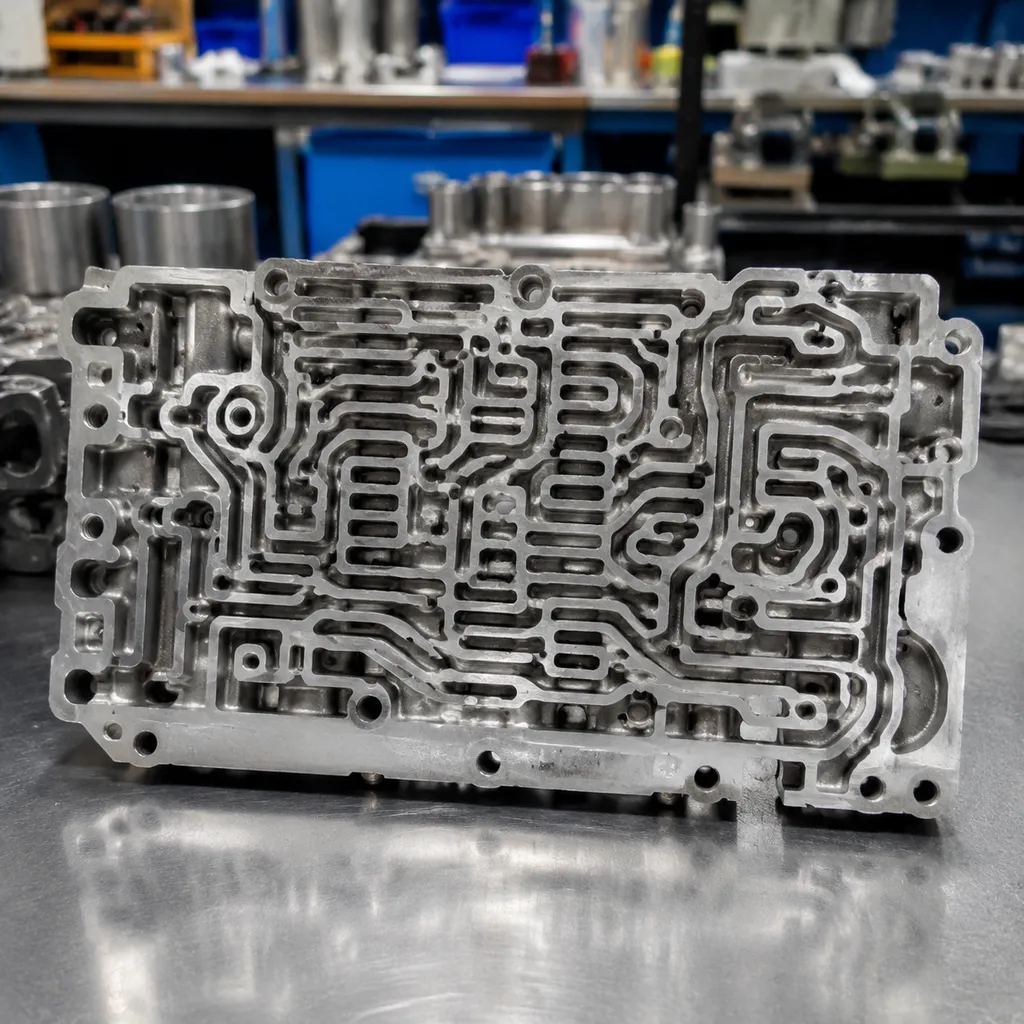
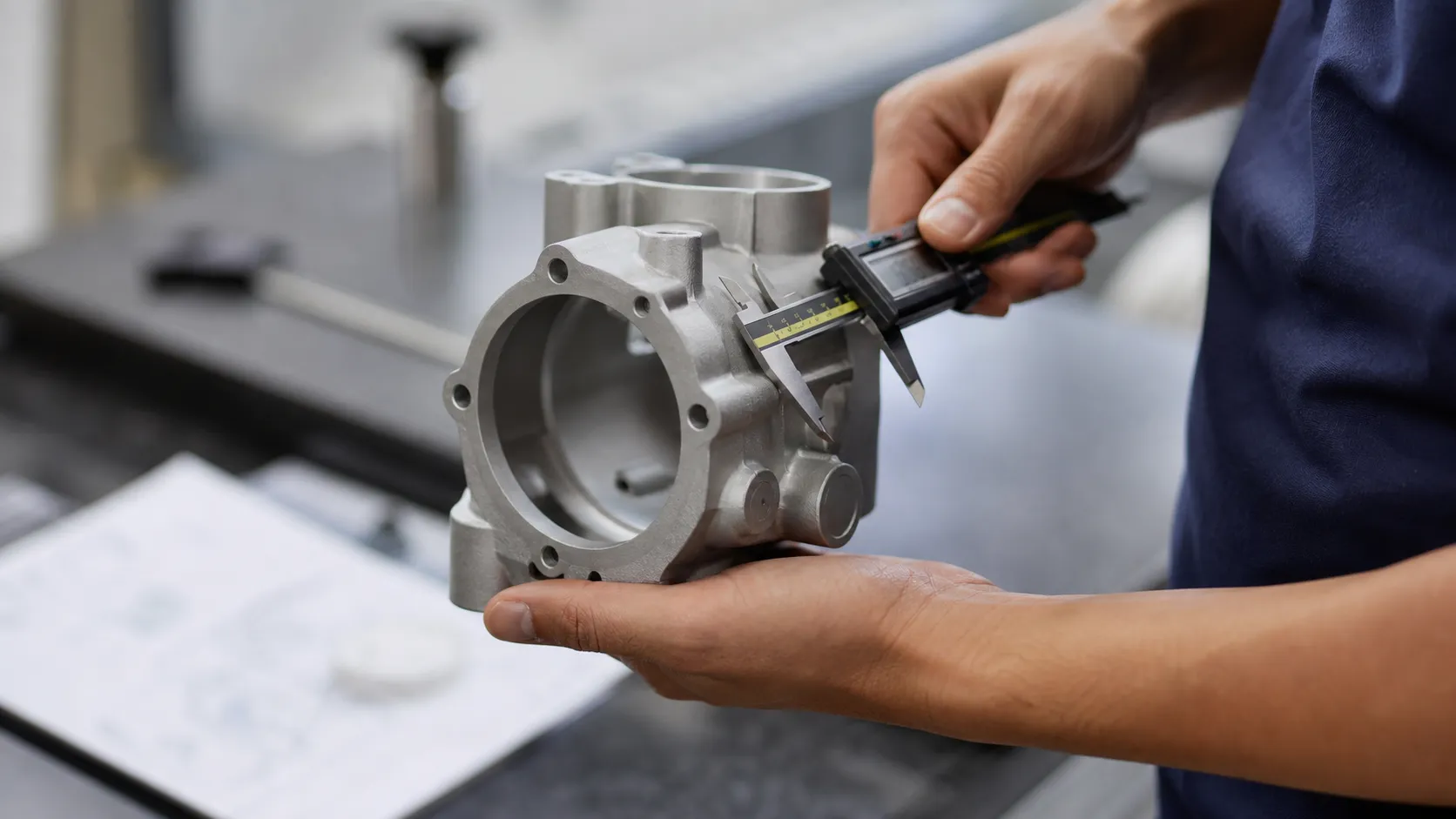
Investment casting minimum wall thickness is the thinnest cross-section you can fill reliably in a lost-wax ceramic shell without misruns, mis-fill, or warpage. Practical limits depend on alloy fluidity—aluminum casting, stainless steel, titanium, nickel superalloys, and copper- or cobalt-based grades each behave differently—plus part size, gating, and how evenly you keep cross-sections. This guide covers alloy thickness tables, design guidelines (ribs, bosses, fillet radii), thin wall precision castings trade-offs, geometric tolerances, common defects, applications, and how investment casting compares with sand casting for thin walls.
Understanding Minimum Wall Thickness in Investment Casting
What Is Minimum Wall Thickness in Casting?
Minimum wall thickness in investment casting refers to the slimmest cross-sectional dimension a component can achieve while guaranteeing complete metal fill during liquid pouring. In precision investment casting (also known as the lost-wax process), maintaining a continuous, defect-free structure depends on fluid metal flowing seamlessly into every section of the ceramic shell before solidification begins.[1]
Why Wall Thickness Is Critical for Investment Casting Design
- Defect Prevention: Walls that are too thin increase the risk of misruns, cold shuts, and structural voids caused by premature freezing of molten metal.
- Structural Integrity: Balanced wall sections eliminate localized stress concentrations, preventing warpage, cracking, and thermal distortion.
- Material Savings: Optimizing cross-sections minimizes excess material usage, reducing overall unit weight and expensive raw material waste.
- Dimensional Control: Consistent wall thickness ensures uniform cooling rates, maintaining strict geometric tolerances across complex geometries.[2]
Standard Minimum Wall Thickness Limits by Alloy
Different metals possess distinct fluidity, melting points, and solidification traits. Below is a standard reference guide for typical investment casting minimum wall thickness limits across key industrial alloys:
| Alloy Type | Minimum Wall Thickness (Small Sections) | Minimum Wall Thickness (Large Sections) | Key Characteristics |
|---|---|---|---|
| Aluminum Alloys | 0.040 in (1.0 mm) | 0.080 in (2.0 mm) | High fluidity; ideal for lightweight structural components. |
| Stainless Steel | 0.060 in (1.5 mm) | 0.100 in (2.5 mm) | Moderate fluidity; widely used for corrosion resistance. |
| Titanium Alloys | 0.080 in (2.0 mm) | 0.120 in (3.0 mm) | High reactivity; requires precise vacuum investment casting. |
| Nickel Superalloys | 0.050 in (1.25 mm) | 0.090 in (2.3 mm) | Excellent high-temperature performance and flow stability. |
| Cobalt-Based Alloys | 0.060 in (1.5 mm) | 0.100 in (2.5 mm) | Superior wear resistance; requires controlled pouring. |
| Copper-Based Alloys | 0.050 in (1.25 mm) | 0.080 in (2.0 mm) | Good fluidity with excellent thermal conductivity. |
Design Tip: While small, localized areas can achieve ultra-thin profiles, larger surface areas require thicker walls to prevent premature cooling during shell filling.
Key Factors for Investment Casting Minimum Wall Thickness
Material and Metal Fluidity Properties
Metal fluidity determines how far molten alloy flows into narrow mold cavities before solidifying. High fluidity materials like aluminum casting alloys fill thin cross-sections much easier than high-viscosity metals like titanium or nickel superalloys. Choosing the best metal for casting directly affects the minimum wall thickness in investment casting you can safely achieve without risking structural defects.
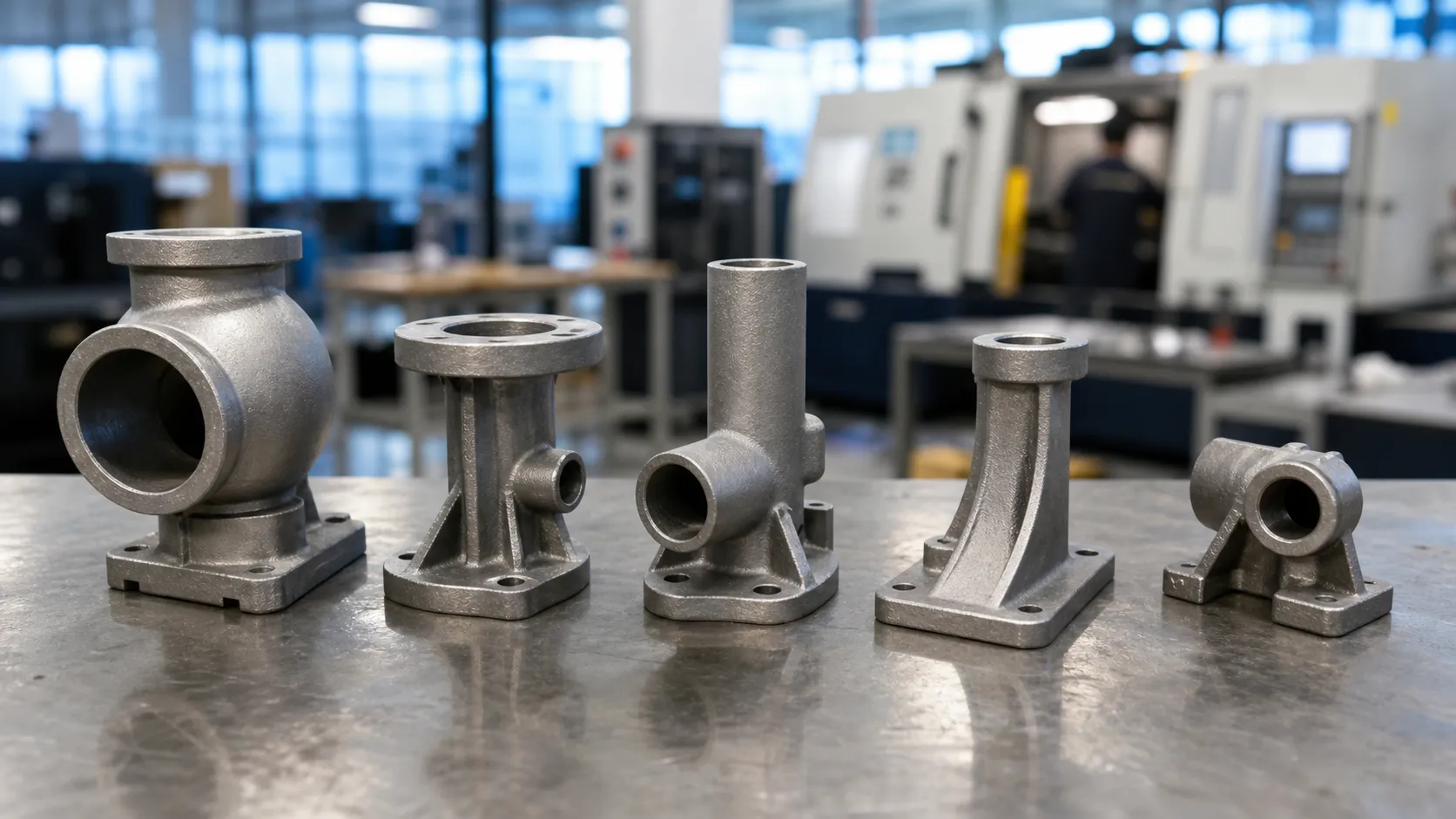
Part Size, Surface Area, and Section Length
Wall thickness limits do not exist in isolation—they scale with the total surface area and section length of the part.
- Short section lengths: Molten metal travels a short distance, allowing thinner walls down to 0.030 in (0.75 mm).
- Long section lengths: Rapid cooling over a large area increases flow resistance, requiring thicker cross-sections to avoid early freezing.
- Large surface areas: Heat dissipates quickly into the ceramic shell, so large flat features need added wall thickness to prevent mis-fill issues.
Gating, Venting, and Shell Mold Design
The ceramic shell mold design and gating system dictate metal flow rates and pressure. Well-placed gates deliver hot metal directly into thin sections, while proper venting lets trapped air escape freely. Preheating the ceramic shell to higher temperatures keeps the metal molten longer, allowing thinner walls to fill completely across intricate geometries.
Benefits of Optimized Investment Casting Minimum Wall Thickness
Achieving an optimized investment casting minimum wall thickness is not just about testing the limits of precision engineering—it delivers massive real-world advantages for high-performance components. As professional precision casting service providers, we engineer thin wall precision castings to maximize efficiency without compromising structural integrity.
Weight Reduction and Material Savings
Every millimeter of unnecessary wall thickness adds dead weight and drives up production costs. By optimizing cross-sections and pushing the boundaries of minimum wall thickness for investment casting, we slash raw material consumption. This is especially vital when casting expensive alloys like titanium, nickel superalloys, or specialized stainless investment casting grades. Lightweight components directly translate to lower fuel consumption in mobile applications and reduced shipping costs globally.
Material Efficiency & Weight Impact
| Target Material | Thickness Reduction | Weight Savings | Cost Impact |
|---|---|---|---|
| Stainless Steel | 30% | High | Lower material spend |
| Superalloys | 20% | Medium | Drastic cost reduction |
| Aluminum / Titanium | 40% | Maximum | Peak performance gains |
Enhanced Thermal and Fluid Dynamic Performance
Thin-wall designs dramatically improve heat transfer rates and fluid dynamics. In components like heat exchangers, cooling jackets, and manifold systems, thinner walls allow for faster thermal dissipation and minimized thermal gradients. This rapid heat transfer prevents localized hotspots, reduces thermal fatigue, and ensures the component operates reliably under extreme conditions.
Near-Net Shape Capability and Reduced Machining
Our advanced investment casting process yields parts that sit right at near-net shape. By casting walls directly to their final or near-final geometric tolerances, we eliminate the need for extensive, costly post-cast CNC machining.
- Minimized Waste: Fewer chips on the machine shop floor mean you pay only for the metal you actually use.
- Preserved Material Properties: Skipping heavy machining preserves the cast skin, which often holds superior wear resistance.
- Faster Turnaround: Reducing the machining cycles accelerates your overall time-to-market.
Investment Casting Design Guidelines (DFM) for Thin Walls
Designing thin-wall precision castings requires a proactive Design for Manufacturability (DFM) approach. As professional precision casting service providers, we help engineers optimize part geometries early to achieve the ideal investment casting minimum wall thickness without sacrificing structural integrity.
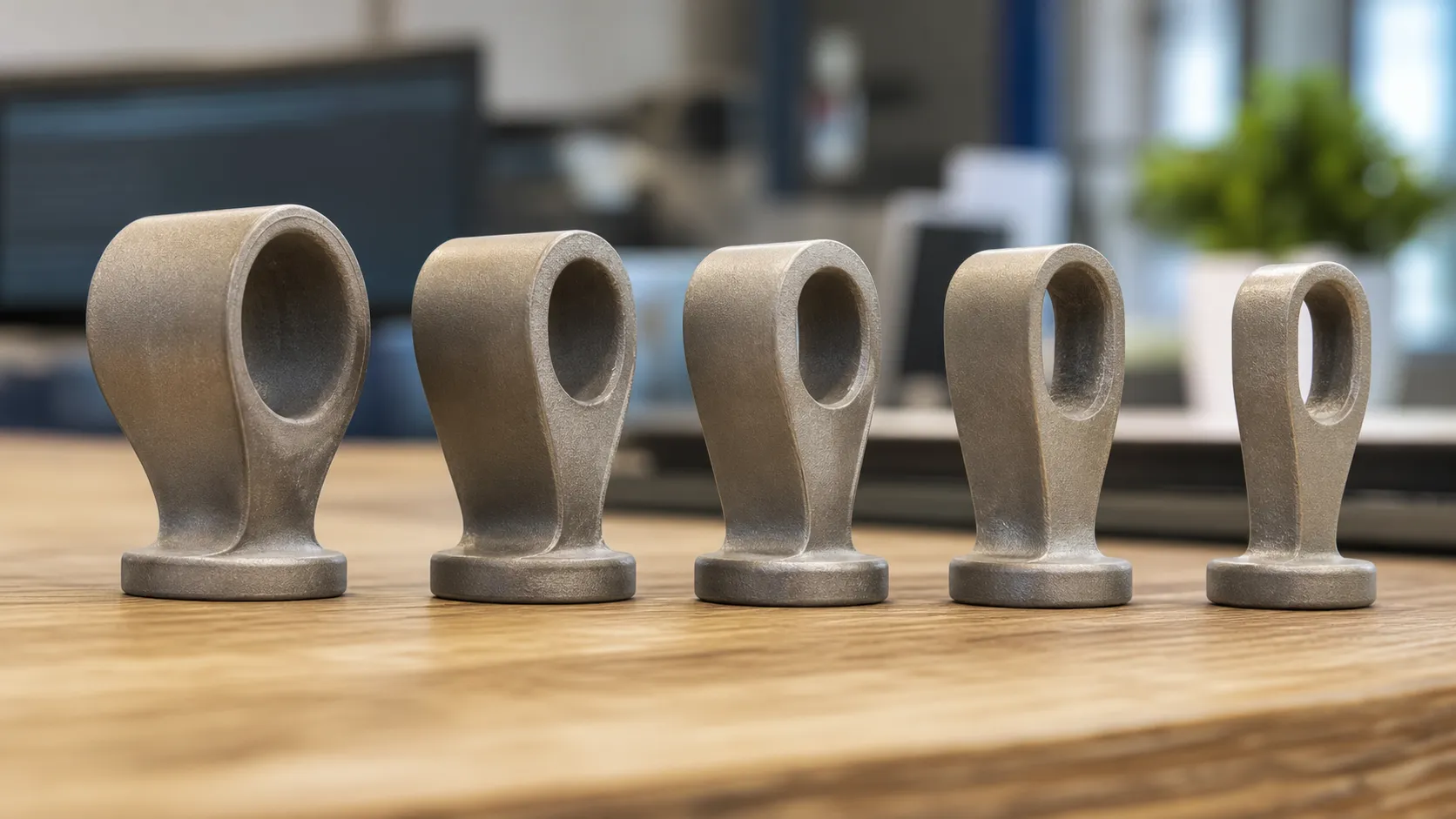
Proper Use of Ribs, Bosses, and Fillet Radii
When pushing the limits of thin walls, structural features must be designed carefully to avoid feeding issues and stress concentrations:
- Ribs: Adding ribs provides stiffness without increasing wall thickness. Keep rib thickness around 40% to 60% of the adjoining wall to prevent sink marks and shrink porosity.
- Bosses: Avoid heavy mass concentrations at boss locations. Hollow out thick bosses or support them with gussets so the molten metal flows evenly.
- Fillet Radii: Always replace sharp corners with generous fillet radii. Ample radii reduce stress risers, lower the risk of tearing, and promote smooth metal flow during pouring.
Managing Draft Angles and Parting Lines
While investment casting offers superior freedom compared to traditional molding, smart tool design makes production faster and more reliable:
- Draft Angles: Although ceramic shell molds allow for zero-draft walls in many areas, incorporating a 0.5° to 1° draft angle on long vertical sections makes wax pattern ejection much smoother and preserves delicate cross-sections.
- Parting Line Placement: Keep parting lines along non-critical surfaces. Clean parting lines ensure smooth shell building and minimize flash, protecting tight geometric tolerances during final finishing.
Maintaining Tolerances and Dimensional Accuracy
Thin-wall sections cool rapidly, which impacts how metal shrinks and sets. Maintaining linear dimensional accuracy requires exact control over wax expansion, ceramic shell strength, and cooling rates.
By applying strict DFM principles, we minimize post-cast warpage and keep tight tolerances across all cross-sections. For extreme environments demanding tight tolerances and heat resistance, combining smart design with advanced materials like our cobalt alloy casting solutions ensures high-performance parts every time.
Common Thin-Wall Casting Defects and How to Avoid Them
Pushing the limits of investment casting minimum wall thickness opens up great weight-saving opportunities, but thin cross-sections also raise the risk of specific manufacturing defects.
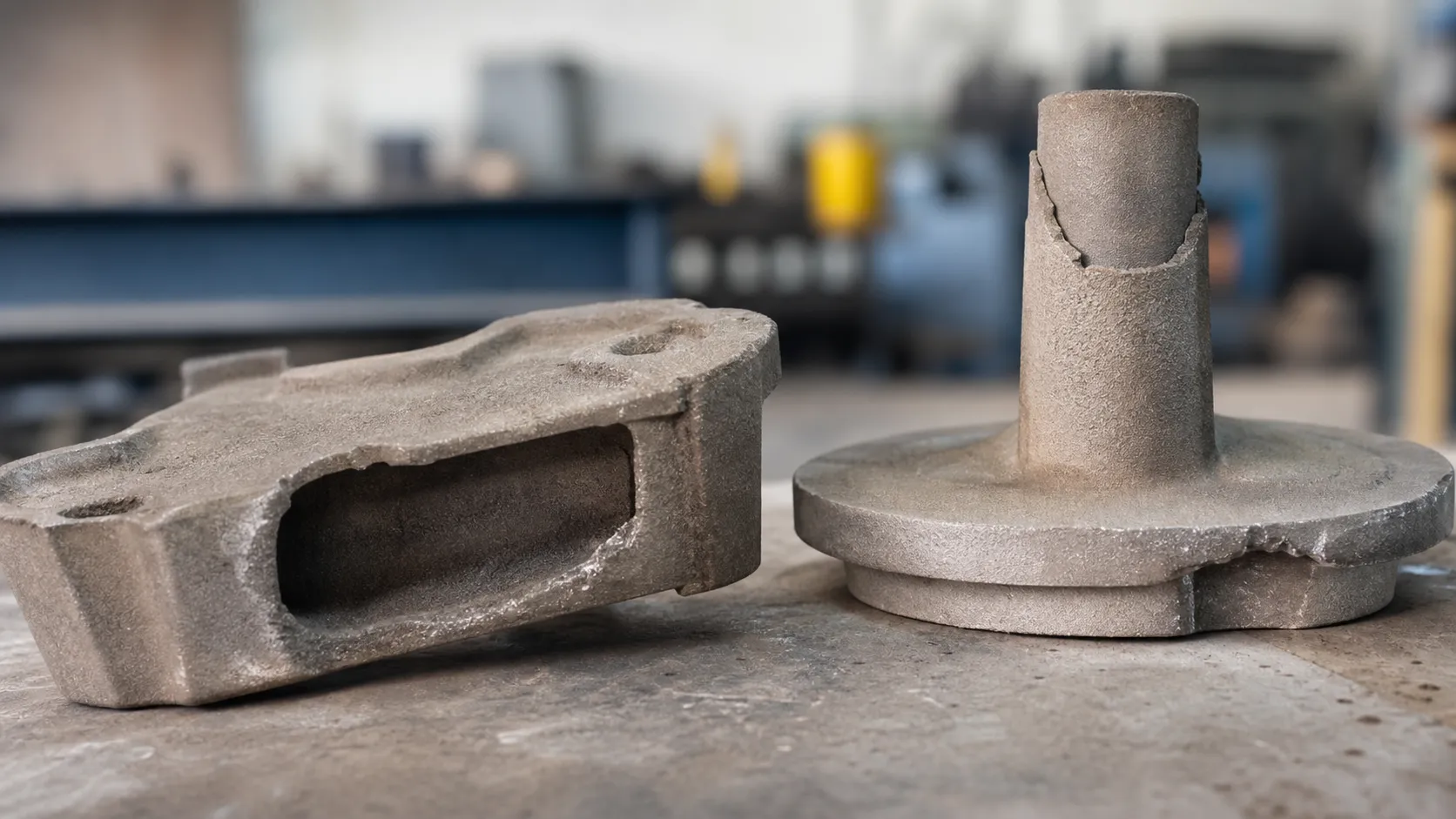
Misruns and Cold Shuts
A misrun happens when molten metal freezes before filling the entire mold cavity, while a cold shut occurs when two metal streams meet but fail to fuse together. Both issues usually stem from a wall that is too thin for the liquid metal to flow through smoothly.
- Pouring Temperature: We precisely boost pouring temperatures and preheat the ceramic shell to ensure the alloy flows into thin sections before cooling.
- Flow Rate Optimization: Designing proper gating channels maintains a steady, high-velocity fill that prevents early solidification.
Porosity and Shrinkage Defect Prevention
Thin sections cool much faster than neighboring thick sections, creating severe thermal gradients. As the metal contracts, volumetric shrinkage can leave tiny voids or porosity inside the part wall.
- Progressive Solidification: We place gates and risers strategically to supply liquid feed metal until the thinnest sections solidify completely.
- Uniform Cross-Sections: Applying gradual transitions between varying wall thicknesses prevents localized hot spots that trigger shrinkage pockets.
Distortion, Warpage, and Thermal Stress Control
Because thin-wall precision castings cool rapidly, non-uniform cooling generates internal thermal stresses. This often leads to part warpage or dimensional distortion once the component cools to room temperature.
| Defect Cause | Impact on Thin Walls | Prevention Strategy |
|---|---|---|
| Uneven Shell Cooling | Causes localized bending or twisting | Utilize controlled cooling environments and optimized shell molds |
| Sharp Wall Corners | Concentrates mechanical stress | Add generous fillet radii to distribute structural loads |
| Mold Resistance | Cracks fragile cross-sections during contraction | Tailor ceramic shell materials for proper collapsible behavior |
Carefully managing these factors allows us to deliver thin-wall investment castings that maintain exceptional structural integrity, tight geometric tolerances, and strict dimensional accuracy.[4]
Applications That Rely on Thin-Wall Investment Castings
Thin-wall precision castings are vital across industries where reducing weight while maintaining structural integrity is non-negotiable. Achieving an optimal investment casting minimum wall thickness allows for the production of highly complex, lightweight components that meet strict performance standards.
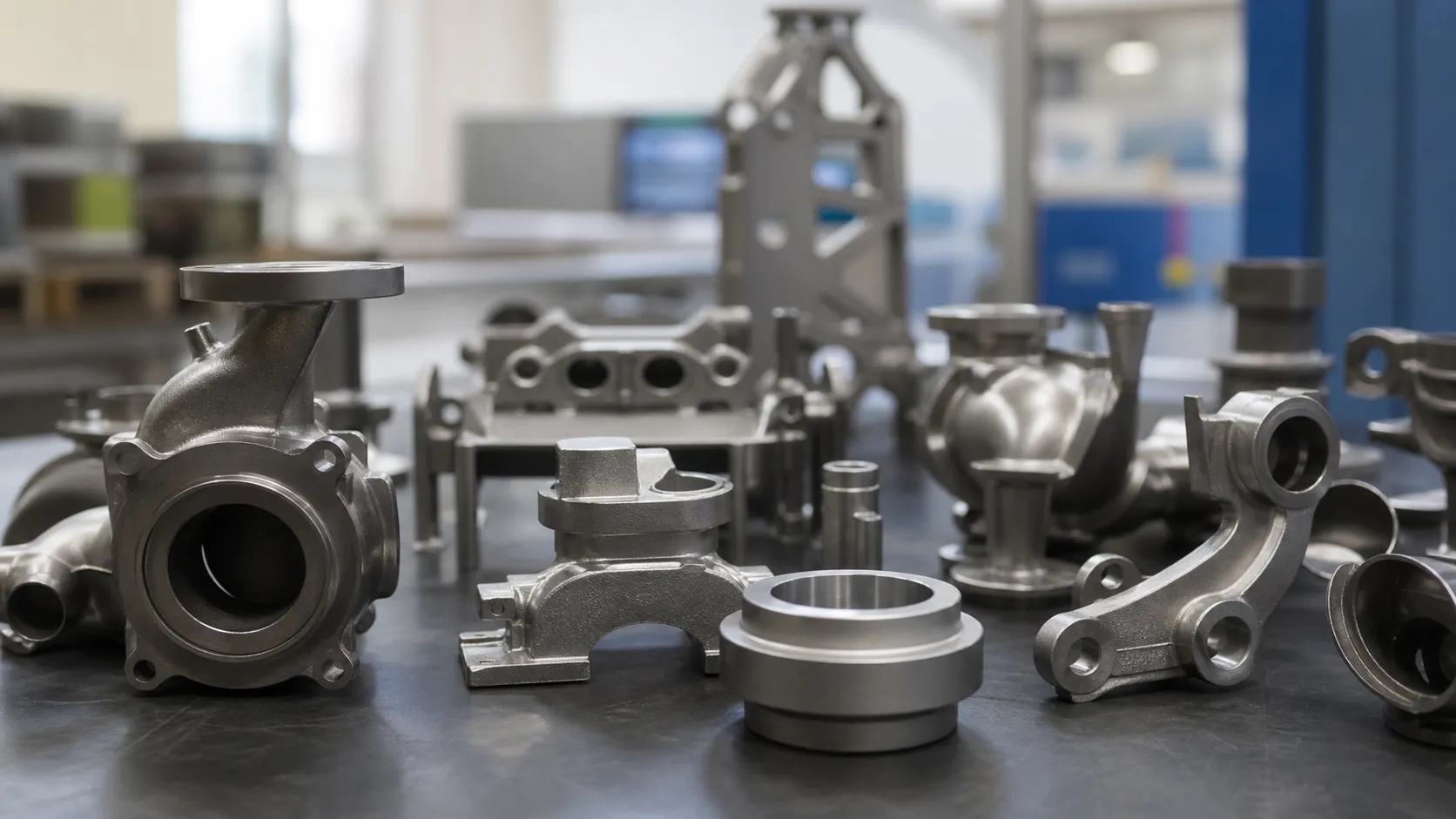
Aerospace and Defense Components
In aerospace and defense, every gram saved directly translates to better fuel efficiency and higher payload capacity. We utilize advanced casting techniques to deliver ultra-thin cross-sections without sacrificing mechanical strength.[3] Typical applications include:
- Turbine blades and vanes
- Electronic housings and enclosures
- Fuel system components
- Structural brackets and chassis parts
Engineers frequently push the limits of thin-wall designs using specialized materials. For instance, our high-performance alloy guide outlines how materials like titanium and nickel superalloys maintain exceptional strength-to-weight ratios even at minimal thicknesses.
Automotive and High-Performance Engineering
The automotive sector relies heavily on thin-wall precision castings to meet strict emissions regulations and improve vehicle dynamics. By integrating thin walls into critical powertrain and structural components, manufacturers achieve significant weight reduction without risking component failure. Key components include:
- Turbocharger impellers and housings
- Exhaust manifolds
- Suspension brackets
- High-end racing and motorsport components
Medical Devices and Precision Instrumentation
Medical and precision instrument applications demand extreme geometric tolerances and flawless surface finishes. Thin-wall investment casting provides the near-net-shape capability required for intricate medical hardware. We regularly cast thin-walled components for:
- Surgical tools and implantable devices
- Implant positioning guides
- Optical equipment housings
- Laboratory instrumentation frames
Process Comparison: Investment Casting vs. Other Methods for Thin Walls
While multiple foundry processes can shape metal, they are not created equal when managing thin cross-sections.
Investment Casting vs. Sand Casting
Sand casting uses packed sand molds, which inherently struggle with fine details and thin sections due to rapid heat loss and mold surface roughness. In contrast, the investment moulding process for high precision metal casting utilizes pre-heated ceramic shells. This allows molten metal to flow smoothly into incredibly tight spaces before solidifying, preventing the mis-fills common in sand molds.
Investment Casting vs. Die Casting
Die casting forces molten metal under high pressure into steel dies, making it excellent for high-volume, thin-walled non-ferrous parts. However, it is generally limited to low-melting-point alloys like aluminum and zinc. Investment casting offers a much broader material choice—including stainless steel, titanium, and nickel superalloys—while achieving exceptional wall thinness without the high tooling costs or geometric limitations of die casting.
| Feature / Capability | Investment Casting | Sand Casting | Die Casting |
|---|---|---|---|
| Investment Casting Minimum Wall Thickness | 1.0 mm – 1.5 mm (Alloys dependent) | 3.0 mm – 5.0 mm | 0.8 mm – 1.5 mm |
| Material Versatility | High (Steel, Aluminum, Superalloys) | High (All ferrous & non-ferrous) | Low (Mainly Al, Zn, Mg) |
| Surface Finish Quality | Excellent (Smooth ceramic finish) | Rough (Sand texture) | Excellent (Die finish) |
| Tooling Cost Flexibility | Moderate (Ideal for low-to-high volumes) | Low (Best for low volume/large parts) | Very High (Requires massive volume) |
Ready to validate wall sections on a live drawing? Request a quote with alloy, critical wall callouts, and tolerance targets.
Frequently Asked Questions (FAQ)
How Thin Can a Wall Be in Investment Casting?
Under optimal conditions, the investment casting minimum wall thickness can go as low as 0.030 inches (0.75 mm) for small, localized areas using high-fluidity alloys. For larger cross-sections, standard wall limits usually range between 0.060 inches (1.5 mm) and 0.090 inches (2.3 mm) to prevent incomplete mold filling.[5]
How Does Material Selection Affect Minimum Wall Thickness?
Material fluidity directly determines how thin a cast section can be. Alloys like stainless steel and aluminum casting flow relatively well, enabling thinner features, whereas refractory metals or high-viscosity alloys require thicker walls to avoid misruns. If you want to dive deeper into working with lightweight metals, check out our step-by-step guide on casting aluminum.
| Alloy Group | Typ. Min Wall Thickness | Fluidity Level |
|---|---|---|
| Aluminum Alloys | 0.040 in (1.0 mm) | High |
| Stainless Steel | 0.060 in (1.5 mm) | Medium-High |
| Cobalt / Nickel Superalloys | 0.070 in (1.8 mm) | Medium |
| Titanium | 0.080 in (2.0 mm) | Low-Medium |
When Should You Request a DFM Review for Cast Components?
You should request a Design for Manufacturability (DFM) review during the early concept stage before final tool design. Partnering early with a dedicated metal casting factory for precision components ensures your part geometry, fillet radii, and wall transitions are fully optimized to eliminate defects like warpage and mis-fills before production begins.