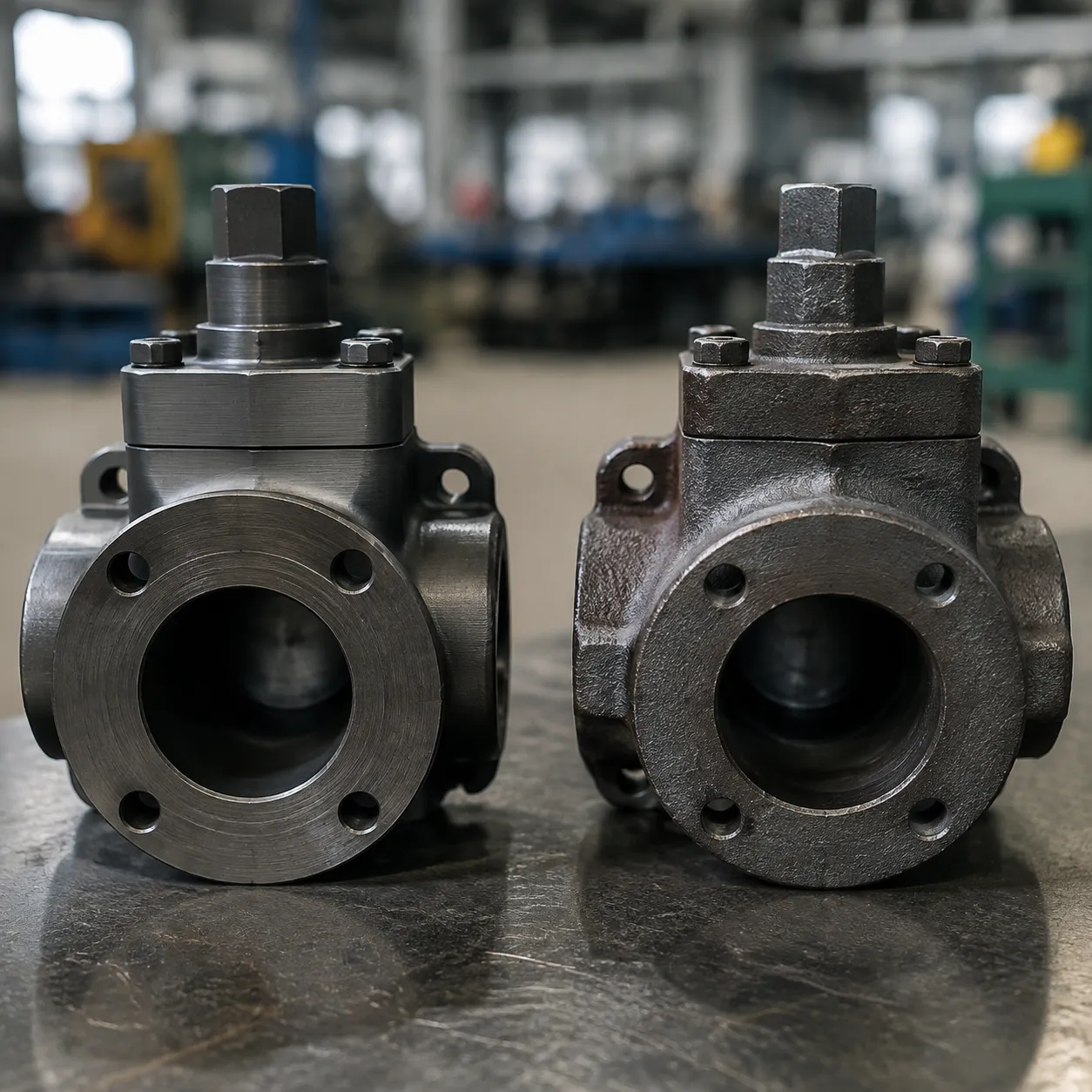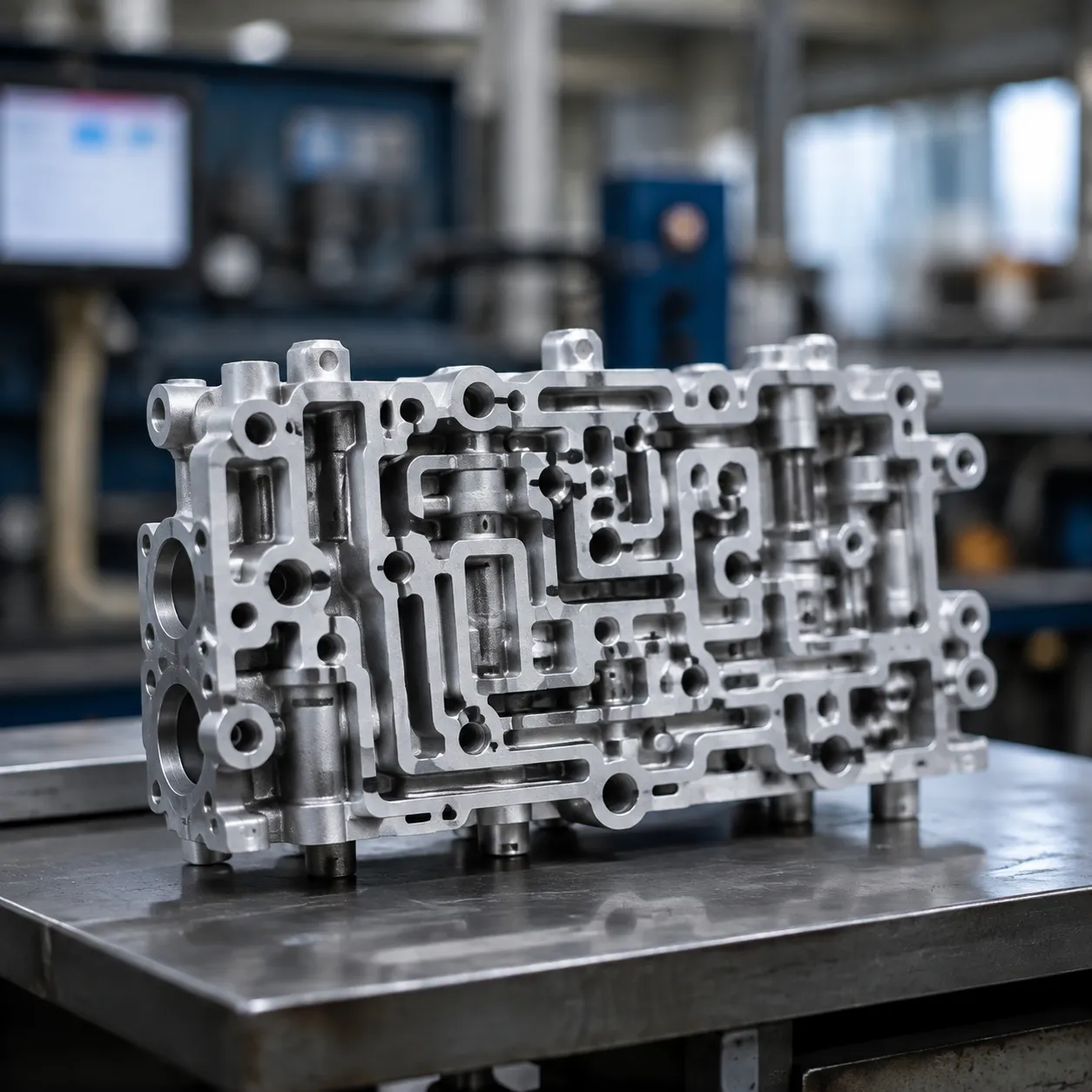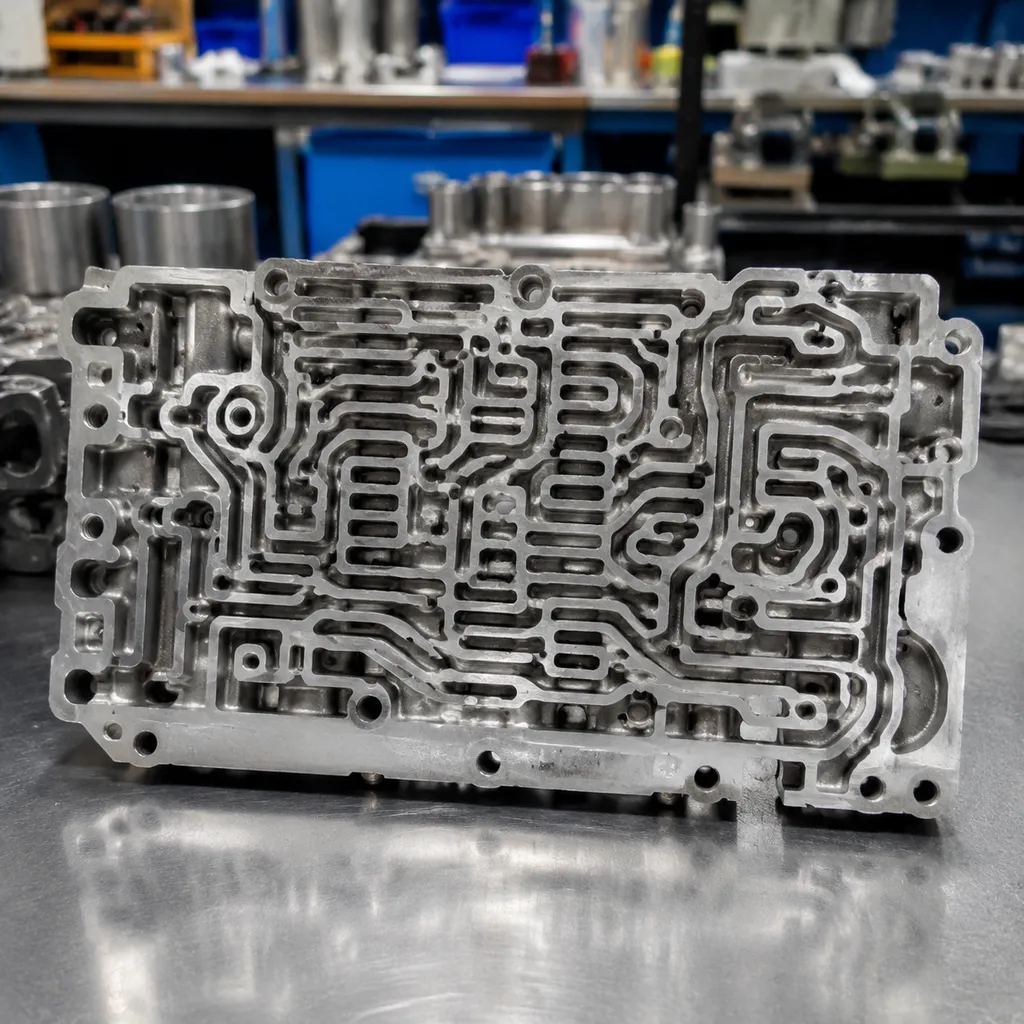
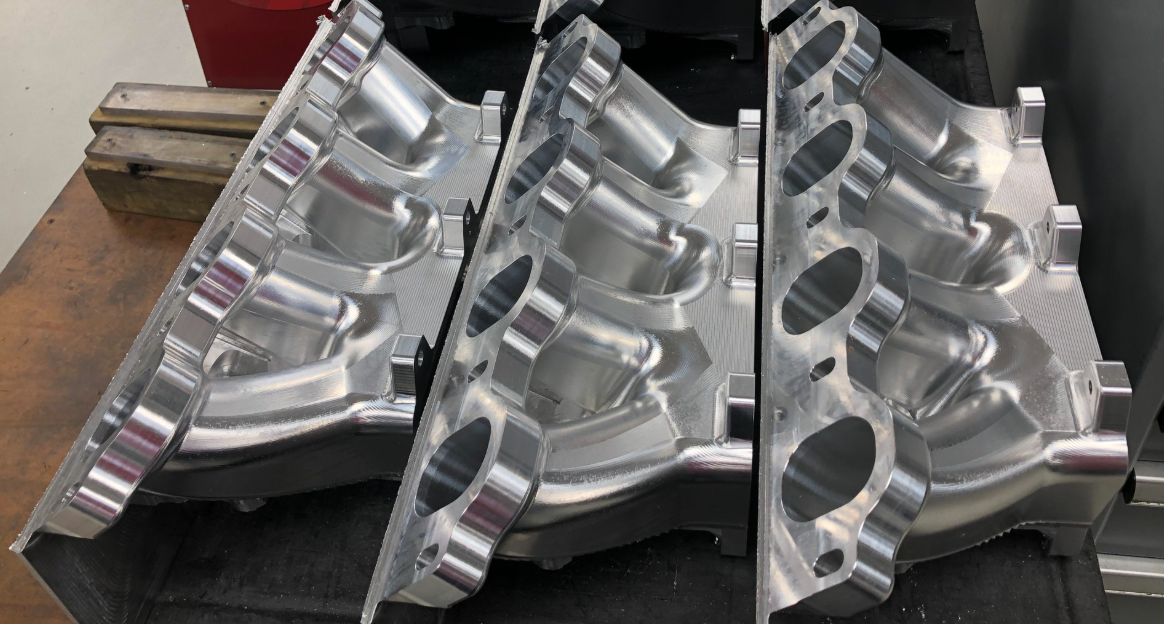
Discover alloy casting co inc services processes alloys and tips to choose the best alloy casting company for durable industrial components.
What Is Alloy Casting?
If you buy or specify metal parts, you’ve probably asked yourself:
How do I get a casting that actually lasts in my real operating conditions?
That’s where a professional alloy casting company like Alloy Casting Co Inc comes in.
At its core, alloy casting is the process of melting a controlled mix of metals, pouring it into a mold, and solidifying it into a near-net-shape part with the strength, wear, and corrosion resistance your application needs.
Core Alloy Casting Steps: From Melting to Finishing
In our industrial alloy foundry, the process is tightly controlled from start to finish:
- Alloy Design & Charge Prep
- Select base metals and alloying elements (iron, nickel, chromium, molybdenum, etc.).
- Use certified scrap and virgin metal for consistent chemistry.
- Melting & Refining
- Melt in coreless or channel induction furnaces.
- Adjust chemistry, remove impurities, and control temperature.
- Molding & Core Making
- Build sand molds or investment molds around custom patterns and tooling.
- Add sand cores for internal passages or complex shapes.
- Pouring & Solidification
- Pour molten metal under controlled temperature and rate.
- For high-spec parts, use vacuum-assisted or controlled atmosphere pouring.
- Shakeout, Cleaning & Heat Treatment
- Break the mold, remove sand and gates.
- Heat treat for hardness, toughness, or stress relief.
- Machining & Finishing
- Use in-house machining for tight tolerances.
- Final inspection, NDT, and dimensional checks before shipment.
From Early Abrasion-Resistant Alloys to Vacuum-Assisted Casting
The evolution of alloy casting has been driven by tougher operating environments and higher performance demands:
- Early days:
- Basic gray iron for general machinery.
- Introduction of Ni-Hard and high-chrome iron for mining and cement wear parts.
- Modern era:
- Engineered ductile iron, stainless, and duplex stainless for strength and corrosion resistance.
- Vacuum-assisted casting, better deoxidation, and computer-controlled melt chemistry for critical oil & gas, power generation, and aerospace components.
Today, a serious precision metal casting supplier uses modeling, process control, and advanced alloys to deliver predictable performance, not guesswork.
Key Factors That Drive Casting Quality and Performance
If you’re comparing an ISO-certified alloy foundry with a low-cost shop, these are the non-negotiables:
- Alloy chemistry accuracy – Tight control equals predictable wear life and mechanical properties.
- Melt cleanliness – Inclusion control and degassing directly impact fatigue life and reliability.
- Molding quality – Proper gating, risering, and sand control reduce porosity, shrink, and misruns.
- Heat treatment control – Incorrect cycles can ruin even the best alloy design.
- Inspection & testing – Dimensional checks, hardness, chemistry, and NDT keep defects from reaching your line.
Cut corners here, and you pay later in downtime, failures, and unplanned maintenance.
How Regional Needs Shape Alloy Casting Processes
Real-world conditions are not the same in every region or industry, so alloy casting processes are adapted to local needs:
- Mining and aggregates
- Focus on abrasion-resistant cast parts (Ni-Hard, high-chrome iron).
- Heavy-section castings, impact resistance, and fast turnaround for breakdowns.
- Construction and asphalt
- Robust ductile iron casting services for hoppers, mixer parts, and wear components.
- Emphasis on durability and ease of replacement.
- Oil and gas, petrochemical
- Corrosion-resistant alloy castings in stainless and duplex.
- Stringent NDT, documentation, and compliance with international standards.
- Automotive, EV, and aerospace
- Aluminum and lightweight alloys, thin-wall castings, tight tolerances.
- Often use sand and investment casting with advanced simulation.
When you work with a US alloy casting co that understands these regional and industry-specific demands, you get castings that match your environment, not just the print.
Types of Alloys Used by Alloy Casting Co Inc
At Alloy Casting Co Inc, we focus on alloys that solve real-world problems: wear, heat, and corrosion. Here’s how we usually match materials to your application.
Gray and Ductile Iron Alloys
For heavy-duty industrial parts where strength and cost both matter, gray and ductile iron are our go-to choices:
- Gray iron – great damping, machinable, ideal for bases, housings, and general machine components.
- Ductile iron – higher strength and toughness, perfect for parts that see impact, pressure, or fatigue (gears, hubs, brackets, pump bodies).
If you want a cost-effective casting that still holds up in tough service, we’ll usually start by looking at ductile or gray iron casting options.
Ni-Hard and High-Chrome White Iron
For extreme abrasion, we move to Ni-Hard and high-chrome white iron:
- Used in mining wear parts, aggregate equipment liners, crusher parts, and slurry components.
- High hardness and wear resistance deliver longer service life and fewer shutdowns.
Our team tunes the chemistry and hardness range based on your material handled and operating temperature.
Stainless and Duplex Stainless Steel
When corrosion is the main risk, we recommend stainless and duplex stainless steel:
- Ideal for oil and gas, petrochemical, food processing, and aggressive chemical environments.
- Duplex grades add higher strength plus better stress corrosion cracking resistance
Industry Applications of Alloy Casting Co Inc

Mining and Aggregate Wear Parts Casting
At Alloy Casting Co Inc, mining and aggregate is one of our core focus areas. We pour abrasion-resistant Ni-Hard, high chrome white iron, and tough ductile iron into:
- Crusher wear parts and hammers
- Chutes, feeders, and transfer points
- Mill liners, pump casings, and impellers
The goal is simple: longer wear life, fewer shutdowns, and stable performance in harsh, high-impact environments.
Construction and Asphalt Equipment Castings
For construction and road-building customers, we supply rugged castings that stand up to constant impact, vibration, and heat:
- Asphalt plant components, mixer blades, and liners
- Concrete and shotcrete equipment cast parts
- Undercarriage and structural castings for heavy equipment
We match the alloy—gray iron, ductile iron, or high-chrome iron—to how your machines actually work on the job site.
Automotive and Power Generation Cast Components
We support global OEMs and tier suppliers with repeatable, precision cast parts:
- Housings, brackets, and structural components
- High-temperature exhaust and turbo housings
- Power generation parts like turbine housings and gearbox components
Where weight matters, we also work with partners using precision aluminum investment castings and high-precision aluminum die casting services to hit tight tolerances and reduce machining.
Oil, Gas, and Petrochemical Alloy Castings
For oil and gas and petrochemical plants, reliability isn’t optional. We cast stainless steel, duplex stainless, and high-alloy steels for:
- Valves, pumps, and flow control components
- High-pressure, sour-service, and corrosive environments
- Flanges, manifolds, and specialty fittings
Corrosion-resistant alloy castings cut unplanned downtime and maintenance costs across upstream, midstream, and downstream operations.
EVs and High-Performance Machinery
EVs and next-gen machinery need lighter, stronger, smarter parts. We support this shift with:
- Lightweight aluminum and high-strength steel castings for EV frames, brackets, and housings
- Heat-resistant and corrosion-resistant alloys for inverters, cooling systems, and e-drive components
- Precision cast parts for robotics, compressors, and high-speed rotating equipment
We focus on custom alloy castings and fast prototyping, so you can move from design to real-world testing without losing time to complex tooling or slow foundries.
How Alloy Casting Co Inc Works with You

From RFQ to Final Delivery
When you send an RFQ to Alloy Casting Co Inc, the workflow is clear and predictable:
- RFQ & requirements check – You share drawings, 3D models, or worn samples plus target volumes and deadlines.
- Quick DFM feedback – They flag risk areas, cost drivers, and suggest smarter casting options.
- Quote & timeline – You get a detailed proposal with alloy type, process, price, and realistic lead time.
- Order & project kickoff – Once approved, they lock in tooling, production slots, and key milestones.
- Production & delivery – Cast, machined, inspected, packed, and shipped to your site or your subcontractor.
Design Review and Alloy Selection Support
A good alloy casting company doesn’t just “pour metal”; they help you choose the right solution:
- Design review – They check wall thickness, draft, radii, and gating/risers to avoid defects.
- Alloy selection – They compare Ni-Hard, high-chrome white iron, ductile iron, stainless, and other grades based on your wear, corrosion, and temperature limits.
- Cost vs life analysis – You see the trade-off between cheaper alloys and longer service life, especially for mining wear parts and oil and gas components.
Pattern Making, Molding, and Pouring
Alloy Casting Co Inc typically combines in-house pattern and tooling with flexible molding:
- Custom pattern and tooling – Wood, plastic, or metal patterns tailored for prototype and high-volume production castings.
- Sand casting expertise – Green sand and no-bake molding for medium to large industrial parts.
- Controlled melting and pouring – Tight control of temperature, chemistry, and pouring speed for reliable, repeatable castings.
For parts that later need close-tolerance machining (like custom alloy steel flanges), this upfront precision makes a big difference in cost and accuracy.
In‑House Machining and Heat Treatment
To save you time and extra logistics, Alloy Casting Co Inc usually offers:
- CNC machining – Turning, milling, drilling, and boring to deliver castings that are ready to assemble.
- Heat treatment – Normalizing, quenching and tempering, and stress relieving to hit your strength, hardness, and toughness targets.
- Finish options – Basic blasting up to tighter finishes depending on your application (for example, high-performance parts similar to high-temperature nickel alloy components).
Quality Control, Inspection, and Testing
Quality is where a serious industrial alloy foundry stands out:
- Incoming material checks – Certified raw materials and spectrographic analysis of melt chemistry.
- Dimensional inspection – CMM or gauges against your drawings and critical tolerances.
- Non-destructive testing – Magnetic particle, ultrasonic, or dye penetrant where needed.
- Mechanical and hardness tests – Yield strength, tensile, impact, and hardness to certify each heat or batch.
You end up with traceable, documented alloy castings that meet ISO-level expectations and hold up in real-world mining, construction, and energy environments.
How to Choose the Right Alloy Casting Company
When I pick an alloy casting company, I look at five things: quality, capability, delivery, cost over time, and transparency. Here’s how to break it down fast.
1. Certifications & Quality Standards
Only work with an alloy casting company that can prove its quality, not just promise it.
Key certifications to look for:
| Area | What to Check | Why It Matters |
|---|---|---|
| Quality system | ISO 9001 (or equivalent) | Stable processes, traceable control |
| Industry-specific | IATF, API, PED, ASME (if relevant) | Needed for auto, oil & gas, pressure |
| Materials | Mill certs, heat traceability | You know exactly what alloy you got |
| Testing | In-house NDT, hardness, chemistry lab | Faster validation, fewer surprises |
If they can’t send a sample cert or procedure on request, I move on.
2. Capacity, Equipment & Alloy Range
Your parts must match the foundry’s sweet spot.
Evaluate:
- Casting methods: sand casting, investment casting, permanent mold, etc.
- Size & weight range: max pour weight, max dimensions.
- Alloy range: gray iron, ductile iron, Ni-Hard, high chrome iron, stainless, duplex, aluminum, and other specialty alloys like high-temperature alloys.
- Value-add: in-house machining, heat treatment, pattern shop.
If you need both abrasion resistant cast parts and corrosion resistant alloy castings, pick a foundry that runs these alloys every week, not once a year.
3. On-Time Delivery, Lead Times & Logistics
A good alloy casting co doesn’t just pour metal; it protects your schedule.
Check:
- Standard lead times for:
- Prototypes
- Short runs
- Full production
- OTD (On-Time Delivery) rate: ask for data, not stories.
- Logistics:
- Export experience (INCOTERMS, packing standards)
- Ability to ship globally
- Support for emergency/expedite orders
For global buyers, I also confirm they can handle custom export packing, clear labeling, and stable carriers.
4. Cost vs. Lifetime Value (TCO)
Cheaper castings can be expensive if they fail early.
When I compare quotes, I look at total cost of ownership, not just part price:
| Factor | Low Price Foundry | High-Value Foundry |
|---|---|---|
| Part price | Lower | Higher |
| Wear life | Short, unpredictable | Longer, engineered |
| Downtime | More frequent stops | Fewer shutdowns |
| Maintenance costs | Higher | Lower |
| Overall yearly cost | Usually higher in the end | Often lower despite higher unit cost |
For mining wear parts casting, construction equipment castings, or oil and gas alloy castings, I always pay more for the right alloy and heat treatment if it cuts downtime.
5. Questions to Ask Before You Commit
Before I choose any alloy casting supplier, I ask direct questions:
- Technical
- What alloys do you pour regularly for my type of part?
- Can you recommend alloys to improve wear/corrosion life?
- How do you control and record chemistries and heat treatments?
- Process & quality
- What are your common casting defects and how do you prevent them?
- Can you share a sample inspection report and QA checklist?
- Do you offer prototype and short run castings before full scale?
- Operations
- What’s your typical lead time for my part size and quantity?
- How do you handle pattern ownership and tooling changes?
- What happens if you miss a delivery date or parts fail in service?
If a foundry answers these clearly, shows real data, and has a solid range from ductile iron casting services to stainless steel casting, that’s a partner I trust for long-term industrial alloy foundry work.
Comparing Alloy Casting Co Inc With Other Foundries

When you’re choosing an alloy casting company, the real question is simple: who will give you reliable castings, on time, at the total cost that actually makes sense over the life of the part? Here’s how Alloy Casting Co Inc typically stacks up.
Local vs Overseas Alloy Foundries
| Point | Local alloy casting co (like us) | Overseas foundry |
|---|---|---|
| Lead time | Faster, easier to rush/emergency orders | Longer, shipping delays and customs |
| Communication | Direct, same time zone, site visits | Time zone gaps, slower response |
| Quality control | Tighter control, easier audits and third‑party testing support | Harder to verify consistently |
| Total cost | Higher unit price, lower risk and rework | Lower unit price, higher risk and hidden cost |
| IP & pattern safety | Safer control of patterns and tooling | Higher risk of pattern duplication |
If uptime matters more than chasing the lowest quote, a US alloy casting co with real traceability and liability is usually the smarter call.
Specialization in Abrasion- and Heat-Resistant Alloys
Alloy Casting Co Inc isn’t a “cast anything” shop. We focus on:
- Ni-Hard alloy casting and high chrome iron for mining, aggregate, and cement wear parts
- Heat resistant alloy castings for power, incineration, and thermal processing
- Corrosion resistant stainless and duplex for chemical, oil and gas, and marine work
Most general foundries can pour gray iron. Far fewer can repeatedly hit the chemistry and microstructure needed for abrasion resistant cast parts and high-temperature service.
Prototype vs High-Volume Service Levels
| Service type | Alloy Casting Co Inc |
|---|---|
| Prototype and short runs | Fast-turn R&D support, design feedback, quick pattern options |
| High volume production castings | Stable processes, consistent heats, long-term tooling management |
| Engineering support | Direct access to foundry engineers, not just sales |
| Machining and finishing | Integrated foundry machining and surface treatment options via partners like professional finishing services |
We design our workflow to take you from prototype to production without switching suppliers halfway through.
Cost, Lead Time, and Reliability: Real-World Comparison
Typical trend we see when customers move to Alloy Casting Co Inc:
| Metric | Previous generic foundry | Alloy Casting Co Inc |
|---|---|---|
| Scrap / defect rate | 5–10%+ on complex wear parts | Often cut to 1–3% with tighter process control |
| Lead time consistency | Unpredictable, frequent slippage | Stable windows, realistic dates, fewer surprises |
| Unplanned downtime | Higher due to premature failures | Longer wear life, less emergency maintenance |
| Total cost of ownership | Looks cheaper on paper | Lower over 12–24 months due to fewer failures |
In short: you might pay a little more per casting, but you save on downtime, rework, freight, and stress. That’s why global mining, construction, and oil & gas customers stick with specialized industrial alloy foundries like ours instead of chasing the lowest initial quote.
Performance and Reliability of Alloy Castings
When you buy from an alloy casting company like Alloy Casting Co Inc, you’re really paying for predictable performance and reliable uptime, not just a piece of metal.
Common Casting Defects and How Good Foundries Prevent Them
The main defects that kill performance are:
- Porosity (internal bubbles) – weakens parts, causes leaks
- Prevented by proper gating and riser design, clean charge materials, and controlled degassing
- Cracks and hot tears – from bad cooling control or poor alloy choice
- Prevented by matching molding materials, controlled cooling rates, and solidification modeling
- Inclusions and sand defects – non-metallic trash or broken sand in the casting
- Prevented by clean melting practices, filtration, and good sand system control
- Misruns and cold shuts – metal not filling or fusing correctly
- Prevented by correct pouring temperature, flow design, and mold venting
A serious industrial alloy foundry uses simulation, process control, and tight inspection to catch these issues before parts ever reach you. For complex stainless or iron parts, I usually pair casting with precise finishing similar to what you see in high-end precision casting services to lock in consistency.
How Alloy Selection Affects Wear Life and Downtime
The alloy you choose directly sets your maintenance schedule:
- Ni-Hard and high chrome irons – best for heavy abrasion (mining, aggregate, cement). Long wear life, more brittle.
- Ductile iron – good balance of strength, toughness, and machinability. Ideal for construction and general industrial parts.
- Stainless and duplex stainless – for corrosion, high temp, and chemical exposure. Perfect for oil & gas, pumps, valves, marine.
- Heat-resistant alloys – for high-temperature service where standard irons or steels fail fast.
Match the alloy to the real failure mode (wear, corrosion, heat, impact). If 80% of your downtime is from abrasive wear, Ni-Hard or high chrome from a high chrome iron foundry is usually the fastest ROI. If it’s corrosion, a stainless steel casting company solution will win every time.
Realistic Service Life in Harsh Environments
There’s no one-size-fits-all, but here’s a realistic ballpark if the part and alloy are chosen well:
- Mining liners / wear parts (Ni-Hard / high chrome):
- 1.5–3x life vs standard steel or basic cast iron
- Construction wear parts (ductile / abrasion-resistant irons):
- 1.3–2x life with lower breakage risk
- Oil & gas / chemical stainless iron castings:
- Multi-year life if chemistry, temperature, and media are properly specified
A good alloy casting co should talk lifetime in hours, tons processed, or cycles, not vague “better wear.” When I quote, I always tie alloy choice back to expected uptime and replacement intervals.
Maintenance Tips to Get More Life From Your Cast Parts
You can easily stretch the life of good castings with simple habits:
- Monitor wear instead of running to failure
- Use wear gauges, measure thickness, and log replacements
- Follow proper installation torque and alignment
- Many “bad castings” are actually misaligned or over-tightened parts
- Keep mating surfaces clean and sealed
- Abrasive fines and corrosive fluids at joints accelerate failure
- Use the right lubricants and coolants
- Especially for high-strength steel castings and bearing areas
- Repair instead of replace when it makes sense
- Hardfacing, resurfacing, or sleeve inserts can extend life for big parts
If you’re not sure which alloy or maintenance approach fits your job, send drawings, 3D models, or even worn samples; that’s typically how we fine-tune custom alloy castings for global customers running in tough, real-world conditions.
Innovations in Alloy Casting Technology at Alloy Casting Co Inc
New Casting Methods: Ablation & Semi-Solid Casting
At Alloy Casting Co Inc, we’re not stuck in old-school foundry habits. We use newer methods like ablation casting and semi-solid casting to get cleaner surfaces, tighter tolerances, and less distortion on complex shapes.
- Ablation casting cools metal fast using controlled media, reducing porosity and improving mechanical properties.
- Semi-solid casting lets us pour a “slushy” alloy, cutting shrinkage and improving dimensional accuracy—ideal for high strength steel castings and lightweight components.
Modeling & Simulation in Modern Foundry Engineering
We rely heavily on 3D modeling and casting simulation to predict flow, solidification, and potential defects before we ever pour metal. This approach lines up with advanced manufacturing process engineering similar to what you see in high-end foundry process development and optimization.
- Fewer trial-and-error runs
- Shorter lead times for prototype and short run castings
- More stable quality for high volume production castings
Hybrid Additive + Casting Solutions
For complex geometries or rapid iterations, we combine additive manufacturing (3D printing) with traditional alloy casting:
- 3D-printed patterns and cores for intricate internal passages
- Faster design changes without full tooling rebuild
This hybrid model is a big win for custom alloy castings in EV, aerospace, and specialized industrial alloy foundry projects.
Sustainable & Recycled Metal Practices
We build sustainability into our process, not just our marketing. Alloy Casting Co Inc uses:
- High ratios of recycled metal without compromising performance
- Optimized melt practices to cut energy use
- Sand reclamation and tighter process control to reduce waste
For customers who care about ESG and long-term supply stability, our approach gives you abrasion resistant cast parts and corrosion resistant alloy castings with a lower environmental footprint—without giving up performance or delivery reliability.
Real-World Results with Alloy Casting Co Inc
Mining: Ni-Hard Liners That Cut Downtime
In mining and aggregates, uptime is everything. We’ve supplied Ni-Hard alloy casting liners for crushers and mill components that boosted wear life by over 30–40% compared to standard high-manganese solutions.
The result for one mining client:
- Fewer liner changeouts per year
- Lower maintenance labor and crane time
- Total cost per ton processed down despite a slightly higher part price
For extreme abrasion zones, we also use high-chrome white iron faces combined with ductile iron backs in bimetal designs to balance wear resistance and impact toughness.
Construction: Custom Ductile Iron Components
For construction and asphalt equipment OEMs, we deliver custom ductile iron casting services for housings, brackets, and wear parts that need strength plus flexibility.
In one case, we redesigned a welded steel assembly into a single ductile iron casting:
- Part count cut from 5 pieces to 1
- Lead time reduced by 25%
- Field failures dropped significantly due to fewer welds and stress points
The customer ended up with a stronger, more repeatable part at a lower lifetime cost.
Energy & Aerospace: High-Spec Stainless Castings
In energy and aerospace work, material integrity isn’t negotiable. We produce corrosion resistant alloy castings in stainless and duplex stainless for high-pressure, high-temperature environments. Similar to the demands placed on 2205 duplex stainless steel fasteners in critical bolted joints, our cast components are engineered for stable performance under load and aggressive media.
One energy project using high-spec stainless steel castings delivered:
- Zero leakage events in service
- Extended inspection intervals
- Faster installation due to better dimensional accuracy and machining consistency
Quantified Gains: Cost, Durability, Lead Time
Across mining, construction, and energy programs with Alloy Casting Co Inc, customers consistently see:
- 15–40% longer wear life on abrasion resistant cast parts
- 10–30% shorter lead times by optimizing patterns, alloys, and processes
- 10–25% lower total cost of ownership, once downtime, maintenance, and replacement cycles are factored in
This is where a focused industrial alloy foundry outperforms generic suppliers: not just lower piece price, but higher reliability and real savings over the life of the equipment.
FAQ About Alloy Casting Companies
Typical Lead Times
For most alloy casting companies, including Alloy Casting Co Inc, here’s what you can realistically expect:
- Prototypes / samples: usually 2–6 weeks, depending on tooling and alloy.
- Production runs: typically 4–12 weeks, driven by pattern readiness, alloy type, and heat treatment.
- Rush orders: sometimes possible, but expect a premium and limited alloy options.
If you’re on a tight schedule, tell your alloy casting company your must-hit date up front so they can plan melting, molding, and machining around it.
Minimum Order Quantities & Size Limits
Every industrial alloy foundry has its own limits, but the pattern is similar:
- MOQ (minimum order quantity):
- Some offer single-piece prototype and short-run castings.
- Others may set 5–20 pcs per order per part number for production.
- Size range:
- Small precision castings: a few hundred grams.
- Heavy industrial castings: up to hundreds of kilos or more, depending on crane and furnace capacity.
- Alloy-based limits: heavier high-chrome or Ni-Hard castings might have stricter size limits due to cooling and cracking risk.
When you ask for a quote, always include estimated annual usage and target piece weight so the foundry can confirm what’s realistic.
How to Send Drawings, Models, or Worn Samples
Good alloy casting companies make this simple:
- 2D drawings: Send PDF + native CAD (DWG/DXF) with clear tolerances, machining allowances, and critical surfaces.
- 3D models: STEP, IGES, or native CAD files work best for tooling, simulation, and machining. The same standards apply whether you’re casting a mining wear liner or a precision machined low-carbon steel bolt.
- Worn samples:
- Ship the actual part to the foundry.
- Include context: where it runs, how long it lasted, what failed first.
- Photos of the part in service help a lot.
Ask your supplier for a secure upload link or NDA if your design is sensitive.
Repair vs Replace Cast Components
Knowing when to repair or recast is critical for cost and uptime:
- Repair (weld, metal spray, or hardfacing) makes sense when:
- The part is high value and structurally sound.
- Wear is localized (e.g., only one surface or edge).
- Downtime for a new casting is longer than repair time.
- Replace with new alloy castings when:
- Cracks, distortion, or deformation are visible.
- The casting has reached end of life more than once in the same area.
- Repair cost + downtime is close to or higher than a new casting.
- You’re shifting to a better alloy (e.g., from basic white iron to Ni-Hard or high-chrome iron).
A solid alloy casting company will review your failed parts, suggest better alloys or redesigns, and help you calculate total cost of ownership, not just the price per piece.