
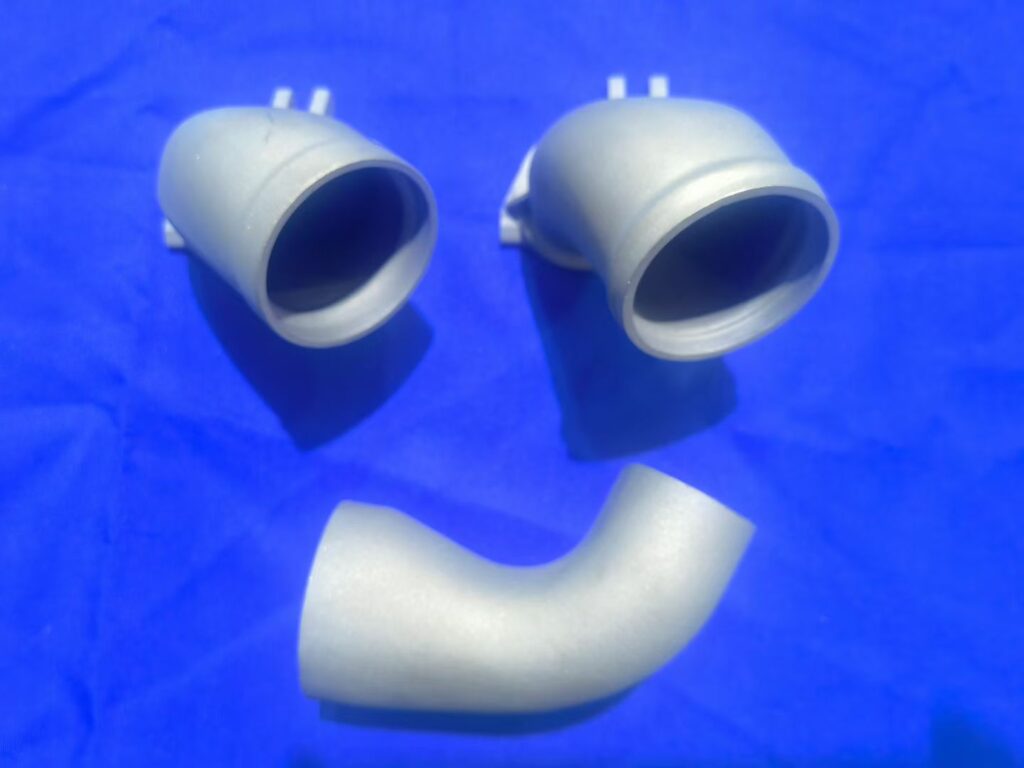
Learn how to cast aluminum with step by step methods equipment safety tips and defect prevention.
How Do You Cast Aluminum: Essential Equipment and Materials
Wondering what it actually takes to handle liquid metal safely? Before I even think about pouring, I make sure the entire setup is locked in. In any functional aluminum casting foundry, cutting corners on your gear is the fastest way to ruin a casting—or worse, get seriously hurt.
Here is the exact breakdown of the equipment and materials we use to get the job done right.
Aluminum Alloys for Casting
We don’t just throw random scrap into a fire. To get reliable, professional results, we start with the exact right base materials.
- Primary aluminum ingots: Clean, solid blocks of metal that serve as the pure baseline for high-quality parts.
- Secondary scrap: Recycled metal that keeps production costs down while remaining highly effective for standard pours.
- Common alloying elements: We typically rely on specific industrial grades like A356 and 319. These specific alloys flow incredibly well when melted and solidify into highly durable, structurally sound components.
Melting Equipment for Molten Aluminum
You need specialized, heavy-duty hardware to safely reach the melting point of aluminum and maintain that heat.
- Furnaces: Depending on the size of the run, we rely on reverberatory or induction furnaces to generate intense, consistent heat.
- Crucibles: These are the extreme-temperature, refractory-lined pots that sit inside the furnace and physically hold the metal as it transforms from solid to liquid.
Non-Negotiable Safety Gear
Handling molten aluminum requires absolute respect for the process. This is the mandatory protective loadout I require before anyone gets near a hot furnace:
- High-temperature foundry gloves: Thick, specialized barriers to protect your hands and forearms from intense radiant heat.
- Face shields: Heavy-duty, full-coverage visors to block unexpected pops, sparks, or splashes.
- Leather aprons: A tough, non-flammable outer layer to protect your core and clothing.
- Respirators: Absolutely essential for filtering out harmful fumes, off-gassing, and metallic dust during the melting and degassing phases.
Step-by-Step: The General Aluminum Casting Process
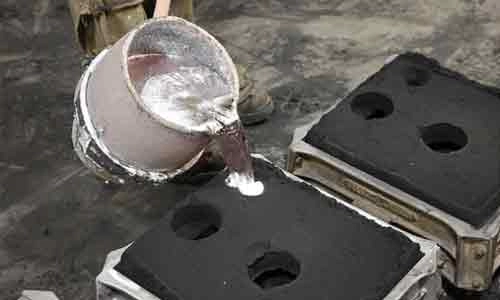
If you are wondering how do you cast aluminum for industrial or commercial applications, the workflow must be highly controlled. Here are the core aluminum casting process steps we follow on the foundry floor to ensure top-tier results.
- Step 1: Pattern and Mold Making: We start by creating a master pattern. This pattern forms the exact mold cavity needed for the part. Precision in casting mold making is critical because any flaw here transfers directly to the final product.
- Step 2: Preheating and Melting: We load the raw materials into the furnace and crank up the heat. Once we hit the melting point of aluminum (roughly 1,220°F), the solid metal breaks down into a ready-to-pour pool of molten aluminum.
- Step 3: Degassing and Dross Removal: Trapped gas causes weak, porous parts. We inject argon or nitrogen into the melt to pull out trapped hydrogen gases. After degassing, we perform careful dross removal, skimming the crusty oxide impurities off the top of the liquid pool.
- Step 4: Pouring the Molten Aluminum: We steadily transfer the clean liquid metal into the mold. Depending on the part’s specific design requirements, we either pour this using simple gravity or inject it using automated high-pressure machinery.
- Step 5: Cooling and Solidification: The metal must cool at a strictly controlled rate. Proper cooling ensures the aluminum solidifies evenly throughout the mold, keeping the structural integrity intact and preventing internal shrinkage.
- Step 6: Demolding and Post-Processing: Once fully solid and cool, we break the mold away from the part. We trim off the leftover gates and risers, grind down rough edges, and apply the required surface finishes. While handling methods can shift depending on the metal—similar to the specialized setups required for investment casting steel alloy components—these fundamental steps ensure a reliable, high-quality final part.
5 Primary Aluminum Casting Methods Explained
When figuring out exactly how do you cast aluminum for your specific project, these five methods cover almost every industrial need.
1. Sand Casting
This is our go-to method for large parts, complex geometries, and low-volume production runs. We use a green sand mold or resin sand to pack tightly around a physical pattern. Once we remove the pattern, we pour the molten metal directly into the cavity. It’s a highly cost-effective approach for sand casting aluminum.
[Image of sand casting process diagram]
2. Die Casting
We inject liquid metal directly into hardened steel dies. Using high-pressure die casting or low-pressure setups is ideal for pumping out high-volume, highly precise, and extremely thin-walled components. Aluminum die casting guarantees a smooth, near-net-shape surface finish right out of the machine.
3. Investment Casting
Often called lost wax investment casting, this process involves building a wax replica, coating it in a hard ceramic shell, and then melting the wax out to form the mold. It is the absolute best choice for intricate details and tight tolerances. (If your heavy-duty designs eventually require different metals alongside your aluminum parts, we also act as a reliable steel casting manufacturer for durable, wear-resistant OEM parts).
4. Permanent Mold Casting
Instead of destroying the mold after a single use, we pour the molten metal into reusable iron or steel molds. Permanent mold casting delivers excellent mechanical properties and rapid cooling, making it a solid choice for medium-to-high production volumes.
5. Lost Foam Casting
We use evaporative polystyrene foam patterns surrounded by unbonded sand. The molten metal instantly vaporizes the foam upon contact, filling the exact shape of the pattern. The biggest advantage here? It completely eliminates the need for draft angles and core boxes.
Casting Defects in Aluminum
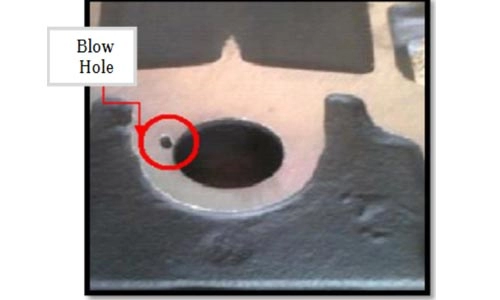
When we break down how do you cast aluminum, managing potential flaws is a top priority. Even in a highly controlled environment, issues can pop up if the variables aren’t dialed in. Here are the most common casting defects in aluminum and exactly how we prevent them:
- Porosity: This shows up as tiny holes or weak spots caused by trapped gas or uneven metal shrinkage.
- The Fix: We ensure proper mold venting and thoroughly degas the molten aluminum before it ever hits the mold.
- Inclusions: These are unwanted non-metallic particles or dirt trapped inside the finished part.
- The Fix: Careful skimming for complete dross removal is mandatory, along with running the liquid metal through high-quality ceramic filters.
- Cold Shuts: This defect happens when two separate streams of liquid metal cool off too fast before they can perfectly fuse together, leaving a weak seam.
- The Fix: We strictly optimize the pouring speed and keep a close eye on the temperature to keep the metal flowing properly.
Getting the temperature, timing, and venting right takes experience. Because one small mistake can ruin an entire production run, many American manufacturers rely on expert precision casting setups to guarantee flawless, durable parts every single time.
DIY vs. Industrial Aluminum Casting
If you are looking into how do you cast aluminum, you will quickly notice a massive difference between a weekend backyard project and professional manufacturing. As an industry professional, I always emphasize that the scale and precision of your setup dictate the quality of your final product.
Home Foundries
Backyard setups rely on basic, accessible tools. Hobbyists typically melt scrap metal using small charcoal or propane furnaces and pour the molten metal into simple plaster or green sand molds. It is a great way to learn the basics of casting, but it lacks the consistency, precision, and safety controls required for reliable structural parts.
Industrial Foundries
Commercial production is a completely different ballgame. In a professional aluminum casting foundry, we utilize high-grade certified alloys, automated machinery, and strict temperature controls. We rely on advanced spectrometers for exact metallurgical analysis to guarantee part integrity and eliminate casting defects. If your project requires tight tolerances and high durability, working with a top metal casting company for custom wear-resistant industrial parts is the only way to meet rigorous US manufacturing standards.
Quick Comparison
| Feature | DIY Home Foundry | Industrial Foundry |
|---|---|---|
| Materials | Scrap aluminum, recycled cans | High-grade certified aluminum alloys |
| Equipment | Propane or charcoal furnace | Automated induction furnaces, strict climate control |
| Quality Control | Basic visual inspection | Spectrometers, metallurgical analysis |
| Volume & Precision | Low volume, rough tolerances | High-volume, highly repeatable production |
Frequently Asked Questions (FAQs)
What temperature is required to melt aluminum for casting?
The melting point of aluminum is exactly 1,220°F (660°C). However, in a working aluminum casting foundry, we don’t just stop at the bare minimum. I typically heat the metal to between 1,300°F and 1,400°F. This extra buffer ensures the molten aluminum remains fluid enough to fill every detail of your casting mold before it starts to solidify.
Which aluminum alloy is best for casting?
For most applications, A356 and 319 are the undeniable heavyweights in the US market.
- A356: Delivers incredible strength, excellent ductility, and top-tier crack resistance.
- 319: Highly versatile and cost-effective for general-purpose engine components.
When comparing aluminum alloys for casting, A356 stands out as the premium choice for structural integrity, especially in high-stress automotive or aerospace parts.
Is cast aluminum as strong as machined (billet) aluminum?
In a straight material-to-material comparison, billet (wrought) aluminum is stronger. Billet starts as an extruded block with a continuous, dense grain structure, while cast parts can sometimes retain microscopic porosity from the cooling process.
However, modern casting is no slouch. By applying a T6 heat treatment to cast parts, we can push their yield strength to highly competitive levels. Additionally, we frequently utilize CNC machining cast aluminum to clean up critical surfaces. This approach gives you the ultimate sweet spot: the cost-efficiency of pouring complex shapes combined with the razor-sharp precision of billet machining.