High precision investment moulding process for complex metal parts with tight tolerances superior surface finish and custom alloys.
What is the Investment Moulding Process?
Are you struggling to achieve complex internal geometries while keeping material waste and machining costs down? That is exactly the engineering challenge the investment moulding process solves.
Widely known as lost-wax casting, this is a highly precise near-net shape manufacturing method. We create a perfect, disposable wax pattern, coat it in a specialized ceramic slurry to build a rigid mold, and then melt the wax away. This leaves a flawless, heat-resistant cavity ready for molten metal.
The vastmaterial Advantage
We do not just rely on traditional foundry techniques; we elevate them. At vastmaterial, we integrate advanced data analytics and real-time monitoring into every stage of the production line.
- Aerospace-Grade Precision: We guarantee exact dimensional tolerances straight out of the mold, drastically reducing your need for secondary machining.
- Real-Time Process Monitoring: Continuous tracking of slurry viscosity, shell curing temperatures, and molten metal flow ensures zero defects and consistent metallurgical integrity.
- Cross-Industry Performance: We engineer rugged, high-tolerance components built to survive the extreme, high-stress environments of the industrial, energy, and automotive sectors.
Step-by-Step: The Investment Moulding Process
At Vastmaterial, our investment moulding process follows a strictly controlled workflow to deliver near-net-shape perfection. Here is exactly how we turn your designs into high-precision metal parts:
- 1. Tooling & Wax Pattern Injection: We start by machining a precise master die. From there, we use wax pattern injection molding to shoot liquid wax into the cavity, forming a perfect replica of your final part’s geometry.
- 2. Wax Tree Assembly: To maximize production efficiency, we attach multiple wax patterns to a central wax sprue. This creates a casting cluster, commonly called a “wax tree.”
- 3. Ceramic Shell Building: We dip the wax tree into a liquid ceramic slurry, followed by a stucco coating of fine sand. We repeat this ceramic shell casting process multiple times to build a tough, highly heat-resistant shell.
- 4. Dewaxing & Burnout: The shell is then heated to melt out the wax. This dewaxing casting method leaves behind a precise, hollow cavity. ly, we fire the shell at high temperatures to cure the ceramic so it can withstand molten metal.
- 5. Metal Pouring: Inside our advanced lost-wax casting foundry, we pour liquid metal directly into the pre-heated shells. Whether you need standard stainless steel or specialized custom alloy cast components, we manage the pour under strict temperature controls to guarantee structural integrity.
- 6. Knockout, Cut-off & Finishing: Once the metal cools and solidifies, we mechanically vibrate and knock out the ceramic shell. We then cut the individual metal parts away from the central sprue and perform a final surface grinding to meet your exact specifications.
Technical Specifications & Capabilities
When you rely on our investment moulding process, you expect exact dimensions and exceptional quality. We deliver high precision casting services designed to meet the rigorous demands of US manufacturing. Here is a clear breakdown of what our facility handles on a daily basis.
Dimensional Tolerances
Precision is non-negotiable for our team. Our lost-wax casting capabilities produce tight tolerance metal parts consistently across production runs. We hold standard linear tolerances of +/- 0.010” for the first inch. Maintaining this level of accuracy starts from the very beginning; you can see how this works in our comprehensive investment mould guide for tooling.
Superior Surface Finish
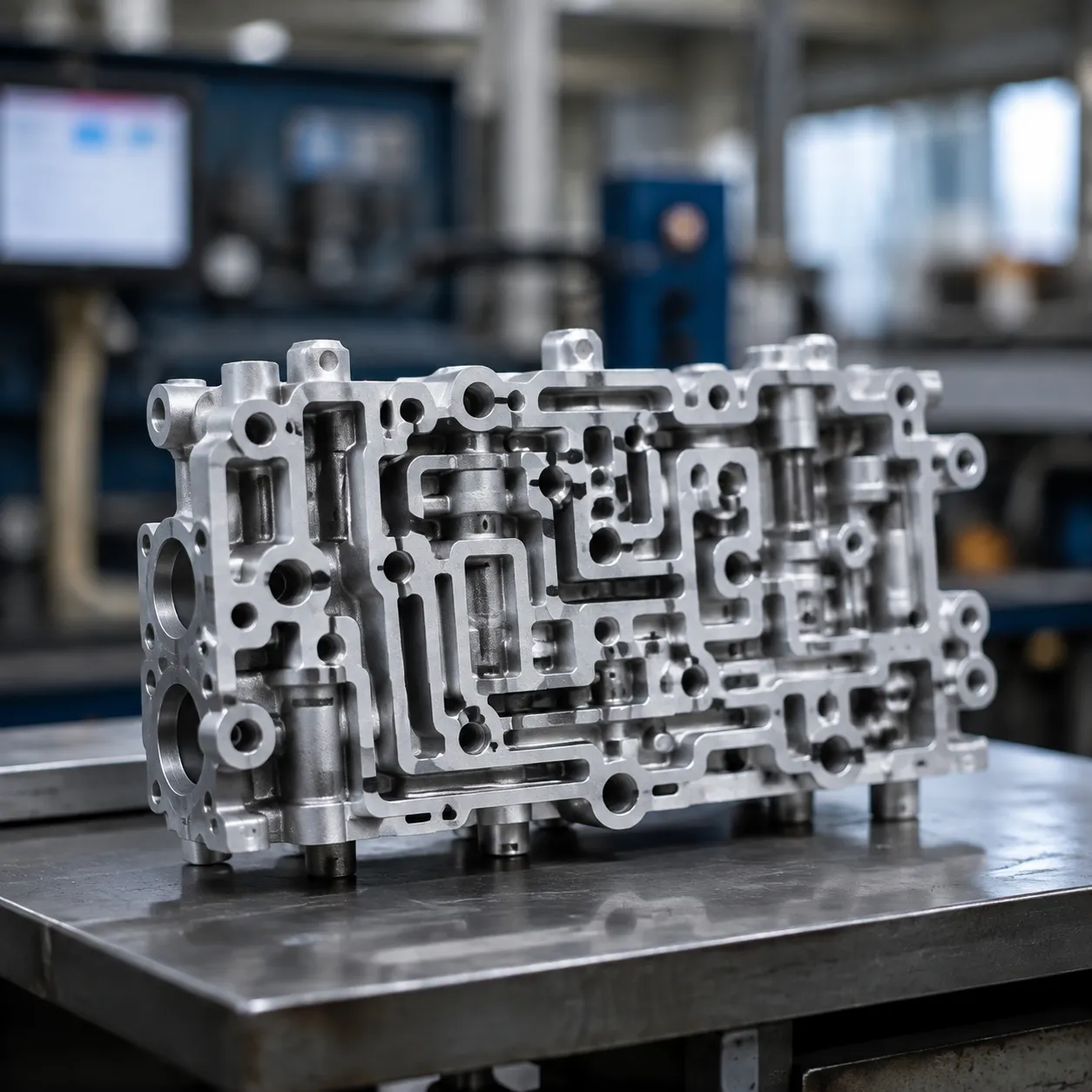
We specialize in near-net shape manufacturing. This means you get an outstanding out-of-the-mold surface finish of 125 RMS or better. A cleaner, smoother finish straight from the mold drastically cuts down your need for secondary CNC machining, saving you both time and money.
Size & Weight Limits
Whether you need small, intricate components or heavy structural parts, our custom metal casting foundry is fully equipped to accommodate a massive range of project requirements.
| Specification | Minimum Limit | Maximum Limit |
|---|---|---|
| Part Weight | 0.1 oz | 250 lbs |
| Dimensions | 0.25″ x 0.25″ | 36″ x 36″ x 36″ |
| Wall Thickness | 0.040″ | Custom to project |
High-Performance Materials & Custom Alloys
As a leading custom metal casting foundry, we cast a massive variety of ferrous and non-ferrous metals tailored for extreme environments. Our investment moulding process is built to handle everything from standard metals to highly specific custom alloy cast components.
- Investment Cast Stainless Steel & Alloy Steel: We pour high-grade materials, including Duplex and low carbon steels. These deliver incredible mechanical strength and corrosion resistance. If you’re still dialing in your material specs, comparing the differences between iron and steel performance can help you make the right call for your production run.
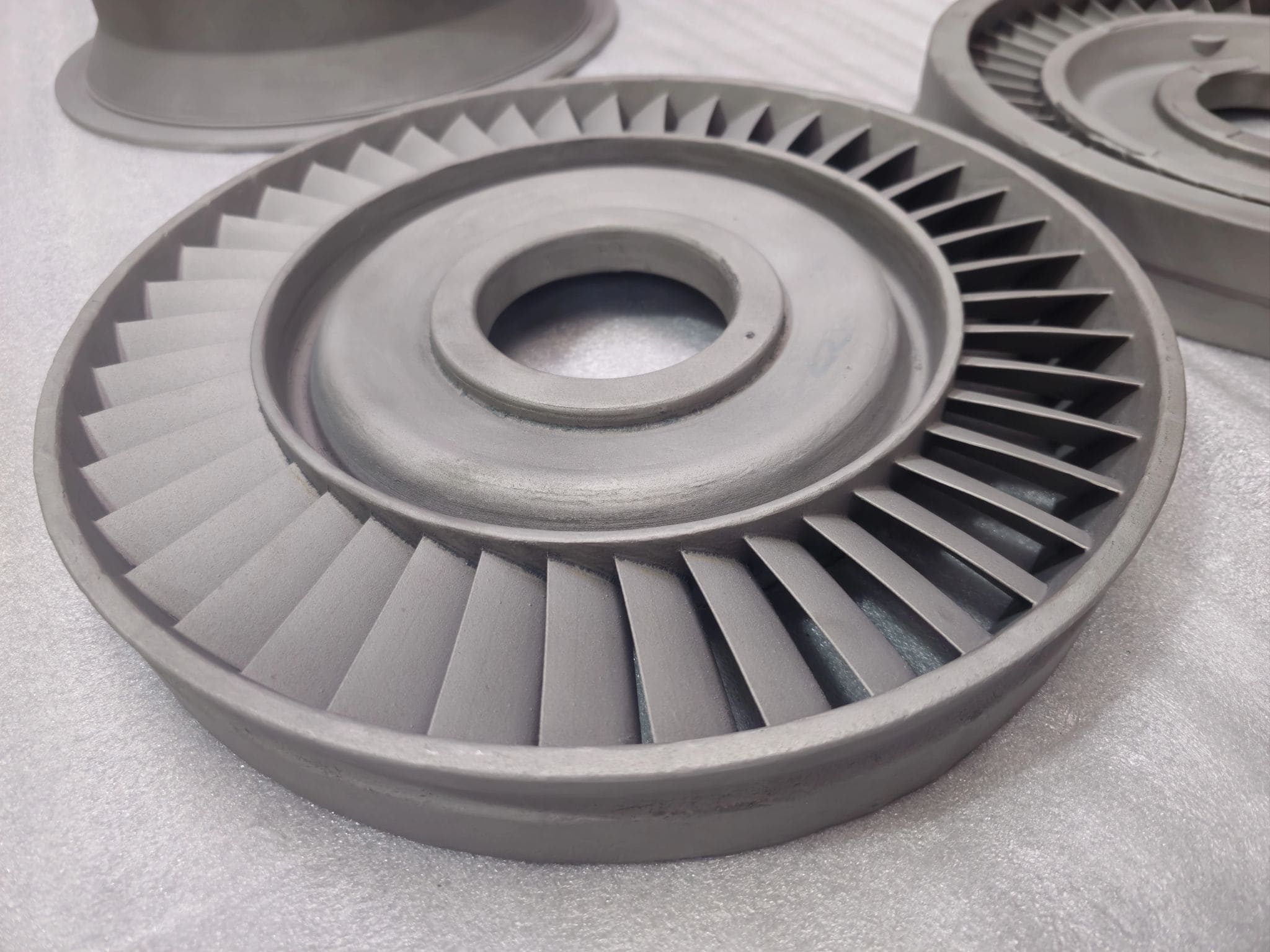
- High-Temperature & Superalloys: When standard metals fail under pressure, we run superalloys like Chromium Cobalt Molybdenum and Titanium alloys. These are our go-to materials for demanding aerospace applications and gas turbines.
- Copper, Brass & Bronze Alloys: We regularly cast these non-ferrous metals for marine engineering and critical electrical applications. When designing parts for near-net shape manufacturing, factoring in the exact density of brass by alloy ensures your components meet precise weight and performance targets right out of the mold.
Key Advantages of the Investment Moulding Process
As a dedicated custom metal casting foundry, we know that choosing the right manufacturing method directly impacts your bottom line. The investment moulding process delivers distinct, high-value benefits that traditional casting methods simply cannot match.
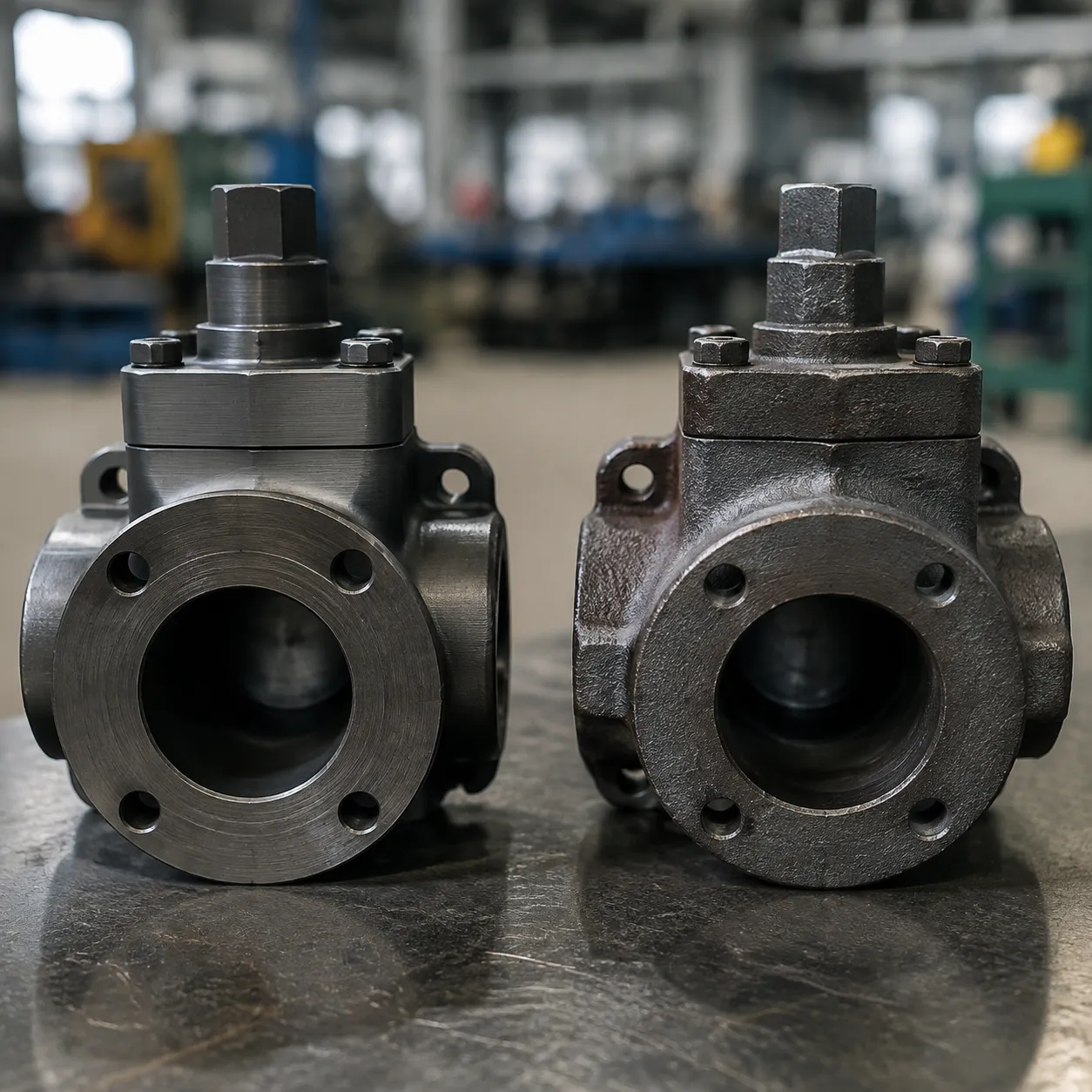
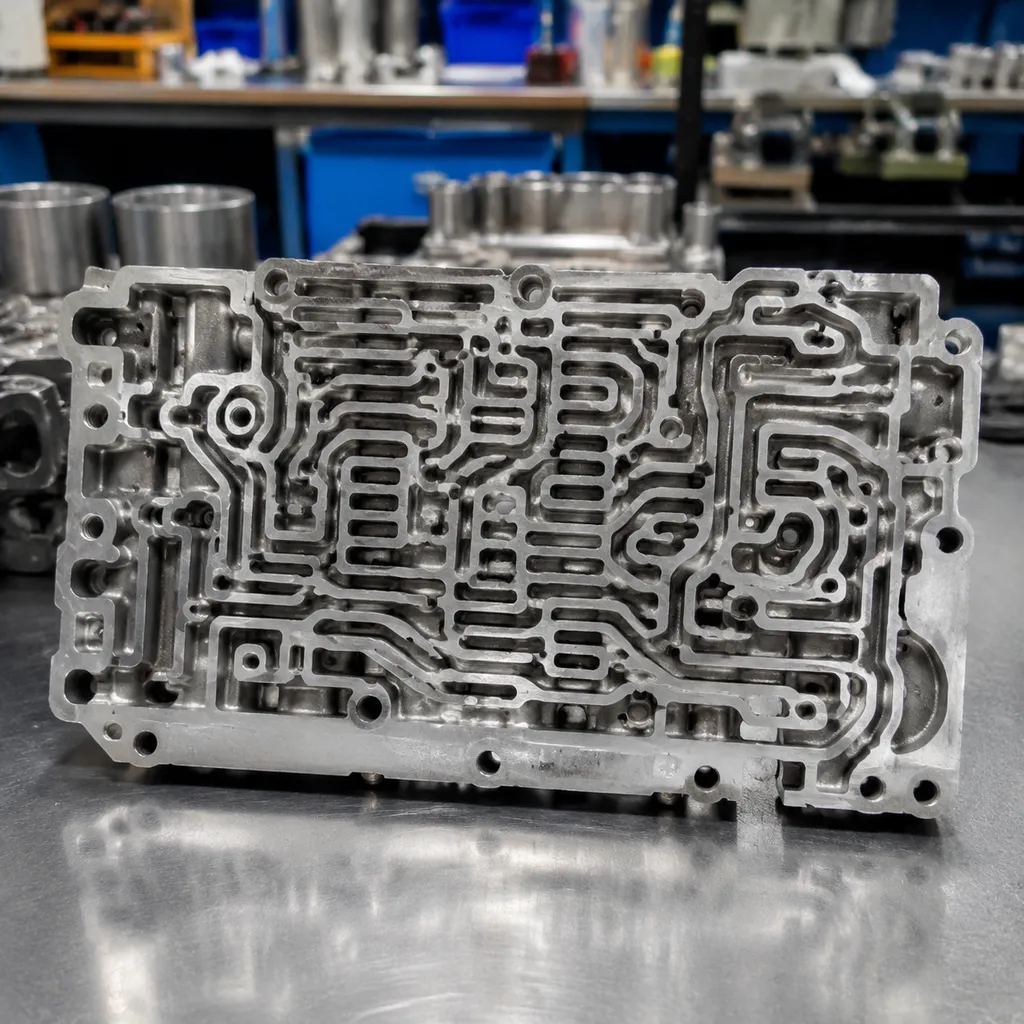
- Unmatched Complex Geometries: Precision investment casting allows us to cast intricate internal features, deep undercuts, and extremely thin walls. Because there is no need for draft angles, you get the exact geometry you engineered. This is especially critical when producing complex flow control components like custom OEM valve bodies.
- Reduced Machining & Waste: By utilizing near-net shape manufacturing, your parts come out of the mold almost entirely finished. This drastically cuts down the need for secondary precision CNC machining and casting waste, significantly lowering your overall material and labor costs.
- Scalable Versatility: Whether you need a short, fast run for rapid prototype metal casting or you are ready to scale up to high-volume mass production, this method adapts to your timeline. Our factory is fully equipped to handle production runs of any size without ever compromising on part accuracy or quality.
Industries Relying on Our Casting Expertise
As a trusted custom metal casting foundry, we understand that different sectors require unique performance standards. Our investment moulding process consistently delivers high precision casting services across a variety of demanding fields in the US market.
- Aerospace & Defense: We manufacture mission-critical turbine blades and lightweight structural components designed to meet stringent military and aviation standards.
- Oil & Gas and Energy: We cast heavy-duty valve bodies, impellers, and nuclear power components built to withstand extreme pressures and highly corrosive environments.
- Medical & Automotive: Utilizing near-net shape manufacturing, we produce sanitary, pinpoint-accurate surgical tools, as well as rugged turbocharger housings and drivetrain components.
- Heavy Industrial: We supply durable, tight tolerance metal parts essential for heavy machinery and equipment manufacturing where reliability is non-negotiable.
Why Partner With Our Custom Metal Casting Foundry?
We take the friction out of the investment moulding process. When you work with vastmaterial, you get a single-source manufacturing partner dedicated to delivering reliable, ready-to-use parts. We control every step of production to ensure you get exactly what you need without the usual supply chain headaches.
- End-to-End Integrated Manufacturing: We manage the entire lifecycle under one roof. From initial alloy development and rapid prototype metal casting to full-scale production pouring. We finish the job with tight precision CNC machining and casting integration, delivering flawless parts directly to your facility.
- In-House Surface Treatment: Your parts leave our shop ready for the assembly line. We handle all advanced plating, specialized coatings, and final surface finishing for your custom alloy cast components, entirely eliminating the need for third-party vendors.
- Stringent Quality Control: We verify everything to meet exacting US and global industrial standards. Our assurance protocols include non-destructive testing (NDT), exact dimensional inspections, and thorough metallurgical analysis—including verifying material tensile properties—to back up our high precision casting services.
Frequently Asked Questions (FAQ)
Rapid Prototype Metal Casting Lead Times
Need parts fast? For rapid prototype metal casting, our standard lead time is typically 2 to 4 weeks. This timeframe depends on the component’s complexity and the specific custom alloy you need. The investment moulding process requires creating a precise master die upfront. By controlling our complete manufacturing process under one roof, we keep turnarounds tight while guaranteeing tight tolerance metal parts on every single run.
Accounting for Cast Part Shrinkage Allowance
Every metal shrinks slightly as it cools from a molten liquid to a solid state. To manage the cast part shrinkage allowance, we scale up your 3D CAD model before cutting the master tooling used for wax pattern injection molding. The exact shrink rate varies by material—investment cast stainless steel shrinks at a different rate than carbon steel. Our engineering team calculates these thermal dynamics precisely so the final dimensions of your parts are spot-on.
Investment Casting vs Sand Casting
The biggest difference when looking at investment casting vs sand casting comes down to precision and surface finish. Sand casting uses packed sand molds, which works well for massive, bulky parts but leaves a very rough, grainy surface.
In contrast, our ceramic shell casting process (widely known as lost-wax casting) delivers true near-net shape manufacturing.
- Surface Finish: Investment moulding yields exceptionally smooth surfaces right out of the mold.
- Intricate Details: It captures complex internal geometries, undercuts, and thin walls that sand casting simply cannot handle.
- Cost Efficiency: While wax tooling costs more upfront, this high precision casting service drastically reduces or completely eliminates the need for secondary precision CNC machining and casting rework later.