Overview
What is 319 Aluminum Alloy?
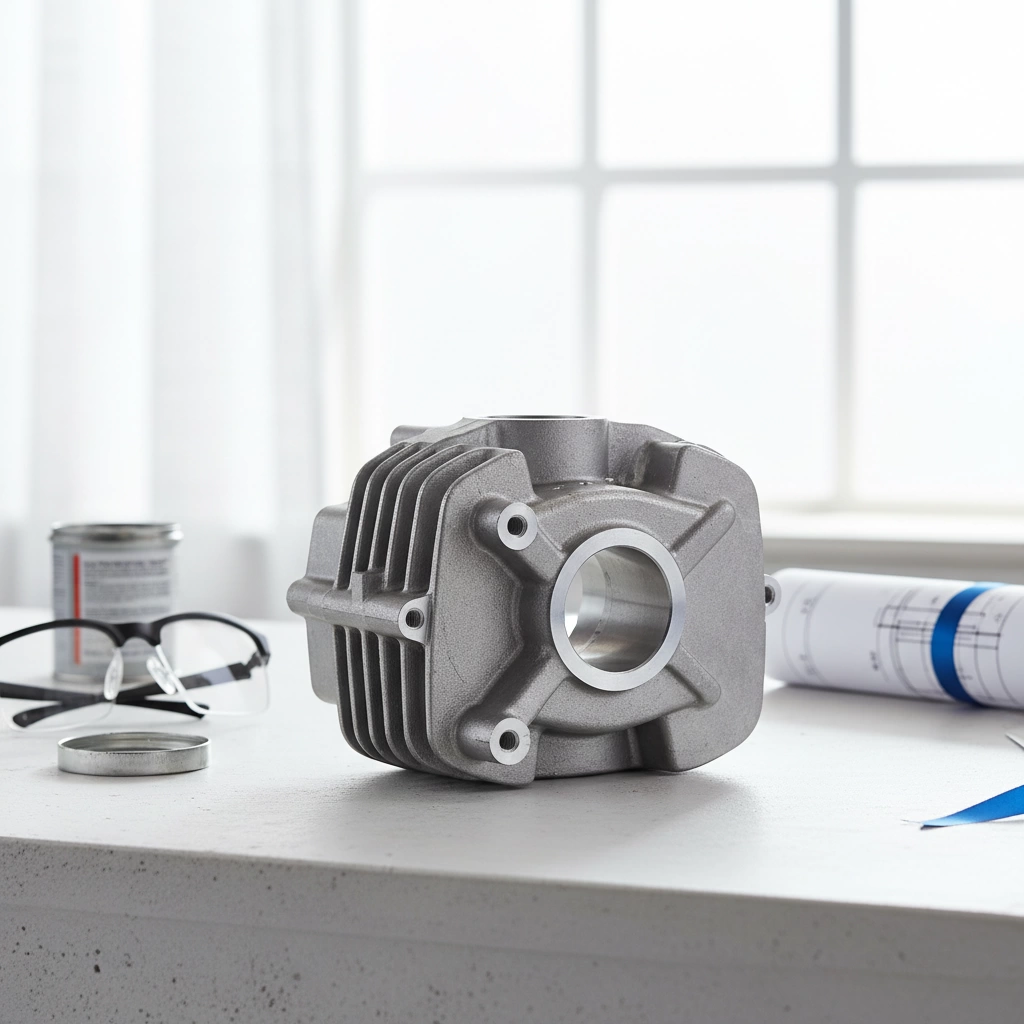
319 aluminum alloy is a highly versatile aluminum-silicon-copper alloy widely recognized for its exceptional castability and structural integrity. As a trusted provider of precision casting and machining services for aluminum alloys, we frequently utilize 319 aluminum to manufacture complex, high-strength components. It offers an optimal balance of strength, pressure tightness, and ease of manufacturing, making it a foundational material in the modern foundry industry.
Overview of 319, SR319, and B319.1 Variants
The 319 aluminum family includes several specific variants, each tailored to meet distinct manufacturing and performance requirements:
- Standard 319: The baseline alloy, providing excellent general-purpose casting characteristics and reliable mechanical strength.
- SR319 (Strontium Modified): This variant is modified with strontium to refine the silicon microstructure. This critical modification significantly improves the alloy's ductility, toughness, and overall mechanical performance.
- B319.1: A specific industry designation that enforces tighter controls on chemical impurities. This ensures highly consistent performance, specifically in demanding, high-stress commercial applications.
General Characteristics and Machinability
319 aluminum alloy casting is renowned for its highly favorable manufacturing traits, delivering superior performance across several key operational areas:
- Excellent Castability: The alloy remains highly fluid in its molten state, allowing for the creation of intricate designs, complex geometries, and thin-walled sections without compromising structural soundness.
- Superior Machinability: The strategic addition of copper significantly enhances its machinability. Components cast from 319 aluminum allow for precise milling, drilling, and turning, consistently yielding excellent surface finishes.
- Reliable Corrosion Resistance: While it contains copper, 319 aluminum maintains good corrosion resistance, making it highly suitable for standard automotive and industrial environments.
- Strong Weldability: The alloy exhibits highly dependable welding characteristics, making it an ideal choice for complex assemblies requiring post-casting modifications or repairs.
Chemical Composition of 319 Aluminum

The performance of any 319 aluminum alloy casting starts with its chemistry. We carefully control the balance of silicon and copper to ensure the material flows perfectly into molds while maintaining the structural integrity required for heavy-duty parts. This specific 319 aluminum alloy composition is what makes it a "workhorse" in the foundry industry, offering a middle ground between the high fluidity of 380 and the high strength of 356 alloys.
Primary Alloying Elements
The two heavy hitters in 319 aluminum are Silicon and Copper. These elements dictate how the metal behaves both in the furnace and in the finished product:
- Silicon (5.5% – 7.0%): This is the secret to the alloy's excellent castability. It lowers the melting point and increases fluidity, allowing us to cast complex shapes without worrying about cracks or misruns.
- Copper (3.0% – 4.0%): Copper is the primary strengthening agent. It allows the alloy to respond to heat treatment, significantly boosting its hardness and tensile strength.
- Aluminum (Remainder): The base metal that provides the lightweight characteristics essential for modern engineering.
Because these castings often require tight tolerances, we frequently follow up the casting process with our online CNC service for precision parts and instant quotes to ensure every dimension meets your exact specifications.
Trace Elements and Limits
While Silicon and Copper do the heavy lifting, trace elements must be strictly managed to prevent brittle parts or poor surface finishes. Our chemical composition standards keep these elements within tight margins:
| Element | Maximum Limit (%) | Role/Impact |
|---|---|---|
| Iron (Fe) | 1.0% | High levels can cause brittleness; we keep this low for better ductility. |
| Magnesium (Mg) | 0.10% - 0.50% | Enhances strength but can reduce ductility if not balanced. |
| Zinc (Zn) | 1.0% | Generally a residual element with minimal impact at these levels. |
| Manganese (Mn) | 0.50% | Helps modify the iron structure to improve mechanical properties. |
| Titanium (Ti) | 0.25% | Acts as a grain refiner for a more uniform internal structure. |
By maintaining this precise chemical balance, we ensure that every 319 aluminum alloy casting provides the reliability and durability our customers expect for industrial and automotive applications.
Mechanical and Physical Properties
The performance of 319 aluminum alloy casting depends heavily on the heat treatment process. We find that this alloy offers a versatile range of strengths, making it suitable for both structural and pressure-tight applications. Whether in the as-cast (F), T5, or T6 temper, the mechanical integrity remains reliable for demanding industrial environments.
Typical Mechanical Properties
When we evaluate the aluminum grade for casting, 319 stands out for its balanced tensile strength and hardness. The T6 heat treatment is particularly effective at enhancing the yield strength and overall durability of the finished part.
- Tensile Strength: 185 – 250 MPa (27 – 36 ksi)
- Yield Strength: 125 – 185 MPa (18 – 27 ksi)
- Elongation: 1.5% – 3.0% in 50mm
- Hardness (Brinell): 70 – 95 HB
- Shear Strength: 150 – 200 MPa
Key Physical Properties
The physical properties of 319 aluminum ensure it handles thermal stress efficiently. Its high thermal conductivity is a major reason why it is preferred for engine components that need to dissipate heat quickly. Furthermore, its excellent castability allows us to produce precise cast prototype components with complex geometries without sacrificing material density.
| Property | Value |
|---|---|
| Density | 2.79 g/cm³ (0.101 lb/in³) |
| Melting Range | 515°C – 605°C (960°F – 1120°F) |
| Thermal Conductivity | 109 W/m·K |
| Electrical Conductivity | 27% IACS |
| Coefficient of Thermal Expansion | 23.0 µm/m·K |
We prioritize these mechanical properties and physical properties during the production phase to ensure every casting meets the specific load-bearing and thermal requirements of your project.
319 Aluminum Casting Processes
We rely on 319 aluminum alloy casting because it offers a perfect balance of fluid flow and structural integrity. This alloy is specifically designed to handle complex mold designs, making it a go-to choice for our high-performance production runs. Whether we are working on thick-walled sections or intricate internal geometries, the "castability" of 319 ensures a reliable result every time.
319 Aluminum Sand Casting
Sand casting is the most frequent method used for this alloy. It is highly effective for producing medium-to-large components where cost-efficiency and design flexibility are priorities.
- Excellent Fluidity: The silicon content allows the molten metal to fill the sand mold completely without premature freezing.
- Design Freedom: We can create complex internal cores that would be difficult or impossible with other methods.
- Scalability: This process works just as well for a single prototype as it does for a thousand-piece production run.
While sand casting is a staple, our team also excels in aluminum investment casting and permanent mold processes to meet specific surface finish and tolerance requirements.
Solidification and Porosity Control
The quality of a 319 aluminum casting is determined during the cooling phase. Because this alloy contains copper, it is susceptible to internal porosity if the solidification process isn't managed with precision. We use several key techniques to ensure a dense, high-strength part:
- Degassing Procedures: We actively remove hydrogen from the melt to eliminate gas porosity before pouring.
- Controlled Cooling: By using strategic chills and risers, we direct the solidification path to prevent shrinkage in critical areas.
- Microstructure Refinement: We add grain refiners to the melt to improve the metal's consistency and overall mechanical strength.
- Thermal Analysis: Monitoring the temperature throughout the pour ensures the metal stays within the optimal range for maximum pressure tightness.
Typical Applications of 319 Aluminum Castings
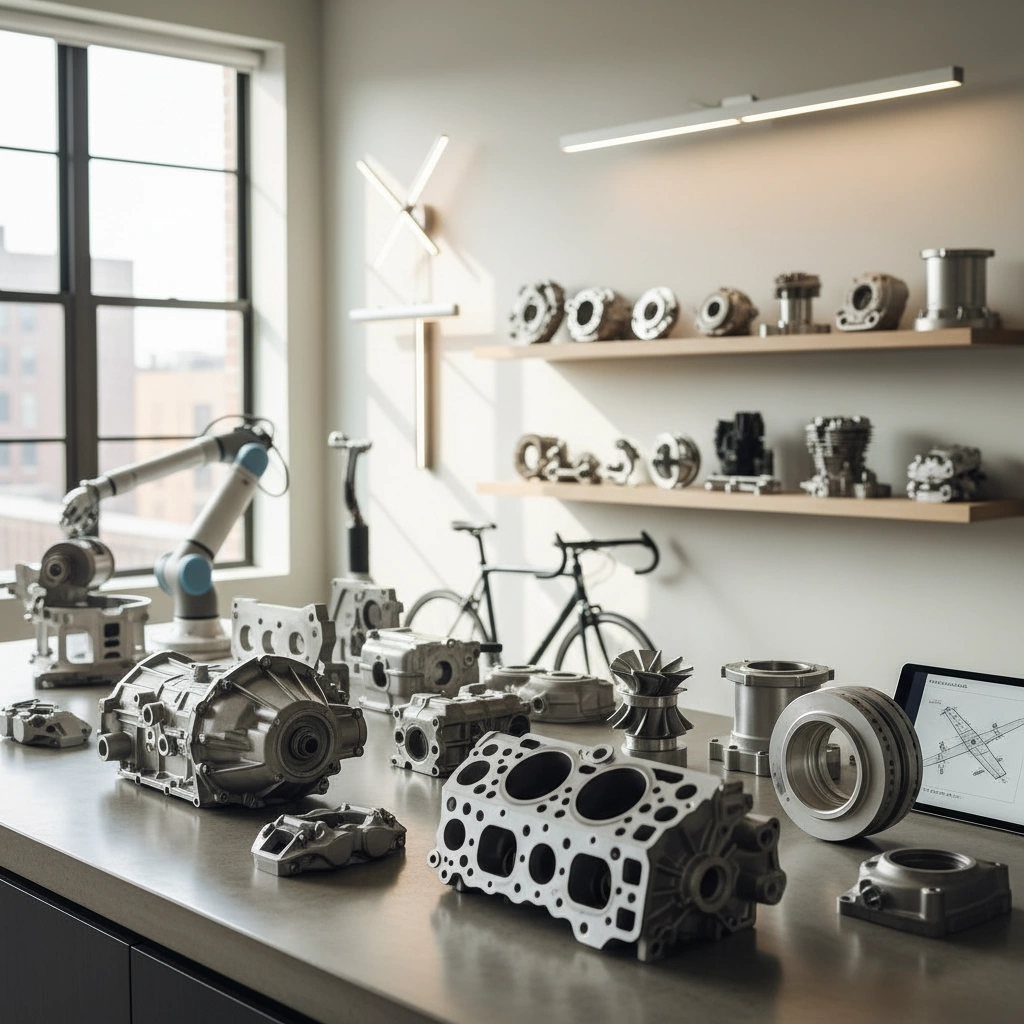
319 aluminum alloy casting is a staple in our production line because it hits the sweet spot between cost and performance. Its excellent fluidity and pressure tightness make it the primary choice for complex parts that need to be leak-proof and durable.
Automotive and Engine Components
The automotive sector is the largest consumer of 319 aluminum. We rely on this alloy for parts that must withstand thermal cycling and mechanical stress. Its high silicon and copper content provides the necessary castability to form thin-walled, intricate engine parts.
- Engine Cylinder Heads: 319 is the industry standard for cylinder heads due to its excellent thermal conductivity and strength at elevated temperatures.
- Engine Blocks: Used extensively in both gasoline and diesel engines for its balance of weight and durability.
- Intake Manifolds: The alloy’s fluidity allows for the creation of smooth, complex internal passages required for optimal airflow.
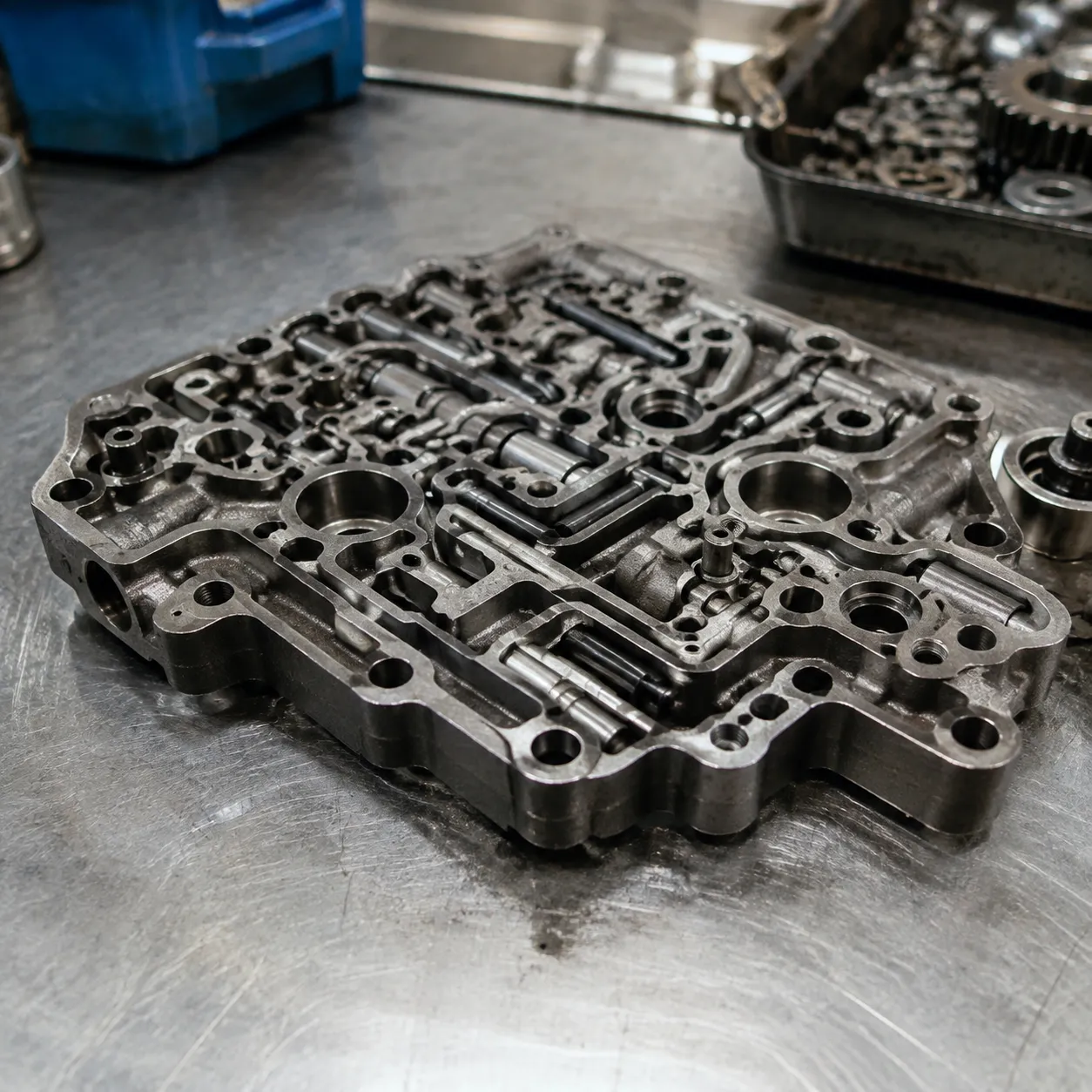
- Transmission Housings: Provides a rigid, lightweight shell that protects internal gears while dissipating heat efficiently.
Industrial and Commercial Uses
Beyond the automotive world, 319 aluminum is a versatile workhorse for general engineering. When we consult a casting alloy guide to find a material that balances machinability with structural integrity, 319 is often the top recommendation for industrial hardware.
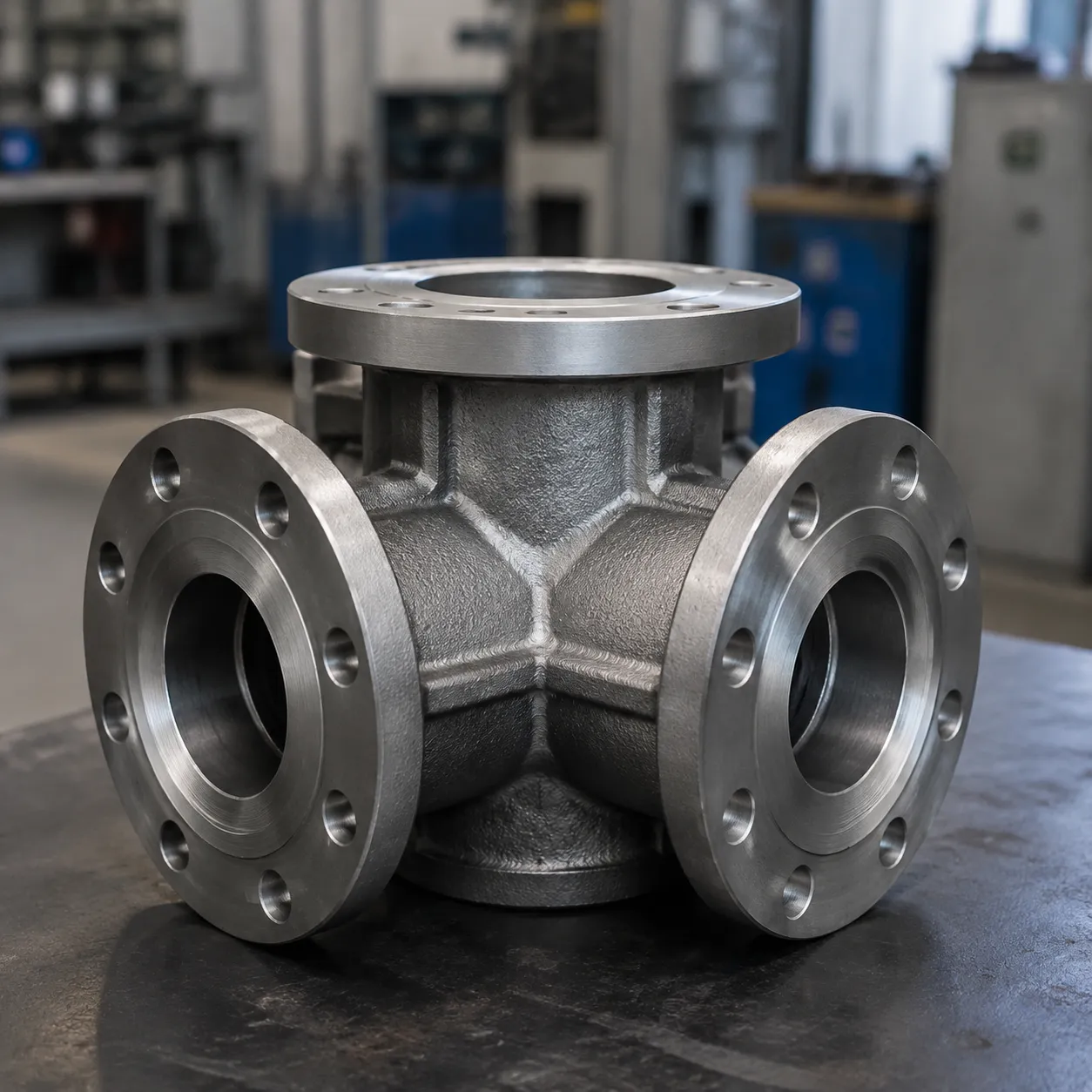
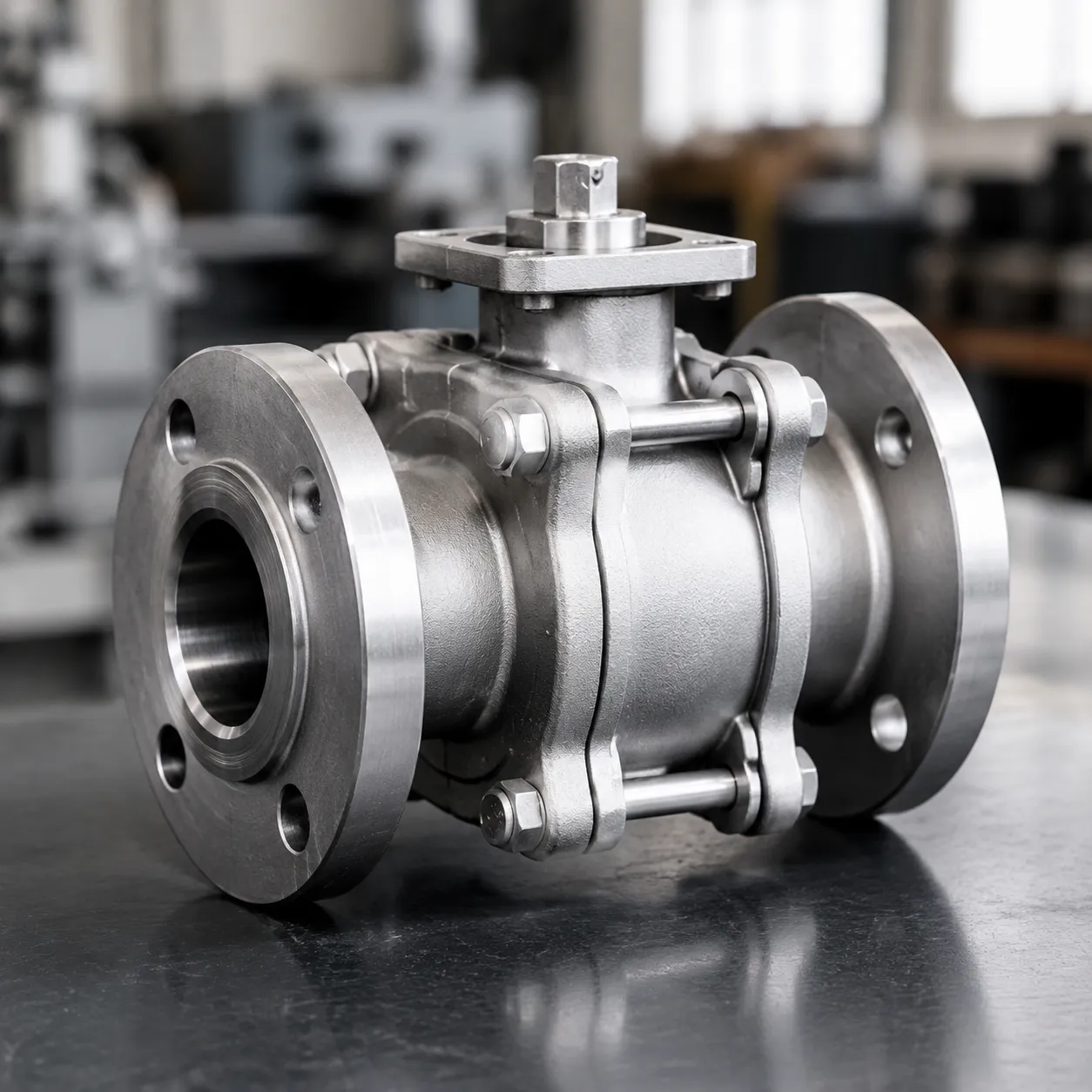
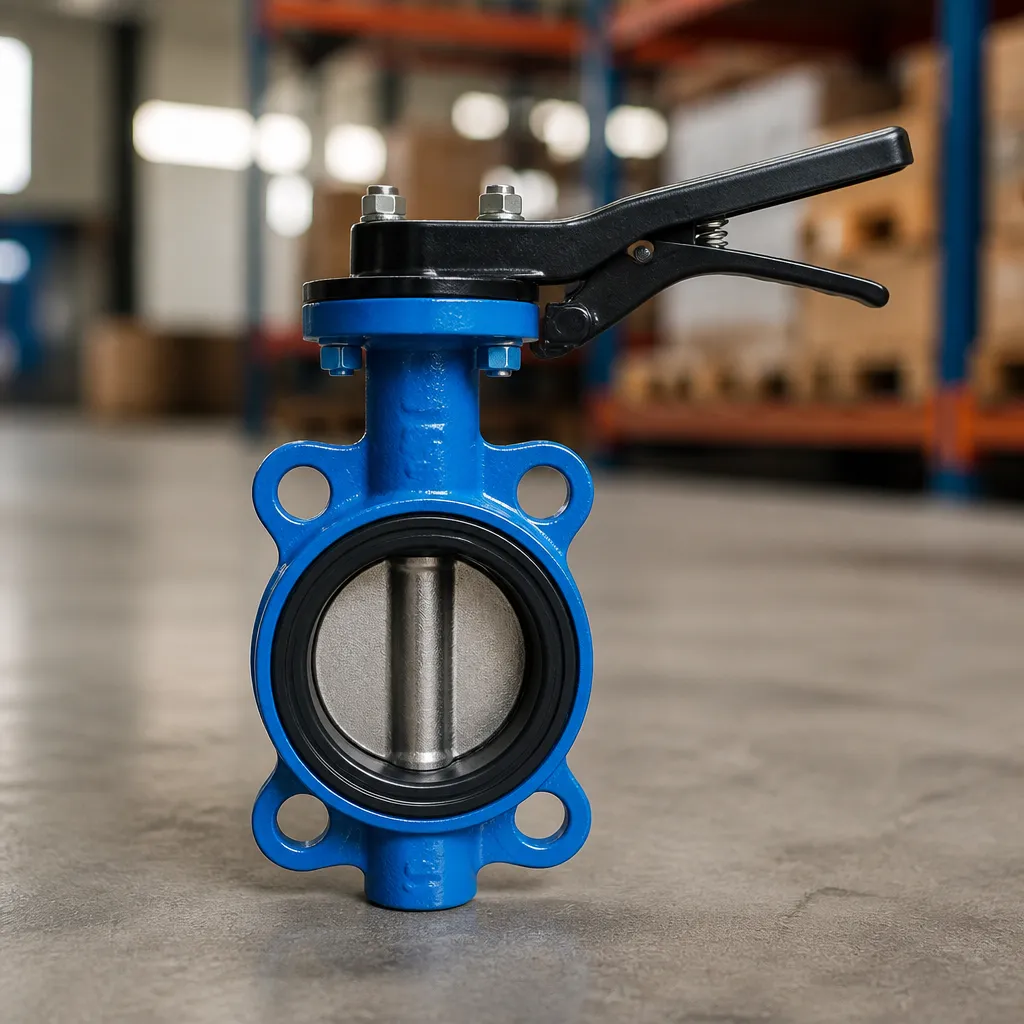
- Pump and Valve Bodies: Its natural pressure tightness makes it ideal for fluid-handling components that cannot afford leaks.
- Gas Meters and Regulators: Used in utility components where dimensional stability and moderate corrosion resistance are required.
- Heavy Equipment Brackets: Provides the necessary yield strength to support heavy loads in construction and agricultural machinery.
- Commercial Cookware: Found in heavy-duty griddles and industrial kitchen equipment because it spreads heat evenly and resists warping.
- Electrical Housings: Protects sensitive electronics in outdoor environments while remaining easy to machine for precise fittings.
Choosing a 319 Alloy Casting Service
We are a company that provides precision casting and machining services for aluminum alloys, and we know firsthand that selecting the right manufacturing partner makes or breaks your project. Producing high-quality 319 aluminum alloy casting components requires specific expertise, advanced equipment, and strict quality control to ensure the final parts meet your exact specifications.
Evaluating Foundry Capabilities
When assessing a potential manufacturing partner, you need a facility that deeply understands the unique castability of this material. The right foundry must be fully equipped to handle complex 319 aluminum alloy composition sand casting applications while maintaining consistent quality across batches.
Here is what you should evaluate when choosing a foundry:
- Technical Expertise: The team must understand the specific chemical composition and cooling behaviors of 319 aluminum to effectively control shrinkage and porosity.
- Comprehensive Facilities: Look for advanced foundry aluminum casting capabilities that include both raw casting and secondary machining under one roof.
- Quality Assurance: Ensure they have strict testing protocols in place to verify the mechanical properties, physical properties, and overall structural integrity of the cast parts.
- Industry Experience: A proven track record in your specific industry ensures they understand the required corrosion resistance and performance standards for your end-use environment.
Requesting a Custom Casting Quote
Getting an accurate and timely estimate requires clear communication and detailed project specifications. When you are ready to move forward, providing comprehensive information upfront helps us engineer the most cost-effective production strategy for your parts.
To ensure a smooth quoting process, always include the following details:
- Detailed CAD Files: Submit complete 3D models and 2D drawings with clearly defined tolerances and critical dimensions.
- Production Volumes: Specify your expected order quantities, whether you need a short prototype run or high-volume continuous production.
- Application Context: Share how and where the part will be used so we can account for necessary load-bearing requirements or environmental exposures.
- Secondary Operations: Clearly outline any required post-processing steps, such as specific heat treatments, CNC machining, or specialized surface finishes.