Introduction to 8630 Alloy Steel
What is 8630 Steel?
8630 steel (UNS G86300) is a high-strength, low-alloy (HSLA) medium-carbon steel engineered for demanding industrial environments. By combining precise amounts of chromium, nickel, and molybdenum, this alloy achieves exceptional hardenability and structural integrity. As a premier provider of professional precision casting services, we utilize 8630 alloy steel to manufacture critical components that require a superior balance of toughness, fatigue resistance, and weldability.
Key Characteristics and Benefits
The unique chemical composition of 8630 alloy steel delivers distinct performance advantages over standard carbon steels. It serves as a dependable material for manufacturing durable gears, shafts, and heavy-duty industrial parts.
- Excellent Hardenability: The strategic blend of alloying elements ensures deep hardness penetration during heat treatment.
- High Tensile Strength: Capable of withholding immense structural loads without deformation.
- Superior Toughness: Resists impact and fracturing, even in low-temperature environments.
- Good Weldability: The medium-carbon profile allows for reliable welding and fabrication compared to higher-carbon alternatives.
| Feature | Performance Benefit |
|---|---|
| Alloy Type | Low-alloy, medium-carbon steel |
| Core Strengths | High fatigue strength, wear resistance, and impact toughness |
| Primary Uses | Durable gears, shafts, oilfield valves, and structural parts |
| Processing Advantages | Excellent response to heat treatment and precision casting |
8630 Steel Composition and Alloying Elements
As Professional Precision Casting Service Providers, we know that the secret behind the reliability of UNS G86300 lies entirely in its chemical makeup. 8630 steel is a low alloy steel engineered with a precise balance of carbon, chromium, nickel, and molybdenum. This specific blend gives the material its signature toughness and exceptional hardenability.
Below is the standard chemical composition breakdown for 8630 alloy steel by weight percentage (wt%):
| Element | Symbol | Percentage (wt%) | Primary Role in the Alloy |
| Carbon | C | 0.28% – 0.33% | Determines baseline hardness, tensile strength, and response to quenching. |
| Nickel | Ni | 0.40% – 0.70% | Increases low-temperature toughness, impact resistance, and hardenability. |
| Chromium | Cr | 0.40% – 0.60% | Enhances hardenability, depth of hardness, and resistance to corrosion/oxidation. |
| Molybdenum | Mo | 0.15% – 0.25% | Prevents temper embrittlement, improves elevated-temperature strength, and refines grain structure. |
| Manganese | Mn | 0.70% – 0.90% | Deoxidizes the melt, increases strength, and improves hardenability. |
| Silicon | Si | 0.15% – 0.35% | Acts as a deoxidizer and moderately increases tensile strength. |
| Phosphorus | P | ≤ 0.035% (Max) | Kept minimal to prevent brittleness and cracking. |
| Sulfur | S | ≤ 0.040% (Max) | Kept minimal to ensure structural integrity (though sometimes optimized for machinability). |
8630 Steel Mechanical, Physical, and Thermal Properties
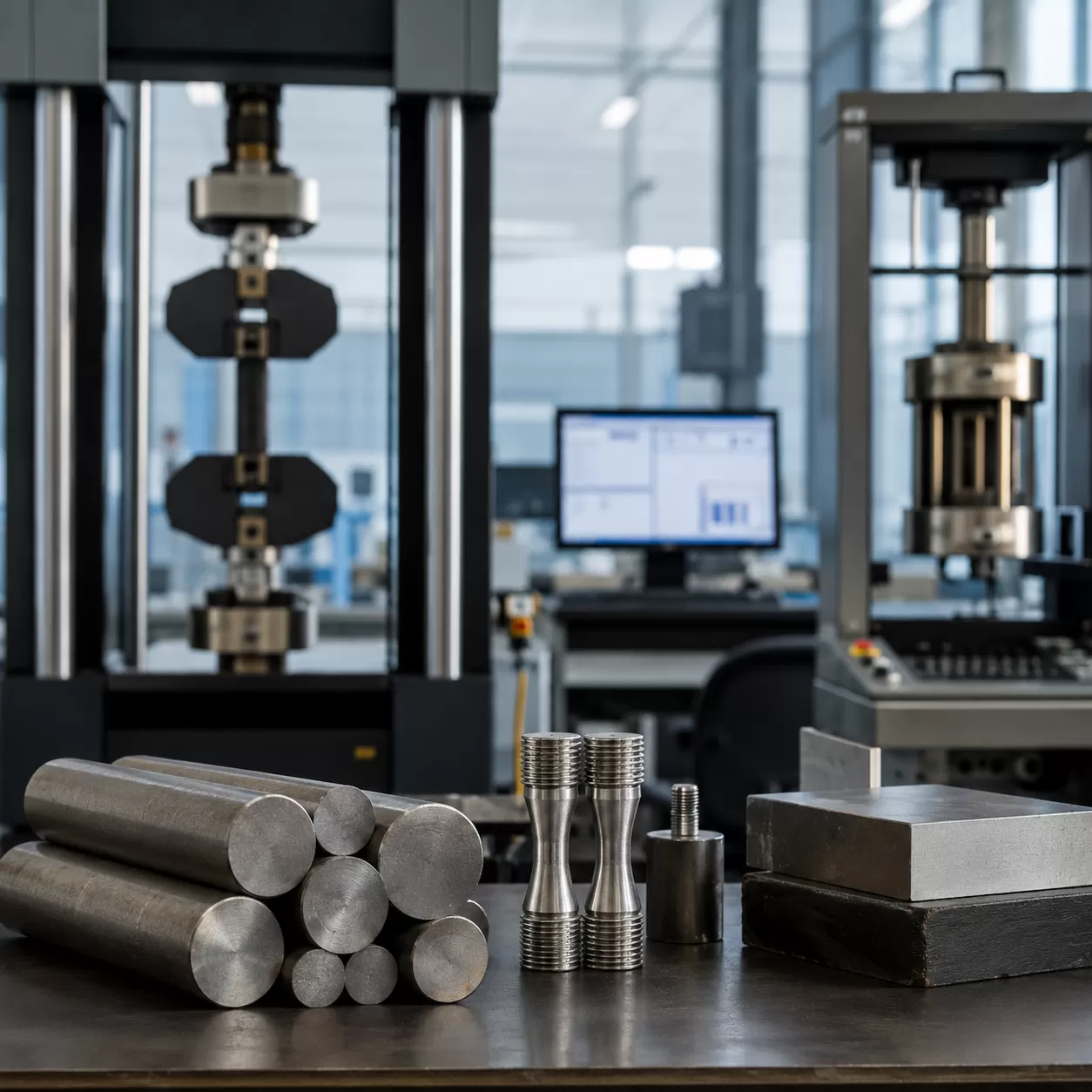
Understanding the raw capabilities of 8630 steel is essential for engineering high-performance parts. This low-alloy medium-carbon steel balances strength, toughness, and wear resistance perfectly, making it a reliable standard for heavy-duty industrial components.
Tensile and Yield Strength
When heat-treated properly, 8630 steel delivers exceptional structural integrity. It handles extreme high-stress environments without deformation or sudden failure.
- Yield Strength: Typically ranges from 550 to 850 MPa, depending on the tempering temperature.
- Tensile Strength: Generally sits between 750 and 1000 MPa, ensuring excellent load-bearing capacity.
Hardness and Ductility Ranges
This alloy shines because it does not sacrifice flexibility for toughness. Through standard hardening processes, we can tune its surface properties while maintaining a core that absorbs shock impacts.
- Hardness: Achieves 200 to 350 HBW (Brinell) easily, providing great resistance to surface wear and abrasion.
- Ductility: Maintains an elongation rate of 15% to 22%, allowing the material to bend slightly under extreme shock loads rather than snapping.
Physical and Thermal Properties
The physical and thermal profile of UNS G86300 ensures it remains stable during high-friction operations and heat treatment cycles.
| Property | Value / Metric |
|---|---|
| Density | 7.85 g/cm³ |
| Melting Point | 1425 °C to 1510 °C |
| Thermal Conductivity | Roughly 42.6 W/(m·K) |
| Coefficient of Thermal Expansion | 11.5 × 10^-6 /K |
Its thermal conductivity allows for uniform heat dissipation during high-speed machining operations. To optimize these physical characteristics for complex parts, utilizing professional custom machined metal part CNC services ensures tight tolerances and preserves the structural integrity of the alloy.
Chemical Composition of 8630 Steel
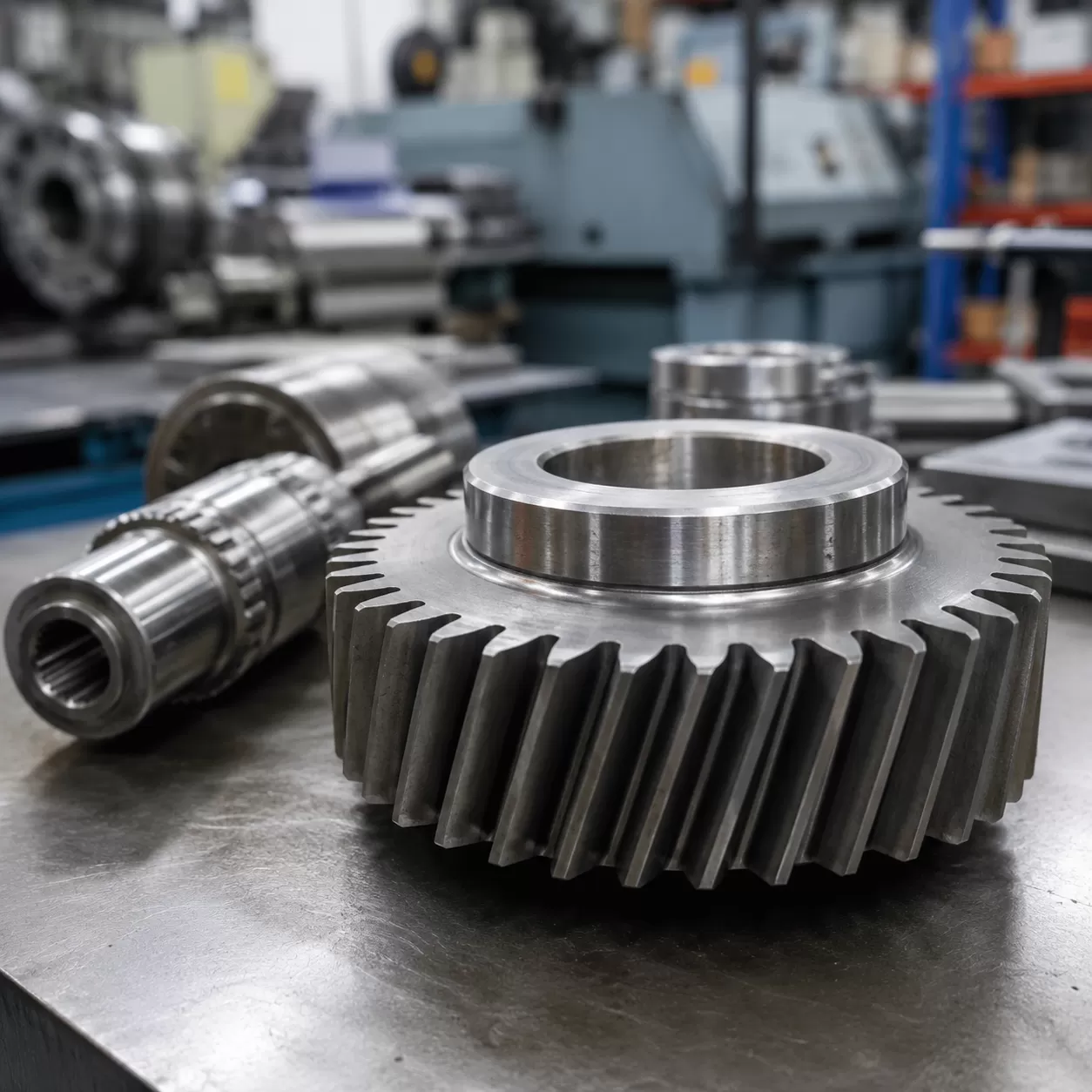
Standard Element Breakdown
As professional precision casting service providers, we know that the exact chemistry of low alloy steel dictates its ultimate performance. 8630 steel (UNS G86300) is a medium carbon alloy that balances strength and weldability perfectly. Here is the standard chemical composition breakdown for 8630 alloy steel:
| Element | Weight Percentage (%) |
|---|---|
| Carbon (C) | 0.28 - 0.33% |
| Chromium (Cr) | 0.40 - 0.60% |
| Nickel (Ni) | 0.40 - 0.70% |
| Molybdenum (Mo) | 0.15 - 0.25% |
| Manganese (Mn) | 0.70 - 0.90% |
| Silicon (Si) | 0.15 - 0.35% |
| Phosphorus (P) | ≤ 0.035% |
| Sulfur (S) | ≤ 0.040% |
Impact of Alloying Elements on Performance
The specific combination of chromium, nickel, and molybdenum (often called a triple-alloy steel) gives 8630 steel its distinct advantages over plain carbon steels. Each element plays a critical role in defining the final mechanical properties during our alloy steel casting processes:
- Carbon (0.28 - 0.33%): This medium carbon range provides excellent core strength and hardness after heat treatment while keeping the material highly weldable.
- Chromium & Nickel: Chromium boosts hardenability and wear resistance, while nickel significantly improves toughness and impact strength, especially at lower temperatures.
- Molybdenum: Prevents embrittlement, increases deep hardenability, and helps the steel maintain its strength in higher-temperature environments.
Mechanical and Physical Properties of 8630 Steel
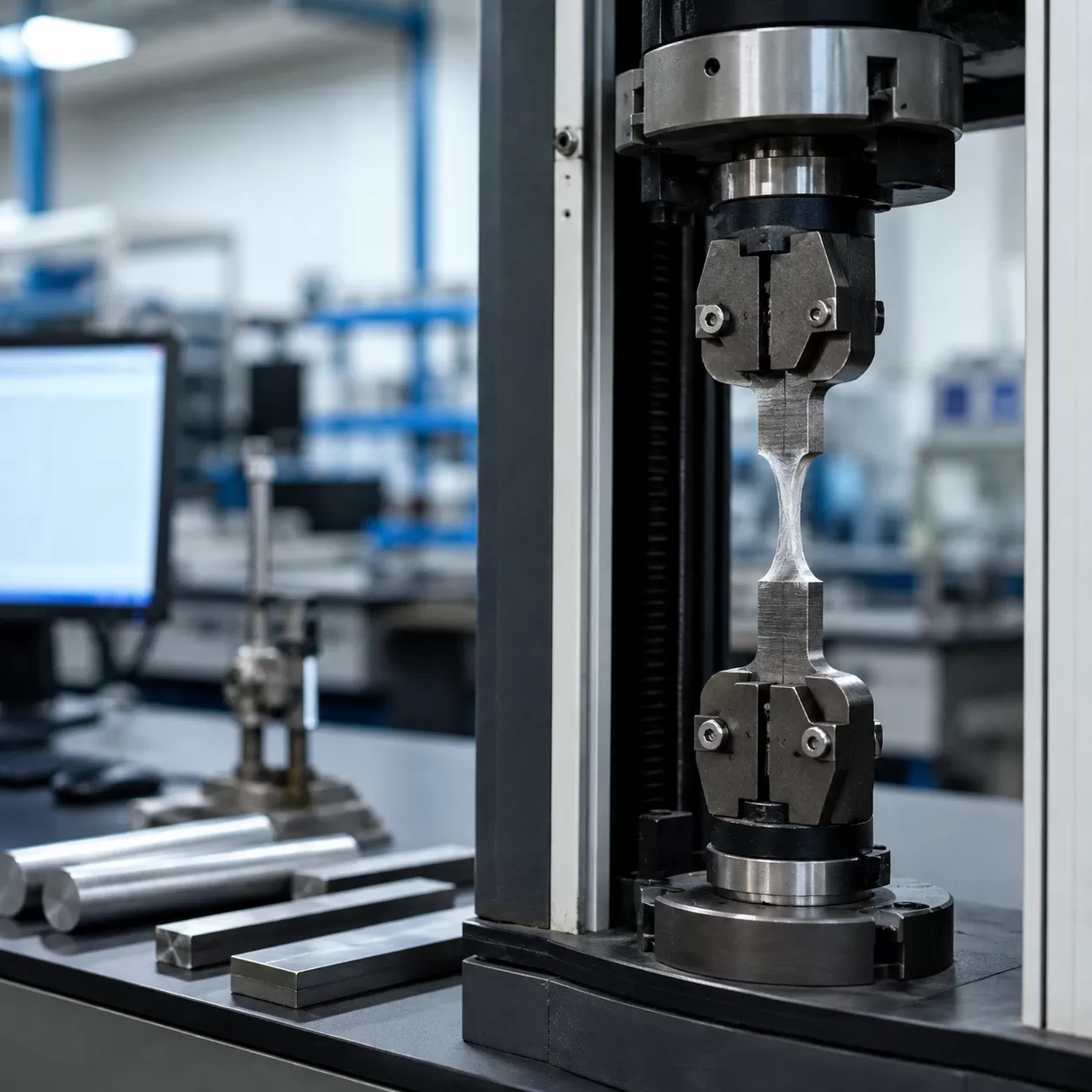
When choosing materials for high-stress applications, understanding the exact capabilities of 8630 steel is essential. As a low alloy steel, its balanced formulation ensures excellent performance under extreme load and temperature conditions.
Tensile and Yield Strength
8630 steel delivers exceptional structural integrity, making it a reliable choice for heavy-duty industrial components. When properly heat-treated, this medium carbon alloy achieves impressive strength levels that resist deformation under extreme pressure.
Tensile Strength: Typically ranges from 750 to 950 MPa (108,700 - 137,800 psi), depending on the specific tempering temperature and cross-sectional thickness.
Yield Strength: Generally ranges from 550 to 750 MPa (79,800 - 108,700 psi). This high yield point ensures that parts manufactured from 8630 alloy steel can withstand massive structural loads without suffering permanent elongation or deformation.
Hardness and Ductility Ranges
The triple-alloy matrix of nickel, chromium, and molybdenum gives 8630 steel a remarkable ability to achieve high surface and core hardness while maintaining enough ductility to prevent catastrophic brittle fractures.
Hardness (Brinell / Rockwell): In its annealed state, 8630 steel typically sits around 180 to 220 HBW. Following standard oil quenching and tempering, hardness can be tailored from 20 to 35 HRC (or higher for specific localized induction hardening applications).
Ductility and Elongation: It maintains an excellent elongation profile, typically 15% to 22% (in 50mm), alongside a reduction of area ranging from 40% to 55%. This guarantees that the material will yield plastically and absorb energy before failure, a critical safety factor in aerospace and defense engineering.
Physical and Thermal Properties
Engineering precision requires an intimate knowledge of how a metal responds to thermal shifts and physical constraints. The physical and thermal constants of AISI 8630 steel remain stable across a broad operational envelope:
| Physical Property | Metric Value | Imperial Value |
|---|---|---|
| Density | 7.85 g/cm3 | 0.284 lb/in3 |
| Melting Point | 1425 C | 2600 F |
| Thermal Conductivity (100 C) | 42.6 W/mK | 295 BTU·in/hr·ft2·F |
| Coefficient of Thermal Expansion | 11.5 um/m·C | 6.4 uin/in·F |
| Modulus of Elasticity (Young's) | 205 GPa | 29700 ksi |
Common Shapes, Sizes, and Supply Conditions
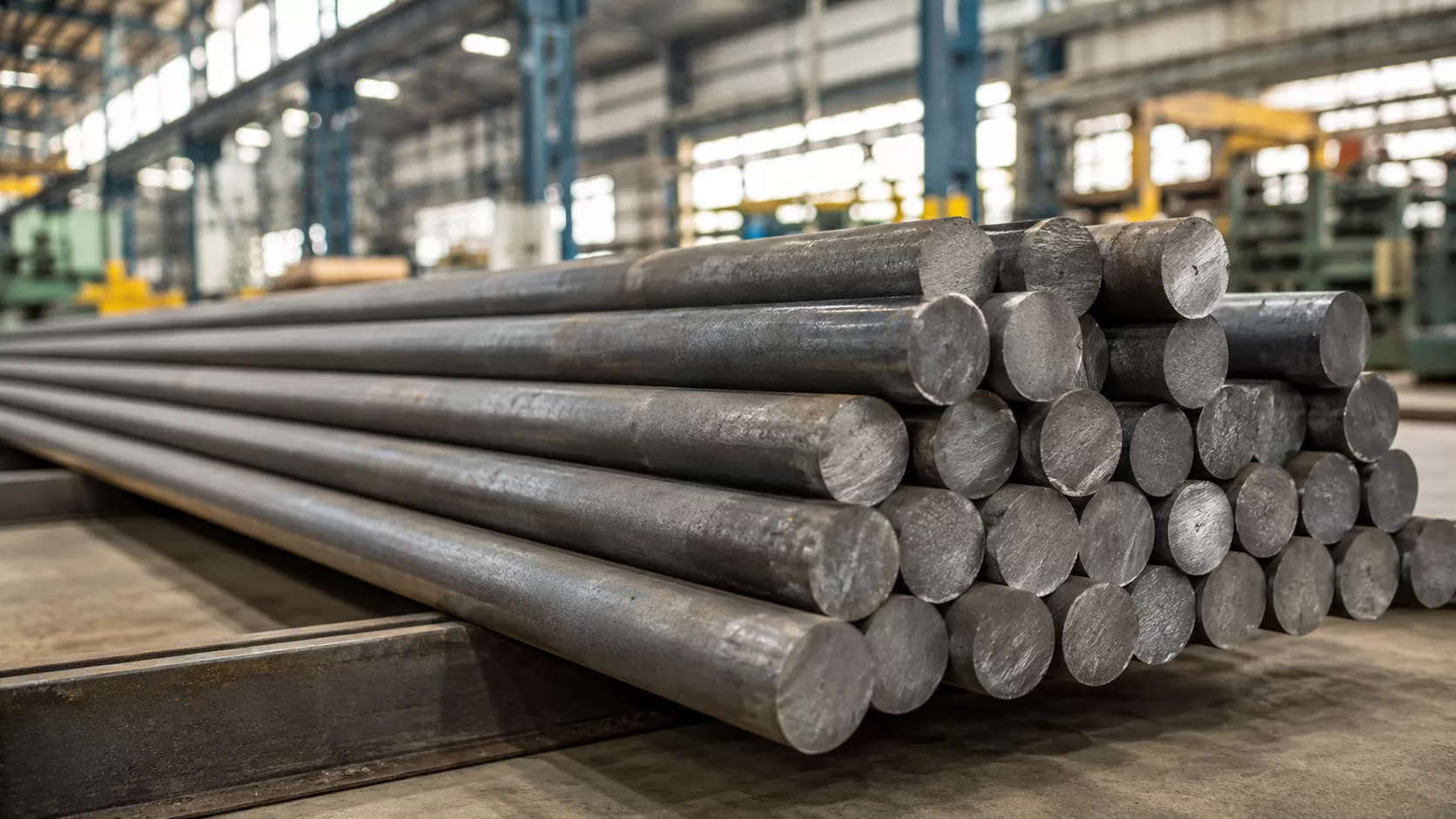
We stock and supply 8630 steel in a variety of standard and custom shapes to match your exact production needs. As professional precision casting service providers, we ensure our alloy steel inventory meets strict industry standards for geometric accuracy and internal soundness. Whether your project requires heavy-duty 8620 steel alternatives or specialized low alloy grades, we provide the right material form ready for manufacturing.
Hot Rolled and Normalized Bars
Our hot rolled and normalized bars provide an ideal baseline for machining and forging. Normalizing refines the grain structure of the medium carbon material, improving its uniformity and response to subsequent heat treatment.
- Round Bars: Optimized for turning and producing durable gears shafts.
- Square & Flat Bars: Excellent for structural blocks and heavy machinery foundations.
- Hexagonal Bars: Ready for high-strength fasteners and fittings.
Available Forms and Specifications
To streamline your supply chain, we offer this UNS G86300 alloy in multiple forms, dimensions, and compliance specifications.
| Product Form | Size Range (Diameter / Thickness) | Common Specifications | Supply Condition |
|---|---|---|---|
| Round Bar | 10 mm to 350 mm | ASTM A29, AISI 8630 | Hot Rolled, Normalized, or Annealed |
| Forged Block | Up to 500 mm | ASTM A668 | Rough Machined, Quenched & Tempered |
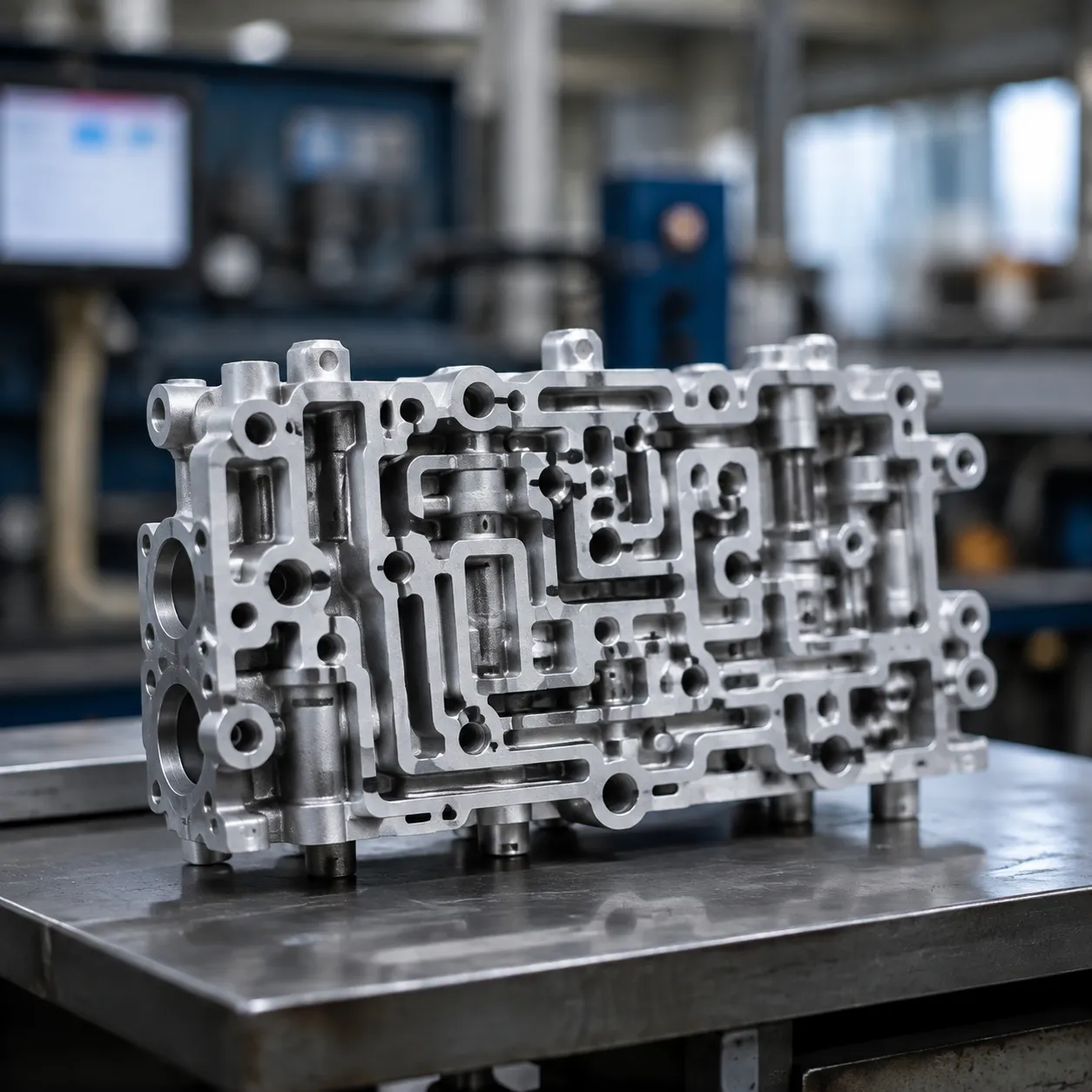
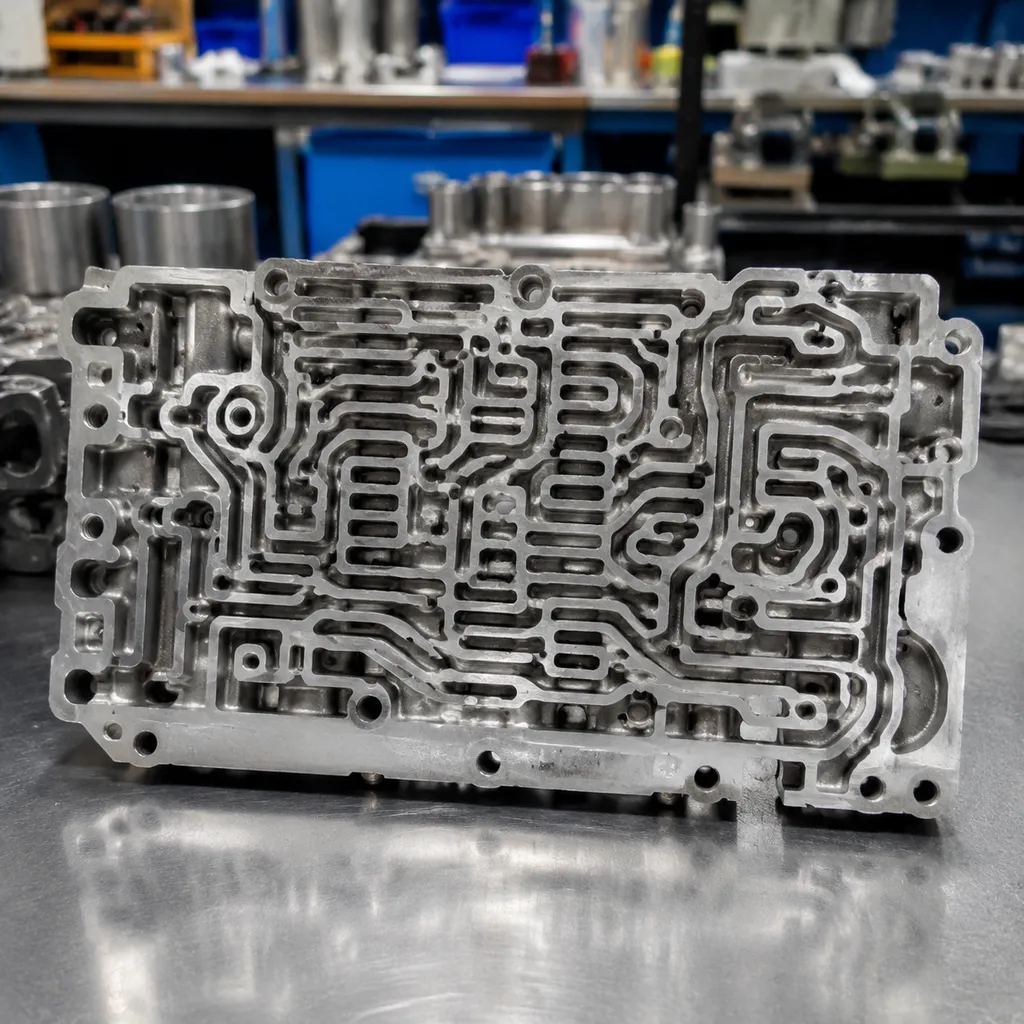
| Custom Castings | Based on 3D drawings | Investment Cast / Precision Cast | Net-shape or Near-net-shape |
We supply these materials with full certification, ensuring the precise balance of chromium, nickel, and molybdenum required to hit your target mechanical properties and hardenability metrics.
Industrial Applications of 8630 Steel
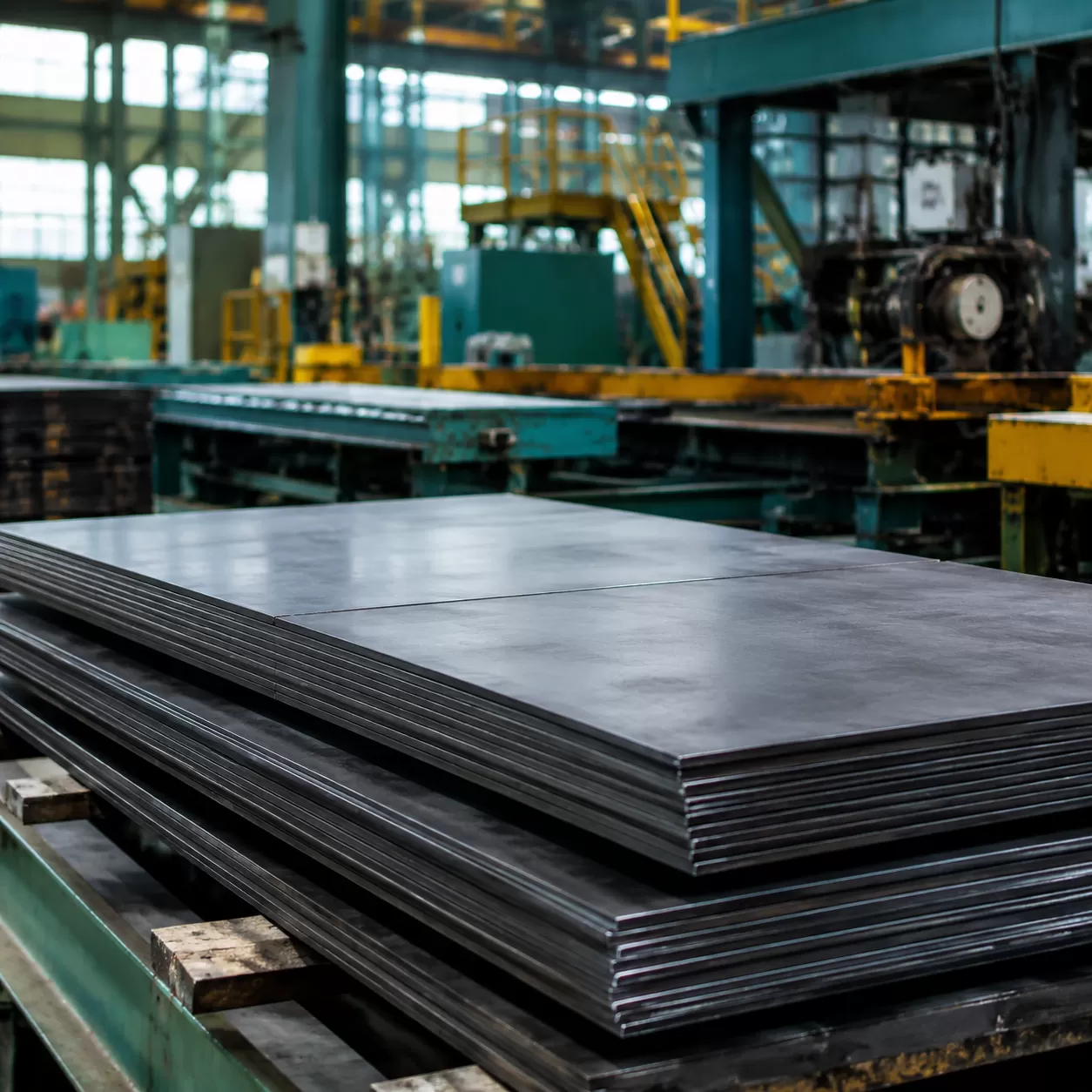
Due to its exceptional hardenability, toughness, and fatigue resistance, 8630 steel is a dominant choice across heavy-duty global industries. This low alloy material excels in high-stress environments where component failure is not an option.
Oil and Gas Component Manufacturing
In the demanding oil and gas sector, 8630 alloy steel is a staple for both surface and subsea applications. It offers the structural integrity needed to withstand extreme pressures and corrosive environments.
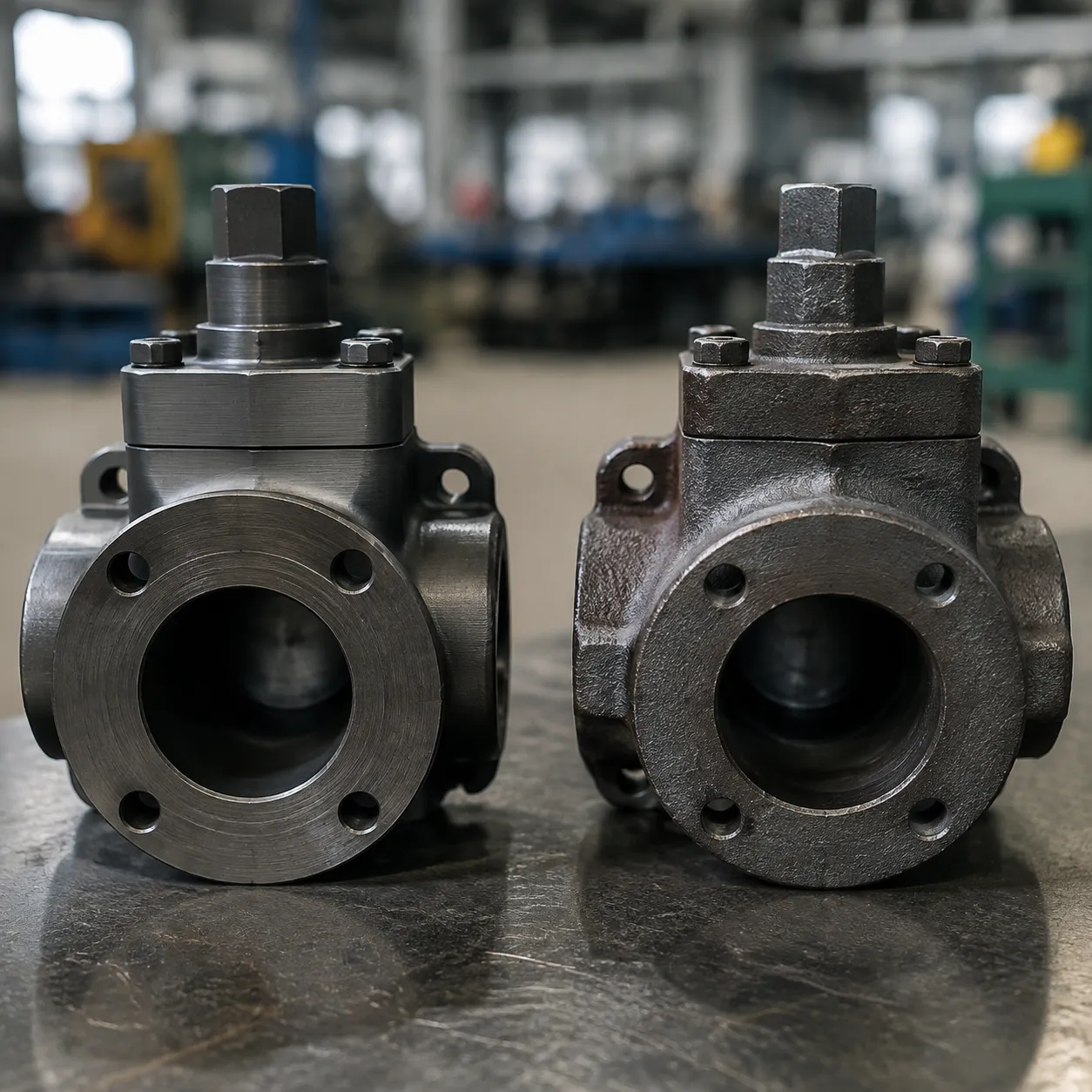
- Key Components: Wellhead equipment, valves, chokes, connectors, and blowout preventers (BOPs).
- Performance Advantage: Excellent fracture toughness and reliable performance after heat treatment make it ideal for pressure-containing parts.
Aerospace and Defense Applications
The aerospace industry relies on 8630 steel for parts requiring a high strength-to-weight ratio and dependable fatigue life. As precision casting service providers, we often utilize this grade in aerospace investment casting to deliver complex, near-net-shape components that meet strict aviation standards.
- Key Components: Fasteners, structural airframe brackets, gears, and shafts.
- Performance Advantage: The uniform response to heat treatment ensures predictable mechanical properties under extreme aerodynamic loads.
Structural and Heavy Machinery Parts
For heavy machinery and industrial equipment, this medium carbon alloy delivers the wear resistance needed for continuous operation. It handles high-impact loads without succumbing to brittle fracture.
- Key Components: Durable gears, shafts, piston rods, cams, and heavy-duty structural couplings.
- Performance Advantage: High yield strength allows machinery to handle greater loads, extending the service life of critical industrial parts.
Fabrication and Heat Treatment Guidelines
Working with 8630 steel requires a solid understanding of its thermal response and structural characteristics. Whether we are preparing it for heavy machinery or specialized oilfield components, following strict fabrication protocols ensures the final product maintains its high fatigue resistance and structural integrity.
Welding and Machining Requirements
8630 steel is considered to have good weldability compared to higher carbon alloys, but its chromium and molybdenum content necessitates careful handling. To prevent cold cracking and ensure a reliable bond, we always recommend preheating the material before welding, especially for thicker sections.
In terms of machining, this low-alloy steel performs exceptionally well in the annealed or normalized condition. It produces clean finishes and holds tight tolerances effectively. Our local CNC machine shop precision parts and fast lead times utilize optimized tooling speeds to maximize efficiency when shaping 8630 components.
- Preheat Temperature: 400°F - 600°F (200°C - 315°C) depending on section thickness.
- Post-Weld Heat Treatment (PWHT): Essential for stress relief to maintain ductility.
- Machinability Rating: Approximately 70% of B1112 steel.
Heat Treatment and Normalizing Processes
Heat treatment is the key to unlocking the full potential of 8630 steel. By manipulating the cooling rates, we can achieve a wide range of hardness and strength levels suitable for durable gears and shafts. We use advanced casting technology for improved foundry yield to ensure the metal purity is optimal before these thermal processes begin.
The typical heat treatment cycle for 8630 steel includes the following stages:
| Process | Temperature Range | Cooling Method | Purpose |
|---|---|---|---|
| Normalizing | 1600°F - 1700°F (870°C - 925°C) | Air Cool | Refines grain structure and improves uniformity. |
| Annealing | 1500°F - 1600°F (815°C - 870°C) | Furnace Cool | Softens the metal for maximum machinability. |
| Hardening | 1525°F - 1575°F (830°C - 860°C) | Oil Quench | Increases hardness and core strength. |
| Tempering | 400°F - 1200°F (200°C - 650°C) | Air Cool | Adjusts the balance between toughness and hardness. |
Normalizing is a critical step for 8630 steel to remove internal stresses from previous forging or casting operations. For components requiring maximum wear resistance, oil quenching followed by tempering provides the best results, ensuring the part remains tough enough to handle high-impact loads without becoming brittle.
FAQs
What is 8630 steel used for?
We frequently supply this low alloy grade for high-stress applications in the oil and gas sector, such as valves, manifolds, and wellhead components. Its excellent balance of toughness and strength also makes it a top choice for manufacturing durable gears, shafts, and structural heavy machinery parts.
Can 8630 alloy steel be easily welded?
Yes, it offers good weldability compared to higher-carbon alloys. Because it is a medium carbon steel with chromium, nickel, and molybdenum, we recommend preheating the material and performing a post-weld heat treatment to prevent cracking and ensure the integrity of the joint.
How does UNS G86300 handle machining?
In its normalized or annealed state, UNS G86300 machines exceptionally well. If your project requires complex geometries or tight tolerances after heat treatment, utilizing professional CNC turning services ensures precise dimensions without compromising the mechanical properties of the alloy.
What is the difference between 8620 and 8630 steel?
The primary difference lies in the carbon content. 8630 steel contains a higher carbon content (around 0.30%) than 8620 (around 0.20%). This gives 8630 higher core strength and better through-hardenability, whereas 8620 is typically preferred for carburizing applications requiring a hard case and a ductile core.