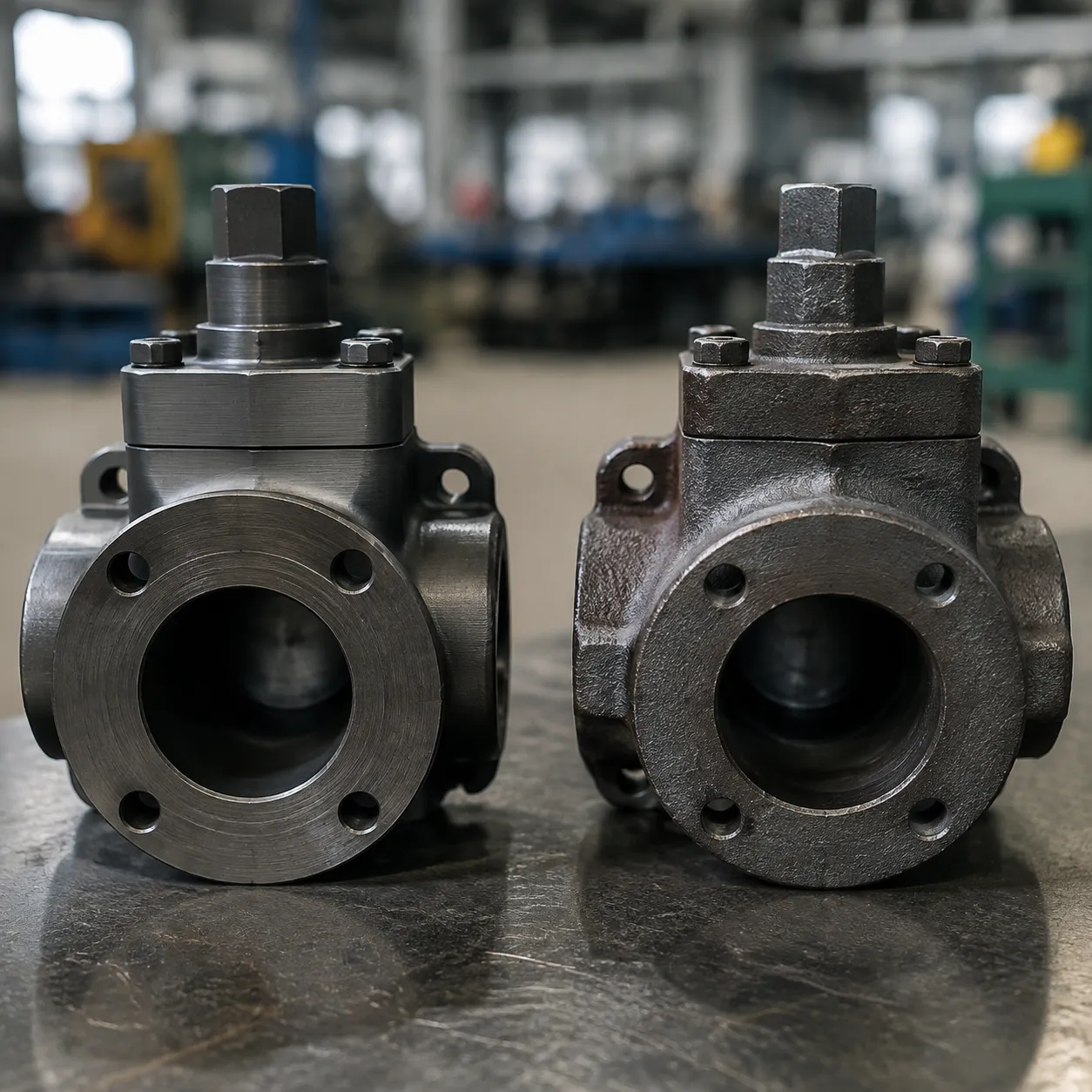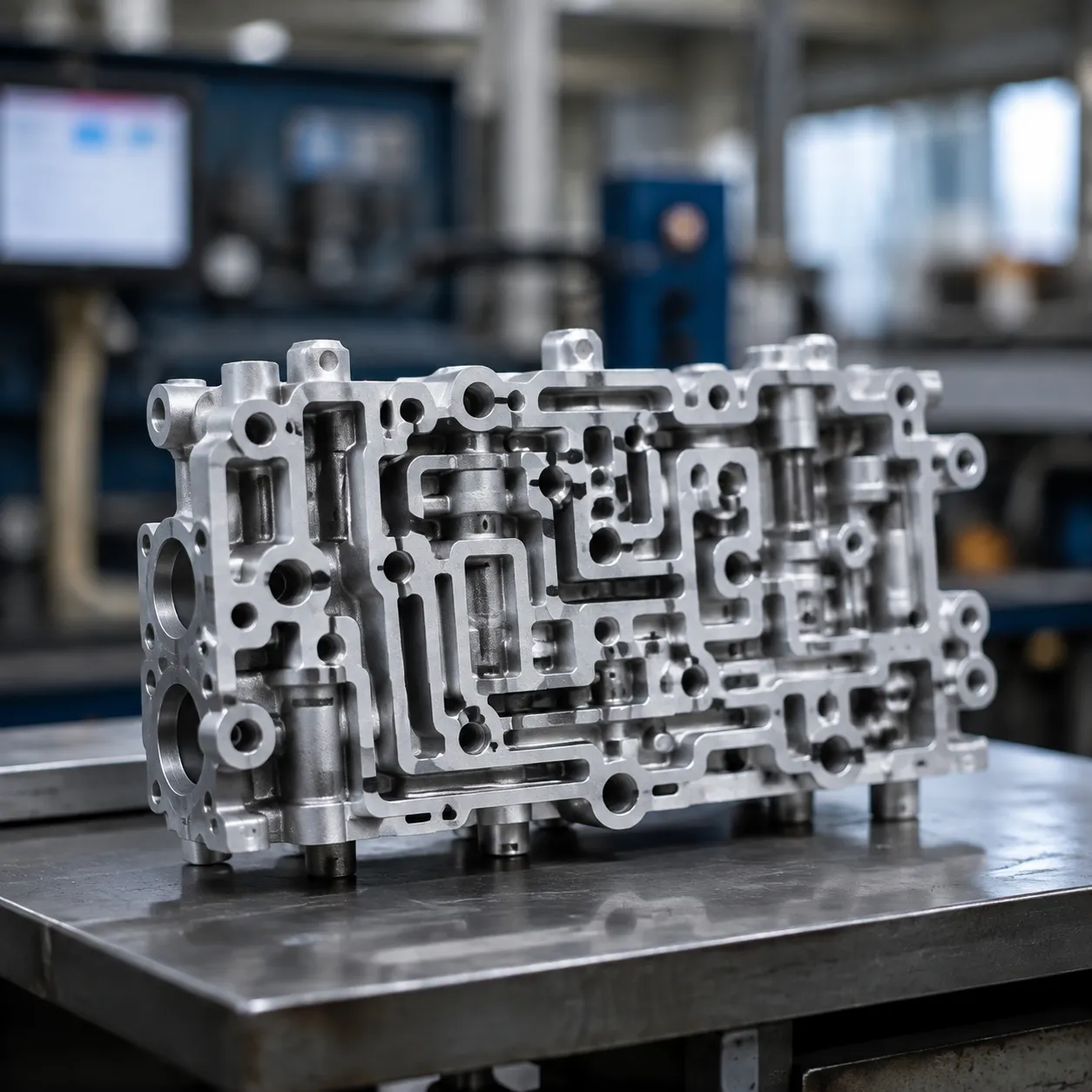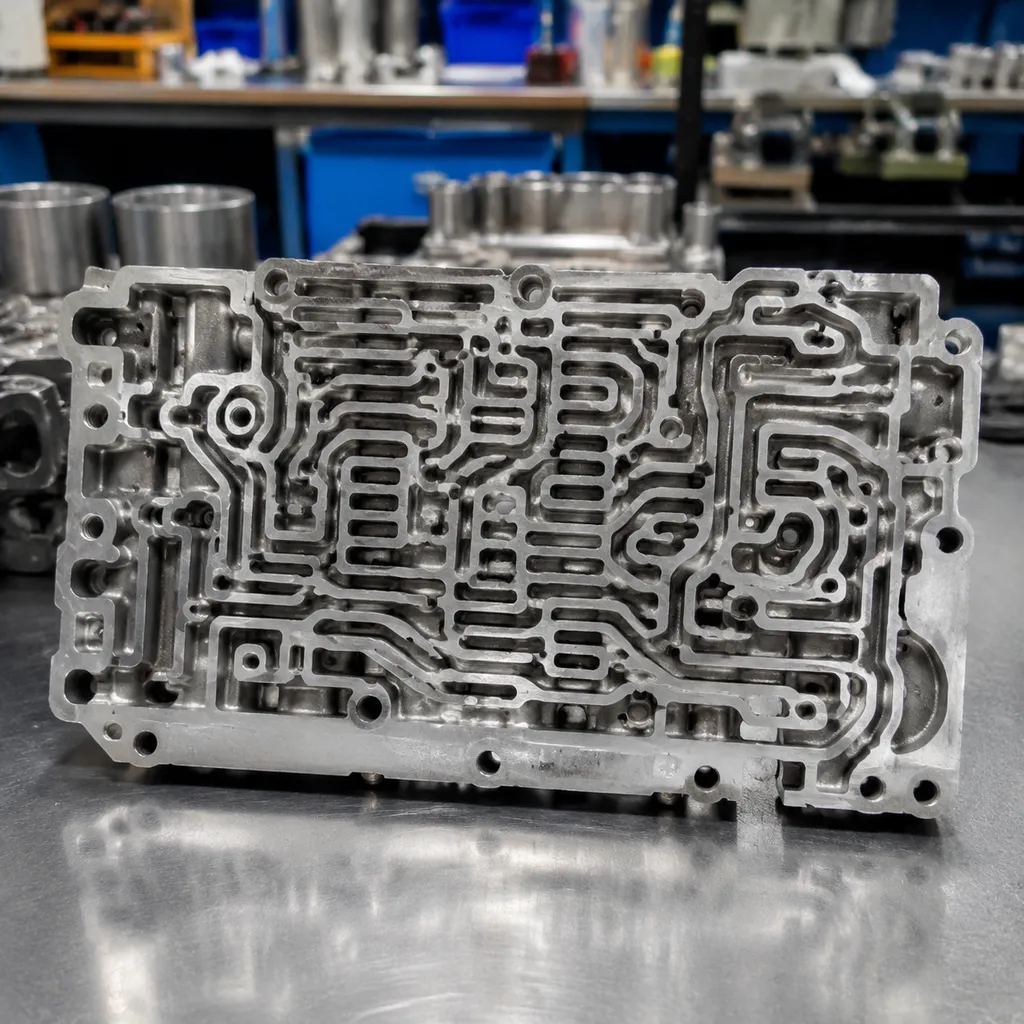
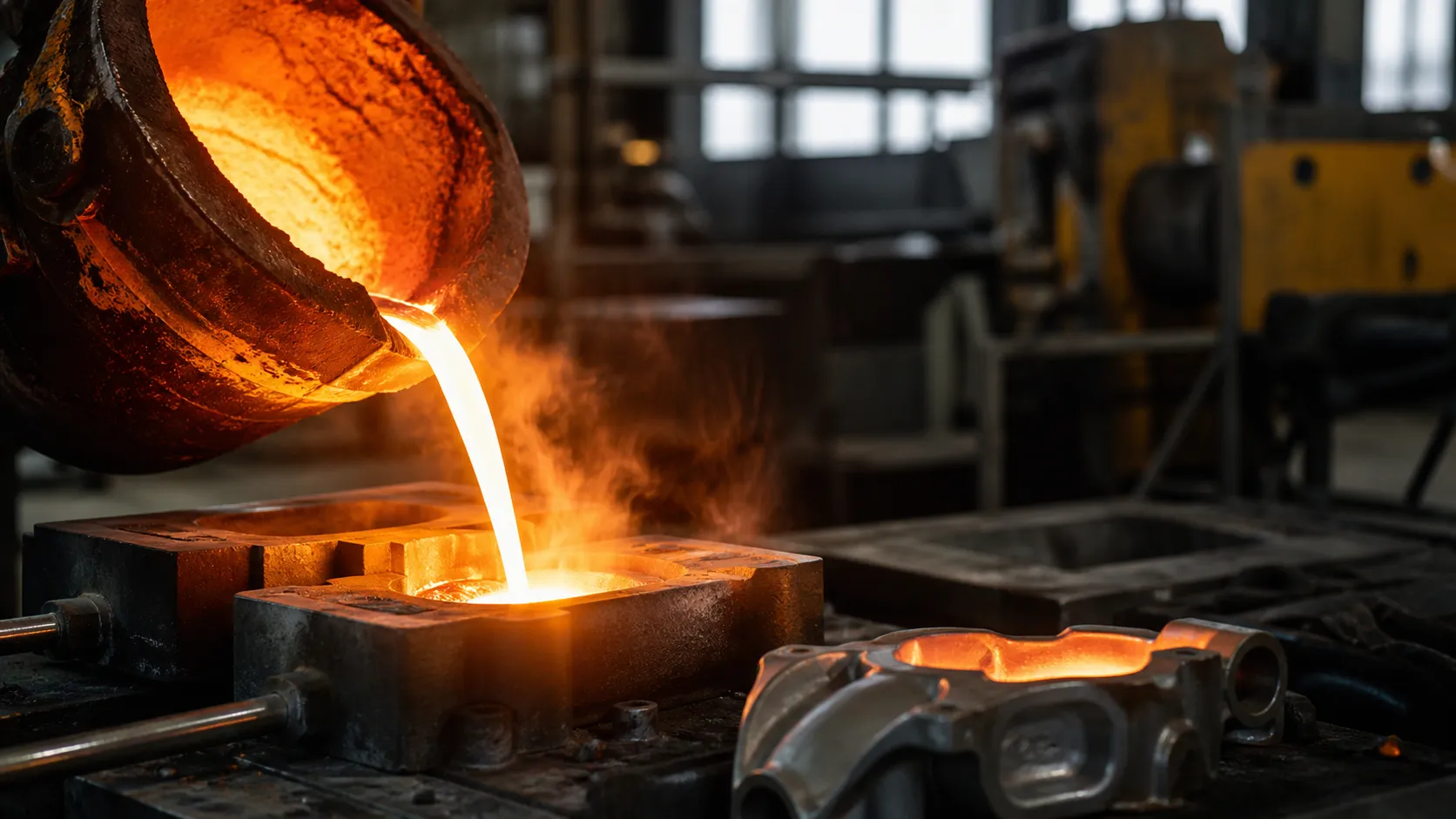
This casting car parts program covers die casting, investment casting, and sand casting routes for aluminum castings, iron, and steel — spanning engine components, drivetrain housings, and suspension components. Each route pairs mold selection with CNC finish options so OEM and aftermarket teams can lock geometry, alloy, and annual volume before tooling release.
What Casting Car Parts Cover in Modern Vehicles
Definition and Role in Car Manufacturing
Automotive casting is a foundational manufacturing process where molten metal is poured into a specially engineered mold cavity to form durable, highly complex vehicle components. When it comes to casting car parts, this process enables the mass production of intricate geometries that traditional machining cannot achieve efficiently. From engine blocks to structural frame components, casting delivers the high structural integrity, thermal resistance, and precision required in modern automotive engineering.
Overview of Casting Technologies for Automotive Parts
An experienced automotive casting manufacturer runs multiple foundry technologies so each duty cycle, wall thickness, and volume target can land on the right mold process:
- Die Casting: High-pressure technique designed for high-volume, thin-walled precision components.
- Investment Casting: Ideal for intricate, tight-tolerance parts requiring superior surface finishes.
- Sand Casting: Cost-effective solution for heavy-duty, large-scale structural parts and iron components.
- Permanent Mold Casting: Yields high-density castings with exceptional mechanical strength for critical vehicle assemblies.
Common Casting Processes for Automotive Parts
Choosing the right method for casting car parts depends on production volume, component geometry, material requirements, and budget constraints. Four core techniques cover the majority of reliable, high-performance automotive components.
Die Casting for High-Precision Components
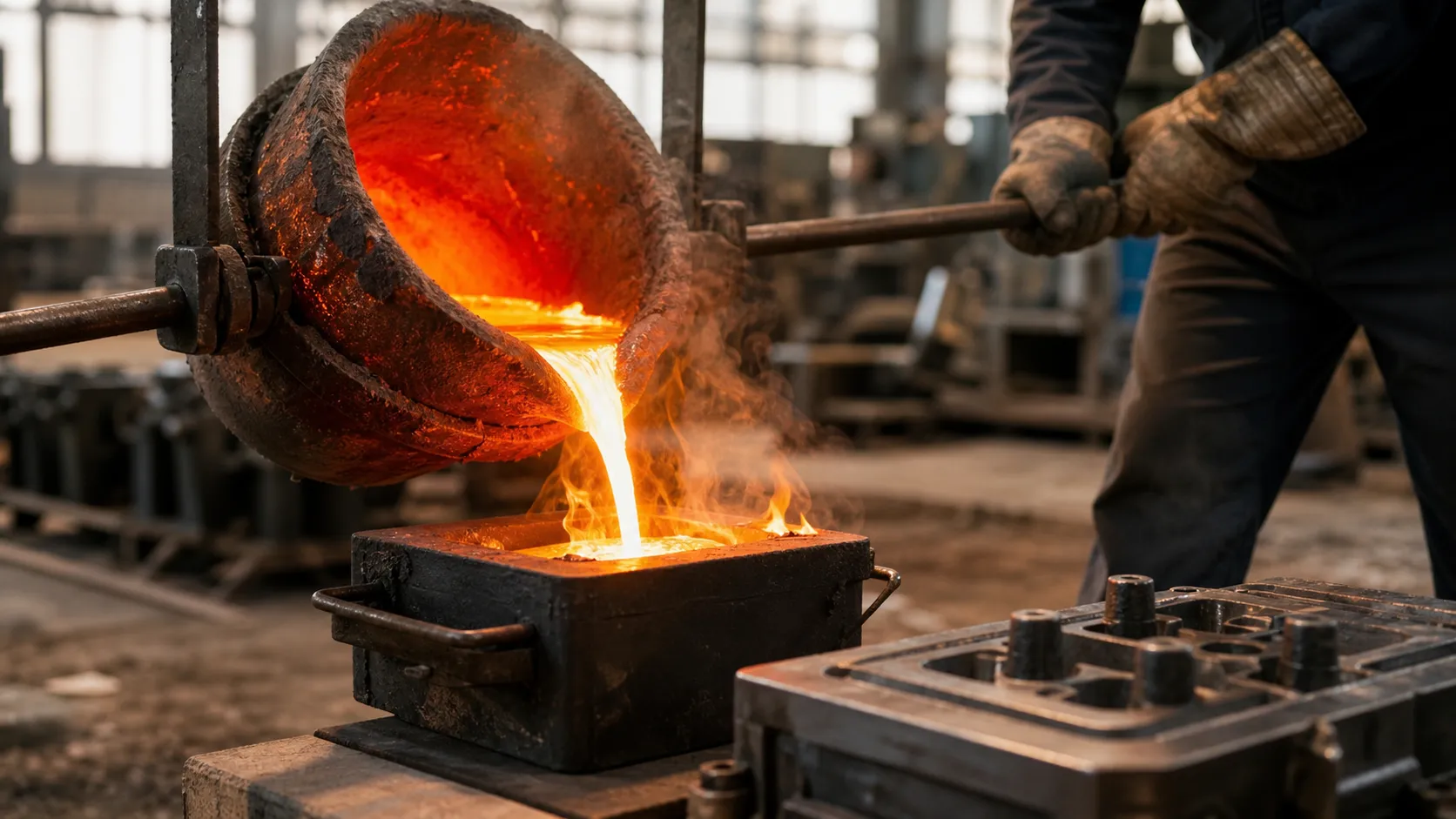
High-pressure die casting forces molten metal into reusable steel dies at high velocities. This technique delivers exceptional dimensional accuracy, smooth surface finishes, and rapid cycle times.
Best for: Thin-walled engine covers, transmission housings, and structural EV battery enclosures.
Key Advantage: High-volume efficiency with minimal secondary machining required. Optimized die-cast aluminum alloys maximize fluidity and structural integrity during high-pressure cycles.
Investment Casting for Complex Geometries
Investment casting (lost-wax casting) excels at producing intricate, net-shape metal parts with tight tolerances that standard molding cannot achieve.
Best for: Turbocharger impellers, exhaust manifolds, and detailed brake hardware.
Key Advantage: Reduces post-processing machining and supports specialized heat- and wear-resistant alloys. Complex stainless and alloy programs can also reference the site’s investment casting parts capability set.
Sand Casting for Cost-Effective & Heavy Components
Sand casting uses compacted sand molds to form molten metal, offering the most versatile approach for massive components and shorter production runs.
Best for: Heavy-duty engine blocks, cylinder heads, axle housings, and structural chassis brackets.
Key Advantage: Low initial tooling investment and the capability to cast exceptionally heavy, thick-walled parts.
Permanent Mold Casting for High-Strength Parts
Also known as gravity die casting, this process pours molten metal into reusable metal molds under natural gravity or low pressure.
Best for: Automotive pistons, suspension knuckles, and fluid-handling pump housings.
Key Advantage: Faster cooling rates create a fine grain structure, delivering superior mechanical strength and improved fatigue resistance.
Key Materials Used in Casting Car Parts
When casting car parts, selecting the right alloy determines the strength, weight, and long-term durability of the component. A capable automotive casting manufacturer pours a full spectrum of metals tailored to specific vehicle engineering requirements.
Aluminum Alloys for Vehicle Lightweighting
Aluminum is the material of choice for modern fuel efficiency and EV range extension. Its exceptional strength-to-weight ratio supports durable, complex geometries that reduce total vehicle weight. High-integrity aluminum castings deliver tight tolerances and outstanding thermal conductivity for powertrain and chassis duty.
- Primary Benefits: Extreme weight savings, excellent heat dissipation, and natural corrosion resistance.
- Typical Uses: Engine blocks, transmission parts, EV battery enclosures, and control arms.
Cast Iron and Steel for High-Load Applications
When extreme mechanical strength, heat resistance, and wear tolerance are required, heavy-duty iron and steel remain essential in metal foundry production.
- Ductile and Gray Iron: Superior damping capacity to reduce noise and vibration in heavy-duty drive systems.
- Cast Steel: Unmatched tensile strength and impact resistance, making it essential for critical suspension components, steering knuckles, and heavy drivetrain mounts.
Magnesium and Zinc for Lightweight Precision Parts
For specialized applications where space and weight are strictly limited, magnesium and zinc offer unique manufacturing advantages:
- Magnesium Alloys: The lightest structural metal available, suited to steering wheel cores, instrument panel structures, and cross-car beams.
- Zinc Alloys: Ideal for ultra-thin walls, high-precision brackets, and small mechanical components requiring smooth surface finishes directly out of the mold.
Applications of Castings in Car Parts
Precision metal casting powers the modern automotive industry by delivering high-strength, intricate components built for demanding road conditions. From core powertrain assemblies to safety-critical chassis structures, casting car parts supports vehicle weight targets, structural integrity, and long-term durability.
Engine and Transmission Components
Powertrain assemblies require materials that endure continuous thermal shock and extreme pressure. Typical engine components and drivetrain housings include:
- Engine Blocks & Cylinder Heads: Lightweight aluminum castings improve heat dissipation and vehicle efficiency.
- Gearbox & Transmission Housings: Rigid structures that protect delicate gear assemblies from wear and vibration.
- Heavy-Duty Powertrain Mounts: For extreme-load applications, custom cast iron parts provide unmatched strength and vibration damping.
- Turbocharger & Exhaust Hardware: Investment-cast impellers, manifolds, and heat-exposed housings for boosted and aftertreatment systems.
Chassis, Steering, and Braking Systems
Vehicle safety and handling depend directly on component fatigue resistance. Castings deliver the required toughness across key steering and suspension components:
- Control Arms & Steering Knuckles: Cast aluminum and ductile iron reduce unsprung mass while maintaining precise steering control.
- Brake Calipers, Discs & Hubs: Engineered to withstand intense friction and rapid temperature cycles.
- Subframe Connectors: Absorb harsh road impacts to protect the cabin and chassis frame.
Structural Frame and Body Parts
Modern vehicle architectures increasingly replace complex welded stampings with single-piece cast structural nodes:
- Shock Towers & Pillar Reinforcements: Offer high crash-energy absorption and targeted rigidity.
- Integrated Body Castings: Streamline assembly lines while significantly raising overall torsional stiffness.
Automotive Electronics and Sensors
With the rise of smart vehicles and EVs, casting car parts extends to protecting critical electronic systems:
- ECU & Radar Covers: Precision die casting provides airtight sealing and shielding against electromagnetic interference (EMI).
- EV Motor & Inverter Housings: Lightweight aluminum casings designed with integrated thermal management channels.
- Sensor Mounts: Maintain micro-level tolerances to keep driver-assist sensors accurately calibrated.
Key Advantages of Casting Car Parts
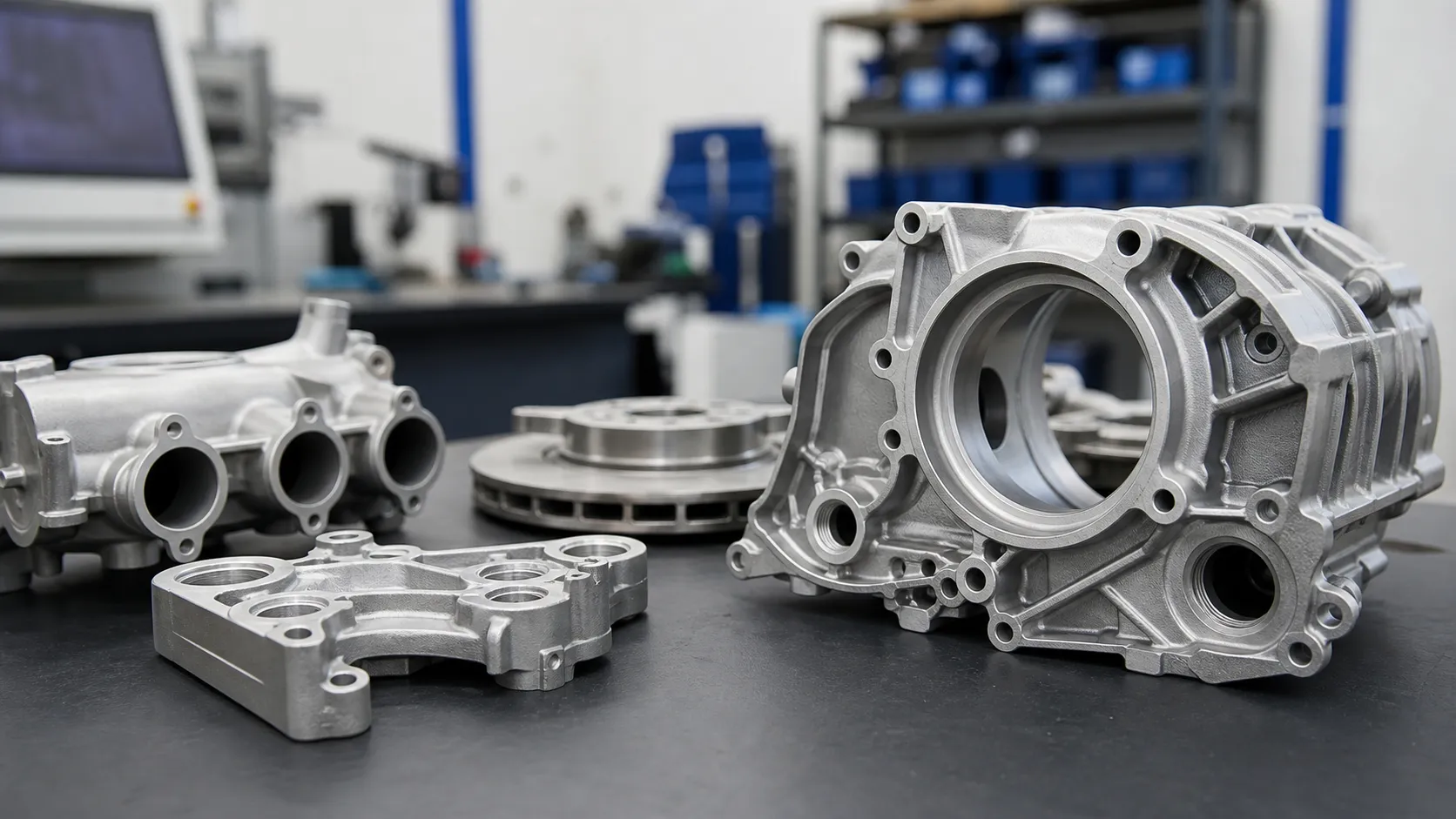
When modern auto components are designed and built, casting gives an unmatched edge in structural performance, design freedom, and cost control. Here is why casting car parts remains the preferred choice for automotive manufacturers worldwide.
Casting Highlights
- Near-Net Geometry: Complex channels, thin walls, and consolidated nodes come out of the mold with less weld-up and fewer piece-parts to assemble.
- Weight Without Weak Spots: Aluminum and magnesium routes trim mass for fuel economy and EV range while iron and steel stay available for high-load brackets and mounts.
- Volume-Ready Repeatability: Die casting and permanent mold lines hold repeatable dimensions across high-volume automotive launches.
Enhanced Performance Through Weight Reduction
Trimming vehicle mass directly boosts fuel efficiency and extends electric vehicle range. Advanced lightweight aluminum casting routes remove unnecessary bulk from structural parts without sacrificing strength or safety.
- Better Vehicle Dynamics: Reduces unsprung weight for sharper handling and smoother ride quality.
- Higher Fuel Efficiency: Drops overall vehicle weight to meet strict global emission standards.
- Extended Battery Range: Keeps EV chassis structures light to maximize battery capacity and efficiency.
Design Flexibility for Complex Automotive Shapes
Traditional machining often struggles with complex internal channels, thin walls, and curved contours. Casting pours liquid metal into custom molds, consolidating multiple components into single, seamless units. Precision investment casting services produce intricate geometry with tight tolerances, eliminating extra assembly steps and reducing structural failure points.
Cost Efficiencies in Large-Scale Production
For high-volume automotive manufacturing, casting delivers significant savings across the entire production lifecycle:
- Minimal Material Waste: Near-net shape manufacturing ensures almost every bit of raw metal goes directly into the finished component.
- Rapid Cycle Times: High-speed die casting produces thousands of identical, repeatable parts per day.
- Reduced Assembly Costs: Combining multi-piece components into a single cast piece slashes labor and tooling expenses.
Casting Car Parts Precision Machining & Quality Control
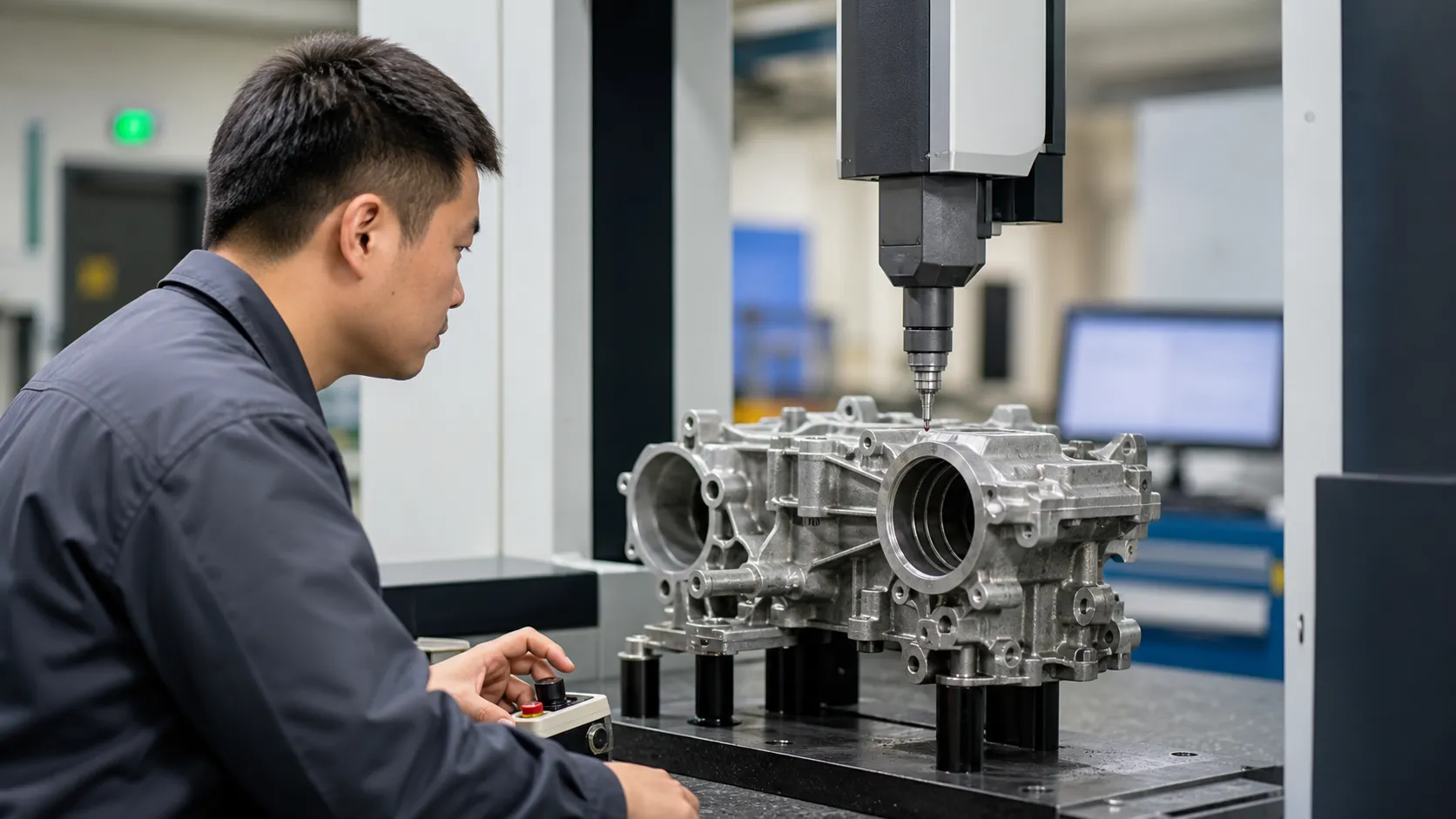
Raw cast metal components are only as good as their post-processing and quality checks. A trusted automotive casting manufacturer backs every component with rigorous manufacturing operations and strict quality control to guarantee peak performance on the road.
Process Capability Snapshot
| Capability | Typical Scope for Casting Car Parts |
|---|---|
| Primary Processes | Die casting · Investment casting · Sand casting · Permanent mold |
| Core Alloys | Aluminum · Ductile/gray iron · Cast steel · Magnesium · Zinc |
| Secondary Ops | CNC milling/turning · EDM · Precision boring · Surface finishing |
| Quality Systems | IATF 16949 · ISO 9001 · CMM · NDT (X-ray / ultrasonic) · Melt analysis |
Precision CNC Machining and Tolerances
After casting car parts, precise post-machining is essential to achieve tight fitments for engine and chassis systems. Multi-axis CNC milling, turning, and specialized EDM machining hold critical dimensions to OEM specifications through disciplined precision machining workflows.
| Machining Method | Primary Application | Typical Tolerance Range |
|---|---|---|
| CNC Milling & Turning | Engine blocks, gearbox housings | ±0.01 mm – ±0.05 mm |
| EDM Machining | High-hardness alloys & complex features | ±0.005 mm – ±0.01 mm |
| Precision Boring | Cylinder liners & bearing seats | ±0.008 mm – ±0.02 mm |
Surface Finishing and Coating Options
Automotive components face extreme heat, friction, and environmental wear. Post-casting surface treatments enhance structural durability, extend service life, and maximize corrosion protection:
- Shot Blasting & Grinding: Removes residual scale and smooths raw cast surfaces.
- Anodizing & E-Coating: Delivers maximum corrosion resistance for light aluminum castings.
- Powder Coating: Provides a tough, durable outer barrier against chips, road salt, and harsh chemicals.
- Passivation & Plating: Protects critical bracketry, structural mounts, and electronic housings.
Quality Inspection and Automotive Standards
Zero-defect targets apply across high-volume automotive production runs. Automated testing and precision machining with quality assurance workflows put every batch through multi-stage verification:
- Coordinate Measuring Machines (CMM): Validates complex 3D geometries and critical dimensions.
- Non-Destructive Testing (NDT): Employs X-ray and ultrasonic testing to identify internal porosity or micro-cracks.
- Metallurgical Analysis: Confirms alloy chemical composition and tensile strength.
- Automotive Compliance: Full adherence to IATF 16949 and ISO 9001 standards.
Choosing the Right Custom Automotive Casting Supplier
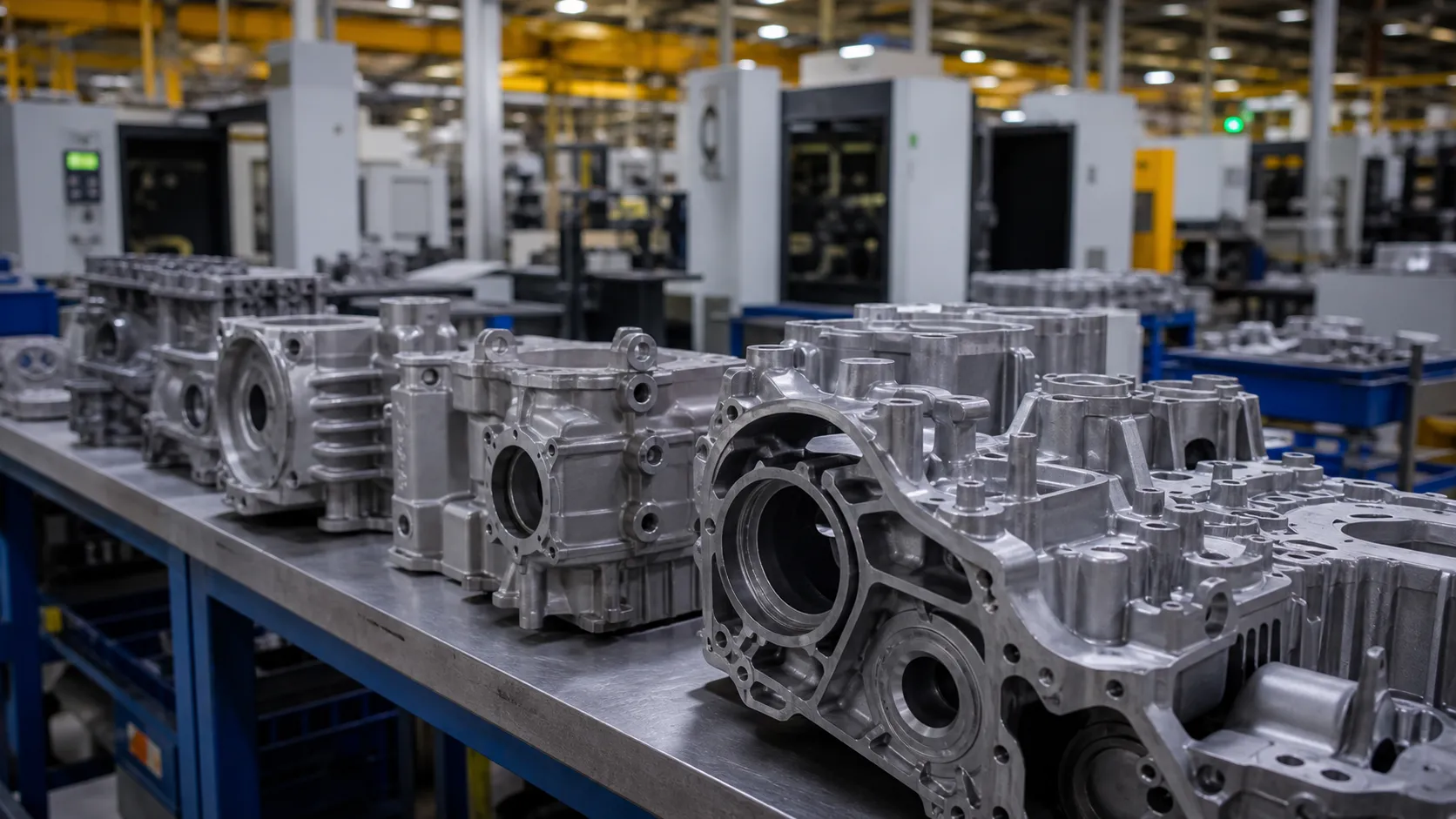
Selecting the right partner for casting car parts is critical for maintaining performance standards, keeping production costs in check, and meeting strict automotive supply timelines. High-precision components must be engineered specifically to meet the rigorous demands of the global auto industry.
Manufacturing Capabilities and Material Versatility
A leading automotive casting manufacturer must offer broad material choices and versatile production techniques under one roof. Knowing whether to leverage sand casting versus die casting depends on volume requirements, tolerance needs, and structural demands. For high-temperature, corrosion-resistant components, specialized stainless steel sand casting routes support long-term reliability.
- Broad Material Selection: Processing aluminum alloys, ductile iron, magnesium, and specialized steel grades.
- Comprehensive Tooling Options: High-pressure die casting, investment casting, and sand molding under one umbrella.
- Secondary Finishing: Integrated precision machining and protective surface treatments for turn-key parts.
Prototyping and Customization Solutions
Speed-to-market drives competitive advantage. Direct collaboration with auto engineers from initial CAD modeling through full-scale production — including early Design for Manufacturability (DFM) analysis and rapid prototyping — eliminates design flaws and optimizes mold flow dynamics before mass tooling begins.
Industry Certifications and Quality Assurance
Automotive applications leave zero margin for component failure. Strict quality management protocols across the entire metal foundry operation help every piece perform reliably under high-stress driving conditions.
- Automotive Compliance: Full adherence to IATF 16949 and ISO 9001 quality management systems.
- Advanced Inspection: CMM dimensional audits, spectral melt analysis, and non-destructive X-ray flaw detection.
- Full Traceability: Complete batch tracking from raw material melt to final packaged delivery.
Ordering Information for Casting Car Parts
Print-ready drawings, alloy targets, annual volume, and secondary machining notes are enough to start a casting car parts RFQ. Prototype tooling, PPAP-oriented sampling, and production releases are sequenced to the program gate plan.
As an automotive casting manufacturer and metal foundry supplier, Vastmaterial reviews CAD packages and process routes before committing tooling. Request a quote with drawings and target volumes to open the review.
FAQs About Casting Car Parts
Why is aluminum favored for automotive casting parts?
Aluminum dominates modern vehicle manufacturing due to its exceptional strength-to-weight ratio. Aluminum alloys help carmakers hit strict fuel efficiency and range targets without sacrificing safety or performance.
- Weight Reduction: Up to 40–50% lighter than traditional cast iron.
- Corrosion Resistance: Natural oxide layers protect vital powertrain and chassis components.
- Thermal Conductivity: Ideal for rapid heat dissipation in engines and brake systems.
How are cast parts used in electric vehicles (EVs)?
Electric vehicles require specialized structural nodes and protective housings. When casting car parts for EVs, the focus shifts to battery enclosures, electric drive unit casings, motor housings, and integrated subframes. These high-stress structural parts often leverage alloy steel casting routes or advanced aluminum die casting to keep the vehicle lightweight while shielding sensitive electronic systems.
What is the difference between die casting and sand casting for car parts?
Both methods play critical roles in a metal foundry, but they target different production volumes, tolerances, and component sizes.
| Feature | Die Casting | Sand Casting |
|---|---|---|
| Best For | High-volume, thin-walled precision components | Low-to-medium volume, heavy & massive parts |
| Tooling Cost | Higher initial die investment | Low tooling and setup costs |
| Surface Finish | Smooth, high-precision finish | Rougher surface, often requires extra machining |
| Production Speed | Fast, automated cycle times | Slower production cycle |
| Typical Auto Parts | Transmission cases, brackets, ECU housings | Engine blocks, heavy manifolds, flywheel housings |