Overview
What Is Nickel Alloy Casting?
Nickel alloy casting is the process of melting nickel‑based alloys and pouring them into molds to create near‑net‑shape parts with high performance in extreme environments. Unlike standard carbon steel or basic stainless steel, nickel‑based alloy castings are engineered to handle high heat, high pressure, and aggressive corrosion where conventional materials fail.
In our foundry, we work with nickel‑chromium, nickel‑molybdenum, nickel‑copper, and nickel‑iron superalloys. These alloys are melted in controlled furnaces, poured into precision molds (investment, sand, or centrifugal), solidified, then heat treated and finished to meet tight mechanical and dimensional requirements.
Core Benefits vs. Standard Steel and Stainless
When you move from steel or common stainless to nickel alloy casting, you gain:
- Far better corrosion resistance in acids, chlorides, seawater, sour gas, and mixed chemistries
- Higher temperature capability with excellent strength, creep resistance, and stability above 1000°F (538°C)
- Improved fatigue and toughness under thermal cycling and pressure fluctuations
- Longer service life and fewer unplanned shutdowns in critical systems
- Higher reliability in safety‑critical and mission‑critical equipment
If your current steel or stainless components are pitting, cracking, or deforming at temperature, nickel‑based alloy castings are often the next logical step.
Where Nickel Alloy Castings Make Sense
Nickel alloy castings are typically the right choice when your parts see:
- Continuous or cyclic temperatures above ~800°F (427°C)
- High internal pressure combined with corrosive media
- Chlorides, seawater, sour service, or strong acids/alkalis
- Thermal shock and rapid start‑stop operation
Common examples: hot gas paths, flue gas equipment, chemical reactors, high‑pressure pumps and valves, marine hardware, and offshore components.
Who Uses Nickel Alloy Casting
Most of our nickel‑based alloy casting work goes to:
- Aerospace and defense – turbine blades, vanes, exhaust, hot‑section hardware
- Chemical and petrochemical – reactors, pumps, impellers, valves, scrubbers
- Power generation – gas and steam turbine parts, boiler fittings, burners
- Marine and offshore – propellers, shafts, seawater valves, pump components
- Oil & gas – sour service valves, choke bodies, subsea hardware, flow control
Anywhere failure is expensive, dangerous, or both, nickel alloy castings are in play.
Key Factors Before You Choose Nickel Alloy Casting
Before you commit to a nickel‑based alloy casting, you and I should align on:
- Service environment
- Temperature range and cycling profile
- Pressure levels and load patterns
- Media: chlorides, H₂S, CO₂, acids, caustics, seawater, etc.
- Performance requirements
- Required tensile/yield strength and hardness
- Corrosion/oxidation targets (pitting, SCC, crevice)
- Expected design life and allowable risk
- Geometry and tolerances
- Part complexity and wall thickness
- Required tolerances and surface finish
- Machining, welding, and NDT access
- Cost and supply
- Budget vs. performance trade‑offs
- Annual volume and delivery expectations
- Applicable standards (ASTM, ASME, AMS, API, etc.)
If your application clearly sits in the high‑heat, high‑corrosion, high‑reliability space, nickel alloy casting is usually the most cost‑effective choice over the full lifecycle—even if the upfront piece price is higher than steel or standard stainless.
Nickel alloy casting benefits
Nickel alloy casting gives you a level of reliability that standard steel or stainless can’t touch when the job is truly harsh. These nickel-based alloy castings hold up in acids, chlorides, seawater, and sour gas, so you get corrosion-resistant nickel alloy parts that keep running where others fail. They also offer strong oxidation resistance at high temperature, which is critical for power, chemical, and marine equipment in the U.S. market.
Key benefits you can count on from high‑temperature nickel alloy castings:
- Corrosion & oxidation resistance – Stand up to acids, chlorides, seawater, sour gas, and mixed media without rapid pitting or stress corrosion cracking.
- High‑temperature strength & creep resistance – Maintain strength, hardness, and thermal stability where stainless steel starts to soften or deform.
- Fatigue resistance & toughness – Handle cyclic pressure, vibration, and thermal cycling with good ductility and impact toughness, reducing fatigue failures.
- Dimensional stability & tight tolerances – Nickel alloy investment casting and centrifugal casting support precise, stable dimensions for critical valve bodies, turbine hardware, and pump components.
- Longer service life & fewer shutdowns – Better resistance to wear, corrosion, and creep directly translates into longer service intervals and less unplanned downtime.
- Lower total cost of ownership – While the material cost is higher than stainless or low‑alloy steels, fewer replacements, less maintenance, and improved uptime usually deliver better lifecycle value, especially when you already understand the tradeoffs in alloy steel vs stainless steel performance.
Types of nickel alloy casting
When we talk nickel alloy casting in real U.S. production environments, we’re usually choosing between three main families: Ni‑Cr‑Mo, Ni‑Cu, and Ni‑Fe superalloys. Each one solves a different problem: heat, corrosion, or a mix of both. If you want a broader alloy overview, we break down the main casting alloy families in our casting alloy guide with types, properties, and applications.
Overview of nickel-based casting alloys (Ni‑Cr‑Mo, Ni‑Cu, Ni‑Fe)
Main groups you’ll actually use:
- Ni‑Cr‑Mo alloys
- Focus: high corrosion resistance + solid strength at temperature
- Typical use: chemical processing, scrubbers, flue gas, sour service
- Examples: Hastelloy C‑276, Inconel 625 (high Cr + Mo for corrosion)
- Ni‑Cu alloys
- Focus: seawater and brine resistance, very tough
- Typical use: marine hardware, pumps, valves, shafts
- Example: Monel 400
- Ni‑Fe superalloys (and Ni‑Cr‑Fe)
- Focus: high‑temperature strength, creep resistance, oxidation resistance
- Typical use: turbines, exhausts, hot‑zone hardware
- Examples: Inconel 718, other nickel‑iron superalloy castings
Inconel nickel alloy castings
Inconel is usually the first name that comes up when U.S. buyers ask for “high‑temperature nickel alloy castings.”
Key Inconel casting grades
- Inconel 625
- Ni‑Cr‑Mo‑Nb alloy
- Strong corrosion resistance + good high‑temp strength
- Great for hot, corrosive fluid paths
- Inconel 718
- Ni‑Cr‑Fe‑Nb‑Mo alloy, precipitation hardenable
- High strength up to ~1200°F–1300°F (650°C–700°C)
- Workhorse for aerospace and power hardware
High‑temperature performance (typical behavior)
- Holds tensile and yield strength at elevated temperature far better than stainless
- Good creep and fatigue resistance under thermal cycling
- Excellent oxidation resistance in exhaust and flue gas environments
Best‑fit applications
- Turbine wheels, nozzles, and stator/rotor components
- Exhaust manifolds, turbocharger and gas turbine parts
- High‑temp brackets, fixtures, and hot‑gas path hardware
- High‑pressure, high‑temperature valve and pump internals
Pros of Inconel in casting
- Handles high temperature + pressure + vibration together
- Strong oxidation and hot gas corrosion resistance
- Good long‑term stability for critical aerospace and power parts
Cons / trade‑offs
- High alloy cost vs stainless and low‑alloy steels
- Harder to machine, needs proper tooling and feeds/speeds
- May be overkill where temperatures and corrosion are moderate
For deeper Inconel grade and property details, see our dedicated Inconel alloys guide for properties, grades, and applications.
Hastelloy nickel alloy castings
Hastelloy (mainly Ni‑Cr‑Mo alloys) is what we reach for when corrosion is brutal and uptime matters more than material price.
Core Hastelloy casting grade
- Hastelloy C‑276
- Ni‑Cr‑Mo‑W alloy
- Very broad corrosion resistance
- Handles both oxidizing and reducing environments better than most alloys
Chemical resistance profile
- Strong resistance to:
- Acids: hydrochloric, sulfuric, phosphoric (many concentrations)
- Chlorides: pitting and crevice resistance better than stainless
- Mixed and dirty media: chlorides + acids + high temperature
- Good performance in oxidizing and reducing conditions, so it’s a safe pick when chemistry swings
Typical casting applications
- Chemical reactors and pressure‑containing components
- Pumps, impellers, and valve bodies in aggressive media
- Scrubbers, absorbers, and flue gas desulfurization units
- Heat exchanger and column internals in refineries and chemical plants
Strengths
- “One alloy covers many chemistries” in harsh plants
- Major reduction in corrosion leaks and unplanned shutdowns
- Excellent choice for sour gas, chloride‑rich, and mixed‑acid service
Trade‑offs
- Premium price vs stainless and even some Inconel grades
- Not needed where media is only mildly corrosive or well‑controlled
- Slightly more challenging casting and machining vs basic Ni‑Fe alloys
Monel and nickel‑copper alloy castings
Monel and other Ni‑Cu alloys are our go‑to for long‑life seawater and brine service.
Common nickel‑copper casting grades
- Monel 400
- Ni‑Cu alloy with excellent marine corrosion resistance
- Good toughness from sub‑zero up to moderately high temperatures
Performance in seawater
- Very resistant to chloride attack, including fast‑flowing seawater
- Handles brackish water, salt spray, and splash zones extremely well
- Resists stress corrosion cracking better than many stainless steels
Typical Monel cast part uses
- Seawater pumps, impellers, and casings
- Valves, fittings, and manifolds in marine and offshore systems
- Shafts, propeller hubs, and other submerged hardware
- Components in desalination and seawater intake systems
Limitations / when not to choose Monel
- Cost: higher than standard stainless, especially for larger parts
- Not ideal in strong oxidizing acids (like hot, concentrated nitric)
- Limited high‑temperature capability compared to Inconel superalloys
- Overkill for fresh water or non‑chloride, non‑marine service
Other nickel alloy casting grades
Beyond Inconel, Hastelloy, and Monel, we also cast a range of other nickel‑based and nickel‑iron superalloys when the spec demands it.
Examples
- Ni‑Fe‑Cr heat‑resistant alloys for furnace and heat‑treat fixtures
- Specialized superalloys for turbine wheels, combustion components, and hot structural parts
- Nickel‑based alloys optimized for low‑temperature toughness or specific corrosive chemistries
How to compare grades
When you choose a nickel alloy casting grade, line it up against three main factors:
- Temperature
- Below ~600°F: corrosion usually dominates selection
- 600–1200°F: balance strength, creep, and corrosion
- Above 1200°F: lean toward superalloys built for high‑temp strength
- Media / environment
- Seawater, brine, splash zone → Ni‑Cu (Monel)
- Mixed acids, chlorides, sour gas → Ni‑Cr‑Mo (Hastelloy, Inconel 625)
- Clean hot gas, turbine gas path → Ni‑Fe / Ni‑Cr‑Fe superalloys (Inconel 718)
- Mechanical loads
- High cyclic loads and vibration → higher‑strength superalloys
- Steady high pressure at moderate temperature → corrosion‑optimized Ni‑Cr‑Mo grades
- Impact or shock loading → alloys with good toughness and ductility
Quick selection by environment & industry
- Aerospace / gas turbines: Inconel 718 and related Ni‑Fe superalloy castings
- Chemical & petrochemical: Hastelloy C‑276 and other Ni‑Cr‑Mo corrosion‑resistant castings
- Marine & offshore: Monel 400 and Ni‑Cu castings for pumps, valves, and shafts
- Power generation & industrial heat: Inconel and Ni‑Fe‑Cr heat‑resistant alloys for burners, nozzles, and hot hardware
Nickel alloy casting processes
Overview of nickel alloy casting methods
For nickel-based alloy casting, I mainly use three processes: investment casting, sand casting, and centrifugal casting. Each one hits a different sweet spot on cost, precision, and part size. The right choice depends on how complex your part is, how many you need, and what kind of performance you’re targeting under heat, pressure, and corrosion.
When to choose investment vs. sand vs. centrifugal casting
In simple terms:
- Investment casting – Best for complex, tight-tolerance, medium-to-small parts.
- Sand casting – Best for large, heavy, less complex components.
- Centrifugal casting – Best for rings, tubes, sleeves, and bushings that need dense, defect‑resistant walls.
If you need high-precision nickel alloy castings, I usually recommend pairing with our precision casting services, then fine-tuning the process for your geometry and volume.
How process choice affects cost, lead time, and performance
- Cost
- Investment: Higher tooling and piece price, offset by less machining and scrap.
- Sand: Lower tooling cost, economical for larger parts and low-to-medium volumes.
- Centrifugal: Medium tooling cost, very efficient for cylindrical shapes.
- Lead time
- Investment: Longer upfront (tooling + shell building).
- Sand: Typically fastest to get first parts on large castings.
- Centrifugal: Fast once tooling is set for repeat runs.
- Part performance
- Investment: Best dimensional accuracy and surface finish.
- Sand: Adequate performance with flexible design options and sizes.
- Centrifugal: Highest wall density and minimal internal defects for pressure and wear parts.
Investment casting nickel alloys
Process steps:
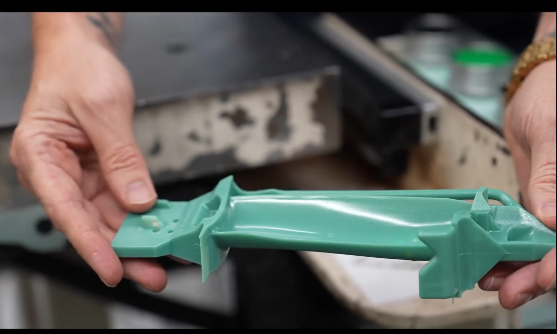
- Create wax patterns (single or multi-cavity).
- Build ceramic shell around the wax.
- Melt out wax, fire the shell.
- Pour molten nickel alloy, cool, and knock out shell.
- Cut, gate removal, heat treat, and final machining.
Typical capabilities:
- Tolerances: ±0.005–0.010 in (±0.13–0.25 mm) depending on size.
- Surface finish: Very smooth; minimal machining on non-critical faces.
- Wall thickness: Down to ~0.08 in (2 mm) with proper design.
Best part types:
- Complex internal passages.
- Thin-walled, high-precision hardware.
- Aerospace, turbine, and high-performance industrial components where detail matters more than part size.
Pros:
- Excellent accuracy and repeatability.
- Tight tolerances and great surface finish.
- Ideal for complex geometry and weight reduction.
Cons:
- Higher part cost than sand casting.
- Longer lead time due to tooling and shell-building.
- Max part size is limited vs. sand casting.
If you’re after very tight tolerances and complex details but in aluminum instead of nickel, we run similar workflows in our aluminum investment castings for precision parts.
Sand casting nickel alloys
Workflow:
- Build tooling / pattern.
- Pack molding sand around pattern (with cores where needed).
- Remove pattern, set cores if required.
- Pour molten nickel alloy into the mold.
- Shakeout, cut off gates/risers, heat treat, and machine.
Size and weight:
- Handles large nickel alloy castings, from medium housings to very heavy industrial shapes.
- Best when weight and envelope are big, and ultra-fine features aren’t required.
Ideal geometries and tolerances:
- Simpler shapes: valve bodies, pump housings, casings, brackets.
- Typical tolerances: looser than investment; expect more machining stock.
Pros:
- Most economical option for large parts and lower volumes.
- Very flexible in part size and geometry.
- Faster tooling turnaround than full investment systems (for many jobs).
Cons:
- Rougher surface finish.
- Wider tolerances, more post-machining.
- Higher risk of sand-related surface defects if not well controlled.
Centrifugal casting nickel alloys
How it works:
- Molten nickel alloy is poured into a rotating mold.
- Centrifugal force pushes metal outward, creating a dense, uniform wall.
- Ideal for ring-shaped or cylindrical parts where the OD/ID can be machined to size.
Microstructure and performance:
- Very dense microstructure with fewer gas and shrinkage defects.
- Strong, defect-resistant walls for high-pressure and wear environments.
- Excellent for parts facing thermal cycling and mechanical stress.
Best use cases:
- Rings, bushings, sleeves, liners, and cylindrical tube sections.
- Components in pumps, valves, chemical, and power systems where integrity of the wall is critical.
Comparing nickel alloy casting processes
Side-by-side comparison
| Feature / Process | Investment Casting | Sand Casting | Centrifugal Casting |
|---|---|---|---|
| Best for geometry | Complex, detailed, thin-walled parts | Large, simpler shapes | Rings, tubes, bushings, cylindrical forms |
| Typical tolerances | Tightest | Widest | Moderate to tight on OD/ID after machining |
| Surface finish | Best | Rougher | Good on OD; ID often machined |
| Part size range | Small to medium | Medium to very large | Limited by mold diameter/length |
| Part cost | Highest per piece | Lowest for large parts | Medium; economical for ring volumes |
| Lead time (first parts) | Medium to long | Short to medium | Medium (after tooling) |
| Density / defects | Good with proper process control | Good, but more risk of porosity | Highest density, lowest internal defects |
How to pick the right process
Focus on three things:
- Geometry
- Complex + thin wall + small/medium size → Investment casting.
- Large envelope + simpler geometry → Sand casting.
- Cylindrical / ring-shaped → Centrifugal casting.
- Quantity and budget
- Low volume / prototypes → Sand or investment depending on accuracy needed.
- Medium-to-high volume of precision parts → Investment.
- Repeated runs of similar rings/tubes → Centrifugal.
- Impact on machining, inspection, and lead time
- Tighter as-cast tolerance (investment, centrifugal OD) = less machining cost.
- Sand castings usually need more machining, but tooling is quick and cheap.
- The more complex the process, the more planning you need up front, but the better the long-term repeatability and performance.
If you share your drawings, operating conditions, and volume plans, I can usually narrow the right nickel alloy casting process down in one review and set you up with a predictable path on cost, timing, and quality.
Design Guidelines for Nickel Alloy Castings
General design rules for nickel alloy casting
When I design nickel alloy castings, I treat the alloy as “high‑value, low‑forgiveness.” That means:
- Keep geometry as simple and open as possible.
- Avoid abrupt section changes and isolated heavy masses.
- Design parts so they solidify directionally (from thin to thick, toward risers).
Early DFM with your foundry is non‑negotiable; it will save you more than any later cost‑cutting step.
Wall thickness & uniformity
Nickel alloys hate extreme thickness changes. As a practical rule of thumb:
- Minimum wall (investment casting): ~0.08–0.12 in (2–3 mm), depending on alloy and size.
- Minimum wall (sand casting): ~0.20–0.30 in (5–8 mm).
- Uniformity: Keep thickness changes within 25–30% when you can.
- Use tapers instead of sudden jumps, and add ribs or gussets if you need stiffness without big sections.
Draft, fillets & radii
To reduce stress, misruns, and cracks:
- Draft:
- Investment casting: 1–2° on external walls, 2–3° on internal features.
- Sand casting: 2–3° external, 3–5° internal.
- Fillets/Radii:
- Avoid sharp inside corners; add at least 0.06–0.12 in (1.5–3 mm) radius in high‑stress transitions.
- Blend ribs and bosses smoothly into walls; no knife edges.
Designing for metal flow & solidification
Nickel superalloys have higher viscosity and narrower freezing ranges than carbon steels, so flow and feeding matter more:
- Keep gates feeding thicker, hotter sections first.
- Avoid long, thin “dead‑end” arms; tie them into stronger flow paths.
- Use gradual transitions and well‑vented sections to prevent cold shuts and misruns.
- Work with your foundry’s simulation results; tweak thickness and junctions to promote directional solidification.
Avoiding porosity, shrinkage & hot spots
Common nickel alloy casting issues:
- Gas porosity: Comes from turbulence and poor venting. Use smooth, generous runners and avoid sudden area changes.
- Shrinkage cavities: Show up in heavy, isolated sections and thick junctions (like three‑way intersections).
- Hot spots: Thick pads, bosses, and hubs without enough feeding.
Design moves that help:
- Break up large masses into webbed or cored sections.
- Use uniform ribs instead of thick slabs.
- Keep intersection thickness close to the thickest wall feeding them.
Gating & risers with your supplier
You don’t have to design the gating and risers yourself, but you should design with them in mind:
- Leave enough stock and access for gates, risers, and their removal.
- Avoid critical features in obvious gate/riser locations.
- Plan “sacrificial” areas where the foundry can feed heavy sections without hurting final geometry.
A good foundry will share gating concepts and solidification simulations during the review so you can adjust the model instead of living with rework later.
Managing undercuts, thin sections & sharp corners
Nickel alloy casting tolerates complexity, but complexity costs:
- Undercuts: Try to eliminate or reduce them; they force more complex tooling and can trap metal or gas. Where necessary, consider split cores or design changes that let you machine the feature instead.
- Thin sections: Avoid long, unsupported thin fins or walls. Shorten spans or add support ribs to prevent misruns and warpage.
- Sharp corners: Treat any sharp edge as a future crack starter; round and blend wherever the design allows.
Machining allowances for nickel alloy castings
Nickel alloys machine tougher than carbon and stainless steels, so I always allow more stock where precise fits matter:
- Investment casting machining allowance: typically 0.02–0.06 in (0.5–1.5 mm) per side on critical surfaces.
- Sand casting machining allowance: 0.06–0.12 in (1.5–3 mm) per side or more, depending on size.
- Concentrate machining stock on sealing faces, bores, and fits; don’t overspecify non‑critical surfaces.
If you’re balancing casting and machining for cost (similar to how I balance processes on our precision alloy machining projects), aligning tolerances early makes a big difference in your final piece price.
Surface finish expectations by casting process
Realistic finishes before machining:
- Investment casting nickel alloys: ~125–250 μin Ra as‑cast, finer with optimized shells.
- Sand casting nickel alloys: ~250–500 μin Ra as‑cast.
Plan post‑machining or grinding for sealing surfaces, bearing seats, and aerodynamic surfaces in turbines or exhaust hardware.
Weld prep & joint design for nickel alloy components
Many nickel alloy castings are welded into larger assemblies, so joint design matters:
- Provide proper bevel angles (usually 30–37.5° included) and land thickness for groove welds.
- Keep weld joints away from heavy section changes and high‑stress corners.
- Add run‑on/run‑off tabs or extra material in weld areas when you know you’ll be using automated or high‑energy welding.
- Make sure the alloy choice and heat treatment are compatible with your weld procedure and required toughness.
If you lock in these design basics early, nickel alloy castings will run cleaner in the foundry, machine faster in the shop, and last longer in service.
Nickel alloy casting capabilities and capacity
Size and weight ranges
For nickel alloy casting, I cover everything from small precision parts to heavy-duty industrial hardware:
- Investment casting nickel alloys
- Typical size: up to ~24 in (600 mm) in the longest dimension
- Wall thickness: down to ~0.08–0.12 in (2–3 mm) on stable sections
- Weight range: roughly 0.1 lb to 80 lb (50 g to 35 kg)
- Sand casting nickel alloys
- Typical size: from ~4 in (100 mm) up to several feet per side
- Weight range: from 10 lb to 2,000+ lb (5 kg to 900+ kg), depending on geometry and tooling
If you’re not sure where your part fits, send the 3D model and I’ll confirm feasibility quickly.
Production volumes and lead times
I support the full life cycle: from first article to long-term production.
- Prototyping & sample runs
- 1–20 pcs for initial validation
- 3D-printed patterns or soft tooling where it cuts time and cost
- Standard lead times (typical, not guaranteed)
- Tooling + first samples: 4–8 weeks for investment casting, 5–10 weeks for sand casting
- Production orders: usually 4–6 weeks after approval, depending on quantity and NDT requirements
- Scalability
- Low volume: specialty aerospace, power gen, and chemical processing spares
- Mid–high volume: repeat runs for valve bodies, pump components, turbine hardware
Early visibility on forecasts lets me lock in capacity and stabilize pricing.
Melting, heat treatment, and finishing
Nickel alloy performance lives or dies on how it’s melted and treated. I run controlled processes tailored for high-temperature alloy families and nickel superalloys.
- Melting capabilities
- Induction melting in air or controlled atmosphere
- Tight chemistry and temperature control for Ni‑Cr‑Mo, Ni‑Cu, and superalloys
- Compatible with demanding specs like ASTM and AMS for nickel-based castings
- For projects needing cobalt or other high‑temp chemistries, I also work with dedicated high‑temperature alloy melting setups.
- Heat treatment for nickel superalloys
- Solution treatment, aging, stress relieving, and stabilization cycles
- Controlled temperature ranges up to ~2,000°F (1,095°C)+ depending on alloy
- Recipes matched to grades like Inconel and Hastelloy for strength, creep, and toughness
- In‑house finishing and machining
- Rough and precision machining for tight‑tolerance features
- Surface finishing, weld prep, and joint machining
- Coating prep (grit blast, masking surfaces, dimensional control) to support downstream plating or protective coatings
If you send the drawing with material spec, heat treatment notes, and key tolerances, I can quote a complete cast‑and‑machined nickel alloy solution, not just a raw casting.
Applications of nickel alloy casting

Nickel alloy castings show up wherever U.S. customers need parts to survive heat, pressure, and brutal corrosion. Below is how I typically see them used across key industries.
Aerospace and defense nickel alloy castings
In aerospace and defense, nickel alloy castings sit right in the hot zone.
- Typical parts: turbine blades and vanes, exhaust nozzles, manifolds, brackets, engine hardware
- Why nickel: holds strength at high temperatures, resists oxidation, handles thermal cycling and vibration
- Specs we see: tight dimensional tolerances, full NDT (X‑ray, dye penetrant), AMS/ASTM-compliant nickel-based superalloys
- Reliability: long service intervals, predictable creep and fatigue performance, strict documentation and traceability
When weight is critical but temperatures are lower, we sometimes pair nickel castings with lighter titanium alloy components in the same assembly.
Chemical and petrochemical nickel alloy castings
For chemical processing, nickel alloy casting is often the go-to when stainless steel fails early.
- Typical parts: pumps, valves, impellers, agitators, reactor and scrubber components
- Media handled: acids, chlorides, sour gas, mixed oxidizing/reducing streams
- Why nickel: strong resistance to pitting, crevice corrosion, and stress corrosion cracking
- Real-world gains: longer run time between shutdowns, fewer leaks, lower maintenance cost per operating hour
Power generation nickel alloy castings
Power generation plants lean on nickel-based alloy casting where heat and pressure are highest.
- Typical parts: boiler fittings, burners, valve bodies, combustion hardware
- Conditions: high-pressure steam, hot gas paths, frequent thermal cycling
- Benefits: excellent creep resistance, oxidation resistance, stable microstructure at temperature
- Use cases: fossil-fired boilers, gas turbines, nuclear balance-of-plant, some renewable energy systems
Marine and offshore nickel alloy castings
In marine and offshore service, corrosion-resistant nickel alloy parts protect uptime.
- Typical parts: shafts, propellers, pump housings, valve bodies, couplings in seawater service
- Environments: seawater, splash zones, subsea assemblies, sour service wells
- Benefits: strong resistance to seawater attack, biofouling-related corrosion, and chloride stress cracking
- Offshore value: longer inspection intervals, fewer emergency changeouts, better lifecycle cost for critical equipment
Other industries using nickel alloy casting
Nickel-based alloy casting also pays off in heavy industrial and emerging clean-energy applications.
- Pulp and paper: digesters, liquor pumps, valves in chloride-rich liquor and bleach media
- Mining and minerals: slurry pump components, wear parts in acidic or chloride-laden slurries
- Industrial processing: high-temperature furnace hardware, fixtures, and custom high-temp tooling
- Emerging uses: hydrogen service components, battery and cathode production hardware, clean energy balance-of-plant parts
Quick application overview
| Industry / Environment | Typical nickel alloy cast parts | Primary advantage |
|---|---|---|
| Aerospace & defense | Turbine blades, vanes, exhaust, engine hardware | High-temperature strength and reliability |
| Chemical & petrochemical | Pumps, valves, impellers, reactor components | Corrosion resistance in aggressive mixed chemistries |
| Power generation | Boiler fittings, burners, valve bodies | Creep and oxidation resistance at high temp |
| Marine & offshore | Shafts, propellers, pumps, seawater valve bodies | Seawater and sour-service corrosion resistance |
| Pulp, mining, clean energy | Process hardware, slurry parts, hydrogen and battery parts | Long life in harsh, specialized environments |
Performance and technical properties of nickel alloy castings
Nickel alloy casting gives you a combination of strength, corrosion resistance, and stability that most steels can’t touch, especially at high temperature and in harsh media. When you’re sizing, designing, and justifying cost, the key is to understand the core mechanical, corrosion, and thermal properties and how they show up in real service.
Mechanical properties of nickel alloy castings
Most nickel-based alloy castings deliver:
- Tensile and yield strength
- Typical room temperature tensile strength: 550–1,100 MPa (80–160 ksi)
- Typical yield strength: 275–900 MPa (40–130 ksi) depending on grade and heat treatment
- Many nickel superalloy castings keep high strength well above 1,000°F (538°C) where carbon and 4140 stainless steel properties start to fall off.
- Elongation and ductility
- Elongation at break commonly in the 10–40% range.
- Good ductility helps parts absorb shock loads and misalignment without cracking.
- Fatigue and creep behavior
- Designed to handle high-cycle and low-cycle fatigue in turbines, pumps, and rotating hardware.
- Excellent creep resistance at elevated temperatures, which is critical for pressure parts, valve bodies, and hot gas components running for years at load.
- Impact toughness and low-temperature performance
- Many nickel alloys keep impact toughness at sub-zero temperatures.
- That’s why they’re used in cryogenic service, offshore environments, and applications where start-stop thermal swings are common.
Corrosion and oxidation performance
Corrosion-resistant nickel alloy parts are a go-to when stainless steel can’t survive the chemistry:
- Pitting, crevice, and SCC resistance
- High nickel and molybdenum levels give strong resistance to pitting and crevice corrosion.
- Many nickel-based alloys show excellent resistance to chloride-induced stress corrosion cracking, a common failure mode for stainless in chemical and marine service.
- Behavior in aggressive media
- Proven performance in acids, alkalis, chlorides, seawater, and sour gas.
- Well-suited for mixed and dirty chemistries where conditions change over time and are hard to predict.
- High-temperature oxidation
- Nickel-chromium superalloy castings form stable oxide films that protect against scaling and oxidation at elevated temperatures.
- This is critical for high-temperature nickel alloy castings in burners, turbines, and exhaust hardware.
Thermal and physical properties of nickel alloy castings
Thermal and physical properties directly affect fit, clearances, and long-term stability:
- Thermal expansion
- Coefficient of thermal expansion is moderate and predictable, which helps keep tight clearances in hot running equipment.
- Matching expansion with mating materials is key to avoid binding or leakage.
- Thermal conductivity and heat flow
- Nickel alloys typically offer lower thermal conductivity than carbon steel or copper alloys.
- This can be an advantage for components that need to keep heat in or out, but it does affect cooling rates and thermal gradients during service.
- Density and weight impact
- Density is similar to or slightly higher than stainless steel, so weight per part is comparable.
- For weight-critical systems, we balance alloy selection and geometry to get the best mix of strength and mass.
Taken together, these mechanical, corrosion, and thermal properties are why I use nickel alloy casting when uptime, safety, and performance matter more than lowest upfront material cost.
Quality control for nickel alloy castings
When you buy nickel alloy castings from us, you’re paying for consistency, not surprises. We build quality into every step, from melt to final inspection, and back it with documented test data.
Inspection and testing methods for nickel alloy casting
We combine destructive and non-destructive testing to validate each heat and critical batch:
- Non-destructive testing (NDT): X‑ray radiography, ultrasonic testing (UT), and dye penetrant checks to detect internal porosity, shrinkage, cracks, and surface defects in nickel-based alloy castings.
- Dimensional inspection: CMM, gauges, and custom fixtures to verify tight tolerances on valve bodies, turbine components, and pump parts, including full layout on first articles.
- Metallurgical analysis: Spectrochemical analysis, microstructure review, and cleanliness checks to confirm chemistry and grain structure match the nickel alloy spec.
- Mechanical testing: Tensile, yield, elongation, hardness, impact, and, when needed, creep or stress-rupture tests to validate casting performance at temperature.
We back this up with proven testing and quality control procedures tailored for demanding nickel alloy casting applications.
Standards, certifications, and traceability
To keep U.S. buyers covered on compliance and documentation, we work to the specs you’re already using:
- Material specs: ASTM, AMS, API, and ASME nickel alloy casting grades for Inconel, Hastelloy, Monel, and other superalloys.
- Quality systems: ISO 9001 as a baseline, with AS9100, NADCAP, and API 6A support where aerospace and oil & gas customers require it.
- Traceability: Heat numbers, melt records, inspection plans, and certified test reports (CMTRs) tied to each shipment so you can close the loop in your own QA system.
Process control and reliability in nickel alloy casting
Reliable nickel alloy investment casting, sand casting, and centrifugal casting comes down to stable process control:
- From melt to final inspection: Controlled melting practice, molding, pouring, heat treatment, and machining parameters all locked into work instructions.
- Defect prevention: Upfront process FMEAs, robust gating and feeding design, and documented corrective actions when an issue appears.
- Batch consistency: Statistical process control and repeatable setups so long‑term programs get the same nickel alloy casting quality from lot to lot, year after year.
Comparing nickel alloy casting to other materials
Nickel alloy casting vs stainless steel casting
If you’re pushing temperature, corrosion, or uptime, nickel alloy castings will beat stainless almost every time.
Core differences:
- Temperature limits
- Typical stainless (304/316): reliable up to ~900–1,000°F (480–540°C)
- Nickel alloys (Inconel, Hastelloy): run clean at 1,500–1,800°F+ (815–980°C) with better creep resistance and less distortion
- Corrosion performance
- Stainless struggles with chlorides, seawater, sour gas, and strong acids (pitting, crevice, and stress corrosion cracking)
- Nickel alloys are engineered for chlorides, acids, seawater, and mixed media, so they survive where stainless fails
- Strength and stability
- Stainless loses strength fast at high temp and under long-term stress
- Nickel alloys keep strength, toughness, and dimensional stability under thermal cycling and pressure
If you’re comparing with standard stainless or low-alloy steel casting options, nickel alloys are the clear choice for severe service, especially in U.S. refineries, chemical plants, and power generation.
Cost vs performance and lifecycle value
Nickel alloy casting will cost more up front, but you usually win over the life of the equipment:
- Higher material + melting cost
– more expensive alloy, tighter process control - Lower total cost of ownership
- Longer service life in harsh media
- Less unplanned downtime
- Fewer replacements and emergency repairs
- Best ROI when:
- Failure is expensive (lost production, environmental risk, safety impact)
- Access is hard (offshore platforms, remote power plants, nuclear)
For mild conditions, stainless (or duplex stainless from our stainless steel product line) can be more cost-effective. For aggressive media or high temp, nickel alloys usually pay for themselves.
Nickel alloy casting vs cobalt and other superalloys
Cobalt and other superalloys compete with nickel in extreme environments, but they’re not one-size-fits-all.
Where cobalt makes sense:
- Very high wear + high temp (hot wear parts, some turbine segments)
- Where hot hardness and wear resistance matter more than corrosion
Where nickel wins:
- Corrosion + temperature together (chemical, oil & gas, offshore, flue gas)
- Broader range of commercial grades and specs
- Better availability and pricing for most industrial castings
Key trade-offs:
- Weight: Nickel and cobalt superalloys are both heavy; no big win either way
- Cost: Cobalt alloys are often more expensive and more volatile in price
- Availability: Nickel alloy cast grades and bar for machining are easier to source and re-order
When nickel alloy castings are the best fit
Go with nickel alloy casting when:
- You’re above 1,000°F for long periods or cycling temperature constantly
- You’re in chlorides, seawater, sour gas, strong acids, or mixed corrosive media
- Unplanned shutdowns are a big-dollar problem
- You need tight tolerances to hold under heat and load
Consider stainless, duplex, or low-alloy steel instead when:
- Temperatures are moderate
- Corrosion is mild or controlled
- Parts are non-critical and price-per-piece is your main driver
The bottom line: if you’re in the U.S. and your application is “nice to have” on cost but “must not fail” on reliability, nickel alloy casting is usually the right call.
Buying nickel alloy castings
How to specify nickel alloy castings
When you reach out for nickel alloy casting quotes, send clear, complete data up front. At minimum, include:
- 2D drawings + 3D models
- Fully dimensioned PDF drawing
- Step/IGES/Parasolid 3D model
- Weld prep, machining stock, surface finish callouts
- Service conditions
- Temperature range and cycles
- Pressure, media (acids, chlorides, seawater, sour gas, etc.)
- Expected life, fatigue cycles, safety factors
- Technical requirements
- Target alloy grade (e.g., Inconel 625, Hastelloy C-276, Monel 400) or performance targets if you’re open to suggestions
- Tolerances (general + critical dimensions)
- NDT requirements (X-ray level, UT coverage, LP/MT areas)
- Heat treatment specs (solution, age hardening, stress relief, hardness target)
- Any relevant ASTM/AMS/API/ASME specs
Call out critical features on the drawing:
- Dimensions tied to sealing, fits, or alignment
- High-stress areas and corrosion hotspots
- Surfaces that will be fully machined vs. as-cast
If you plan heavy machining, you can also lean on specialized precision CNC turning and milling services to finish your nickel alloy castings to tight tolerances; this is where a solid CNC machining process guide becomes useful to plan your stack-up and final specs.
Cost drivers for nickel alloy casting
The big levers on price are:
- Alloy grade
- High-Ni, high-Mo superalloys (Inconel, Hastelloy) cost more than standard stainless or Ni-Fe alloys.
- Corrosion and high-temp performance usually justify the premium over the part’s lifecycle.
- Part complexity
- Thin walls, deep pockets, tight radii, and undercuts drive:
- More complex tooling
- Higher scrap risk
- More machining and inspection
- Thin walls, deep pockets, tight radii, and undercuts drive:
- Quantity and annual usage
- Higher volumes spread out tooling and pattern costs.
- One-offs and emergency spares will cost more per piece.
- Casting process choice
- Investment casting: Higher tooling cost, lower piece price on complex, mid–high volume parts.
- Sand casting: Lower tooling cost, higher piece price, better for large or lower-volume parts.
- Centrifugal casting: Efficient for rings, bushings, tubes, with great properties in those geometries.
Cost optimization tips:
- Relax tolerances where you can; keep tight only where function demands.
- Increase wall thickness slightly to improve castability instead of forcing extreme thin sections.
- Use consistent wall thickness and gentle transitions to cut scrap and NDT rejects.
- Separate “must be nickel alloy” components from those that can be stainless or carbon steel.
Lead times and supply considerations
For U.S. buyers, realistic timing looks like:
- Tooling and first samples
- Investment casting: ~4–8 weeks for tooling + 2–4 weeks for samples
- Sand casting: ~2–4 weeks for tooling + 2–3 weeks for samples
- Production
- Typical runs: ~4–10 weeks after PO, depending on alloy, NDT, and machining
- Rush jobs are possible but cost more and may limit process options
Domestic vs. overseas:
- Domestic foundries (U.S.)
- Faster communication and shipping
- Easier supplier audits and quality alignment
- Less geopolitical and logistics risk
- Overseas
- Potentially lower piece price
- Longer lead time, higher freight exposure
- More risk on schedule, rework, and IP
For critical aerospace, defense, energy, or chemical equipment, most of our U.S. customers favor domestic nickel alloy foundries to control risk, quality, and response time.
Working with a nickel alloy foundry
You get the best results when you bring the foundry in early:
- Early collaboration
- Share preliminary models and service conditions.
- Let foundry engineers suggest:
- Alloy tweaks
- Process selection (investment vs sand vs centrifugal)
- Draft, wall thickness, and riser/gating-friendly changes
- DFM review, sampling, approvals
- Expect:
- DFM feedback on geometry and tolerances
- Updated drawings/models for sign-off
- Sample castings with full inspection and NDT reports
- You lock in the process window before moving to production.
- Expect:
- Ongoing support
- Stable programs with:
- Regular quality reviews
- Clear ECN/engineering change process
- Agreed stocking or blanket order plans for critical spares
- Stable programs with:
If you also need surface treatment or coatings on your nickel alloy castings (passivation, plating, or protective finishes), we can coordinate that with in-house or partner surface treatment services so you receive parts closer to ready-to-install.
The more complete your upfront specs and the earlier you involve the foundry, the better your odds of hitting performance, delivery, and budget on nickel alloy castings.
Nickel alloy casting FAQs
Common questions about nickel alloy casting costs
Q: Why are nickel alloy castings more expensive than steel or stainless?
Because nickel, moly, and cobalt are pricey alloying elements, and the melting/casting window is tighter. You’re paying for alloy content + more demanding process control.
Q: How does alloy choice impact my project budget?
- Inconel: Higher material cost, great high‑temp strength.
- Hastelloy: Premium corrosion resistance, usually highest alloy price.
- Monel: Strong mid‑range cost for marine/seawater jobs.
The more aggressive the environment or temperature, the more it’s worth paying for the right alloy up front.
Q: How does casting process change cost?
- Investment casting: Higher tooling, lower piece price at volume, best for complex, smaller, precision parts.
- Sand casting: Lower tooling, higher per‑piece cost at low volume, ideal for larger, simpler parts.
- Centrifugal casting: Niche shapes (rings, bushings), good for structural integrity and wear.
Typical price ranges (rough order of magnitude, US market)
| Alloy / Process | Typical Part Size | Approx. Range* |
|---|---|---|
| Inconel investment cast | Small, complex, <10 lb | $80 – $800 per part |
| Inconel sand cast | 20–500 lb | $500 – $8,000+ |
| Hastelloy castings | Similar sizes | ~15–40% above Inconel |
| Monel castings | Marine hardware | Often between SS and Inconel |
*Real pricing depends on geometry, NDT, machining, and volume.
Technical questions on tolerances and capabilities
Q: What wall thickness can you cast in nickel alloys?
- Investment casting:
- Minimum: ~0.08–0.12 in (2–3 mm) typical
- Maximum: ~0.75–1.0 in (19–25 mm) without special design work
- Sand casting:
- Minimum: ~0.25–0.4 in (6–10 mm)
- Maximum: several inches, depending on size and section balance
Q: What dimensional tolerances are realistic?
| Process | Typical Linear Tolerance* |
|---|---|
| Investment casting | ±0.005–0.010 in/in (min ±0.01–0.015 in) |
| Sand casting | ±0.03–0.06 in/in (size‑dependent) |
| Centrifugal casting | Very tight on OD/ID, often finished by machining |
*Final machined tolerances can be much tighter; we allow machining stock accordingly.
For a quick look at how casting compares to other processes, our overview of core manufacturing process capabilities is a good reference point.
Lead times and order quantities
Q: What lead times should I expect?
- New tooling + samples: usually 6–12 weeks
- Repeat production: typically 4–8 weeks, depending on volume and NDT.
Q: What about minimum order quantities (MOQs)?
- Nickel alloys are expensive to melt; we usually set MOQs by melt size + setup cost.
- We support prototype runs (even single‑digit quantities) if the part is strategically important and you accept higher unit cost.
Q: How realistic are prototypes and trial runs?
- Investment casting: Best for pilot runs with production‑grade tooling.
- Sand casting: Good for one‑offs and short runs on larger parts.
Maintenance and service life
Q: How long do nickel alloy castings last?
It depends on environment and design, but typical ranges in harsh US industrial service:
| Environment | Typical Service Life (Well‑Designed Part) |
|---|---|
| Hot exhaust / turbine hardware | 5–20+ years |
| Chemical pumps/valves (Hastelloy) | 10–20+ years |
| Seawater (Monel, Ni‑Cu) | 15–30+ years |
Q: What causes premature failures or corrosion?
Common root causes:
- Wrong alloy for actual chemistry or temperature
- Localized under‑design (thin sections, sharp corners, stress risers)
- Poor surface finish or crevices trapping chlorides/chemicals
- Inadequate post‑weld heat treatment or wrong filler metal
When a part fails, we typically:
- Review service history (temperature, chemistry, pressure swings)
- Perform fractography and metallographic checks
- Verify chemical composition vs. spec
- Adjust alloy, heat treatment, or geometry for the next iteration
If you need a nickel casting plus finish machining in one place, our experience with precision metal machining (for example, on high‑alloy parts like our cobalt‑chromium hip joint machining services) gives you a good idea of the surface quality and tolerances we hit consistently.