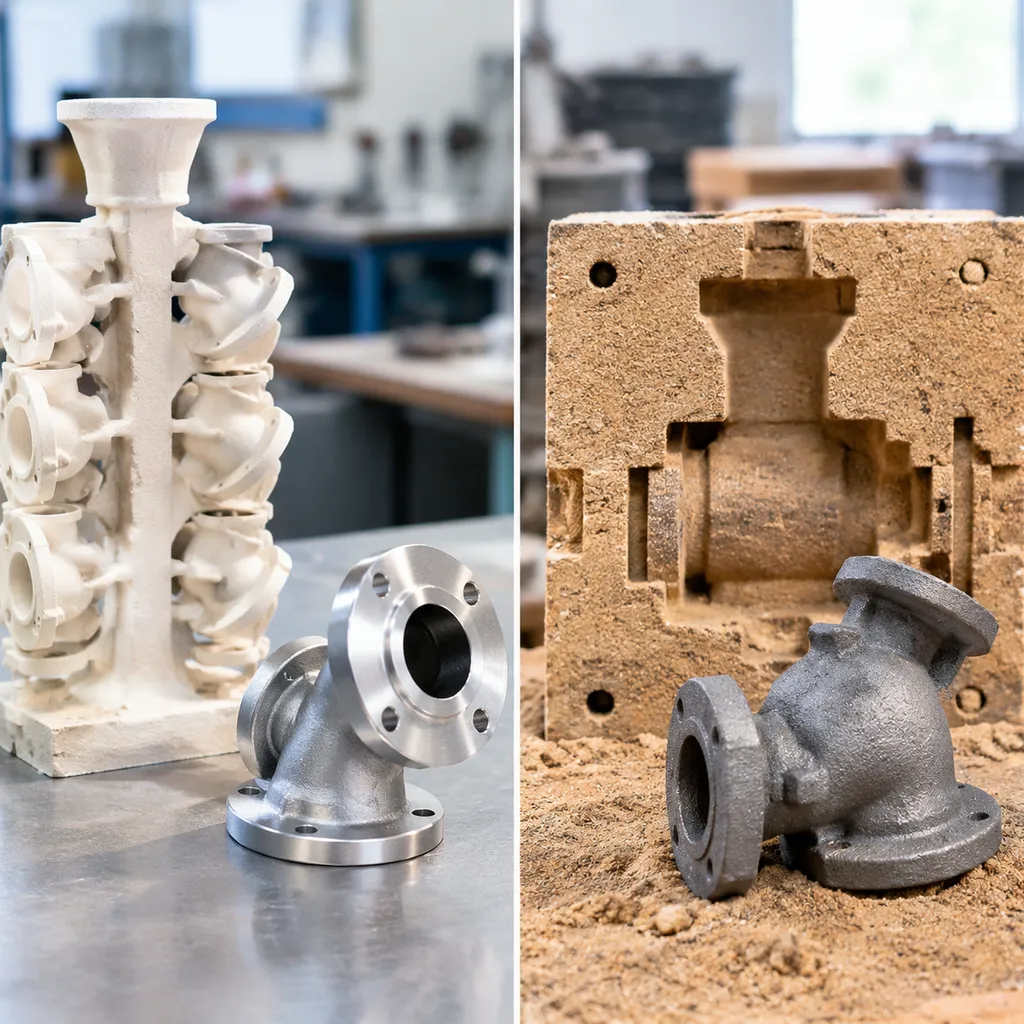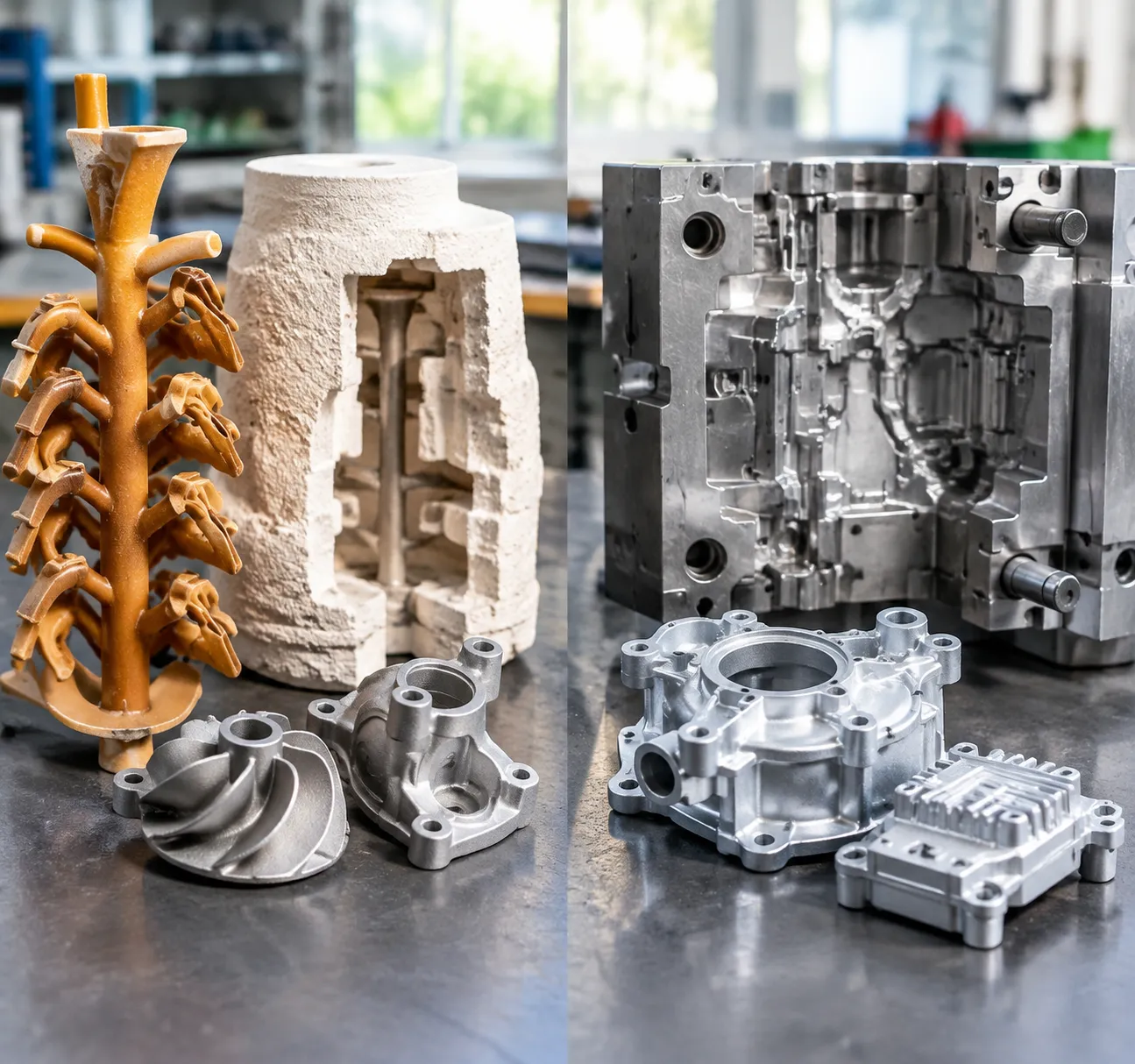
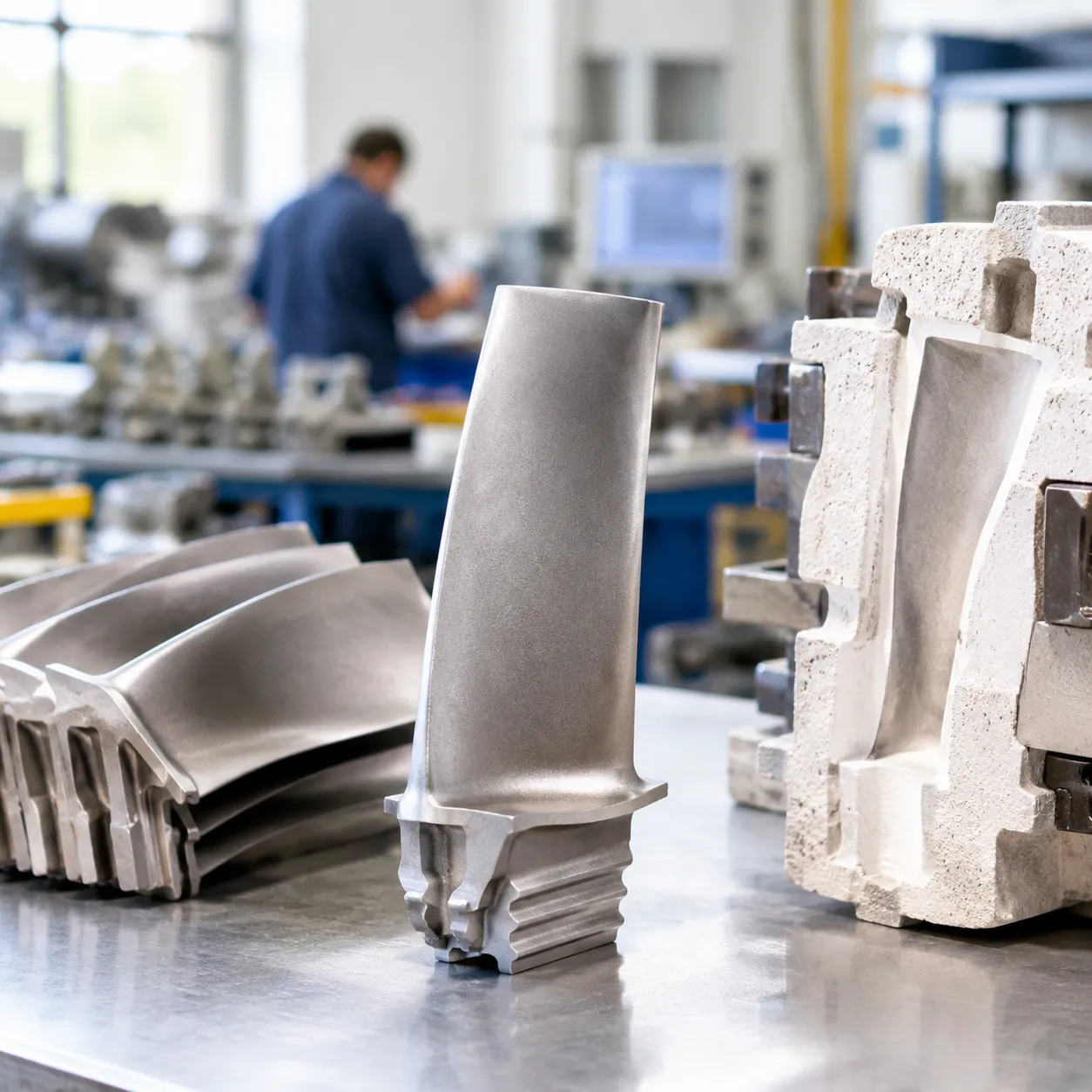
Power generation investment castings deliver near-net-shape turbine, valve, and combustion hardware for extreme heat and pressure. This guide covers process benefits, major applications across gas, steam, nuclear, and renewable energy systems, materials and alloys, and the quality checks buyers use to qualify a casting partner.
Overview of Investment Casting for Power Generation
Power generation investment castings - manufactured through the advanced lost-wax process - serve as the benchmark for producing intricate, high-integrity parts for critical power systems. By utilizing advanced Air Melt and Vacuum Induction Melting (VIM) technologies, investment casting yields near-net-shape components that drastically reduce material waste and secondary machining while maintaining strict dimensional accuracy across demanding energy applications.
The Critical Role of Precision Castings in Energy Systems
From baseload utilities to modern energy conversion plants, precision investment castings form the core of mission-critical machinery. Gas turbines, steam turbines, and nuclear installations rely on cast components to ensure continuous power delivery and minimal downtime.
- Complex Aerodynamic Profiles: Delivers intricate internal cooling channels and contoured airfoils essential for thermodynamic efficiency.
- Superior Metallurgical Integrity: Eliminates structural defects to maintain high mechanical strength in rotating and stationary hardware.
- Near-Net-Shape Accuracy: Achieves tight engineering tolerances directly from the mold, optimizing costly superalloy consumption.
Meeting Extreme Temperature and Pressure Demands
Power generation hardware operates under severe thermal gradients, high mechanical stress, and aggressive corrosive environments. Investment casting enables the precise utilization of high-performance nickel and cobalt superalloys engineered to overcome these operational challenges.
- Thermal Shock Resistance: Cast superalloys withstand severe thermal cycling without deformation or premature cracking.
- Oxidation and Hot Corrosion Defense: Chemically balanced alloys resist degradation from high-temperature exhaust gases and hostile fuels.
- High-Pressure Structural Strength: Maintains robust pressure-containing boundaries in fuel delivery systems, combustion hardware, and steam flow paths.
Key Benefits of Investment Casting for Power Generation Components
Precision is non-negotiable in energy systems. We manufacture power generation investment castings that meet the highest operational standards, ensuring reliable performance in the most demanding turbine and energy environments.
| Key Advantage | Practical Benefit in Energy Systems |
|---|---|
| Near-Net-Shape Accuracy | Drastically cuts raw material waste on expensive superalloys |
| Intricate Geometries | Casts complex internal cooling channels and aerodynamic profiles in one piece |
| Surface Smoothness | Minimizes aerodynamic drag and reduces secondary surface finishing |
| Structural Integrity | Eliminates weld joints, enhancing mechanical strength and pressure containment |
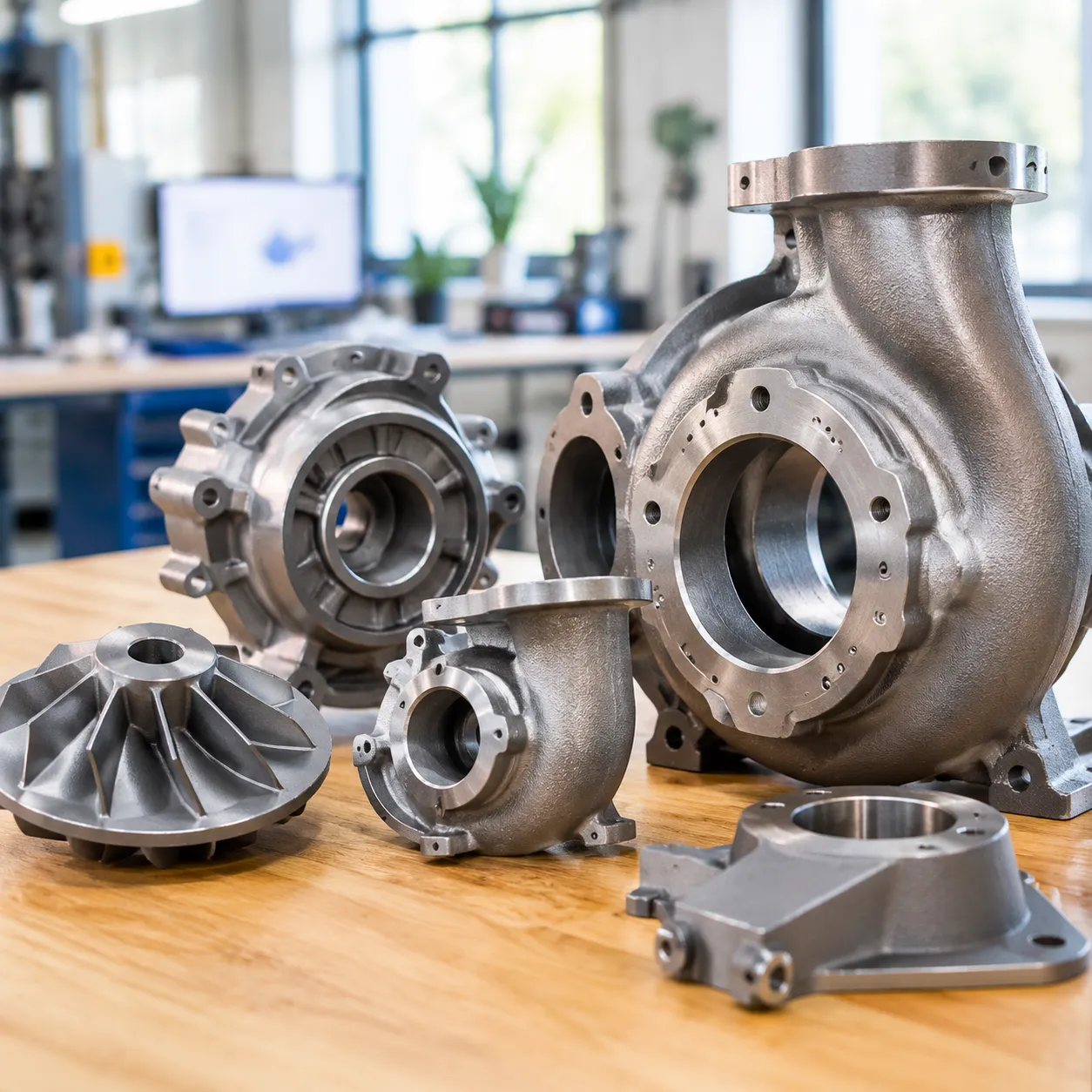
Complex Geometries and Tight Tolerances
Turbine hardware and combustion components require complex internal channels, curved airfoils, and thin walls. Through the lost-wax process, we achieve exceptional dimensional accuracy and replicate intricate shapes that traditional machining or fabrication cannot produce economically.[5]
- Seamless integration of internal cooling passages
- Precise reproduction of complex aerofoil profiles
- Uniform wall thickness across intricate structural housings
Superior Surface Finish and Reduced Machining
Power generation components demand smooth surfaces to maintain optimal fluid and gas dynamics. Our precision investment castings deliver high-grade surface finishes straight from the mold. By producing near-net-shape components, we drastically minimize the need for labor-intensive CNC machining on tough, work-hardening alloys.
Exceptional Durability and Wear Resistance
Energy generation equipment operates continuously under severe thermal stress, mechanical fatigue, and corrosive combustion gases. We cast advanced nickel- and cobalt-based superalloys to deliver maximum resistance to oxidation, creep, and erosion. For severe environments requiring extreme hardness and thermal stability, our high-integrity cobalt alloy casting solutions ensure extended component service life and lower maintenance downtime.
Cost-Effective Production for Critical Parts
- Material Savings: Eliminates excessive scrap when working with costly high-temperature alloys.
- Component Consolidation: Multi-piece welded assemblies can be cast as a single, robust structure.
- Lower Tooling Wear: Near-net shapes reduce cutting tool consumption during secondary operations.
Major Applications Across the Power Generation Sector
Modern energy production requires hardware that can endure continuous mechanical loads, high pressure, and intense thermal cycles. We engineer high-integrity power generation investment castings designed to meet the exact operating parameters of major energy producers worldwide.
Gas and Steam Turbines
Thermal power systems depend on components that maintain dimensional stability at extreme operating temperatures. We supply precision-cast gas turbine components and steam turbine components tailored for both OEM assemblies and aftermarket maintenance:
- Airfoils and Aerodynamic Parts: High-precision cast blades, buckets, and guide vanes designed for high aerodynamic efficiency.
- Combustion Hardware: Heavy-duty fuel nozzles, swirlers, transition pieces, and burner housings.
- Heat Shields and Liners: Thermal-barrier structural parts cast from high-temperature nickel- and cobalt-based superalloys.
Nuclear Power Facilities
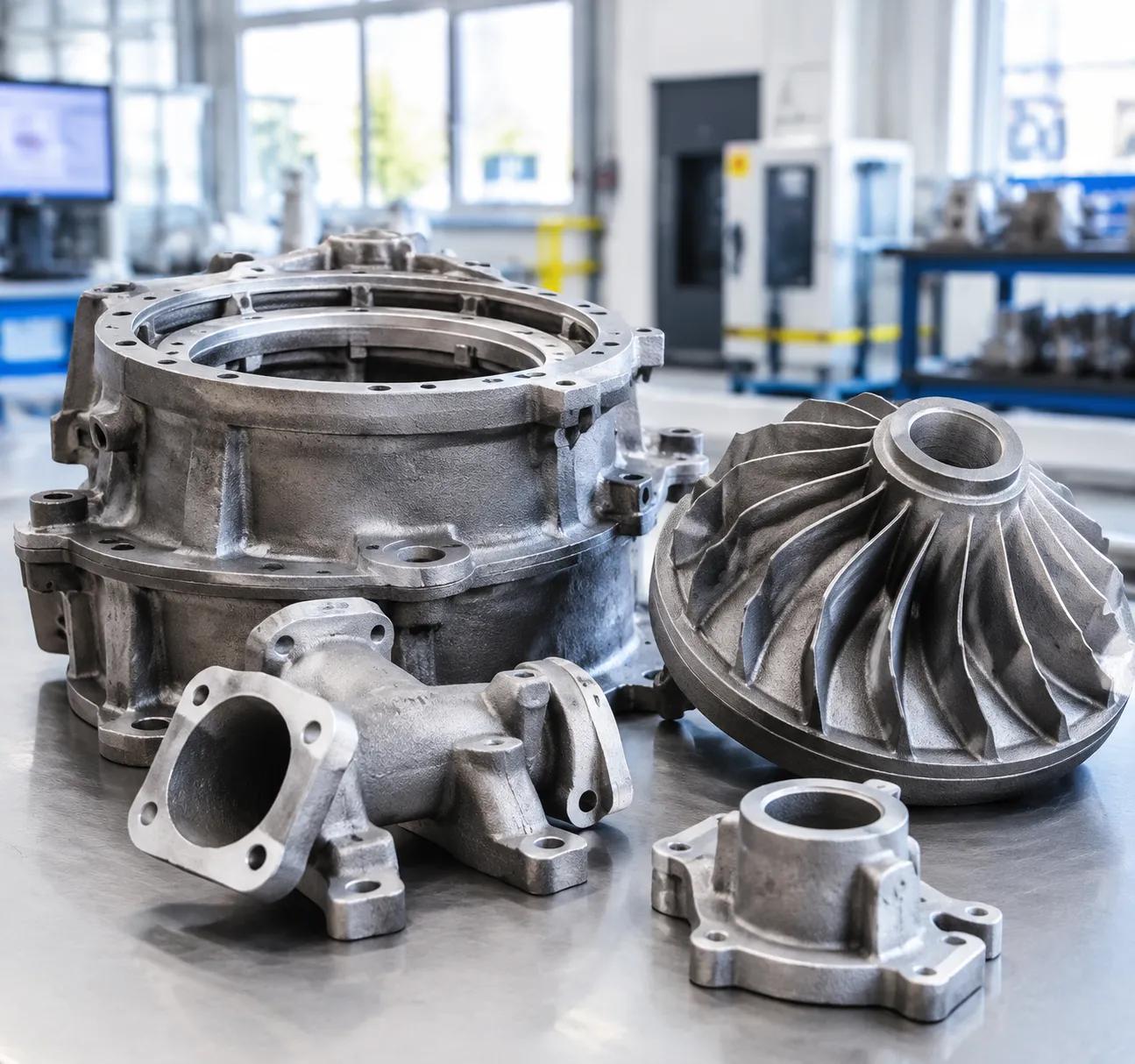
In nuclear energy systems, component reliability and material integrity are paramount. We produce certified nuclear power components that meet strict metallurgical and non-destructive testing requirements. Key parts include heavy-duty valve bodies, pump impellers, instrumentation housings, and corrosion-resistant structural hardware.
Hydroelectric Power Plants
Hydroelectric generation demands exceptional resistance to erosion, cavitation, and constant hydraulic stress. We cast robust stainless steel components for water control and energy conversion:
- Flow-control vanes and wicket gate components
- High-strength pump casings, diffusers, and valve bodies
- Corrosion-resistant runner and fluid delivery hardware
Renewable Energy (Wind, Solar, and Biomass)
Our investment casting capabilities support emerging and expanding green energy platforms by delivering near-net-shape durability across renewable energy systems and related plant hardware:[6]
- Wind Energy: High-strength carbon and alloy steel structural brackets, pitch control hardware, and sensor housings used as wind energy components in turbine nacelles and control assemblies.
- Solar Thermal: Heat-resistant manifolds, fittings, and heat exchanger components.
- Biomass & Waste-to-Energy: High-temperature burner nozzles, feed grates, and corrosion-resistant fluid handling parts.
Common Power Generation Components Produced by Investment Casting
Modern energy conversion systems depend on parts that deliver zero-defect reliability under severe mechanical stress and thermal fatigue. Through the lost wax process, we manufacture mission-critical power generation investment castings engineered to meet tight aerodynamic profiles and demanding operational standards.
Turbine Blades, Vanes, and Nozzles
Turbine hot sections require exceptional metallurgical integrity and tight geometric tolerances to optimize thermodynamic efficiency. We cast rotating blades, stationary vanes, and fuel nozzles that withstand high rotational speeds and hot-gas corrosion - including cast blades and vanes with internal cooling features for advanced turbine stages.[1]
- Airfoils and Buckets: Precision-cast blades with intricate cooling passages to manage high operating temperatures in gas and steam turbine systems.
- Fuel Nozzles and Swirlers: Complex fluid-mixing geometries cast to near-net shape, ensuring stable combustion and uniform flame distribution.
- Vane Segments: Robust stationary gas turbine components cast from high-temperature nickel and custom cobalt superalloy parts to resist continuous oxidation.
Pump Impellers and Valve Bodies
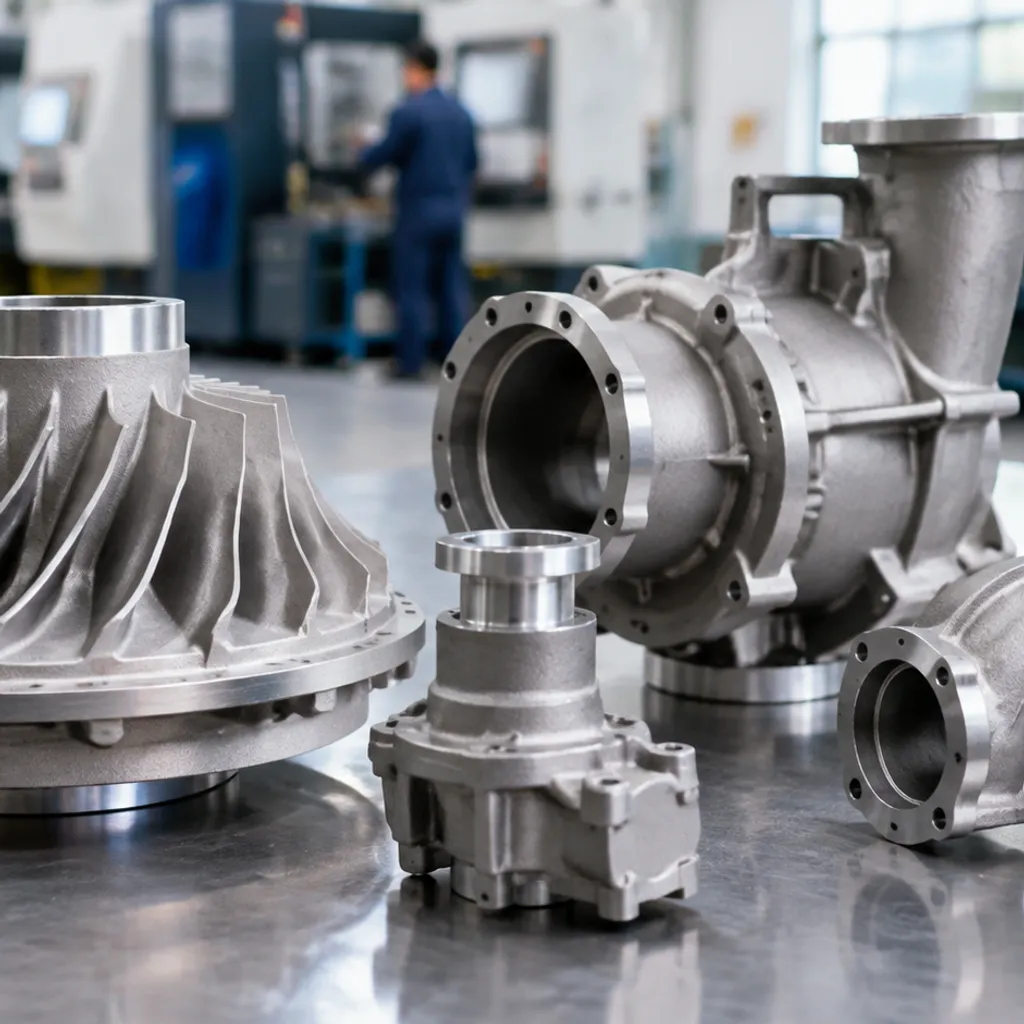
Energy delivery, boiler feed, and cooling circuits demand flow-control hardware capable of handling high pressures and abrasive fluids without premature failure.
- Closed and Open Impellers: Cast with uniform wall thicknesses and smooth flow channels to maximize hydraulic efficiency and eliminate cavitation damage.
- High-Pressure Valve Bodies: Leak-tight cast housings designed for critical steam control and fluid isolation, utilizing high-grade stainless investment casting techniques to prevent erosion and chemical attack.
- Diffusers and Casings: Dimensionally stable housings that maintain pressure containment across continuous operating cycles.
Combustion Hardware and Heat Shields
Combustion zones experience intense thermal gradients and rapid cycling. We supply durable cast hardware that protects structural turbine assemblies from direct thermal exposure.
- Transition Pieces and Liners: High-integrity sections that guide ultra-hot combustion gases directly into the first-stage turbine nozzle.
- Combustor Baskets and Burner Components: High-yield castings engineered for crack resistance during rapid startup and shutdown cycles.
- Heat Shields and Deflectors: Precision-cast protective segments that limit thermal transfer and extend the service life of adjacent engine casings.
Boiler and Pressure System Components
Beyond rotating airfoils, many plant loops rely on cast pressure boundaries and thermal hardware. We produce near-net-shape fittings, nozzle blocks, and pressure-retaining housings for boiler feed, bypass, and auxiliary steam circuits where leak integrity and alloy selection matter as much as geometry.[2]
- Steam and feedwater valve bodies, bonnets, and trim housings
- Pump casings and diffuser rings for boiler-feed and condensate loops
- Manifold blocks, burner tips, and heat-resistant transition fittings
Materials and Alloys for Power Generation Investment Castings
Selecting the right alloy is essential for manufacturing reliable power generation investment castings. We utilize advanced melting processes, including air melt and Vacuum Induction Melting (VIM), to pour high-integrity materials and alloys engineered to withstand severe thermal stress, mechanical loads, and aggressive operating environments.
Nickel-Based and Cobalt-Based Superalloys
For the hottest sections of turbines and energy conversion systems, superalloys provide the ultimate defense against creep, thermal fatigue, and hot corrosion. We cast specialized grades tailored to extreme service conditions:
- Nickel-Based Superalloys: Formulations such as the Inconel series maintain high mechanical strength, oxidation resistance, and structural stability at elevated temperatures. Explore our detailed guide on the material classification and product applications of superalloys to see how these grades perform in critical turbine applications.
- Cobalt-Based Superalloys: Alloys such as the Stellite series deliver exceptional wear, galling, and hot corrosion resistance in unlubricated and abrasive environments.
- Vacuum Induction Melting (VIM): Crucial for casting reactive and high-temperature alloys with minimal impurities and precise metallurgical consistency.
Stainless Steel and Heat-Resistant Alloys
We supply a wide range of heat-resistant and corrosion-resistant alloys for steam turbines, valves, and fluid management systems. Leveraging specialized precision stainless steel casting processes, we manufacture stainless steel castings across multiple alloy grades:
- Austenitic Stainless Steels: 300-series alloys offering superior general corrosion resistance and toughness.
- Martensitic Stainless Steels: 400-series grades providing high strength, moderate corrosion resistance, and heat treatability.
- Precipitation-Hardening Steels: Grades such as 17-4PH, combining high yield strength with excellent fracture toughness for critical pressure-retaining hardware.
High-Strength Carbon and Low-Alloy Steels
For load-bearing structures, mounting brackets, and external turbine hardware, we cast high-strength carbon and low-alloy steels. These materials provide a dependable balance of ductility, impact resistance, and structural integrity under high mechanical loads while keeping production cost-effective.
Quality Assurance for Power Generation Investment Castings
We implement stringent quality verification protocols at every stage of the lost-wax manufacturing process, ensuring our power generation investment castings deliver dependable performance across mission-critical energy applications.
Non-Destructive Testing (NDT) and Dimensional Inspection
To verify structural integrity and tight tolerances without altering component properties, we rely on advanced testing and quality control procedures:[4]
- Radiographic Inspection (X-ray): Identifies internal voids, gas porosity, shrinkage, or inclusions within thick-walled and thin-walled turbine castings.
- Fluorescent Penetrant Inspection (FPI): Detects micro-cracks, surface porosity, and discontinuities in high-temperature superalloys and stainless steels.
- CMM Dimensional Verification: High-precision Coordinate Measuring Machines confirm that complex airfoils, combustor geometries, and mounting interfaces match CAD models down to the micron.
- Visual and Surface Profiling: Verifies surface finish standards to reduce turbulence in fluid- and gas-handling assemblies.
Industry Certifications and Material Traceability
Reliability in the energy sector demands complete accountability from raw melt to final delivery. Our quality management framework ensures compliance with strict power generation and aerospace-level industry standards.
| Quality Verification Phase | Inspection Protocol & Standard | Primary Focus Area |
|---|---|---|
| Raw Material Verification | Spectrographic Chemical Analysis | Verifying alloy chemistry (Nickel, Cobalt, Stainless grades) |
| Melt & Pour Integrity | Vacuum Induction Melting (VIM) / Air Melt Monitoring | Eliminating slag and reactive gas contamination |
| Mechanical Properties | Tensile, Hardness, and Stress-Rupture Testing | Ensuring load-bearing capacity under elevated temperatures |
| Full Lot Traceability | Certified Material Test Reports (CMTR) | Tracking heats, heat treatment batches, and NDT logs |
When to Specify Investment Casting for Power Programs
Investment casting is the right fit when geometry, alloy, and inspection requirements exceed what sand casting or multi-piece fabrication can deliver economically. Use it when you need internal cooling passages, thin airfoils, or consolidated housings in nickel, cobalt, or stainless grades - and when dimensional accuracy plus NDT evidence must ship with every lot.
- Prefer investment casting when: parts need near-net airfoils, complex cores, or high-temperature alloys with minimal weld joints.
- Consider other routes when: sections are very large/simple, volumes are extremely low without tooling amortization, or only rough structural blanks are required.
- Qualify early: lock alloy, gating approach, and NDT class before tooling cut so first-article data matches plant acceptance criteria.[3]
Selecting the Right Power Generation Casting Partner
We work closely with turbine OEMs, energy plant operators, and engineering procurement teams to deliver robust components engineered for demanding environments. We are Professional Precision Casting and CNC Machining Service Providers supporting OEM and aftermarket energy programs with VIM-capable melts and full lot traceability.
Turnkey Manufacturing and Engineering Support
- End-to-End Processing: Complete in-house management spanning precision lost wax casting, Vacuum Induction Melting (VIM), specialized heat treatment, and 5-axis CNC machining.
- Rigorous Testing Protocols: Full Non-Destructive Testing (NDT) capabilities, including Radiographic Inspection (X-ray), Fluorescent Penetrant Inspection (FPI), and CMM dimensional verification.
- Material Versatility: Advanced metallurgy covering nickel- and cobalt-based superalloys, alongside dedicated custom stainless steel casting capabilities for corrosion and wear resistance.
Custom Tooling and Rapid Prototyping Capabilities
- Accelerated Development: Rapid prototyping shortens testing cycles and verifies aerodynamic and structural profiles early in the design stage.
- Near-Net-Shape Accuracy: Precision custom tooling minimizes secondary machining needs and reduces material waste on expensive high-temperature superalloys.
- Custom RFQ Manufacturing: Every production order is tailored to your exact CAD models, metallurgical criteria, and industry certifications.
Send drawings, alloy targets, and NDT requirements to request a quote for your next power generation casting program.
FAQ About Power Generation Investment Castings
What are power generation investment castings used for?
Power generation investment castings are used for turbine airfoils, fuel nozzles, valve bodies, pump impellers, combustor hardware, and related pressure parts across conventional and renewable plants.
Which alloys are common for gas turbine components?
Nickel- and cobalt-based superalloys dominate hot-section gas turbine components, while stainless and low-alloy steels cover cooler structural and fluid-handling parts.
How do you verify quality on energy-sector castings?
Typical packages combine chemical analysis, mechanical testing, radiographic and penetrant NDT, CMM checks for dimensional accuracy, and CMTR lot traceability before shipment.
Can investment casting support renewable and wind projects?
Yes. Lost-wax routes produce durable stainless and alloy hardware for renewable energy systems, including wind energy components such as brackets, housings, and control hardware.
References
- ARPA-E - Manufacturing High-Yield Investment Castings with Minimal Energy (cooled cast blades and vanes research)
- ASME B31.1 - Power Piping
- ASME PTC 22 - Gas Turbines
- ASNT - What Is Nondestructive Testing
- NIST - Guidelines for Evaluating and Expressing the Uncertainty of NIST Measurement Results
- U.S. Department of Energy EERE - Wind Energy