Overview
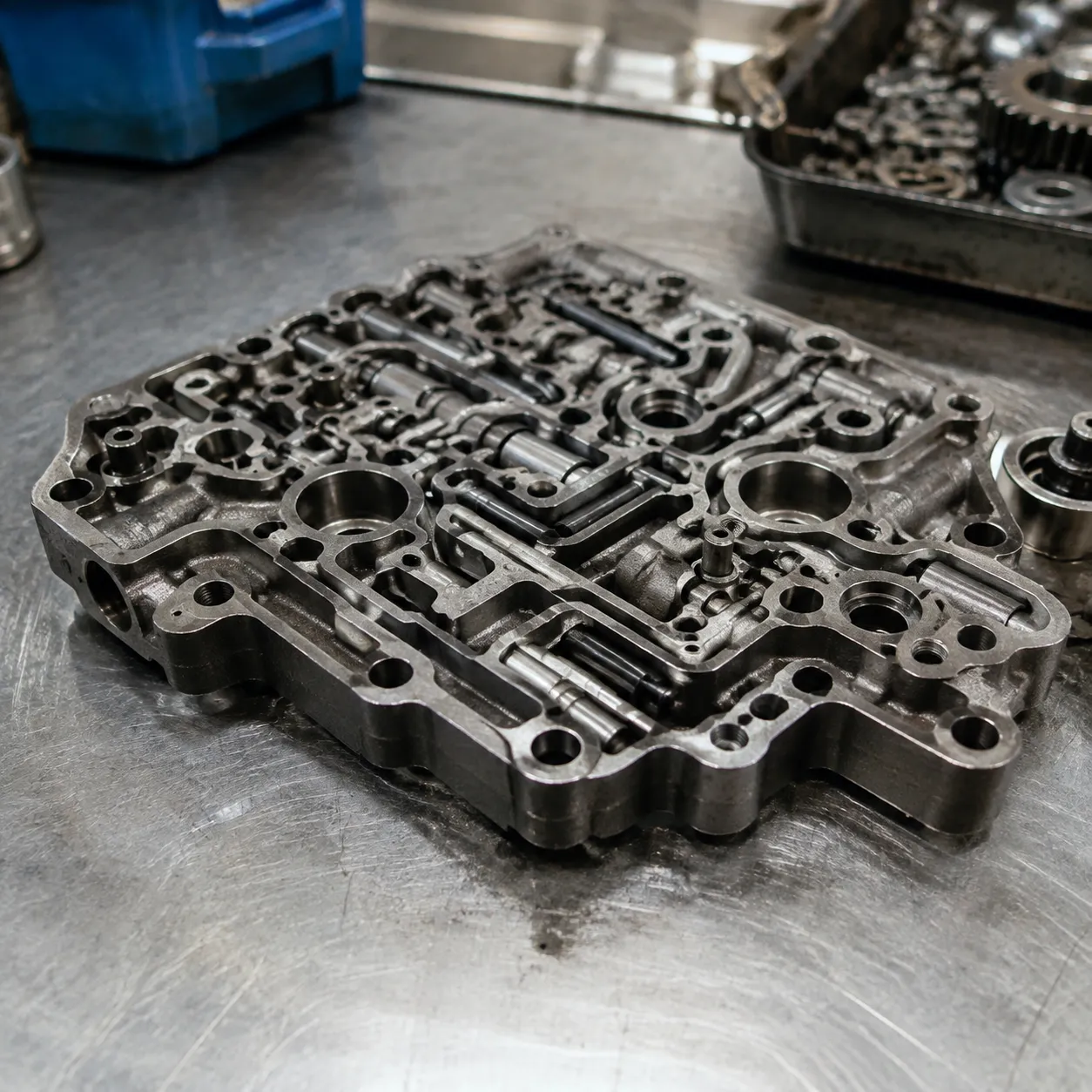
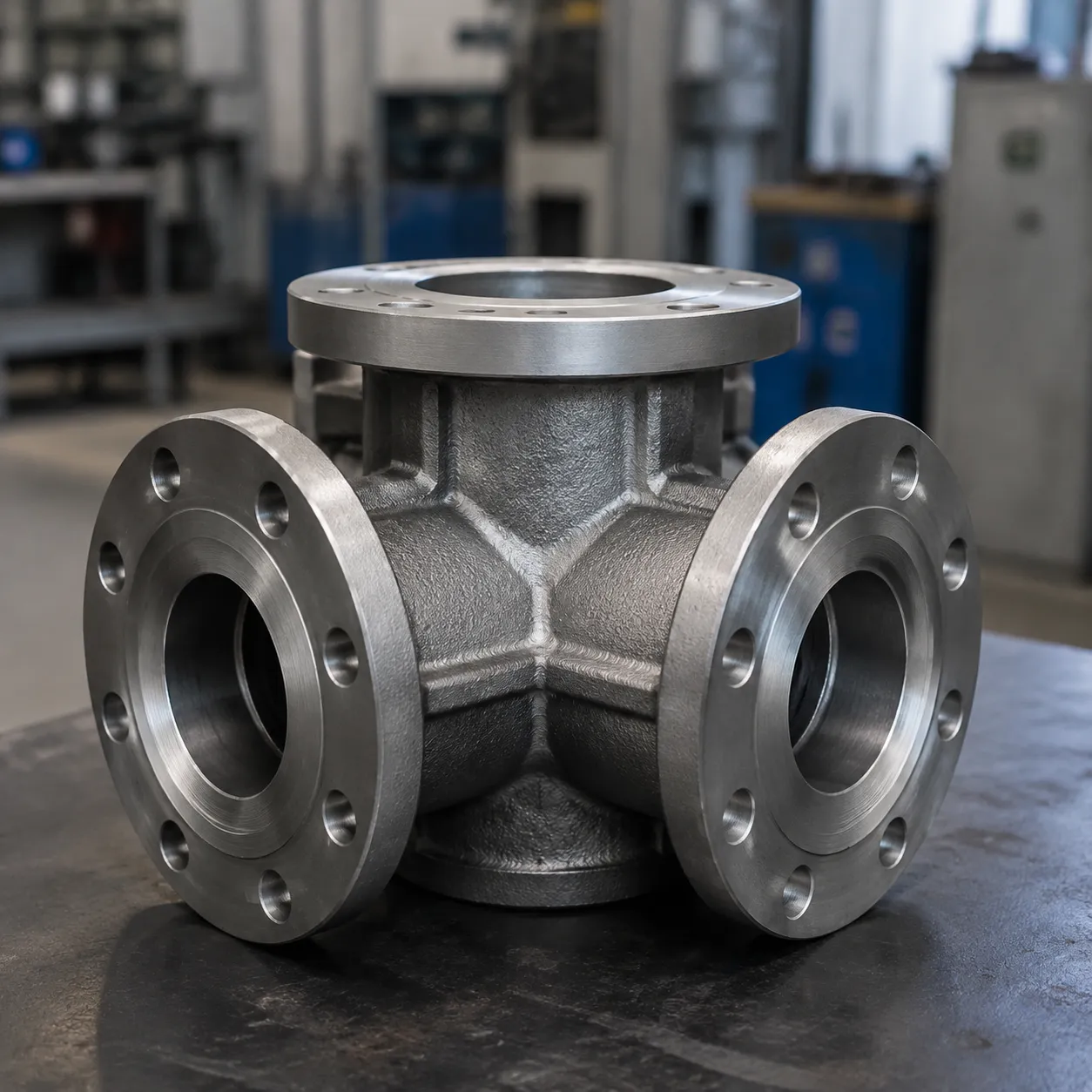
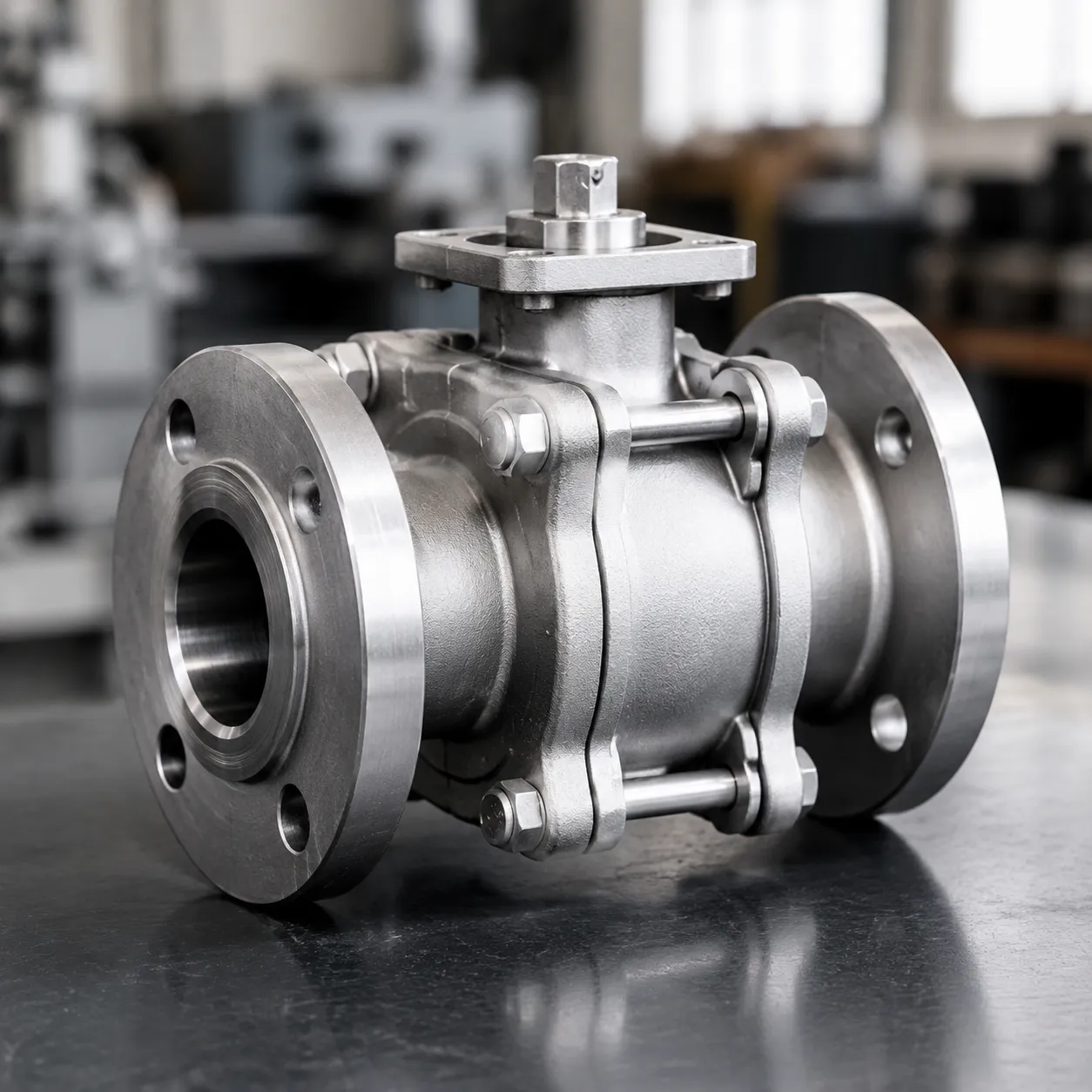
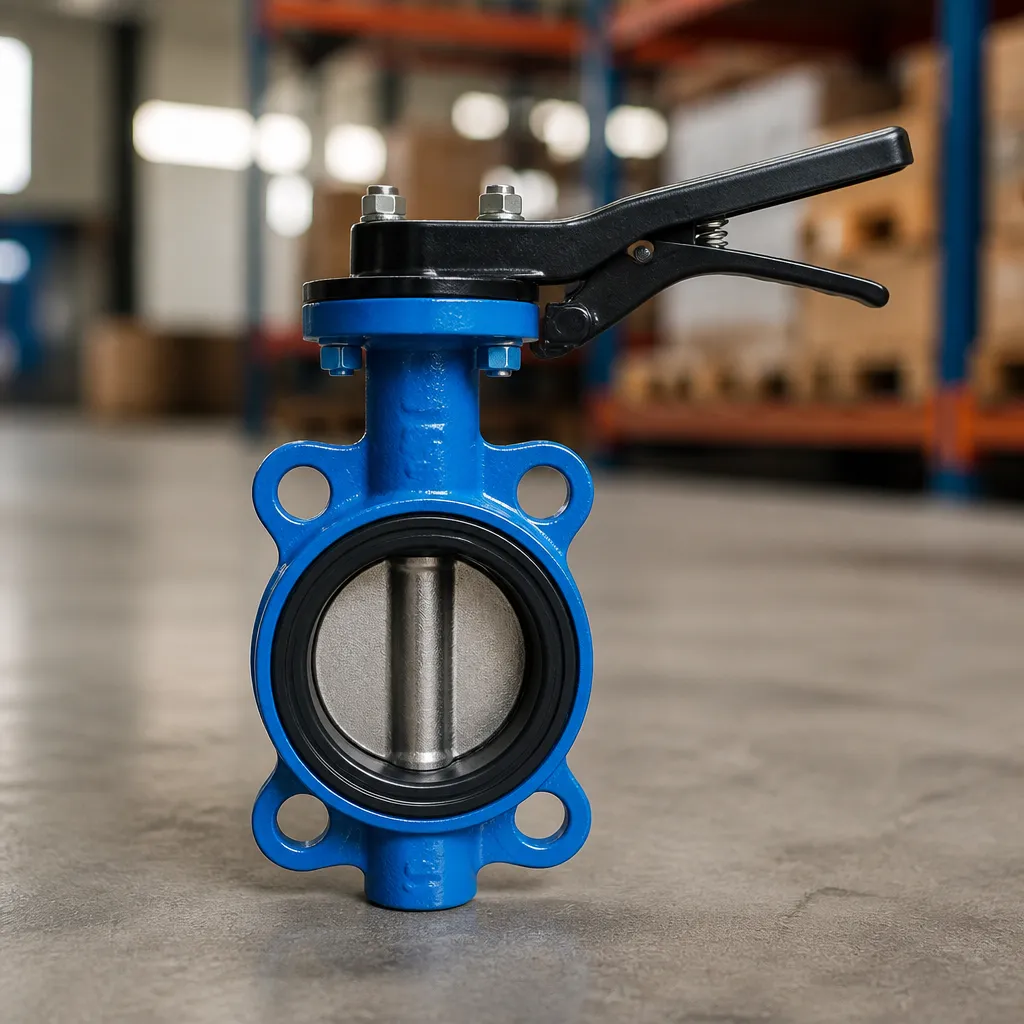
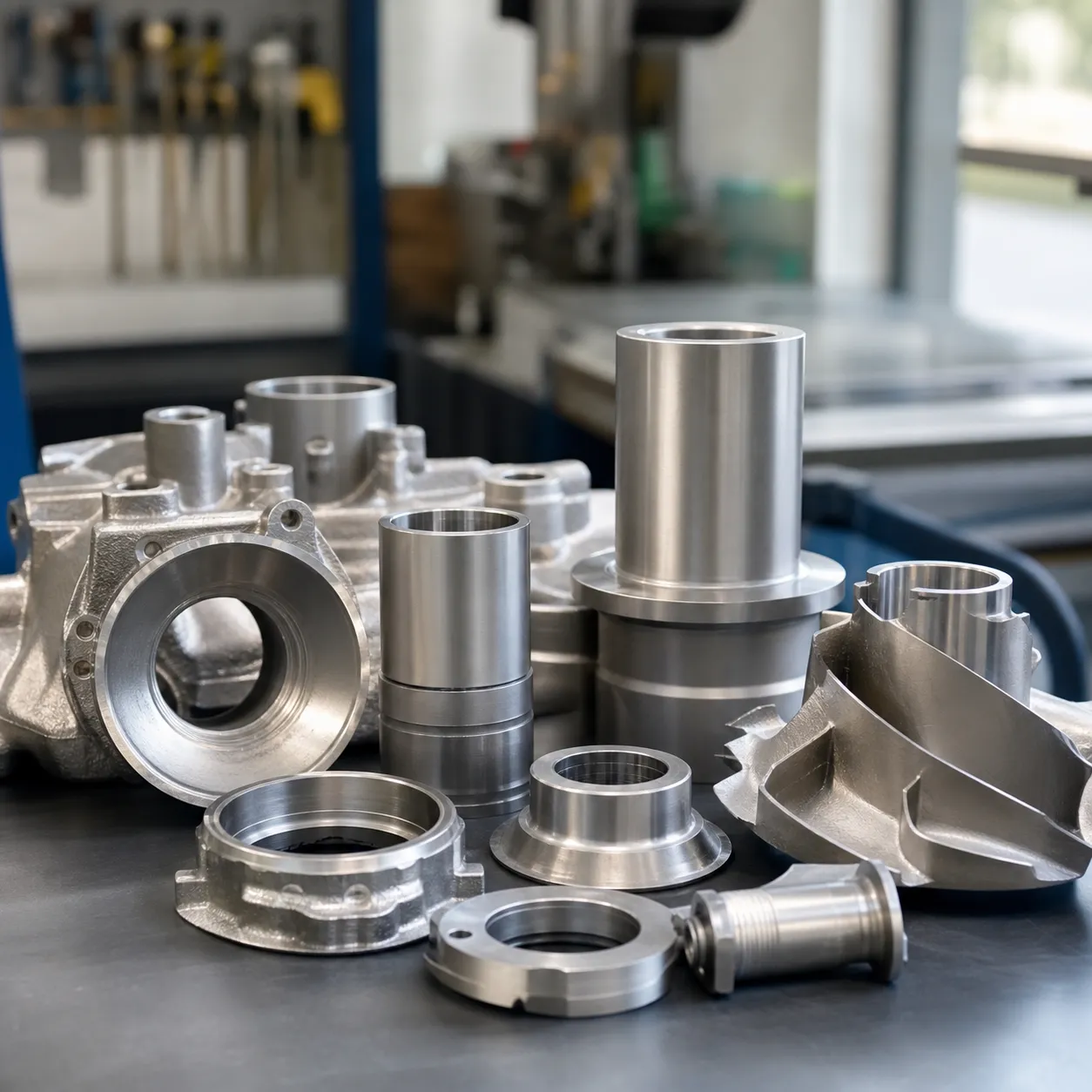
This corrosion-resistant alloys for investment casting program covers austenitic stainless steel (CF8/CF8M), duplex stainless steel, and nickel superalloys such as Inconel and Hastelloy — near-net-shape pours for valve bodies, pump impellers, and marine hardware facing chloride attack and aggressive chemical media.
Why Choose Corrosion-Resistant Alloys for Investment Casting?
Machining complex corrosion-resistant metals from solid stock leads to excessive material waste, long lead times, and rapid tool wear. Utilizing corrosion-resistant alloys for investment casting eliminates these production bottlenecks, delivering intricate, highly durable parts engineered for aggressive service conditions.
Precision Engineering Meets Aggressive Environment Protection
Precision casting suits complex components made from tough alloys. A ceramic shell mold and lost wax casting route produces parts that meet tight tolerances while preserving the core integrity of the metal.
- Near-Net-Shape Accuracy: Drastically reduces secondary machining operations on hard-to-machine superalloys and stainless steels.
- Design Flexibility: Enables complex internal passages, thin walls, and intricate geometries in a single integrated casting.
- Superior Surface Finish: Yields smooth surface finishes that eliminate stress risers and pitting initiation sites.
- Material Efficiency: Keeps raw material scrap to a minimum, significantly lowering costs when working with expensive high-grade metals.
Investment Casting vs. Traditional Fabrication
| Performance Factor | Precision Investment Casting | Machining / Welded Fabrication |
|---|---|---|
| Material Utilization | High (near-net shape reduces scrap) | Low (up to 80% raw material waste) |
| Design Complexity | High (internal features, complex curves) | Restricted by tool reach and setup angles |
| Corrosion Resistance | High (uniform grain structure, no weld seams) | Medium (weld zones create weak points) |
| Surface Smoothness | Smooth (Ra 3.2–6.3 µm / 125–250 µin) | Rough (requires additional polishing steps) |
Extended Service Life in Harsh Operating Conditions
When equipment operates in marine, chemical processing, or oil and gas environments, corrosion resistance is non-negotiable. Lost wax casting for corrosive environments ensures structural integrity against pitting, crevice corrosion, and chemical attack. Specifying precision investment casting alloys guarantees reliable long-term durability, reduced maintenance downtime, and lower total cost of ownership.
Available Corrosion-Resistant Alloy Families
A comprehensive range of corrosion-resistant alloys for investment casting is poured to handle specific chemical, thermal, and mechanical stresses.
Stainless Steel Castings
Stainless steels form the foundation of industrial casting, providing an ideal balance of strength, corrosion resistance, and cost efficiency:
Austenitic Grades (300 Series, CF8, CF8M): Non-magnetic alloys delivering high ductility and superior resistance to chemical attack — including austenitic stainless steel and 316 stainless steel chemistry families.
Martensitic Grades (400 Series): Heat-treatable metals providing high hardness, wear resistance, and moderate corrosion protection.
Precipitation-Hardening (PH) Stainless Steels (17-4PH): Combines ultra-high yield strength with corrosion resistance comparable to 304 stainless steel.
Duplex Stainless Steel Castings
Combining austenitic and ferritic microstructures, duplex stainless steel castings deliver roughly double the mechanical yield strength of standard 300-series alloys. They offer exceptional resistance to chloride pitting, crevice corrosion, and stress-corrosion cracking.
Nickel-Based Alloy Castings
Engineered for extreme acid exposure and high thermal cycling, nickel-based alloy castings handle severe chemical environments where stainless steels quickly degrade.
Cobalt-Based Alloy Castings
High-performance cobalt-based alloys provide unmatched wear resistance, thermal stability, and hot-corrosion protection in severe mechanical and thermal environments.
Monel, Inconel, and Hastelloy Investment Castings
High-performance nickel superalloys are engineered for aggressive operating environments:
Monel Castings: Exceptional resistance to hydrofluoric acid, alkalis, and rapidly flowing seawater.
Inconel Investment Casting: High creep strength and resistance to severe high-temperature oxidation resistance demands.
Hastelloy Castings: Designed for severe chemical processing environments containing strong acids and chloride oxidizers.
Titanium and Specialty Alloys
Titanium alloys offer an unmatched strength-to-weight ratio alongside virtually complete immunity to saltwater corrosion, making them ideal for high-performance aerospace and marine components.
Material Selection Guide by Environment
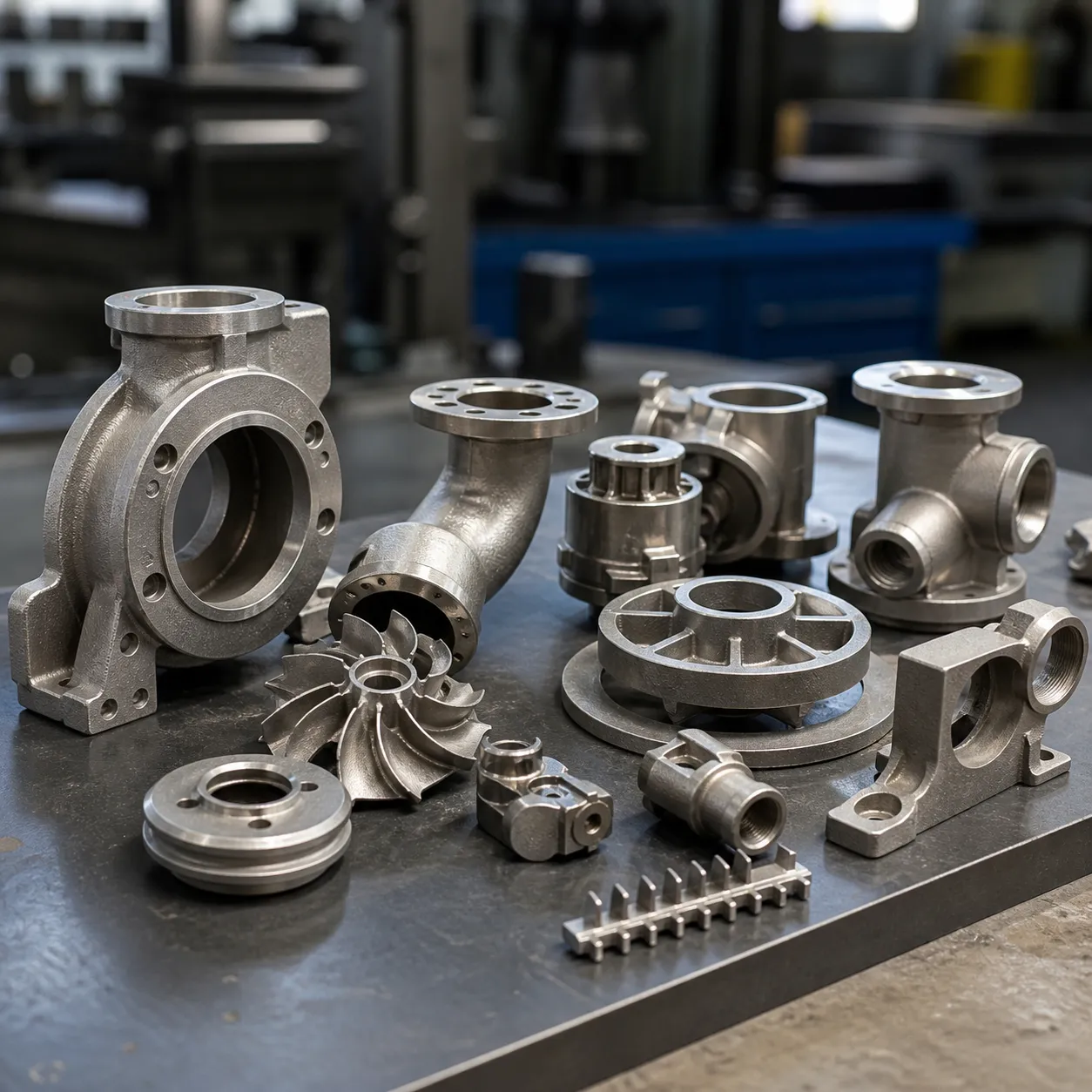
Picking the wrong metal leads to premature component failure, unexpected downtime, and high replacement costs. Engineering and procurement teams can match the exact corrosion-resistant alloys for investment casting needed for each operating environment. For a full breakdown of material specs, see the on-site casting alloy selection guide.
Saltwater and Marine Exposure
Marine environments demand exceptional resistance to chloride attack, splash-zone oxidation, and biofouling.
- Top Alloy Choices: 316L Stainless Steel, Duplex 2205, Monel 400
- Performance Impact: 316L handles general deck hardware and splash zones. Duplex 2205 delivers twice the yield strength of austenitic grades with far superior pitting resistance. For permanent submersion in aggressive seawater, Monel 400 provides unmatched long-term reliability.
Acidic and Chemical Processing Environments
Aggressive chemical processing rapidly eats through standard metal grades, demanding high-alloy compositions that withstand strong reducing or oxidizing acids.
- Top Alloy Choices: Hastelloy C276, Alloy 20, CF8M (316)
- Performance Impact: Hastelloy C276 stands up to severe mixed acids, wet chlorine, and ferric chloride. Alloy 20 is specifically tailored to stop stress-corrosion cracking in hot sulfuric acid applications.
High-Temperature Oxidation Conditions
When extreme heat combines with corrosive exhaust gases, standard alloys oxidize, scale, and lose structural integrity.
- Top Alloy Choices: Inconel 625, Inconel 718, Cobalt-based alloys
- Performance Impact: These nickel superalloys build a tightly adherent oxide layer at operating temperatures exceeding 1000°C (1832°F), maintaining high tensile strength and creep resistance under pressure — supporting both heat resistance and oxidation resistance.
Chloride-Rich and Pitting-Prone Environments
High-chloride brine and process streams cause localized pitting and stress corrosion cracking (SCC) that can blindside maintenance teams.
- Top Alloy Choices: Super Duplex 2507, 17-4PH Stainless Steel
- Performance Impact: Super Duplex 2507 offers a high Pitting Resistance Equivalent Number (PREN > 40) to guarantee safety in high-salinity lines. 17-4PH delivers high mechanical hardness where moderate chloride resistance is required.
Food, Medical, and Clean-Service Applications
Sanitary environments require non-reactive alloys that endure repeated Clean-In-Place (CIP) chemical washdowns without leaching.
- Top Alloy Choices: 316L Stainless Steel, Cobalt-Chrome, Titanium Alloys
- Performance Impact: Smooth investment cast finishes eliminate bacterial traps. 316L meets strict food-contact standards, while Titanium and Cobalt-Chrome supply biocompatibility for medical devices and lab instruments.
Environmental Alloy Matching Quick Guide
| Operating Environment | Primary Cast Alloy Choice | Key Engineering Benefit |
|---|---|---|
| Marine & Saltwater | Duplex 2205 / Monel 400 | Resists pitting and chloride stress cracking |
| Aggressive Acids | Hastelloy C276 / Alloy 20 | Handles hot sulfuric and hydrochloric acids |
| Extreme Heat & Gas | Inconel 625 / Cobalt-Based | Resists scaling and oxidation above 1000°C |
| High Chlorides | Super Duplex 2507 | High PREN rating (>40) prevents micro-pitting |
| Food & Medical | 316L / Titanium Alloys | Non-contaminating, easy to sterilize, biocompatible |
Common Alloy Grades for Corrosion-Resistant Investment Casting
Selecting the right grade comes down to balancing chemical exposure, operating temperature, and mechanical load. A full spectrum of corrosion-resistant alloys for investment casting is available so custom components perform reliably under exact operating conditions.
Popular Investment Cast Alloy Options
| Alloy Grade / Family | Key Performance Features | Common Applications |
|---|---|---|
| 316L / CF8M Stainless Steel | Excellent general corrosion resistance, low carbon, great weldability | Marine fittings, valve bodies, food processing machinery |
| 17-4PH Stainless Steel | High yield strength, hardness, and moderate corrosion resistance | Aerospace components, pump shafts, structural hardware |
| Duplex Stainless Steel (e.g., 2205) | Superior resistance to chloride pitting, stress corrosion cracking, and high strength | Offshore oil & gas, chemical piping, seawater pumps |
| Inconel Superalloys (625 / 718) | Exceptional high-temperature strength, oxidation resistance, severe chemical defense | Jet engine parts, power generation, aggressive chemical valves |
| Hastelloy Alloys (C-276) | Outstanding resistance to strong oxidizers, mineral acids, and hot contaminated media | Chemical reactors, flue gas scrubbers, pharmaceutical equipment |
| Monel Alloys (400 / K-500) | High resistance to seawater, hydrofluoric acid, and alkalis | Marine propeller shafts, marine pumps, chemical processing valves |
| Cobalt-Based Alloys (Stellite) | Exceptional wear, galling, and high-temperature corrosion resistance | Valve seats, turbine vanes, wear rings, industrial cutters |
How to Select the Right Grade
To lock in the optimal grade for a project, three critical factors are evaluated:
- Corrosion Environment: Chemical concentration, pH levels, and chloride exposure are analyzed. For severe chemical or high-heat environments, nickel superalloys such as Inconel and Hastelloy are compared against standard stainless grades.
- Mechanical Requirements: Applications that prioritize extreme tensile strength and hardness (such as 17-4PH) are separated from those needing ductility and fatigue resistance (such as 316 stainless steel casting chemistries).
- Cost vs. Service Life: Standard austenitic grades like CF8M castings deliver cost-effective longevity for general environments, whereas nickel- or cobalt-based alloys extend equipment uptime in highly aggressive conditions.
Performance Trade-Offs for Corrosion-Resistant Alloys for Investment Casting
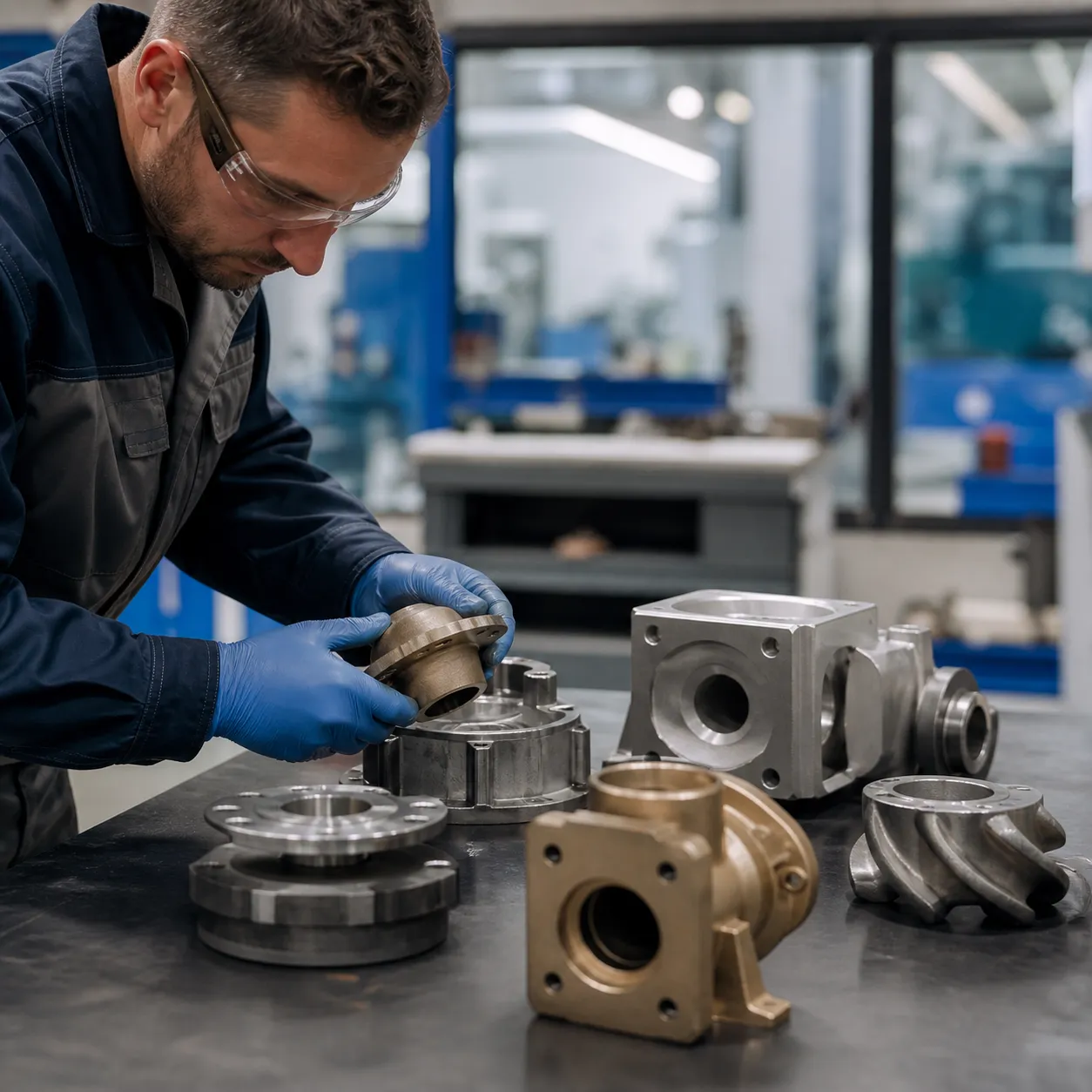
Selecting the right corrosion-resistant alloys for investment casting requires balancing chemical resistance with mechanical strength, hardness, machinability, heat resistance, and overall project budget. Choosing the most corrosion-resistant alloy on paper often introduces manufacturing challenges or unnecessary material costs. The practical goal is the balance where field reliability meets commercial viability.
Material Performance Trade-Off Matrix
Major alloy families compare as follows across core mechanical and operational demands:
| Alloy Family | Pitting & Chemical Resistance | Mechanical Strength | Machinability | Heat Resistance | Relative Material Cost |
|---|---|---|---|---|---|
| Austenitic Stainless (e.g., 316L) | Moderate to High | Moderate | Good | Moderate (up to 800°C) | Economic Baseline |
| Duplex Stainless Steel Castings | Very High | High (2x 316L Yield) | Moderate | Low to Moderate | Moderate |
| Precipitation Hardening (17-4PH) | Moderate | High Hardness & Strength | Fair | Moderate | Moderate |
| Nickel-Based Superalloys | Extreme | High | Tough / Work-Hardens | Excellent (1000°C+) | Premium |
| Cobalt-Based Alloys | High | Extreme Wear & Hardness | Difficult | Excellent | Premium |
Critical Engineering and Cost Trade-Offs
When choosing precision investment casting alloys, these practical trade-offs prevent costly over-engineering and premature part failure:
- Corrosion Resistance vs. Machinability: High-nickel superalloys offer exceptional chemical stability, but their work-hardening traits increase post-casting machining time and tool wear. In contrast, a 316L stainless steel casting provides reliable protection with simpler post-processing and lower tooling expenses.
- Strength vs. Temperature Limits: While duplex stainless steel castings deliver roughly double the yield strength of austenitic options along with superior chloride resistance, they suffer embrittlement at elevated temperatures and are generally limited to applications under 300°C.
- Initial Raw Material Cost vs. Lifetime Value: High-grade nickel or titanium alloys carry higher raw material costs. However, in severe chemical or subsea operating environments, their extended service life eliminates frequent maintenance, costly field replacements, and unscheduled downtime.
Investment Casting Process for Corrosion-Resistant Alloys
Advanced lost wax casting techniques produce high-precision parts designed for severe chemical, marine, and high-temperature environments. Casting specialty alloys requires strict operational control at every phase to protect the alloy's chemical purity, grain structure, and passive corrosion-resistant layer.
Ceramic Shell and Lost Wax Process
- Wax Pattern Production: Wax is injected into high-precision tooling to form exact patterns of the design, including intricate internal passages.
- Shell Building: Wax assemblies are repeatedly dipped in specialized refractory slurries and ceramic stucco to build a strong ceramic shell mold.
- Dewaxing and Firing: The wax is melted out, and the ceramic shell is fired at high temperatures to eliminate residual moisture, burn off impurities, and prepare the mold for hot metal pouring.
Precision Engineering for Complex Geometries
Lost wax casting for corrosive environments excels at delivering intricate, near-net-shape components versus simpler sand-based routes.
- Thin Walls & Complex Curves: Easily forms thin-walled pump impellers, valve bodies, and internal flow channels without seam lines.
- Tight Tolerances: Maintains tight dimensional repeatability (typically ±0.005 in/in), drastically reducing or eliminating expensive secondary CNC machining.
- Smooth Surface Finish: Delivers smooth as-cast surfaces (125 RMS or better) that eliminate micro-voids where pitting resistance is otherwise compromised by surface defects.
Controlled Melting and Material Quality
Pouring corrosion-resistant alloys for investment casting requires strict temperature and atmosphere management to avoid contamination:
- Induction & Vacuum Melting: Nickel superalloys, duplex stainless steels, and specialty grades are processed under vacuum or inert gas atmospheres to prevent oxidation and hydrogen entrapment.
- Chemical Composition Verification: Real-time spectrometer testing guarantees exact elemental ratios before every pour.
- Controlled Solidification: Managed cooling cycles minimize internal thermal stress, prevent hot tears, and promote a uniform microstructure for maximum corrosion endurance.
Applications of Corrosion-Resistant Alloys for Investment Casting
Custom corrosion-resistant alloys for investment casting serve industries where equipment failure is not an option. High-performance metals poured into precision ceramic shell molds yield intricate, high-integrity parts built to withstand aggressive fluids, salt mist, extreme thermal cycles, and severe pressures.
When critical sealing surfaces or threads demand tighter tolerances after casting, secondary CNC finishing can deliver ready-to-install components.
Pump and Valve Components
Fluid handling systems require absolute seal integrity and long wear life under severe hydrodynamic flow. Pump impellers, valve bodies, seats, and volutes are produced in 316L and CF8M stainless steels, as well as high-nickel alloys designed for aggressive chemical slurries.
Marine Hardware
Seawater accelerates pitting and crevice corrosion rapidly. Custom marine grade metal castings—including boat propellers, thru-hull fittings, cleats, and winch housings—utilize duplex stainless steel castings and Monel for long-term durability in high-salinity offshore environments.
Chemical Processing Parts
Chemical reactors, agitator blades, and heat exchanger manifolds require high resistance against organic and inorganic acids. Hastelloy and Inconel nickel-based alloy castings eliminate stress corrosion cracking and pitting in harsh processing systems.
Oil & Gas Fittings
Downhole tools, choke valves, and subsea manifold connectors operate under high pressures and sour gas (H2S) exposure. The casting process delivers rugged components using high-strength duplex and superalloy materials engineered for offshore drilling environments.
Aerospace Components
Flight-critical turbine brackets, fuel nozzles, and exhaust fittings face high heat combined with atmospheric oxidation. Lightweight titanium alloys and cobalt-based alloys deliver exceptional strength-to-weight ratios and high-temperature performance.
Medical and Laboratory Equipment
Surgical tools, implant housings, and diagnostic device frames require biological neutrality and flawless surface finishes. Using austenitic stainless steel and cobalt-chrome alloys, bio-compatible castings withstand repeated high-heat sterilization cycles.
Food Processing Machinery
Sanitary standards require ultra-smooth surfaces and zero metal leaching into food products. Mixer blades, cutter heads, and sanitary valve bodies in 316L stainless steel withstand daily high-pressure caustic washdowns.
Power Generation Parts
Turbine vanes, steam valve trims, and nuclear fluid components endure extreme thermal shock and continuous steam exposure. Heavy-duty cobalt and nickel superalloys resist creep and oxidation over long operating lifespans.
Quality Control and Technical Capabilities
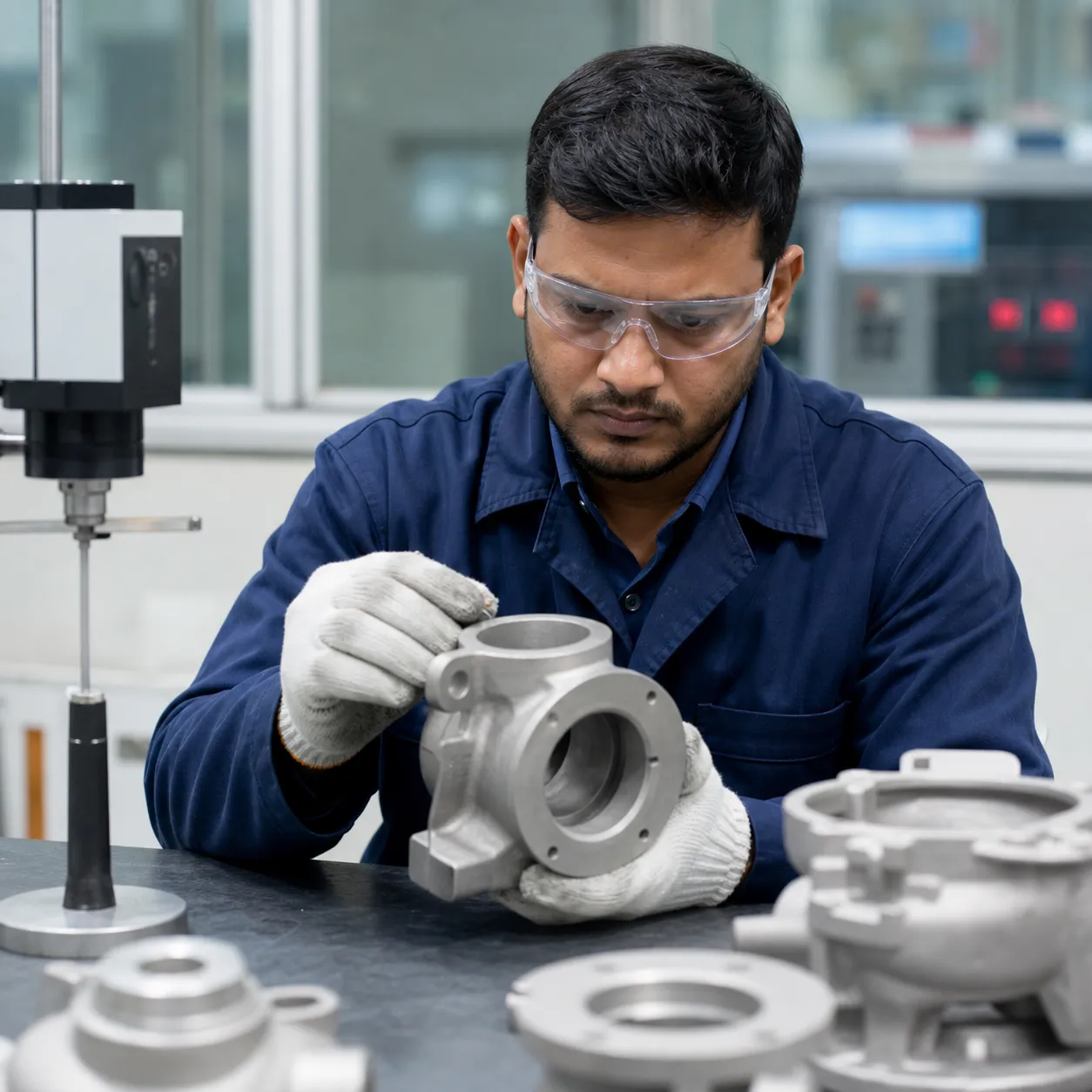
When working with corrosion-resistant alloys for investment casting, consistent quality and exact chemical composition are non-negotiable. Strict inspection protocols at every stage of production guarantee that every component performs reliably under severe operating conditions.
Comprehensive Inspection Protocols
Robust testing and quality assurance protocols run throughout the lost-wax casting workflow to eliminate defects and ensure full compliance with international engineering standards.
- Material Traceability & Verification: Optical emission spectrometry (OES) on every melt verifies chemical composition before pouring. Full Mill Test Reports (MTRs) and heat numbers provide complete traceability from raw material to final shipment.
- Dimensional Precision: Advanced 3D CMM equipment and laser scanning ensure tight net-shape tolerances down to ISO 8062 CT4–CT6 standards.
- Non-Destructive Testing (NDT): Liquid penetrant testing (PT) checks for surface flaws, while X-ray radiographic testing (RT) and ultrasonic testing (UT) confirm internal soundness for pressure-critical parts.
- Heat Treatment & Surface Control: In-house solution annealing, quenching, and age hardening restore maximum corrosion resistance. Electropolishing and chemical passivation further optimize surface finish and oxide layer protection.
Quality Assurance Overview
Factory quality management processes cover the technical specifications required for demanding global applications:
| Inspection Category | Method / Tool | Purpose & Technical Benefit |
|---|---|---|
| Chemical Verification | Optical Emission Spectrometer | Confirms exact alloy chemistry and prevents contamination |
| Internal & Surface NDT | PT, RT, UT, Hydrostatic Testing | Ensures structural integrity and zero leak risks under pressure |
| Dimensional Accuracy | CMM 3D Scanning | Verifies intricate geometries and tight tolerance matching |
| Corrosion Testing | ASTM G48 / ASTM A262 | Validates pitting, crevice, and intergranular corrosion resistance |
Production runs under certified ISO 9001 and PED quality systems, delivering fully documented investment castings ready for aggressive-service installation.
Ordering Information for Corrosion-Resistant Investment Casting Alloys
As professional precision casting service providers, Vastmaterial supports OEM and MRO programs from alloy callout through serial production. Typical RFQs for corrosion-resistant alloys for investment casting include:
- Drawings / 3D models: STEP or DWG with critical dimensions and surface callouts
- Service media: chloride, acid, seawater, sour gas, CIP chemicals, or exhaust gas
- Temperature & pressure: continuous and peak duty
- Preferred alloy family: 316 stainless steel, duplex stainless steel, Inconel, Hastelloy, Monel, cobalt-based alloys, or titanium alloys
- Documentation: MTR, heat number, NDT level, and heat-treat records
| Item | Typical Capability |
|---|---|
| Process | Lost wax / investment casting with ceramic shell molds |
| As-cast tolerance | ISO 8062-3 DCTG 4–6 (±0.1 to ±0.3 mm) |
| Surface finish | Ra 3.2–6.3 µm as-cast; electropolish optional |
| MOQ | Typically starts from prototype / pilot lots through production volumes by alloy and tooling |
| Lead time | Tooling + first article typically quoted after drawing review |
Request a quote with drawings and duty conditions to lock alloy grade, tooling, and inspection scope.
Frequently Asked Questions
What is the most corrosion-resistant alloy for investment casting?
Nickel-based superalloys like Hastelloy C276 and Inconel 625 offer the highest overall corrosion resistance among standard investment casting alloys. They withstand severe chemical attack, aggressive pitting, crevice corrosion, and high-temperature oxidation. For extreme acidic environments, Hastelloy provides unmatched durability, while titanium alloys excel in specific oxidizing and marine conditions.
How does duplex stainless steel compare to austenitic 316L in marine environments?
While 316L stainless steel casting works well for standard marine exposure, duplex grades deliver far greater mechanical strength and corrosion resistance in aggressive offshore settings.
- Yield Strength: Duplex alloys offer roughly double the yield strength of austenitic 316L.
- Pitting Resistance: Higher Pitting Resistance Equivalent Numbers (PREN) significantly reduce localized chloride attack.
- Stress Corrosion Cracking (SCC): Duplex grades resist chloride-induced cracking far better under high stress.
For heavy-duty marine hardware and submerged equipment, specifying duplex stainless steel investment casting delivers a much longer service life and reduces maintenance overhead.
When should nickel-based alloys like Hastelloy or Inconel be specified over stainless steel?
Nickel-based corrosion-resistant alloys for investment casting are specified when operating conditions exceed the limits of stainless steels:
- Concentrated Acids: Continuous exposure to hot hydrochloric, sulfuric, or hydrofluoric acids.
- High-Temperature Oxidation: Environments exceeding 500°C (930°F) where stainless steel loses structural strength and scaling resistance.
- Severe Chloride Attack: Flue-gas desulfurization, sour gas production, and aggressive chemical processing streams.
When are titanium alloys preferred over stainless for seawater service?
Titanium alloys are preferred when weight, absolute seawater immunity, and long submerged life outweigh stainless economics — typical on high-value marine and aerospace hardware. 316 stainless steel and duplex stainless steel remain the cost-effective default for many deck fittings and pump parts; titanium is selected when crevice attack risk or weight targets eliminate stainless options.
What tolerances and surface finishes can be achieved with investment cast alloys?
Precision lost wax casting consistently achieves fine surface finishes and tight dimensional tolerances across all corrosion-resistant alloy families:
| Parameter | Standard Capability | Precision / Post-Processed |
|---|---|---|
| Linear Tolerances | ISO 8062-3 DCTG 4 to 6 (±0.1 to ±0.3 mm) | Machined feature tolerances to ±0.01 mm |
| Surface Finish | Ra 3.2 µm to 6.3 µm (125–250 µin) | Ra 1.6 µm (63 µin) or better with electropolishing |
| Wall Thickness | Down to 1.5 mm | Down to 1.0 mm for small, localized features |
Utilizing precision investment casting alloys produces near-net-shape components, minimizing expensive post-cast machining on hard-to-machine metals. Sibling grade programs such as 17-4 PH casting follow the same shell process with precipitation-hardening heat treatment for strength-critical parts.