Overview
What is Die Cast Aluminum Alloy A380?
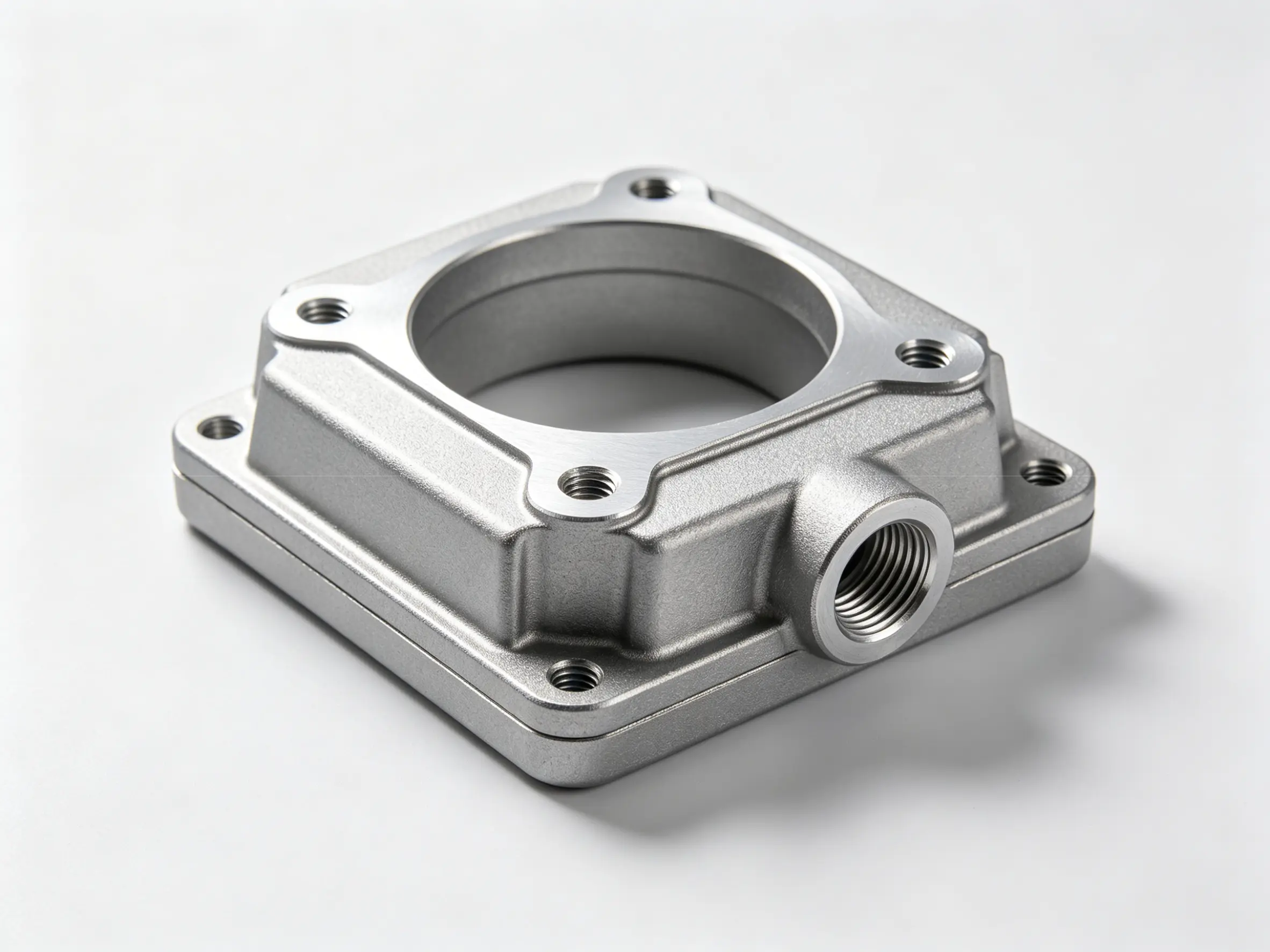
As a company that provides precision casting and machining services for aluminum alloys, we recognize die cast aluminum alloy a380 as the undisputed backbone of modern industrial manufacturing. It is a highly versatile, lightweight material engineered specifically to excel in high-pressure die casting environments, delivering consistent, high-quality results for complex part designs.
Introduction to A380 Aluminum
A380 aluminum is the most widely specified alloy in the global die casting industry. Its enduring popularity stems from an unparalleled balance of performance, castability, and cost-efficiency.
By offering an optimal mix of mechanical properties and thermal properties, A380 allows manufacturers to cast complex geometries with exceptionally thin walls and intricate details without sacrificing structural integrity. Key characteristics include:
- Superior Fluidity: Fills complex die cavities flawlessly.
- Dimensional Stability: Maintains tight tolerances over time and under stress.
- Resistance to Hot Cracking: Ensures robust, defect-free parts directly out of the mold.
Whether you are producing rugged automotive brackets or precise electronic housings, choosing die cast aluminum alloy a380 guarantees a reliable, cost-effective solution tailored to the rigorous demands of the global market.
Standard Alloy Equivalents and Designations
Because manufacturing is a global enterprise, A380 is recognized and standardized under several international classification systems. Depending on your region, the exact nomenclature may vary, but the core chemical composition and baseline physical properties remain strictly controlled to ensure universal performance.
Here are the most common international equivalents for A380:
| Region / Standard Body | Alloy Designation |
|---|---|
| United States (Aluminum Association) | A380.0 |
| Japan (JIS) | ADC10 |
| Europe (EN) | EN AC-46000 (AlSi8Cu3) |
| China (GB) | YL112 |
Understanding these global designations ensures that procurement and engineering teams can source the correct material, guaranteeing that the electrical properties and structural benchmarks of the final cast component meet exact specifications anywhere in the world.
Chemical Composition of A380 Aluminum
As a company that provides precision casting and machining services for aluminum alloys, we understand that a component's performance starts with its raw makeup. The exact chemical composition of die cast aluminum alloy A380 is what guarantees its highly balanced mechanical properties, thermal properties, and physical properties.
Primary Alloying Elements
The exceptional castability and strength of A380 rely directly on its two main alloying additions: silicon and copper.
- Silicon (7.5% - 9.5%): This is the core ingredient for fluidity. It allows the molten metal to easily flow into intricate, complex molds without hot tearing during the cooling phase.
- Copper (3.0Copper (3.0% - 4.0%): Copper is added to significantly boost the hardness and overall tensile strength, while also enhancing the thermal resistance of the final part.
Trace Elements and Impurities
Beyond the primary mix, secondary trace elements must be tightly controlled to maintain consistent electrical properties and structural integrity. Managing these exact thresholds is a non-negotiable step in our process, whether we are pouring standard industrial housings or manufacturing custom OEM valve bodies for specialized applications.
| Element | Maximum Percentage (%) | Primary Function / Effect |
|---|---|---|
| Zinc (Zn) | 3.0 | Carefully limited to ensure the alloy maintains its baseline corrosion resistance. |
| Iron (Fe) | 1.3 | Crucial for the manufacturing process; it prevents the molten aluminum from soldering directly to the steel die casting molds. |
| Manganese (Mn) | 0.5 | Works alongside iron to modify the grain structure and improve the die release process. |
| Magnesium (Mg) | 0.1 | Kept extremely low to prevent unwanted embrittlement in the finished casting. |
We constantly monitor this chemical breakdown during the melting and pouring stages to ensure every single batch of die cast aluminum alloy A380 meets strict global standards.
Key Properties of A380 Aluminum Alloy
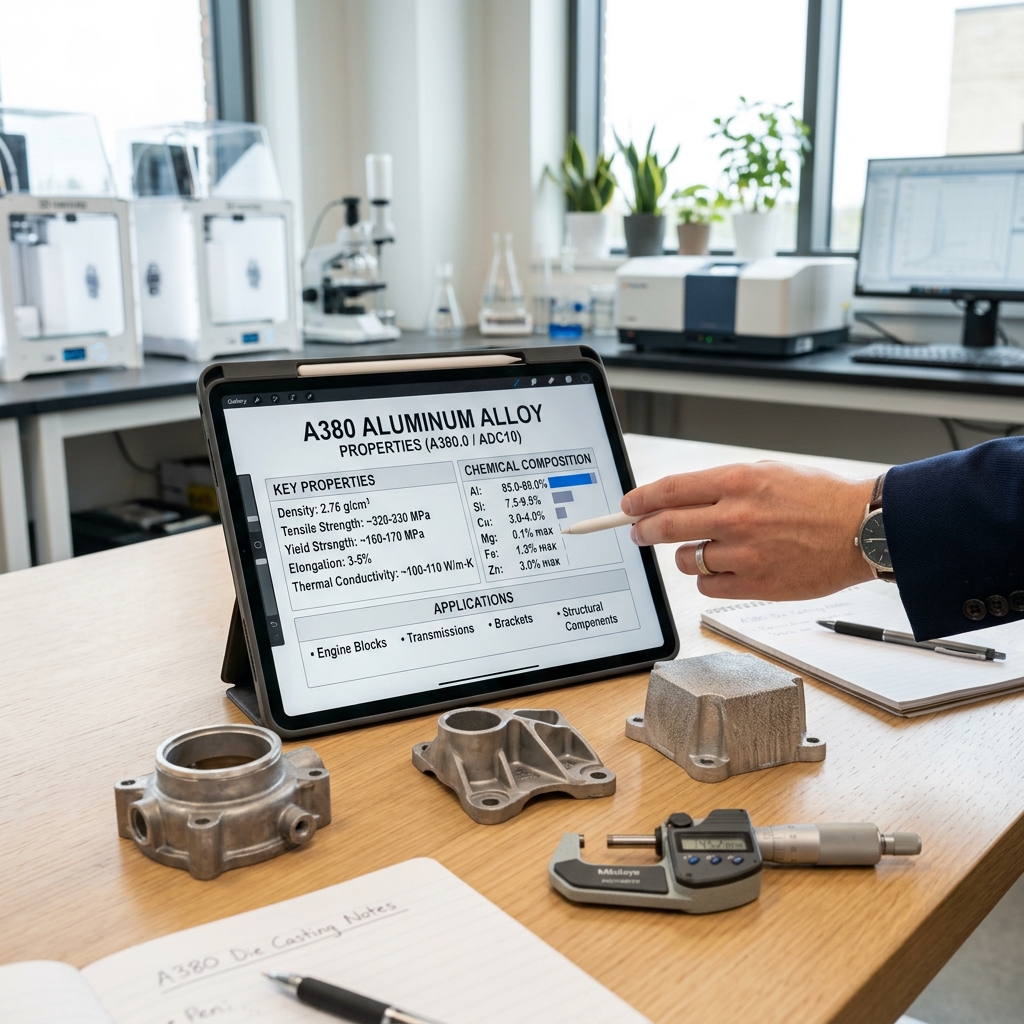
We are a company that provides precision casting and machining services for aluminum alloys, and we frequently recommend die cast aluminum alloy A380 to our global clients because of its incredibly balanced performance profile. It delivers a reliable mix of mechanical, physical, and thermal advantages that fit a huge variety of demanding applications.
Mechanical Properties and Tensile Strength
When evaluating structural integrity, the mechanical properties of A380 make it a massive standout. Our high-precision casting services utilize this alloy specifically because it holds extremely tight tolerances while remaining tough under pressure.
- High Tensile Strength: Easily handles significant mechanical loads without fracturing.
- Yield Strength: Resists permanent deformation, ensuring long-term structural reliability.
- Impact Resistance: Absorbs shock effectively, reducing the risk of sudden component failure.
Physical and Thermal Characteristics
Beyond raw strength, the physical properties and thermal properties of A380 provide massive value, especially for parts exposed to extreme temperature shifts.
- Thermal Conductivity: Dissipates heat rapidly, making it the go-to choice for electronics housings and engine components.
- Electrical Properties: Offers solid baseline conductivity and excellent EMI/RFI shielding.
- Dimensional Stability: Retains its exact shape and specifications even when exposed to high operating temperatures.
Corrosion Resistance and Behavior
Die cast aluminum alloy A380 holds its own against harsh environmental factors, ensuring a long lifecycle for the final product.
- Natural Surface Protection: Automatically forms a thin, tough oxide layer that prevents deep material degradation.
- Environmental Durability: Performs reliably in moderately corrosive industrial environments.
- Finishing Compatibility: Easily accepts standard plating, anodizing, and powder coating to boost its baseline corrosion resistance even further.
Advantages of Choosing A380 for Die Casting
We are a company that provides precision casting and machining services for aluminum alloys. In our daily operations, die cast aluminum alloy a380 consistently proves to be the most versatile and reliable option for a wide range of manufacturing projects. It strikes the perfect balance between performance, workability, and overall value.
Excellent Castability and Fluidity
The main reason A380 is so popular is how easily it can be cast into specific shapes.
- Smooth Molten Flow: The metal flows effortlessly into complex molds, ensuring every corner is filled.
- Defect Reduction: It naturally resists hot cracking and shrinkage during the cooling phase.
- Intricate Detailing: Because of its fluidity, it is ideal for producing complex shapes, including agricultural casting solutions for durable precision OEM parts where exact dimensions are critical.
Cost-Effectiveness in Mass Production
When scaling up production, keeping costs under control is essential. A380 excels in high-volume environments.
- Faster Production: Excellent fluidity leads to shorter casting cycle times.
- Less Tool Wear: The alloy is relatively easy on die casting molds, extending the life of expensive tooling equipment.
- Easy Machining: Post-casting machining is fast and straightforward, which minimizes labor and machine time.
Optimal Strength-to-Weight Ratio
Choosing a lightweight material shouldn't mean sacrificing durability.
- Lightweight Durability: A380 delivers excellent mechanical properties, allowing you to create parts that are robust yet light enough to reduce overall product weight.
- Structural Stability: It maintains its shape and core physical properties even under heavy stress or elevated temperatures.
- Broad Capability: Alongside structural strength, it offers stable thermal properties and reliable electrical properties, making it a highly practical choice for demanding environments.
Common Applications and Industries
Because of its well-rounded mechanical properties and versatility, die cast aluminum alloy A380 is the standard choice across multiple global industries. We are a company that provides precision casting and machining services for aluminum alloys, and we consistently see this material driving innovation in everyday products and heavy-duty applications alike.
Automotive and Transportation Components
The automotive sector relies heavily on A380 to reduce vehicle weight without sacrificing structural integrity. Its reliable thermal properties make it perfect for managing heat in demanding engine compartments. Common automotive applications include:
- Engine brackets and mounts: Holding heavy components securely.
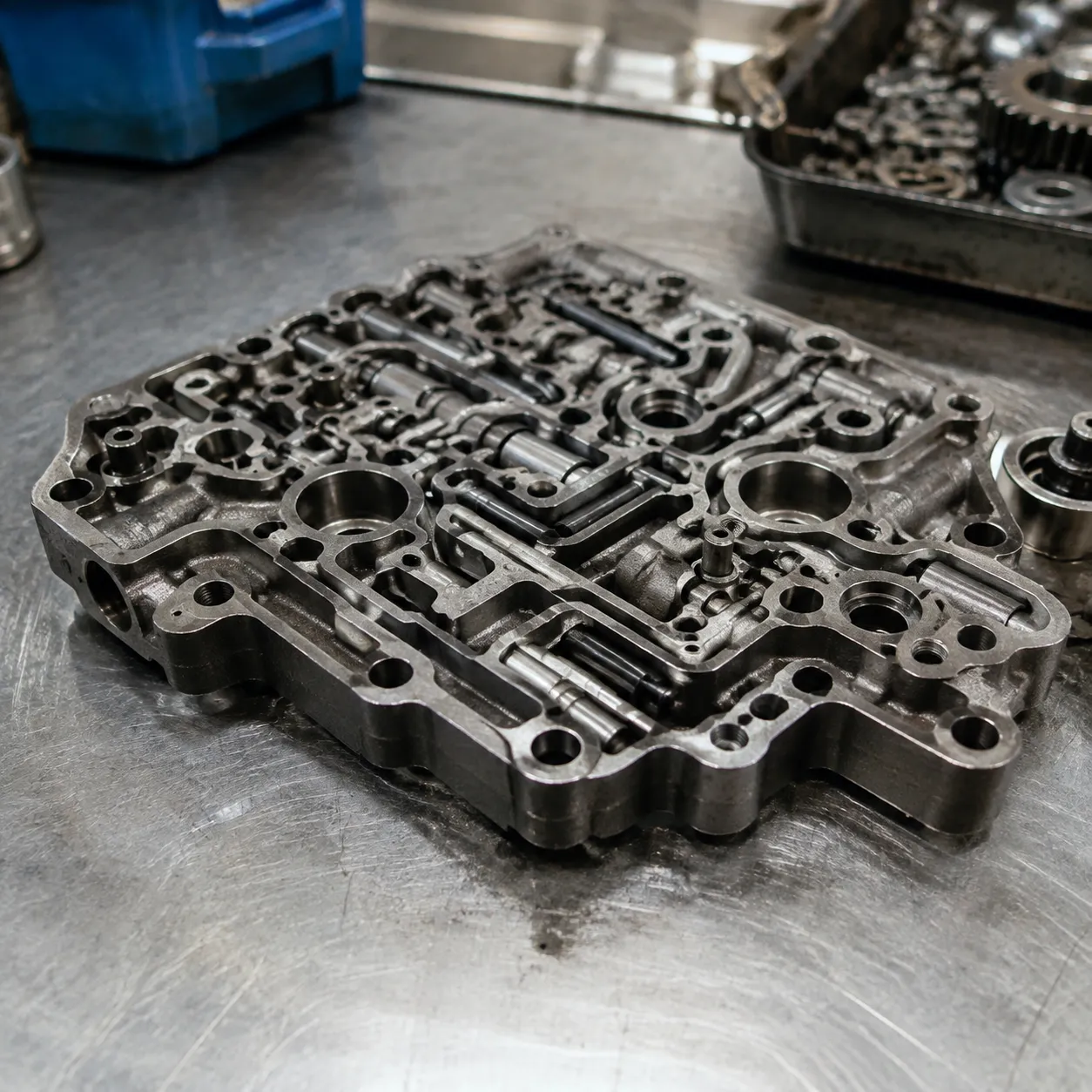
- Transmission housings: Protecting intricate gears while keeping the vehicle light.
- Water pumps and gearboxes: Delivering long-lasting, pressure-tight performance.
Electronics and Consumer Goods Housings
You will find A380 protecting the electronics you use every day. It offers excellent EMI/RFI shielding and stable electrical properties, making it the premier choice for consumer goods.
- Power tool housings: Delivers rugged durability for heavy-duty hand tools without adding strain to the user.
- Electronic enclosures: Shields delicate circuit boards and internal tech from outside interference.
- Home appliances: Provides a tough, lightweight frame for everyday household devices.
Industrial Equipment and Machinery
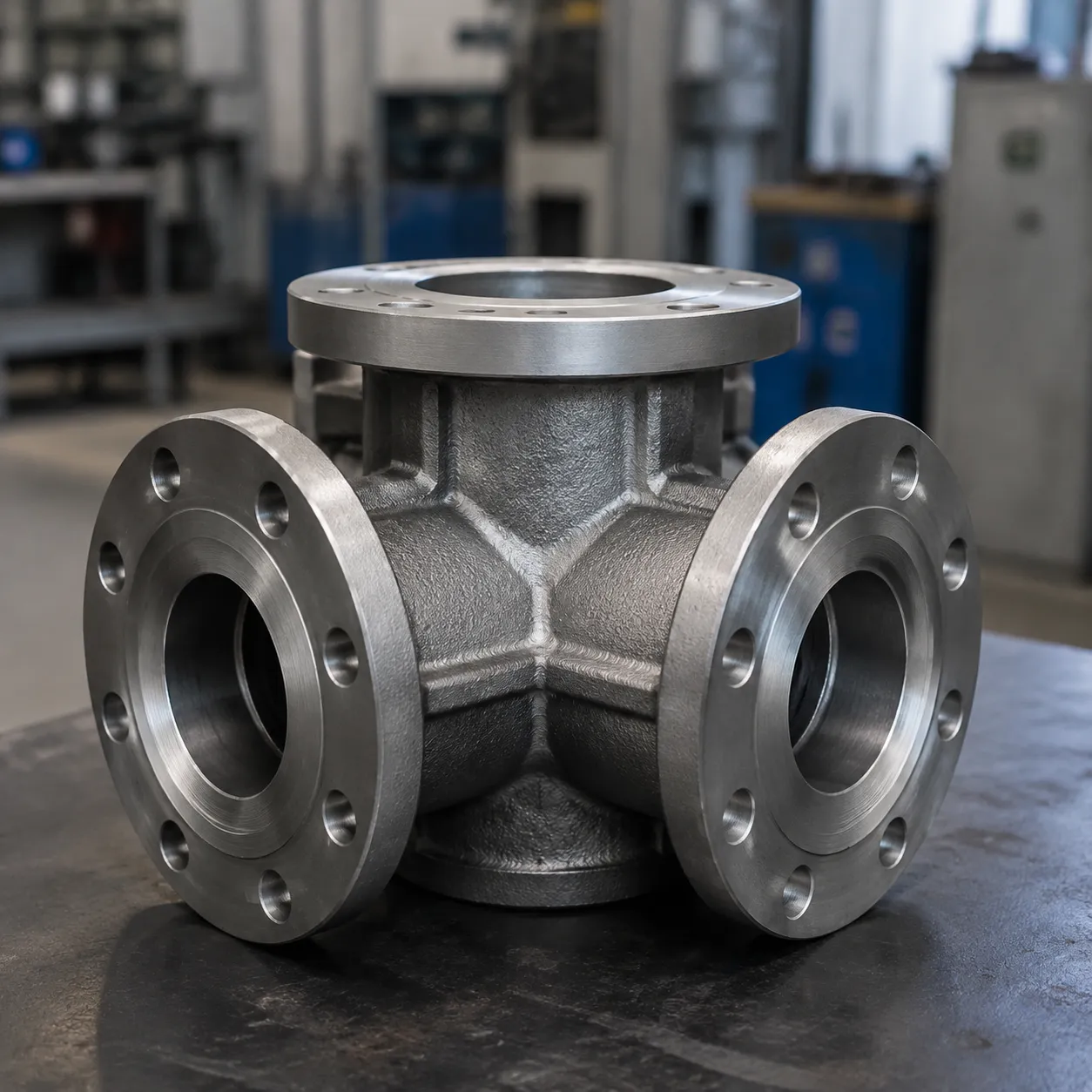
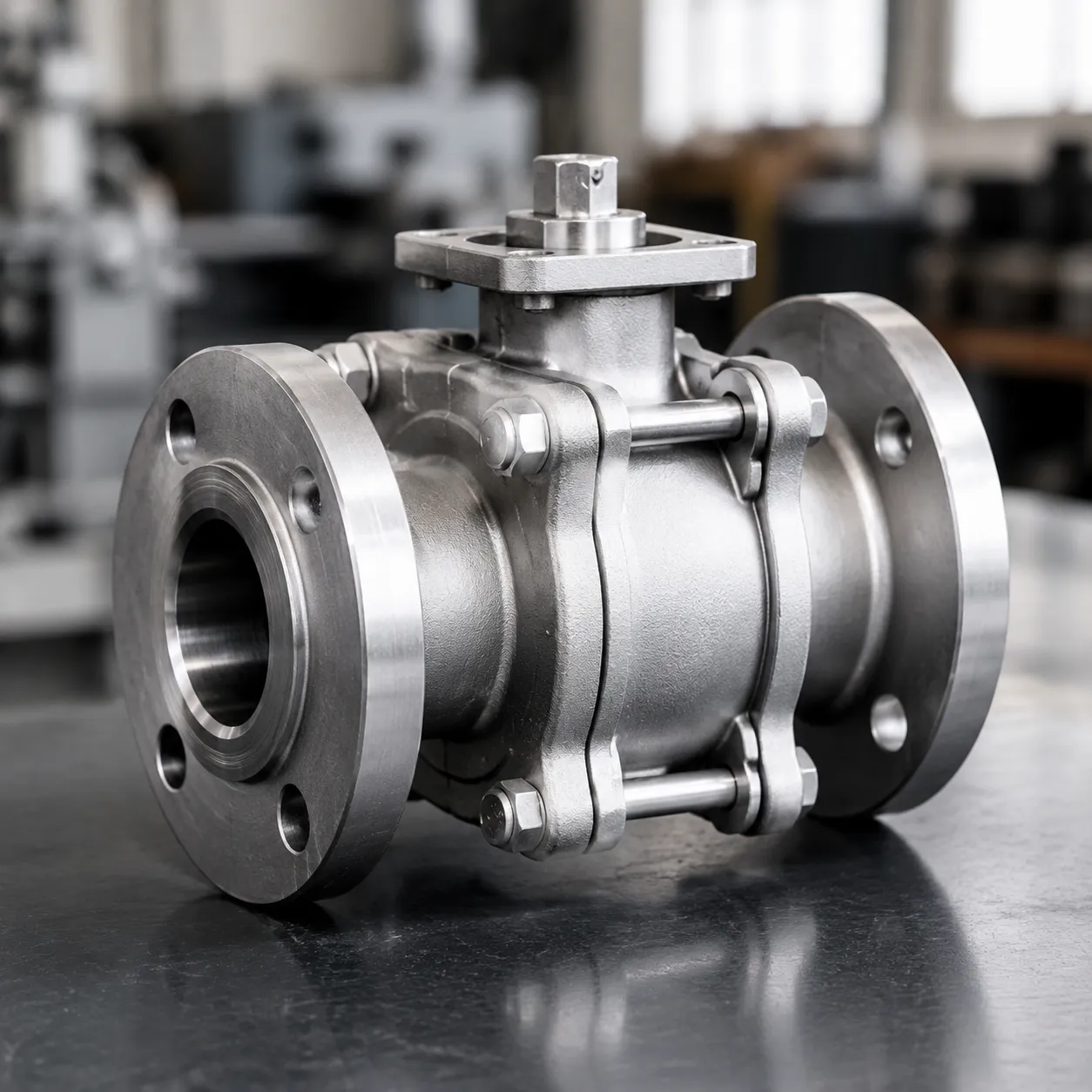
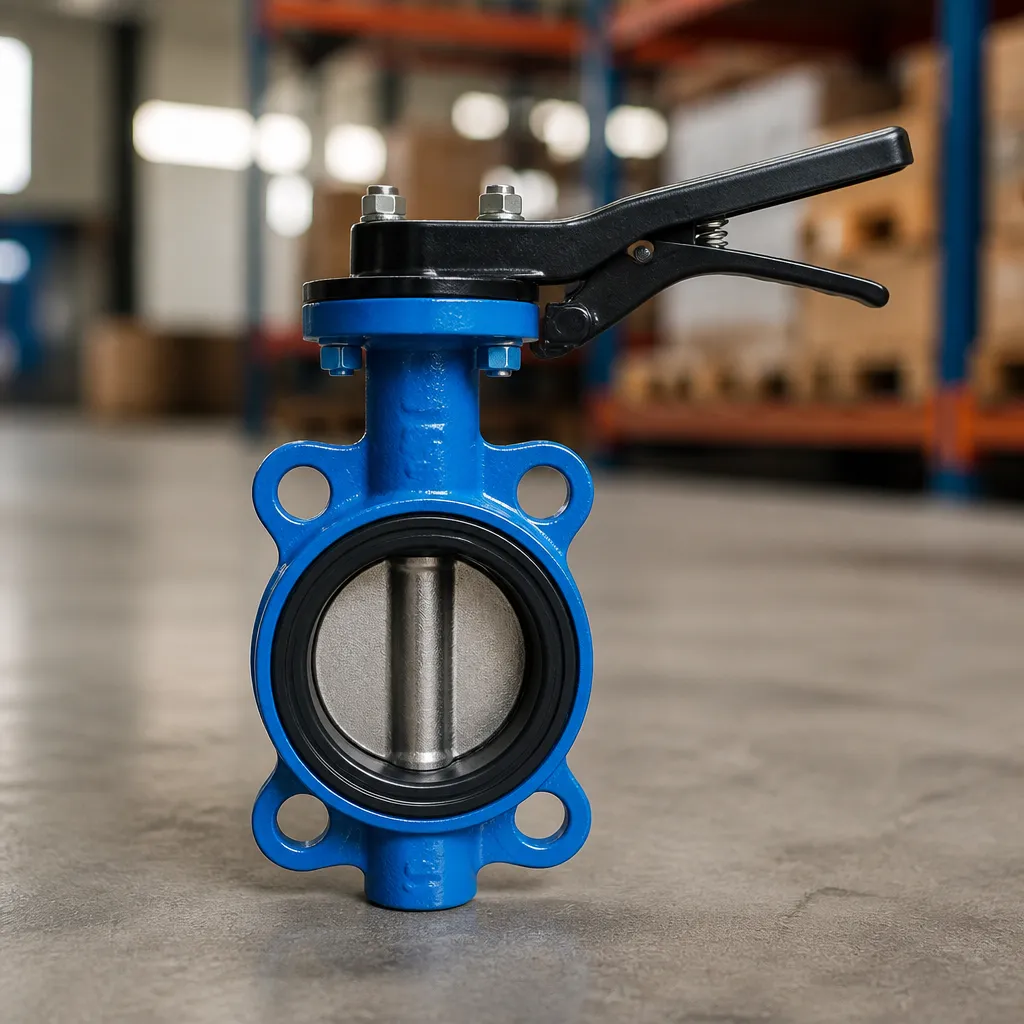
Industrial machines require components that can withstand constant stress and vibration. The robust physical properties of A380 make it a staple for heavy machinery, including air compressors, hydraulic valves, and complex machine bases. If your team is developing new industrial equipment, leveraging precise cast prototype and engineering services allows you to rapidly test the real-world performance of A380 parts before committing to full-scale mass production.
Manufacturing and Processing A380
We are a company that provides precision casting and machining services for aluminum alloys, and working with die cast aluminum alloy A380 is one of our core strengths. Processing this material correctly ensures you get the exact performance you expect out of your final parts.
Die Casting Equipment and Techniques
To maximize the physical properties of A380, we typically use cold-chamber die casting machines. This alloy has fantastic fluidity, meaning it easily fills complex molds with thin walls.
We maintain strict control over melting and injection speeds. If you handle raw material preparation in-house, understanding how to melt aluminum for casting safely is critical to preventing porosity before the metal even hits the die. Proper technique guarantees that the intrinsic thermal properties and electrical properties of the A380 alloy remain intact throughout production. For scalable production, our alloy cast components high-precision custom casting services are designed specifically to handle the demands of this versatile metal.
Recommended Surface Finishing Options
While die cast aluminum alloy A380 looks good right out of the mold, it takes secondary finishes exceptionally well. Applying the right finish protects the underlying chemical composition from harsh environments and improves aesthetics.
- Powder Coating: Provides a tough, durable, and colorful exterior.
- Painting: A cost-effective way to customize appearance.
- Electroplating: Adds an extra layer of wear resistance and enhances surface conductivity.
- Shot Blasting: Removes minor flash and creates a clean, uniform matte texture.
Heat Treatment Capabilities and Limitations
Can you heat treat A380? Generally, no. Standard die casting traps microscopic air pockets inside the metal. If you apply high-temperature heat treatments (like T6), these gas pockets expand and cause the part's surface to blister and warp.
Fortunately, you rarely need to. The "as-cast" mechanical properties of A380 are already high enough for most demanding applications.
| Processing State | Mechanical Properties & Outcome | Recommendation |
|---|---|---|
| As-Cast (Standard) | High yield strength, excellent dimensional stability. | Best Choice. Ready for immediate use or surface finishing. |
| Heat Treated (T6) | High risk of surface blistering and structural warping due to trapped gases. | Not Recommended. Avoid for standard high-pressure die casting. |
Stick to the as-cast state. It keeps your production costs down while delivering the reliable strength die cast aluminum alloy A380 is known for.
Comparing A380 to Other Aluminum Alloys
We are a company that provides precision casting and machining services for aluminum alloys. Over the years, we've learned exactly how die cast aluminum alloy A380 compares to other common metals. While extreme high-wear environments might require us to machine tougher metals like 410 stainless steel materials, A380 remains our absolute go-to for lightweight, high-volume manufacturing. Let's break down the physical properties and mechanical properties that set it apart from the rest of the pack.
A380 vs. A383 Aluminum Die Casting
Both of these alloys are industry-standard die-casting choices, but slight tweaks in their chemical composition change how they perform on the factory floor.
- A380: The undisputed standard. It offers the absolute best mix of strength, cost, and tool life for everyday casting.
- A383: Contains a higher silicon content. We switch to A383 only when a part has extremely thin walls or intricate details, as it flows better in the die and resists hot cracking under pressure.
A380 vs. 6061 Aluminum Alloy
Comparing these two is a classic casting versus extrusion debate.
- A380: Engineered specifically for high-pressure die casting. It is perfect for producing complex, net-shape parts in a single step.
- 6061: Primarily an extrusion or billet alloy. While 6061 boasts slightly better thermal properties and electrical properties, you cannot easily die-cast it. If your design requires complex, integrated shapes, A380 gets the job done faster and cheaper.
A380 vs. A356 Performance Differences
The choice between these two comes down to your chosen casting method and structural needs.
- A380: Built for speed and volume in high-pressure die casting. It provides rigid, reliable strength for mass-produced housings and brackets.
- A356: Typically used in sand casting or permanent mold casting. A356 offers higher ductility, making it better for critical structural parts that need to bend slightly without snapping under load.
Quick Alloy Comparison Table:
| Alloy | Primary Manufacturing Process | Key Material Advantage | Ideal Use Case |
|---|---|---|---|
| A380 | High-Pressure Die Casting | Best overall balance and cost | General automotive & electronics housings |
| A383 | High-Pressure Die Casting | Superior fluidity for thin walls | Intricate, highly detailed die castings |
| 6061 | Extrusion / CNC Machining | Excellent strength & weldability | Structural frames & machined components |
| A356 | Sand / Gravity Casting | High ductility & elongation | Automotive wheels & suspension parts |