Overview
What is Low Carbon Steel Casting?
Definition and General Overview
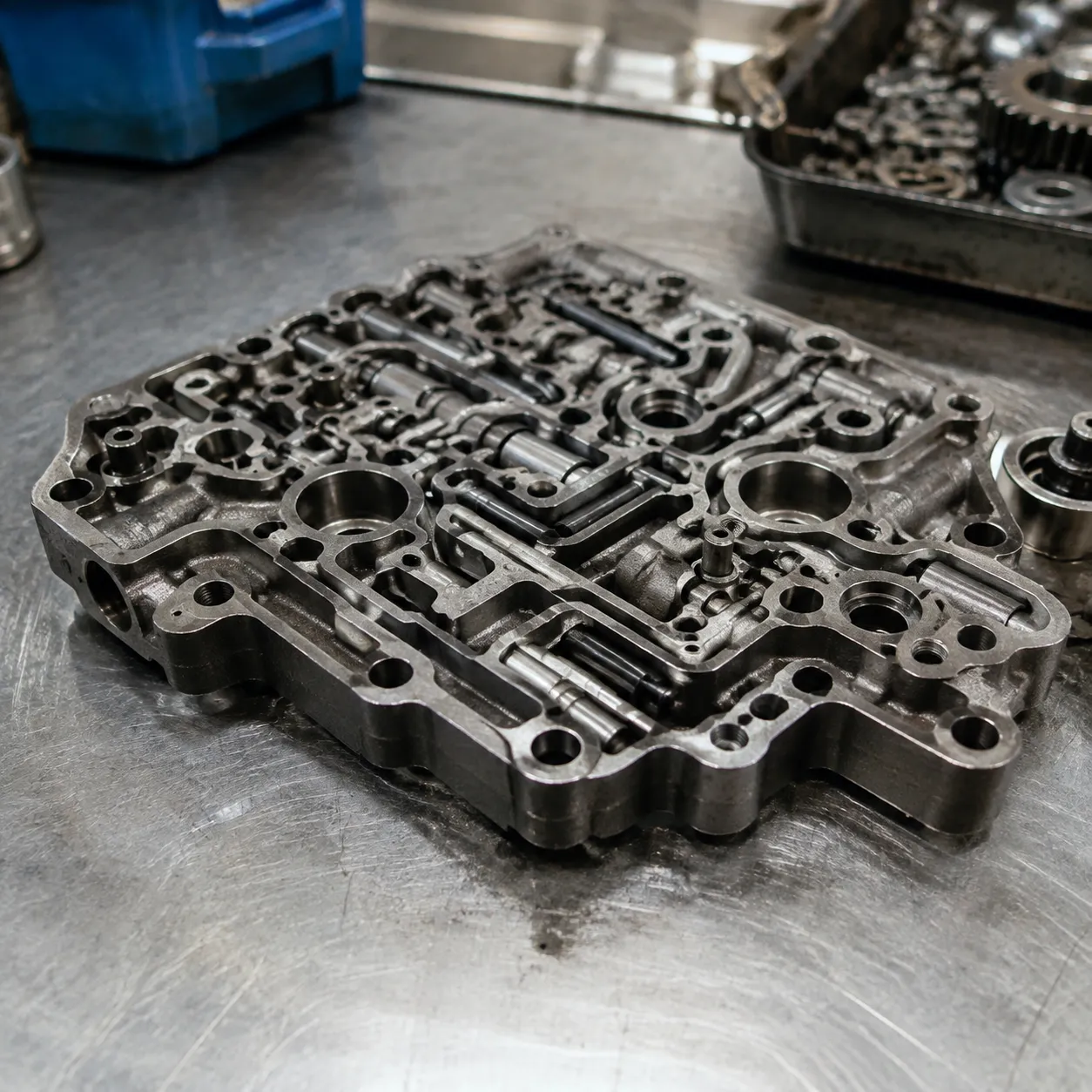
Low carbon steel casting is a manufacturing process used to produce high-integrity metal components with a carbon content of less than 0.20%. Often referred to as mild steel or soft steel, this material is a staple in the investment casting industry due to its cost-effectiveness and versatility. By utilizing methods such as water glass investment casting, we provide a low-cost solution for creating complex shapes that require a balance of ductility and toughness. These castings are essential for applications where the component must withstand deformation without breaking, such as handles, cranks, and various structural braces.
Chemical Composition and Microstructure
The performance of low carbon steel casting is dictated by its precise chemical makeup and internal structure. While the primary element is iron, the controlled carbon level ensures the material remains pliable and easy to work with.
- Carbon Content: Kept strictly below 0.20% to maintain high core ductility.
- Microstructure: Typically consists of a ferrite and pearlite matrix, providing a soft yet resilient foundation.
- Surface Enhancements: Through specific heat treatment processes like carburizing, these castings can achieve high surface hardness and excellent abrasion resistance while keeping a tough, ductile core.
- Alloy Additions: Small amounts of manganese or other elements may be present to improve weldability and structural integrity without compromising the material's fundamental "plain carbon steel" characteristics.
Core Properties and Advantages
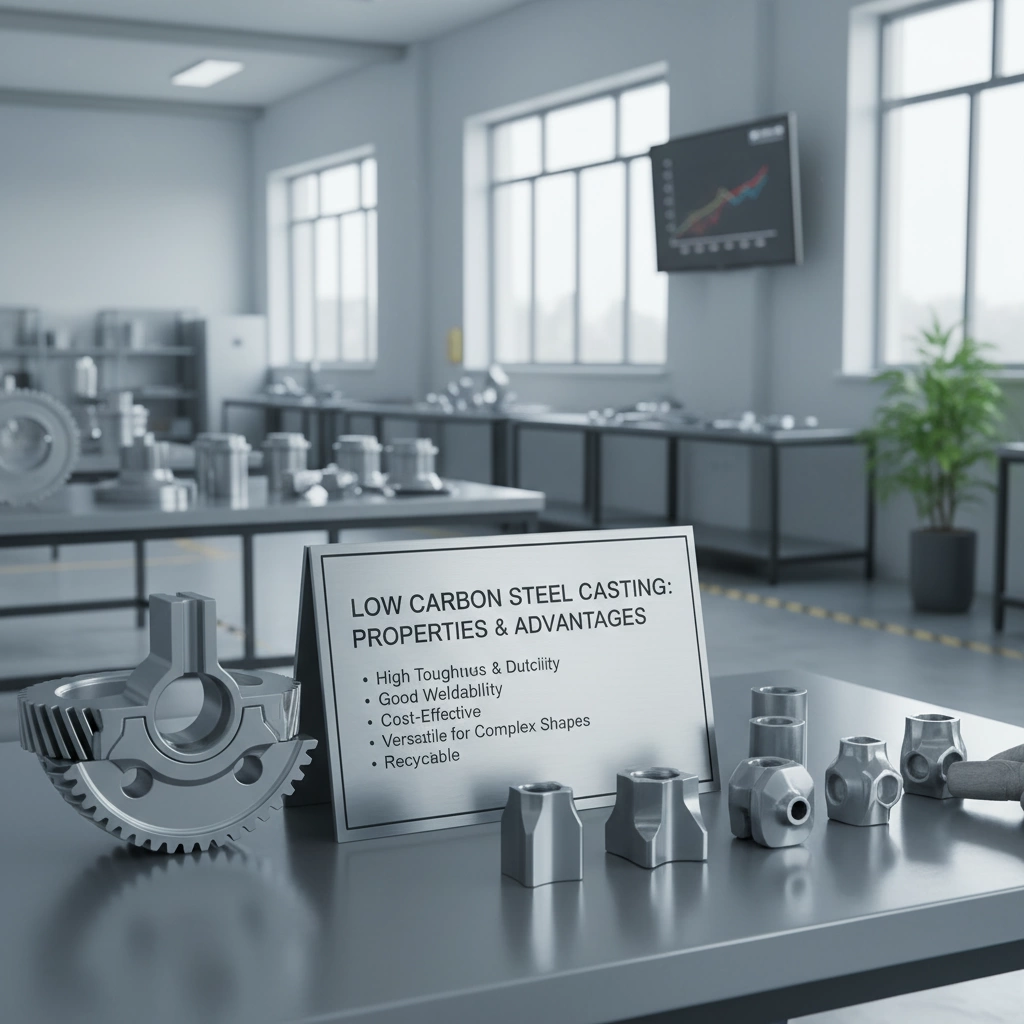
Low carbon steel casting is the backbone of many industrial projects because it offers a unique balance of strength and flexibility. Often referred to as mild steel or soft steel, this material is prized for its reliability in demanding environments.
Mechanical and Thermal Characteristics
The primary draw of low carbon steel is its high ductility and toughness. Unlike high-carbon alternatives, it can withstand significant impact without snapping or cracking.
- High Ductility: It can deform under tensile stress, making it ideal for parts that need to bend rather than break.
- Impact Resistance: Excellent performance in low-temperature or high-vibration settings.
- Thermal Conductivity: It manages heat distribution effectively, which is critical for components exposed to fluctuating temperatures.
Excellent Formability and Machinability
One of the biggest wins for our clients is how easily this material can be shaped. Because the carbon content is low, the steel is less "stubborn" during secondary processing. Our investment casting steel alloy selection ensures that even the most intricate geometries are achievable.
- Ease of Cutting: It doesn't wear down tools as fast as harder alloys, lowering your overall production costs.
- Precision: It allows for tight tolerances, which is a must-have for complex mechanical assemblies.
- Surface Finish: It takes well to various finishing processes, ensuring the final part looks as good as it performs.
Superior Weldability
For many engineers, weldability is the deciding factor. Low carbon steel casting is arguably the easiest steel to weld. Since there is very little carbon to interfere with the process, the risk of "cold cracking" or brittleness in the heat-affected zone is minimal.
- No Pre-heating Required: In most cases, you can weld these castings without expensive pre-heating or post-weld heat treatments.
- Strong Bonds: It creates robust, seamless joins that maintain the structural integrity of the entire assembly.
- Versatility: It’s compatible with almost all standard welding techniques used in modern manufacturing.
By following a DFM casting design guide, you can maximize these material benefits to create parts that are both cost-effective and high-performing.
Low Carbon Steel Casting Processes
We utilize specialized casting methods to ensure every low carbon steel casting meets the precise structural and surface requirements of our clients. By selecting the right process, we balance cost-efficiency with high-performance results.
Precision Investment Casting
Our precision investment casting services are divided into two primary techniques based on the required finish and budget:
- Water Glass Casting: This is our most cost-effective method for carbon steel. It is widely used for industrial components that require reliable performance at a lower material cost, typically achieving CT7-CT8 tolerances.
- Silica Sol Investment Casting: Also known as the lost wax process, this method is preferred when a superior surface finish is mandatory. It offers tighter CT5-CT6 tolerances, making it ideal for complex geometries found in the stainless steel casting process and high-end machinery parts.
Sand Casting Methods
For larger, heavy-duty components where surface refinement is less critical than structural mass, we employ robust casting techniques. These methods are suitable for earth-moving and construction equipment, providing a reliable foundation for parts that undergo significant stress.
Secondary Operations and Heat Treatment
To deliver a finished product ready for assembly, we provide comprehensive secondary operations:
- High-Precision Machining: We refine raw castings to meet exact dimensional specifications.
- Heat Treating: For low carbon steel (less than 0.20% carbon), we use specific heat treatment cycles to achieve high surface hardness and abrasion resistance while maintaining excellent core ductility.
- Surface Finishing: We offer various treatments to enhance the corrosion resistance and aesthetic quality of your low carbon steel casting or low alloy steel casting components.
Common Applications and Industries Served
Low carbon steel casting is a staple in modern manufacturing because it balances cost-effectiveness with high performance. We supply these castings to a wide range of sectors where reliability and ease of fabrication are non-negotiable.
Automotive and Transportation Components
In the automotive sector, we focus on parts that require excellent weldability and impact resistance. Because low carbon steel casting (often referred to as mild steel) can withstand significant stress without cracking, it is the go-to choice for:
- Brackets and Mounts: Essential for securing engines and transmissions.
- Suspension Parts: Control arms and link bars that need to absorb road vibrations.
- Hinges and Latches: Durable components that handle thousands of cycles.
Industrial Machinery and Equipment
For heavy-duty operations, our clients rely on the structural integrity of these castings. We often utilize precision metal casting guide for engineers and OEM buyers techniques to ensure every industrial component meets tight tolerances. Common uses include:
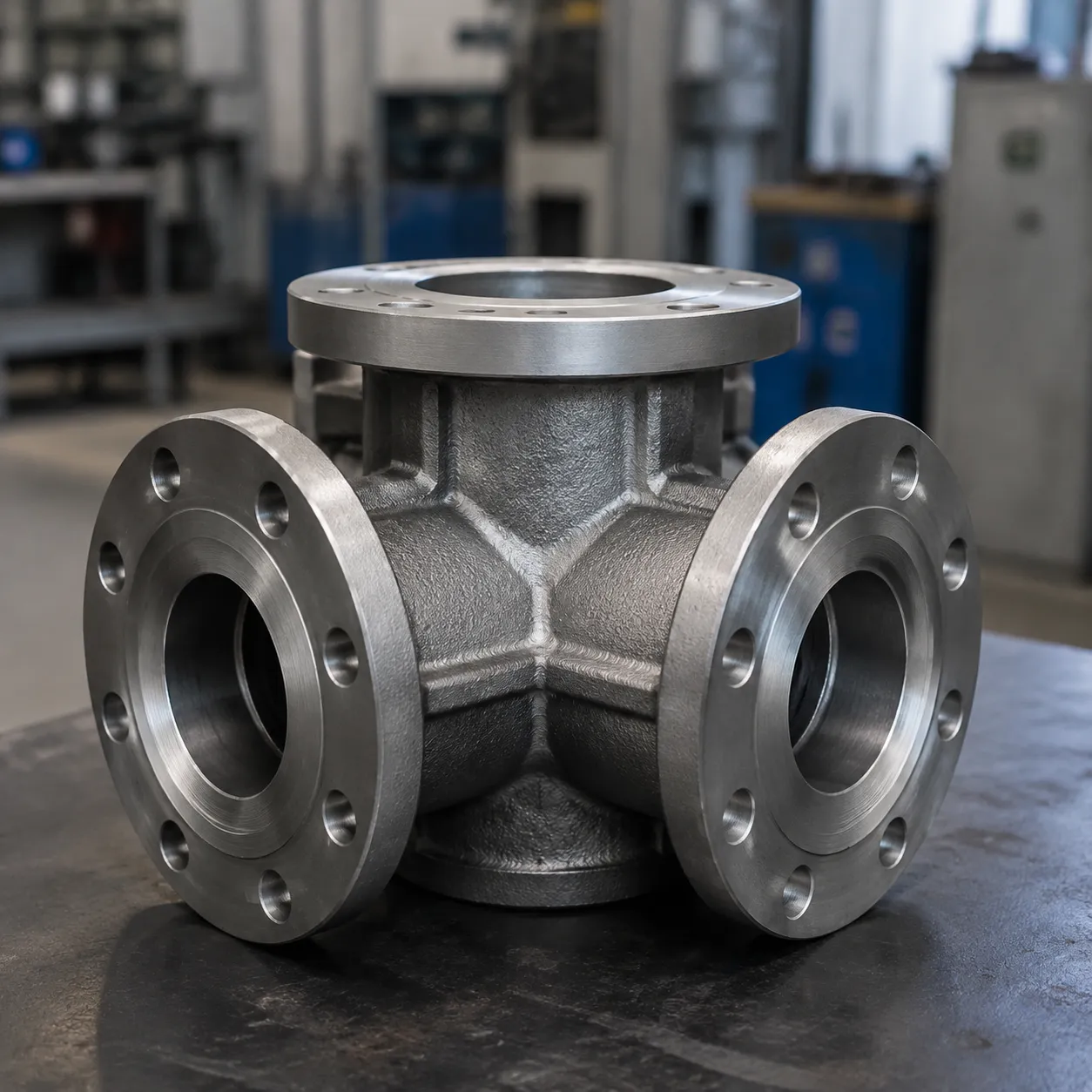
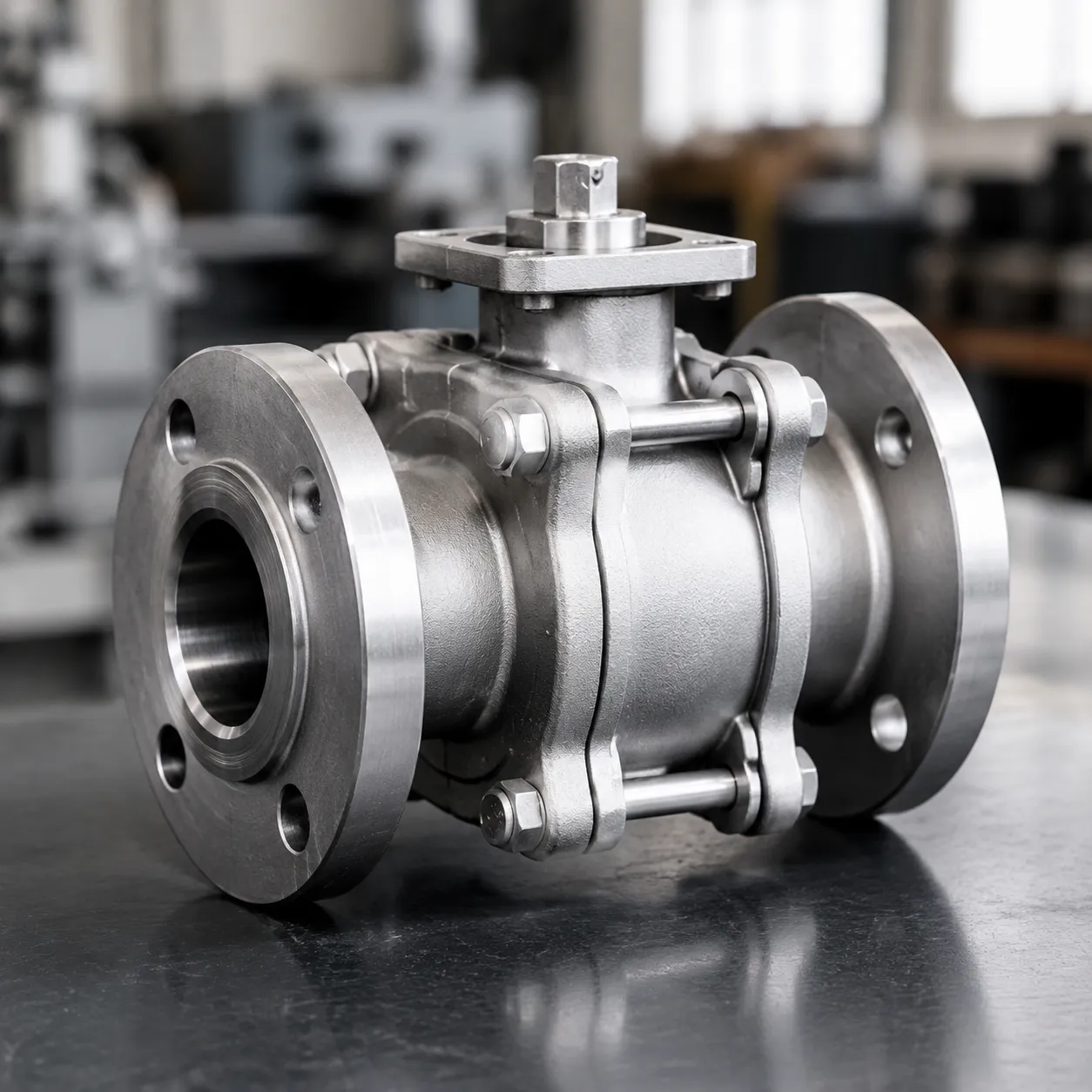
- Pump Housings: Providing a solid shell for fluid transport systems.
- Levers and Linkages: Critical for the movement of heavy machinery.
- Gear Boxes: Offering a tough exterior that protects internal mechanisms.
Everyday Consumer Products
You will find low carbon steel casting in many items used daily. Its versatility makes it perfect for high-volume production of "soft steel" goods that are both affordable and long-lasting.
- Hand Tools: Wrenches and pliers that require a balance of strength and ductility.
- Furniture Hardware: Sturdy frames and decorative brackets.
- Outdoor Equipment: Components for lawnmowers and garden tools that need to be easily repaired or welded if damaged.
cURL error: transfer closed with outstanding read data remaining
Choosing the Right Steel Casting Manufacturer
Assessing Production Capabilities
When you are looking for a partner for low carbon steel casting, you need a team that understands both the metallurgy and the manufacturing scale. We provide comprehensive low-carbon steel casting services designed to handle everything from rapid prototyping to high-volume industrial production. Our facility is equipped to manage complex geometries using precision investment casting, ensuring that every part is cast with near-net-shape accuracy.
To complement our casting expertise, we offer specialized 1117 low carbon steel precision machining services to ensure your components meet the strictest dimensional tolerances required for high-performance applications.
Quality Control and Testing Standards
We don't leave quality to chance. Every batch of mild steel or plain carbon steel undergoes a strict validation process to ensure it performs under pressure. Our quality management system is built to meet global industry standards, giving you peace of mind that your parts are reliable and safe.
Our standard testing protocols include:
- Spectrographic Analysis: We verify the exact chemical composition to ensure the carbon levels are within spec.
- Mechanical Property Testing: We check for tensile strength, yield point, and ductility.
- Non-Destructive Testing (NDT): We use X-ray, magnetic particle, and ultrasonic testing to detect any internal flaws or porosity.
- Precision Measurement: Utilizing CMM (Coordinate Measuring Machines) to guarantee that every "soft steel" component matches your blueprints exactly.
FAQs
What makes low carbon steel casting a preferred choice for industrial parts?
Low carbon steel casting is highly valued for its excellent weldability and ductility. With a carbon content of less than 0.20%, these components are less brittle than high-carbon alternatives, allowing them to bend or deform rather than snap under pressure. This makes them ideal for structural parts in the construction and earth-moving industries.
Which casting process offers the best value for carbon steel?
For most projects, we utilize water glass investment casting because it is the most cost-effective method for carbon steel. It provides a solid balance between price and performance. If your application requires a superior surface finish and tighter tolerances, we offer silica sol investment casting (lost wax), which achieves CT5-CT6 precision levels.
Can low carbon steel components be hardened?
Yes. While the base material is relatively soft, we use specific heat treatment services to improve performance. Processes like carburizing can increase surface hardness and abrasion resistance while maintaining the core’s toughness. This is a common requirement for components used in military vehicles and heavy machinery.
What are the typical applications for 1000 series steel?
The 1000 series is a popular choice for low carbon steel casting due to its soft, pliable nature. It is frequently used to manufacture:
- Cranks and handles
- Braces and brackets
- General hardware that requires high formability
How do you ensure the precision of the finished casting?
We maintain strict testing and quality standards throughout the production cycle. To meet exact specifications, we provide secondary operations such as high-precision machining. This ensures that every low carbon steel casting meets the dimensional requirements of demanding sectors like the oil and gas or pump and valve industries.
Do you support low-volume production for new designs?
We offer rapid prototyping and tooling services to help you move from design to functional part quickly. This is particularly useful for testing the mechanical properties of different low-alloy additions, such as Nickel or Chromium, before committing to full-scale manufacturing.