Burnout Cycle Investment Casting Basics and Quality Impact
What is a Burnout Cycle?
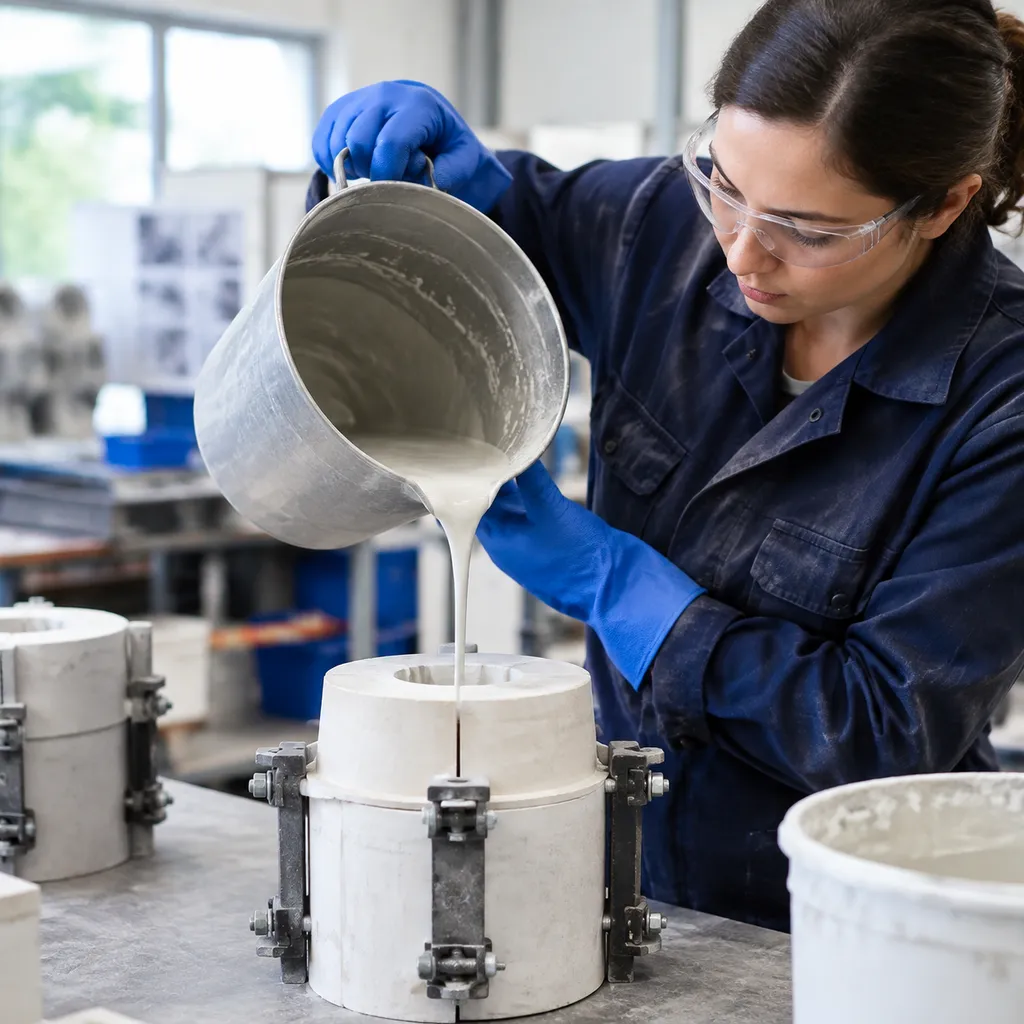
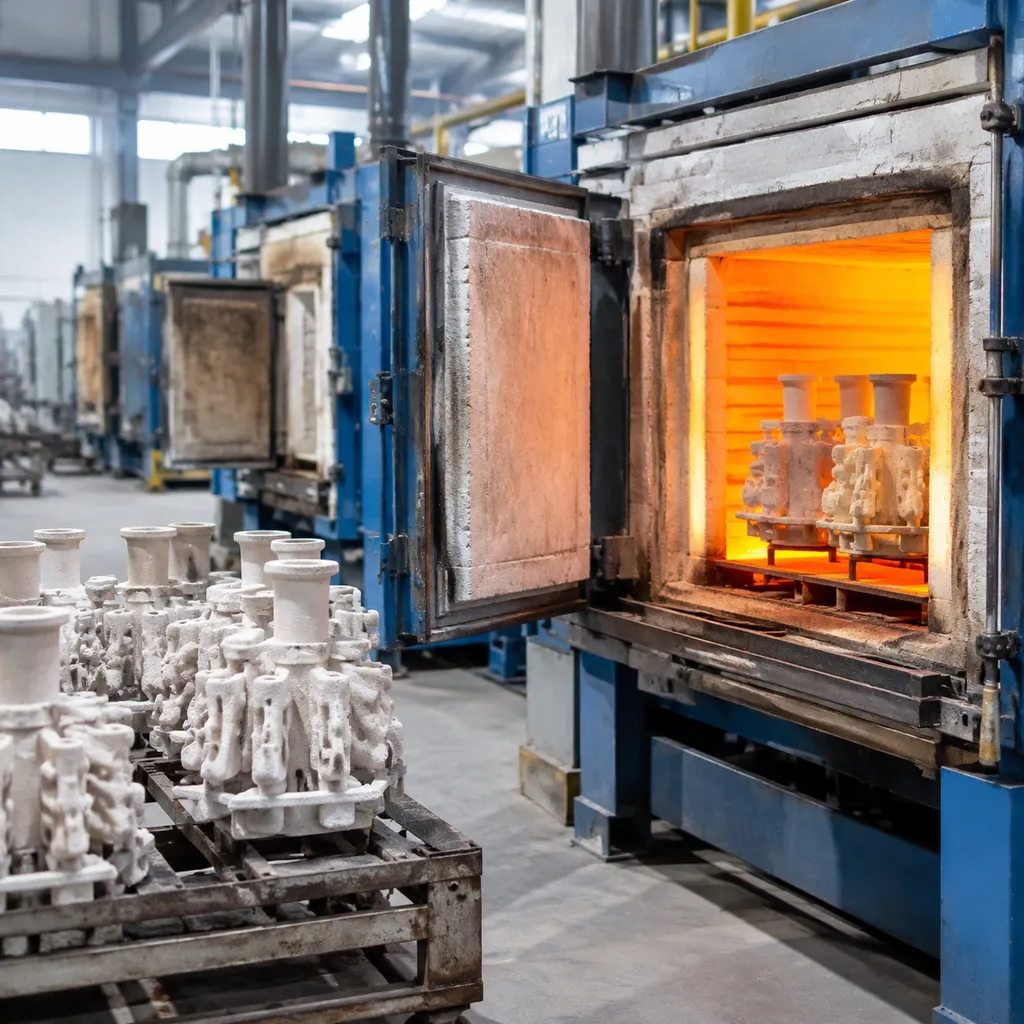
In lost-wax casting, the burnout cycle investment casting process is a programmed, multi-stage heating schedule executed inside a burnout oven. Its primary function is to eliminate the temporary pattern - whether carved from traditional wax or cured from castable resin - from the hardened ceramic mold.
Rather than simply blasting the mold with heat, an effective burnout cycle systematically elevates the temperature through specific hold periods to achieve three critical objectives:
- Complete Dewaxing: Melts, drains, and vaporizes the original pattern without expanding it rapidly enough to fracture the mold cavity.
- Pattern Elimination: Completely incinerates leftover hydrocarbons and volatile compounds, leaving behind zero carbon or ash residue.
- Mold Sintering: Strengthens the refractory investment material so it can withstand the thermal and physical impact of molten metal.
Why the Burnout Process is Crucial for Casting Quality
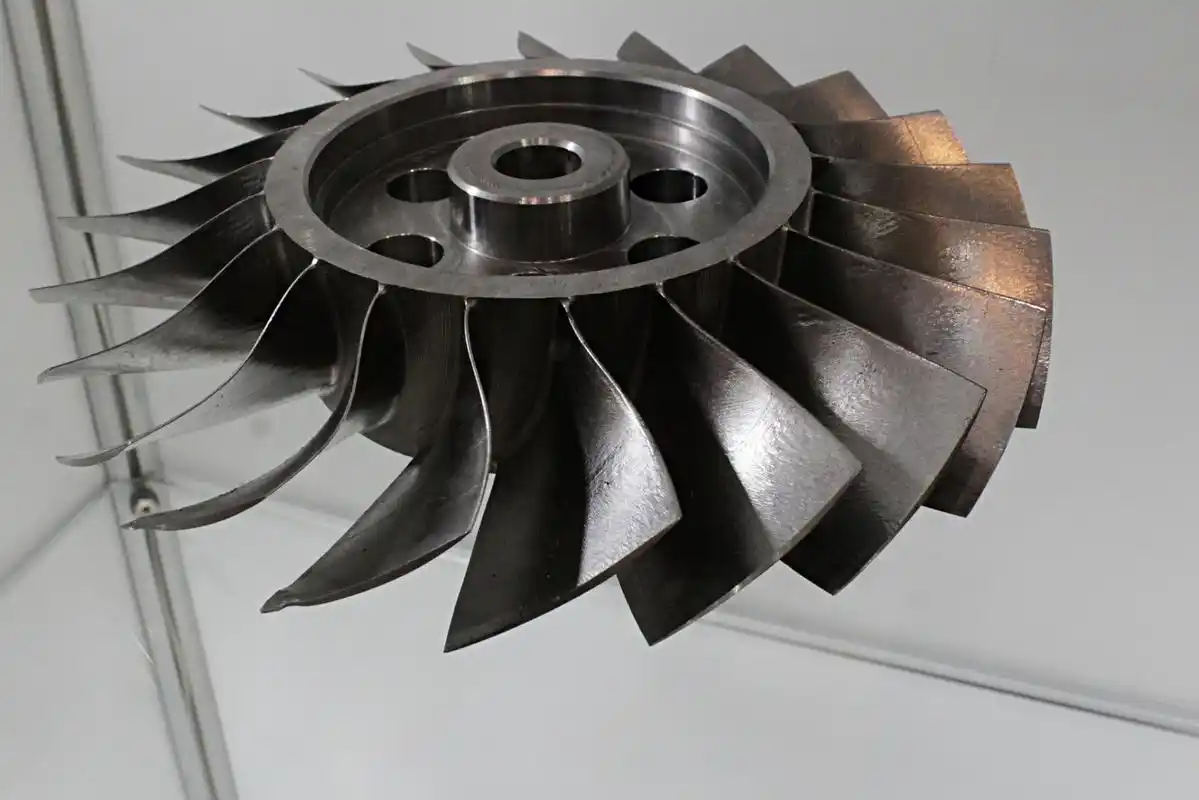
The integrity of the burnout cycle determines the quality of the final metal component. Any shortcut taken during heating directly compromises the ceramic mold, leading to casting scrap, costly rework, and dimensional defects.[1]
| Process Factor | Controlled Burnout Cycle | Improper Burnout Schedule |
|---|---|---|
| Cavity Cleanliness | Pure, residue-free mold walls | Ash contamination and inclusions |
| Gas Evacuation | Permeable investment allowing air escape | Trapped gases causing surface porosity |
| Thermal Stability | Controlled thermal expansion of refractory | Thermal shock, mold cracking, and flash lines |
| Surface Detail | Sharp, accurate transfer of intricate designs | Pitting, roughness, and incomplete fill |
A strictly managed burnout cycle ensures that the mold cavity reaches thermal equilibrium and structural strength, providing the essential foundation for flawless metal casting results.
Key Stages of the Investment Casting Burnout Cycle
The burnout cycle is a critical procedure in lost-wax casting, ensuring that the mold cavity is perfectly prepared to receive molten metal.
Stage 1: Moisture Evaporation and Dewaxing
The cycle begins with a slow ramp-up to safely evaporate internal moisture and melt the wax patterns. Proper dewaxing prevents steam pressure from cracking the investment mold. Keeping the temperature stable at this initial phase ensures the wax drains out cleanly, leaving a clear void.[1]
Stage 2: Combustion, Gasification, and Plastic Transition
As the temperature climbs, remaining wax residue undergoes combustion and gasification. If you are working with castable resin, this stage is vital because the material transitions through a plastic phase. Consistent airflow within the burnout oven is required here to prevent trapped gases from damaging the mold integrity.
Stage 3: Carbon Burnout and Ash Elimination
This stage focuses on removing the carbon buildup that can compromise the surface finish of your metal parts. Oxygen circulation is key to oxidizing and eliminating carbon and ash residue. Effective burnout at this stage is the difference between a smooth casting and one marred by internal porosity or surface inclusions.[2]
Stage 4: Thermal Expansion, Sintering, and Casting Temperature Stabilization
In the final stage, the mold undergoes controlled thermal expansion and sintering to gain the strength necessary for the pour. The kiln must stabilize at the required casting temperature to prevent thermal shock, ensuring the mold is ready for the molten metal without fracturing. Proper management of these temperatures leads to superior dimensional accuracy in the final casting.
Standard Burnout Cycle Schedules and Profiles
Optimizing your burnout cycle investment casting process depends heavily on the material being used. Whether you are using traditional waxes or advanced digital materials, the burnout oven must be calibrated to handle the specific thermal decomposition requirements of each medium to ensure a clean mold.
Standard Burnout Cycle for Traditional Jewelry Wax
Traditional jewelry waxes typically follow a gradual ramp to prevent mold stress.[3]
| Stage | Temperature Range | Purpose |
|---|---|---|
| Dewaxing | 150°C - 300°C | Initial wax runoff |
| Ramp | 300°C - 700°C | Combustion of residues |
| Soak | 700°C - 750°C | Sintering and ash removal |
Fast Burnout Cycles for Rapid Production
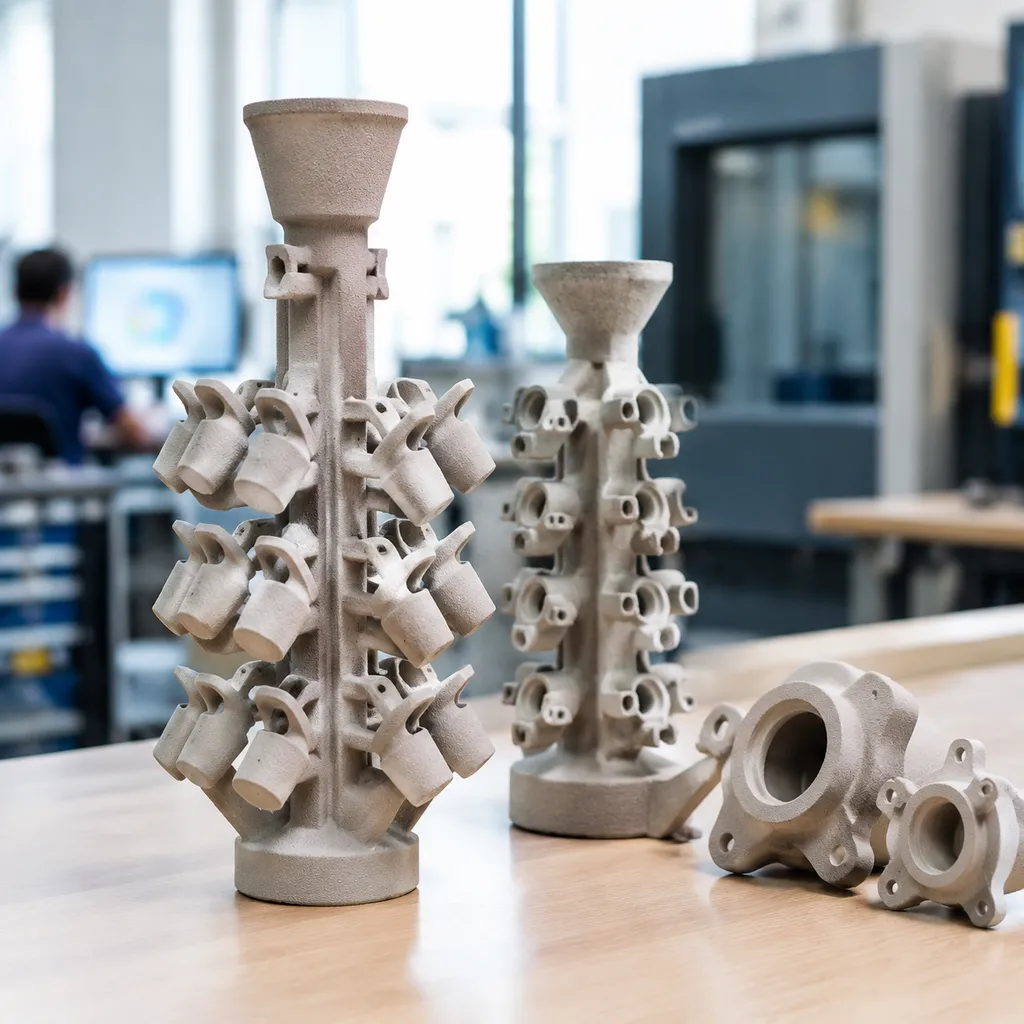
When throughput is the priority, shortened cycles are used. However, these require precise control to avoid cracking the investment material. Fast cycles rely on higher initial ramp rates, meaning the kiln must maintain excellent airflow to handle the rapid gasification of wax.
Burnout Parameters for 3D Printed Castable Resins
Castable resins require a more rigorous burnout cycle than traditional wax. Because resins have a complex molecular structure, they require a longer dwell time at high temperatures to ensure complete combustion and prevent the formation of carbon soot inside the mold cavity.
- Initial Stage: Slow ramp to 250°C to allow for the plastic transition.
- Oxidation Stage: Prolonged hold between 500°C and 750°C to eliminate ash.
- Cooling Stage: Gradual descent to casting temperature to ensure thermal stability.
Burnout Cycle Variations by Flask Size
Managing your burnout cycle investment casting process effectively requires adjusting parameters based on the physical dimensions of the flask. The mass of the investment and the volume of the pattern dictate how heat penetrates the mold, making flask size a critical variable in your precision metal casting guide for engineers and OEM buyers.
Schedules for Small Flasks (Up to 2.5" x 2.5")
Initial Ramp: You can typically increase temperatures steadily without risking significant thermal shock.
Dewaxing: Because there is less wax volume to evacuate, these molds reach the burnout oven set-point faster.
Consistency: Maintain a shorter soak time at peak temperature to prevent over-baking the investment, which can lead to brittle mold walls.
Schedules for Medium to Large Flasks (3.5" x 4" and Above)
Larger flasks require a slower, more deliberate approach to prevent mold failure. When working with larger volumes, thermal expansion is non-uniform, which can cause cracks if you heat the mold too rapidly.
Extended Ramp Rates: Use a slower ramp to ensure the center of the large mold reaches the necessary temperature equilibrium with the kiln walls.
Soak Times: Increase your dwell times significantly. A larger investment mass holds onto moisture and wax residue longer; failure to extend these times will result in incomplete combustion.
Uniform Heating: Ensure proper positioning within the kiln to allow for even heat distribution, as cold spots are more common in larger flask configurations.
Best Practices for Burnout Cycle Investment Casting Control
Achieving consistent results in the burnout cycle investment casting process requires strict adherence to thermal management. Precision in your oven settings prevents structural failure of the investment mold and ensures a clean cavity for your metal.
Controlling Ramp Rates and Dwell Times
The ramp rate determines how quickly your kiln reaches target temperatures. Rapid heating can cause steam pressure to build inside the mold, leading to cracks. Always implement gradual ramp rates during the initial dewaxing phase to allow wax to escape safely before it expands. Dwell times are equally critical; holding at specific temperatures ensures the entire thickness of the mold reaches uniformity. Skipping dwell periods often results in uneven curing and trapped moisture, which ruins the integrity of your investment casting.
Ensuring Proper Airflow and Kiln Ventilation
A clean burnout relies on the availability of oxygen. If your burnout oven lacks proper ventilation, carbon residue will accumulate inside the mold, causing surface defects on the finished part. Ensure that your kiln has active airflow to facilitate the gasification of waxes and resins. Proper ventilation helps clear combustion gases, preventing back-pressure and ensuring that the mold cavity remains free of ash and carbon buildup.[2]
Managing Investment Thermal Expansion
Investment materials undergo significant physical changes when exposed to high heat. You must manage thermal expansion by controlling the temperature gradient across the mold. Sudden temperature shifts trigger thermal shock, which can cause the investment to fracture. By utilizing slow, controlled cooling and heating cycles, you minimize internal stress within the mold material. Always verify that your flask size is compatible with your kiln's capacity to ensure the heat is distributed evenly throughout the entire lost-wax casting setup.
Troubleshooting Common Burnout and Mold Defects
Preventing Incomplete Burnout and Ash Residue
Incomplete burnout is a primary cause of casting failure, often leaving behind carbonaceous residue that creates surface inclusions. To ensure complete gasification, verify that your burnout oven is equipped with adequate air intake, as oxygen is essential to burn off the wax or resin effectively. If you notice black spots or dark ash in the sprue, increase your final soak time or peak temperature. For those working with complex geometries, ensure the mold is positioned to allow gases to escape freely, preventing the carbon from trapping within the cavity.
Eliminating Mold Cracking and Thermal Shock
Mold cracking occurs when temperature ramps are too aggressive, causing the investment material to expand faster than its structural integrity can handle. To prevent thermal shock, always use a gradual ramp-up profile, especially during the critical transition phases where the material undergoes chemical changes. Avoid sudden temperature fluctuations in your professional molding and casting materials by allowing sufficient dwell times at each stage to equalize internal stress. If you detect fine fissures after the burnout cycle, reduce your initial heating rate and inspect the mold for trapped moisture before beginning the process.
Reducing Porosity and Surface Roughness in Final Castings
Porosity often stems from trapped gases or improper thermal stabilization during the final stages of the burnout cycle. Surface roughness is frequently a result of high peak temperatures that react with the investment, or conversely, leftover residue from a poorly managed wax elimination process. To achieve a high-quality finish, strictly maintain the recommended casting temperature for your specific alloy and ensure the flask is adequately preheated. Consistent, controlled airflow throughout the burnout oven helps remove gaseous byproducts, resulting in a cleaner mold cavity and smoother metal surfaces.
Need a production review of flask loading, resin vs wax schedules, or shell preheat windows? Contact us with your alloy and mold stack-up.