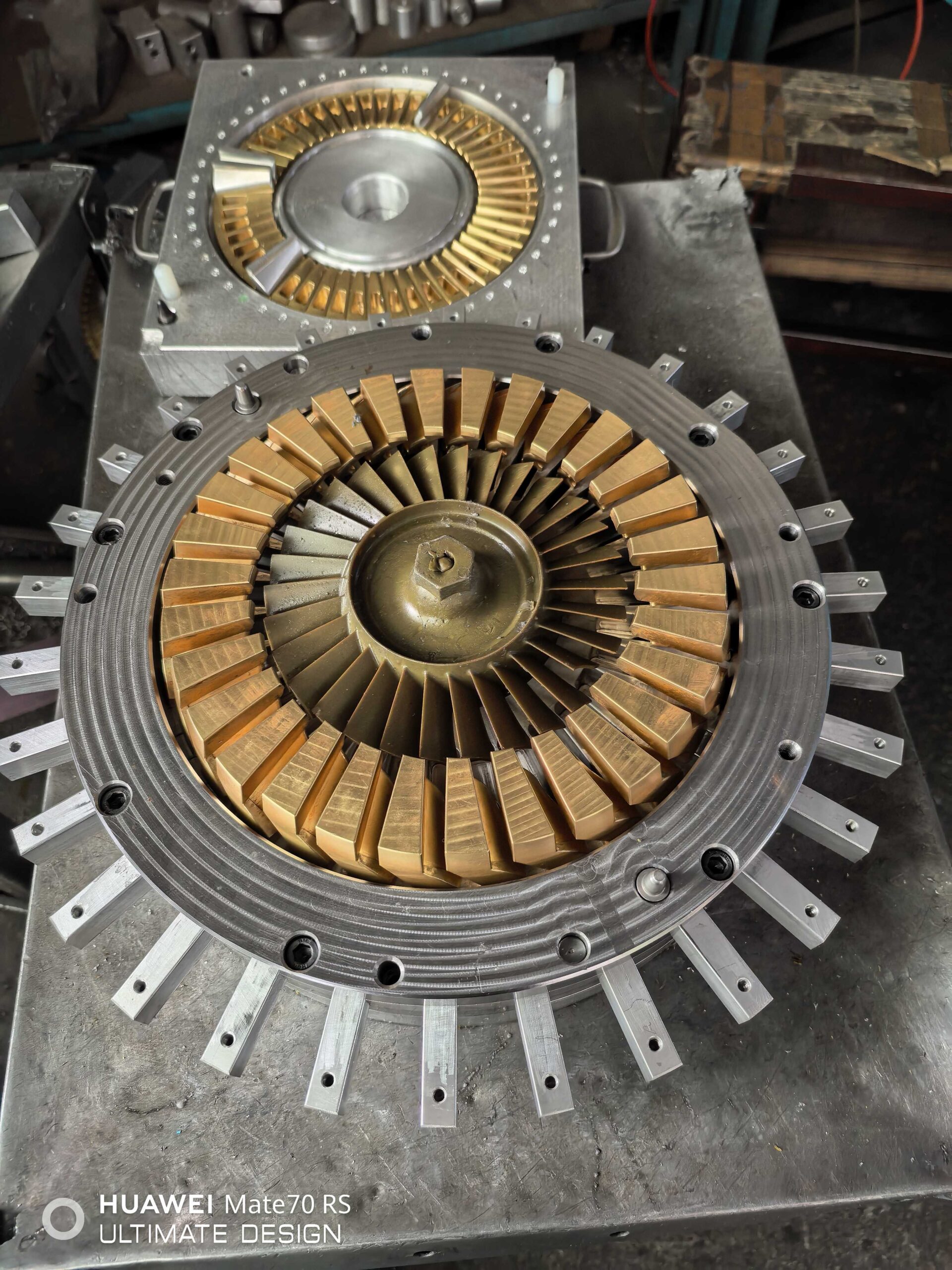
Investment mould guide for engineers covering wax injection tooling design cost materials lifespan and why vastmaterial is a trusted partner. […]
Du veit allereie at investeringsstøpeprosess leverer komplekse, høgpresisjonsdeler…
Men suksessen til prosjektet ditt heng faktisk på ein kritisk faktor: den investeringsforma.
Sliter du med å balansere oppstarts verktøy kostnader med langvarig verktøylevetid? Usikker på om du bør spesifisere aluminium or stålleverkty for produksjonsvolumet ditt?
At Vastmateriale, vi veit at ein dårleg utforma voksinjeksjonsform kan øydelegge både budsjettet og tidsplanen din.
I denne guida kutter vi gjennom støyen for å gi deg ein definitiv ingeniøranalyse av forma, design , materialval, og.
krympingsberekningar.
Hvis du ønsker å optimalisere produksjonsstrategien din og sikre best mogleg avkastning på verktøyet ditt, er denne guida for deg.
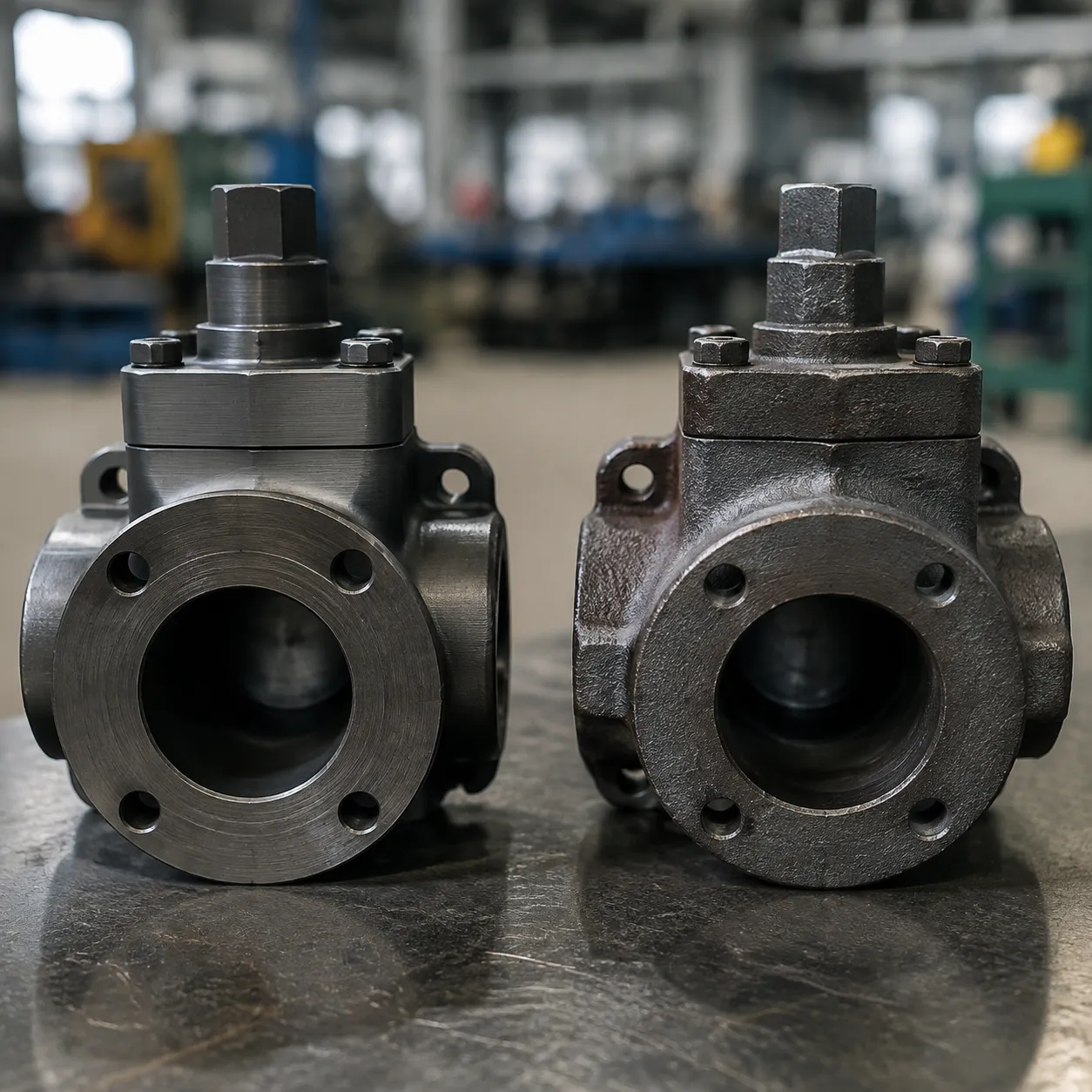
Kva er eigentleg ein investeringsforma? investeringsforma, vi refererer spesielt til den permanente verktøykassa som brukes til å lage voksformer, teknisk kjent som ein voksinjeksjonsform. Dette er grunnlaget for heile tapt voks-støyping.
Mange kjøparar forvirrar den permanente metallverktøyet med den midlertidige keramiske skallet. For å oppnå den nøyaktigheita du treng, er det avgjerande å forstå at “forma” du betaler for på førehand er eigedomen som sikrar konsistens i heile produksjonskøya di.
Voksinjeksjonsform vs. den endelige keramiske skallet
Skillet her er avgjerande for å forstå kostnadene dine for verktøyet. Den investeringsforma er ein presisjonsmåla metallblokk—vanlegvis aluminium eller stål—designet for å danne offeringsvokskjermen.
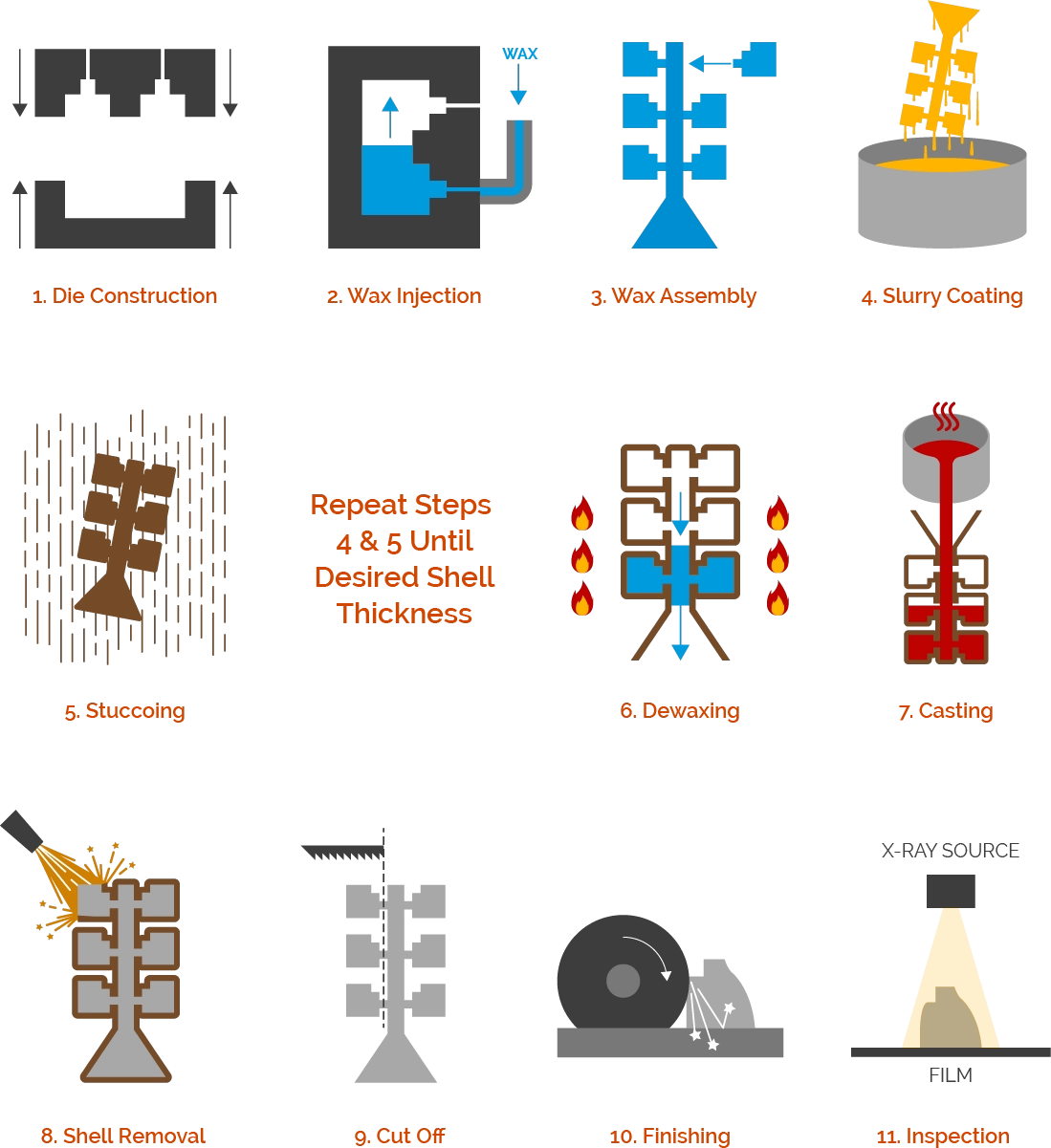
- Voksinjeksjonsform: Dette er din permanente eigedom. Vi injiserer smelta voks inn i denne forma for å lage ein kopi av den endelige delen din.
- Det keramiske skallet: Dette er den midlertidige forma. Vi dypper voksforma i ei keramisk leire for å byggje eit hardt skall. Når metallet er støpt, må dette skallet bli øydelagt for å avsløre delen.
Du investerer i forma for å produsere formene; skallet er berre eit kar for det smelta metallet under keramisk skallstøping fasen.
Rolla til hovudmønsteret
Historisk sett var ein hovudmønster ein fysisk kopi av den endelige delen brukt til å lage forma. I dag, med avansert CNC-maskinering, hoppar vi ofte over det fysiske hovudmønsteret og kutter voksinjeksjonsform direkte frå 3D CAD-dataa dine.
Likevel forblir konseptet det same: verktøyet fungerer som eit “negativt” bilete. Det må ta høgde for spesifikke krympingsratar—både for voks når det avkjølast og for metallet når det stivnar. Denne doble krympingsrekninga er ingeniørte direkte inn i hulrommet i forma.
Permanent verktøy vs. forbruksmoldar
Når du budsjetterer for eit prosjekt, må du skilje mellom investeringsutstyr og einingskostnader.
- Permanent verktøy (investeringsform): Dette er ein eingongskostnad. Enten vi maskinerer den frå høgkvalitets aluminium eller verktøystål, er denne forma designa for å vare i tusenvis av syklusar. Det er den primære drivkrafta bak dine førehandskostnader for NRE (Non-Recurring Engineering).
- Forbruksformar: Det keramiske skalet er til eingongsbruk. Kvar metalldel som blir produsert, krev sitt eige voksmønster og sitt eige keramiske skall. Denne kostnaden blir amortisert inn i stykkprisen for kvar støyping.
Ved å sikre ein høg kvalitet investeringsforma, garanterer du at kvar offeringsvokskjermen produsert er identisk, noko som sikrar stramme toleransar i dei endelege metallkomponentane.
Typar investeringsformverktøy-alternativ
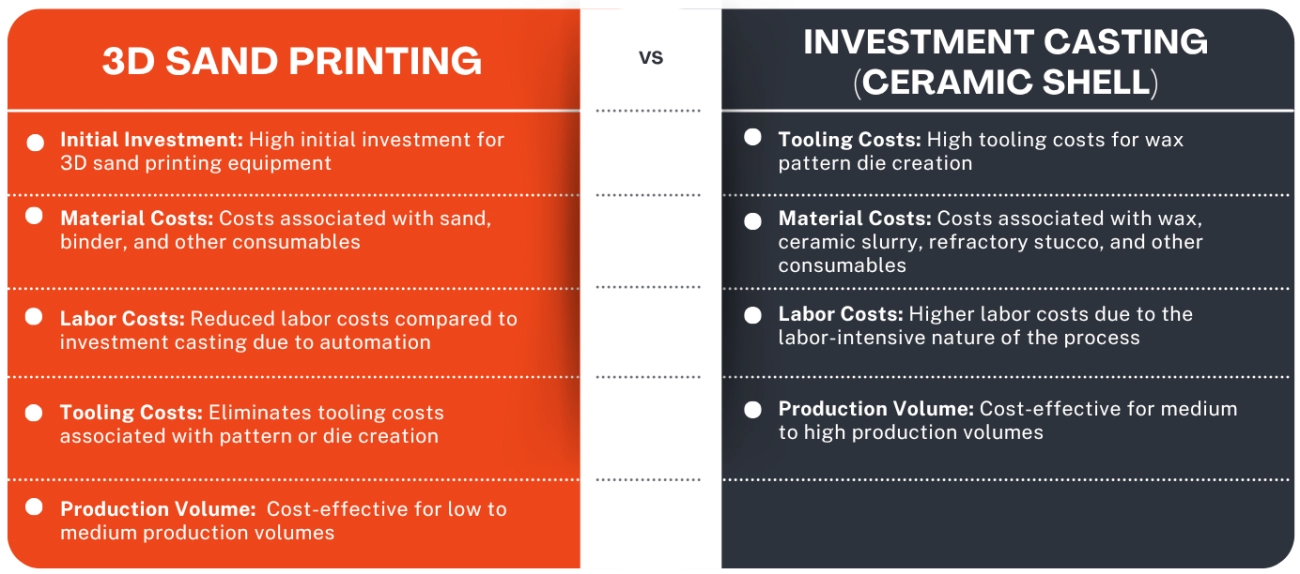
Å velje riktig verktøystrategi er avgjerande fordi det direkte bestemmer dine oppstartskostnader og pris per einheit. Vi bruker ikkje ein “one-size-fits-all”-tilnærming her; valet avhenger sterkt av produksjonsvolum, budsjett og kor raskt du treng delane i handa.
Rask prototyping og mjukt verktøy
For låge volum eller designverifisering vender vi oss til raske verktøyløysingar. Viss du berre treng ei handfull delar for å teste passform og funksjon, er det bortkasta pengar å investere i herda stål.
- 3D-printa mønster: Vi kan omgå heile voksinjeksjonsform ved å 3D-printe mønstera direkte i støypbar voks eller PMMA. Dette er ideelt for mengder under 10 einingar.
- Mjukt verktøy: Vi brukar lågare kvalitet aluminium eller mjukare legeringar for å kutte enkle formar raskt. Desse er perfekte for seriar på 50 til 100 delar der du treng ei fysisk form, men ikkje krev langvarig haldbarheit.
Produksjonsverktøy: Aluminium (T6/7075) vs. Stål (P20/H13)
Når du er klar til å skalere, flyttar debatten seg til aluminium vs stålverktøy. Denne avgjerda påverkar levetida til forma og syklustida for voksinnsprøytinga.
- Aluminium (Flykvalitet T6/7075): Dette er arbeidshesten for låg- til middelsvolumsproduksjon. Aluminium er lettare å maskinere enn stål, noko som reduserer dei opphavlege verktøykostnadene. Det tilbyr òg framifrå varmeoverføring, slik at voksen kan kjøle seg ned raskare. Likevel er det mjukare og meir utsett for slitasje over tusenvis av syklusar.
- Stål (P20/H13): For høgvolumsproduksjon er herda stål standarden. P20 er eit førehandsherda stål som er bra for generell bruk, medan H13 er fullherda og brukt for område med høg slitasje eller komplekse glider. Stålformer held stramme toleransar over millionar av skot. Som ein topp leverandør av tapt voksstøyperi for presisjonsmetallkomponentar, tilrår vi vanlegvis stål når konsistens er viktigare enn ein lang produktlivssyklus.
Manuelt vs. Automatisk Verktøy
Kompleksiteten til investeringsforma avgjer korleis vi trekkjer ut voksmønsteret.
- Manuelt Verktøy: Operatøren demonterer forma manuelt for å fjerne voksmønsteret. Dette held verktøykostnadene låge fordi det ikkje er nokon komplekse utkastingsmekanismar, men det sakkar ned syklustida betrakteleg.
- Automatisk Verktøy: Desse formene fungerer som plastinnsprøytingsformer, og brukar hydrauliske eller mekaniske utkastingssystem for å skyve voksmønsteret ut automatisk. Sjølv om førekostnaden er høgare, reduserer den reduserte syklustida einingsprisen for store bestillingar.
Samanlikning av Verktøymaterialar
| Eigenskap | Aluminium (7075/T6) | Stål (P20/H13) |
|---|---|---|
| Maskineringskostnad | Lavare | Høgare |
| Varmeavleiing | Framifrå (Snøggare syklusar) | Moderat |
| Holdbarheit | God (Lågt/middels volum) | Framifrå (Høgt volum) |
| Reparerbarheit | Vanskeleg å sveise/reparere | Lettare å sveise/reparere |
| Overflatefinish | God | Overlegen |
Anatomien til ei høgkvalitets investeringsform
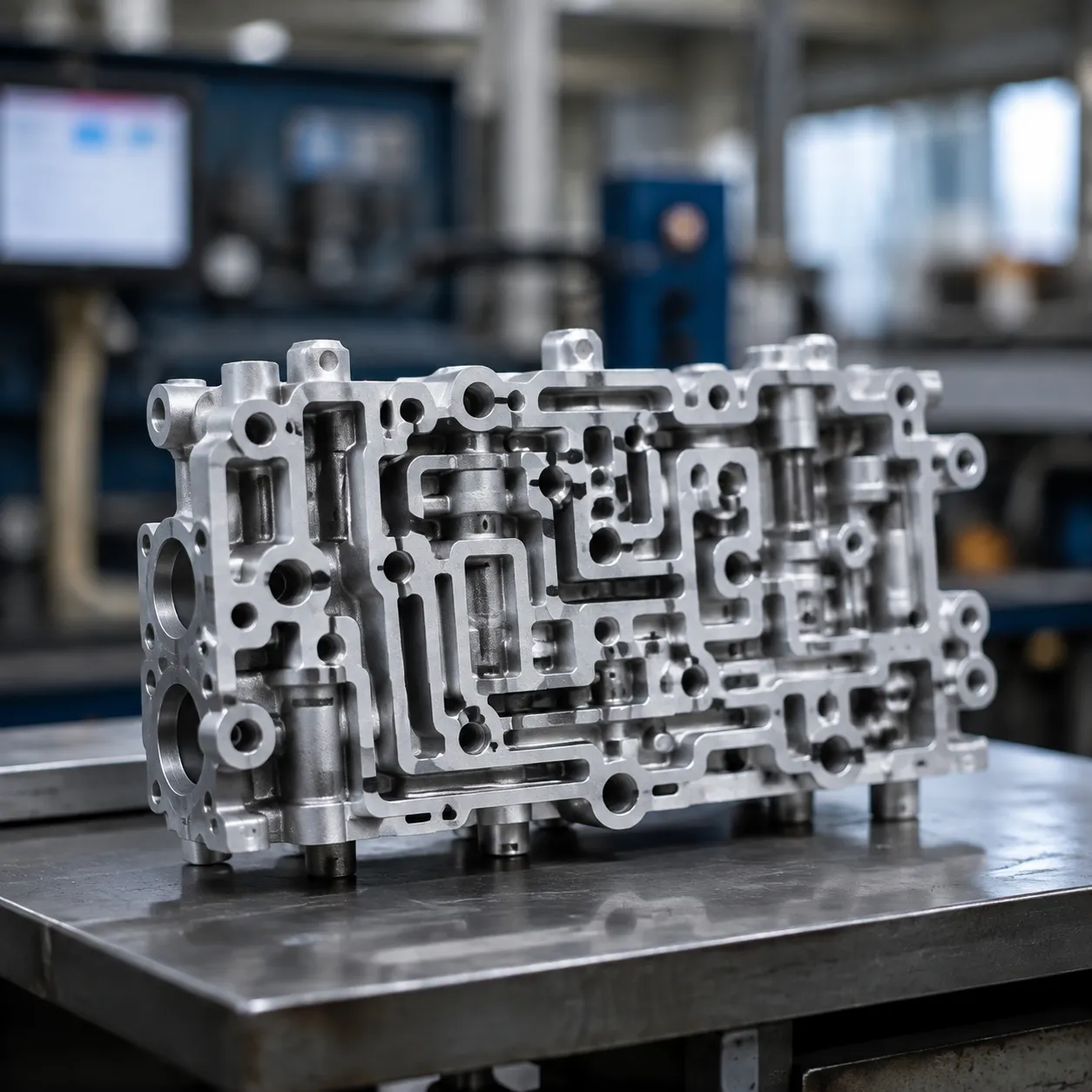
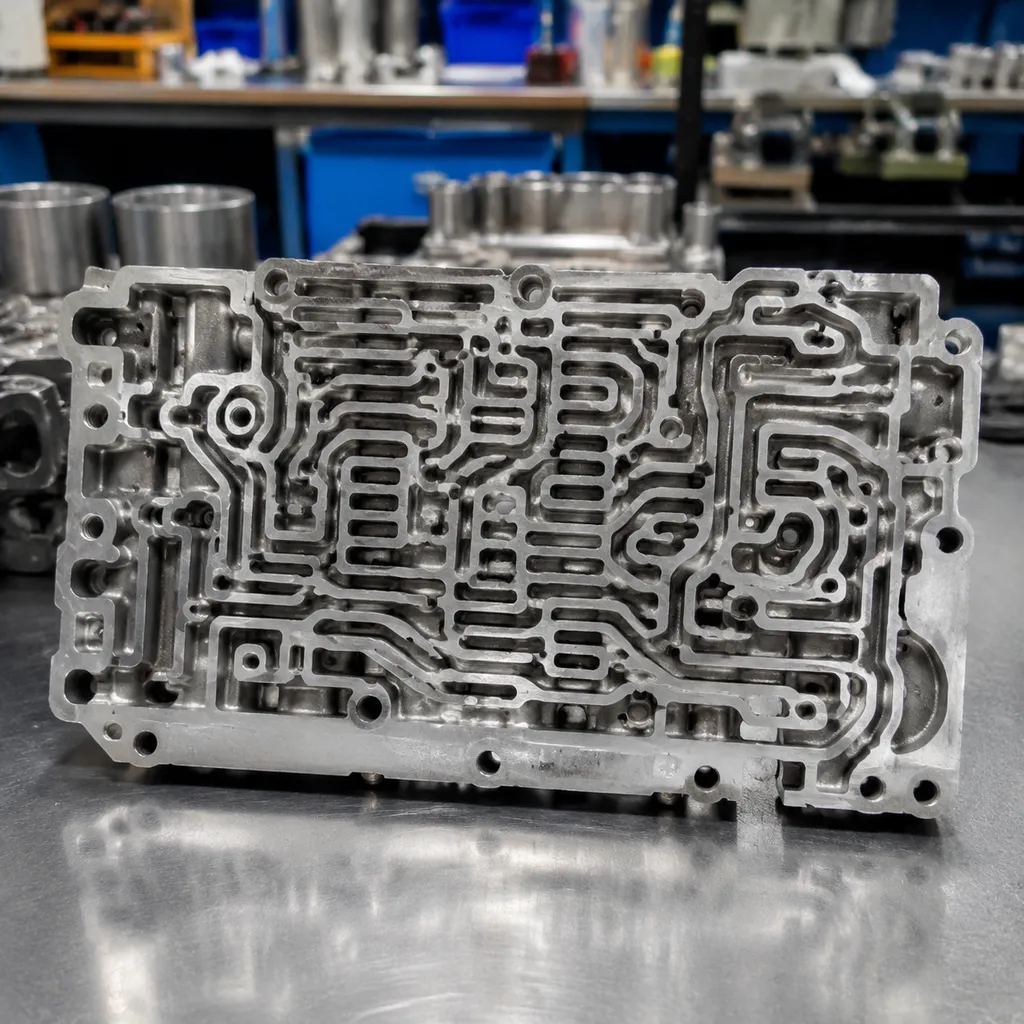
Kjernekomponentar: Holrom, Kjernar og Utstøytarpinnar
Når vi konstruerer ein investeringsforma, byggjer vi i hovudsak ein presis negativ for å skape ein positiv voksreplika. Samansetjinga er avhengig av tre hovudaktørar:
- Holrommet: Dette formar den ytre profilen til delen.
- Kjernane: Desse innsatsane formar den indre geometrien og hola.
- Utstøytarpinnar: Desse mekanismane skyv det størkna voksmønsteret ut av forma.
Plasseringa av utstøytarpinnane er kritisk; dei må påføre kraft jamt for å unngå å vri den mjuke voksen. For industriar som krev strenge toleransar, slik som dei som blir betente av ein Aerospace Casting Manufacturer for High Performance Alloy Components, kan sjølv ein mikron feiljustering i desse komponentane gjere verktøyet ubrukeleg.
Løyselege vokskjernar for komplekse interiør
Standard stålkjerner har sine avgrensingar – spesielt kan dei ikkje handtere fanga underskjeringar. Viss du ikkje kan trekkje metallkjernen rett ut, vil designet mislukkast. Vi løyser denne utfordringa med løyselege vokskjerner.
Vi støyper den interne forma ved hjelp av ein spesiell løyseleg voks, plasserer den solide biten inn i hovud voksinjeksjonsform, og sprøyter inn standard mønstervoks rundt han. Seinare løyser vi opp den interne kjernen i eit mildt syre- eller vassbad, og etterlet ein hol, kompleks geometri. Denne teknikken er essensiell for intrikate presisjonsstøyperiverktøy der interne kanalar er kurva eller uregelmessige.
Berekning av “Dobbel Krymping”
Du kan ikkje berre kutte forma til dei endelege deldimensjonane. Vi må berekne mønsterkrympetillegg basert på to ulike fasar, ofte kalla “Dobbel Krymping”:
- Vokskrymping: Voksen trekker seg saman når han kjøler seg ned inne i aluminiums- eller stålverktøyet.
- Metallkrymping: Den endelege legeringa trekker seg saman når han stivnar i det keramiske skalet.
Krympingsraten varierer betydeleg avhengig av materialet. Til dømes vil ekspansjonsfaktorane i ein støypt aluminiums-støperiguide for prosessar og legeringar vere forskjellig frå dei som blir brukt for rustfritt stål. Å gjere denne matematikken feil betyr at den endelege delen vil vere ute av toleranse, så vi bereknar alltid den totale ekspansjonsfaktoren før CNC-maskinering av forma.
Designretningslinjer for ingeniørsuksess
Når vi konstruerer ein investeringsforma, målet er enkelt: å lage eit verktøy som produserer konsistente voksmønster med minimalt skrap. God design på førehand sparer tusenvis i omarbeiding seinare og sikrar levetida til verktøyet.
Sleppvinklar: Essensielle krav
Du kan ikkje ignorere fysikk. Om vertikale veggar er heilt rette, vil vakuumen som oppstår under utkastet skade den offeringsvokskjermen. Vi bruker alltid utkastvinkelkrav—vanlegvis rundt 0,5 til 1 grad—mot vertikale flater. Denne lette avsmalninga gjer at voksen lett kan sleppe forma voksinjeksjonsform utan å dra eller deformere. For djupe lommer eller komplekse indre funksjonar, aukar vi ofte denne vinkelen for å sikre jevn utkast kvar syklus.
Strategiar for plassering av portar
Porten er der den flytande voksen går inn i forma, og plasseringa bestemmer flytkvaliteten. Vi plasserer portane for å føde inn i dei tjukkaste delane av delen først. Denne strategien minimerer turbulens og luftfanging, som er vanlege årsaker til overflateskadar. Riktig plassering av portar er ein grunnleggjande del av rustfrie investeringsstøpeprosessen, og sikrar at overgangen frå voks til metall gir ein tett, feilfri komponent.
Håndtering av delingslinjer
Kvart CNC-maskinert form består av minst to halvdeler, og der dei møtest, er ein delingslinje uunngåeleg. Vi plasserer desse linjene strategisk på ikkje-kritiske overflater eller kanter der eit lite synleg merke ikkje vil påverke funksjonalitet eller estetikk.
- Flate overflater: Vi unngår å plassere linjer over store, flate kosmetiske område der polering ville vere vanskeleg.
- Kantar: Å justere delingslinja med eit hjørne gjer det lettare å fjerne glansen under ferdigstillinga.
- Toleranse: Vi held tett på avgrensingsflatene for å minimere glans, og redusere det manuelle arbeidet som trengs for det endelige presisjonsstøyperiverktøy.
Kostnadsanalyse: Kva påverkar verktøykostnadene?
Når vi bereknar ein kostnadsestimering for verktøy for eit nytt prosjekt, er prisen ikkje tilfeldig. Den er strengt driven av tida det tek å designe og maskinere forma, og materiala vi bruker til å byggje den. Å forstå desse faktorane hjelper deg å ta smartere avgjersler om budsjettet og produksjonstida di.
Korleis kompleksitet og underkutt påverkar maskintid
Geometrien på delen din er den største faktoren for kostnaden av CNC-maskinerte former. Om designet ditt tillèt ein enkel “open and shut”-forma (to halvdeler som skil seg lett), er maskineringstida minimal.
Men funksjonar som underkutt, gjengar eller komplekse indre passasjar kompliserer prosessen. Desse krev:
- Skytar eller kamar: Mekaniske delar som flyttar seg vinkelrett på forma for å frigjere underkutt.
- Lause kjerne: Innsats som må fjernast manuelt frå voksforma etter kvart syklus.
- Løysbare kjerne: Separat verktøy som er nødvendig for å lage løysbare voksinnsetjingar for indre geometri.
Kvar ekstra mekanisme aukar ingeniørtida og timane forma bruker på CNC-maskinen.
Einsjøform vs. Fleirform: Balansering av oppstartskostnad vs. einingspris
Å velje mellom ein einsjøform og ein fleirform form er ei balanseringshandling mellom den initiale investeringen og den langsiktige stykkprisen.
- Einsjøform: Lavare oppstartskostnad for verktøy. Best for låge volumordre (under 1 000 delar/år). Handel av dette er høgare einingspris per voksforma fordi injeksjonscykelen produserer berre éin del om gongen.
- Fleirform: Høgare oppstartskostnad. Vi må maskinere forma fleire ganger. Dette reduserer derimot dramatisk einingsprisen fordi vi produserer 2, 4 eller 8 former i ein enkelt injeksjonscykel.
Materialval påverknad: Kvifor kostar stål meir enn aluminium
Aluminium vs stål verktøy er ofte der vi kan spare kostnader for låge til middels volumprosjekt.
- Aluminium (7075/T6): Det er mjukare og skjær raskare enn stål. Dette reduserer maskineringstid og verktøy-slitasje, noko som reduserer forma kostnaden. Det er utmerka for rask utvikling og produksjonsrundar opp til 50 000 slag.
- Stål (P20/H13): Harde stål er vanskeleg å maskinere og krev EDM (Electrical Discharge Machining) for fine detaljar. Det kostar meir, men er nærast uforgjengelig i ein investeringsforma miljø.
I motsetnad til høgtrykk industriell støyping der tunge stålformer er obligatoriske for å tåle enorm kraft, involverer investeringsstøping lågtrykk voksinjeksjon. Dette gir oss fleksibilitet til å bruke aluminium verktøy for å halde dei initiale kostnadene nede utan å gå på kompromiss med nøyaktigheit.
Investering Forma vs. Støpeforma
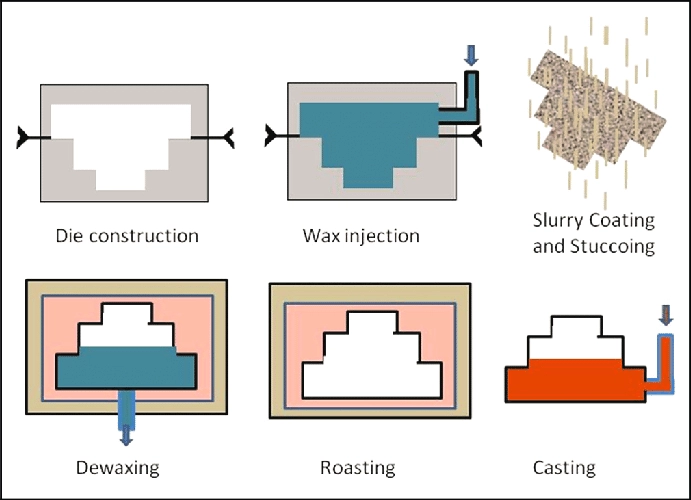
Når kundar spør om forskjellen mellom ein investeringsforma og ein støpeforma, startar eg alltid med injeksjonsmediet. I støpeforma tvinger vi smelta metall inn i ein stålkavitet under ekstremt trykk. I tapt voks-støyping, injiserer vi berre voks. Denne grunnleggjande forskjellen bestemmer alt frå kostnadsestimering for verktøy mot forma sin livssyklus.
Sammenlikning av injeksjonstrykk og verktøy-slitasje
Støpeformer utsettes for hard behandling. Dei møter høg-velocity smelta metall og termisk sjokk, noko som krev herda verktøystål for å overleve. På den andre sida, opererer ein voksinjeksjonsform ved låge temperaturar og låge trykk. Sidan voks er ikkje-slitasje, er slitasjen på kaviteten minimal. Dette gjer at vi kan bruke aluminium til forma, som er raskare å maskinere og enklare å håndtere.
Levetidsanalyse og oppsettskostnader
Sidan driftsmiljøet er så skånsamt, investering forma ofte meir varig enn støpeverktøy for døy. Det er ikkje uvanleg at ein aluminiums voksdøy kan produsere over 100 000 mønster utan vesentleg forringing.
For initial oppsetting er investeringsverktøy den klare vinnar. Du betaler ikkje for massive blokker av H13-stål eller dei komplekse kjølesystema som krevst for støpeverktøy. Hvis du vil produsere delar i A356 aluminium eller 6061, tilbyr investeringsstøping lågare terskel for inngang, spesielt for låge til middels volumkøyrer der avskrivinga av ein dyr støpeform berre ikkje gir meining.
Nøkkelforskjellar i korte trekk:
- Trykk: Støpeverktøy bruker høgtrykk (låsekrav); Investeringsstøping bruker lågt trykk (voksinjeksjon).
- Materiale: Støpeformer krev herda stål; Investeringsformer brukar ofte aluminium.
- Slitasje: Støpeformer utsettes for termisk trettheit; Investeringsformer opplever minimal slitasje.
- Kostnad: Investeringsverktøy er typisk 30-50% billigare enn støpeverktøy.
Vedlikehald og oppbevaring for lang levetid
Å beskytte din investeringsforma handlar ikkje berre om forsiktig håndtering under produksjonen; det krevjer strenge vedlikehaldsprotokollar for å forlenga forma sin livssyklus. Sidan den voksinjeksjonsform er grunnlaget for heile tapt voks-støyping, fører forsømming av den umiddelbart til dimensjonsavvik og overflatefeil i dine ferdige støpte delar.
Rengjeringsprotokollar for voksrester
Voksoppbygging er den største fienden av presisjon i denne industrien. Etter ein produksjonskøyring bruker vi aldri slipemiddel som stålull eller metallbustar, då desse kan ripe opp dei høgglanspolerte hulromsoverflatene og øydelegge finishen.
- Løsemiddelrengjering: Bruk spesialiserte formrengjeringsmiddel som løser opp voksrester utan å angripe metallet.
- Myke verktøy: Bruk berre kopar, messing eller plastskraper for å fjerne staud voks frå delingslinjene.
- Luftblåsing: Rens ut ventilasjonar og utkastarpinnehol for å forhindre tilstopping som kan påverke offeringsvokskjermen.
Forebygging av oksidering i stålformer
Sjølv om aluminium vs stålverktøy debatt fokuserer ofte på syklustid, vedlikehaldsbehovet varierer betydelig. Aluminium dannar naturleg ein beskyttande oksidlag, men stål krev aktiv beskyttelse. Sjølv høgkvalitets legeringsstålmateriale som vert brukt i produksjonsverktøy kan ruste dersom det vert utsett for fukt utan barrierar.
- Fuktopparvaring: Sikre at forma er heilt tørr og fri for vasskondens frå kjøleløp før oppbevaring.
- Beskyttande belegg: Påfør eit tykt rusthemmar- eller formskjermspray umiddelbart etter rengjering for å forsegle overflata.
- Smøring: Smør leiarstenger, bøsningar og glideflater for å forhindre fastkiling under neste oppsett.
Beste praksis for langtidsoppbevaring
Korleis du oppbevarer verktøyet avgjer om det er klart til neste bestilling. Vi oppbevarer alltid former i “lukka” posisjon under lågtrykk. Dette forhindrar at luftbåren støv og rusk legg seg på dei kritiske hulromsflatene og beskytter delingslinja mot utilsikta slag. Oppbevar verktøyet i eit klima-kontrollert miljø for å minimere termisk ekspansjon og sammentrekning som kan løsne komponentar over tid.
FAQ: Vanlege spørsmål om investeringsformer
Når vi snakkar med kundar om oppsett av ein produksjonslinje, dukkar ofte dei same spørsmåla opp om voksinjeksjonsform og levetida til verktøyet. Her er dei direkte svara på dei mest frekvente spørsmåla vi får om verktøymetoden.
Kor lenge varer ein aluminium investeringsform?
Dette er der investeringsstøping av verktøy skin samanlikna med andre metodar. Fordi vi injiserer ikkje-slipeverdig voks i staden for smelta metall i forma, er slitasje minimal.
- Aluminiumverktøy: For dei fleste prosjekt kan ei høgkvalitets aluminiumsform (som T6 eller 7075) lett vare i 50 000 til 100 000 støypingar.
- Stålverktøy: Om du vel stål, er forma sin livssyklus i praksis permanent for dei fleste volumkrav, og overstig lett 500 000 syklusar.
Sidan trykket og temperaturen er låg, er ikkje termisk utmatting noko problem. Med mindre du skadar den gjennom feil handtering, er ei aluminiumsform ein varig og kostnadseffektiv ressurs.
Kan vi modifisere ei eksisterande form for designendringar?
Ja, men det er avgrensingar. Vi brukar CNC-maskinerte former for å kutte hulrommet, slik at fjerning av metall frå forma (som legg til materiale til sluttproduktet ditt) er enkelt. Dette blir ofte kalla å vere “metallsikker”.”
Men om designendringa di krev å leggje metall tilbake i forma (for å gjere ein vegg tynnare eller eit hol mindre), blir det komplisert. Vi må sveise og maskinere på nytt, eller bruke innlegg. Det er alltid billegare og raskare å få designet rett før ein kuttar verktøyet, men mindre justeringar er vanlegvis handterlege.
Kva er typisk leveringstid for produksjon av ei voksinnsprøytingsdyse?
Høg fart er ein stor fordel her. Sidan vi ikkje treng å herde stål i vekevis slik som ved høgtrykksstøyping, kan vi jobbe raskt.
- Enkel geometri: 2–3 veker.
- Kompleks/Fleire holrom: 4–5 veker.
Om du treng raske verktøyløysingar, kan vi nokre gonger kutte enkle aluminiumsverktøy på under to veker. Målet vårt er å få investeringsform klart for prøvetaking så raskt som mogleg, slik at vi kan gå vidare til støypefasen.
Eig eg verktøyet etter produksjon?
Absolutt. I det norske markedet og globalt er standardpraksisen at når du har betalt for Non-Recurring Engineering (NRE) eller verktøykostnader, tilhøyrer forma deg. Vi fungerer som forvaltarar av eigedomen din. Vi lagrar, rengjer og vedlikeheld verktøyet mellom produksjonskøyringar for å sikre at det er klart for neste bestilling, men aktivaet er 100 % ditt.