Overview
Investment Casting for Pumps — Impellers, Casings & Housings
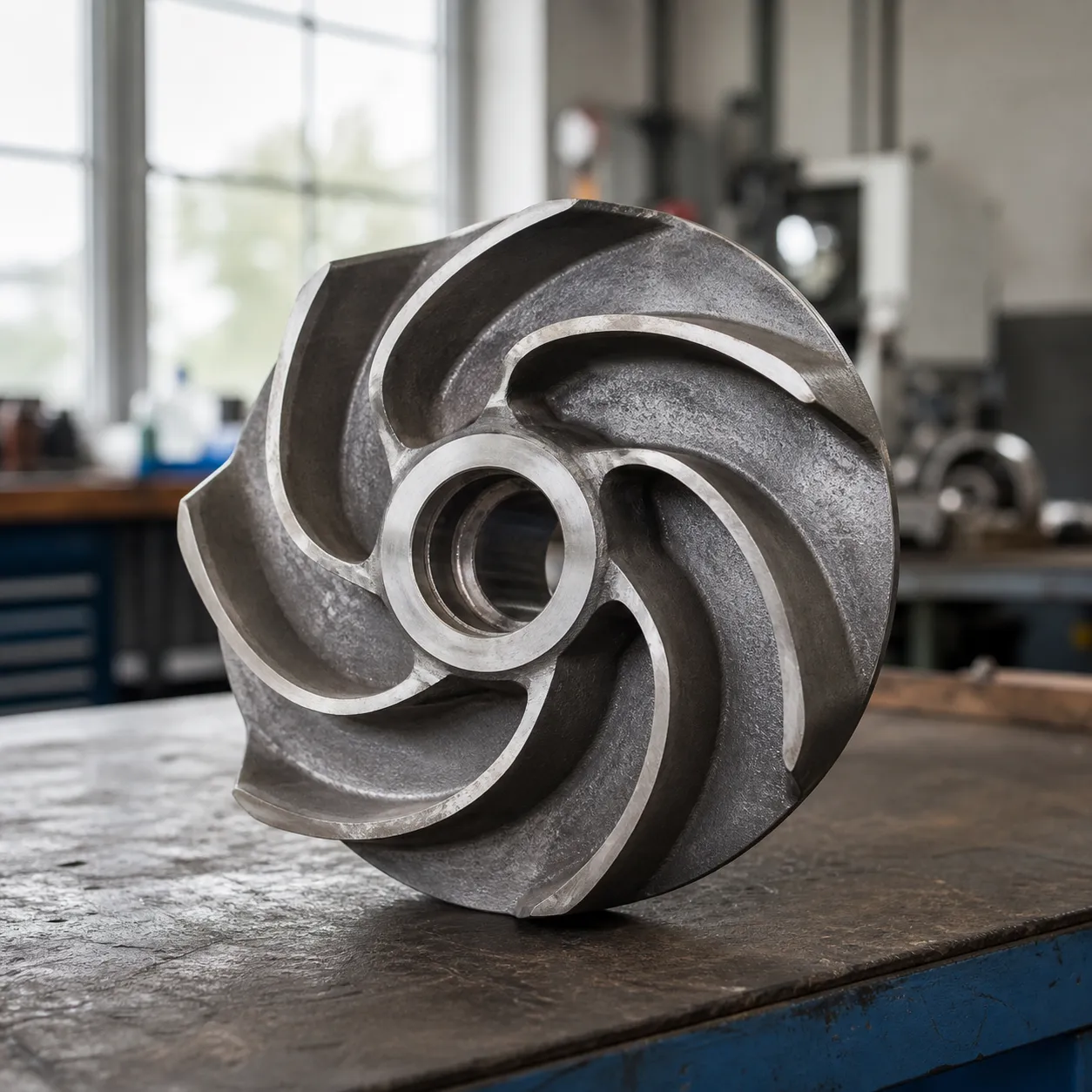
Investment casting for pumps—also known as precision lost-wax casting—produces complex pump components with near-net-shape accuracy, smooth surface finish (Ra 3.2–6.3 µm), and tight tolerances suited to high hydraulic efficiency. Molten metal is poured into high-density ceramic molds, forming thin-walled sections, internal fluid channels, and complex geometries that resist extreme pressure, erosion, and chemical corrosion.
Programs cover pump impellers, pump casings, volute housings, diffusers, and valve body castings in stainless, duplex, nickel, carbon steel, and ductile iron alloys for industrial, municipal, and chemical duty. We are Professional Precision Casting Service Providers delivering OEM-ready stainless steel castings and custom pump parts for continuous fluid-handling service.
Precision Lost-Wax Casting Overview
In pump manufacturing, hydraulic performance relies heavily on internal flow path accuracy. The precision lost-wax casting process creates internal fluid channels, thin-walled sections, and complex curves that traditional machining or fabrication cannot execute efficiently.
- Near-Net Shape Production: Drastically reduces raw material waste and eliminates unnecessary secondary machining operations.
- Superior Surface Integrity: Smooth fluid-contact surfaces directly lower friction losses and maximize operational efficiency.
- Complex Geometry Capabilities: Produces intricate internal vanes and spiraled volutes in a single integrated casting.
Key Pump Components We Cast
A complete selection of precision pump components is engineered for harsh industrial, municipal, and chemical processing environments:
- Pump Impellers: Enclosed, semi-open, and open lost wax casting pump impellers engineered for optimal fluid dynamics.
- Casings & Volutes: Rugged stainless steel pump casing casting options built for high-pressure fluid containment.
- Diffusers & Guide Vanes: Precision-angled internal flow directors that optimize head pressure.
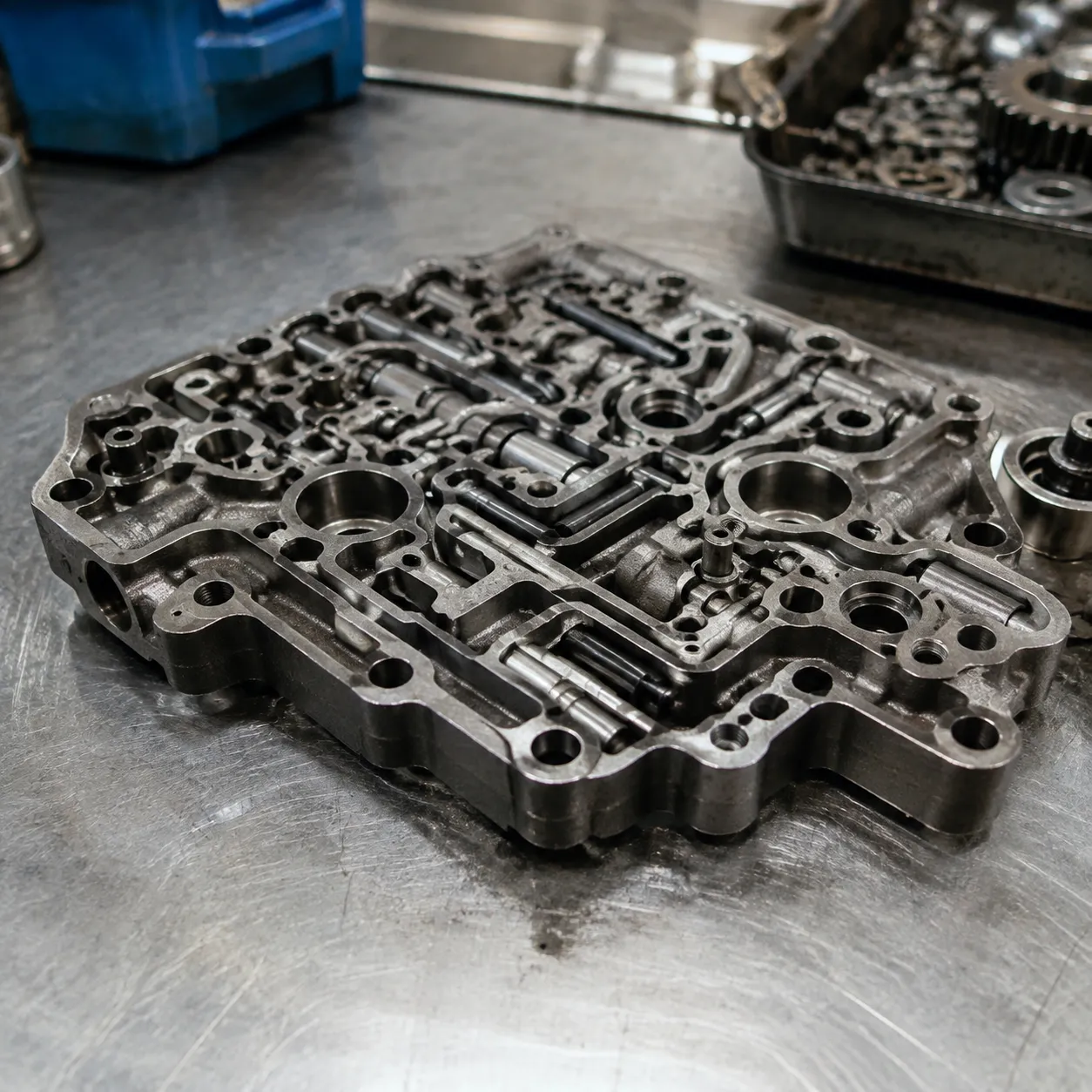
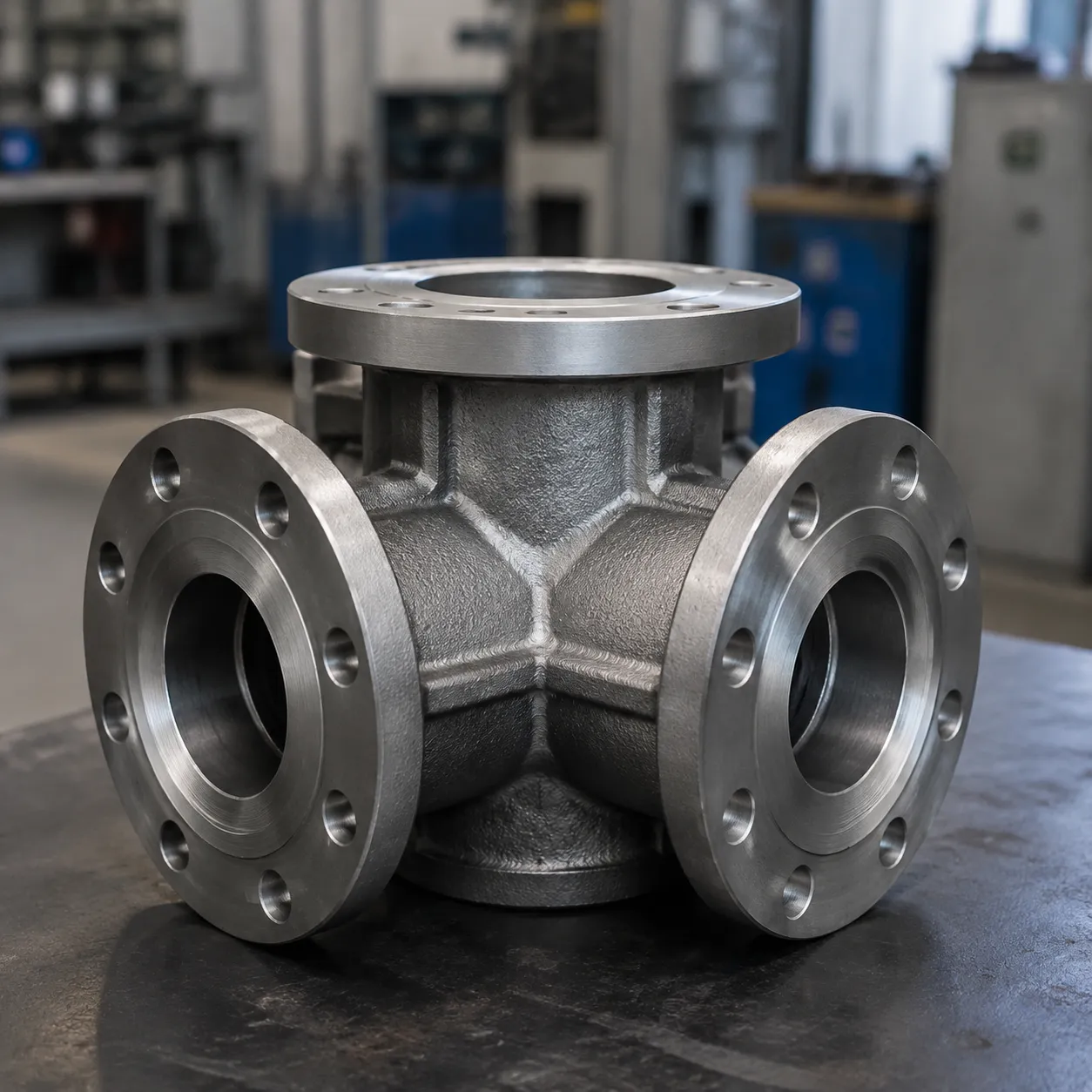
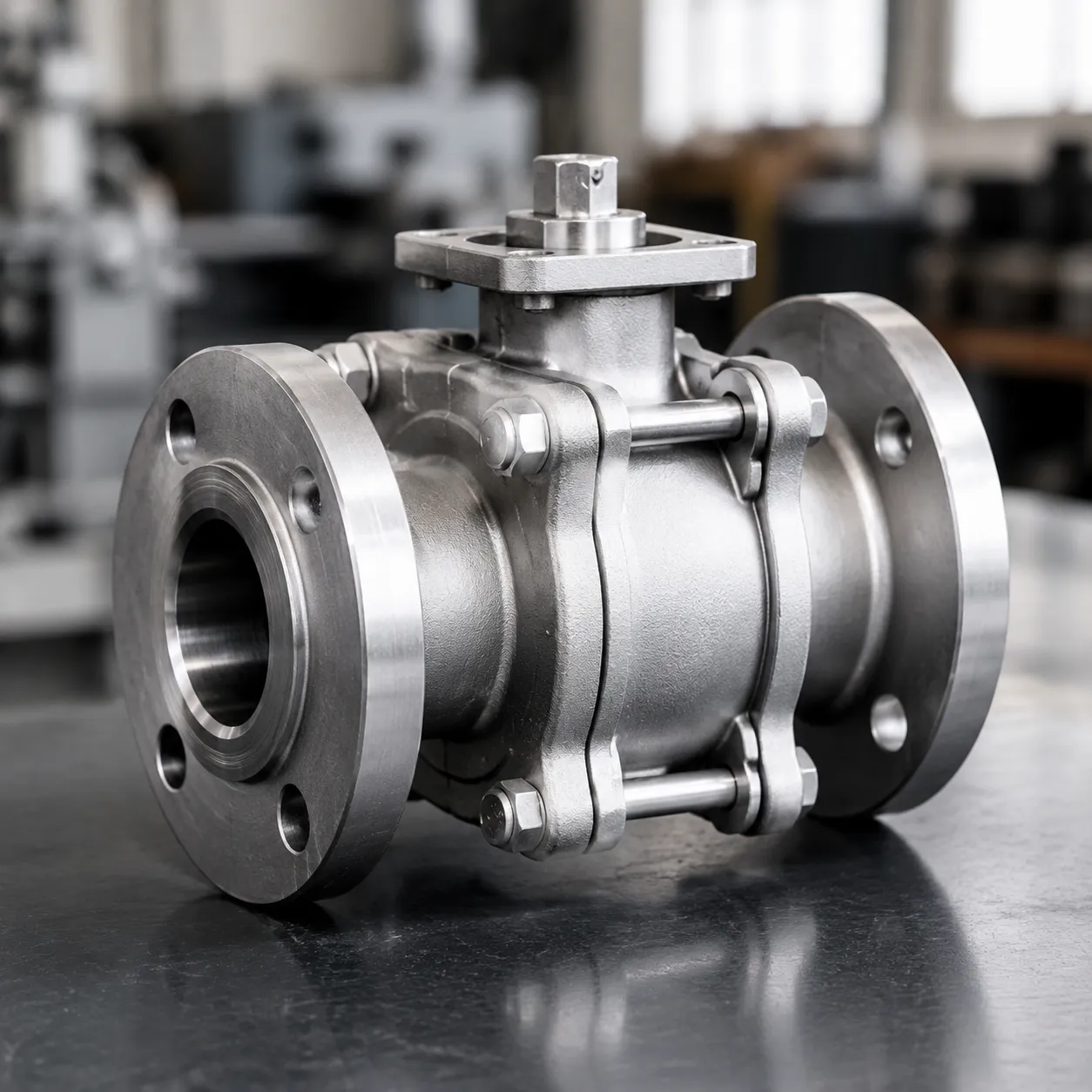
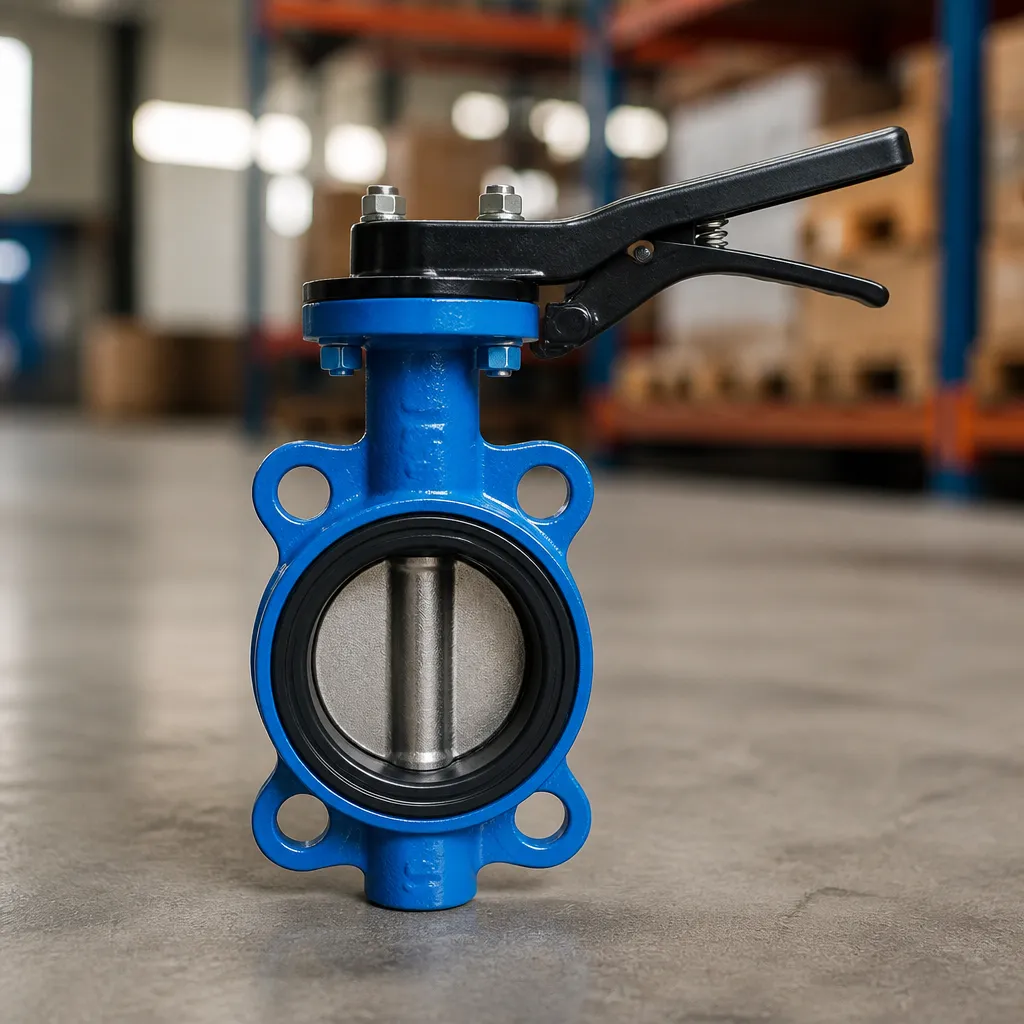
- Fluid Control Parts: Valve bodies, stuffing boxes, suction covers, and mechanical seal housings crafted for leak-free operations.
Investment Casting vs. Sand Casting for Pump Parts
Selecting the correct casting process directly influences post-processing labor, operational efficiency, and component lifespan. Here is how investment casting pump parts compare directly to traditional sand casting:
| Feature / Metric | Investment Casting (Lost-Wax) | Traditional Sand Casting |
|---|---|---|
| Surface Finish | Ra 3.2 – 6.3 µm (Ultra-smooth, reduces hydrodynamic friction) | Ra 12.5 – 25 µm (Rough surface, increases fluid drag) |
| Dimensional Accuracy | Strict tolerances (±0.1 mm/mm) | Loose tolerances (±0.5 mm/mm) |
| Geometric Complexity | Excels at thin-walled, intricate impellers & vanes | Limited to simpler, thicker, bulkier geometries |
| Secondary Machining | Minimal (Near-net shape out of the mold) | Extensive (Requires heavy surface machining) |
| Hydraulic Efficiency | Higher (Maximizes flow rates and energy savings) | Lower (Requires manual grinding to improve flow) |
Why Choose Investment Casting for Pumps?
High-integrity investment casting pump parts are designed to withstand aggressive fluids, severe pressures, and continuous operations. Using precise lost-wax casting, near-net-shape components maximize hydraulic efficiency while drastically cutting down on expensive secondary machining.
Pump Impellers (Open, Semi-Open, and Enclosed)
Impellers demand smooth internal vanes and precise balance to prevent vibration and cavitation. Through lost wax casting pump impellers, complex blade geometries are produced with exceptional internal surface finishes:
- Open Impellers: Designed for pumps handling abrasive slurries and suspended solids; simple to clean and inspect.
- Semi-Open Impellers: Feature a single back shroud for added mechanical strength, ideal for medium-duty industrial pumps.
- Enclosed Impellers: Built with double shrouded internal flow channels to achieve maximum hydraulic efficiency and head pressure.
Pump Casings, Housings, and Volutes
As the primary pressure-containing component, pump volute casing manufacturing requires structural integrity without internal porosity or shrink defects. High-strength stainless steel pump casing castings and fluid housings are engineered to withstand extreme internal pressure while smoothly converting kinetic energy into pressure head.
Diffusers, Guide Vanes, and Suction Covers
Stationary flow-directing components must eliminate internal turbulence to maintain steady system pressure:
- Diffusers & Guide Vanes: Cast with thin, curved trailing edges that guide fluid seamlessly between pump stages.
- Suction Covers: Formed with smooth intake transitions to maintain optimal Net Positive Suction Head (NPSH) and prevent fluid starvation.
Valve Bodies, Seals, and Stuffing Boxes
Fluid containment and precise alignment are crucial for critical pressure control components:
- Valve Bodies: Investment cast with uniform wall thickness to ensure zero pressure leakage under extreme working conditions.
- Stuffing Boxes & Mechanical Seal Housings: High dimensional accuracy ensures precise shaft centering, minimizing seal wear and downtime.
Key Cast Pump Components at a Glance
| Component | Primary Casting Advantage | Common Applications |
|---|---|---|
| Centrifugal Impellers | Complex internal vanes & minimal balance correction | Chemical, slurry, and water management |
| Volute Casings | Porosity-free pressure containment with smooth walls | High-pressure industrial process pumps |
| Diffusers & Vanes | Seamless internal flow channels without welding | Multi-stage feed and transfer pumps |
| Valve Bodies & Seals | Tight tolerances & exceptional corrosion resistance | Oil & gas, petrochemical process lines |
Essential Benefits of Investment Cast Pump Components
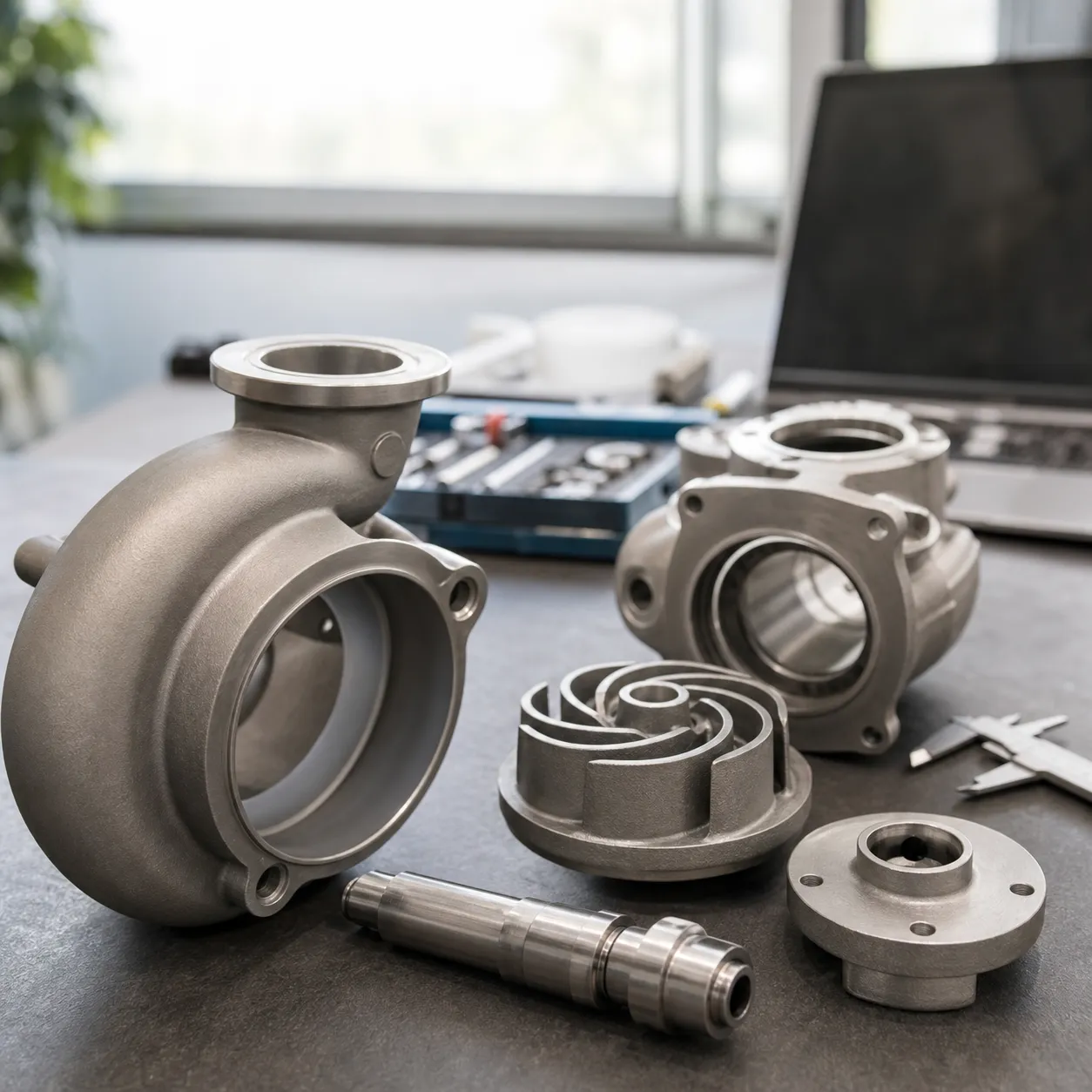
When manufacturing investment casting for pumps, components are designed for maximum durability, optimal hydraulic performance, and exact tolerance control. Precision lost-wax casting solves key operational issues like friction loss, fluid turbulence, and costly secondary machining.
Core Advantages at a Glance
| Feature | Investment Casting Advantage | Impact on Pump Performance |
|---|---|---|
| Surface Finish | Ra 3.2 – 6.3 µm smooth finish | Maximizes hydraulic flow efficiency and reduces turbulence |
| Dimensional Accuracy | CT4 – CT6 tolerance class | Minimizes secondary CNC machining needs and material waste |
| Design Flexibility | Casts complex internal channels | Easily creates intricate, high-efficiency impellers and volute casings |
| Material Selection | Wide range of corrosion-resistant alloys | Extends component service life in aggressive chemical slurries |
Key Operational Benefits
- Optimized Hydraulic Flow Efficiency: Smooth as-cast surfaces significantly reduce fluid friction inside pump volutes and diffusers, helping pumps operate at peak mechanical efficiency while reducing energy consumption.
- Precision Dimensional Accuracy: Exceptionally tight tolerances are achieved straight out of the mold, eliminating unnecessary machining steps for mounting faces, seal fits, and keyways.
- Intricate Geometry Capabilities: Lost-wax casting easily handles complex internal passages, thin walls, and multi-vane closed impellers that traditional sand casting methods simply cannot reproduce cleanly.
- Superior Corrosion & Wear Resistance: From stainless steel to custom superalloys, alloys are poured to match process media. For aggressive operating environments requiring extreme wear, corrosion, and thermal resistance, specialized cobalt alloy casting keeps high-pressure pump castings running reliably under severe conditions.
Material Selection for Cast Pump Parts
Choosing the right metal alloy makes or breaks pump performance. Different fluids, pressures, and temperatures demand distinct mechanical strength, wear resistance, and corrosion protection. Programs tailor investment casting for pumps using a wide variety of high-performance metals—including stainless steel castings and ductile iron—to match exact working conditions.
Austenitic Stainless Steel (304, 316, 316L)
Austenitic grades are the go-to choice for general chemical handling, water treatment, and food-grade applications.
304 / 304L: Excellent cost-to-performance ratio for standard water and mild fluid processing.
316 / 316L: Added molybdenum offers superior resistance to chlorides and pitting.
Precision casting stainless steel precision custom investment castings support tight-tolerance pump and valve components.
Duplex and Super Duplex Stainless Steel
When handling abrasive chemical slurries or saltwater, standard stainless steel wears out quickly. Duplex (2205) and Super Duplex (2507) offer double the yield strength of austenitic steel alongside exceptional pitting and erosion resistance.
- Best for: Seawater desalination, offshore oil & gas, marine pumps, and mining slurries.
- Key Benefits: Prevents stress-corrosion cracking and withstands high fluid velocities.
Related capability: 2205 duplex casting for chloride-rich and high-erosion pump duty.
Nickel-Based Alloys (Hastelloy, Inconel)
For extreme acidic, alkaline, or high-temperature environments, nickel-based superalloys perform where other metals fail.
- Hastelloy: Impervious to strong acids, wet chlorine gas, and severe oxidizing agents.
- Inconel: Retains structural integrity and oxidation resistance under high thermal and mechanical stress.
Carbon Steel, Low-Alloy Steel, and Ductile Iron
Not all pump components require expensive corrosion-resistant alloys. For high-pressure structural parts, boiler feed pumps, and oilfield applications, carbon steel, low-alloy steel, and ductile iron provide maximum tensile strength at a lower material cost.
- Carbon Steel (WCB, WCC): High structural strength for pressure-containing housings.
- Low-Alloy Steel (4140, 8620): High wear resistance and toughness under extreme dynamic loads.
- Ductile Iron: Cost-effective strength and damping for selected casings, covers, and non-wetted structural pump parts.
Quick Material Comparison Guide
| Material Category | Common Grades | Primary Advantage | Best Pump Applications |
|---|---|---|---|
| Austenitic Stainless | 304, 316, 316L | General corrosion resistance | Food, municipal water, general chemical transfer |
| Duplex Stainless | 2205, 2507 | High yield strength & erosion resistance | Desalination, seawater, mining slurry pumps |
| Nickel Alloys | Hastelloy C276, Inconel 625 | Extreme acid and temperature resistance | Petrochemical processing, hot acid transfer |
| Carbon & Alloy Steel | WCB, LCC, 4140 | Superior tensile strength and shock resistance | High-pressure hydraulics, oilfield structural parts |
Step-by-Step Investment Casting Process for Pump Components
Precision pump components are manufactured using a time-tested lost-wax method. Here is how pump designs move from raw CAD files to high-integrity castings built for demanding fluid handling applications.
1. 3D Tooling and Wax Pattern Injection
- High-precision metal dies are engineered to part geometries. Wax is injected into the die to form exact wax patterns of impellers, volutes, and valve bodies.
- These individual wax patterns are welded onto a central runner to form a cluster, often referred to as a casting tree.
2. Ceramic Shell Mold Construction
- The wax assembly is repeatedly dipped into a ceramic slurry and coated with coarse refractory stucco.
- Multiple layers are applied and each coat is dried under controlled humidity to build rigid ceramic molds (ceramic shell molds) capable of withstanding thermal shock and intense molten metal pressures.
3. Dewaxing and High-Temperature Burning
- We place the coated tree in a high-pressure steam autoclave to melt out the wax, leaving hollow cavities within the ceramic shell.
- The empty shell is fired in a furnace above 1000°C (1830°F). Burning hardens the ceramic structure and removes any remaining moisture or organic residue before pouring.
4. Precision Molten Metal Pouring
- We melt specific alloys—ranging from standard stainless steel to duplex alloys and nickel superalloys—in induction furnaces.
- While the shell is still hot, atmospheric or vacuum-assisted metal pouring guarantees smooth metal flow into thin-walled sections, preventing cold shuts and air traps.
5. Shell Knockout, Gate Removal, and Shot Blasting
| Finishing Steps | Process Description |
|---|---|
| Shell Knockout | High-frequency vibration and water blasters break away the hardened ceramic shell once the metal solidifies. |
| Gate Removal | We sever the raw pump castings from the main runner tree using precision friction saws or plasma cutting. |
| Shot Blasting | Steel shot or ceramic bead blasting cleans the casting surfaces, delivering a smooth finish ready for machining and balancing. |
Quality Control and Inspection Standards for Pump Castings
Strict quality control standards are enforced at every stage of the investment casting for pumps process. High-performance pumps demand flawless components to prevent fluid leaks, vibration, and unexpected downtime. Structural integrity and precision are verified across all investment cast pump parts:
- Non-Destructive Testing (NDT): Radiographic (X-ray) and ultrasonic inspection detect internal porosity, shrinkage, or sub-surface voids before any secondary machining.
- Liquid Penetrant Testing: Dye penetrant checks spot microscopic surface cracks or pinholes on complex impeller blades and housing walls.
- Hydrostatic Pressure Testing: Every pump casing and volute undergoes high-pressure fluid testing to verify structural integrity and leak-free performance under extreme conditions.
- Dynamic Impeller Balancing: High-RPM rotating impellers undergo precision dynamic balancing to eliminate vibration, reduce shaft wear, and optimize hydraulic flow efficiency.
- Material Test Reports (MTR): Chemical spectral analysis and mechanical property testing are performed on every heat batch, delivering full MTR documentation for complete material traceability.
Quality Inspection Overview
| Inspection Method | Target Area | Primary Benefit |
|---|---|---|
| Spectral Analysis | Alloy composition | Ensures exact corrosion and wear resistance |
| Radiographic / Ultrasonic | Internal structure | Prevents internal structural failures |
| Hydrostatic Pressure Test | Casings & volutes | Guarantees leak-free high-pressure operation |
| Dynamic Balancing | Rotating impellers | Minimizes vibration and extends bearing life |
Every casting is verified against drawing specifications and international standards before final delivery.
Investment Casting Foundry Capabilities for Pump Parts
Selecting a manufacturing partner for investment casting for pumps directly impacts hydraulic performance, component lifespan, and overall system reliability. Lost-wax foundry evaluation for pump components should focus on these essential capabilities.
Critical Quality Certifications
Pump components operating under high pressures and in harsh chemical environments require strict adherence to industry standards. Qualified partners typically hold:
- ISO 9001: Demonstrates consistent quality management systems throughout the casting process.
- PED (Pressure Equipment Directive): Required for high-pressure fluid handling components in global energy and chemical markets.
- API Standards: Essential for high-pressure pump castings used in oil, gas, and heavy industrial applications.
Prototyping and Custom Tooling Capabilities
Before committing to full-scale production, testing functional prototypes saves significant time and capital. Advanced rapid prototyping and tooling services produce 3D-printed wax patterns to validate intricate impellers, volutes, and housing designs quickly without requiring expensive hard tooling upfront.
Lead Times, Capacity, and Order Flexibility
Assembly-line continuity depends on foundries that balance speed with scale:
| Key Evaluation Criteria | What to Look For |
|---|---|
| Production Lead Times | Automated wax injection and shell-building lines that streamline delivery. |
| Capacity & Scalability | Modern furnaces and pouring stations capable of handling various batch sizes. |
| Order Flexibility | Willingness to handle low-volume custom runs as efficiently as high-volume production. |
Design for Manufacturability (DFM) Support
A qualified casting supplier does not just pour metal—pump components are optimized for production. Engineer-led Design for Manufacturability (DFM) support reviews CAD files to adjust wall thicknesses, optimize gate placements, and adjust fillet radii. This proactive approach eliminates shrinkage defects and ensures smooth fluid flow before casting even starts.
Investment Casting for Pumps FAQs
What is the typical surface roughness achieved in investment cast pump impellers?
Precision lost-wax process routinely achieves a surface finish of Ra 3.2 µm to 6.3 µm (125 to 250 µin) right out of the mold. This exceptionally smooth surface minimizes fluid friction, enhances hydraulic efficiency, and reduces boundary-layer turbulence inside the impeller vanes without requiring expensive secondary polishing.
Can investment casting produce thin-walled pump casings without defects?
Yes. By using high-density ceramic shells and controlled vacuum-assisted pouring, complex pump casings are produced with uniform wall thicknesses down to 2.5 mm. The ceramic shell resists thermal shock, preventing structural micro-porosity, cold shuts, or shrinkage defects in thin-walled sections.
Which stainless steel grade is best for chemical slurry pump castings?
- Duplex (2205) and Super Duplex (2507): Best for abrasive slurries, high chlorides, and severe erosion-corrosion environments.
- 316L Stainless Steel: Ideal for general chemical processing and mild acidic fluids where cost efficiency matters.
- Hastelloy / Nickel Alloys: Reserved for extreme acidic temperatures and harsh industrial effluents.
Stainless programs are tailored precisely to each application's fluid chemistry.
How does investment casting improve pump efficiency compared to sand casting?
Investment casting boosts overall pump operating efficiency through three key advantages:
Lower Hydraulic Drag: Smoother internal passages reduce fluid friction losses.
Precise Vane Geometry: Tight dimensional tolerances ensure dynamic stability and eliminate internal recirculation leaks.
Near-Net Shape Design: Eliminates heavy, unnecessary material bulk, allowing for streamlined volutes and impellers.
What is the standard lead time for custom investment cast pump parts?
- Tooling & Prototype Samples: 3 to 5 weeks (accelerated via 3D wax pattern printing).
- Mass Production Runs: 4 to 6 weeks following sample approval and quality verification.
Request a quote for investment casting for pumps by impeller type, casing alloy, and annual volume.