Introduction to Steel Casting Mould Design
What is Steel Casting and Tooling?
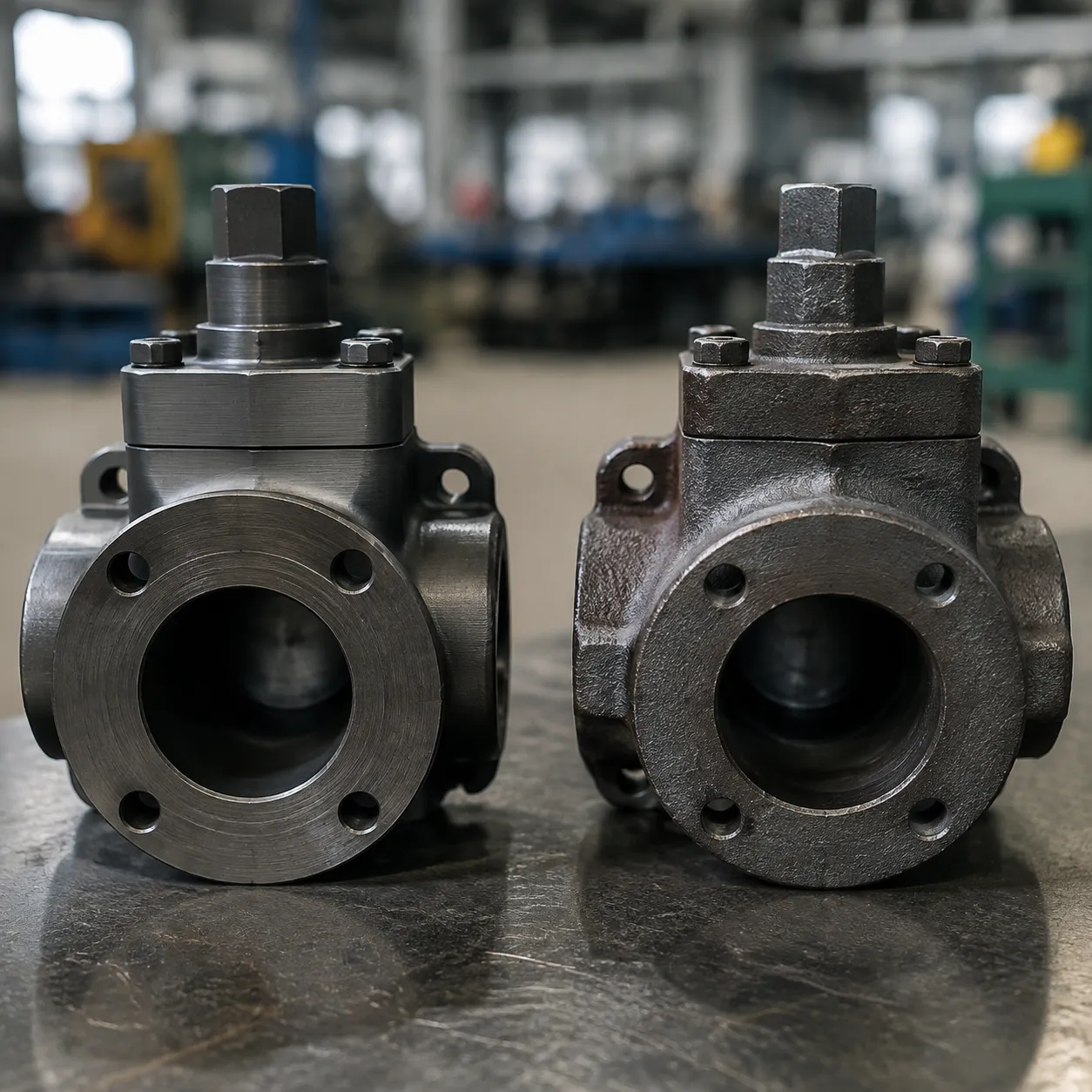
Steel casting is a foundational manufacturing process where molten steel is poured into a custom-engineered cavity to solidify into a specific shape. The tooling—specifically the steel casting mould design—serves as the architectural blueprint for the final component. As professional precision casting service providers, we engineer this specialized tooling to withstand extreme thermal stress while maintaining exact geometric profiles. The mold cavity must precisely account for metal shrinkage, fluid dynamics, and metallurgical transitions as the liquid steel transitions into a solid, high-strength metal component.
The Role of Mould Design in Manufacturing
Mould design dictates the success, efficiency, and structural integrity of the entire manufacturing operation. A scientifically optimized mold ensures smooth material flow, eliminates internal stresses, and directly influences the mechanical properties of the finished part.
- Defect Elimination: Proper tooling prevents critical flaws such as air entrapment, shrinkage cavities, and hot tears.
- Production Velocity: Optimized wall thicknesses and gating systems accelerate cycle times, boosting overall throughput.
- Surface Quality: The precision of the mold face minimizes the need for costly secondary machining and surface finishing operations.
Key Factors Influencing Steel Casting Moulds
Developing high-performance steel casting moulds requires balancing several critical thermodynamic and physical variables:
| Factor | Industrial Impact | Design Consideration |
|---|---|---|
| Thermal Conductivity | Controls the cooling rate and microstructural grain growth. | Selection of mold materials and cooling channel placement. |
| Volumetric Shrinkage | Affects the final dimensional accuracy of the part. | Scaling the pattern up to compensate for contraction during cooling. |
| Gating & Venting | Impacts fluid velocity and gas evacuation. | Strategic placement of risers and vents to prevent porosity. |
| Draft Angles | Facilitates clean component ejection without damaging the tool. | Incorporating tapered walls based on part depth and complexity. |
The Steel Casting Mould Design Process
Pattern Making and Mold Preparation
Getting the mould right starts with an exact replica of the final component, known as the pattern. We account for metal shrinkage right from the design stage to ensure the final product meets exact dimensions. During mold preparation, we pack specialized sand or assemble durable metal segments around this pattern to create a pristine cavity. A flawless mold preparation stage ensures high dimensional accuracy and prevents early structural errors before the hot metal even hits the system.
Venting and Runner System Design
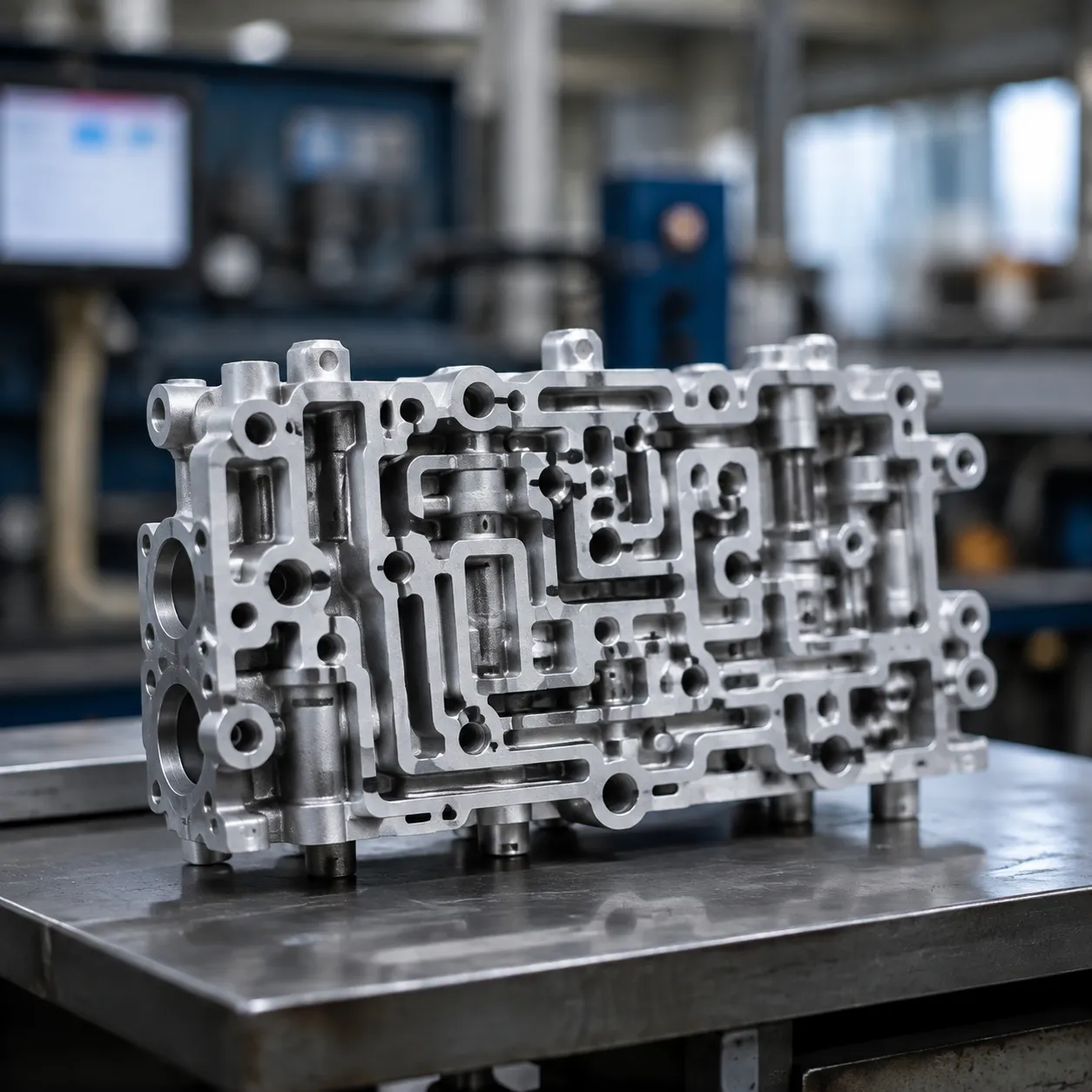
Managing how the molten metal enters the cavity is critical to the success of any steel casting mould design. The runner system acts as the highway network, guiding the liquid steel smoothly into the mold to prevent turbulence. Alongside this, proper venting is absolutely essential. If gasses get trapped inside the cavity during the pour, the risk of porosity and surface defects skyrockets. Strategically placed vents let these trapped gases escape instantly, keeping the integrity of the metal components intact.
Cooling, Solidification, and Material Hardness
Once the steel fills the mold, the cooling and solidification phase dictates the mechanical properties of the finished part. Controlling the cooling rate is a balancing act; cooling too fast can create internal stress and brittle zones, while cooling too slowly might result in weak structural quality. By optimizing our mould design with balanced wall thicknesses and cooling channels, we achieve uniform solidification. This careful thermal management directly locks in the required material hardness and overall durability of the steel part.
Advantages of Steel Casting Mould Design
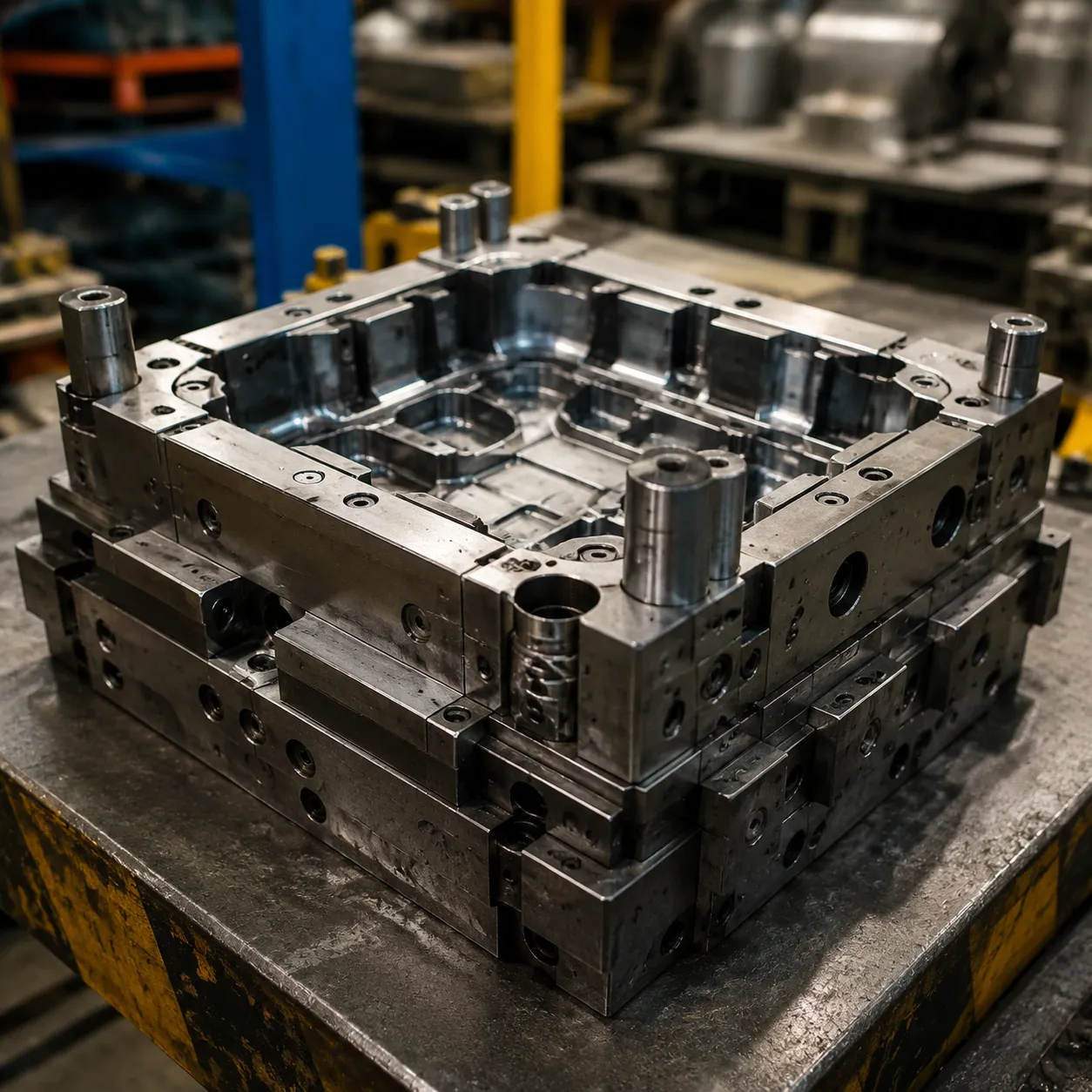
A well-engineered steel casting mould design offers massive manufacturing benefits that directly impact your bottom line and product quality. As professional precision casting service providers, we see firsthand how optimized gating and tooling layouts transform raw molten metal into high-performance parts.
Complex Geometries and Design Freedom
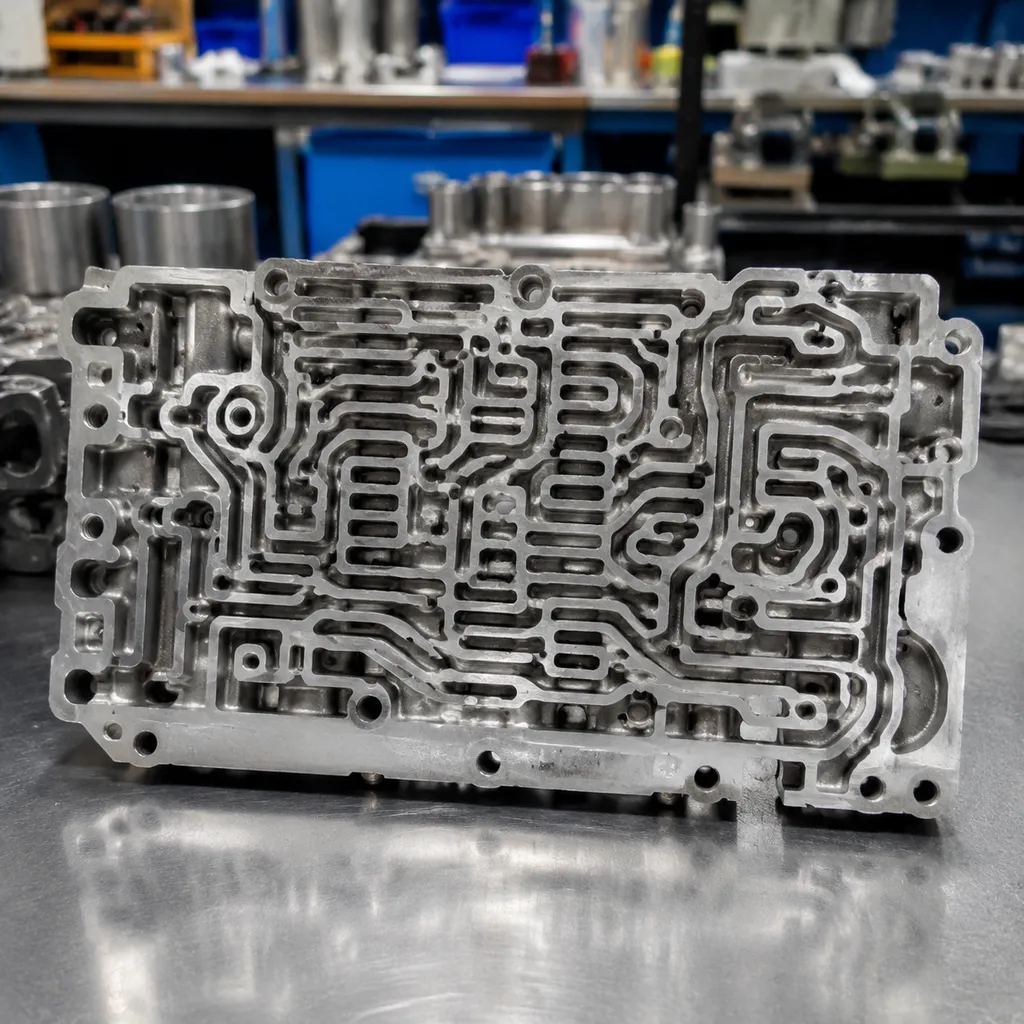
One of the biggest strengths of a tailored steel casting mould design is the sheer freedom it gives to engineers. You can create intricate shapes, internal cavities, and complex geometries that would be impossible or incredibly expensive to machine from solid blocks. By optimizing the internal paths and core placements right in the design phase, we can cast near-net shapes with undercuts and thin walls, eliminating the need for complex multi-part assemblies.
High Dimensional Accuracy and Surface Finish
Getting tight tolerances right out of the mold saves time and money. Modern tooling layouts ensure the metal flows evenly, minimizing shrinkage and distortion. This precision results in exceptional dimensional accuracy and a smoother surface finish, reducing the amount of post-cast CNC machining required. For projects demanding the absolute highest level of precision, incorporating advanced techniques like those found in our high-precision stainless steel casting guide ensures your components meet exact engineering specifications every single time.
Material Flexibility and Size Scope
A robust mold configuration handles a vast range of metallurgical options. Whether you are pouring carbon steel, low-alloy steel, or specialized stainless grades, the tooling can be adapted to handle different melting points and shrink rates. Furthermore, this process scales incredibly well. You can use the same foundational design principles to cast small, intricate medical components weighing a few grams, or massive industrial pump housings weighing several tons.
Cost-Efficiency for High-Volume Production
While upfront tooling costs can be significant, the long-term savings for large production runs are unmatched. A durable, well-vented mold minimizes scrap rates and speeds up cycle times.
| Production Factor | Benefit from Optimized Mold Design | Impact on ROI |
|---|---|---|
| Material Waste | Near-net shape production reduces raw metal usage | Lowers unit material costs |
| Cycle Time | Engineered cooling channels speed up solidification | Increases daily factory output |
| Post-Processing | Better cast finish means less secondary grinding | Cuts down labor and machining time |
By investing in a premium mold setup upfront, your cost per part plummets as production volume scales, making it the most economical choice for commercial manufacturing.
Disadvantages and Limitations of Steel Casting Moulds
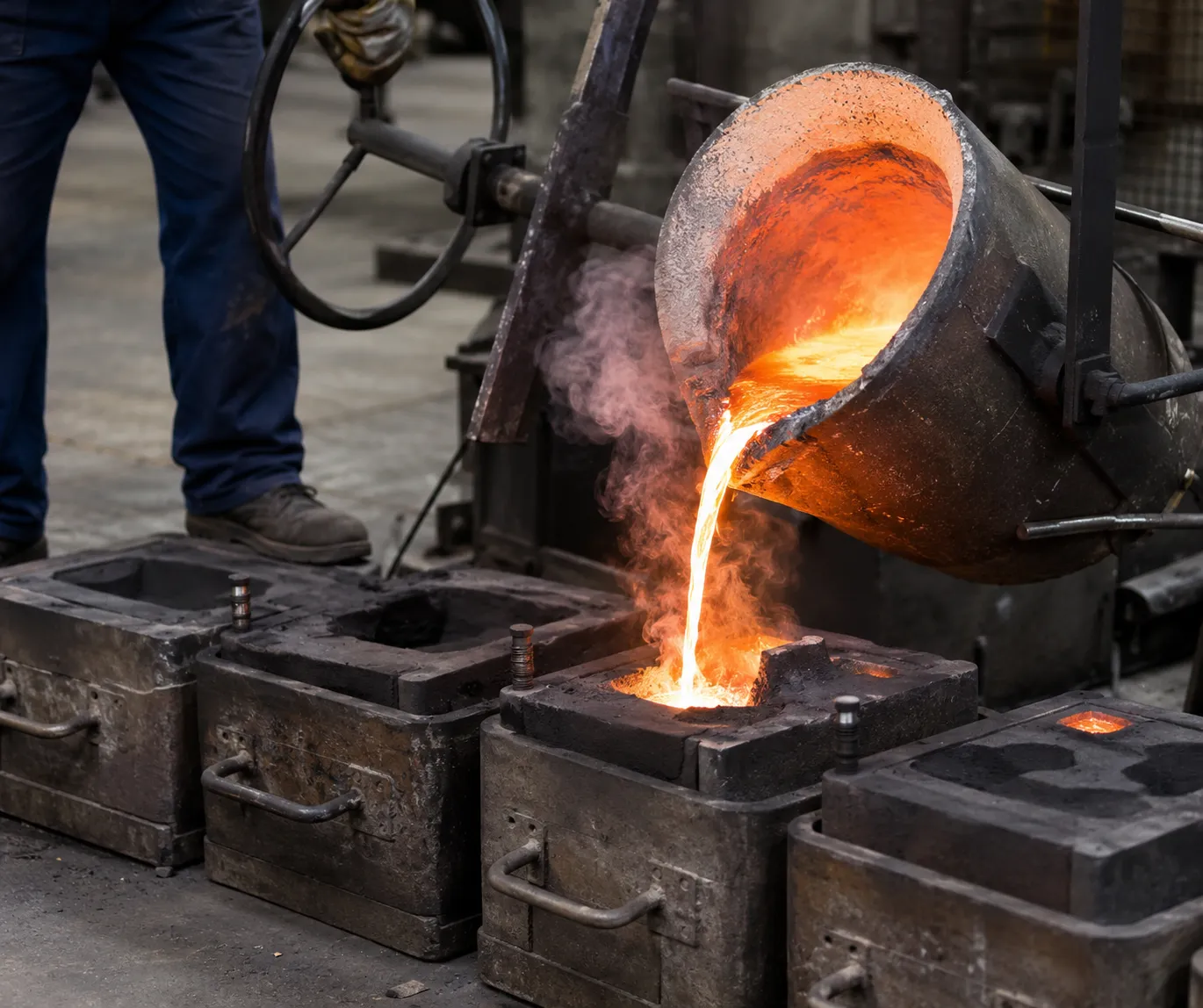
While our engineering team leverages advanced tooling to deliver complex components, understanding steel casting mould design advantages disadvantages requires a transparent look at the limitations. Designing moulds for high-melting-point metals comes with distinct physical and financial hurdles that impact production planning.
High Initial Tooling and Capital Investment
The upfront cost of creating precision steel casting moulds is substantial. Designing and machining high-grade tool steels or specialized ceramics demands advanced CNC equipment and skilled engineering. Because of this high initial capital investment, custom mould design is rarely financially viable for prototyping or low-volume production runs.
Risk of Porosity and Surface Defects
Managing gas entrapment is a constant challenge in steel casting mould design. If the mould lacks optimized venting or gating systems, trapped air and gases released by the molten metal create internal porosity. These microscopic voids compromise the mechanical integrity of the component, potentially leading to part failure under high-stress conditions.
Structural Quality and Cooling Restrictions
Steel has a high pouring temperature, which creates steep thermal gradients within the mould.
Uneven Cooling Rates: Thicker sections of the casting cool slower than thinner walls, leading to internal stresses.
Hot Tearing: Rapid shrinkage during solidification can cause cracks or structural deformation if the mould design restricts natural metal contraction.
Microstructure Variations: Inconsistent cooling alters the local material hardness and grain structure across the finished component.
For demanding environments requiring absolute structural integrity without thermal stress vulnerabilities, industries often turn to specialized precision investment castings and custom cobalt superalloy parts to withstand extreme heat and wear.
Limited Lifespan for High-Temperature Applications
Moulds used for pouring molten steel experience severe thermal shock during every cycle. Over time, the repeated expansion and contraction cause "thermal fatigue," leading to surface crazing, cracking, and eventual mould degradation. This limited lifespan means manufacturers must budget for periodic tooling maintenance, refurbishment, or total mould replacement over extended production lifecycles.
Types of Casting Moulds and Methods
Different manufacturing goals require different tooling approaches. Choosing the right steel casting mould design advantages disadvantages depends heavily on the specific method used to shape the molten metal. As professional precision casting service providers, we utilize several core techniques to balance production speed, surface finish, and tooling costs.
Permanent Mold Casting
Permanent mold casting relies on reusable steel or iron molds to produce high-volumes of consistent metal components. This method is highly favored for its rapid cooling rate, which significantly improves the mechanical properties and material hardness of the final part.
- Best For: Medium to high production volumes.
- Key Benefit: Exceptional dimensional accuracy and minimal waste.
- Limitation: High initial tooling investment makes it less suitable for low-volume custom runs.
For projects demanding high structural integrity and smooth surfaces, our permanent mold casting services deliver precise results for non-ferrous applications.
Traditional Sand Casting
Sand casting remains the most versatile and widely used method for pouring complex geometries at a lower upfront cost. It utilizes a mixture of sand and binders to form a disposable mold, making it the ideal choice for large-scale components and prototype development.
- Material Versatility: Accommodates almost any alloy, including high-melting-point steels.
- Size Scope: Capable of producing massive industrial parts that other methods cannot handle.
- Surface Quality: Generally yields a rougher surface finish that may require secondary machining.
Investment Casting
Often referred to as lost-wax casting, investment casting is the go-to process for creating intricate shapes with strict dimensional tolerances. A wax pattern is coated with a ceramic slurry to create the mold, which is then melted away before the steel is poured.
- Design Freedom: Easily handles highly complex geometries without requiring draft angles.
- Surface Finish: Produces an exceptionally smooth surface right out of the mold.
- Cost Factor: Higher labor costs per part, but drastically reduces the need for post-processing.
Die Casting and Shell Molding
Die casting forces molten metal into steel molds under immense pressure, making it incredibly efficient for high-volume manufacturing processes. However, it is typically restricted to non-ferrous metals due to the extreme melting points of steel.
| Feature | Die Casting | Shell Molding |
|---|---|---|
| Mold Material | Reusable Steel Dies | Resin-Bonded Sand Shells |
| Production Volume | Very High | Medium to High |
| Complexity | Limited to simpler shapes | Handles complex geometries well |
| Porosity Risk | Higher due to rapid injection | Lower due to natural venting |
Shell molding fills the gap between traditional sand casting and permanent tooling. It uses a resin-heated sand mixture to create thin, durable shells. This method offers a much better surface finish and tighter dimensional accuracy than traditional sand casting while keeping tooling costs manageable. For a deeper breakdown of how these pressure and gravity methods stack up, you can review our analysis on sand casting vs. die casting to determine the right fit for your design.
Comparing Steel Casting Mould Methods
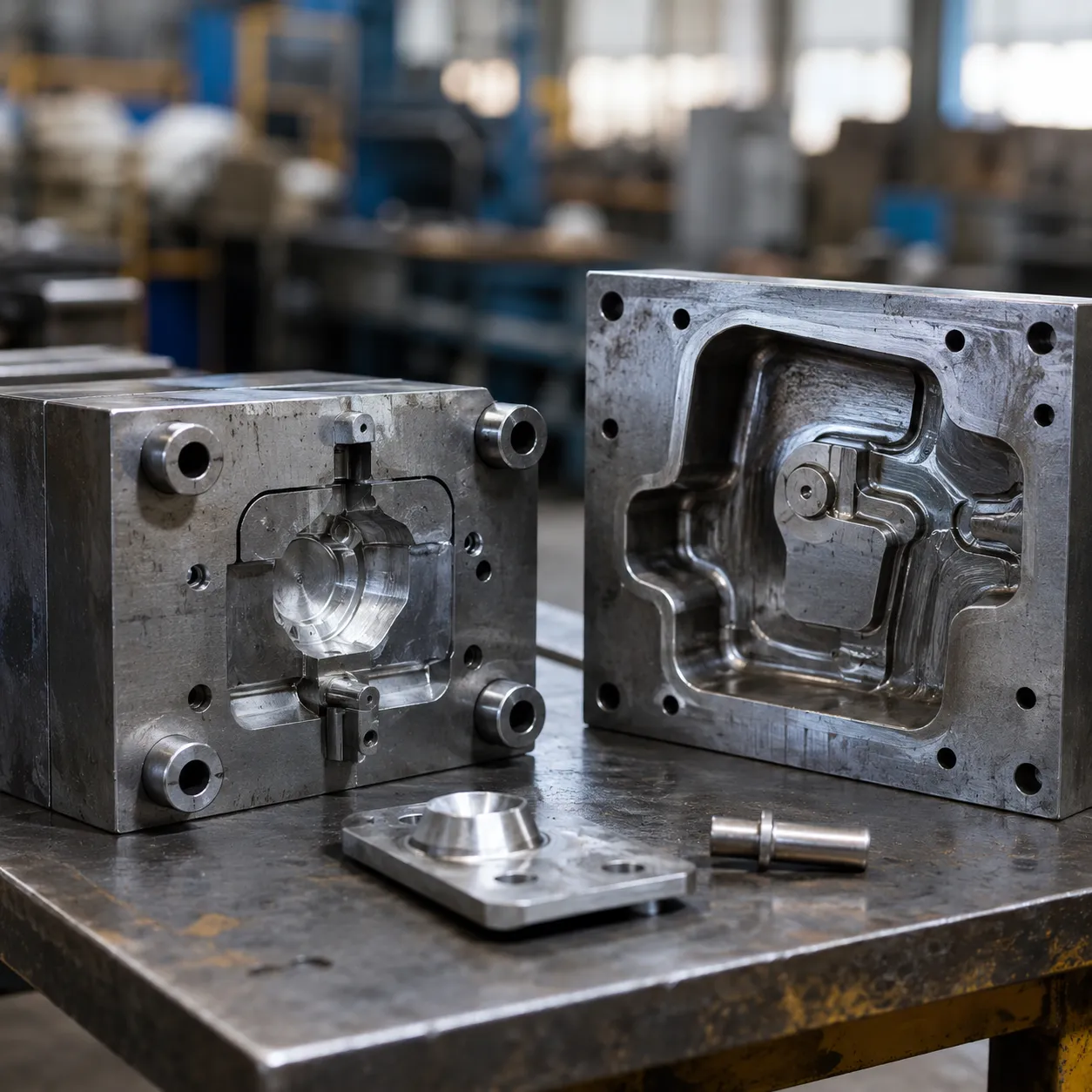
Choosing the right steel casting mould design requires a clear understanding of how different manufacturing processes stack up against each other. Each method has specific trade-offs regarding tooling costs, production volume, and surface finish.
Permanent Mold vs. Sand Casting
When comparing permanent mold casting to traditional sand casting, the choice usually comes down to production volume and dimensional accuracy. Permanent molds utilize reusable metal components, making them ideal for high-volume runs where consistency is critical. On the other hand, the stainless steel sand casting process excels in material versatility and low upfront tooling costs, making it the go-to choice for massive parts or shorter production runs.
| Feature | Permanent Mold Casting | Sand Casting |
|---|---|---|
| Tooling Costs | High initial investment | Very low |
| Production Volume | Medium to high | Low to medium |
| Surface Finish | Good, smooth surface | Rough, requires machining |
| Cooling Rate | Fast (metal mold) | Slow (sand mold) |
Investment Casting vs. Shell Molding
For intricate shapes and complex geometries, investment casting and shell molding are the top contenders. The investment moulding process for high-precision metal casting provides unmatched dimensional accuracy and a superior surface finish, eliminating the need for secondary machining. Shell molding offers a middle ground, utilizing a resin-bonded sand mixture to achieve better tolerances than traditional sand casting but at a lower cost than investment tooling.
| Feature | Investment Casting | Shell Molding |
|---|---|---|
| Design Freedom | Excellent for complex geometries | Moderate to high |
| Dimensional Accuracy | Highest precision | Good |
| Porosity Risk | Very low | Low to moderate |
| Production Speed | Slower, multi-step process | Faster cycle times |
How to Choose the Right Casting Mould Design
To optimize your steel casting mould design advantages disadvantages for your specific project, evaluate these core production metrics:
- Assess the Design Complexity: If your component requires intricate shapes and thin walls, prioritize investment casting or die casting.
- Calculate Total Volume: High production volumes justify the expensive tooling costs of permanent molds, while low volumes point toward sand casting.
- Define Tolerances: Strict dimensional accuracy requirements limit the use of basic sand molds and favor precision-engineered tooling.
- Analyze Material Needs: Ensure the chosen mold method matches the melting point and cooling rate behavior of your specific steel alloy.
Quality Control and Defect Prevention in Mould Design
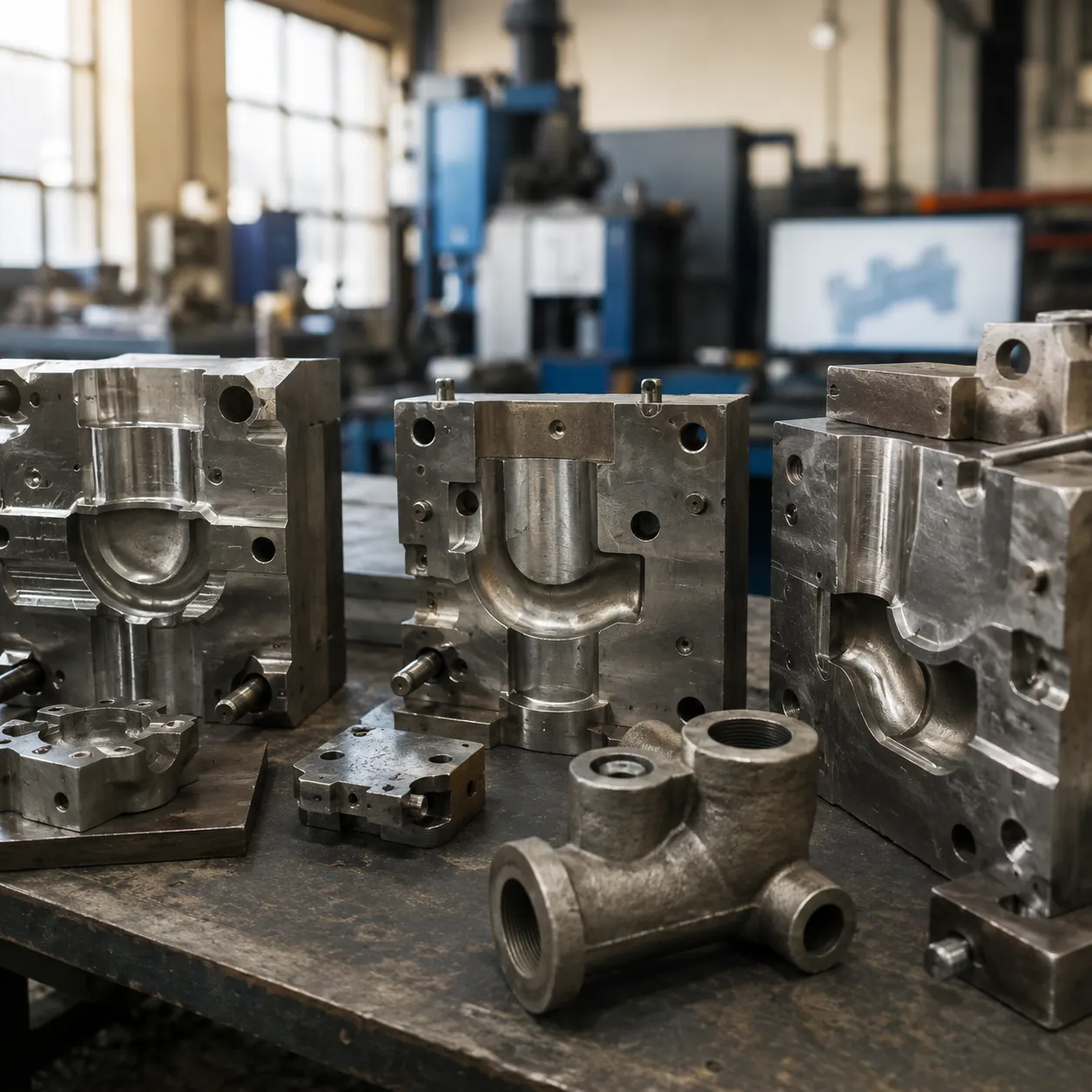
Dimensional Verification and Testing
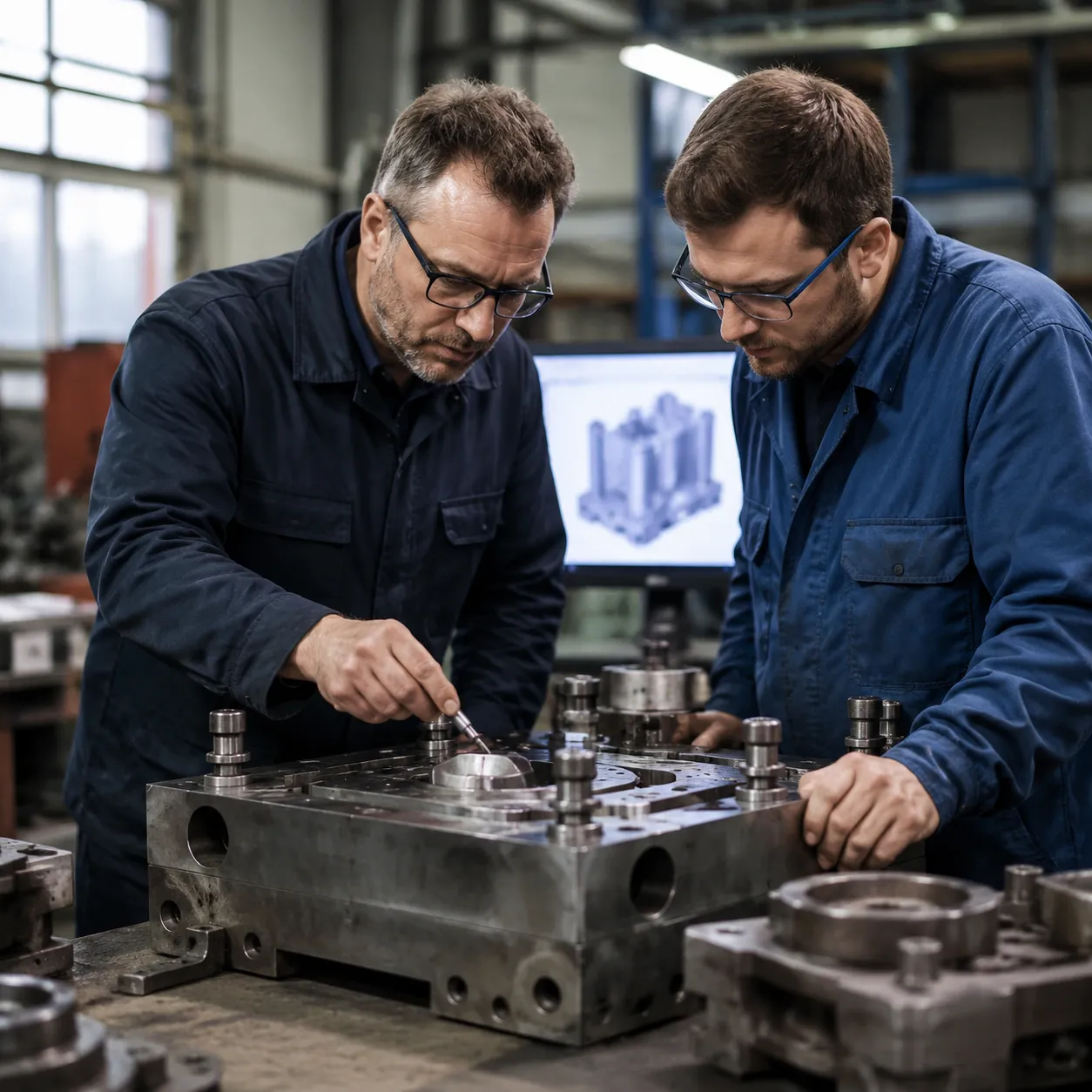
Securing high dimensional accuracy in steel casting mould design requires a strict verification process before production begins. We utilize advanced coordinate measuring machines (CMM) and 3D scanning to check every critical dimension of the mould cavity against the initial CAD model. This guarantees that the final metal components match the exact design specs, eliminating costly errors down the line. Regular non-destructive testing (NDT), such as ultrasonic and radiographic testing, is conducted to identify internal flaws within the mould structure itself before it ever touches molten steel.
Inspecting and Managing Metal Casting Defects
Defect prevention is a cornerstone of our manufacturing processes. When dealing with steel casting, the mould design must actively counteract common issues like porosity, shrinkage cavities, and hot tears. We closely inspect test castings to trace the root causes of any surface finish issues or structural weak spots. For projects requiring a blend of different casting methods, we apply similar strict quality control measures, much like the standards used for our high-precision custom brass casting service, ensuring that every gating and venting system functions flawlessly under production stress.
Optimizing Mould Design for Quality Assurance
Optimizing the mould design is the most effective way to eliminate defects before they happen. We adjust the following design elements to ensure reliable, high-volume production:
- Optimized Gating Systems: Smooths liquid metal flow to reduce turbulence and trapped air.
- Strategic Riser Placement: Feeds the casting as it shrinks, eliminating internal porosity.
- Controlled Cooling Rates: Balances temperature drops across complex geometries to prevent thermal cracking.
- Advanced Simulation Software: Predicts solidification patterns to fix weak points prior to tooling creation.
Frequently Asked Questions About Steel Casting Moulds
What is the strongest casting method for steel?
Investment casting and specialized permanent mold casting generally yield the strongest metal components. The strength of a steel casting depends heavily on how the cooling rate is managed during the manufacturing processes. By carefully optimizing the steel casting mould design advantages disadvantages, we can control grain structure refinement. For demanding industrial applications, leveraging our alloy steel casting process for high-precision CNC parts ensures maximum structural integrity, exceptional material versatility, and superior mechanical properties.
Which steel casting mould type is the most expensive?
Die casting and permanent mold casting carry the highest initial tooling costs due to the complex geometries and high-grade tool steels required to withstand extreme temperatures. While the upfront capital investment for these molds is substantial, they offer unmatched cost-efficiency for high-volume production. Conversely, traditional sand casting and shell molding require much lower upfront tooling investments but incur higher per-part processing costs over time.
How do you prevent porosity in mould design?
Preventing porosity requires a precise combination of advanced gating system engineering and proper venting layout. As trusted steel casting manufacturers for durable wear-resistant OEM parts, we eliminate gas trapping and shrinkage defects through strategic mold modeling.
- Optimized Riser Placement: Ensures continuous molten metal feed to combat shrinkage during cooling.
- Permeable Mold Materials: Allows gases to escape naturally before trapping inside the intricate shapes.
- Controlled Pouring Temperature: Matches the thermal design of the mould to maintain a uniform solidification rate.