What is the actual tensile strength of aluminium 6061, and how does it hold up across different tempers like 6061-T6 versus 6061-O?
In this complete guide, we’re going to break down the exact mechanical properties, yield strength, and chemical composition of this powerhouse alloy. Plus, we'll see how it stacks up against rivals like 7075 and 5052 aluminum.
If you want to know if 6061 is tough enough for your next build, this guide is for you.
Introduction to 6061 Aluminum Alloy
What is 6061 Aluminum?
6061 aluminum is a versatile, precipitation-hardened magnesium-silicon alloy widely recognized as a backbone material in modern manufacturing. Renowned for its exceptional structural integrity, excellent corrosion resistance, and superb weldability, it is a preferred material for high-stress applications ranging from aerospace components to heavy-duty industrial machinery. As professional precision casting service providers, we rely heavily on this alloy to deliver components that require a flawless balance of machinability and robust mechanical properties.
Chemical Composition and Key Alloying Elements
The superior performance of 6061 aluminum stems from its precise chemical composition. Magnesium and silicon serve as the primary alloying elements, forming magnesium silicide ($Mg_2Si$) to significantly enhance its base strength through heat treatment.
The standard elemental breakdown ensures optimal predictability and uniformity across international material data sheet standards:
- Magnesium (Mg): 0.8% – 1.2% (Provides strength and strain-hardening capabilities)
- Silicon (Si): 0.4% – 0.8% (Combines with Magnesium to allow heat-treatability)
- Iron (Fe): Max 0.7% (Controlled to prevent brittleness)
- Copper (Cu): 0.15% – 0.40% (Boosts overall alloy strength)
- Chromium (Cr): 0.04% – 0.35% (Controls grain growth during processing)
- Aluminum (Al): Balance
General Physical Properties
Beyond its impressive mechanical properties, 6061 aluminum exhibits excellent physical and thermal properties that make it stable and reliable under demanding operating conditions. Its lightweight nature combined with favorable thermal conductivity ensures efficient performance in global thermal management and structural design markets.
| Physical Property | Value (Metric / Imperial) |
|---|---|
| Density | 2.70 g/cm³ (0.0975 lb/in³) |
| Melting Point | 582°C – 652°C (1080°F – 1205°F) |
| Modulus of Elasticity | 68.9 GPa (10,000 ksi) |
| Thermal Conductivity | 167 W/m·K |
| Electrical Conductivity | 43% IACS |
Key Tensile Strength Terms for 6061 Aluminum
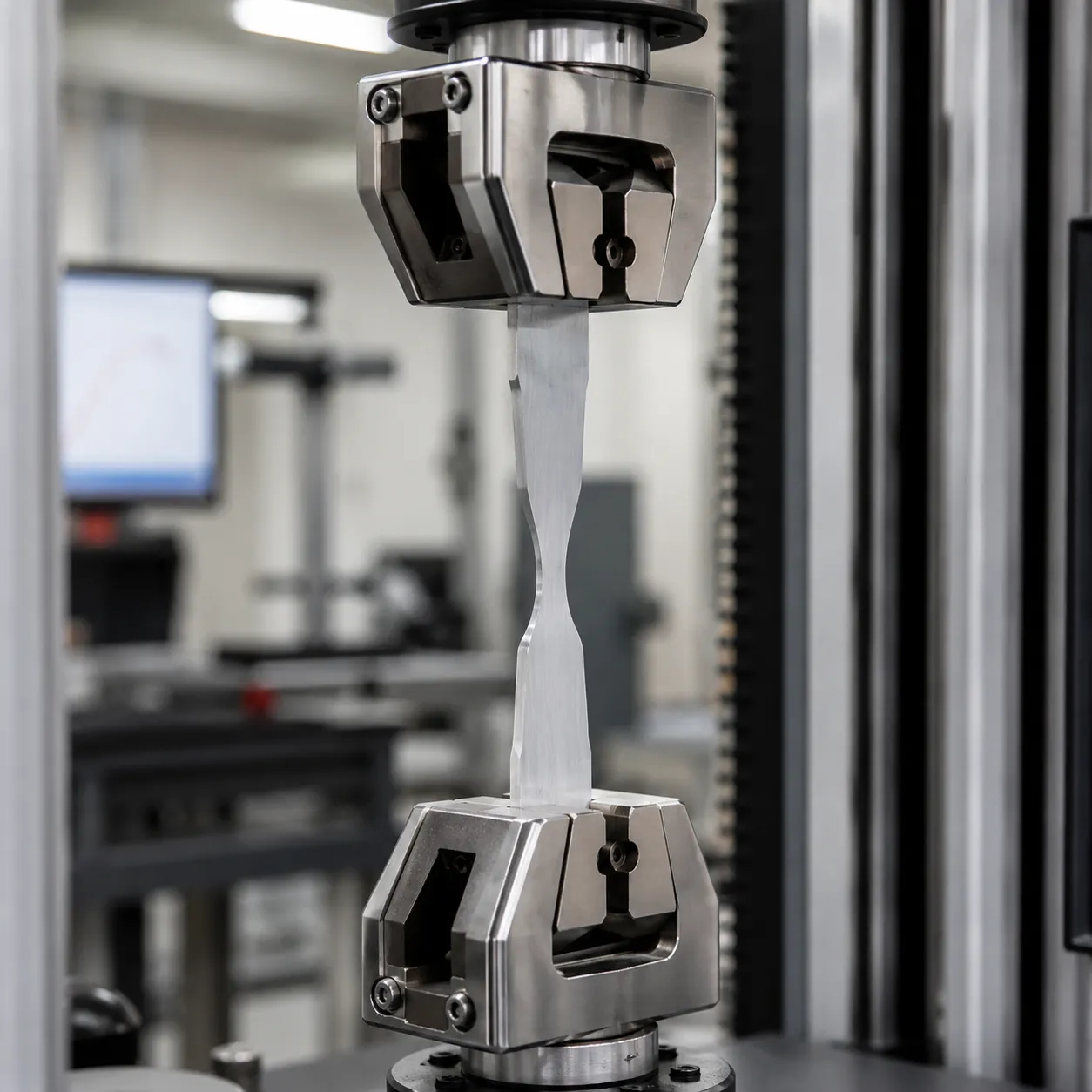
When evaluating the tensile strength of aluminium 6061 for your manufacturing or engineering projects, understanding specific mechanical metrics is crucial. These terms define how the material behaves under pulling forces before it permanently deforms or breaks.
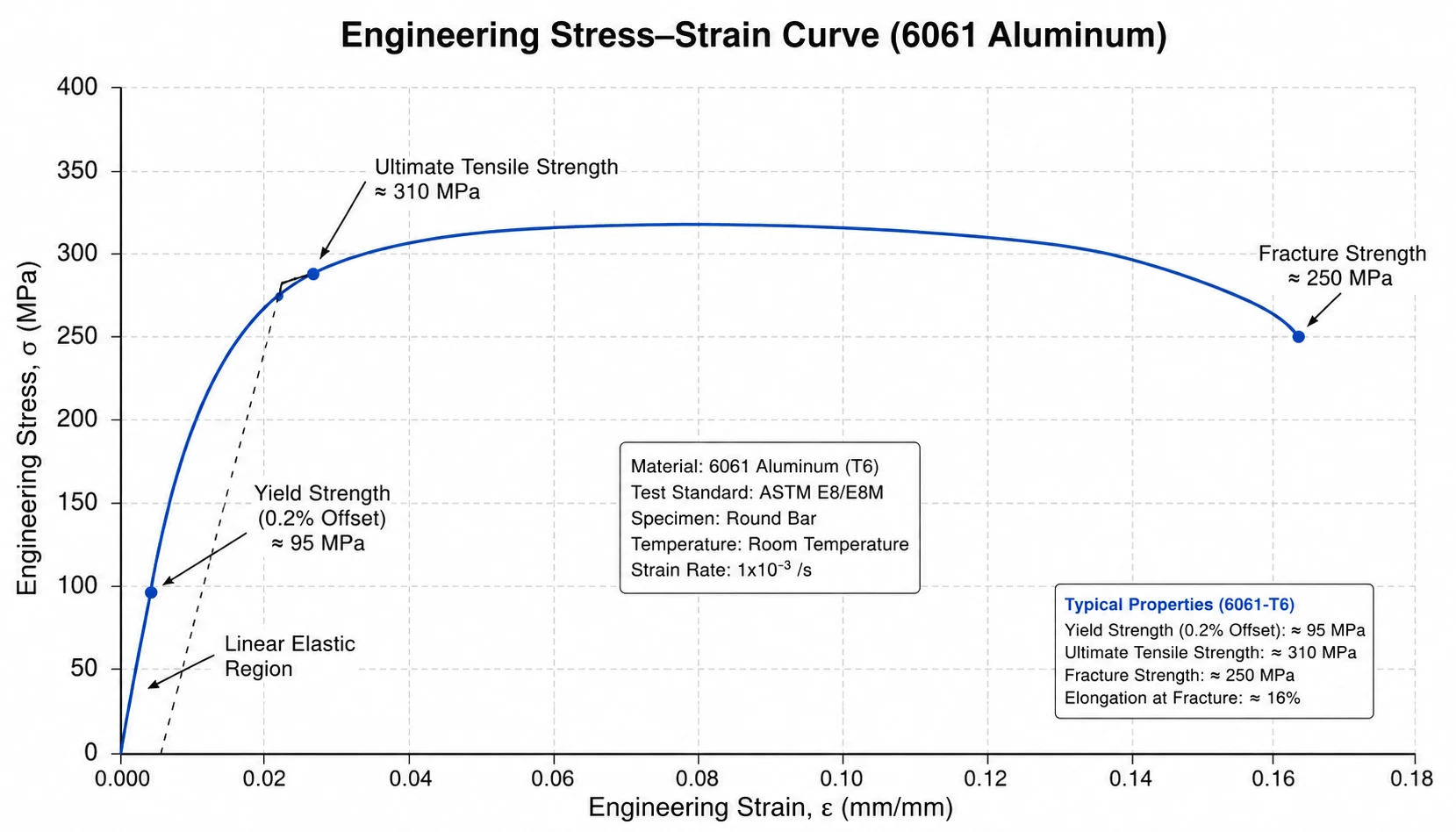
- Ultimate Tensile Strength (UTS): The maximum stress that the alloy can withstand while being stretched or pulled before necking, where the specimen's cross-section starts to significantly contract.
- Yield Strength: The stress level at which the aluminum begins to deform plastically. Prior to this point, any deformation is elastic, meaning the material will return to its original shape when the load is removed.
- Elongation at Break: This metric represents the percentage of increase in length that the material can achieve before fracturing, serving as a clear indicator of its overall ductility and formability.
To get a complete overview of how these metrics compare across various tempers, you can review our detailed breakdown of the tensile strength of aluminum.
Summary of Core Tensile Metrics
| Tensile Property | Definition | Significance in Production |
|---|---|---|
| Ultimate Tensile Strength | Maximum load capacity | Prevents catastrophic structural failure |
| Yield Strength | Limit of elastic behavior | Determines the safe working load limits |
| Elongation at Break | Stretch capacity percentage | Indicates bending and forming capabilities |
As precision casting and material specialists, we focus on balancing these properties to ensure every component meets exact load-bearing requirements without sacrificing machinability.
Tensile Strength and Mechanical Properties of 6061 Aluminum
Understanding Tensile Strength, Yield Strength, and Elongation
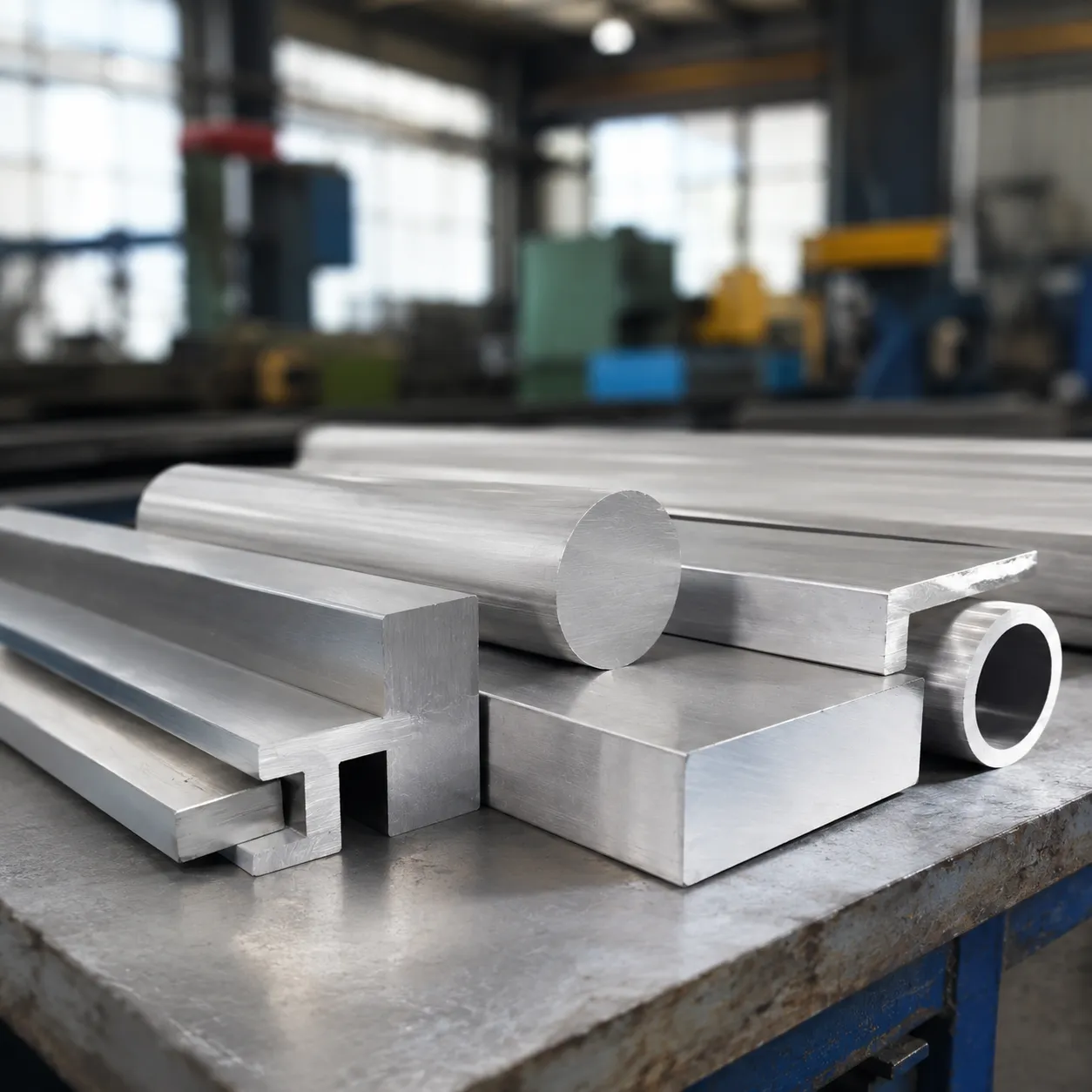
When evaluating the structural integrity of your parts, the tensile strength of aluminium 6061 serves as the primary benchmark. Understanding how this material behaves under load requires looking at three critical values found on a standard material data sheet:
- Ultimate Tensile Strength (UTS): The maximum stress the alloy can withstand before fracturing. For example, in its peak aged state, it reaches up to 310 MPa (45000 psi).
- Yield Strength: The point where permanent, plastic deformation begins. Below this threshold, the metal safely returns to its original shape.
- Elongation at Break: Measured as a percentage, this indicates the material's ductility and how much it can stretch before snapping.
Compared to specialized casting options like the A356-T6 aluminum alloy specifications, wrought 6061 typically delivers higher uniform tensile properties across extruded profiles.
| Mechanical Property | Metric Value | Imperial Value |
|---|---|---|
| Ultimate Tensile Strength | 310 MPa | 45000 psi |
| Yield Strength | 276 MPa | 40000 psi |
| Shear Strength | 207 MPa | 30000 psi |
| Fatigue Strength | 96.5 MPa | 14000 psi |
How Microstructure Affects Mechanical Behavior
The internal grain structure of 6061 aluminum directly dictates its performance on the shop floor. Its chemical composition relies on a precise balance of magnesium and silicon.
During processing, these elements form a uniform solid solution. If the microstructure is coarse or poorly controlled, the fatigue strength and shear strength drop significantly. We maintain strict control over the grain boundaries during thermal processing to ensure every batch meets uniform global engineering standards without brittle localized zones.
Strengthening Mechanisms in 6061 Aluminum
Raw aluminum is relatively soft, but 6061 achieves its excellent mechanical properties through precipitation hardening (age hardening).
- Solution Heat Treatment: The alloy is heated to dissolve the alloying elements uniformly into the matrix.
- Quenching: Rapid cooling traps the magnesium and silicon atoms in a supersaturated state.
- Artificial Aging: Controlled reheating forces the formation of sub-microscopic magnesium silicide ($Mg_2Si$) precipitates.
These microscopic precipitates act as internal roadblocks. They pin dislocations within the crystal lattice, drastically raising the ultimate tensile strength and resistance to deformation while maintaining an optimal elongation at break.
Tensile Strength Across Different Heat Treatments and Tempers
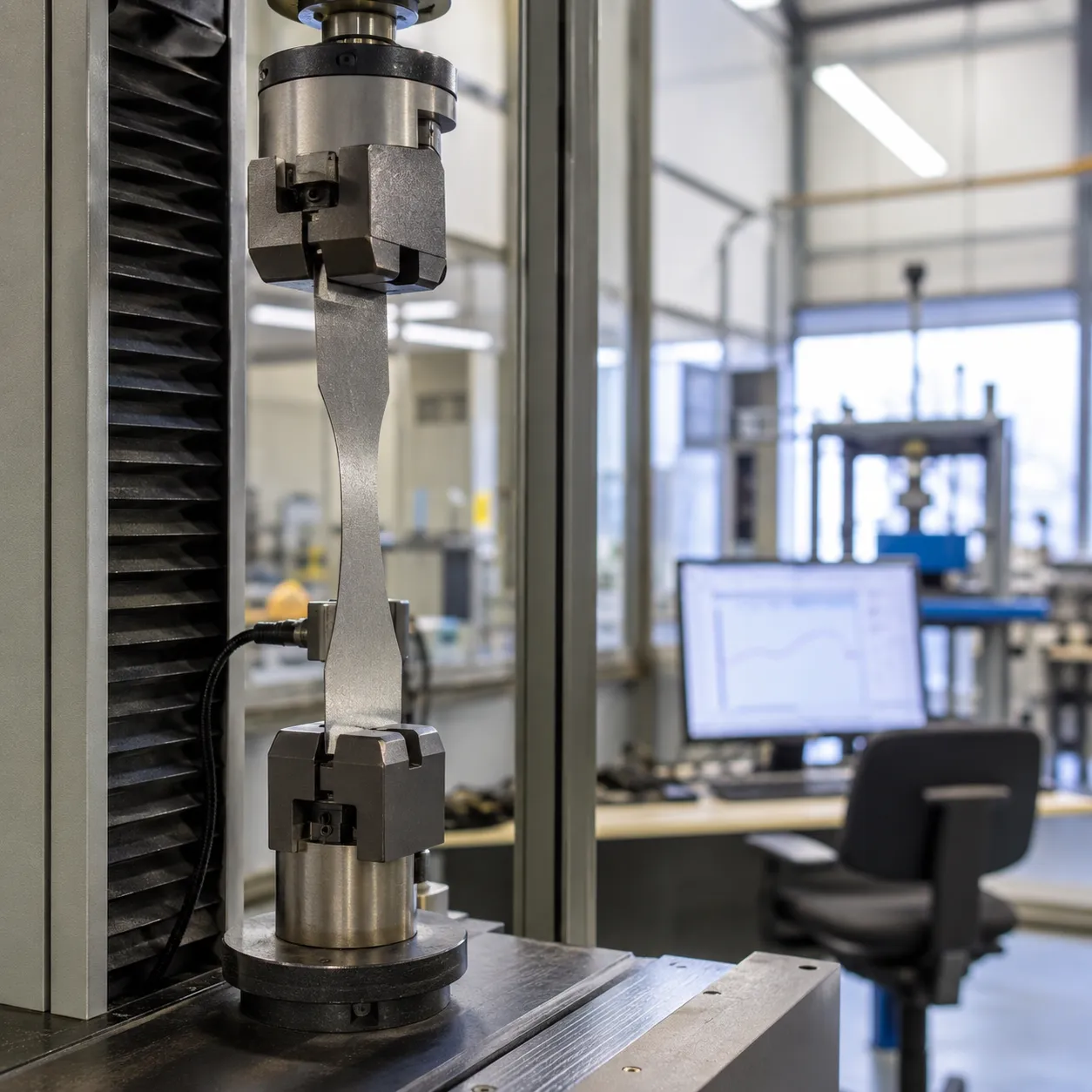
The mechanical properties of 6061 aluminum change drastically depending on its heat treatment. By altering the temper, we can adjust the material from a soft, easily formable state to a high-strength structural powerhouse. Understanding these shifts is critical when comparing materials, much like evaluating the tensile strength of bolts for heavy-duty structural joints.
Tensile Strength of Annealed 6061-O Aluminum
In the annealed state, designated as 6061-O, the alloy is at its softest and most ductile form. This condition removes internal stresses, making the metal highly workable for deep drawing and complex shaping. However, this high formability comes at the expense of its mechanical strength.
- Ultimate Tensile Strength: ~18,000 psi (125 MPa)
- Yield Strength: ~8,000 psi (55 MPa)
- Elongation at Break: 25% to 30%
Tensile Strength of Naturally Aged 6061-T4 Aluminum
The 6061-T4 temper is achieved through solution heat-treating and natural aging at room temperature. This process offers a balanced middle ground, delivering a substantial boost to both yield strength and ultimate tensile strength while retaining a good level of ductility for moderate forming operations.
- Ultimate Tensile Strength: ~35,000 psi (241 MPa)
- Yield Strength: ~21,000 psi (145 MPa)
- Elongation at Break: 20% to 25%
Tensile Strength of Artificially Aged 6061-T6 Aluminum
The 6061-T6 temper represents the peak strength condition for this alloy. By undergoing artificial aging in an oven, the material locks in a dense precipitate microstructure. According to standard material data sheet specifications, this temper maximizes resistance to deformation, making it the industry standard for structural engineering.
- Ultimate Tensile Strength: ~45,000 psi (310 MPa)
- Yield Strength: ~40,000 psi (276 MPa)
- Elongation at Break: 12% to 17%
Quick Reference: Temper Strength Comparison
| Aluminum Temper | Ultimate Tensile Strength | Yield Strength | Elongation at Break | Best Used For |
|---|---|---|---|---|
| 6061-O (Annealed) | 18,000 psi (125 MPa) | 8,000 psi (55 MPa) | 25% – 30% | Severe forming and bending |
| 6061-T4 (Naturally Aged) | 35,000 psi (241 MPa) | 21,000 psi (145 MPa) | 20% – 25% | Moderate forming, custom fabrication |
| 6061-T6 (Artificially Aged) | 45,000 psi (310 MPa) | 40,000 psi (276 MPa) | 12% – 17% | Structural parts, CNC machining, high-load uses |
Material Comparison: 6061 Tensile Strength vs. Other Alloys
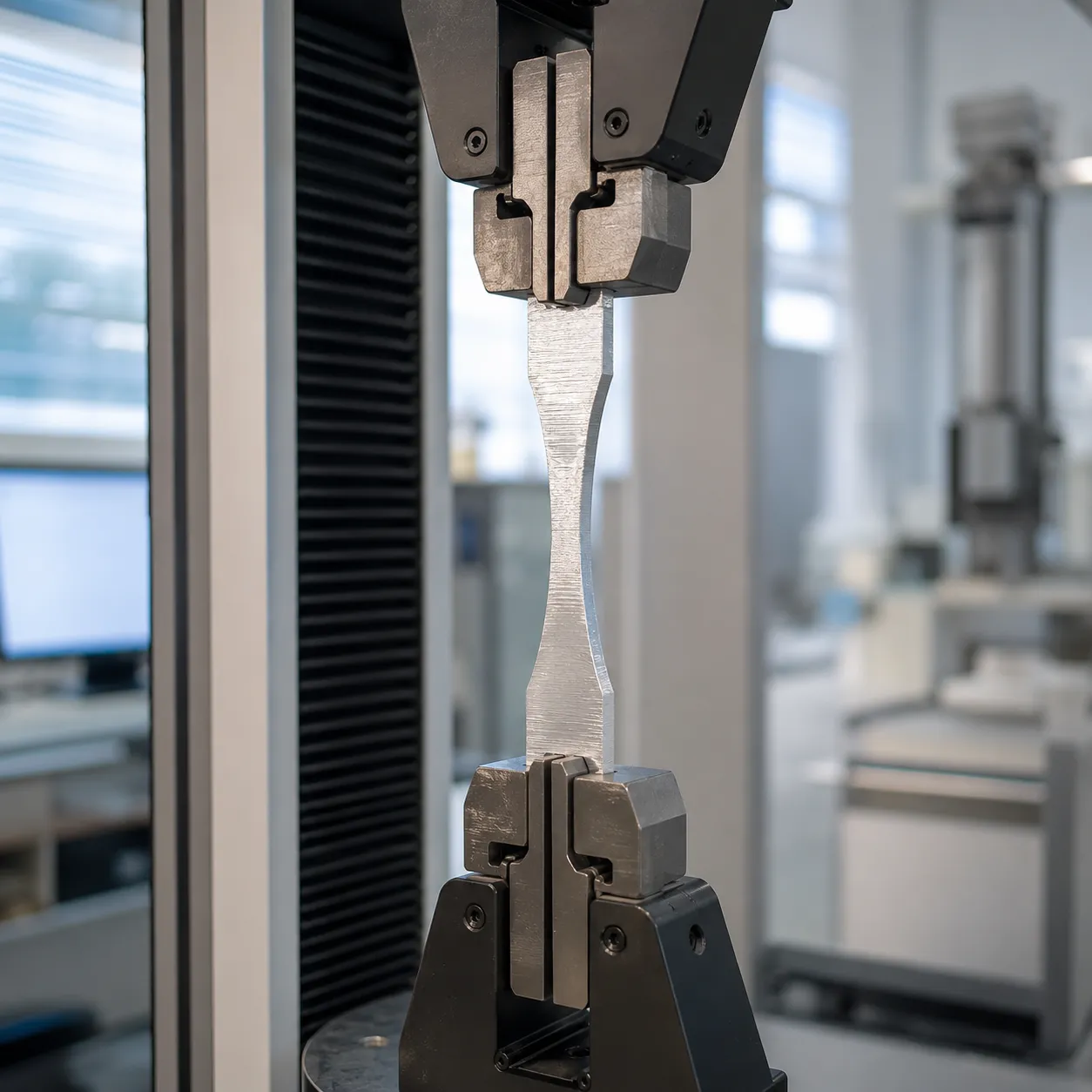
When selecting the right material for your project, comparing the tensile strength of aluminium 6061 against other popular grades is crucial. As a trusted partner in manufacturing, we look at how these alloys stack up in real-world performance.
For projects requiring high-performance casting options, understanding the differences between wrought alloys like 6061 and cast variants is essential. Check out our comprehensive guide on A356 aluminum vs 6061 to see how cast and wrought materials compare.
The table below provides a quick breakdown of their core mechanical properties:
| Aluminum Alloy | Ultimate Tensile Strength | Yield Strength | Elongation at Break | Primary Advantage |
|---|---|---|---|---|
| 6061-T6 | 310 MPa (45000 psi) | 276 MPa | 12 - 17% | Balanced strength, corrosion resistance, and weldability |
| 5052-H32 | 230 MPa (33000 psi) | 193 MPa | 12 - 18% | Excellent formability and marine corrosion resistance |
| 7075-T6 | 572 MPa (83000 psi) | 503 MPa | 11% | Extreme high-stress structural strength |
| 2026-T3 | 470 MPa (68000 psi) | 325 MPa | 20% | Exceptional fatigue resistance and high fracture toughness |
6061 vs. 5052 Aluminum Strength and Formability
- Strength Difference: 6061-T6 delivers a significantly higher ultimate tensile strength and yield strength compared to 5052-H32.
- Formability: 5052 is a non-heat-treatable alloy that excels in complex bending and sheet metal forming.
- Best Use Case: Choose 6061 for structural frames, and use 5052 for intricate body panels or marine enclosures.
6061 vs. 7075 Aluminum Strength and Toughness
- Strength Difference: 7075-T6 clears the tensile strength of aluminium 6061 by nearly double, making it one of the strongest aluminum alloys available.
- Toughness & Weight: While 7075 offers superior stress-to-weight ratios, it is more prone to corrosion and is harder to weld than 6061.
- Best Use Case: 7075 dominates high-stress aerospace applications, while 6061 remains the versatile utility choice for general engineering.
6061 vs. 2026 Aluminum Strength and Machinability
- Strength Difference: 2026-T3 provides higher tensile strength and excellent fatigue strength over 6061.
- Machinability: 2026 chips beautifully during high-speed machining, but it suffers from poor weldability and lower corrosion resistance.
- Best Use Case: 2026 is ideal for aircraft skin structures under tension, whereas 6061 is preferred for multi-purpose machined components requiring welding or anodizing.
Fabrication, Machining, and Processing Capabilities
Weldability and Joint Strength Changes
When welding 6061 aluminum, the intense heat alters the localized microstructure, leading to a significant drop in ultimate tensile strength. In the heat-affected zone (HAZ), the strength of a 6061-T6 temper can drop by up to 30% to 40% as the artificial aging effects are undone. To combat this strength loss, we utilize specific filler metals like 4043 or 5356 during TIG or MIG welding. For critical structural applications, post-weld heat treatment is highly recommended to restore the alloy's mechanical properties and optimal yield strength.
Forming, Bending, and Machinability
6061 aluminum offers distinct processing capabilities depending on its temper state:
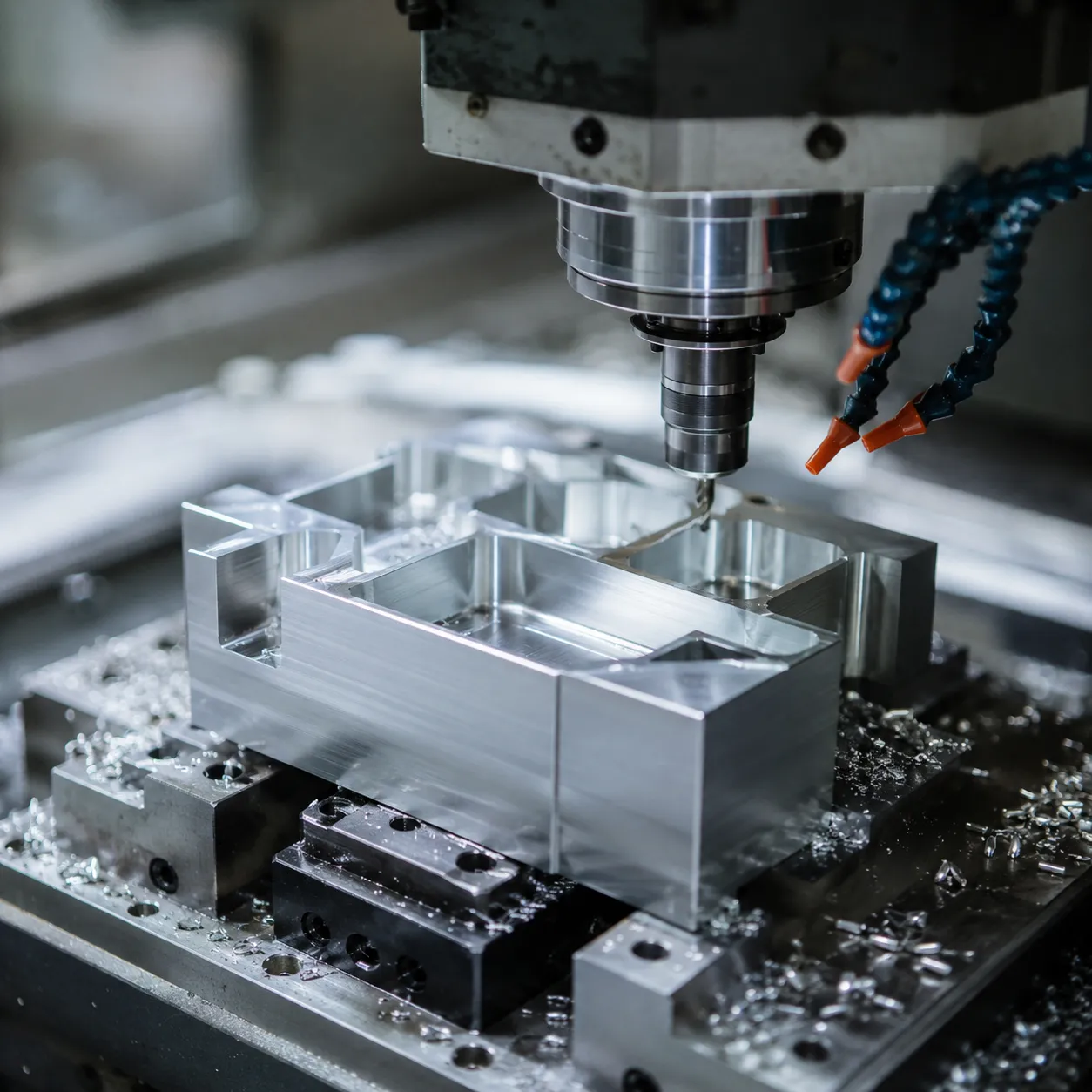
- Machinability: In its T6 state, 6061 chips cleanly and machines beautifully, making it a favorite for high-speed CNC milling and turning operations.
- Forming and Bending: If your project requires tight radiuses or severe bending, working with 6061-O (annealed) is crucial to avoid cracking.
- Elongation at Break: The annealed state provides the highest elongation at break, allowing the metal to flow and bend easily before it is hardened to its final structural specifications.
Heat Treating and Annealing Procedures
Controlling the thermal cycle is the only way to unlock the maximum tensile strength of aluminium 6061. The material responds exceptionally well to solution heat treating, quenching, and aging. Understanding the precise aluminium heat treating processes tempers and performance allows us to manipulate the material from a soft, workable annealed state (6061-O) up to its maximum hardened peak (6061-T6). This thermal flexibility ensures the final components achieve the exact balance of shear strength, fatigue resistance, and structural durability required by global industrial standards.
Common Applications and Scenarios for 6061 Aluminum

The versatile tensile strength of aluminum 6061 makes it the backbone of modern structural and industrial fabrication. Balancing excellent mechanical properties with high corrosion resistance, this alloy is the go-to choice across demanding global industries.
Structural Extrusions and Forgings
In structural engineering, the high ultimate tensile strength and reliable yield strength of 6061-T6 provide the load-bearing capacity required for heavy-duty frameworks. We utilize this alloy extensively in building custom structural extrusions, bridge components, and marine framing. Its high resistance to environmental degradation ensures long-term structural integrity under constant mechanical stress. For projects requiring distinct production methods, understanding how these properties translate to different manufacturing techniques is essential; you can explore this further in our comprehensive cast aluminum guide on properties and processes.
- Key Uses: Highway sign towers, pipeline frameworks, marine gangways, and crane rungs.
- Why It Wins: High strength-to-weight ratio replaces heavier steel profiles seamlessly.
Aerospace and Automotive Components
Weight reduction without sacrificing safety is critical in transport sectors. Aluminum 6061 delivers the necessary fatigue strength and elongation at break required to withstand cyclic loading and sudden impacts.
- Automotive: Wheel rims, chassis components, Spacer rings, and suspension systems.
- Aerospace: Aircraft skin panels, coupling assembly units, and helicopter rotor clamps.
Semiconductor and Industrial Manufacturing
Precision manufacturing requires materials that remain dimensionally stable during intense machining. The excellent shear strength and predictable material data sheet metrics of 6061 aluminum make it ideal for high-tech industrial equipment.
- Semiconductor Tools: Vacuum chambers, gas distribution plates, and wafer processing fixtures.
- Industrial Machinery: High-speed robotic arms, molds, and automated assembly line jigs.
Frequently Asked Questions About 6061 Aluminum Strength
Is 6061 Aluminum Strong Enough for Structural Engineering?
Yes, 6061 aluminum is a staple in structural engineering. Thanks to its balanced mechanical properties, it offers an excellent strength-to-weight ratio that makes it a go-to choice for heavy-duty applications. When heat-treated to a T6 temper, its ultimate tensile strength reaches 310 MPa (45,000 psi), and its yield strength climbs to about 276 MPa (40,000 psi).
While it does not match the raw strength of structural steel, its high corrosion resistance and lightweight nature make it ideal for:
Bridges and highway guardrails
Building frameworks and window profiles
Marine platforms and structural towers
Why Does Welding Reduce the Tensile Strength of 6061-T6?
Welding significantly drops the tensile strength of aluminum 6061-T6 because the intense heat disrupts the alloy's engineered microstructure. The T6 temper is achieved through precise artificial aging, which creates uniform strengthening precipitates throughout the metal.
When you weld, the Heat-Affected Zone (HAZ) essentially undergoes an uncontrolled annealing process. This reverts the material close to an O-temper condition, cutting the ultimate tensile strength in the joint area down by up to 30% to 40%. To restore these lost properties, the component must undergo post-weld heat treatment. For critical tooling and structural applications, using highly stable pre-treated materials like cast aluminum mold plates ensures better dimensional stability from the start.
Can You Bend 6061 Sheet Metal Without Cracking?
Bending 6061 sheet metal successfully depends entirely on its current temper and the bend radius.
- 6061-O (Annealed): Extremely formable with a high elongation at break. You can bend it into complex shapes easily without any risk of cracking.
- 6061-T6 (Artificially Aged): Much harder and more brittle. If you try to bend it around a sharp radius, it will crack along the bend line.
To safely form T6 sheet metal, you must use a larger, more generous bend radius (typically 4 to 6 times the sheet thickness), or form the part in the annealed state and heat-treat it afterward.