Tensile Strength of Titanium
What is Tensile Strength?
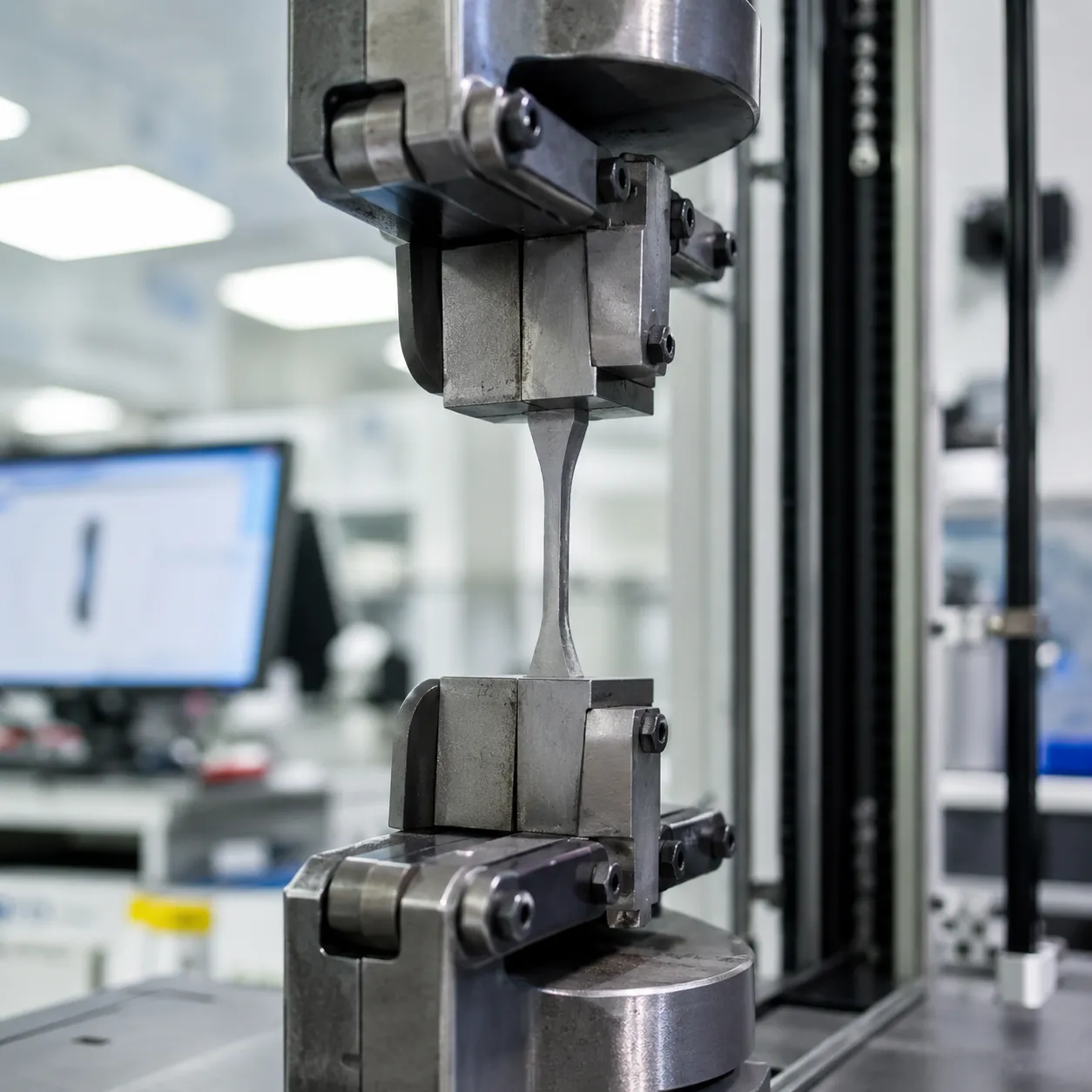
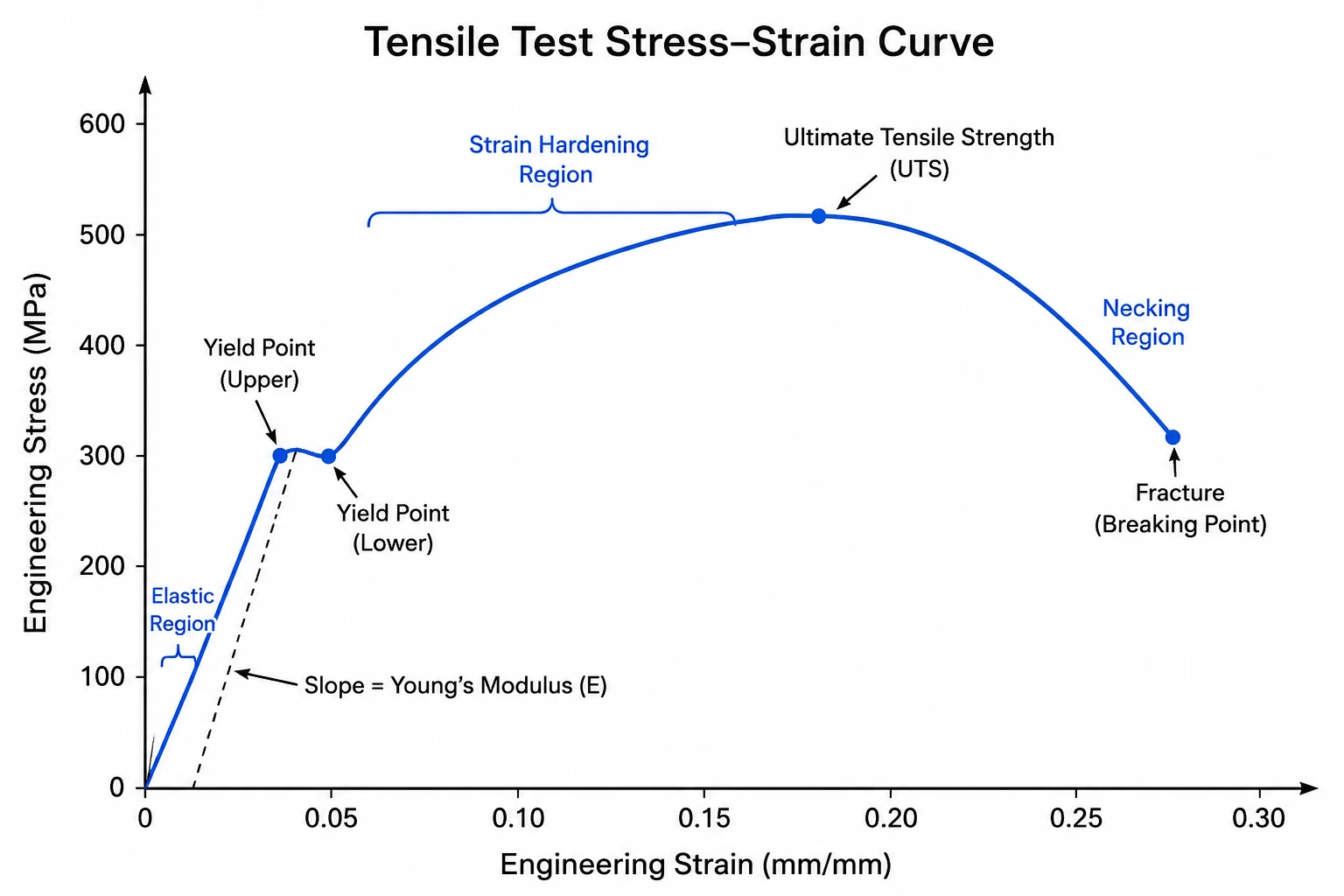
Tensile strength measures a material's resistance to breaking under tension. For engineers and manufacturers sourcing high-performance materials, understanding the tensile strength of titanium is critical. It defines the maximum pulling stress a titanium component can withstand before catastrophic failure or permanent deformation occurs.
In precision manufacturing and casting, we evaluate this property through two primary metrics:
Yield Strength: The stress level at which a material begins to deform permanently.
Ultimate Tensile Strength (UTS): The maximum stress the material sustains before fracturing.
Why Titanium’s Strength-to-Weight Ratio Matters
Titanium is renowned globally not just for its absolute strength, but for its exceptional strength-to-weight ratio. It possesses the strength of heavy steels while being roughly 45% lighter.
This unique structural efficiency delivers distinct advantages across critical industries:
Aerospace: Reduces structural mass while maintaining airframe integrity.
Automotive: Lowers vehicular deadweight to enhance fuel efficiency and payload capacity.
Medical Devices: Provides lightweight, low-mass implants that minimize patient discomfort while enduring high physiological loads.
Factors Influencing Titanium's Mechanical Performance
The final tensile strength of titanium components depends on several manufacturing and metallurgical variables. Achieving optimal mechanical properties requires precise control over the following factors:
- Alloying Elements: The addition of elements like aluminum, vanadium, or molybdenum shifts the material's microstructural phase, dramatically increasing the ultimate tensile strength.
- Interstitial Impurities: Trace levels of oxygen, nitrogen, and carbon alter ductility and hardness. Higher oxygen content increases yield strength but reduces elongation at break.
- Processing Methodology: As professional precision casting service providers, we recognize that heat treatments, hot working, and cooling rates directly dictate grain refinement and overall mechanical performance.
Tensile Strength Comparison by Titanium Grade
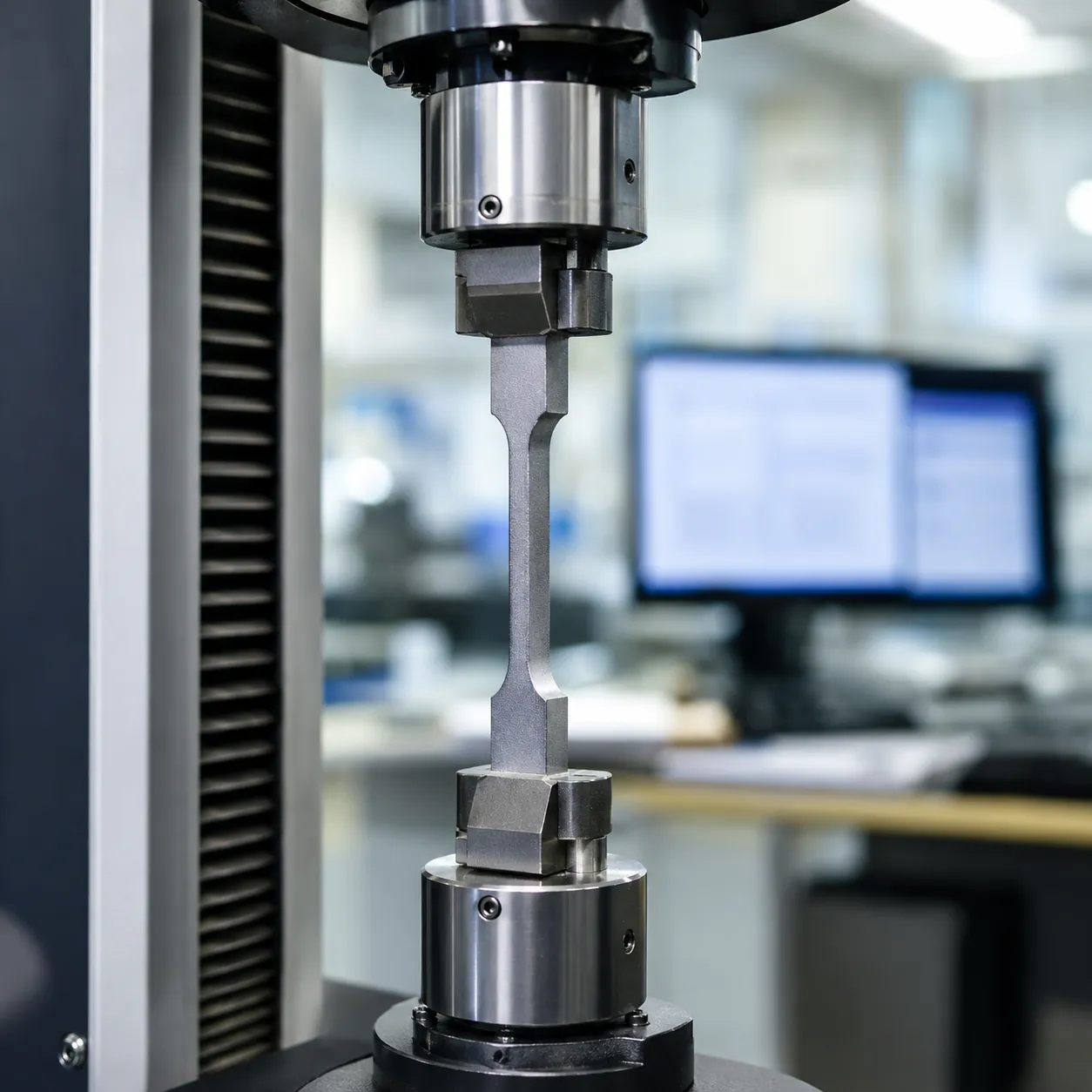
When looking at the tensile strength of titanium, a "one size fits all" approach does not work. The metal changes dramatically depending on whether it is pure or alloyed.
Commercially Pure Titanium (Grades 1-4)
Commercially pure (CP) titanium grades offer excellent corrosion resistance and formability, but lower overall strength compared to alloys. As the grade number increases from 1 to 4, trace elements like oxygen increase, which raises the ultimate tensile strength while slightly reducing ductility.
- Grade 1: Offers the highest formability and lowest tensile strength, ideal for deep drawing and complex shaping.
- Grade 2: The global standard for industrial applications, balancing good weldability with moderate strength.
- Grade 3 & 4: Provide higher strength baselines for structural components that still require the pure chemical resistance of unalloyed titanium.
Alpha-Beta Alloys: Grade 5 (Ti-6Al-4V) Strength
Grade 5 (Ti-6Al-4V) is the backbone of the titanium industry, accounting for over half of all titanium used worldwide. This alpha-beta alloy is heat-treatable and delivers an incredible jump in mechanical performance. It provides high ultimate tensile strength, outstanding yield strength, and excellent fatigue resistance, making it the top choice for aerospace aerospace components and high-stress industrial parts. For projects requiring a foundational understanding of these materials, exploring the basic titanium properties, grades, and industrial uses can help determine if an alloy or pure grade is best.
High-Strength Beta Alloys and Specialty Grades
Beta alloys represent the peak of high-strength titanium engineering. Through specialized heat treatment and dense alloying, these metals handle extreme mechanical stress. They offer maximum yield strength and excellent fracture toughness, making them critical for specialized applications like heavy-duty springs, deep-well oil production, and high-performance fasteners.
Titanium Grade Strength Comparison
| Titanium Grade | Material Type | Ultimate Tensile Strength (MPa / psi) | Yield Strength (MPa / psi) | Elongation at Break (%) |
|---|---|---|---|---|
| Grade 1 | Commercially Pure | 240 MPa / 35,000 psi | 170 MPa / 25,000 psi | 24% |
| Grade 2 | Commercially Pure | 345 MPa / 50,000 psi | 275 MPa / 40,000 psi | 20% |
| Grade 4 | Commercially Pure | 550 MPa / 80,000 psi | 483 MPa / 70,000 psi | 15% |
| Grade 5 (Ti-6Al-4V) | Alpha-Beta Alloy | 950 MPa / 138,000 psi | 880 MPa / 128,000 psi | 14% |
| Grade 19 (Beta-C) | Beta Alloy | 1150 MPa / 167,000 psi | 1100 MPa / 160,000 psi | 10% |
Key Tensile Strength Terms for Titanium
When evaluating the tensile strength of titanium, understanding the precise engineering terms is critical for selecting the right material grade. As precision casting experts, we rely on these metrics to ensure every component handles its intended mechanical load without failure.
Ultimate Tensile Strength (UTS)
Ultimate tensile strength is the maximum pulling stress a titanium alloy can withstand before breaking or fracturing. Measured in MPa or psi, UTS defines the absolute peak of the material's load-bearing capacity during tension testing.
Yield Strength
Yield strength is the point at which titanium transitions from elastic deformation (stretching and returning to shape) to plastic deformation (permanent bending). For critical structural designs, this metric is often more vital than UTS because exceeding the yield strength means the component is permanently damaged. If you are also engineering threaded assemblies, understanding how these forces apply to fasting components like the tensile strength of bolts can help prevent structural yielding across your entire build.
Elongation at Break and Reduction of Area
These two terms define the ductility of the metal:
Elongation at Break: The percentage increase in length that the titanium reaches before fracturing. Higher elongation means the material is more ductile and less brittle.
Reduction of Area: The percentage change in the cross-sectional area of the titanium test sample at the point of fracture, showing how well the metal necks down under extreme stress.
Key Mechanical Properties of Titanium
When evaluating the performance of titanium in demanding applications, understanding its foundational mechanical behavior is essential. As professional precision casting service providers, we analyze these core properties to ensure every component withstands its intended operational stresses.
Ultimate Tensile Strength vs. Yield Strength
The tensile strength of titanium is defined by two critical thresholds: yield strength and ultimate tensile strength (UTS), typically measured in MPa or psi.
- Yield Strength: The point where titanium begins to plastically deform permanently. For instance, commercially pure grade 2 titanium features a yield strength of around 275 MPa (40,000 psi), while the powerhouse alloy Ti-6Al-4V (Grade 5) jumps drastically to about 880 MPa (128,000 psi).
- Ultimate Tensile Strength: The maximum stress a material can withstand while being stretched or pulled before necking and fracturing.
Titanium alloys stand out because their yield strength is exceptionally close to their ultimate tensile strength. This means the material utilizes almost its entire load-bearing capacity before experiencing permanent deformation. To better grasp how these structural capabilities fit into broader applications, it is helpful to look closely at titanium properties, grades, and industrial uses across different manufacturing sectors.
Modulus of Elasticity and Ductility
Titanium possesses a relatively low modulus of elasticity (around 105 to 116 GPa). This is roughly half that of steel, meaning titanium is significantly more flexible.
- Flexibility Benefits: It deflects more under load, effectively absorbing shock and reducing structural fatigue.
- Ductility: Despite its rigidity, titanium retains excellent ductility. It can undergo measurable deformation under tensile stress without catastrophic, brittle failure.
Hardness and Elongation at Break
Balancing hardness with deformability ensures that components do not crack under sudden impact.
- Elongation at Break: This metric indicates the percentage of stretch a material undergoes before fracturing. Higher ductility grades, like grade 1 and grade 2, showcase an elongation at break of 20% to 30%, making them highly formable. Advanced titanium alloys trade some elongation for immense strength.
- Hardness: Titanium forms a natural, microscopic oxide layer that enhances surface hardness and wear resistance.
- Reduction of Area: Alongside elongation, the reduction of area during testing confirms that the material retains enough localized plasticity to handle complex structural loads without sudden failure.
The Impact of Temperature on Titanium Strength
Performance in High-Temperature Environments
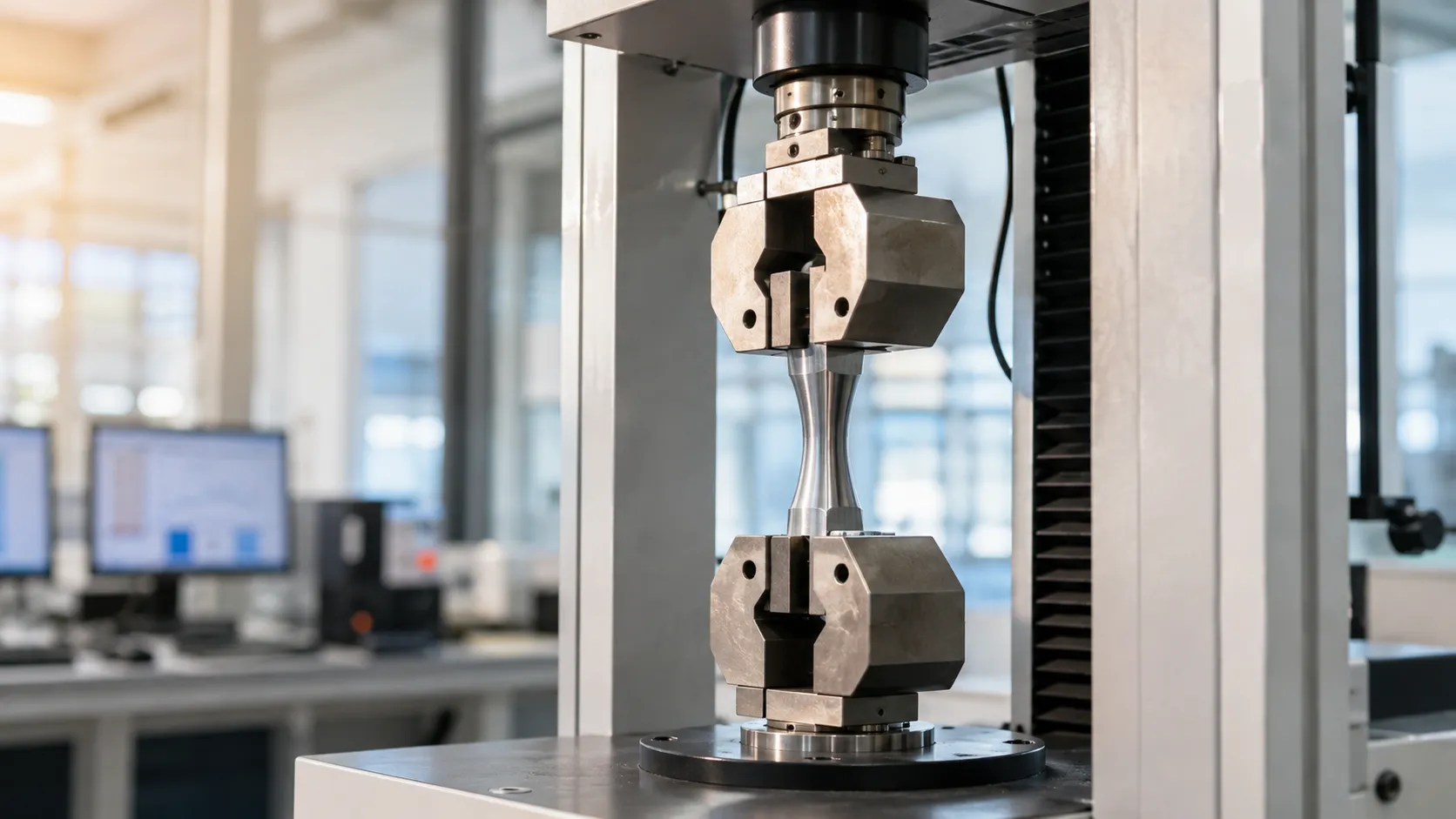
The ultimate tensile strength of titanium changes drastically when exposed to extreme heat. While titanium alloys maintain exceptional structural integrity at temperatures where metals like aluminum fail, their overall load-bearing capacity begins to decline as temperatures climb. For instance, common alloys experience a noticeable drop in yield strength (measured in MPa or psi) once they surpass $300^\circ\text{C}$ ($572^\circ\text{F}$). Despite this reduction, titanium remains a top choice for high-heat environments because it resists oxidation and prevents catastrophic structural failure far better than alternative lightweight materials.
Cryogenic Properties and Low-Temperature Strength
At the opposite end of the spectrum, sub-zero and cryogenic temperatures actually increase the tensile strength of titanium. When temperatures plunge toward absolute zero, the yield strength climbs significantly, making the metal incredibly rigid. However, this gain in raw strength comes with a trade-off: a reduction in elongation at break and a lower reduction of area. This means the material becomes more brittle. To prevent fracturing under these conditions, specific extra-low interstitial (ELI) grades are utilized to maintain an optimal balance of strength and toughness in freezing environments.
Creep Resistance and Thermal Stability
When subjected to constant mechanical stress at high temperatures, metals undergo "creep"—a slow, permanent deformation over time. Titanium demonstrates exceptional creep resistance and long-term thermal stability, allowing components to hold their precise shapes under continuous load. This thermal endurance is vital for high-stress machinery. For industries that push materials to their absolute thermal limits, integrating specialized cobalt alloy casting high-temperature wear-resistant parts alongside titanium components provides the ultimate defense against extreme heat, wear, and mechanical degradation.
Titanium vs. Steel: Strength and Density Comparison
When engineering high-performance components, choosing between titanium and steel usually comes down to balancing raw strength against total weight. As professional precision casting service providers, we analyze these material trade-offs daily to ensure optimal structural integrity.
Comparative Tensile Yield Strength
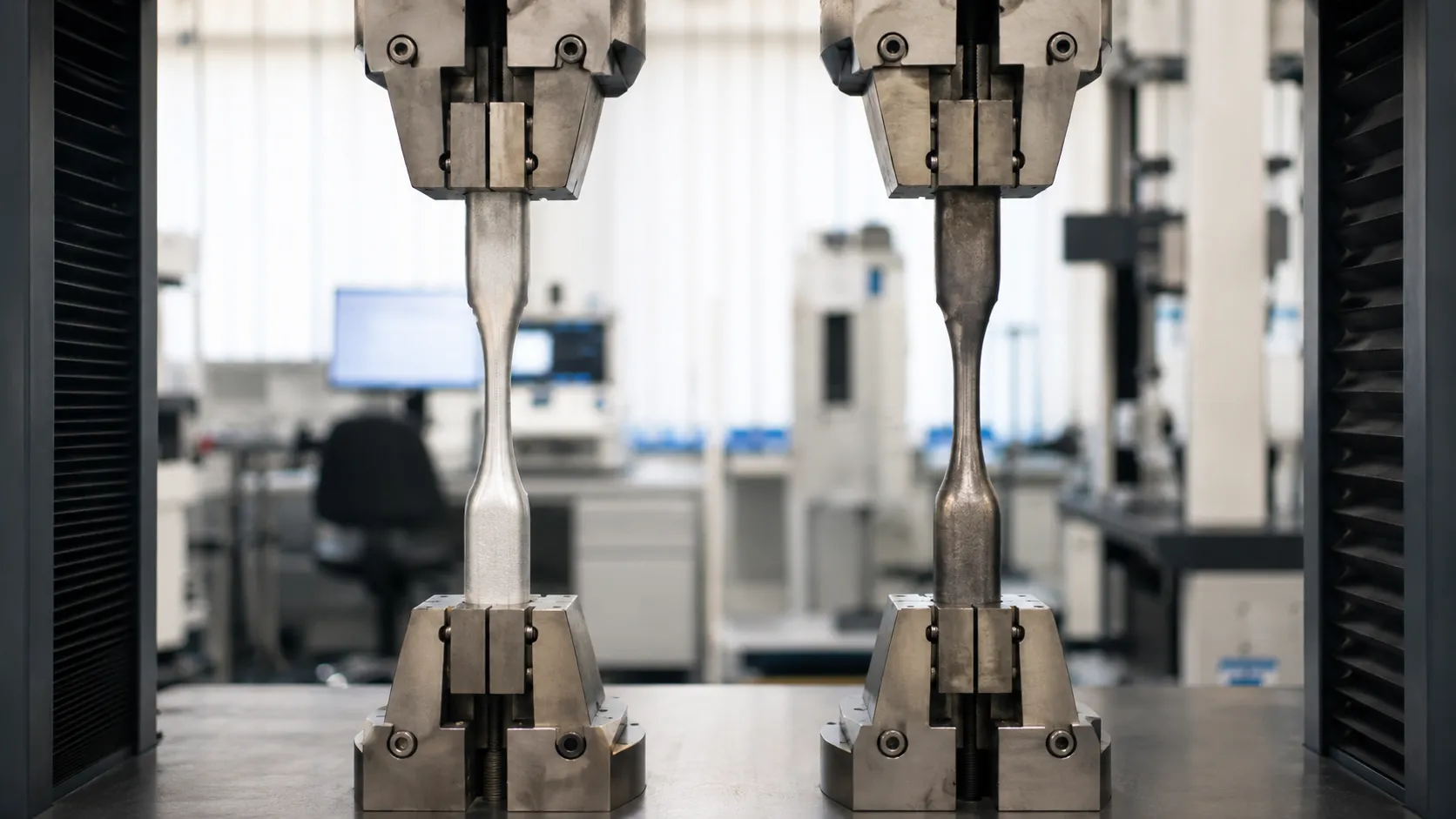
While structural steel is incredibly robust, titanium alloys deliver comparable—and often superior—mechanical performance at a fraction of the mass. The ultimate tensile strength of high-strength titanium alloys easily rivals advanced steel grades. However, when we look at the tensile strength of titanium relative to its weight, titanium operates in a completely different league.
| Material Grade | Density ($g/cm^3$) | Yield Strength (MPa) | Ultimate Tensile Strength (MPa) |
|---|---|---|---|
| Commercially Pure Titanium (Grade 2) | 4.51 | 275 | 345 |
| Ti-6Al-4V Alloy (Grade 5) | 4.43 | 880 | 950 |
| Structural Steel (A36) | 7.85 | 250 | 400 |
| High-Strength Steel (4130 Annealed) | 7.85 | 460 | 560 |
Weight Efficiency in Structural Applications
The true advantage of titanium lies in its exceptional strength-to-weight ratio. Titanium is roughly 45% lighter than steel, yet a high-performance alloy like Ti-6Al-4V exhibits a yield strength and ultimate tensile strength that surpasses many standard structural steels. For industries where every gram matters, swapping heavy steel components for titanium reduces overall mass without sacrificing structural safety. If your application demands high strength but tolerates more weight at a lower cost, evaluating the traditional tensile strength of steel can help determine the most efficient material boundary for your budget.
Durability and Corrosion Resistance Factors
Beyond raw mechanical metrics like elongation at break and yield points, environmental durability dictates long-term performance. Steel is highly susceptible to rust and degradation when exposed to moisture, chemicals, or marine environments, requiring frequent protective coatings or maintenance.
Titanium naturally forms a tenacious, self-healing oxide layer that provides near-total immunity to corrosion from saltwater, acids, and industrial chemicals. This innate durability ensures that titanium components maintain their structural integrity and fatigue life long after alternative metals have succumbed to environmental degradation.
Industrial Applications Requiring High Tensile Strength
The exceptional tensile strength of titanium makes it indispensable across demanding global industries. When standard metals fail under extreme stress, titanium alloys provide the structural integrity needed for critical components. As Professional Precision Casting Service Providers, we deliver high-performance titanium components engineered to withstand severe operational environments.

Aerospace and Defense Components
In aerospace and defense, minimizing weight while maximizing structural integrity is a constant challenge. The ultimate tensile strength of titanium allows engineers to design thinner, lighter parts that still endure extreme aerodynamic forces.
- Critical Fasteners and Airframes: Titanium alloys resist fatigue and high stress loads during flight.
- Engine Components: Turbines and compressor blades rely on titanium's yield strength to resist deformation at high rotational speeds.
- Military Hardware: Armor plating and structural brackets leverage the metal's high strength-to-weight ratio for field durability.
While titanium is the standard for flight-critical components, high-stress ground and structural applications often balance performance by utilizing advanced cast aluminum guide properties, processes, and applications for lightweight, non-critical housing and brackets.
Medical Implants and Biocompatible Devices
The medical sector relies heavily on titanium because it combines high tensile strength with total biocompatibility. Implants must endure continuous mechanical stress inside the human body without degrading or causing adverse reactions.
- Orthopedic Implants: Bone screws, plates, and artificial hips require high yield strength to handle daily physical impacts and load-bearing activities.
- Dental Implants: Titanium posts integrate directly with bone, offering the necessary toughness to handle high biting forces.
- Cardiovascular Devices: Pacemaker cases and heart valve components utilize the material’s fatigue resistance to ensure long-term reliability.
Marine and Chemical Processing Equipment
Marine and chemical processing environments expose equipment to highly corrosive fluids and immense pressures. Titanium's natural oxide layer prevents rust, while its mechanical properties prevent structural failure under load.
| Component Type | Primary Stress Factor | Why Titanium is Used |
|---|---|---|
| Deep-Sea Submersibles | Extreme hydrostatic pressure | High MPa / psi ratings prevent hull collapse at depth. |
| Chemical Reactor Vessels | High temperature + corrosive chemicals | Maintains its tensile strength where steel degrades. |
| Desalination Piping | Continuous saltwater flow and pressure | Resists erosion-corrosion while maintaining structural wall thickness. |
Selecting the Right Titanium Grade for Your Project
Analyzing Load and Stress Requirements
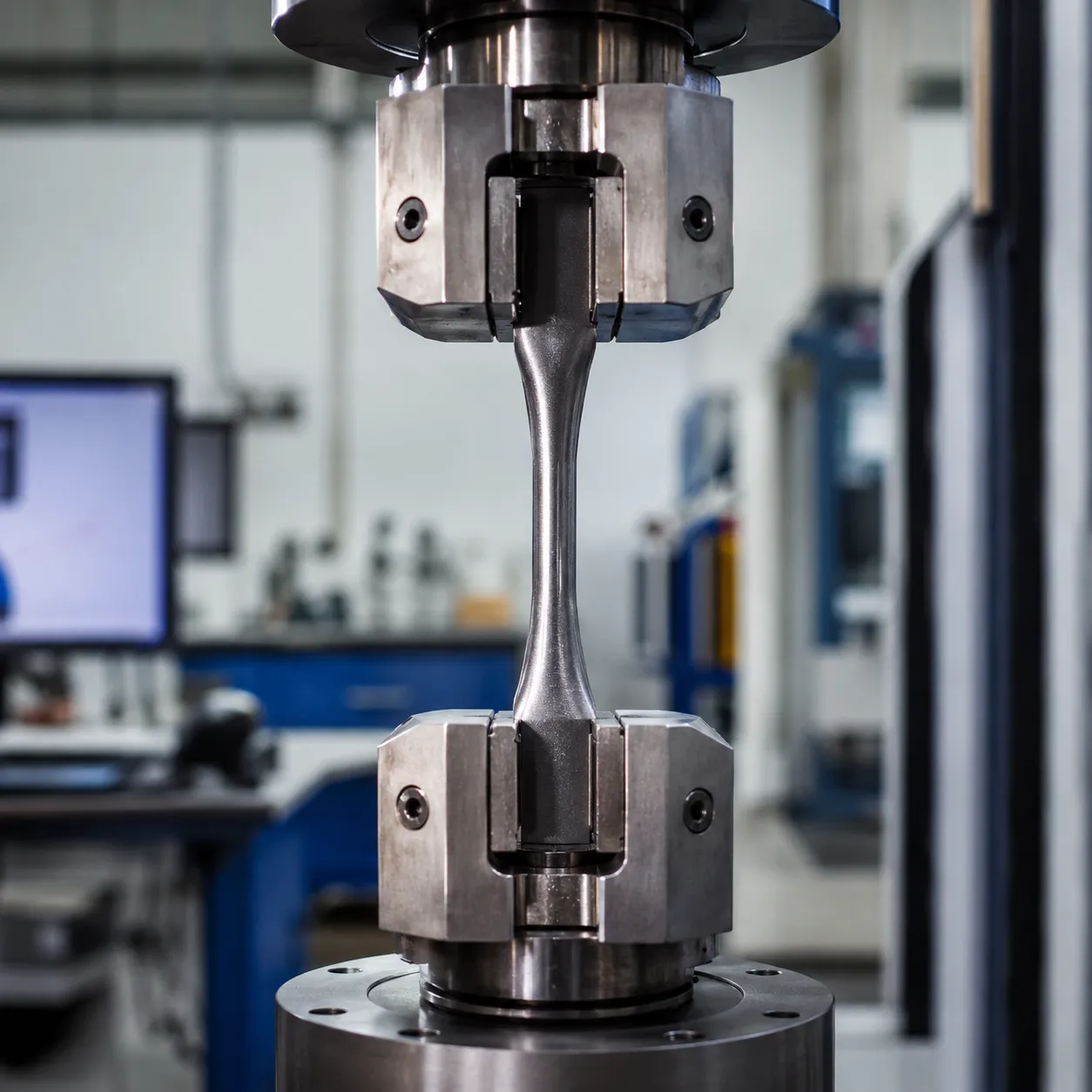
Choosing the correct titanium grade starts with a deep dive into your application's structural demands. We analyze the specific load, fatigue, and environmental stress your components will face. While commercially pure titanium handles moderate loads with exceptional corrosion resistance, high-stress environments require specialized alloys. By calculating the precise yield strength and ultimate tensile strength required for your operating conditions, we ensure your components withstand heavy mechanical loads without structural failure.
Balancing Strength, Weight, and Cost
Engineering success depends on balancing performance metrics against budget constraints. Titanium is renowned for its incredible strength-to-weight ratio, but different grades serve different financial and structural goals. To accelerate your product development cycle safely, utilizing advantages of rapid prototyping for faster and smarter manufacturing allows you to test these material balances before committing to full-scale production.
| Titanium Type / Grade | Tensile Strength (MPa) | Core Benefit | Ideal Cost-Benefit Use |
|---|---|---|---|
| Grade 2 (Commercially Pure) | 345 - 480 | High ductility, top corrosion resistance | Chemical processing, marine, lower budget |
| Grade 5 (Ti-6Al-4V Alloy) | 895 - 1000 | Extreme strength, low density | Aerospace, medical implants, high performance |
| Grade 23 (Ti-6Al-4V ELI) | 860 - 960 | High fracture toughness, biocompatible | Critical medical devices, surgical bone screws |
Standard Manufacturing and Finishing Processes
As professional precision casting service providers, we transform raw titanium into high-performance components using advanced manufacturing techniques. Titanium's high tensile strength requires specialized handling during fabrication.
- Precision Investment Casting: Delivers net-shape components with complex geometries, minimizing material waste.
- CNC Machining: Requires rigid setups and optimized cutting speeds to manage titanium's work-hardening tendencies.
- Heat Treatment: Annealing and aging processes adjust the balance between ultimate tensile strength and ductility.
- Surface Finishing: Shot peening and anodizing treatments improve fatigue life and wear resistance.
FAQs
What is the ultimate tensile strength of titanium?
The ultimate tensile strength of titanium varies widely depending on the grade. Commercially pure titanium (Grade 1) starts around 240 MPa (35,000 psi). In contrast, alloyed titanium like Grade 5 (Ti-6Al-4V) can reach an ultimate tensile strength of over 900 MPa (130,000 psi) after proper heat treatment.
How does the yield strength of titanium compare to its tensile strength?
The yield strength represents the point where the metal begins to deform permanently, while the tensile strength is the maximum stress it can withstand before breaking. For most titanium alloys, the yield strength is very close to the ultimate tensile strength, meaning the material holds its shape exceptionally well right up until its breaking point.
Does titanium lose its tensile strength at high temperatures?
Titanium retains excellent mechanical properties and creep resistance at moderately elevated temperatures up to about 600°C. However, beyond this point, oxidation increases and its tensile strength begins to drop. For projects operating at different thermal limits, comparing these properties to options like the tensile strength of aluminum helps determine the right strength-to-weight balance for your application.
What do elongation at break and reduction of area mean for titanium?
- Elongation at break: Measures the percentage of stretch the material undergoes before fracturing, indicating its overall ductility.
- Reduction of area: Shows the change in the cross-sectional area of the test specimen, highlighting the material's ability to deform under tensile stress without sudden brittle failure.
Why should I choose a professional precision casting service for titanium parts?
As professional precision casting service providers, we know that handling titanium requires strict atmosphere control to prevent contamination. Precision casting ensures that the final components maintain their high tensile strength, ideal microstructure, and strict dimensional tolerances without sacrificing the innate structural integrity of the specific titanium grade.