Overview
Vastmaterial supplies high performance alloy brass rods sheets and tubes in C26000 C36000 naval brass with ASTM compliant specs.
Product Overview: The Versatility of Alloy Brass
At Vastmaterial, we recognize that few materials bridge the gap between industrial functionality and aesthetic beauty quite like alloy brass. As a staple in manufacturing, this metal offers a unique combination of corrosion resistance, electrical conductivity, and acoustic properties. Whether you are sourcing material for precision-turned parts or decorative architectural elements, our inventory is designed to meet the rigorous demands of the US market. We provide high-quality brass alloy stock that ensures consistency, reducing downtime in your production lines and delivering superior results in final applications.
Understanding the Copper-Zinc Matrix
At its core, every alloy of brass is a binary matrix primarily consisting of copper and zinc. The specific ratio of these two elements dictates the material’s mechanical behavior. By adjusting the zinc content, we can supply alloys that range from soft and ductile—perfect for cold forming—to harder, stronger variants suitable for structural components.
- Low Zinc Content: Results in “Red Brass,” offering higher corrosion resistance and ductility.
- High Zinc Content: Creates “Yellow Brass,” providing increased tensile strength and hardness.
- Alloying Elements: Additions like lead, tin, or aluminum modify the Copper-Zinc Alloy to enhance machinability or seawater resistance.
High Machinability and Aesthetic Appeal
For machine shops, the primary draw of alloy brass is its exceptional workability. We stock C36000 Free Cutting Brass, which serves as the industry standard against which all other metals are rated for machinability. This grade produces small, broken chips rather than long, stringy coils, allowing for high-speed machining with minimal tool wear.
Beyond the machine shop, brass is prized for its visual warmth. From Architectural Bronze used in elevator cabs to polished fittings in luxury homes, the gold-like appearance of brass adds value without the cost of precious metals. We ensure our machinable brass maintains a surface quality that accepts plating, polishing, and finishing with ease, ensuring your end product looks as good as it performs.
Available Brass Alloy Grades
Selecting the right alloy brass isn’t just about aesthetics; it is about matching the material’s microstructure to your specific manufacturing process. We supply a comprehensive range of copper-zinc alloy specifications designed to meet precise mechanical and environmental requirements for the US market.
Alpha Brasses for Cold Working
When ductility is the priority, Alpha brasses are the solution. These alloys typically contain less than 37% zinc, resulting in a single-phase crystal structure that is excellent for cold forming operations like deep drawing, spinning, and stamping.
- Red Brass: Features high copper content (approx. 85%), offering superior corrosion resistance and a rich, golden-red tone.
- Cartridge Brass C26000: Known for its immense ductility, this grade is the industry standard for ammunition casings, musical instruments, and complex formed parts that require extensive cold working.
Alpha-Beta Brasses for Hot Working
Increasing the zinc content creates a duplex structure known as Alpha-Beta brass. These grades are harder and stronger than Alpha brasses but are less ductile at room temperature. However, they become extremely plastic when heated, making them ideal for hot forging and extrusion. We frequently supply Muntz Metal (roughly 60% copper, 40% zinc) for architectural applications and heavy-duty fasteners. While standard brass handles moderate heat well, for applications facing extreme thermal stress, you might consider our high temperature alloy solutions.
Free-Machining Leaded Brass C36000
In the manufacturing sector, C36000 Free Cutting Brass is the absolute benchmark. Widely recognized as ASTM B16 Brass, it serves as the reference point (100% rating) against which the machinability of all other metals is judged.
- Chip Breaking: The lead content acts as an internal lubricant and chip breaker, preventing long, stringy swarf.
- Tool Life: It allows for high-speed automatic machining with minimal tool wear.
- Usage: This is the primary choice for high-volume production of gears, fittings, and lock components.
Specialty Naval and Lead-Free Alloys
We also cater to specialized industries requiring enhanced durability or strict regulatory compliance.
- Naval Brass: Specifically formulated with a small amount of tin to inhibit corrosion in seawater, preventing the structural failure known as dezincification.
- Lead-Free Brass: To meet strict RoHS and potable water standards in the US, we offer Dezincification Resistant Brass and other eco-friendly brass alloy alternatives. These replace lead with bismuth or silicon, maintaining structural integrity while ensuring safety compliance.
Supply Forms and Dimensions
We know that starting with the right near-net shape saves you serious machine time and reduces scrap. That’s why we maintain a massive inventory of alloy brass in every standard configuration used in American manufacturing. Whether you are running a high-volume screw machine shop or fabricating custom architectural facades, we have the raw material ready to hit your floor.
Brass Rod, Bar, and Hex
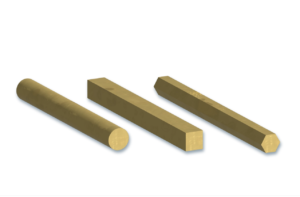
Our most popular category is Brass Rod Stock, specifically in the free-machining C36000 grade. This is the standard for high-speed automatic machining. We supply:
- Round Bar: Ranging from 1/8″ precision ground stock up to 10″ diameter billets.
- Hexagon Bar: Essential for manufacturing nuts, bolts, and fittings; available in all standard hex sizes.
- Square and Rectangular Bar: Ideal for manifolds, mounting plates, and decorative trim.
Most rod and bar stock is available in standard 12-foot lengths, but we provide custom cutting to fit your specific bar feeder or lathe requirements.
Brass Sheet and Plate Inventory
For stamping, etching, and fabrication, our Brass Sheet Metal selection covers the spectrum from thin foils to heavy plates. We primarily stock Cartridge Brass (C26000) for deep drawing applications and standard “Yellow Brass” for general fabrication.
- Sheets: Stocked in standard 36″ x 96″ and 48″ x 120″ dimensions.
- Plate: Heavy gauge alloy of brass used for industrial heat exchangers, condenser plates, and heavy architectural panels.
Seamless Brass Tube and Pipe
We carry a full line of seamless tubing suitable for plumbing, HVAC, and decorative applications. Our inventory includes Red Brass pipe for superior corrosion resistance in water lines and standard yellow brass tube for lighting fixtures and furniture. We offer a variety of wall thicknesses and schedules to meet specific pressure ratings and aesthetic needs.
Custom Extruded Profiles
Sometimes off-the-shelf shapes just don’t cut it. We offer Brass Extrusion services to create custom cross-sections, which drastically reduces your machining cycle time. From architectural bronze handrails to complex electrical connector profiles, we can push the metal to your exact print. For parts with intricate geometries that are difficult to achieve through linear extrusion alone, our precision casting services offer a robust alternative for producing complex brass components with tight tolerances.
Technical Specifications
When selecting the right alloy brass for your project, understanding the numbers behind the metal is non-negotiable. We don’t just guess; we rely on precise data to ensure the material performs exactly as expected in the field. Whether you are machining precision parts or extruding architectural profiles, these specifications dictate the suitability of the brass alloy.
Chemical Composition Tables
The ratio of copper to zinc fundamentally changes the character of the alloy of brass. Below is the chemical breakdown for the most common grades we stock. You will notice that C36000 Free Cutting Brass includes lead to break chips easily, while Cartridge Brass C26000 remains purer for better cold forming.
| Alloy Grade | Copper (Cu) | Zinc (Zn) | Lead (Pb) | Iron (Fe) Max | Tin (Sn) |
|---|---|---|---|---|---|
| C26000 (Cartridge Brass) | 68.5 – 71.5% | Remainder | < 0.07% | 0.05% | – |
| C36000 (Free Cutting) | 60.0 – 63.0% | Remainder | 2.5 – 3.0% | 0.35% | – |
| C46400 (Naval Brass) | 59.0 – 62.0% | Remainder | < 0.20% | 0.10% | 0.5 – 1.0% |
| C23000 (Red Brass) | 84.0 – 86.0% | Remainder | < 0.05% | 0.05% | – |
Mechanical Properties and Strength
Mechanical performance varies significantly depending on the temper (hardness) of the material. Yellow Brass generally offers higher tensile strength compared to Red Brass, but with reduced ductility. For heavy-duty applications, Naval Brass provides the necessary rigidity and corrosion resistance often required in marine engineering projects and structural hardware.
Typical Mechanical Ranges (Half Hard Temper):
- Tensile Strength:
- C36000: 49 – 68 ksi (340 – 470 MPa)
- C26000: 45 – 55 ksi (310 – 380 MPa)
- C46400: 75 – 85 ksi (515 – 585 MPa)
- Yield Strength: Typically 20 – 45 ksi depending on the copper-zinc alloy mix.
- Hardness: Rockwell B 60 – 80 for standard machining stock.
- Machinability Rating: C36000 is the standard at 100%. All other alloys are rated against this benchmark.
Physical Density and Conductivity
Beyond strength, the physical attributes of alloy brass determine its role in electrical and weight-sensitive applications.
- Density: Most brass alloys hover around 0.308 lb/in³ (8.53 g/cm³). This makes it denser than steel but lighter than pure copper.
- Electrical Conductivity:
- C26000: ~28% IACS (International Annealed Copper Standard).
- C36000: ~26% IACS.
- Red Brass (C23000): ~37% IACS.
If your project involves electrical connectors or terminals, the higher copper content in Red Brass offers superior conductivity. However, for sheer production speed and component weight, the standard C36000 remains the industry workhorse.
Key Performance Advantages
When we look at the material landscape, alloy brass stands out not just for its golden appearance, but for a unique combination of engineering properties that few other metals can match. We rely on this material because it solves specific manufacturing problems—specifically regarding speed, durability, and conductivity—that steel or aluminum simply cannot address as effectively.
Why Brass Benchmarks Machinability
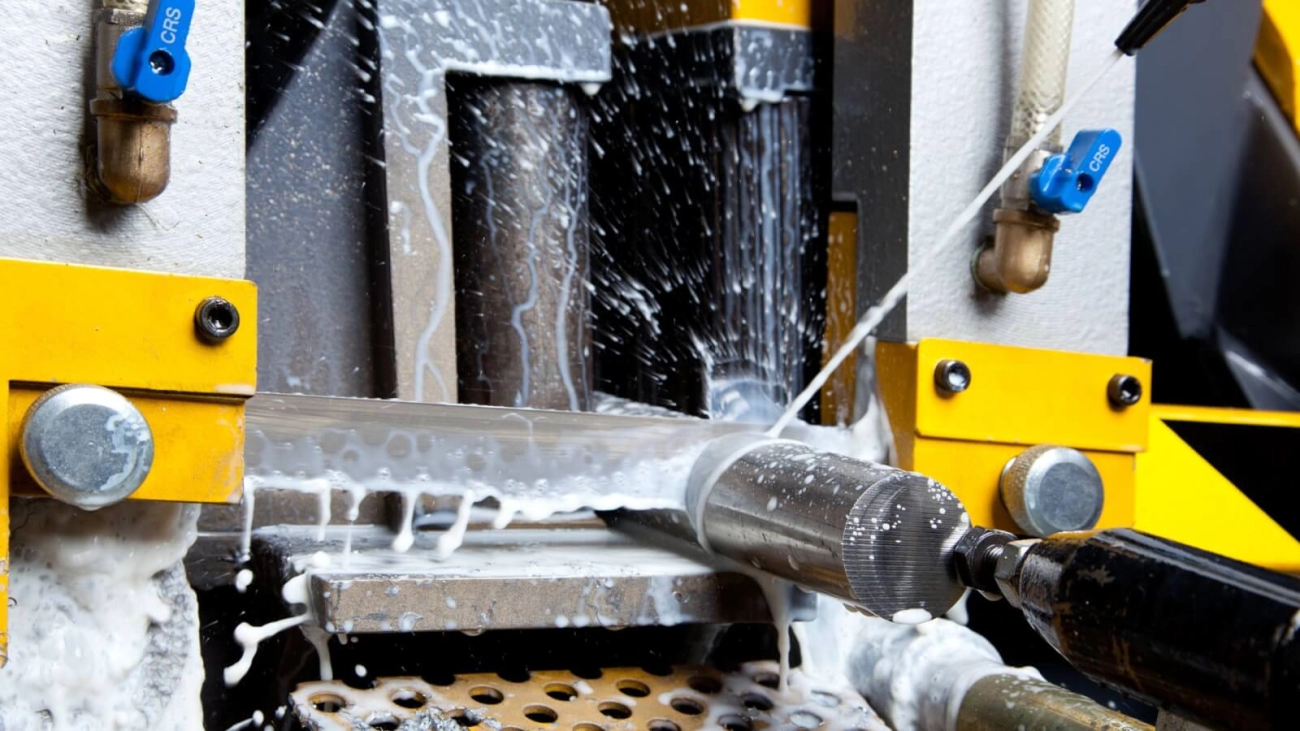
In the machining world, C36000 Free Cutting Brass is the gold standard against which all other metals are rated. We assign it a machinability rating of 100%. The addition of lead (or alternative elements in Lead-Free Brass) creates a microstructure that acts as a microscopic lubricant. This allows chips to break off cleanly and prevents the metal from gumming up the cutting tool.
For high-volume production, this means we can run CNC machines at significantly higher speeds with less downtime for tool changes. Whether we are turning Brass Rod Stock or milling complex components, the efficiency gains are massive compared to carbon steel. This speed and precision make brass a preferred material when leveraging the advantages of rapid prototyping for faster and smarter manufacturing, allowing for quick turnaround on functional parts.
Corrosion Resistance in Saline Environments
One of the primary reasons we specify alloy of brass for marine and outdoor applications is its natural resistance to corrosion. Unlike ferrous metals that rust and degrade, brass forms a stable protective patina.
- Naval Brass: Specifically formulated with tin to resist saltwater corrosion.
- Dezincification Resistant Brass: Prevents the selective leaching of zinc, which maintains the structural integrity of the part in aggressive water conditions.
- Atmospheric Stability: Excellent for outdoor fixtures where Architectural Bronze is used for longevity without painting.
Balancing Conductivity with Structural Integrity
Pure copper is an excellent conductor but is often too soft for load-bearing parts. Brass alloy strikes the perfect balance. By creating a Copper-Zinc Alloy, we increase the tensile strength and hardness significantly while retaining enough electrical conductivity for connectors, terminals, and switchgear components. It provides the rigidity needed to hold threads and resist deformation, ensuring that electrical connections remain tight and secure over time.
Soldering, Brazing, and Plating
Fabrication versatility is a huge plus. Muntz Metal and Yellow Brass are exceptionally easy to join using soldering or brazing techniques, making them staples in plumbing and heat exchanger manufacturing. Furthermore, brass serves as an excellent substrate for finishing. It accepts plating—such as nickel, chrome, or silver—more readily than most other alloys. This is crucial for decorative Brass Sheet Metal applications or functional parts requiring low contact resistance.
Industrial Applications
We see alloy brass everywhere because it works. It is not just about looking good; it is about performance under pressure. From keeping water flowing to keeping engines running, different grades of this copper-zinc alloy are engineered to handle specific industrial stresses.
Plumbing, HVAC, and Fittings
In the US construction market, reliability is non-negotiable. We rely on Red Brass and Yellow Brass for valves, faucets, and pipe fittings because they resist corrosion from water and chemicals better than ferrous metals. Whether it is a simple coupling or a complex valve body created through precision investment casting services, these alloys prevent leaks and ensure longevity in heating and cooling systems.
- Corrosion Resistance: Essential for water lines and chemical transport.
- Thermal Conductivity: Makes brass ideal for heat exchangers and radiator cores.
- Leak Prevention: Malleability allows for tight seals in compression fittings.
Electrical Components and Switchgear
While pure copper is the king of conductivity, a specific alloy of brass often offers the perfect balance of strength and electrical performance for switchgear, connectors, and terminal blocks. We use these materials to ensure components hold their shape during installation without sacrificing the electrical path. The material provides enough rigidity to maintain contact pressure, which is critical for safety in electrical panels.
Automotive and Aerospace Bushings
When parts need to move smoothly without seizing, we turn to C36000 Free Cutting Brass. It is the standard for bushings, bearings, and threaded inserts used in engines and airframes. The lead content in this machinable brass acts as a microscopic lubricant, reducing friction and wear. For integrating metal strength into plastic components, insert molding processes frequently utilize high-quality brass to ensure durable, strip-resistant threads in automotive assemblies.
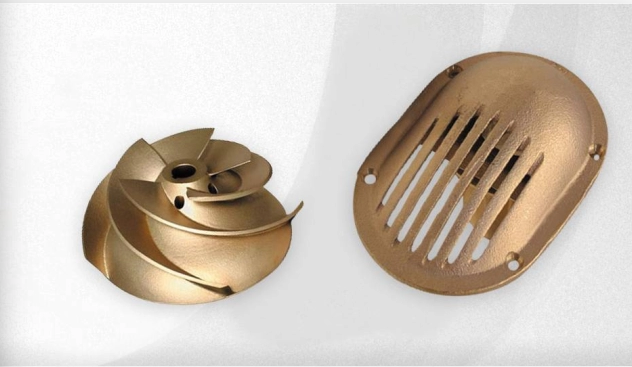
Marine Hardware and Propellers
Saltwater eats standard metals for breakfast. That is why Naval Brass and Dezincification Resistant Brass are essential for marine environments. From propeller shafts to deck hardware, these specialized grades form a protective patina that stops salt corrosion dead in its tracks. Unlike steel which rusts, or aluminum which can pit, marine-grade brass maintains structural integrity even when submerged for years.
Quality Assurance and Standards
When it comes to sourcing alloy brass, consistency isn’t just a bonus; it’s the baseline requirement for your production line. We take the guesswork out of the metal supply chain by strictly adhering to established global manufacturing standards. Our inventory complies with major specifications, including ASTM B16 Brass standards for free-cutting applications, as well as relevant SAE and JIS requirements. This ensures that whether you are utilizing Naval Brass for marine hardware or Cartridge Brass C26000 for deep drawing, the material performs exactly as specified.
Spectrometer Testing and QC
We verify the chemical composition of every batch before it ships. Using advanced optical emission spectrometers, we analyze the Copper-Zinc Alloy matrix to ensure the elemental ratio is precise. This process guarantees that the brass alloy you receive has the correct balance of copper, zinc, and lead for optimal performance.
- Composition Verification: We confirm that zinc and lead levels match specific grades like C36000 Free Cutting Brass.
- Impurity Control: We monitor trace elements to prevent hard spots that could damage your tooling.
- Dimensional Accuracy: We check tolerances on Brass Rod Stock and Brass Sheet Metal to ensure they fit your machinery.
This rigorous attention to detail ensures high-quality results, similar to the precision standards maintained in our bronze curtain rods and machining services.
Material Test Reports (MTR)
Traceability is non-negotiable in modern manufacturing. For every order, from Muntz Metal plates to custom Brass Extrusion profiles, we provide full Material Test Reports (MTR). These documents certify that the alloy of brass meets all physical and chemical requirements. This transparency is critical for clients who need to verify compliance with RoHS-Compliant Lead-Free Options or require proof of Dezincification Resistant Brass properties for long-term projects.
Why Choose Vastmaterial?
When sourcing alloy brass, reliability and speed are just as critical as the material quality itself. At Vastmaterial, we operate not just as a supplier, but as an extension of your manufacturing floor. We understand the pressures of the American market—tight deadlines, strict tolerances, and the constant need for cost efficiency. We combine a massive raw material footprint with agile processing capabilities to keep your operations running smoothly.
Large Inventory and JIT Delivery
We maintain a substantial inventory of the most in-demand grades, including C36000 Free Cutting Brass, Cartridge Brass C26000, and specialized Naval Brass. We know that waiting on material shipments kills productivity. That is why we have optimized our supply chain for Just-In-Time (JIT) delivery.
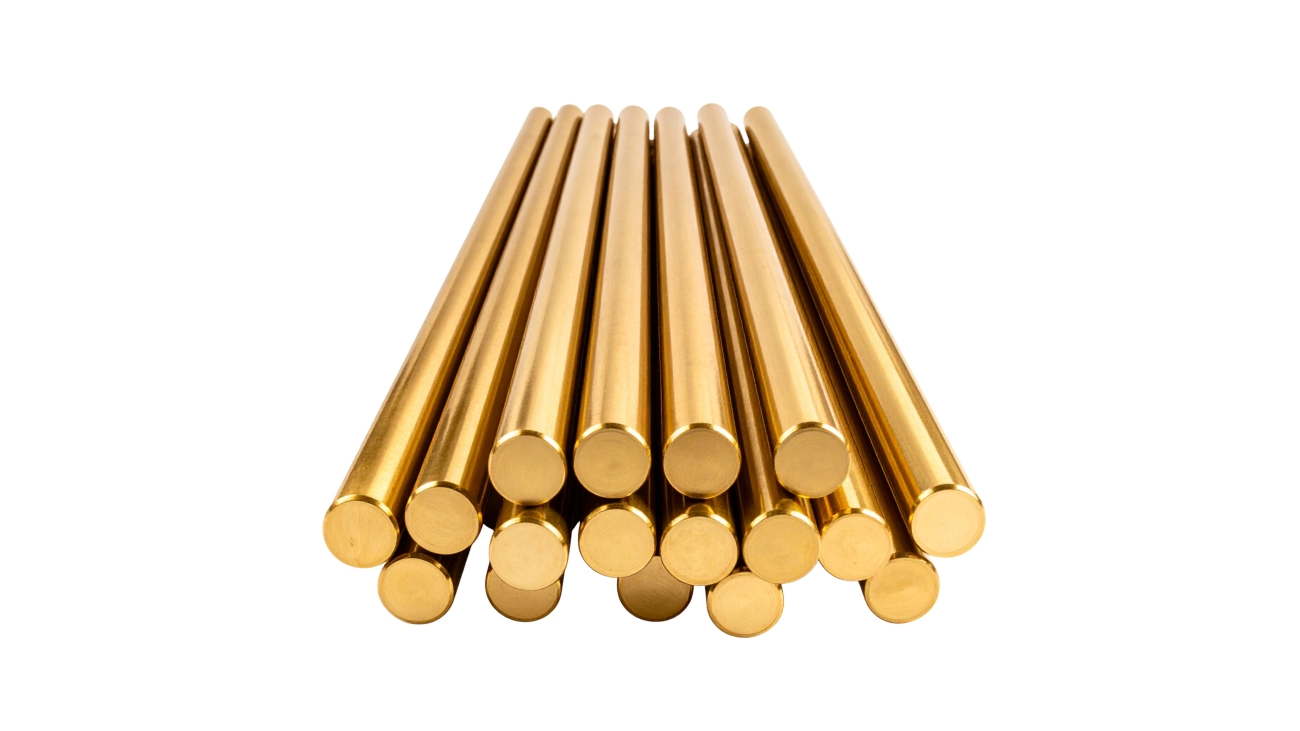
- Ready-to-Ship Stock: Immediate availability of Brass Rod Stock, hex bars, and Brass Sheet Metal.
- Reduced Warehousing: Our JIT system allows you to lower your on-site storage costs by relying on our consistent flow of material.
- Supply Chain Security: We buffer against market volatility to ensure you always have access to the brass alloy needed for your contracts.
Custom Cutting and Finishing Services
We don’t just ship standard lengths; we deliver production-ready materials. Our facility is equipped with precision saws and finishing equipment to process alloy of brass to your exact specifications before it even leaves our dock. This saves you setup time and reduces scrap waste at your facility.
Our Value-Added Services:
| Service Category | Capabilities |
|---|---|
| Precision Cutting | Cutting Brass Extrusion profiles and rods to tight length tolerances. |
| Surface Finishing | Polishing and grinding for Architectural Bronze applications requiring aesthetic appeal. |
| Material Prep | Deburring and cleaning so materials are ready for immediate machining or assembly. |
Technical Support for Alloy Selection
Selecting the correct copper-zinc alloy can be the difference between a successful component and a field failure. Our technical team bridges the gap between material science and practical application. Whether you are deciding between Red Brass for corrosion resistance or Yellow Brass for ductility, we provide the data you need.
We also assist manufacturers in navigating the transition to sustainable materials, offering guidance on RoHS-compliant Lead-Free Brass options that maintain machinability. For complex projects involving multiple material types, our experts can walk you through our comprehensive guide to casting alloy types and properties to ensure every part of your assembly meets the required mechanical standards. We ensure you get the right machinable brass for the job, every time.
Frequently Asked Questions
Red Brass vs Yellow Brass Differences
The distinction between these two categories is one of the most common inquiries we handle. It boils down to the copper-zinc ratio within the alloy of brass. Red Brass (typically C23000) contains a higher percentage of copper (around 85%), giving it a reddish tint and superior corrosion resistance. It is often used in plumbing and valves.
Yellow Brass (like Cartridge Brass C26000) has a higher zinc content (around 30-35%). This makes the material stronger and harder, but slightly less corrosion-resistant than its red counterpart. For a deeper dive into specific grades, you can check our guide on Red Brass vs Yellow Brass differences to see which fits your project best.
| Feature | Red Brass (e.g., C23000) | Yellow Brass (e.g., C26000) |
|---|---|---|
| Copper Content | High (~85%) | Medium (~65-70%) |
| Zinc Content | Low (~15%) | High (~30-35%) |
| Color | Reddish-Gold | Bright Yellow |
| Primary Benefit | Corrosion Resistance | Strength & Ductility |
| Common Use | Plumbing, Valves | Ammunition, Hardware |
RoHS-Compliant Lead-Free Options
With tightening environmental regulations like RoHS and the Safe Drinking Water Act in the US, the demand for Lead-Free Brass is skyrocketing. Traditional free-machining brass alloy grades rely on lead to break chips and lubricate cutting tools. However, we now offer specialized alloys that replace lead with elements like silicon, bismuth, or selenium.
These Eco-Brass or silicon brass options maintain excellent machinability and corrosion resistance while meeting strict health standards. They are essential for manufacturing potable water fixtures and medical components where lead leaching is a critical concern.
Machinability of C36000 vs Steel
C36000 Free Cutting Brass is the industry benchmark for machinability, rated at 100%. All other metals are compared against this standard. In contrast, standard carbon steels typically rate between 50% and 70%.
When you machine alloy brass, specifically C36000, you get short, brittle chips that clear away easily, preventing tool wear and allowing for significantly faster spindle speeds. While steel offers higher tensile strength, brass allows for much higher throughput and lower production costs per part due to the speed of machining and extended tool life.