Overview
Premium mold casting silicone RTV rubber for high detail reusable molds low shrinkage high tear strength ideal for resin epoxy jewelry and soap.
High-Performance Mold Casting Silicone
Vastmaterial provides a premium, two-part pourable RTV silicone system engineered for precision manufacturing, prototyping, and professional reproduction. Our mold casting silicone delivers uncompromising reliability, ensuring that even the most complex geometries are reproduced with absolute fidelity.
Core Advantages of Our Silicone Casting Mold Solutions
- Micron-Level Detail Capture: Accurately replicates the finest surface textures without dimensional distortion.
- Flexible Demolding: Exceptional tear strength ensures effortless part removal, protecting intricate mold features from damage.
- Broad Material Compatibility: Pours seamlessly for casting epoxy resins, polyurethanes, plasters, waxes, and low-melt alloys.
- Extended Mold Life: High-grade raw silicone engineered to withstand repeated, high-volume casting cycles without degrading.
Platinum Cure and Tin Cure Options
We offer comprehensive solutions featuring both tin-cure and platinum-cure formulations to align with exact project requirements. Whether your production demands a highly flexible casting mold silicone or a specific rigid shore hardness variant, Vastmaterial delivers precision-engineered compounds built for long-term dimensional stability and performance.
Key Features & Specifications of Mold Casting Silicone
At Vastmaterial, we design our liquid silicone for molds to balance ease of use with industrial-grade performance. We know that consistency is everything when you are running a production line or creating a one-off masterpiece. Our RTV silicone rubber formulations are engineered to capture microscopic details while remaining tough enough for repeated pulls.
Core Physical Properties
- Mixing Ratios: We offer user-friendly ratios to match your workflow. Our platinum cure silicone typically mixes at 1:1 or 10:1 by weight, making it easy to measure. For our tin-cure series, we use a standard 100:2 to 100:3 ratio.
- Pot Life & Demold Time: You get a working time (pot life) of 20–40 minutes, giving you plenty of room to mix, degas, and pour without rushing. Most molds are ready to demold in 4–6 hours at room temperature.
- Shore Hardness Range: We provide a spectrum from soft 15A (great for delicate, deep undercuts) to a firmer 40A (ideal for block molds and flat patterns).
- Tear Strength & Elongation: Our high tear strength silicone is built to stretch. With elongation rates up to 500%, you can pull complex shapes without ripping the mold.
Technical Specifications Snapshot
| Feature | Platinum Cure (Addition) | Tin Cure (Condensation) |
|---|---|---|
| Heat Resistance | Up to 450°F (232°C) | Up to 300°F (148°C) |
| Shrinkage | Negligible (< 0.1%) | Low (~ 1.0%) |
| Color | Translucent (easy for color matching) | Off-white / Purple |
| Best For | Resin casting molds, food, prototyping | Wax, concrete, plaster, restoration |
Stability and Certifications
Dimensional stability is where our low shrinkage mold rubber shines. For projects requiring tight tolerances, our platinum series ensures the cast part fits perfectly every time. We also offer specific grades that are FDA-compliant for food contact, making them safe for chocolate or ice casting. Whether you need a pourable silicone mold for industrial parts or artistic crafts, our materials meet strict safety and low-toxicity standards.
Material Compatibility & Applications
One of the biggest strengths of our mold casting silicone is its versatility. We designed this liquid silicone for molds to handle a diverse array of casting media without degrading or sticking. Whether you are running a hobby shop or a professional production line, our RTV silicone rubber ensures your silicone casting mold releases clean parts every time.
Recommended Casting Materials
You can confidently use our casting silicone rubber with a wide spectrum of materials:
- Resins: Excellent chemical resistance for epoxy, polyurethane, and polyester resin casting molds.
- Foundry Materials: Perfect for creating detailed wax patterns used by a top lost wax casting supplier for precision metal components.
- Metals: Select grades withstand the heat of low-melt alloys. We recommend reviewing our casting alloy guide to understand thermal properties before pouring metal.
- Architectural & Art: Compatible with plaster, concrete, gypsum, and soap.
Ideal Uses and Industries
From intricate jewelry mold silicone applications to large-scale architectural elements, our material adapts to the project.
- Jewelry & Crafts: Captures microscopic details for rings, pendants, and resin art.
- Prototype Production: Fast prototype silicone molding allows for quick design validation and mock-ups.
- Industrial Parts: Durable enough for small-batch manufacturing of gaskets, seals, and industrial components.
- Artistic Foundry Support: Essential for reproducing sculptures via wax casting and reusable casting silicone molds.
Why Choose Vastmaterial for Mold Casting Silicone
When you are running a production line or a professional studio, consistency is everything. We don’t just sell generic chemicals; we provide mold casting silicone engineered to perform every single time. Here is what sets our liquid silicone for molds apart from standard off-the-shelf options.
Precision and Surface Fidelity
Our RTV silicone rubber is designed for extreme detail reproduction. Whether you are replicating fine jewelry textures or complex industrial prototypes, our material captures every micron. This high fidelity is essential for design validation before you commit to expensive hard tooling, such as high-volume aluminum die casting services. You get a perfect surface finish right out of the mold, significantly reducing post-processing time.
Advanced R&D and Quality Control
We back our products with rigorous science. Our lab tests every batch for tear strength, viscosity, and cure times to ensure the casting mold silicone you receive today matches the one you bought last year.
- Strict QC: Zero tolerance for cure inhibition or “soft spots” in properly mixed batches.
- Innovation: We constantly refine our formulas to improve heat resistance and tear strength.
Custom Formulation Capabilities
One size rarely fits all in manufacturing. If your project requires a unique Shore hardness or a specific pot life to accommodate complex degassing, we can adjust our silicone casting mold formulas. We work with you to create a flexible mold material that fits your specific production environment, not the other way around.
Reliable Supply and Support
We integrate production management to prevent stockouts and ensure fast shipping to our US clients. Plus, you get direct access to real technical support. If you are facing issues with bubbles or cure times, we are here to walk you through it. We treat your business as a partnership, ensuring you have the right reusable casting silicone to keep your shop running smoothly.
How to Use Mold Casting Silicone: A Step-by-Step Guide
Getting professional results with mold casting silicone isn’t just about buying the right material; it’s about following a disciplined process. Whether you are running a small batch production or a complex industrial prototyping project, adhering to these steps ensures your RTV silicone rubber performs exactly as intended.
Preparation and Model Setup
Before opening the containers, ensure your master model is ready.
- Clean the Surface: Remove any dust, grease, or oil. Imperfections on the model will show up in the liquid silicone for molds.
- Sealing: If your model is made of porous material like wood, plaster, or stone, seal it first. Unsealed surfaces can cause the silicone to stick or cure improperly.
- Release Agents: Apply a light mist of mold release. Do not over-apply, or you will lose surface detail.
- Containment: Secure your model in a watertight mold box. Ensure all seams are sealed with hot glue or clay to prevent the pourable silicone mold material from leaking.
Mixing and Degassing
Accuracy here is non-negotiable.
- Measure by Weight: Always use a digital scale. Whether you are using a 1:1 or 10:1 mix ratio, “eyeballing” it often leads to sticky, uncured spots.
- Mix Thoroughly: Combine Part A and Part B in a clean container. Scrape the sides and bottom of the cup multiple times to ensure a homogenous blend.
- Vacuum Degassing: For bubble-free results, place the mixed silicone in a vacuum chamber. This pulls air out of the high-viscosity liquid. If you don’t have a vacuum, use a low viscosity silicone and pour from a height to stretch the stream and break bubbles.
Pouring Techniques
- High Pour Point: Pour the silicone in a thin stream from high above the mold box. This helps pop remaining air bubbles before they hit the model.
- Fill from the Bottom: Pour into the lowest point of the mold box and let the silicone rise around the model. Never pour directly onto the model, as this can trap air.
- Curing: Allow the mold to sit undisturbed for the recommended time (usually 6–24 hours depending on the grade).
Troubleshooting Common Issues
Even with a high-quality two part silicone kit, issues can arise if environmental factors aren’t controlled.
- Cure Inhibition: If the silicone remains sticky against the model, something on the surface inhibited the cure. This is common with platinum cure silicone when it touches sulfur-based clays, latex gloves, or certain 3D printed resins. Always do a small patch test first.
- Bubbles: If your finished mold has voids, you likely didn’t degas properly or poured too fast.
- Tearing: This usually happens if you demold too early or if the high tear strength silicone chosen wasn’t flexible enough for deep undercuts.
Our silicone is versatile enough for various applications. Whether you are casting resin art or creating wax patterns for the investment casting of industrial metals—such as differentiating between red brass vs yellow brass in final hardware production—our material ensures the master detail is preserved perfectly.
Vastmaterial vs. Standard RTV Silicone Rubber
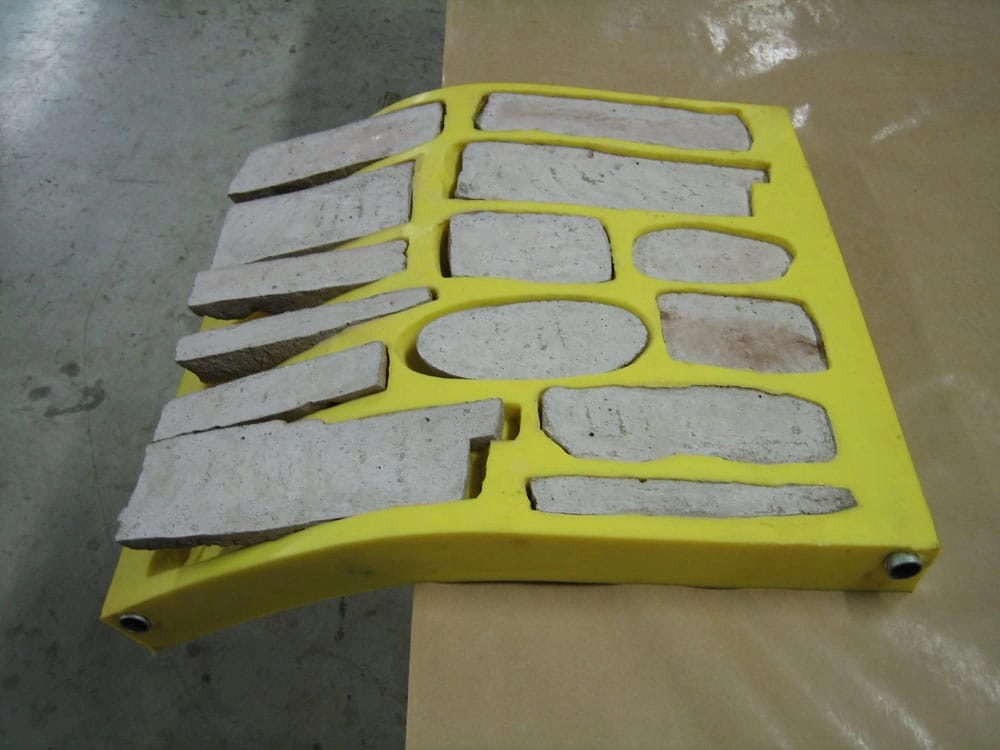
Choosing the right mold casting silicone often comes down to balancing budget against performance. While generic tin cure silicone is great for simple shapes and platinum cure silicone offers longevity, we have optimized our Vastmaterial formulations to solve common pain points like tearing and cure inhibition.
If you are using our silicone to create wax patterns for investment casting—especially when working with complex materials like A356 aluminum casting alloys—dimensional stability is non-negotiable. We ensure our low shrinkage mold rubber holds tight tolerances so your final cast parts fit perfectly.
Here is a quick breakdown of how our engineered solutions compare to typical market standards:
| Feature | Generic Tin-Cure (Condensation) | Generic Platinum-Cure (Addition) | Vastmaterial Performance Series |
|---|---|---|---|
| Primary Use | General crafts, one-off molds | High-precision, production molds | Industrial prototyping, archival molds |
| Shrinkage | High (~1.0%) | Low (~0.1%) | Negligible (<0.1%) |
| Tear Strength | Moderate | High | Superior High-Tear Strength |
| Pot Life | Short (variable) | Medium | Customizable |
| Library Life | Short (molds degrade quickly) | Long (years) | Extended Archival Life |
| Price Positioning | Economy | Premium | Competitive Value |
We focus on delivering a casting silicone rubber that minimizes waste. You get the easy processing of standard kits but with the mechanical properties required for serious production runs.
Real-World Success with Vastmaterial Silicone
Nothing beats seeing our mold casting silicone in action. We work with everyone from independent artists to industrial engineers across the US, and the results speak for themselves. Our clients aren’t just buying material; they are investing in reliability. Here is how our RTV silicone rubber is solving real production challenges on the shop floor.
High-Detail Jewelry Prototypes
For our jewelry clients, every micron counts. Using our platinum cure silicone, makers capture intricate filigree and stone settings with absolute precision. The flexible mold material allows for easy demolding of delicate wax patterns without breakage, ensuring the final casting is flawless. This level of detail is non-negotiable when the mold serves as the master for precious metals.
Industrial Mock-ups and Parts
Engineers rely on our high tear strength silicone to create durable molds for rapid prototyping. Whether it’s reproducing gears or housing units, the dimensional stability ensures the mock-up fits tight tolerances. We often see this used as a critical validation step before clients transition their designs to mass manufacturing via precision aluminum casting. The silicone molds stand up to abrasive resins and high-exotherm reactions typical in industrial testing.
Custom Decorative Elements
From architectural restoration to custom resin art, our casting mold silicone handles deep undercuts and complex textures easily. We recently helped a studio reproduce antique crown molding where the reusable casting silicone withstood repeated pours of abrasive concrete and plaster without degrading.
Project Highlights:
- Resin Crafts: Achieved crystal clear resin casts with no surface tackiness using our translucent grades.
- Soap & Candle: Enabled high-volume production with mold making silicone that resists chemical breakdown from fragrance oils.
- Sculpture: Delivered faithful reproduction of clay textures in final bronze or epoxy finishes.
Frequently Asked Questions (FAQ)
Platinum vs. Tin Cure: Which is Better for My Project?
Choosing between platinum cure silicone and tin cure silicone depends on your specific application and budget.
- Platinum Cure (Addition Cure): This is our high-performance option. It exhibits negligible shrinkage, excellent chemical resistance, and high tear strength. It is the ideal mold casting silicone for prototyping parts that require tight tolerances before you eventually move to an industrial die casting process for mass production. It creates a long-lasting, archival-quality mold.
- Tin Cure (Condensation Cure): This is a robust, economical choice. It is more forgiving of contaminants but will shrink slightly over time as it cures. It is perfect for general resin casting molds, architectural restoration, and hobbyist projects where microscopic precision isn’t critical.
How to Prevent Cure Inhibition?
Cure inhibition happens when surface contaminants prevent the liquid silicone for molds from setting properly, leaving a sticky mess against the model. To avoid this:
- Avoid Sulfur: Never use sulfur-based modeling clays with platinum silicones.
- No Latex: Do not wear latex gloves; the sulfur in latex inhibits the cure. Use vinyl or nitrile gloves instead.
- Seal Your Model: Porous surfaces (wood, plaster) or SLA 3D prints must be sealed or primed before pouring the two part silicone kit.
- Test First: We always recommend a small spot test if you are unsure about material compatibility.
Do I Need a Release Agent?
While silicone has natural release properties, using a release agent extends the life of your mold and makes demolding complex shapes easier.
- Mold Release Spray: Recommended for most applications to reduce surface tension.
- Barrier Coats: Essential when casting silicone into silicone (to prevent the mold from fusing to itself).
- Soap/Water: Can work for simple plaster casting, but professional release agents ensure the best surface finish.
Shelf Life & Storage
To maintain the quality of your casting silicone rubber, store the unmixed containers in a cool, dry place between 60°F and 80°F (15°C – 26°C).
- Unopened: Typically has a shelf life of 12 months from the date of manufacture.
- Opened: Should be used as soon as possible. Minimize air exposure by resealing containers tightly immediately after use.
Is It Suitable for Food Contact or Skin-Safe Applications?
Not all silicones are created equal.
- Food Grade: We offer specific platinum cure silicone grades that are certified food-safe for chocolate, ice, fondant, and gummy molds.
- Skin Safe: Certain formulations are designed for life casting and FX applications.
- Standard Industrial: Our standard mold making silicone is for industrial and craft use only and should not come into contact with food. Always check the Technical Data Sheet (TDS) for specific certifications before use.
Technical Resources for Mold Casting Silicone
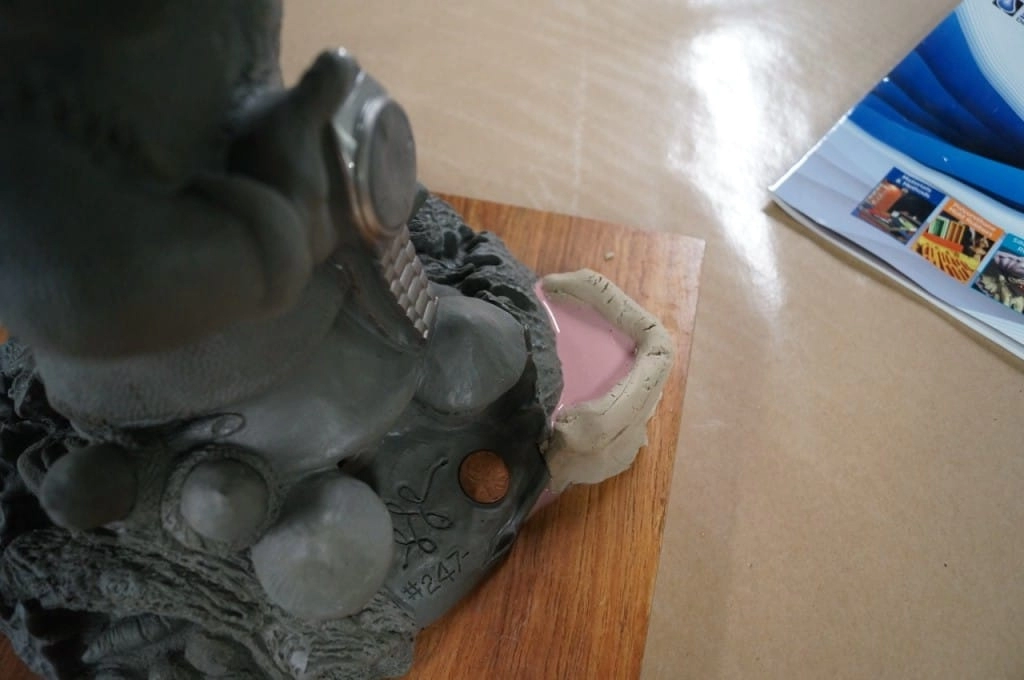
We believe in giving you the full picture before you pour. Accessing the right technical data ensures your mold casting silicone performs exactly as expected, whether you are running a hobby shop or a production line.
- Downloadable TDS & SDS: Get full specifications on tear strength, viscosity, and pot life. Our Safety Data Sheets ensure you handle the RTV silicone rubber safely in any environment.
- Volume Calculator: Stop wasting material. Use our estimator tool to determine the precise amount of liquid silicone for molds needed for your specific mold box volume.
- Integrated Manufacturing: If your project scales beyond hand-pouring, we can assist. Check our precision casting services to see how we combine high-quality silicone tooling with industrial production capabilities.
Ready to Start Your Project?
Finding the perfect mold casting silicone shouldn’t be a guessing game. At Vastmaterial, we focus on delivering consistent, high-performance materials that fit your specific production line. Whether you are scaling up a hobby business or managing an industrial foundry, we treat every client like a partner. We don’t just ship a box; we ensure the silicone casting mold material you get is exactly what your application demands.
If your workflow involves transitioning from silicone prototypes to final metal components, we can streamline that process. We offer support across the board, including aluminum investment castings for precision custom parts for when you need to move from soft tooling to hard metal production.
Why Partner With Us:
- Custom Formulations: Need a specific cure time, color, or tear strength? We can adjust our formulas to match your specs.
- Technical Support: Get direct answers from our material engineers, not a sales script.
- Reliable Supply: We guarantee consistent batches, delivered on time, so your production never stalls.
Don’t settle for generic results. Contact us today via the form below or give us a call to discuss your project requirements. Let’s make something great together.