Overview
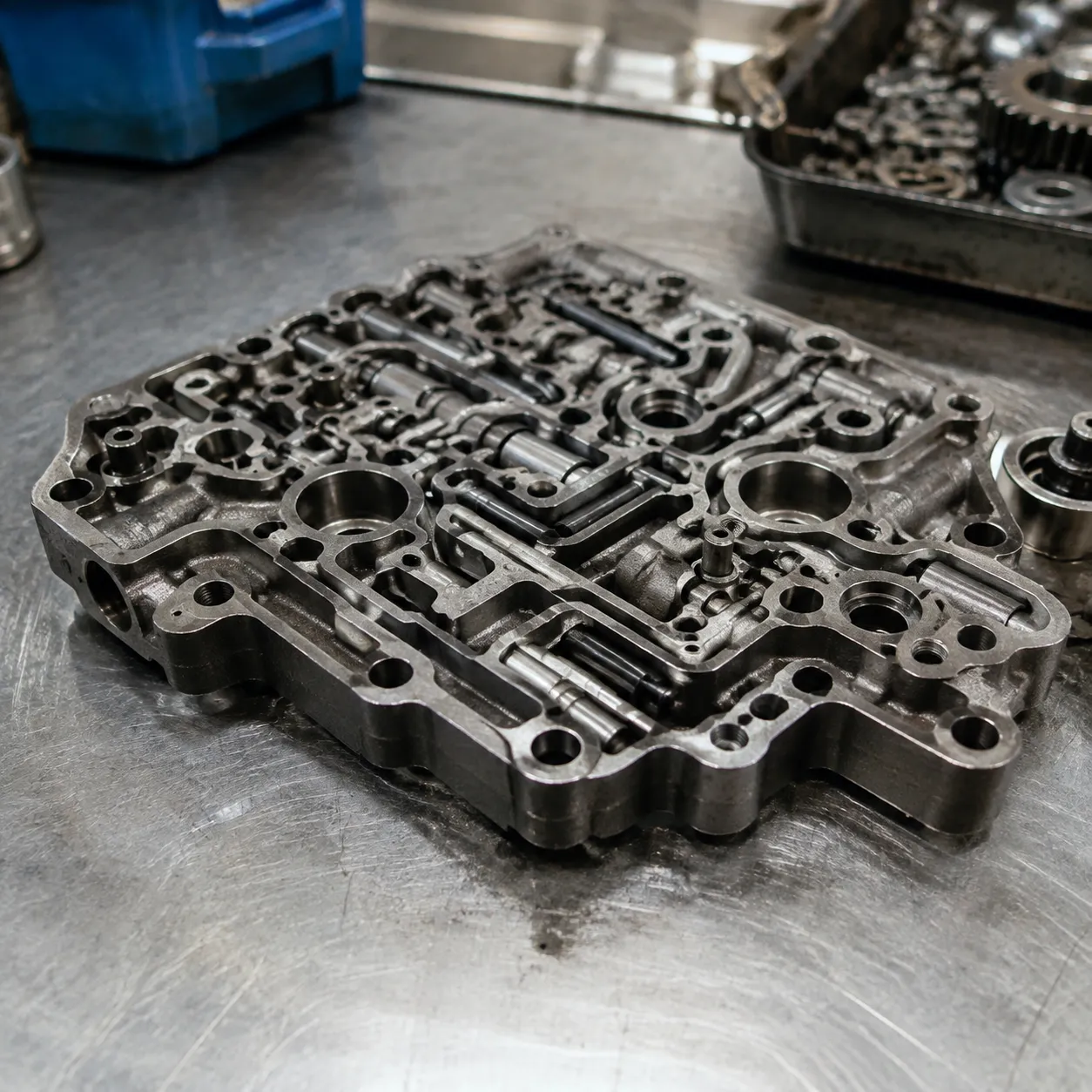
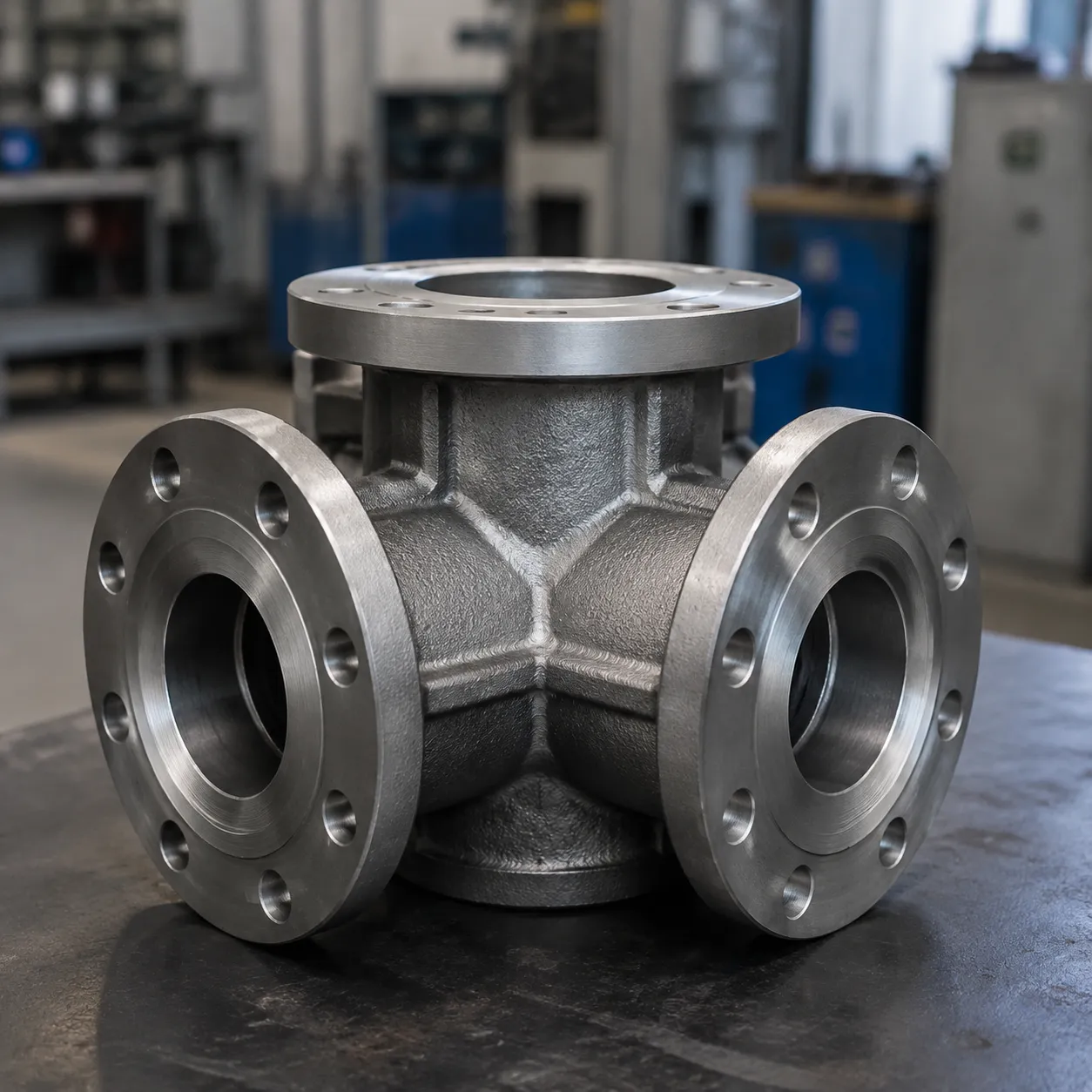
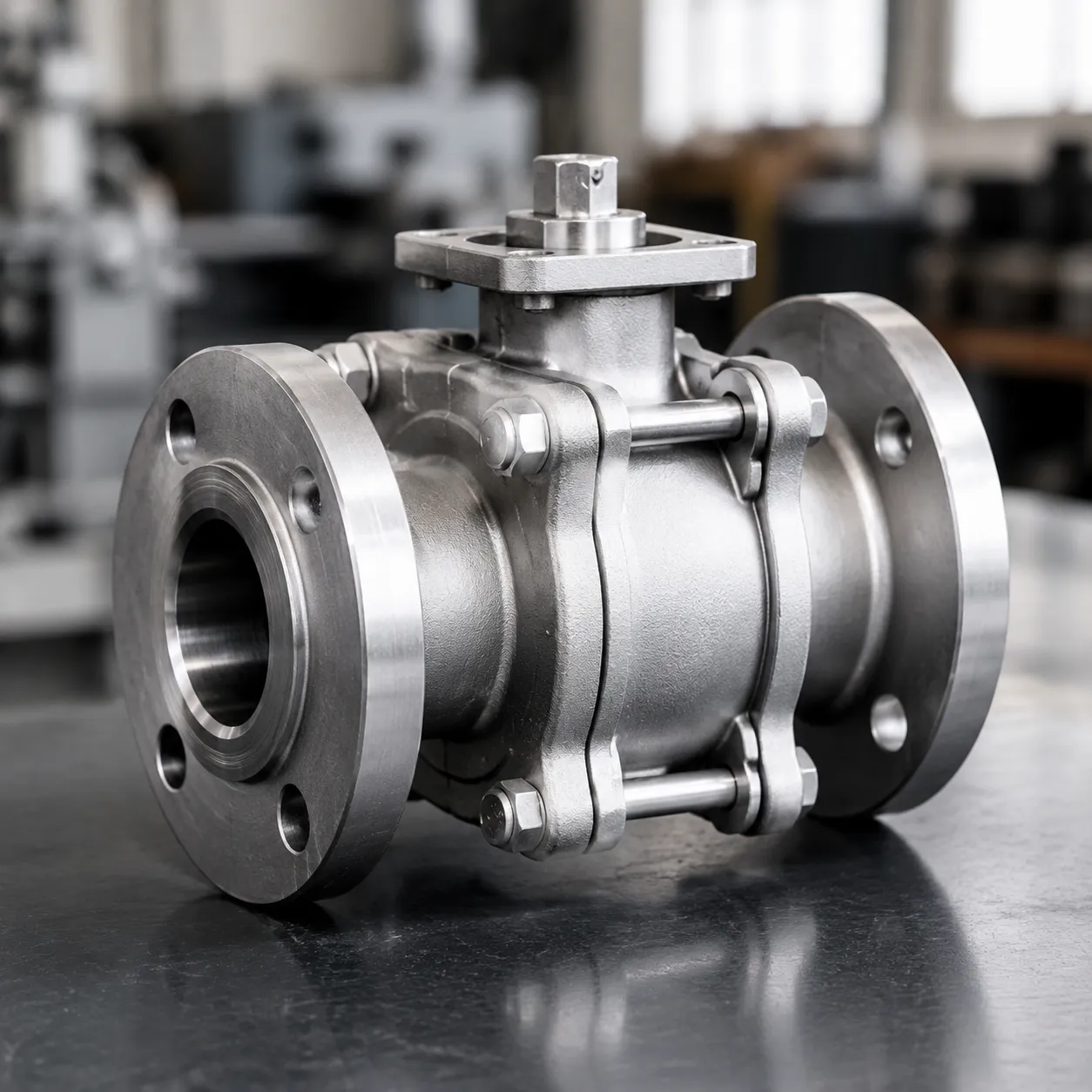
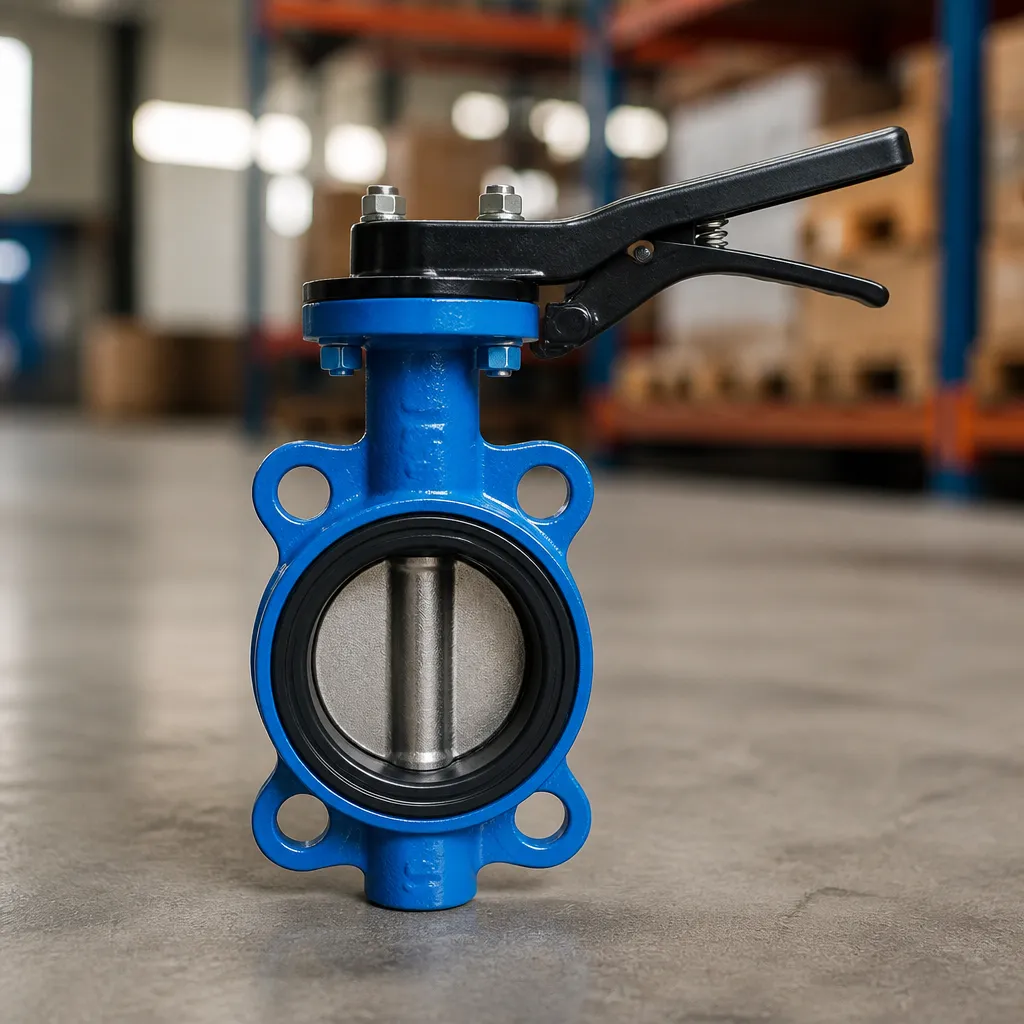
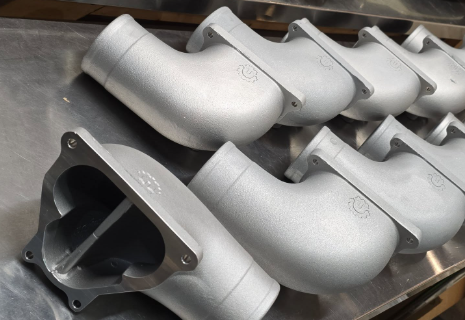
Vastmaterial aluminum for casting services with A356 A380 alloys high precision low porosity and custom industrial applications.
Engineering Benefits of Aluminum for Casting Projects
Selecting the correct material is the foundational step in ensuring product viability and performance. We prioritize aluminum for casting because it delivers a versatile balance of mechanical properties and manufacturing efficiency that ferrous metals often cannot match. For industries requiring high-performance components—such as aerospace, automotive, and energy—aluminum alloys provide the necessary structural integrity while significantly reducing overall mass.
Our engineering team leverages the specific physical characteristics of aluminum to optimize component design:
- Superior Strength-to-Weight Ratio: This is critical for maximizing fuel efficiency in automotive applications and increasing payload capacity in aerospace components. Lightweight casting alloys allow us to achieve substantial weight reduction compared to steel or iron without compromising safety factors or structural rigidity.
- High Thermal Conductivity: Aluminum effectively dissipates heat, making it the standard choice for electronic housings, heat sinks, and thermal management systems where temperature regulation is vital for component longevity.
- Excellent Machinability: Post-casting operations are frequently required to achieve tight tolerances. Aluminum allows for rapid CNC machining speeds with reduced tool wear, which directly lowers downstream manufacturing costs and shortens production lead times.
- Natural Corrosion Resistance: Upon exposure to oxygen, aluminum forms a protective oxide layer. This inherent characteristic ensures durability in marine and outdoor industrial environments, often reducing the dependency on expensive secondary protective coatings.
Material Performance Overview
| Property | Engineering Benefit | Typical Application |
|---|---|---|
| Low Density | High strength with low mass (approx. 1/3 of steel) | Aerospace brackets, EV battery housings |
| Thermal Transfer | Rapid heat dissipation prevents overheating | LED lighting fixtures, CPU heat sinks |
| Machinability | Faster cycle times and extended tool life | Precision engine components, complex manifolds |
| Surface Stability | Resistance to oxidation and environmental wear | Marine hardware, outdoor telecom enclosures |
Vastmaterial Alloy Selection: Matching Grade to Application
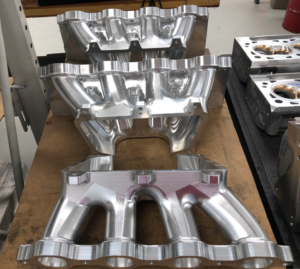
Selecting the correct aluminum for casting is the difference between a part that lasts and one that fails. We don’t just offer generic metal; we guide you toward the specific series that aligns with your mechanical and thermal requirements. Our engineering team ensures that the material properties match the intended function of your component, whether it’s for an engine block or a delicate electronic housing.
Here is how we break down our alloy options for maximum performance:
- A356 / 356.0: This is our go-to for parts requiring pressure tightness and high structural integrity. It responds exceptionally well to heat treatment, making it ideal for safety-critical aerospace and automotive applications.
- A380 / ADC12: When the design calls for complex geometries and thin walls, we utilize A380 Aluminum Alloy or ADC12. Their superior molten metal fluidity ensures we can fill intricate molds completely, achieving near-net shape results with minimal defects.
- Al-Si and Al-Mg Series: We recommend these series when balancing wear resistance with finishing appearance. They provide excellent corrosion resistance and are easier to polish or anodize after the casting process.
- Custom Alloy Development: If a standard grade doesn’t meet your needs, we tailor chemical compositions. We adjust elements to enhance specific properties like thermal conductivity or tensile strength.
For clients looking to understand the fundamentals of our production flow, reviewing how to cast aluminum step-by-step clarifies why selecting the right alloy at the start is crucial for project success.
Our Aluminum Casting Processes and Capabilities
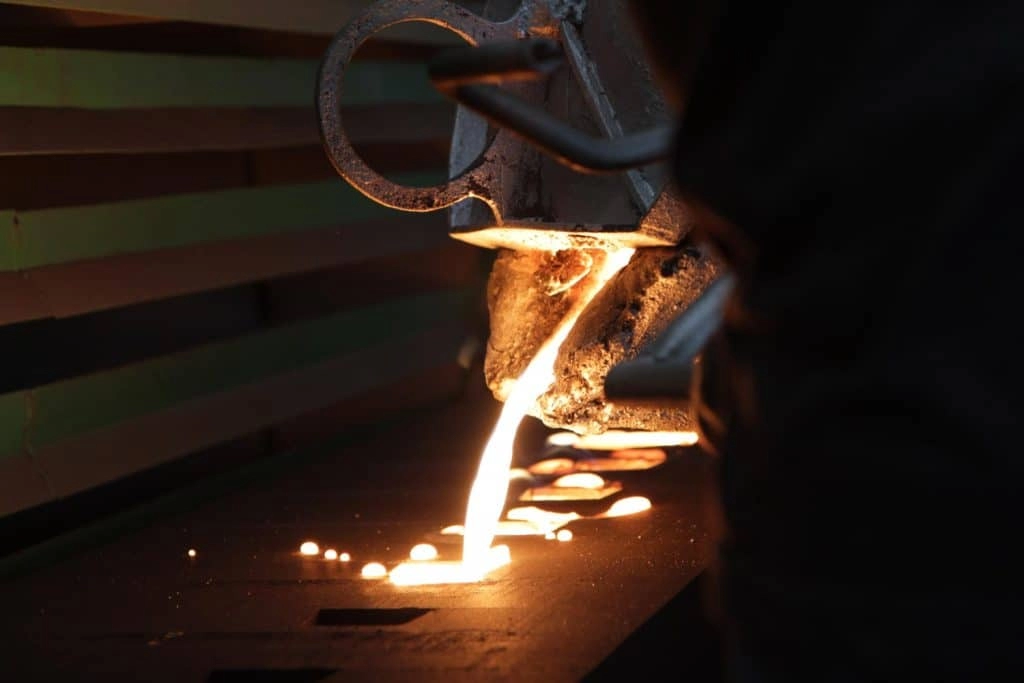
At Vastmaterial, we don’t just supply metal; we engineer solutions. Selecting the right process for aluminum for casting is just as critical as picking the alloy itself. We operate state-of-the-art facilities designed to handle everything from rapid prototyping to mass production, ensuring your project hits the sweet spot between cost, speed, and precision.
Precision High-Pressure Die Casting (HPDC)
For projects requiring high-volume output with consistent repeatability, our High-Pressure Die Casting (HPDC) capabilities are unmatched. This process forces molten aluminum into steel molds at high speed and pressure. It is the go-to method for automotive and consumer electronics parts where tight tolerances and thin walls are non-negotiable.
- Best for: High-volume production runs (1,000+ units).
- Advantage: Excellent surface finish and rapid cycle times.
Sand Casting for Versatility
When you need large components or are in the early stages of product development, sand casting offers the flexibility you need. This method uses a sand mold, making it cost-effective for low-volume orders and complex geometries that might be too expensive to tool for die casting immediately. It is an ideal solution for heavy machinery parts and initial aluminum alloy prototypes.
Investment Casting (Lost Wax)
For applications demanding intricate details and near-net shape accuracy, we utilize investment casting. This technique provides superior dimensional stability and reduces the need for extensive secondary machining. It is frequently used for aerospace components and complex industrial valves where precision is paramount.
In-House Design and Simulation
Quality starts before the metal melts. Our engineering team uses advanced flow simulation software to predict how the molten aluminum will fill the mold. By analyzing thermal dynamics and fluid flow, we can optimize the mold design to prevent common defects like porosity and shrinkage. This proactive approach ensures that every part leaving our factory meets rigorous structural standards.
Post-Casting Services: Machining and Surface Treatment
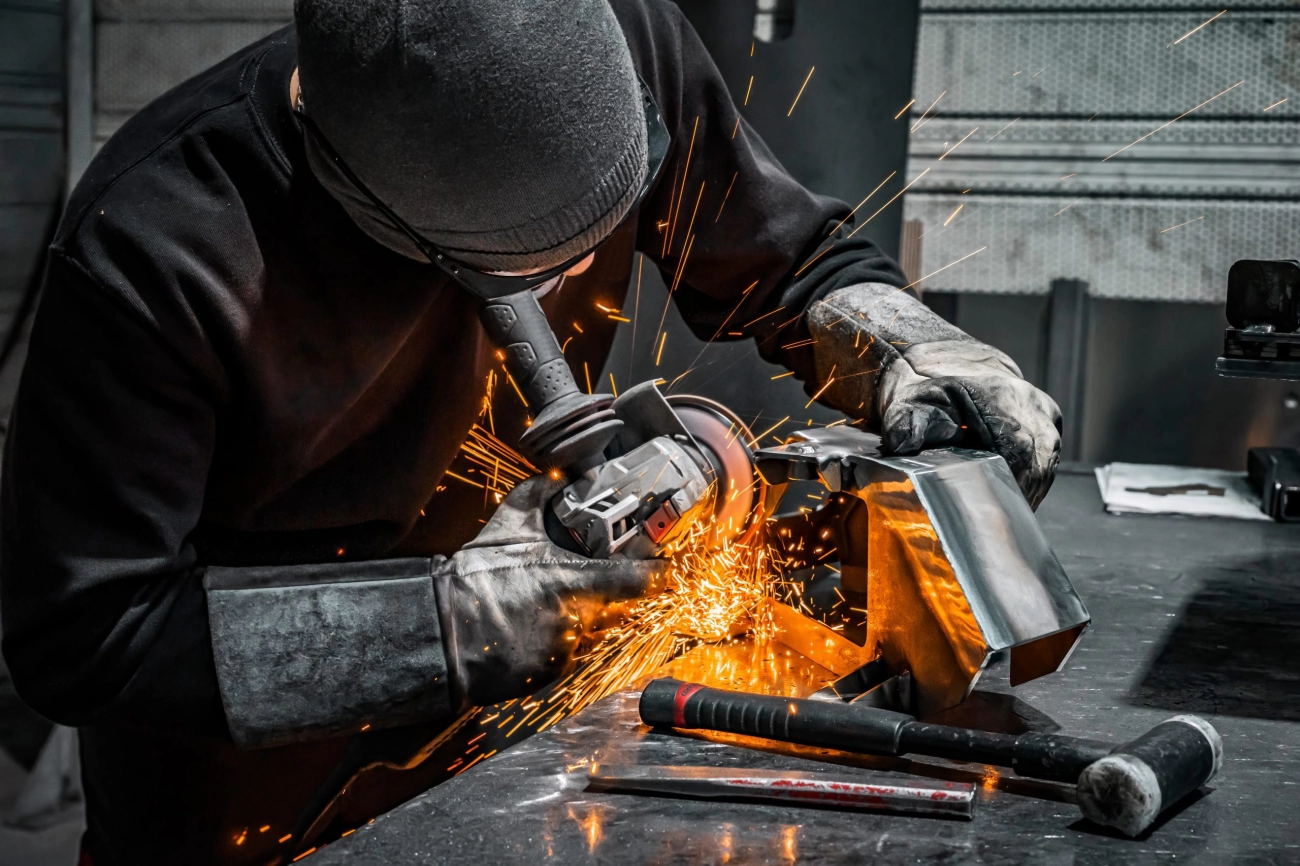
Getting the shape right is just the first step. To ensure your aluminum for casting projects are ready for real-world application, we integrate secondary operations directly into our production workflow. This “one-stop” approach reduces logistical headaches and ensures that the final component meets the exact specifications required by US engineering standards.
We refine raw castings through three critical stages:
- CNC Machining: While our casting techniques achieve near-net shapes, critical mating surfaces often require tighter tolerances than casting alone can provide. We utilize high-precision CNC machining to finalize dimensions, ensuring perfect fitment for complex assemblies. You can review our full factory capabilities and processes to understand how we maintain strict quality control from the melt to the final cut.
- Heat Treatment (T5/T6): To maximize mechanical performance, we employ specific thermal cycles. Processes like T6 (solution heat treatment followed by artificial aging) significantly boost the tensile strength and hardness of the alloy, making the part robust enough for structural applications.
- Surface Finishing: We offer a range of treatments to enhance both durability and aesthetics:
- Anodizing: Increases corrosion resistance and surface hardness while allowing for color customization.
- Powder Coating: Creates a thick, durable barrier ideal for parts exposed to harsh outdoor elements.
- Chromate Conversion: Provides excellent corrosion protection while maintaining electrical conductivity.
Quality Control: Ensuring Defect-Free Castings
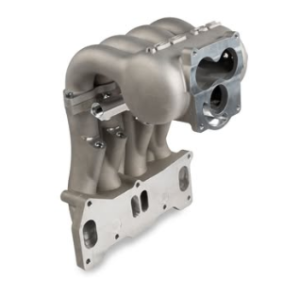
When dealing with aluminum for casting, precision is not optional—it is the baseline. At Vastmaterial, we do not leave structural integrity to chance. Our manufacturing plants integrate real-time monitoring and advanced lab testing to ensure every component meets the rigorous demands of the US market.
We utilize a multi-layered inspection strategy to guarantee dimensional stability and mechanical performance:
- Internal Integrity Checks: We employ X-Ray and Radiographic testing to see past the surface. This is critical for porosity control, allowing us to detect internal voids or shrinkage that could compromise the part’s strength before it ever leaves the factory.
- Alloy Verification: Using Spectrometer analysis, we verify the exact chemical composition of the melt. Whether you need specific tensile strength or thermal properties, we ensure the material matches the grade specified in our cast aluminum foundry guide.
- Dimensional Accuracy: Our CMM (Coordinate Measuring Machine) inspection verifies that complex geometries meet tight tolerances. This step confirms that the final part matches your CAD data perfectly, ensuring seamless assembly and function.
FAQ: Common Questions About Aluminum Casting Services
We understand that selecting the right partner for aluminum for casting involves technical scrutiny. Here are the answers to the most frequent inquiries we receive from engineering teams across the United States regarding our capabilities and processes.
What is the minimum wall thickness for aluminum die casting?
Our facility specializes in high-precision casting designed for lightweight strength. While the exact limit depends on the part’s geometry and the specific alloy selected, our advanced pressure and die casting equipment allows us to achieve incredibly thin walls with tight tolerances. We focus on reducing weight without compromising structural integrity, ensuring your components meet rigorous mechanical standards.
Can you match specific alloy grades like AlSi10Mg?
Absolutely. Customization is a core part of our service. We don’t just offer standard off-the-shelf options; our R&D team works with a wide range of materials, including specialized compositions. Whether you require standard series or specific high-performance grades like AlSi10Mg, we can source and verify the exact material specs you need. You can explore our comprehensive aluminum alloy portfolio to see how we match material properties to application requirements.
How do you control porosity in aluminum castings?
Porosity control is critical for ensuring pressure tightness and durability. We utilize state-of-the-art manufacturing plants that integrate real-time production monitoring. By optimizing our gate designs and strictly controlling the temperature and pressure during the casting process, we minimize gas entrapment and shrinkage. Our commitment to technical excellence ensures that the internal structure of every part is sound and reliable.
What are your lead times for prototypes versus full production?
We pride ourselves on rapid efficiency. We understand that speed to market is essential, which is why we have optimized our workflow to deliver rapid prototyping for manufacturing significantly faster than standard production runs. Once the prototype is approved, our facility scales up seamlessly to high-volume production, maintaining the same level of precision and quality assurance throughout the entire lifecycle of the project.