Overview
A356 Investment Casting
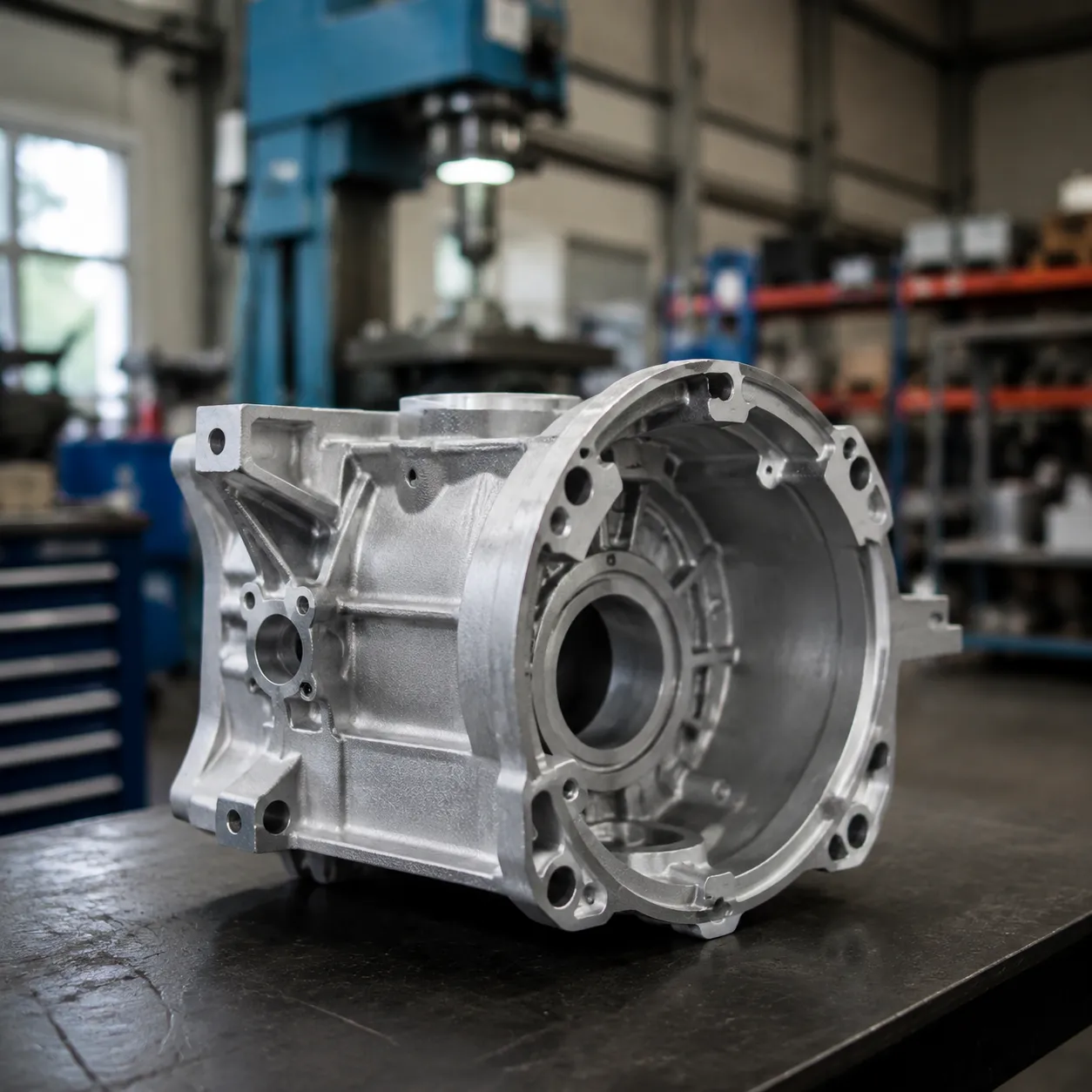
A356 investment casting is a premier manufacturing process used to produce high-strength, intricate aluminum components for critical global industries. By combining the precision of investment casting (lost wax method) with the exceptional material traits of A356 aluminum, this process delivers near-net-shape parts with complex geometries that are impossible to achieve via traditional fabrication. As a leading precision casting service provider, we leverage this technique to supply high-performance parts that meet the rigorous standards of the international market.
Chemical Composition of A356 Aluminum Alloy
The superior castability and mechanical performance of A356 aluminum stem directly from its optimized chemical profile. Silicon significantly enhances fluid flow during casting, while magnesium provides the foundation for heat-treatment strengthening.
| Element | Weight Percentage (%) | Primary Function |
|---|---|---|
| Silicon (Si) | 6.5 – 7.5 | Increases fluidity and reduces shrinkage |
| Magnesium (Mg) | 0.25 – 0.45 | Enables age-hardening and boosts strength |
| Iron (Fe) | 0.20 max | Controlled to prevent structural brittleness |
| Titanium (Ti) | 0.20 max | Acts as a grain refiner for structural uniform |
| Aluminum (Al) | Balance | Base metal matrix |
The Investment Casting Process for Aluminum
Our foundry utilizes a highly controlled, multi-step investment casting process to transform A356 aluminum into flawless components:
- Wax Pattern Creation: Injecting dimensional wax into a precision mold to form an exact replica of the part.
- Ceramic Shell Building: Coating the wax assembly repeatedly in a refractory ceramic slurry to create a rigid shell.
- Dewaxing: Melting out the interior wax to leave a highly detailed, clean hollow cavity.
- Alloy Melting & Pouring: Melting the A356 aluminum alloy under strict temperature controls and pouring it into the preheated ceramic shell.
- Knockout & Finishing: Removing the ceramic shell after cooling, cutting away the gating system, and preparing the raw casting for post-processing.
Industry Standards and Specifications for A356 Castings
To guarantee global compliance and reliability across high-stress sectors like aerospace, defense, and automotive engineering, our A356 investment castings strictly adhere to recognized international standards:
ASTM B618: Standard Specification for Aluminum-Alloy Investment Castings.
AMS 4218 / AMS 4260: Aerospace Material Specifications governing high-integrity premium aluminum castings.
MIL-A-21180: Military specifications tracking premium-strength aluminum alloy castings for defense systems.
Key Material Properties of A356 Aluminum
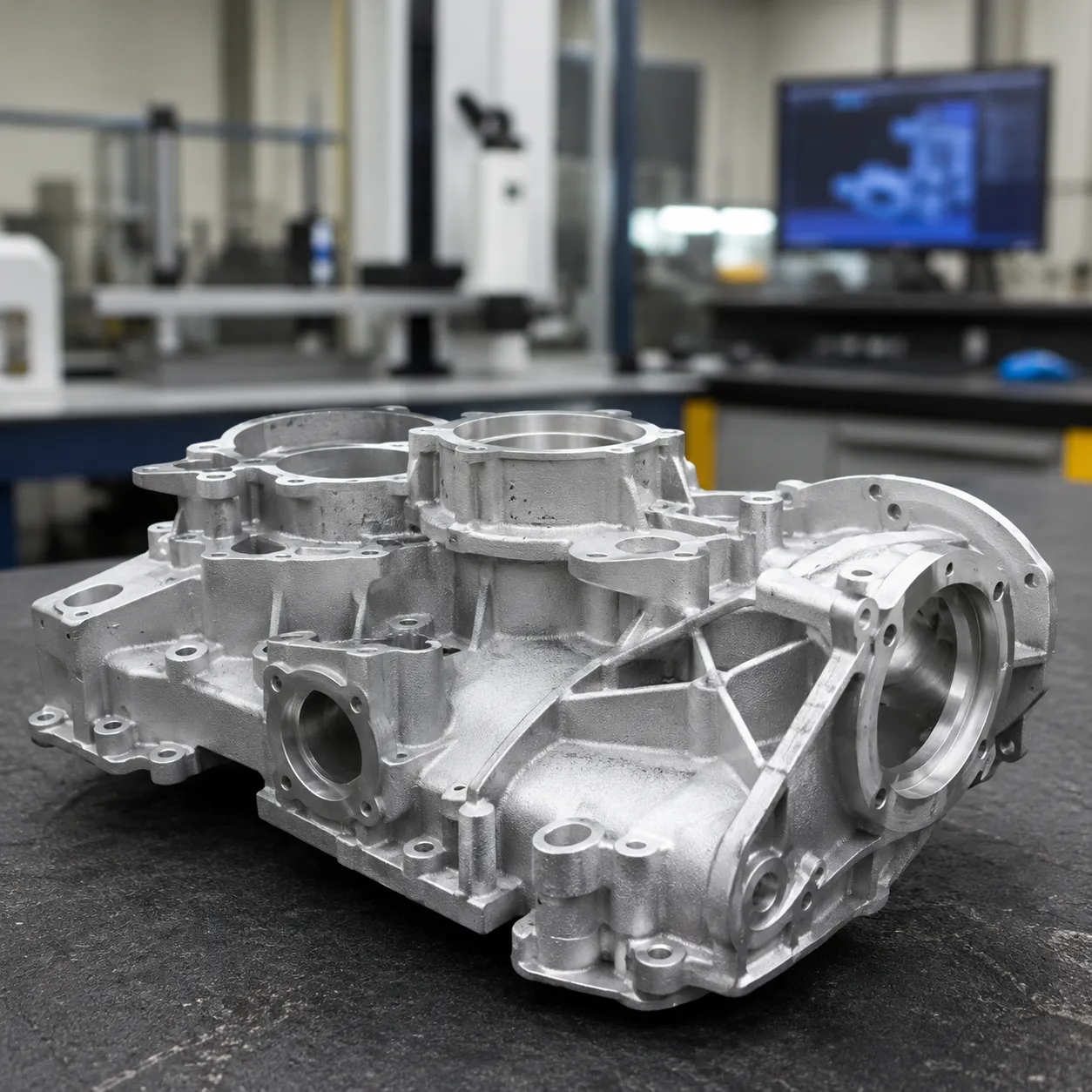
When we manufacture precision components, selecting the right alloy is everything. A356 aluminum alloy stands out because it offers a perfect balance of mechanical strength, lightweight performance, and manufacturing flexibility. It is the go-to choice for demanding applications where failure is not an option.
High Strength-to-Weight Ratio
A356 aluminum delivers impressive structural integrity without adding unnecessary bulk to your designs.
- Lightweight Efficiency: It weighs roughly one-third of steel, making it ideal for components that require fuel efficiency or high mobility.
- Impressive Yield Strength: When subjected to proper thermal processing, its tensile and yield strength increase significantly, handling intense structural loads.
- Optimized Performance: This balance of low density and high mechanical limits allows us to cast thinner walls that still support massive stress, a critical factor for high-performance global industries.
Excellent Castability and Fluidity
The secret behind successful a356 investment casting lies in how the molten metal flows into the molds.
- High Silicon Content: With roughly 7% silicon, this alloy features a low melting point and exceptional fluidity.
- Complex Geometries: The liquid metal fills intricate mold details and thin sections seamlessly before solidifying, preventing defects like hot tearing or shrinkage cracks.
- Fewer Rejects: Excellent fluid dynamics ensure reliable, repeatable production runs for high-volume orders.
Corrosion Resistance and Durability
Parts cast from A356 are built to survive harsh environmental conditions. The material naturally forms a protective oxide layer that resists atmospheric and chemical attack.
- Environmental Protection: It shows incredible resistance to salt spray, moisture, and industrial pollutants.
- Long-Term Durability: Components experience minimal degradation over extended operational life cycles, lowering maintenance costs for end-users.
- Surface Enhancements: While inherently stable, its surface responds perfectly to protective anodizing and chemical conversion coatings.
Machinability and Weldability
Post-cast processing is smooth and efficient with A356 aluminum, saving time and tooling costs during final assembly.
| Processing Type | Performance Level | Key Benefit |
|---|---|---|
| Machinability | Good to Excellent | Achieves tight tolerances and a smooth finish after heat treatment; minimizes tool wear. |
| Weldability | Superior | Can be readily welded using standard methods like TIG or MIG to repair minor defects or integrate into larger assemblies. |
Understanding these fundamental aluminum casting alloy grades for high-performance parts helps engineers unlock the full potential of their designs. By leveraging these precise chemical and physical traits, we ensure every finished component delivers reliable, field-proven durability.
Advantages of A356 Investment Casting for Precision Components
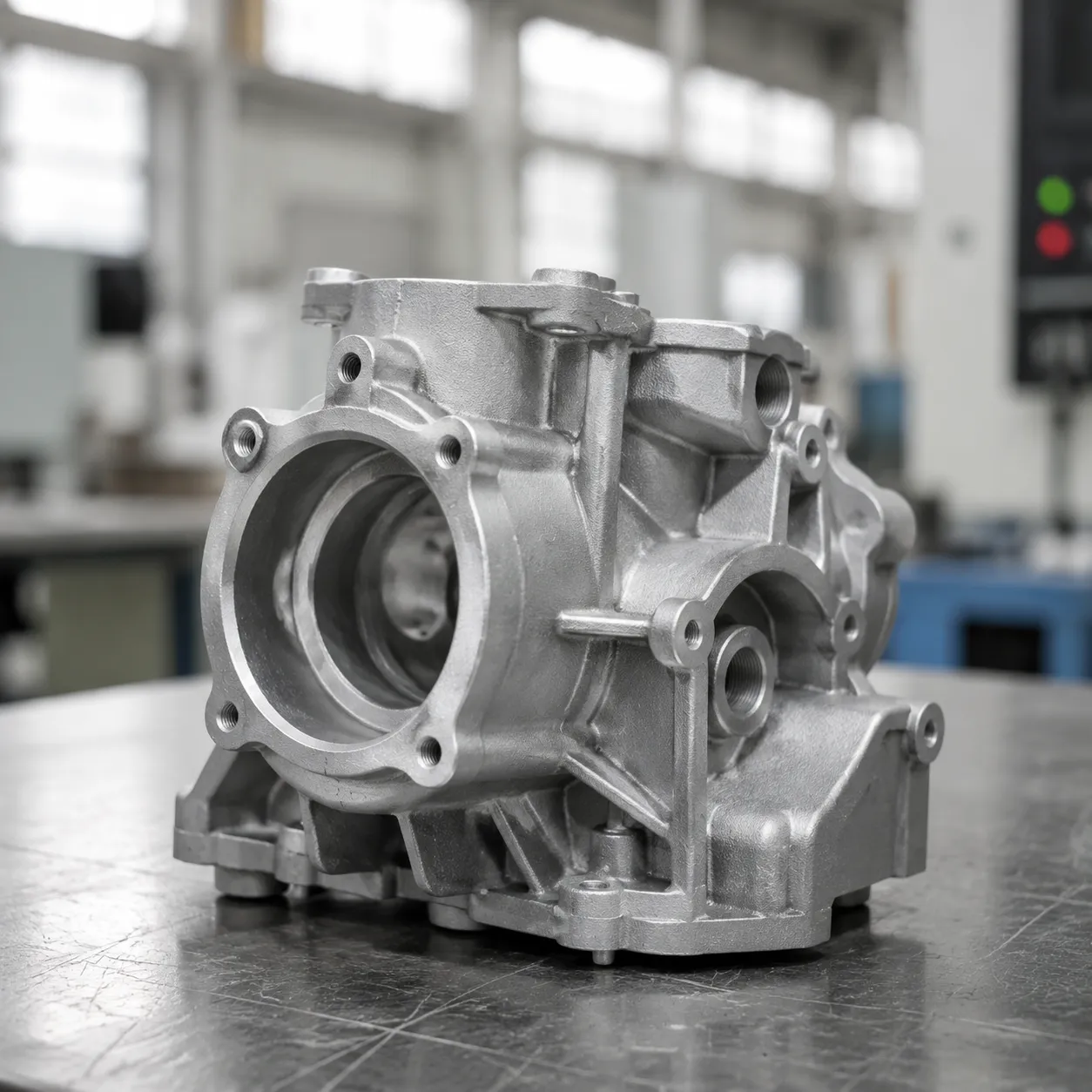
Choosing A356 investment casting offers distinct production benefits for manufacturing complex, high-performance parts. This specific method combines the elite material traits of A356 aluminum alloy with the extreme precision of lost-wax casting. The result is a highly efficient production run that minimizes material waste and guarantees structural integrity for critical applications.
High Dimensional Accuracy and Complex Geometries
Investment casting excels where standard sand casting or permanent mold casting fall short. By using precision wax patterns and ceramic shells, we achieve exceptionally tight tolerances.
- Intricate Internal Features: Easily forms thin walls, internal cooling channels, and complex webs.
- Design Freedom: Engineers can combine multiple separate parts into a single, complex A356 casting, reducing assembly costs.
- Repeatability: Delivers identical, high-tolerance precision components across large production runs.
Excellent Surface Finish Quality
The ceramic slurry used in the investment process creates a remarkably smooth mold surface. When the molten aluminum alloy solidifies, it mirrors this smooth texture, yielding a superior net-shape or near-net-shape surface finish right out of the mold. This high-quality raw finish drastically simplifies post-processing coatings, anodizing, and non-destructive quality checks.
Reduced Need for Secondary Machining
Because components exit the mold with near-perfect dimensions and excellent surface quality, the need for extensive secondary CNC machining drops significantly.
- Material Savings: Minimizes the raw aluminum scrap generated by heavy cutting and milling.
- Shorter Lead Times: Fewer machining steps mean parts move from the foundry floor to final assembly much faster.
- Cost Efficiency: Saves wear and tear on precision CNC tooling by focusing machine work only on critical mating surfaces or threaded holes.
For projects requiring alternative production methods like high-volume automotive runs, utilizing professional aluminum die casting services remains an excellent path for optimizing speed and cost on less intricate geometries. However, for sheer design complexity and premium mechanical properties, A356 investment casting stands unmatched.
Heat Treatment Processes for A356 Castings
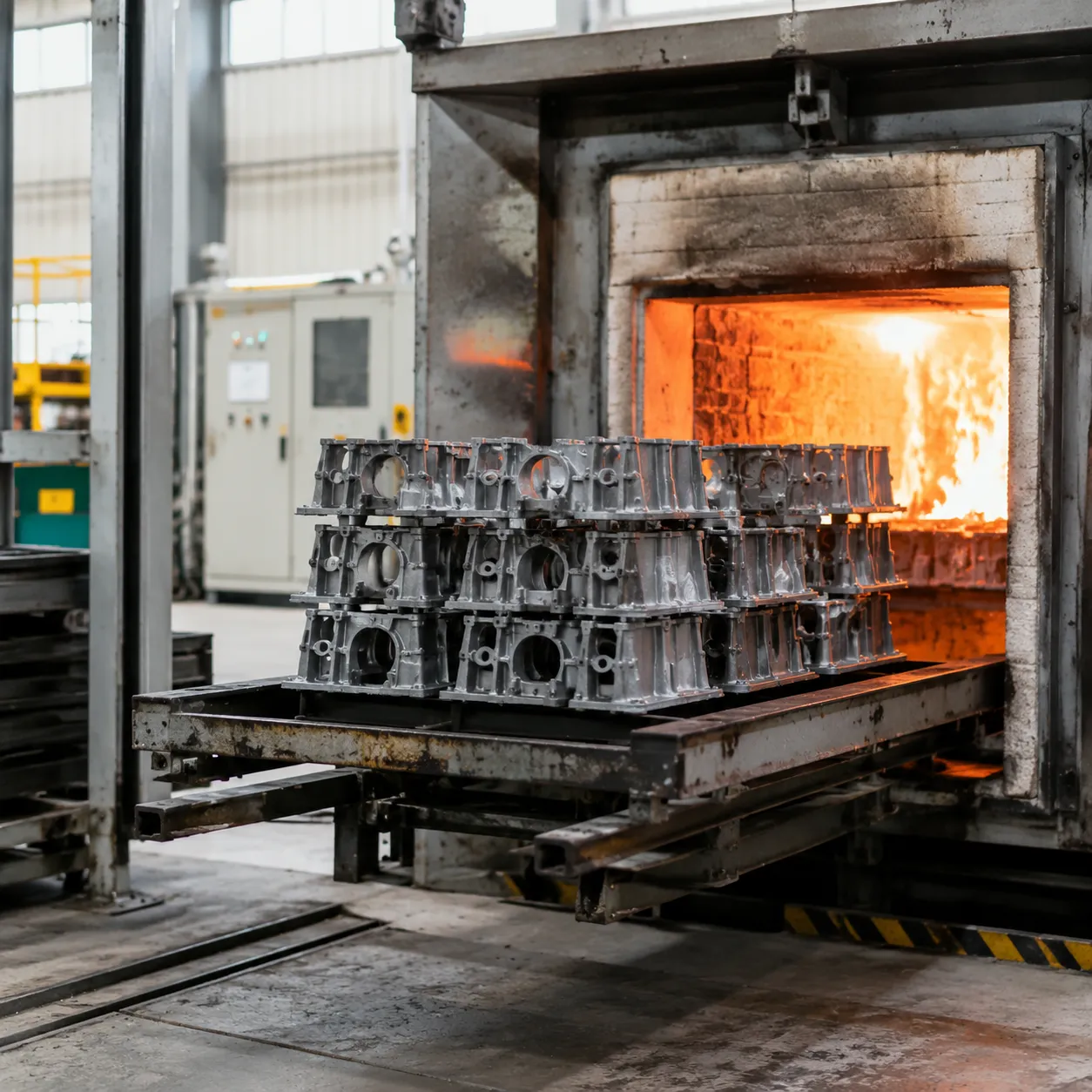
The raw properties of an aluminum investment casting are often just the starting point. To truly unlock the mechanical capabilities of the alloy, thermal processing is required. For A356 investment casting, precise thermal treatment alters the internal microstructure, transforming a brittle as-cast component into a rugged, high-strength industrial part. By carefully managing heating cycles, we control exactly how the silicon and magnesium elements interact within the aluminum matrix to meet your exact engineering specs.
T5 Heat Treatment for Improved Hardness
The T5 temper process is a streamlined thermal treatment focused on dimensional stability and hardness. In this process, we cool the cast component rapidly from the elevated casting temperature and then subject it to artificial aging at a moderate temperature.
- The Mechanism: This process precipitates the magnesium-silicide compounds out of the solution, locking them into the grain boundaries.
- The Result: It increases surface hardness and improves yield strength without the risks of dimensional distortion that can sometimes occur during severe water quenching. It is an efficient path for parts requiring stable geometry and basic wear resistance.
T6 Heat Treatment for Maximum Tensile Strength
When an application demands peak mechanical performance, T6 heat treatment is the industry standard. This is a multi-stage process that completely reconfigures the alloy's structural characteristics.
- Solution Heat Treatment: The castings are held at a high temperature (typically around 540°C) for several hours to dissolve the copper and magnesium into a solid solution.
- Quenching: The parts are rapidly cooled in a controlled water or glycol bath to freeze that uniform solid solution at room temperature.
- Artificial Aging: The components are heated again at a lower temperature to allow fine particles to precipitate uniformly, which creates maximum resistance to dislocation movement.
This precise thermal cycle optimizes the material, pushing the ultimate tensile strength and elongation metrics to their absolute limits. To better understand how these specific thermal stages alter aluminum structures globally, you can explore our breakdown of aluminium heat treating processes, tempers and performance.
How Heat Treatment Impacts Component Performance
Choosing the right thermal cycle directly dictates how your precision components behave under real-world stresses. Untreated aluminum can fail prematurely under cyclic loading, but proper thermal processing alters these performance metrics significantly:
| Performance Metric | As-Cast (F) | T5 Temper | T6 Temper |
|---|---|---|---|
| Tensile Strength | Baseline | Moderate Increase | Maximum Increase |
| Ductility (Elongation) | Higher | Moderate | Optimized for High Stress |
| Dimensional Stability | Low | Excellent | High after Stress Relief |
| Fatigue Life | Standard | Improved | Exceptional |
By tailoring the soak times and cooling rates in our foundry, we match the structural integrity of the A356 investment casting to the exact safety factors required by aerospace, defense, and high-pressure automotive systems.
Industrial Applications of A356 Investment Castings
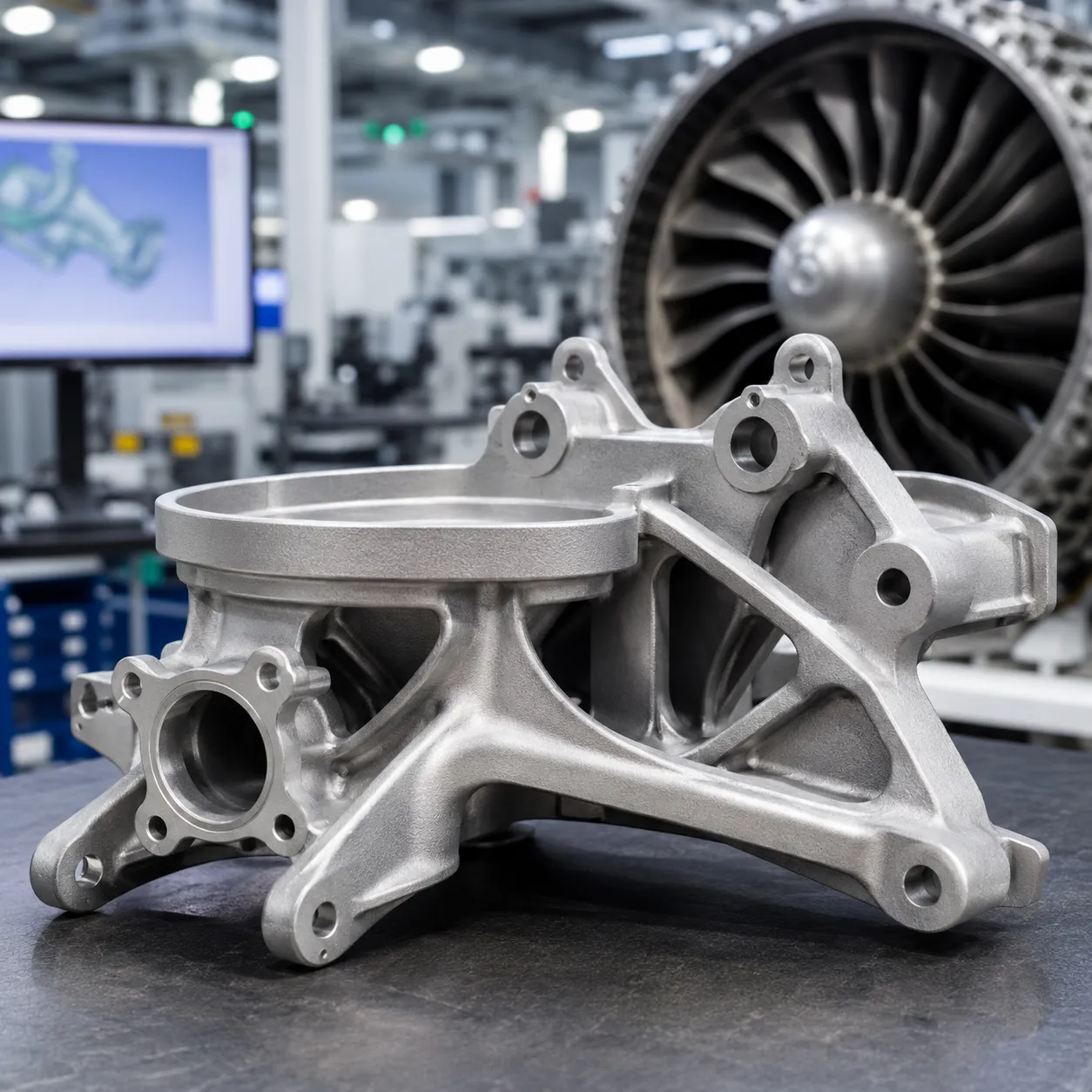
A356 investment casting is a cornerstone manufacturing process across sectors demanding high structural integrity and lightweight performance. By combining excellent castability with superior mechanical properties, this aluminum alloy allows us to deliver complex, net-shape components that perform reliably under severe operating conditions.
Aerospace and Defense Components
In the aerospace and defense industries, minimizing weight while maximizing structural strength is a non-negotiable requirement. We utilize A356 aluminum alloy to produce critical components that endure high stress and extreme temperature fluctuations.
- Key Components: Aircraft fuel pump housings, environmental control systems (ECS) valves, electronic enclosures, and missile guidance brackets.
- Performance Metrics: High strength-to-weight ratio ensures fuel efficiency, while tight dimensional tolerances reduce weight optimization constraints during the design phase.
- Quality Standards: Castings undergo rigorous non-destructive testing to satisfy stringent aerospace safety regulations.
Automotive and Transportation Parts
The automotive sector relies heavily on A356 investment casting to achieve vehicle lightweighting goals without sacrificing passenger safety or component durability. This process replaces heavy steel or iron fabrications with unified, complex aluminum structures.
- Engine & Powertrain: Cylinder heads, oil pans, and intake manifolds that benefit from the alloy's excellent thermal conductivity.
- Chassis & Suspension: Steering knuckles, brake calipers, and control arms that require high fatigue strength and impact resistance.
- Alternative Processes: While industrial die casting processes offer high-volume production for simple geometries, investment casting remains the preferred choice for intricate internal passageways and premium thin-walled automotive components.
High-Stress Structural Engineering Applications
Beyond transportation, high-stress engineering environments demand materials that can withstand continuous mechanical loads and harsh environmental exposure without failing.
- Pumping and Fluid Handling: High-pressure valve bodies and impellers that require excellent corrosion resistance and pressure tightness.
- Robotics and Automation: Lightweight robotic arms and structural frames that minimize inertial resistance, enabling faster cycle times and lower energy consumption.
- Marine Hardware: Heavy-duty brackets and structural mounts exposed to marine atmospheres, leveraging the natural protective oxide layer of the A356 alloy.
Material Comparisons: A356 vs. Other Aluminum Alloys
Choosing the right aluminum alloy is critical for the performance and longevity of your precision components. While A356 investment casting is our go-to solution for complex, high-stress applications, comparing it against other popular aluminum grades helps highlight its specific advantages.
A356 vs. 356 Aluminum: Key Differences
The primary difference between A356 and standard 356 aluminum lies in elemental purity. A356 is a premium version of 356, containing strictly controlled, lower levels of iron.
- Iron Content: Standard 356 allows up to 0.6% iron, whereas A356 caps iron at 0.2%.
- Ductility: Lower iron prevents the formation of brittle needle-like structures, significantly boosting elongation and toughness.
- Strength: When subjected to the same t6 heat treatment, A356 delivers noticeably higher tensile strength and impact resistance, making it the preferred choice for critical aerospace and defense parts.
A356 Casting vs. 6061 Aluminum
A356 and 6061 are two of the most widely used aluminum alloys, but they suit entirely different manufacturing methods. 6061 is a wrought alloy designed for extrusion, rolling, or CNC machining, while A356 is optimized specifically for casting.
| Feature | A356 Investment Casting | 6061-T6 Wrought Aluminum |
|---|---|---|
| Manufacturing Process | Investment casting, permanent mold casting | Extrusion, rolling, machining |
| Geometric Complexity | Extremely high; handles complex thin walls | Limited; requires extensive machining |
| Silicon Content | High (6.5% - 7.5%) for excellent fluidity | Low (0.4% - 0.8%) |
| Material Waste | Minimal; near-net-shape production | High when machining complex shapes |
While 6061-T6 offers slightly higher raw tensile strength, we utilize A356 to produce complex, near-net-shape geometries that would be financially or physically impossible to machine from a solid 6061 block. To review detailed mechanical data on these cast structures, you can check our breakdown of A356 aluminum alloy casting T6 properties and specs to see how it fits your design load.
Alternative Alloys for Investment Casting
When A356 does not perfectly match your project requirements, we offer several alternative aluminum casting alloys tailored to specific environments:
- A380 / A360: Excellent for high-volume die casting, though they offer lower ductility and fracture toughness compared to investment-cast A356.
- A206: Provides superior tensile strength at elevated temperatures, but is much more prone to hot tearing and harder to cast.
- 535 (Almag 35): A magnesium-aluminum alloy that offers excellent corrosion resistance and high ductility without requiring heat treatment, though it lacks the fluid castability of A356.
Post-Processing and Finishing for A356 Castings
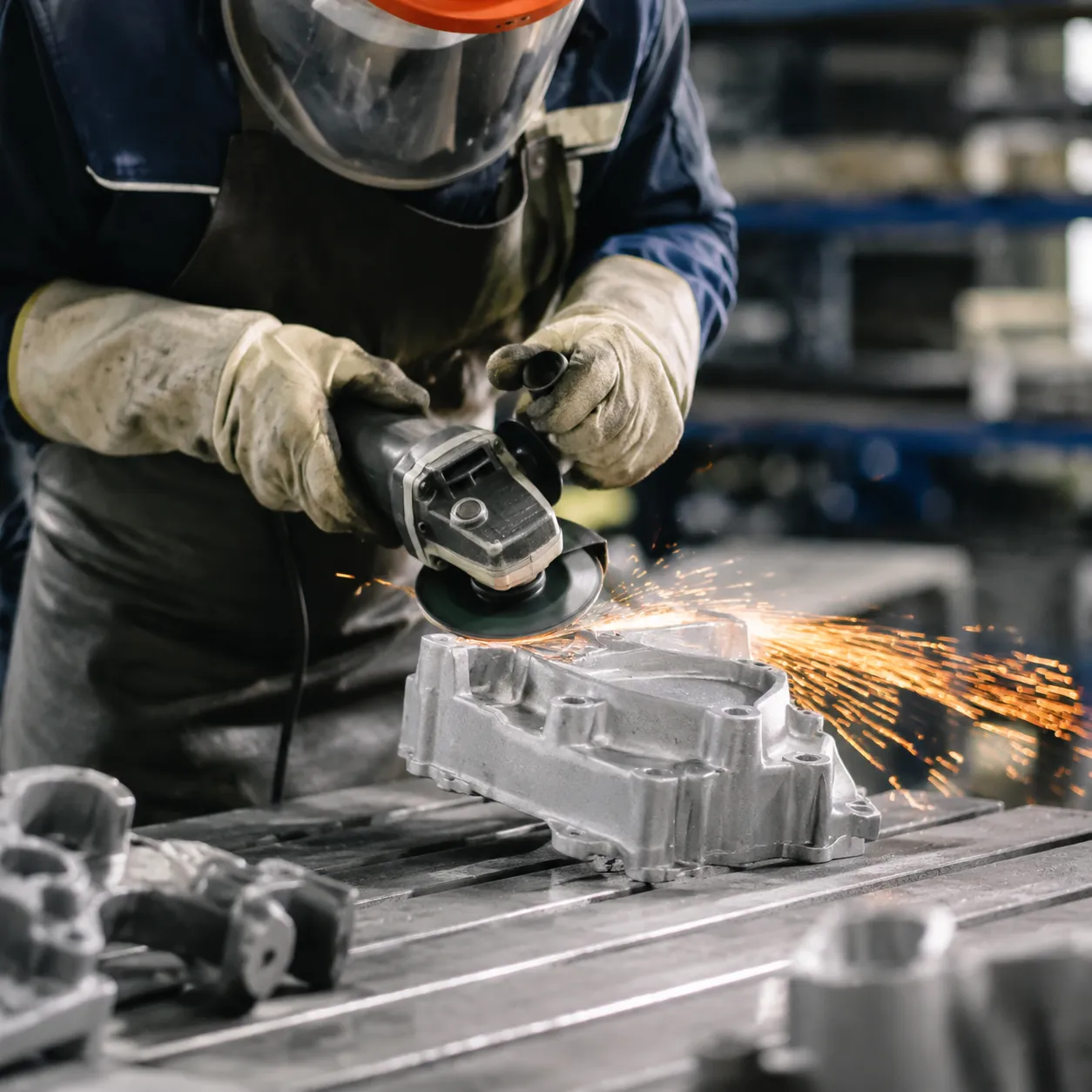
While A356 investment casting delivers exceptional near-net-shape components, post-processing is the critical phase where we bring parts to their final engineering specifications. We utilize a range of finishing techniques to ensure every casting meets strict structural and aesthetic requirements.
Surface Finishing and Coating Options
A356 aluminum responds exceptionally well to various surface treatments. Depending on your application, we apply specific coatings to enhance corrosion resistance, wear properties, or cosmetic appearance.
| Finishing Type | Primary Benefit | Common Applications |
|---|---|---|
| Anodizing (Type II & III) | Increases corrosion resistance and surface hardness | Aerospace and marine components |
| Powder Coating | Provides a durable, impact-resistant decorative layer | Automotive and consumer goods |
| Chemical Conversion (Chem Film) | Enhances corrosion protection and electrical conductivity | Electronics chassis and military gear |
| Shot Blasting / Bead Blasting | Removes minor imperfections and creates a uniform matte finish | General industrial parts |
Precision CNC Machining
Even with the high dimensional accuracy of investment casting, tight-tolerance features like threaded holes, precise bores, and mating surfaces require secondary machining. We integrate advanced online CNC service for precision parts and instant quotes to finish critical dimensions without compromising the structural integrity of the aluminum alloy. By pairing our casting expertise with precision CNC milling and turning, we deliver ready-to-assemble components that match your exact digital blueprints.
Quality Control and Non-Destructive Testing (NDT)
To guarantee reliability in high-stress applications like automotive and aerospace, our quality control protocol includes strict Non-Destructive Testing (NDT). We verify internal and external integrity without altering the cast parts.
- X-Ray Inspection (Radiography): Detects internal defects, gas porosity, or shrinkage cracks within the aluminum structure.
- Dye Penetrant Testing (DPI): Identifies microscopic surface cracks or flaws that are invisible to the naked eye.
- Coordinate Measuring Machine (CMM) Inspection: Verifies the dimensional accuracy of the casting against the 3D CAD model.
- Mechanical Property Testing: Confirms that tensile strength and yield strength meet target industry standards after heat treatment.
Choosing the Right A356 Investment Casting Foundry
Finding a reliable manufacturing partner determines the ultimate success of your project. As professional precision casting service providers, we deliver premium aluminum alloy components tailored to stringent global standards. Choosing the right foundry requires a careful look at technical expertise, engineering capabilities, and supply chain logistics.
Evaluating Foundry Experience and Capabilities
When assessing a potential partner for a356 investment casting, engineering expertise and facility capabilities are critical. A foundry must demonstrate a proven track record of managing precise pouring temperatures, complex mold designs, and rigorous quality control.
| Evaluation Criteria | What to Look For | Our Capabilities |
|---|---|---|
| Technical Expertise | Experience with complex aluminum alloy chemistries and precise degassing. | Decades of specialized aluminum investment casting experience. |
| Equipment & Technology | Advanced wax injection, automated shelling, and controlled atmosphere melting. | State-of-the-art foundries utilizing advanced casting technology for improved foundry yield. |
| Quality Certifications | ISO 9001, AS9100, or IATF 16949 for automotive and aerospace sectors. | Fully certified facilities with complete traceability and NDT testing. |
Custom Tooling and Prototyping Requirements
Bringing a complex component from concept to mass production requires robust upfront engineering. We reduce your time-to-market by integrating rapid prototyping with durable custom tooling development.
- 3D Printed Wax Patterns: Ideal for rapid prototyping, allowing design verification before investing in hard tooling.
- Precision CNC Tooling: High-grade aluminum or steel dies designed for high-volume production runs with minimal wear.
- Solidification Simulation: Advanced software detects potential porosity or defects before the first metal is poured.
Global Supply Chain and Project Discussion
Managing international logistics requires seamless communication and robust supply chain infrastructure. We handle everything from initial design consultation to final international shipping, serving key industries worldwide including aerospace, defense, and automotive sectors.
Our team streamlines global procurement by offering transparent project milestones, local compliance management, and flexible delivery options. Contact our engineering team today to discuss your project specifications, material requirements, and production timelines.
Frequently Asked Questions About A356 Investment Casting
What is A356-T6 aluminum investment casting?
A356-T6 aluminum investment casting represents the pinnacle of strength and precision for cast aluminum alloy components. The process combines high-accuracy investment casting with a rigorous T6 heat treatment cycle. This treatment involves solution heat-treating, quenching, and artificial aging to maximize the mechanical properties of the aluminum alloy. By choosing our aluminum investment castings for precision custom parts, you achieve the ultimate balance of high tensile strength, enhanced yield strength, and structural reliability needed for critical applications.
Is A356 aluminum weldable after casting?
Yes, A356 aluminum exhibits excellent weldability after the investment casting process. Thanks to its high silicon content, the alloy resists cracking during cooling, making it ideal for fabricated assemblies.
- Best Practices: Welding should ideally be performed prior to the final T6 heat treatment to restore full mechanical properties.
- Filler Metals: Commonly welded using 4043 or 5356 filler alloys.
- Post-Weld Heat Treatment: Recommended to eliminate localized soft spots in the heat-affected zone.
What are the limitations of A356 investment casting?
While A356 investment casting delivers exceptional geometry and finish quality, it does have specific boundaries compared to methods like die casting, permanent mold casting, or sand casting:
- Higher Initial Tooling Costs: Developing the precision wax injection molds requires upfront investment, making it less economical for ultra-low volume, non-critical parts.
- Production Speed: The multi-step shell building and dewaxing process takes more time than high-speed pressure die casting.
- Section Thickness Limits: Extreme variations in wall thickness can lead to shrinkage defects if the gating system is not perfectly designed by experienced foundry engineers.