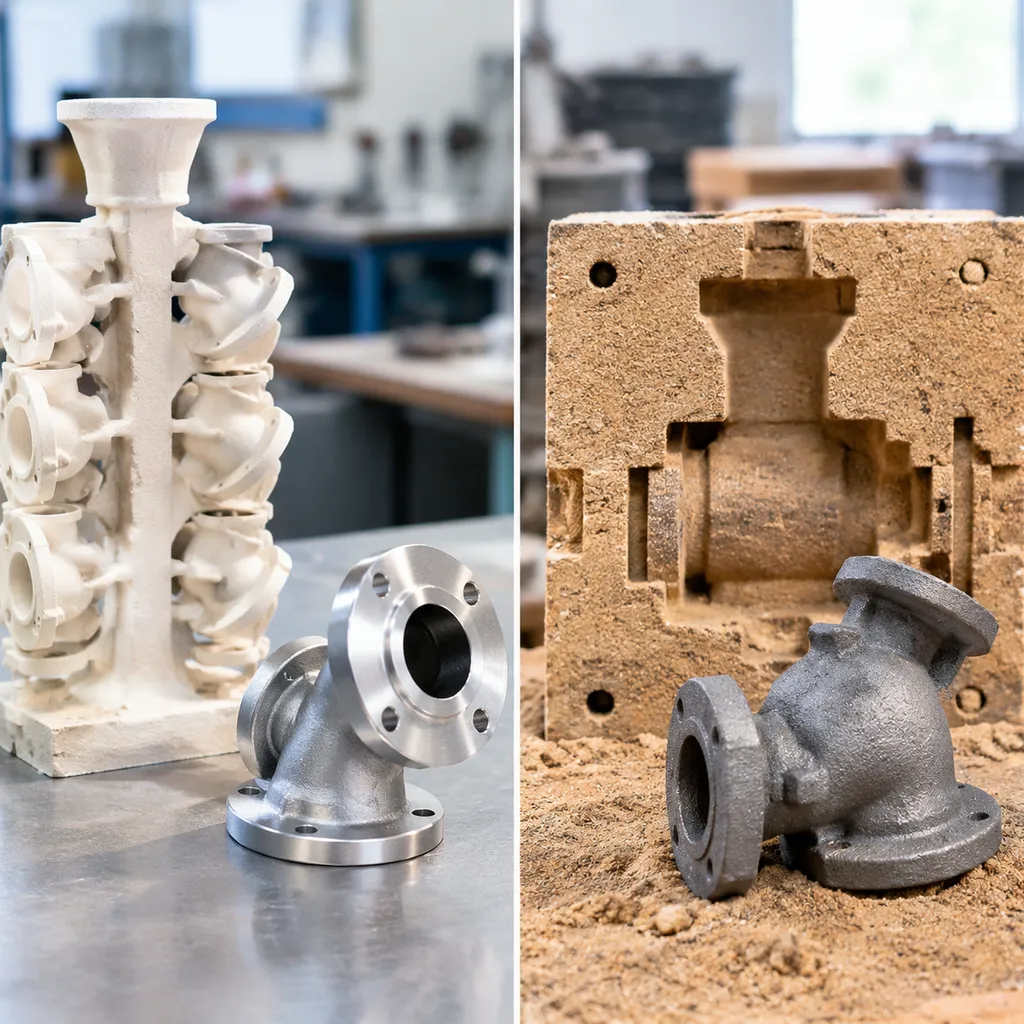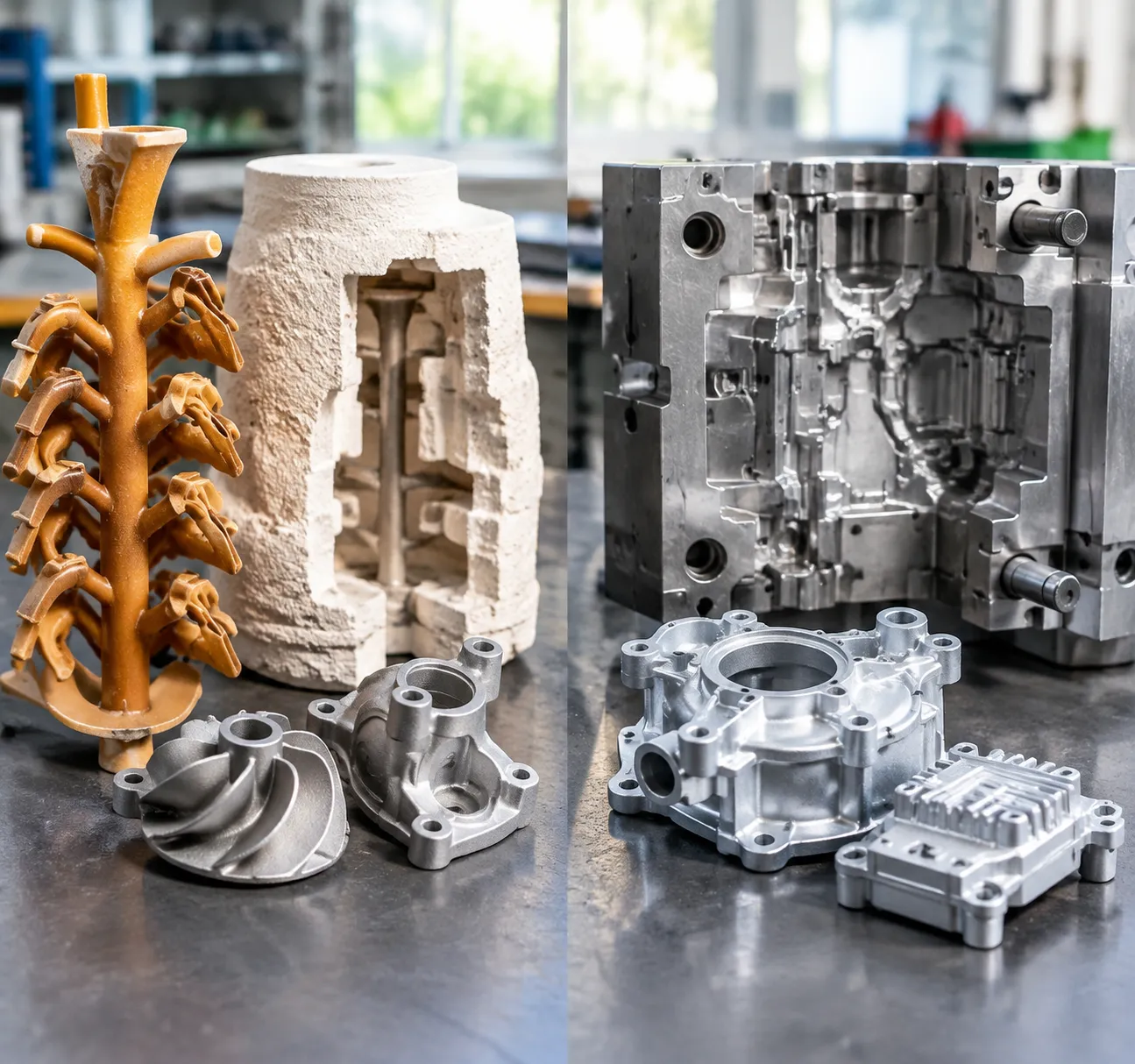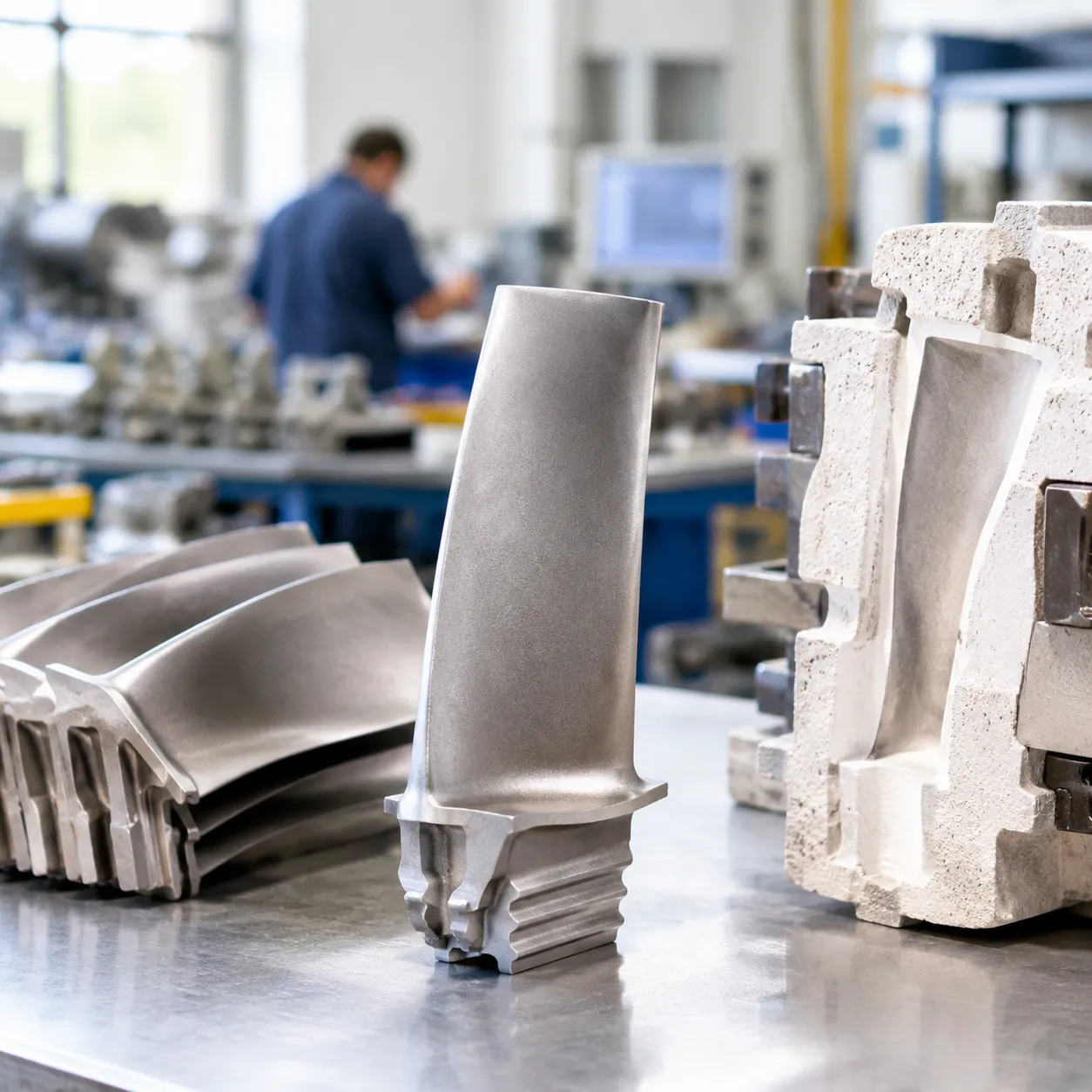
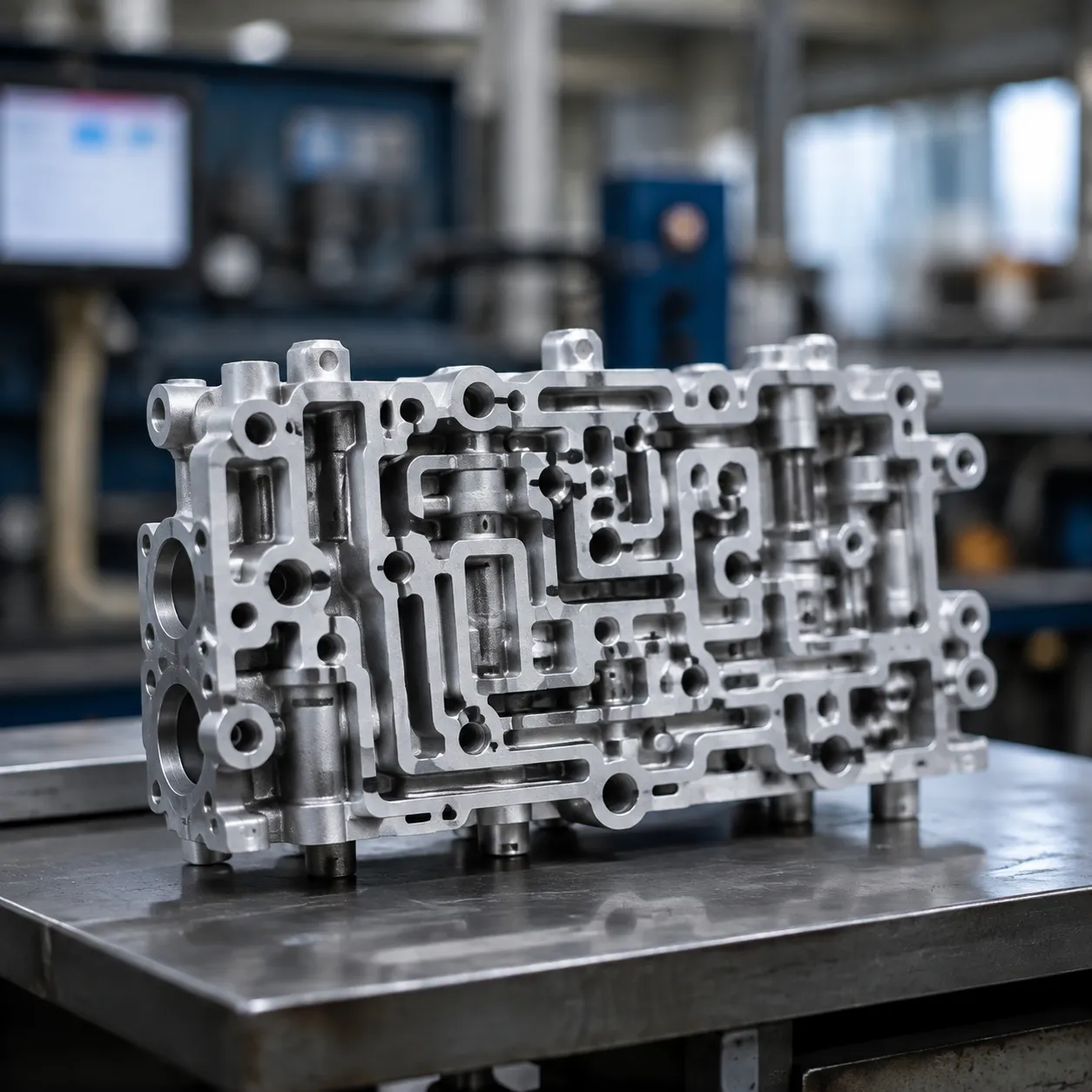
An aluminum low pressure die casting valve body is produced by feeding molten aluminum into a permanent mold under controlled low gas pressure, yielding dense, leak-tight hydraulic and pneumatic housings. This guide compares the LPDC process with HPDC and gravity die casting, covers alloys and CNC machining finish steps, and outlines defect control, design rules, and RFQ checkpoints for OEM buyers.
How Aluminum Low Pressure Die Casting Valve Body Production Works
Aluminum low pressure die casting (LPDC) is a precision manufacturing process engineered for producing high-density, leak-proof hydraulic and pneumatic valve bodies.[5] By feeding molten aluminum into a permanent mold under low gas pressure, we eliminate metal turbulence, air entrapment, and internal defects, delivering components capable of withstanding strict operating conditions.
How the LPDC Process Works
- Bottom-Up Filling: Controlled gas pressure (0.2 to 1 bar) pushes molten aluminum upward through a riser tube into the mold cavity from the bottom, ensuring smooth laminar flow.
- Directional Solidification: The top of the casting cools first while continuous pressure feeds liquid metal to compensate for shrinkage, producing dense, porosity-free structures.[1]
- Purity Control: Submerged liquid feeding prevents surface slag, oxides, and air from entering the valve chamber.
Why Aluminum Is Ideal for Valve Bodies
- Superior Pressure Tightness: High material density prevents micro-leaks in hydraulic and pneumatic valve blocks under continuous pressure.
- Optimal Strength-to-Weight Ratio: Reduces overall system weight while retaining structural integrity in heavy-duty machinery.
- Corrosion & Heat Resistance: Extends component service life in harsh operating environments and high-temperature fluid channels.
- Precision Machinability: Provides precise surface finishes and tight dimensional tolerances for CNC post-machining of internal valve seats and ports.
LPDC vs. HPDC vs. Gravity Casting
| Casting Feature | Low Pressure Die Casting (LPDC) | High Pressure Die Casting (HPDC) | Gravity Die Casting |
|---|---|---|---|
| Internal Porosity | Minimal / Near Zero | High (Gas Entrapment) | Moderate (Shrinkage Risk) |
| Pressure Tightness | Excellent (Leak-Proof) | Moderate | Fair |
| Heat Treatment (T6) | Fully Suitable | Limited (Risk of Blistering) | Suitable |
| Material Yield | High (>90%, minimal risers) | Moderate | Low (Requires large feeders) |
| Mechanical Strength | High | Medium | Medium-High |
Key Advantages of Aluminum Low Pressure Die Casting Valve Bodies
Choosing an aluminum low pressure die casting valve body delivers an optimal balance of structural integrity, precision, and overall production efficiency.
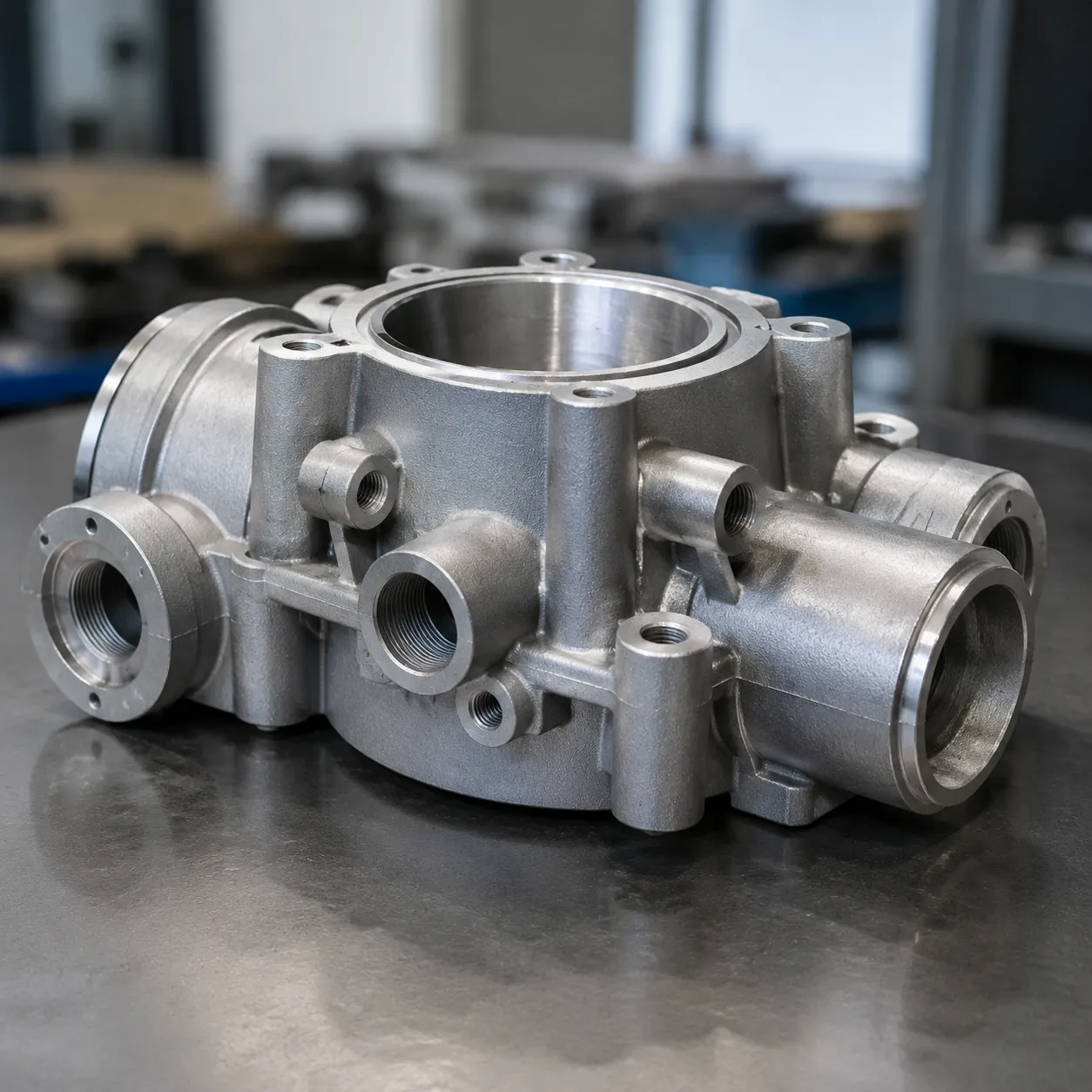
Superior Structural Integrity and Low Porosity
- Smooth Bottom-Up Filling: Molten metal enters the mold cavity from below under controlled low gas pressure, eliminating air entrapment and oxides.
- Dense Cast Structure: Continuous pressure feeding during directional solidification creates a virtually porosity-free aluminum casting.
High Dimensional Accuracy and Smooth Surface Finish
- Minimal Post-Processing: Precise die replication yields tight tolerances, significantly reducing the reliance on extensive secondary CNC machining.
- Clean Internal Passages: Smooth internal wall surfaces optimize fluid flow and reduce pressure drops in complex hydraulic valve body casting applications.
Maximum Pressure Tightness and Strength
- Zero-Leak Reliability: High structural density ensures exceptional die casting pressure tightness, preventing leaks in critical hydraulic and pneumatic systems.
- High Mechanical Properties: Fine, uniform grain structures provide superior tensile strength and durability under high working pressures.[2]
Cost-Effective Medium to High Volume Manufacturing
- High Material Yield: Direct bottom-up feeding achieves up to 90% metal utilization by eliminating large risers and sprues.
- Scalable Production: Alongside our alloy die casting parts programs, and through our specialized aluminum die casting services, we lower per-unit costs for mid-to-high volume runs while maintaining strict quality standards. We also offer dedicated rapid prototyping and tooling services to test and validate custom valve designs prior to full-scale production.
Aluminum Alloys Used in LPDC Valve Body Manufacturing
A356 Properties and T6 Heat Treatment
When casting high-performance aluminum low pressure die casting valve body components, A356 is our primary material recommendation. Its high silicon and magnesium content yields superior fluidity, corrosion resistance, and structural strength.
- Superior Fluidity: Ensures smooth metal flow throughout thin walls and complex internal channels.
- T6 Heat Treatment: Applying a T6 solution and aging process significantly increases tensile strength and yield strength, delivering maximum pressure tightness.
- Zero-Leakage Performance: Provides the low-porosity structure required for high-stress hydraulic valve bodies.
A380 and A319 for Complex Geometries
For complex valve geometries that require intricate internal flow paths, A380 and A319 alloys offer great alternatives.
- A380 Alloy: Offers exceptional mold-filling capabilities and dimensional stability. It is ideal for complex shapes, though A356 remains preferred for high-pressure sealing.
- A319 Alloy: Combines excellent castability with solid machinability, offering a cost-effective solution for standard valve housings.
To evaluate detailed material specifications, explore our alloy guide for high-performance alloys and precision casting.
A360 Alloy for Corrosion-Critical Valve Bodies
Where salt fog, condensate, or chemically aggressive media raise corrosion risk, A360 alloy is a practical alternative to standard A380 alloy die-casting chemistries. A360 typically trades a small amount of castability for improved corrosion resistance and ductility, which helps gate seats and sealing decks survive longer field exposure after CNC machining.
- When to specify A360: Outdoor manifolds, washdown environments, and oil-and-gas adjacent skids where corrosion margins matter as much as tensile strength.
- When to keep A380 / A356: Complex thin-wall pneumatic manifolds (A380) or high-pressure hydraulic blocks that need T6 response (A356).
Selecting Alloys for Hydraulic and Pneumatic Valves
Selecting the right aluminum alloy depends on operating pressure, fluid types, and mechanical demands. Refer to our cast aluminum foundry guide for processes, alloys, and selection to match casting materials with your specific application demands.
| Alloy Grade | Tensile Strength | Pressure Tightness | Recommended Application |
|---|---|---|---|
| A356 (T6) | High | Excellent | High-pressure hydraulic valve bodies |
| A380 | Moderate to High | Good | Complex pneumatic valve manifolds |
| A319 | Moderate | Good | Standard check valves and air control bodies |
- Hydraulic Valve Bodies: Rely on A356-T6 to handle heavy fluid spikes without micro-porosity leaks or structural fatigue.
- Pneumatic Valve Bodies: Utilize A380 or A319 for fast CNC machining and tight tolerances in lower-pressure air management systems.
Gate, Ball, and Check Valve Bodies Made with Aluminum LPDC
Buyers rarely order a generic housing - they specify a valve family. The same aluminum low pressure die casting valve body process supports several geometries when cores, wall stock, and machining stock are planned early.
- Gate valves: Larger cavities and longer stroke envelopes need uniform wall stock and carefully supported cores so seating decks stay flat after T6.
- Ball valves: Spherical chambers and stem bores reward bottom-up filling; we leave predictable CNC stock on sealing diameters to hit concentricity after machining.
- Check valves: Shorter flow paths and spring-pocket features still benefit from directional solidification so seat lands remain dense without impregnation.
- Control / manifold bodies: Multi-gallery blocks combine LPDC density with extensive CNC machining of ports, threads, and spool bores.
For oil-and-gas and industrial fluid programs that call out A380 or A360 chemistries on the print, we align melt practice and heat-treat routes before tooling steel is cut.
Step-by-Step Low Pressure Die Casting Process for Valve Bodies
We use a controlled low pressure casting process to manufacture dense aluminum low pressure die casting valve body components. Compared to traditional aluminum sand casting valve bodies, our step-by-step methodology ensures zero internal voids, tight tolerances, and exceptional pressure tightness.
Mold Design and Runner System Optimization
Every successful casting starts with precise mold design for LPDC. We engineer permanent steel molds with optimized runner and riser systems to direct molten metal smoothly into complex internal geometries.
- Flow Simulation: Advanced mold filling simulations identify air trap risks and optimize wall thickness transitions before production.
- Bottom-Up Feeding: Gates are placed at the bottom of the mold cavity to support smooth upward filling without surface turbulence.
- Alloy Compatibility: Paired with high-performance aluminum casting alloys, our molds yield consistent, high-density parts.
Molten Aluminum Feeding Under Low Pressure
Instead of relying on gravity or high-impact injection, molten aluminum is pushed upward through a riser tube under low gas pressure (0.2 to 1 bar).
- Turbulence-Free Filling: Controlled upward pressure fills the die cavity steadily, delivering a porosity-free aluminum casting.
- Clean Metal Transfer: Drawing liquid metal from beneath the bath surface prevents oxides and slag from entering the hydraulic valve body casting.
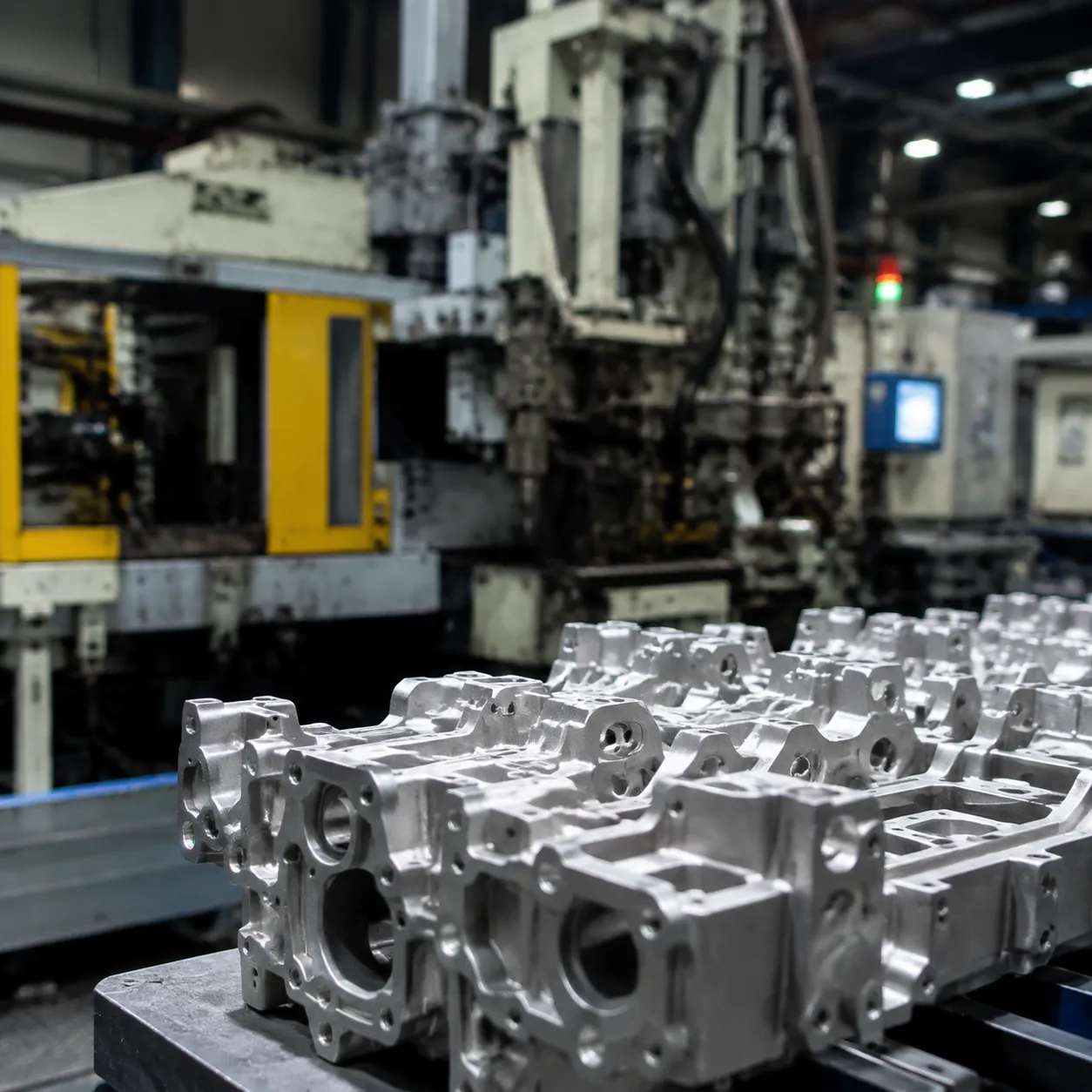
Controlled Solidification and Cooling
Holding continuous pressure during the cooling phase is critical for structural integrity.
- Directional Solidification: Metal solidifies progressively from the top of the mold down toward the feed gate under pressure.
- Shrinkage Compensation: Liquid metal continuously feeds shrinking areas as the part cools, producing leak-proof valve castings every time.
Heat Treatment and CNC Machining
Once removed from the mold, the valve bodies undergo finishing treatments to satisfy strict mechanical and dimensional specifications.
| Step | Action | Benefit |
|---|---|---|
| T6 Heat Treatment | Solution heat treatment followed by artificial aging | Significantly increases tensile strength and hardness for high-pressure operations. |
| CNC Machining | High-precision milling, tapping, and boring | Delivers smooth sealing surfaces, exact thread fits, and tight port tolerances. |
| Pressure Testing | Air-under-water or hydrostatic leak inspection | Verifies zero-leakage performance under actual operating pressure conditions. |
Permanent Mold Casting and the LPDC Process for Valve Bodies
Permanent mold casting describes reusable metal dies instead of sand molds. Low pressure die casting is a pressure-assisted form of permanent mold work: dry air pushes molten aluminum up a riser tube into the cavity, then holds feed pressure through solidification.
- Why the distinction matters: Gravity permanent mold relies on metallostatic head alone; the LPDC process adds controlled fill and shrinkage compensation, which is why valve bodies needing leak-tight decks often move from gravity pour to LPDC.
- Pressure band: Plant practice commonly holds fill/feed pressure in a low band on the order of a few tenths of a bar to about 1 bar (roughly a few psi to the mid-teens psi), tuned per part mass and gating - not a single universal setpoint.[1]
- Shared tooling DNA: Draft, parting lines, and steel die maintenance look like other permanent mold jobs, but LPDC adds furnace sealing, riser-tube cleanliness, and pressure curves as critical process parameters.
Defect Prevention and Quality Control in LPDC Valve Bodies
Minimizing Shrinkage Porosity and Gas Inclusions
Producing a porosity-free aluminum low pressure die casting valve body demands strict control over molten metal purity and cooling dynamics. In our low pressure die casting process, bottom-up feeding and controlled directional solidification effectively eliminate trapped gases and shrinkage cavities (see also troubleshooting common casting defects).
- Smooth Metal Feeding: Maintaining low, stable gas pressure (0.2 to 1 bar) eliminates turbulence, preventing oxide formation inside complex valve cavities.
- Thermal Balance Management: Target mold cooling ensures high density, producing reliable, leak-proof valve castings engineered for severe operating environments.
- Melt Degassing: Purging dissolved hydrogen with inert gas prior to casting prevents micro-porosity formation during solidification.
Non-Destructive Testing (NDT) Protocols
To ensure uncompromising pressure tightness across every hydraulic and pneumatic valve, we apply rigorous testing and quality control procedures at key stages of manufacturing.
- Digital X-Ray Inspection: Detects sub-surface gas inclusions or internal porosity hidden deep within internal channels before machining begins.[4]
- Helium and Air-Under-Water Leak Testing: Validates high-pressure seal integrity for zero leakage under peak hydraulic pressure.
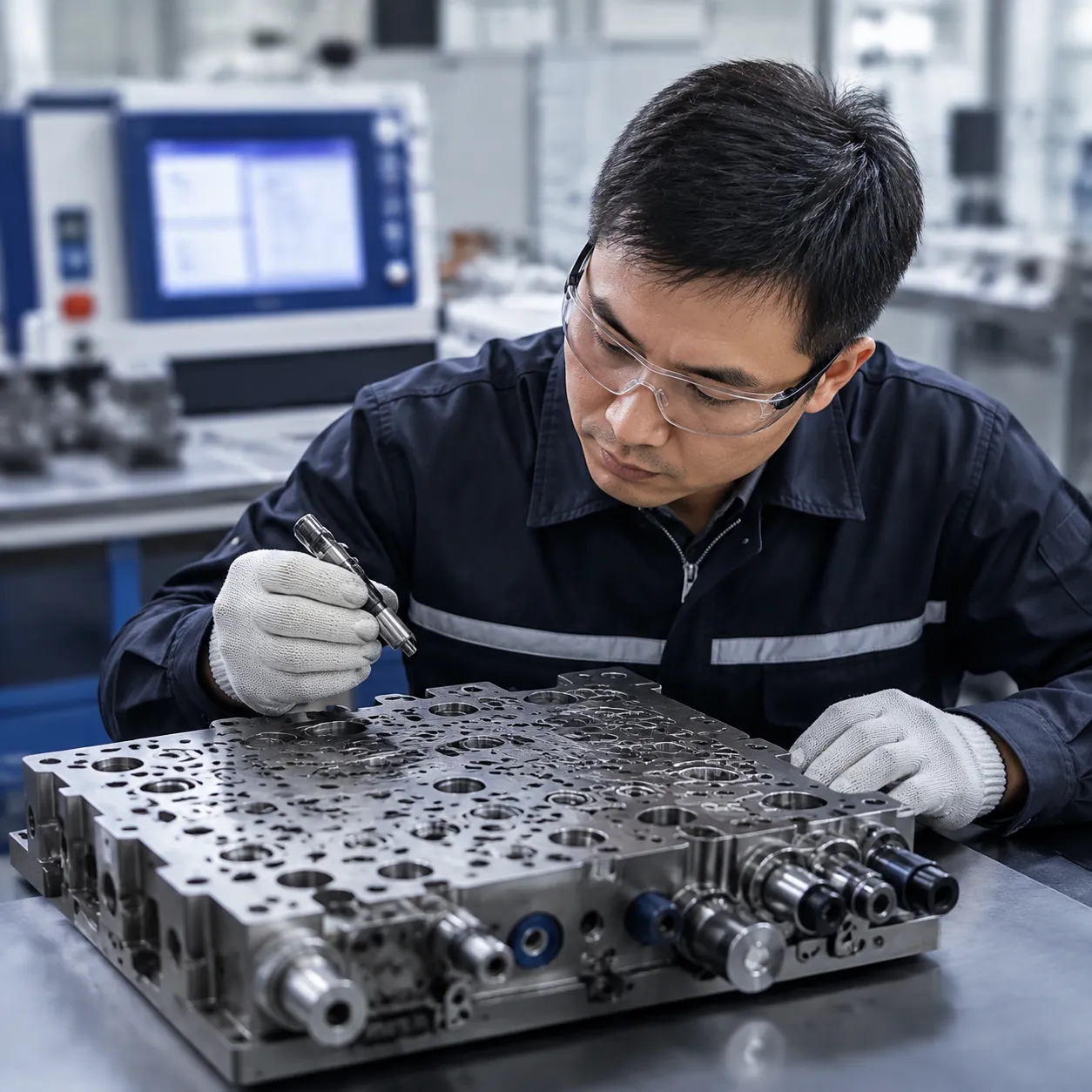
Dimensional Inspection and Pressure Testing Standards
Intricate internal flow paths and tight mounting surfaces require precision measurement to meet international standards.
- Coordinate Measuring Machine (CMM) Scanning: Automated CMM probes verify critical geometric tolerances, wall thickness, and core alignment.
- Hydrostatic Proof Testing: Every valve body undergoes proof and burst testing exceeding rated working pressures to guarantee long-term field safety and performance.
Design Guidelines for Aluminum Low Pressure Die Casting Valve Bodies
Engineering a high-performance aluminum low pressure die casting valve body requires balancing fluid dynamics with solid casting fundamentals. We follow strict geometric rules during mold design to ensure high pressure tightness and structural reliability - align early with a DFM casting design review before steel cut.
Wall Thickness Uniformity and Radii
Maintaining even wall thickness prevents isolated hot spots, shrinkage voids, and internal porosity. When wall variations are necessary, smooth transitions ensure proper directional solidification.
- Target Wall Thickness: Maintain primary wall thickness between 4 mm and 6 mm for optimized alloy flow and structural strength.
- Gradual Transitions: Limit wall thickness variations to a 1:4 taper ratio to prevent abrupt heat traps.
- Generous Fillets: Apply radii equal to 50% to 100% of the wall thickness at all internal corners. Sharp edges cause stress concentrations and lead to leaks or cracks under operating pressure.
Draft Angles and Parting Line Placement
Proper draft angles allow smooth ejection without scoring critical sealing surfaces. Working with an experienced industrial molds company ensures tooling is designed for long production runs with tight dimensional tolerances.
| Feature Type | Minimum Draft Angle | Primary Purpose |
|---|---|---|
| External Walls | 1.0° - 1.5° | Prevents surface dragging during mold opening |
| Internal Cavities | 1.5° - 2.0° | Accommodates metal shrinkage onto core pins |
| Deep Port Pockets | 2.0° - 3.0° | Ensures clean release in deep hydraulic channels |
Keep parting lines along non-sealing outer edges to avoid flash on critical mating surfaces, minimizing downstream tool wear during online CNC service for precision parts.
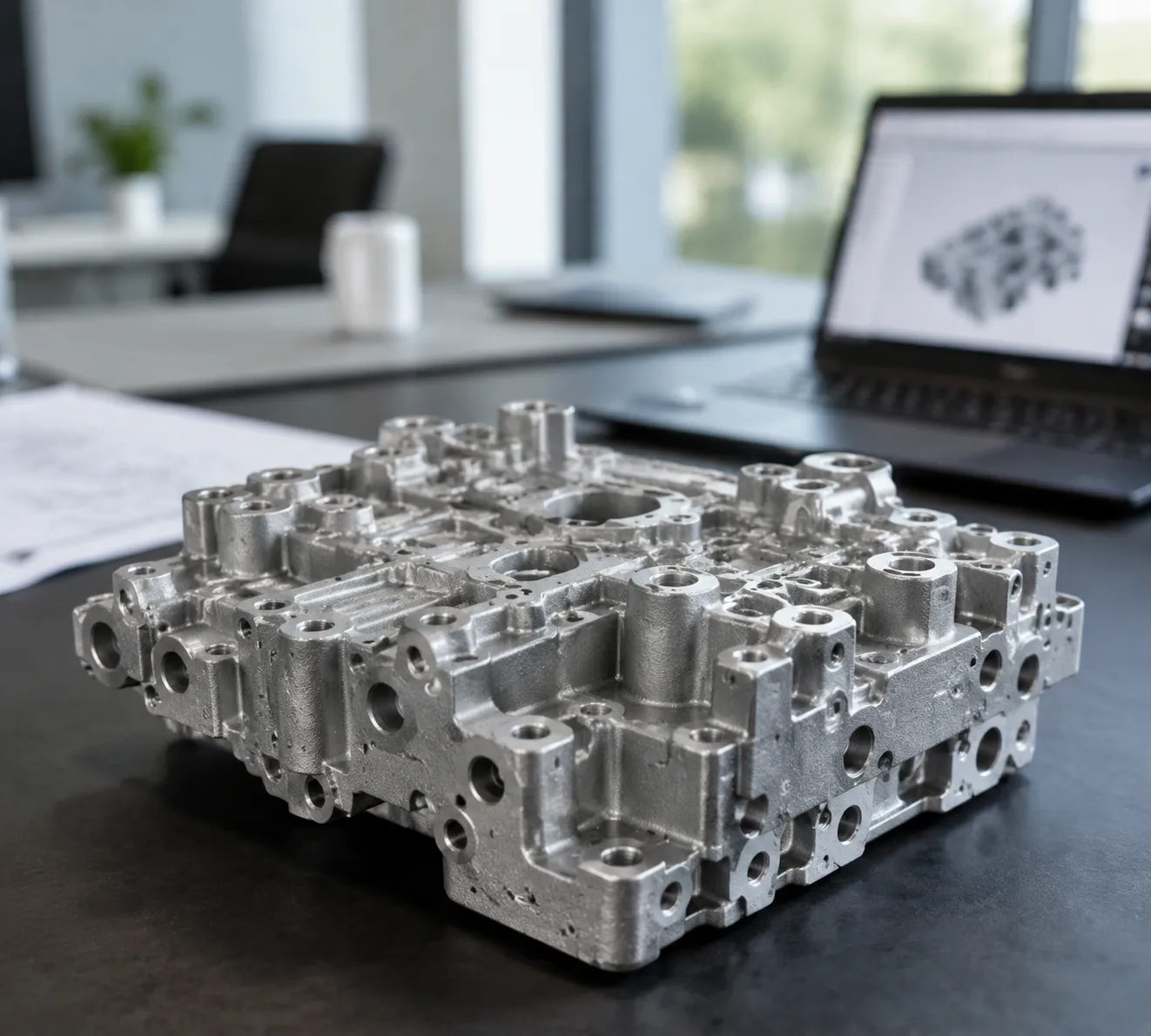
Core Placement for Internal Flow Channels
Hydraulic and pneumatic valve bodies rely on accurate core integration to form complex internal galleries and fluid paths.
- Core Print Support: Secure core prints at multiple contact points to prevent shifting or core float under rising molten metal pressure.
- Smooth Media Pathways: Design internal geometries that facilitate complete sand removal and thorough post-casting flushing.
- Steel Core Draft: Provide a minimum of 2° draft on retractable steel pins to prevent galling on internal flow channels.
Applications for Aluminum Low Pressure Die Casting Valve Bodies
Across industries, teams pick an aluminum low pressure die casting valve body when weight, corrosion resistance, and pressure tightness must coexist in medium-to-high volumes.
- Oil and gas / process skids: Gate, ball, and check valve housings and related manifolds where documentation, density, and corrosion-aware alloys (including A360) matter.
- Automotive and mobile hydraulics: Transmission and brake-related fluid control bodies, air-system valves, and lightweight actuator housings that still need leak checks after machining.
- Industrial gas and utility piping: Pipe valve bodies and distribution blocks where smooth internal passages cut pressure drop versus rough sand cast surfaces.
- General industrial hydraulics and pneumatics: Pump-adjacent valve blocks and pneumatic manifolds that benefit from T6-capable aluminum alloy structures.
When to Specify an Aluminum Low Pressure Die Casting Valve Body
Use LPDC when the print needs pressure-tight aluminum walls, heat-treatable strength, and repeatable dimensional control - and when annual volume can amortize steel tooling.
- Prefer LPDC when: Leak paths are unacceptable, T6 is required, internal galleries are complex, and you need better density than typical high-pressure die casting porosity risk allows.
- Prefer gravity die casting when: Parts are thicker, simpler, and lower pressure, or when tooling budgets must stay lower for modest volumes.
- Prefer sand casting when: Geometry changes often, volumes are low, or very large envelopes make permanent steel dies uneconomic - see also our notes on aluminum sand casting valve bodies.
- Prefer HPDC when: Extremely high volume thin-wall parts dominate and heat-treat / leak requirements are less severe than hydraulic sealing decks.
If you are still comparing process families at RFQ stage, our overview of sand casting vs die casting helps frame tooling and tolerance tradeoffs before you freeze the valve body process.
Frequently Asked Questions
LPDC vs. Sand Casting for Valve Bodies
Low pressure die casting outperforms traditional sand casting in density, surface finish, and dimensional control when manufacturing custom OEM valve bodies.
| Feature | Low Pressure Die Casting (LPDC) | Sand Casting |
|---|---|---|
| Porosity & Leak-Tightness | Dense structure with minimal porosity; highly leak-proof | Higher risk of sand inclusions and micro-porosity |
| Surface Finish | Smooth (Ra 3.2 - 6.3 µm) | Rough (Ra 12.5 - 25 µm) |
| Dimensional Accuracy | Tight tolerances; reduces CNC finish machining | Broader tolerances; requires extensive machining |
| Production Speed | Fast cycle times for medium-to-high volume | Slower cycle times; labor-intensive mold setup |
Working Pressures for LPDC Aluminum Valve Bodies
Using high-performance castable aluminum alloys with dense directional solidification allows castings to reliably withstand high operational demands:
- Hydraulic Valve Applications: Many hydraulic programs target working pressures from roughly mid-tens of bar into the low hundreds of bar after proper alloy, heat treat, and wall design - always confirm to the print and proof-test plan.
- Pneumatic Valve Applications: Pneumatic bodies commonly run from about 10 bar into several tens of bar, depending on seals, wall stock, and safety factors.
- Burst Pressure Resilience: Sound internal structures help programs hold design safety factors versus working pressure - proof and burst levels should be written into the quality plan.
How Heat Treatment Improves Performance
An aluminum low pressure die casting valve body undergoes T6 solution heat treatment and artificial aging to maximize long-term dependability:
- Mechanical Strength: Typically raises tensile strength and yield strength substantially versus the as-cast temper; exact gains depend on alloy chemistry and aging practice.[2]
- Surface Hardness: Improves wear resistance along internal flow channels and valve seats.
- Stress Relief: Eliminates internal residual stresses to prevent thermal distortion and pressure boundary leaks.
Typical Lifespan of an LPDC Casting Mold
- Tooling Service Life: Quality H13 tool steel die molds often deliver on the order of tens of thousands to about 100,000+ casting shots, depending on alloy, thermal control, and maintenance.[3]
- Factors Extending Tool Life: Controlled low molten metal feeding pressure (0.2 to 1 bar), routine die maintenance, anti-soldering coatings, and automated mold thermal regulation.
We are Professional Precision Casting Service Providers supporting OEM valve programs with LPDC tooling, melt control, heat treatment, CNC finish machining, and documented pressure testing.
Send drawings, alloy targets, and pressure-test requirements to request a quote for your next valve body program.
References
- NADCA / Die Casting Education - process fundamentals for die casting
- MakeItFrom - A356.0-T6 Cast Aluminum material properties
- American Foundry Society - About Metalcasting
- AZoM - Aluminum Alloys in Die Casting (overview)
- Wikipedia - Die casting (background)
- eFunda - Aluminum Alloys overview
- North American Die Casting Association (NADCA)