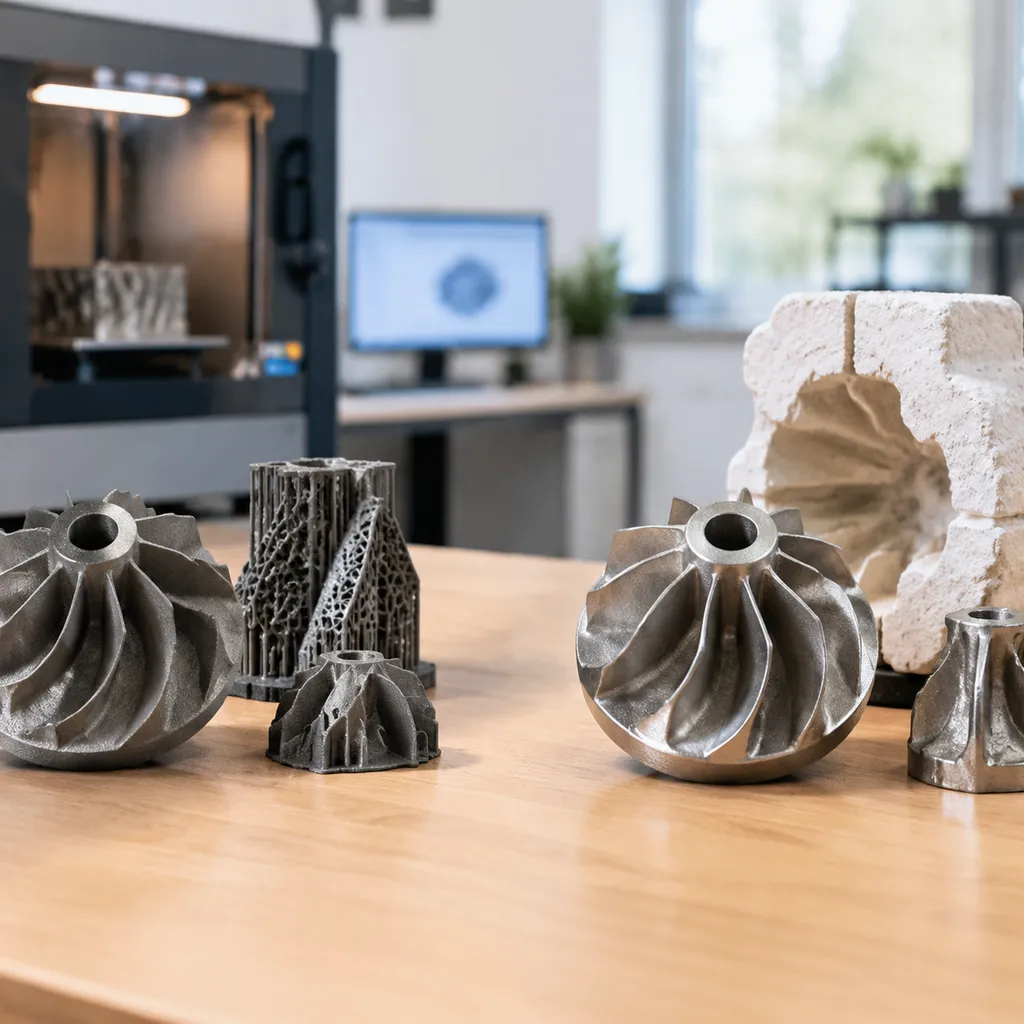
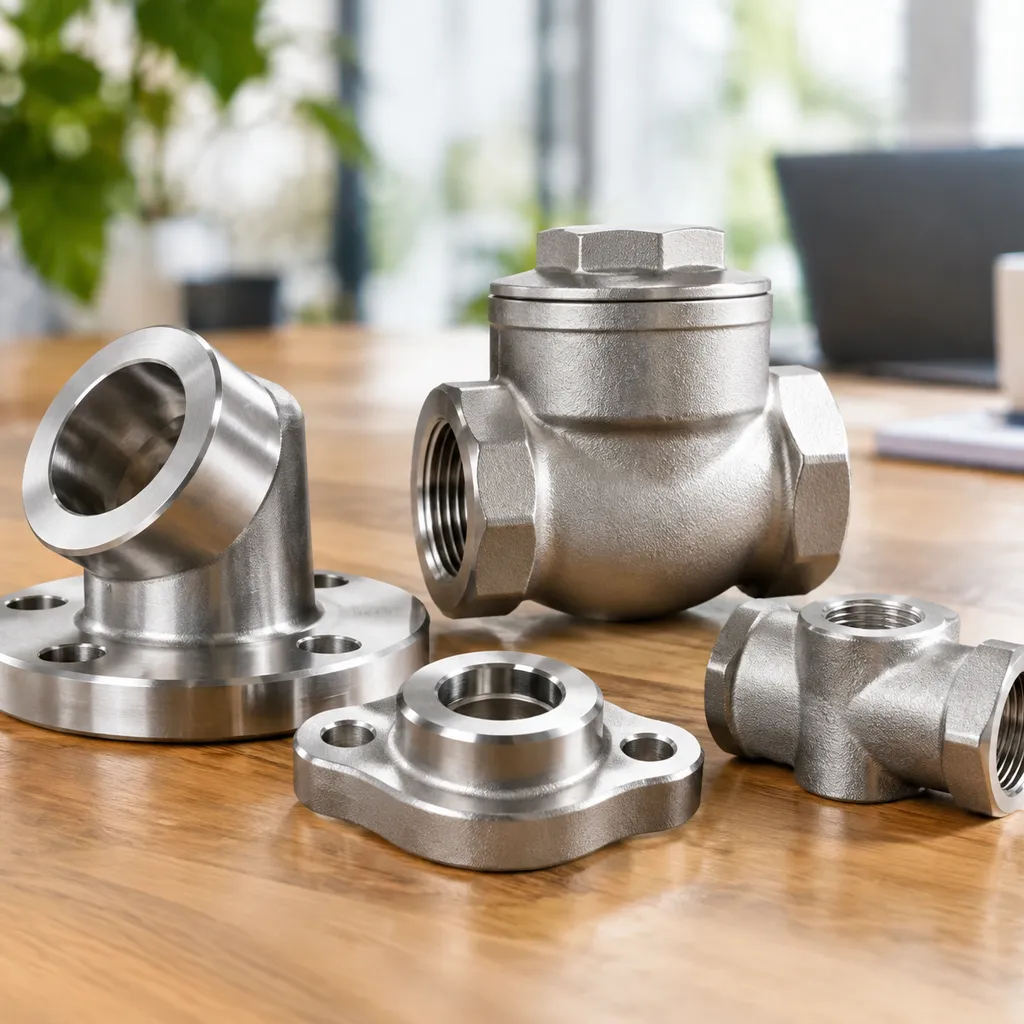
316 stainless steel investment cast properties combine molybdenum-boosted corrosion resistance with the dimensional control of lost wax casting for marine, chemical, and fluid-handling hardware. Cast CF8M and low-carbon 316L stainless steel (CF3M) provide defined tensile strength, yield strength, and elongation baselines, plus chloride resistance that outperforms 304 in salt and acid service. This guide covers chemical composition, mechanical properties, process steps, industrial applications, and 304 vs 316 grade selection for engineers and buyers.
What Are 316 Stainless Steel Investment Cast Properties?
What is 316 Investment Casting?
Investment casting with Grade 316 austenitic stainless steel delivers near-net-shape components engineered for high structural integrity and extreme corrosion resistance.
- Primary Matrix: Austenitic iron-chromium-nickel alloy modified with molybdenum.
- Core Benefit: Premium pitting and crevice corrosion defense in marine, chemical, and fluid-handling applications.
- Manufacturing Advantage: Near-net shape casting drastically cuts cycle times and raw material waste on work-hardening alloys.
The Lost Wax Casting Process for 316 Alloy
The lost wax technique creates complex configurations with exceptional repeatability, smooth surface finishes, and tight dimensional control. Molten 316 alloy is poured into a preheated ceramic shell built around sacrificial wax patterns.
| Step | Operation | Key Function |
|---|---|---|
| 1. Pattern Injection | Precision wax tooling | Forms the sacrificial pattern replica |
| 2. Ceramic Shelling | Refractory slurry and stucco coating | Builds high-temperature structural mold |
| 3. Dewaxing & Preheating | High-pressure autoclaving and firing | Removes pattern wax and sinters ceramic shell |
| 4. Pouring | Induction melting under strict atmospheric control | Ensures homogeneous alloy flow and low gas porosity |
| 5. Shell Knockout & Finishing | Mechanical shell removal and cut-off | Yields ready-to-inspect, near-net-shape parts |
Cast Equivalent Specifications and Standards (ASTM A351 CF8M)
While wrought material is designated as AISI 316, the engineering cast equivalent is designated as CF8M under Unified Numbering System UNS J92900. Cast configurations are governed by established global quality standards to guarantee consistent mechanical performance and chemical compliance.[1]
- ASTM A351 / A351M: Standard specification for castings, austenitic, for pressure-containing parts.
- ASTM A743 / A743M: Standard specification for castings, iron-chromium, iron-chromium-nickel, corrosion-resistant, for general application.
- ASTM A744 / A744M: Standard specification for castings, iron-chromium-nickel, corrosion-resistant, for severe service.
- Certified Quality Systems: Production is supported by ISO 9001:2015, AS9100 Rev D, and Nadcap-accredited testing for critical industrial and aerospace components.
Chemical Composition of Investment Cast 316 Stainless Steel
Getting the chemical composition right is the first step in unlocking predictable 316 stainless steel investment cast properties. In our investment casting operations, we melt and pour cast-grade 316 - formally designated as ASTM A351 CF8M - under tightly controlled metallurgical parameters. Balancing each element ensures the cast components deliver maximum structural integrity and corrosion performance.
Standard Elemental Breakdown
Cast 316 (CF8M) features slightly higher silicon and chromium allowances than its wrought counterpart to improve melt fluidity and mold filling during the lost wax process. Our foundry controls the chemical balance within the following certified ranges:
| Element | CF8M (Cast 316) Weight % | Wrought 316 Baseline % |
|---|---|---|
| Carbon (C) | 0.08 max | 0.08 max |
| Chromium (Cr) | 18.00 - 21.00 | 16.00 - 18.00 |
| Nickel (Ni) | 9.00 - 12.00 | 10.00 - 14.00 |
| Molybdenum (Mo) | 2.00 - 3.00 | 2.00 - 3.00 |
| Manganese (Mn) | 1.50 max | 2.00 max |
| Silicon (Si) | 1.50 - 2.00 max | 0.75 max |
| Phosphorus (P) | 0.04 max | 0.045 max |
| Sulfur (S) | 0.04 max | 0.03 max |
| Iron (Fe) | Balance | Balance |
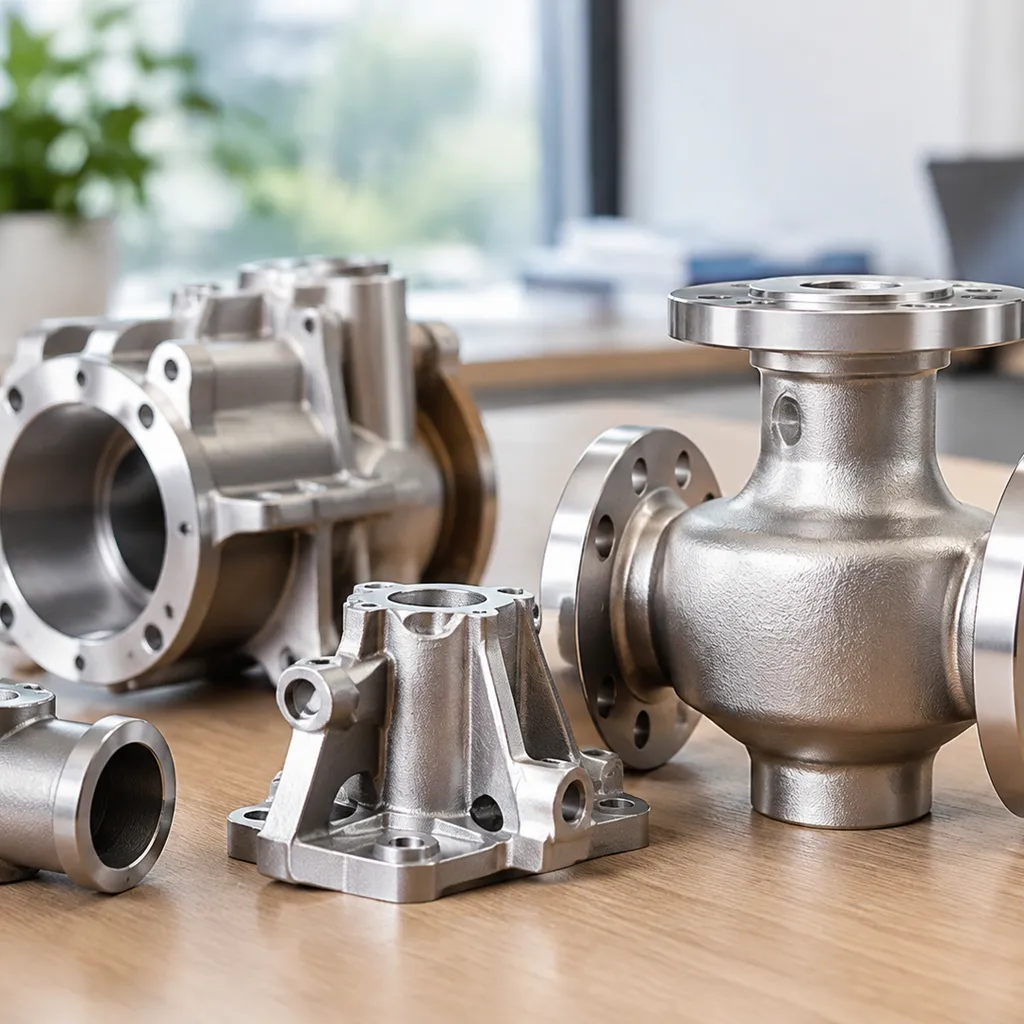
To see how these elemental ratios compare across other casting grades, check out our investment cast stainless steel guide for engineers.
The Role of Molybdenum in Pitting Resistance
The addition of 2.0% to 3.0% molybdenum is what separates 316 from baseline 304 austenitic stainless steel.[1] Molybdenum fundamentally alters the passive oxide layer on the casting surface, boosting its resistance against localized breakdown:
- Chloride Defense: Mo actively prevents chloride ions from penetrating microscopic surface imperfections, shielding parts from pitting in sea spray, brine, and de-icing chemicals.
- Crevice Protection: It prevents aggressive acid build-up inside narrow gaps, O-ring grooves, and thread roots where stagnant fluid gathers.
- Higher PREN Values: The presence of molybdenum significantly raises the Pitting Resistance Equivalent Number, making CF8M ideal for offshore manifolds, pump casings, and marine valves.
Composition Differences: 316 vs. 316L (CF8M vs. CF3M)
When specifying stainless grades, the carbon threshold determines long-term durability in welded assemblies. We cast both standard 316 (CF8M) and low-carbon 316L (CF3M) depending on application demands:
- Carbon Concentration: Standard CF8M allows up to 0.08% carbon, providing slightly higher strength at elevated temperatures. CF3M caps carbon strictly at 0.03% maximum.
- Intergranular Corrosion: Lower carbon in CF3M prevents chromium carbide precipitation along grain boundaries during welding or slow cooling.[4]
- Post-Weld Reliability: If your finished components require heavy field welding without subsequent solution annealing, CF3M eliminates the risk of weld decay. For general fluid-handling and mechanical components, CF8M remains the industry standard.
Mechanical and Physical Properties of 316 Castings
Evaluating the 316 stainless steel investment cast properties is essential for engineers and procurement specialists designing components for high-stress, corrosive settings. At our foundry, we cast Grade 316 and its cast counterpart, CF8M (ASTM A351), to deliver dependable structural integrity and superior environmental resistance.
| Property Metric | CF8M Cast Minimum Value | Standard Baseline |
|---|---|---|
| Tensile Strength | 70 ksi (485 MPa) | ASTM A351 / A743 |
| Yield Strength (0.2% offset) | 30 ksi (205 MPa) | ASTM A351 / A743 |
| Elongation (in 2 inches) | 30% min | ASTM A351 / A743 |
| Oxidation Resistance | Up to 1500°F-1600°F (815°C-870°C) | Continuous Service |
| Magnetic Permeability | Non-magnetic (annealed) | Slight response possible as-cast |
Tensile Strength and Yield Strength
The baseline mechanical properties of CF8M castings ensure consistent load-bearing capability. Our precision casting process achieves a minimum tensile strength of 70 ksi (485 MPa) alongside a minimum yield strength of 30 ksi (205 MPa).[2] These metrics guarantee that pressure-containing parts, such as valve bodies and pump housings, withstand rigorous working pressures without permanent deformation.
Hardness, Ductility, and Elongation
Cast 316 provides an optimal balance of toughness and formability. With a minimum elongation of 30% in a 2-inch gauge length, CF8M exhibits outstanding ductility and resistance to brittle fracture under sudden mechanical shock.[2] In the fully annealed state, the austenitic matrix is ductile and virtually non-magnetic, while trace amounts of micro-ferrite in the as-cast structure improve weldability and prevent hot cracking during solidification.
Thermal Conductivity and Density
In thermal and fluid management applications, 316 stainless steel maintains reliable structural stability across extreme temperature swings. The alloy delivers continuous oxidation resistance at temperatures reaching 1500°F to 1600°F (815°C to 870°C).[1] Combined with its austenitic microstructural stability, these physical characteristics make our investment castings ideal for components exposed to cyclical thermal loads, aggressive media, and sub-zero operating environments.
Chloride Resistance and Strength of 316 Investment Castings
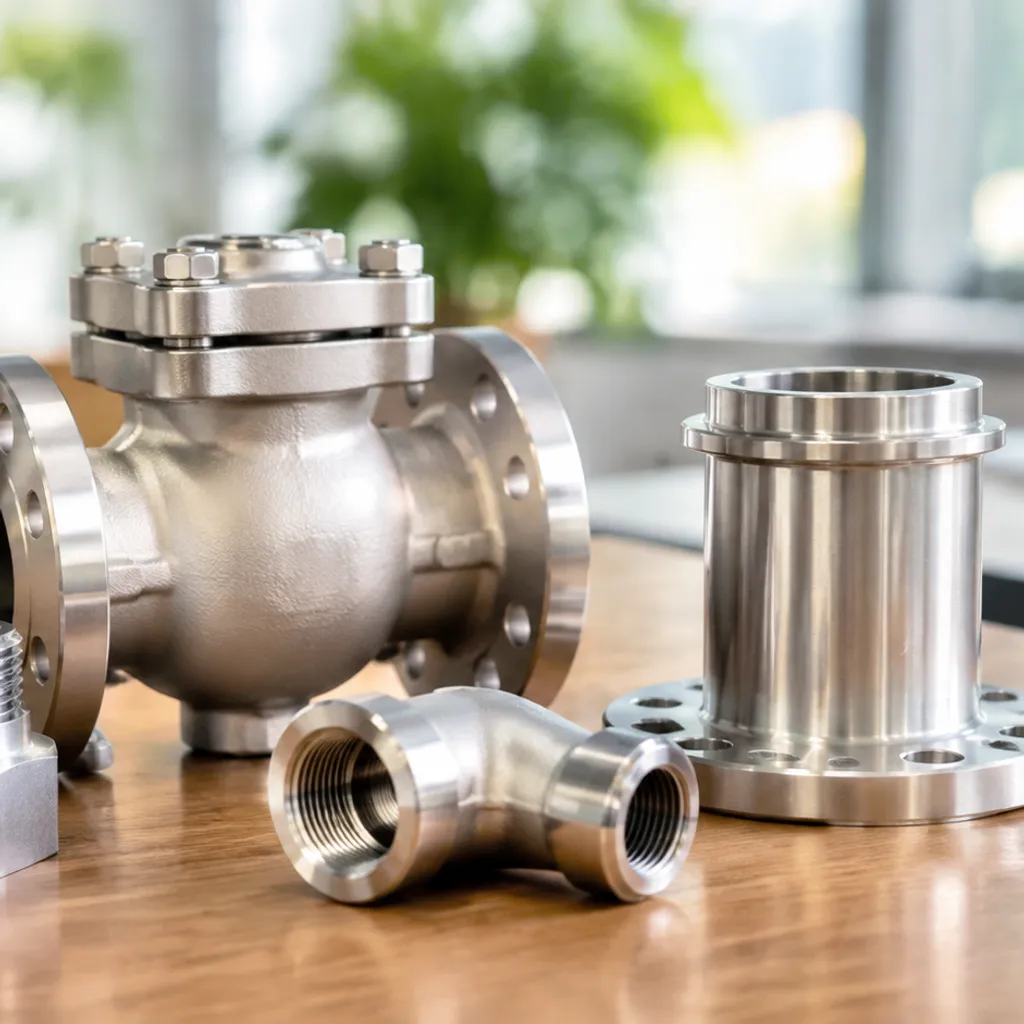
When selecting materials for severe industrial service, the core 316 stainless steel investment cast properties deliver unmatched reliability. We leverage the precision lost wax casting process to produce complex components that combine severe-environment resistance with high structural integrity.
Superior Corrosion Resistance in Chloride Environments
The defining advantage of our cast 316 (CF8M) alloy is its chemical defense. By including 2.0% to 3.0% molybdenum in the austenitic matrix, we significantly boost the metal's pitting and crevice corrosion resistance compared to basic 304 grades.[3]
- Chloride Protection: Resists severe pitting caused by saltwater, brackish water, and marine spray.
- Acid Defense: Shields equipment against aggressive chemical processing media, including sulfurous and phosphoric solutions.
- Intergranular Resistance: Maintains microstructural stability against localized degradation in tough operating environments.
High-Temperature Strength and Creep Resistance
Our 316 castings provide exceptional thermal stability under continuous and cyclic heat exposure. Key thermal advantages include:
- Oxidation Resistance: Maintains surface stability up to 1500°F to 1600°F (815°C to 870°C).
- Structural Retention: Keeps solid tensile and yield strength without suffering catastrophic creep or deformation under thermal loads.
- Thermal Shock Endurance: Handles repeated hot-to-cold industrial transitions without internal micro-cracking.
Dimensional Accuracy and Fine Surface Finish
Work-hardening 316 stainless can be difficult and costly to machine from solid billets. Our investment casting process bypasses these production bottlenecks by delivering true near-net shapes straight out of the mold:
- Tight Tolerances: Yields precise, repeatable dimensional control across complex, thin-walled geometries.
- Smooth As-Cast Surfaces: Eliminates excessive surface cleanup, lowering overall production cycle times.
- Minimal Scrap: Drastically cuts down on costly raw material waste and secondary CNC operations.
Pressure Tightness and Structural Durability
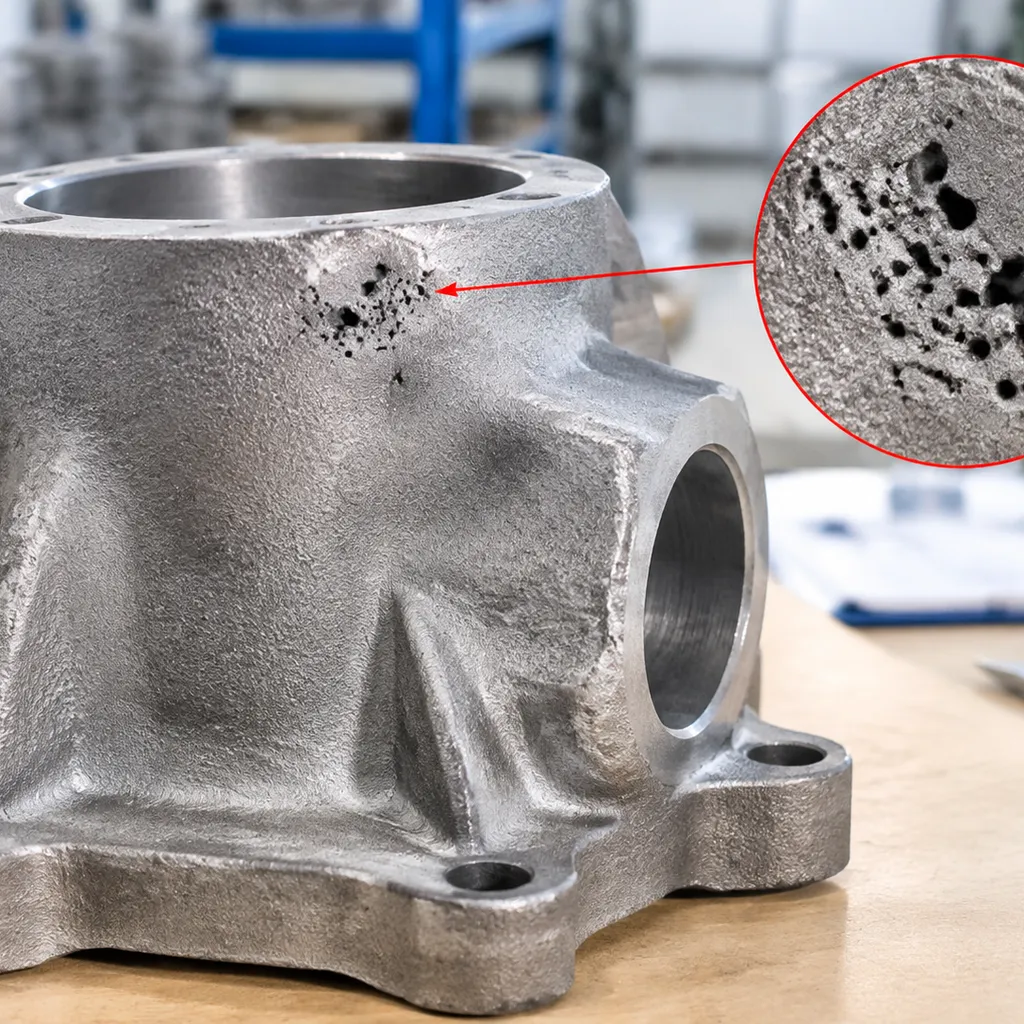
Industrial fluid-handling systems demand zero defects under high operating pressures. We cast 316 alloy to meet strict internal soundness standards, ensuring pressure-tight performance across all core systems:
- Dense Grain Structure: The lost wax process promotes uniform solidification, virtually eliminating internal porosity and leak paths.
- Tough Mechanical Integrity: Delivers minimum tensile strengths of 70 ksi (485 MPa) and 30% elongation for superior impact energy absorption.
- Certified Quality Assurance: Every cast batch aligns with ASTM A351 standards and undergoes rigorous non-destructive testing (NDT) within our AS9100 and ISO-certified quality system.
Industrial Applications for 316 Stainless Steel Castings
When operating environments involve aggressive chemicals, high pressures, or constant salt exposure, engineers turn to CF8M cast components. By relying on our casting stainless steel guide for high-precision alloys, industrial designers leverage the balanced 316 stainless steel investment cast properties to create reliable, near-net-shape components that cut machining overhead and maintain high durability under severe service conditions.
Marine Hardware and Offshore Components
The 2% to 3% molybdenum presence in cast 316 provides the pitting resistance needed for long-term ocean deployment.
- Deck hardware: Cleats, chocks, hinges, and structural brackets for marine engineering service that withstand continuous salt-spray exposure.
- Subsea assemblies: Sensor housings, cable clamps, and connector bodies resistant to crevice corrosion under marine bio-fouling.
- Rig equipment: Fasteners and pipe support brackets engineered to resist chloride stress corrosion cracking in offshore zones.
Chemical and Petrochemical Processing Equipment
Refineries and chemical plants handle harsh reagents, high thermal cycles, and volatile fluids. Cast 316 components deliver dependable performance across varied industrial chemistry lines.
| Component Type | Operating Media | Key Material Benefit |
|---|---|---|
| Mixing Impellers | Sulfuric acid mixtures, industrial solvents | High erosion-corrosion resistance and structural ductility |
| Manifolds & Fittings | Petrochemical feedstocks, sour gas | Intergranular corrosion attack defense in hot fluid circuits |
| Instrumentation Housings | Corrosive refinery atmospheres | Long-term dimensional stability and oxidation resistance |
Food, Beverage, and Pharmaceutical Machinery
Sanitary systems demand smooth surfaces, non-reactive surfaces, and cleanability. Precision investment casting delivers uniform geometry with minimal surface porosity, making cleanup easy.
- Sanitary fluid fittings: High-purity couplers, clamp ferrules, and elbows capable of withstanding routine clean-in-place (CIP) steam and caustic sterilization.
- Processing blades and homogenizers: Food-contact wear parts that eliminate heavy metal leaching and resist pitting from organic acids.
- Pharma dosing blocks: Tight-tolerance fluid handling components that maintain purity across high-volume production cycles.
High-Pressure Pumps and Valves
Cast 316 provides the structural integrity and pressure tightness needed for fluid containment systems without porosity defects. We manufacture critical fluid handling hardware built to rigorous ASTM standards:
- Valve bodies and plugs: Gate, globe, check, and ball valve bodies engineered to seal against aggressive flow media up to high design limits.
- Pump impellers and casings: Closed and semi-open impellers with complex, thin-walled vanes that ensure smooth flow patterns and cavitation resistance.
- Flanges and metering manifolds: Robust connection points fabricated with minimum 70 ksi tensile strength to maintain joint integrity under dynamic mechanical stresses.
Grade Comparison: Selecting 316 for Investment Casting
While basic austenitic alloys handle everyday atmospheric exposure, critical operating environments require the elevated 316 stainless steel investment cast properties found in cast CF8M.
304 vs. 316 Stainless Steel Investment Casting
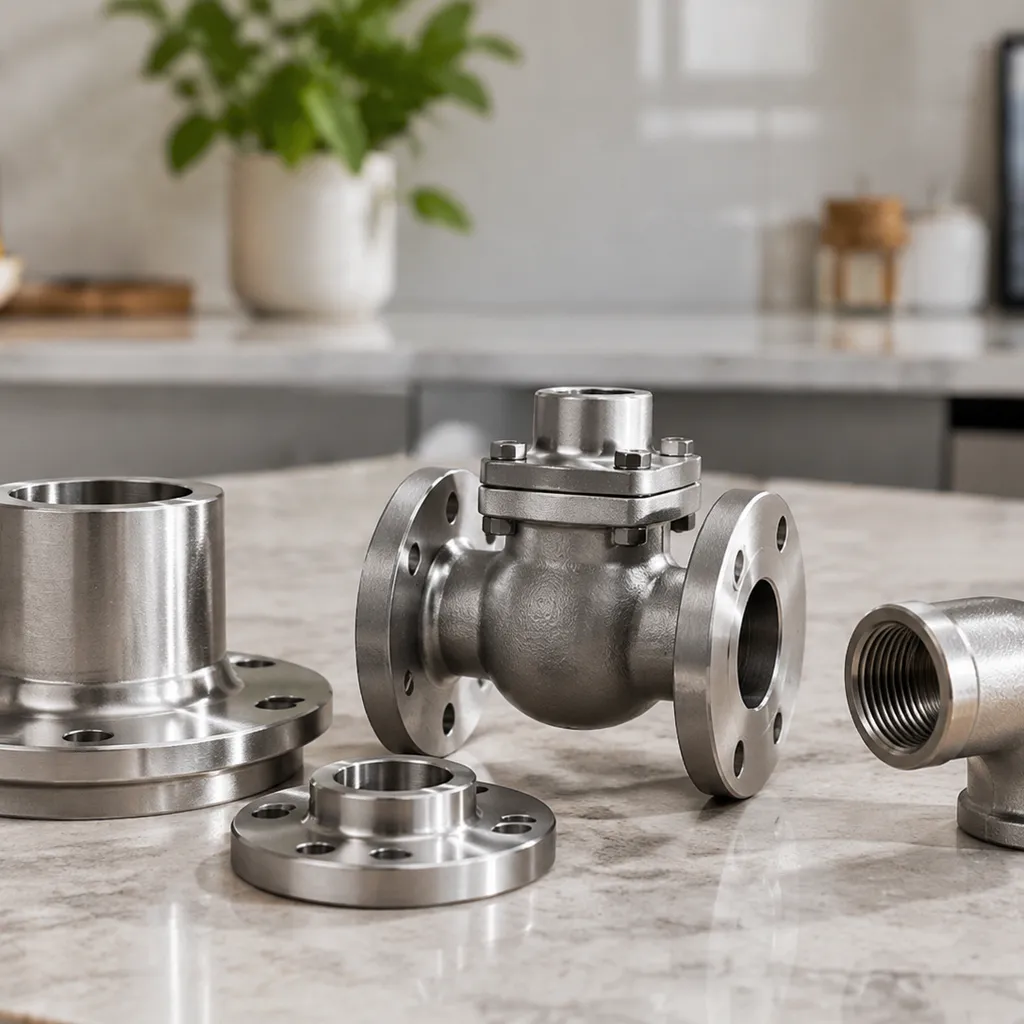
Grade 304 (cast CF8) remains the standard choice for general-purpose applications, but Grade 316 (cast CF8M) adds 2.0% to 3.0% molybdenum. This compositional shift significantly upgrades performance in harsh operating media.
- Corrosion Resistance: CF8M provides superior defense against pitting and crevice corrosion in chloride-rich, coastal, and chemical environments where 304 routinely fails.
- Mechanical Performance: Both deliver similar minimum tensile strength (around 70 ksi) and elongation, but 316 maintains better structural stability at elevated working temperatures.
- Process Fit: We pour both using the same lost wax method, but our stainless investment casting process ensures optimal carbide solution annealing for 316 parts exposed to corrosive media.
| Feature / Property | Cast 304 (CF8) | Cast 316 (CF8M) |
|---|---|---|
| Nominal Molybdenum | 0% | 2.0% - 3.0% |
| Chloride Resistance | Moderate (risk of pitting) | High (pitting and crevice resistant) |
| Tensile Strength (min) | 70 ksi (485 MPa) | 70 ksi (485 MPa) |
| Yield Strength (min) | 30 ksi (205 MPa) | 30 ksi (205 MPa) |
| Primary Use | Food hardware, architectural, dry valves | Marine pumps, chemical, offshore |
316 vs. 316L for Cast Applications
The core distinction between standard 316 (CF8M) and low-carbon 316L (CF3M) centers on carbon content limits:
- Carbon Content: Standard 316 allows up to 0.08% carbon, whereas 316L caps carbon at 0.03% maximum.
- Welding and Intergranular Corrosion: 316L prevents chromium carbide precipitation along grain boundaries during heavy welding. If parts require extensive post-cast field welding without subsequent solution annealing, 316L eliminates weld decay.
- Mechanical Strength: Standard cast 316 offers slightly higher room-temperature tensile and yield strengths compared to 316L due to the higher interstitial carbon content.
Cost vs. Performance Factors in Material Selection
Selecting between cast grades comes down to lifecycle value versus initial manufacturing expense:
- Raw Material Surcharge: Molybdenum and nickel additions make 316 castings slightly more expensive in raw metal cost than 304.
- Machining and Tooling: Both grades exhibit austenitic work-hardening traits. We leverage high-precision tooling to pour near-net shapes, virtually eliminating extensive secondary machining regardless of alloy choice.
- Lifecycle Value: Specifying 316 reduces maintenance downtime, prevents premature wall thinning in chemical lines, and extends replacement cycles in aggressive salt or acid services. Pay the modest alloy premium up front to prevent catastrophic failure down the line.
Frequently Asked Questions About 316 Investment Castings
Are 316 stainless steel investment castings magnetic?
In their fully annealed wrought condition, 316 alloys are completely non-magnetic. However, in cast equivalents like CF8M, you will often detect slight magnetic permeability. During the solidification phase of the investment casting process, we intentionally balance the chemistry to retain a controlled fraction of delta ferrite. This micro-ferrite structure prevents hot cracking and micro-tearing during cooling, which gives the raw casting a mild magnetic pull without compromising its austenitic integrity.
Can cast 316 stainless steel be heat treated?
Yes, but not to increase hardness. Because 316 is an austenitic grade, it cannot be hardened by standard quench-and-temper methods. Instead, we perform solution annealing. We heat the components to a high temperature to fully dissolve chromium carbides back into the solid solution, followed by a rapid water or air quench. This thermal process eliminates carbide precipitation along the grain boundaries, optimizing both ductility and pitting corrosion resistance across our stainless steel precision custom investment castings.
How does investment casting impact the mechanical properties of 316?
The lost wax method delivers an isotropic grain structure, ensuring consistent strength in every direction rather than creating directional grain flow lines seen in forgings.[5] The resulting 316 stainless steel investment cast properties provide a balanced combination of toughness and strength, reliably meeting standard minimum baselines:
- Tensile Strength: 70 ksi (485 MPa) minimum
- Yield Strength (0.2% offset): 30 ksi (205 MPa) minimum
- Elongation in 2 inches: 30% minimum
- Structural Density: High internal soundness, pressure tightness, and uniform resistance to thermal fatigue
References
- AZoM - Stainless Steel - Grade 316 (UNS S31600) Properties and Applications ↩
- eFunda - AISI Type 316 Stainless Steel Material Properties ↩
- MakeItFrom - AISI 316 vs AISI 304 Stainless Steel Comparison ↩
- eFunda - AISI Type 316L Stainless Steel Material Properties ↩
- Wikipedia - Investment casting ↩
- AZoM - Stainless Steel - Grade 304 Properties and Applications
- BSSA - Chemical Composition of Stainless Steel (BS EN 10088-3)