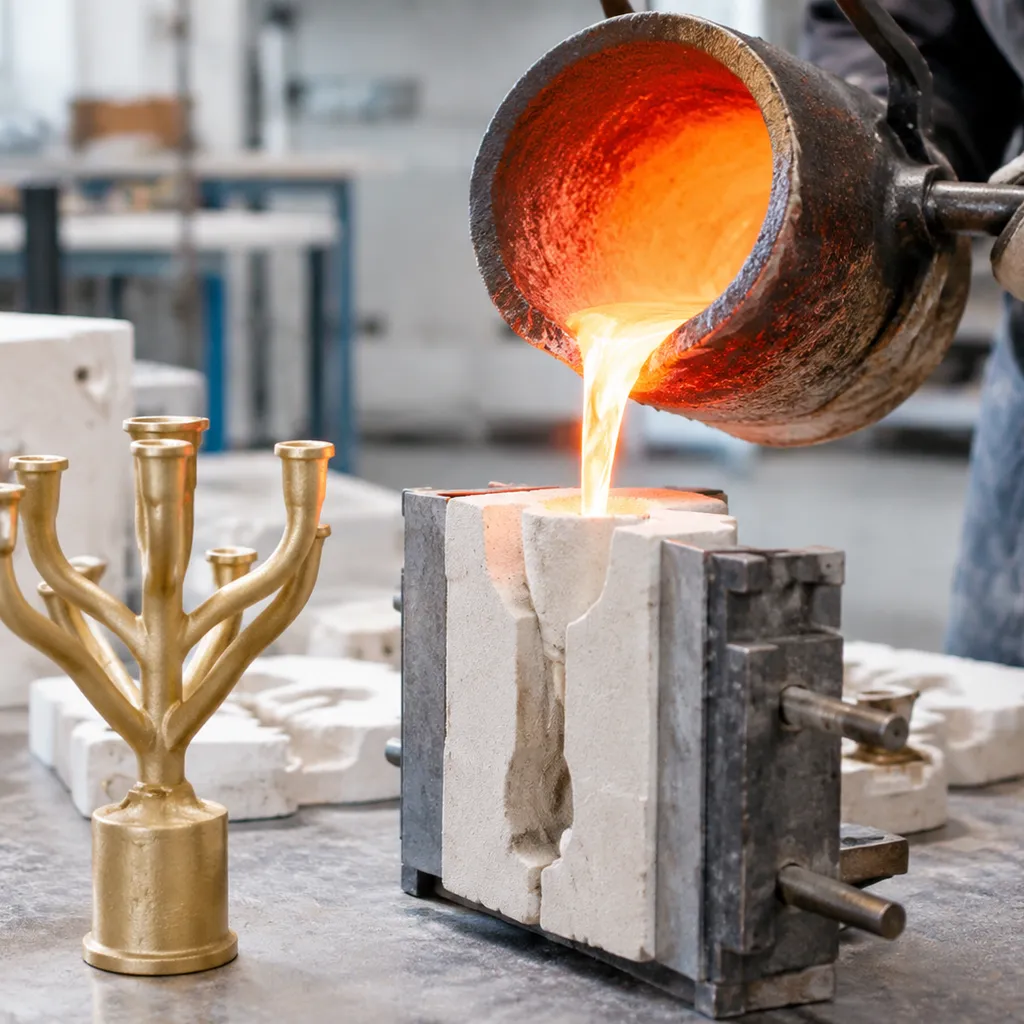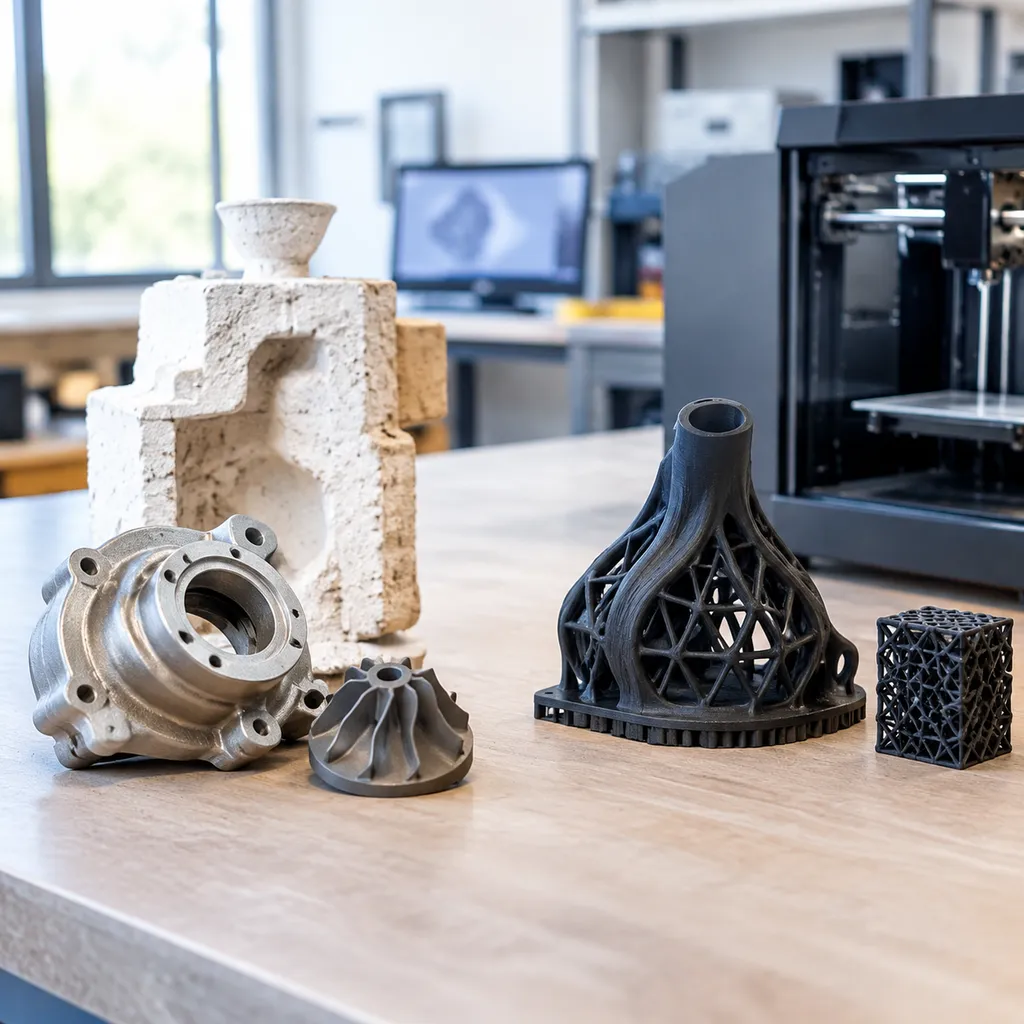
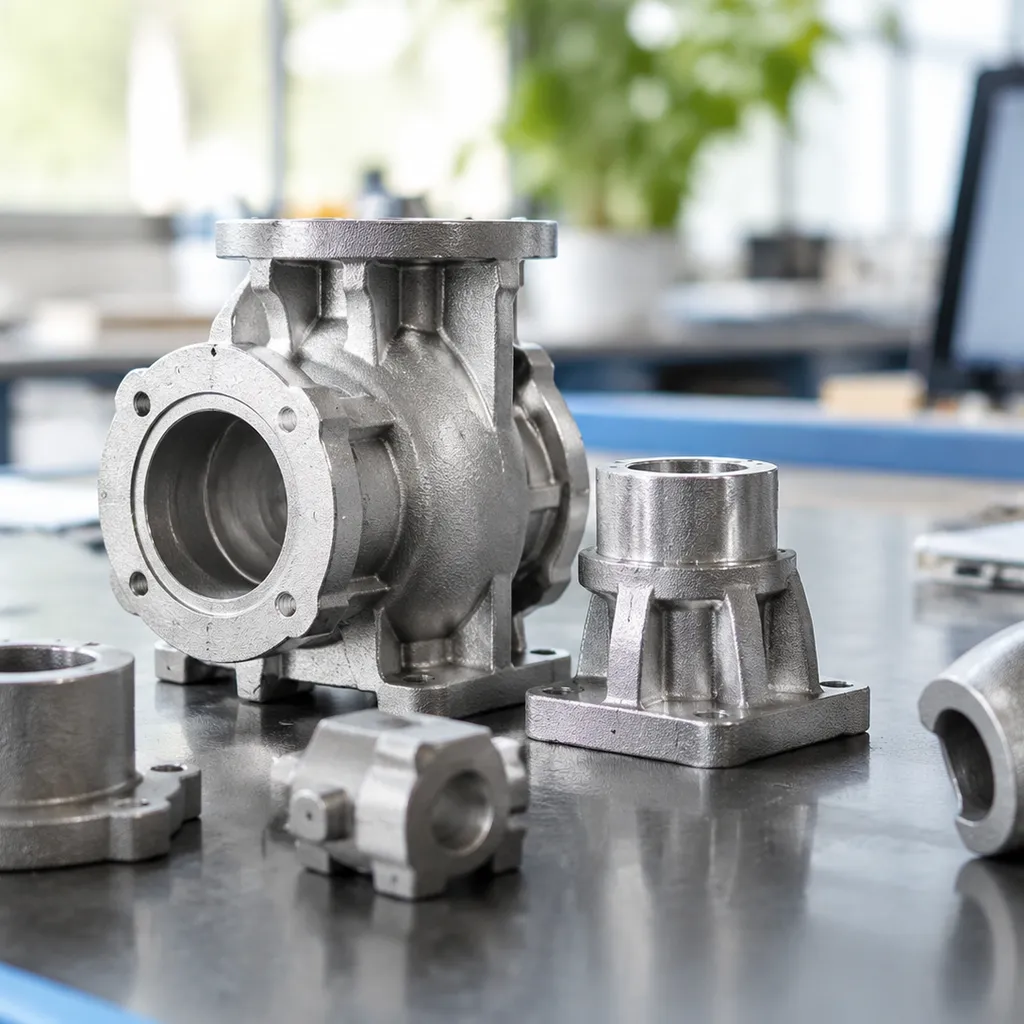
Investment casting surface finish is the as-cast texture and micro-geometry left by lost wax casting, typically landing near Ra 3.2-6.3 µm before secondary work. Wax pattern quality, ceramic face-coat grain, alloy pour windows, and cooling all set that baseline, while shot blasting, vibratory finishing, mass finishing, and centrifugal barrel polishing refine sealing capability and fatigue resistance.
What is Investment Casting Surface Finish?
Investment casting surface finish refers to the external texture, smoothness, and micro-geometric profile of a metal part produced via the lost wax casting process.
Definition of As-Cast Surface Finish
The as-cast finish is the raw surface condition of a component immediately after it is knocked out of the ceramic shell, cleaned, and gate-removed, prior to any secondary operations like mechanical polishing or CNC finishing.
- Direct Replica: The final metallic surface directly mirrors the surface quality of the initial wax pattern and the primary refractory slurry coat.
- Near-Net-Shape Quality: Compared to traditional sand casting, an as-cast investment casting produces significantly smoother boundaries, crisp details, and minimal parting line flash.
- Functional Integrity: A smooth as-cast exterior reduces micro-notches, directly enhancing sealing capability and fatigue resistance under dynamic loads.
How Surface Roughness (Ra) Is Measured in Casting
Surface texture is quantified using surface roughness metrics, primarily Roughness Average (Ra). Ra represents the arithmetical mean deviation of the surface profile peaks and valleys relative to a reference centerline, measured in microinches (µin) or micrometers (µm).[1]
- Contact Profilometry: A fine diamond-tipped stylus tracks across the casting profile, recording vertical displacement to compute exact Ra, Rz, and Rmax values.[2]
- Non-Contact Optical Scanning: High-precision 3D white-light or laser optical profilometers map the surface topography, ideal for complex geometries and critical fluid-flow channels.[4]
- Visual-Tactile Comparators: Cast Surface Comparators (such as ISO 8503 or MSS-SP-55 standards) are used on the foundry floor for quick, standardized comparative audits.
Standard Surface Roughness Values for Investment Castings
The precision nature of lost wax casting yields industry-leading surface quality compared to competing casting methods. The table below outlines typical surface roughness values across common manufacturing techniques:
| Casting / Manufacturing Method | Standard Ra (µm) | Standard Ra (µin) | Surface Quality Grade |
|---|---|---|---|
| Standard Investment Casting (As-Cast) | 3.2 - 6.3 | 125 - 250 | Fine / Smooth |
| Premium Precision Investment Casting | 1.6 - 3.2 | 63 - 125 | Ultra-Fine |
| Die Casting | 0.8 - 3.2 | 32 - 125 | Superior |
| Shell Mold Casting | 6.3 - 12.5 | 250 - 500 | Medium |
| Sand Casting | 12.5 - 25.0 | 500 - 1000 | Rough |
Our baseline investment casting operations consistently achieve an as-cast roughness average of Ra 3.2 µm (125 µin) or better, guaranteeing dependable dimension control, reduced post-processing, and superior mating-surface performance right out of the mold.[3]
Key Factors That Shape Investment Casting Surface Finish
Achieving a superior investment casting surface finish depends on strict process control from the very first mold build to the final pour. Because lost wax casting reproduces microscopic details with extreme fidelity, every single thermal and mechanical variable directly shapes your component's surface texture.
Wax Pattern Quality and Tooling Precision
The final casting can only ever be as smooth as the disposable pattern that created it. Any flaw on the wax replica transfers immediately to the metal.
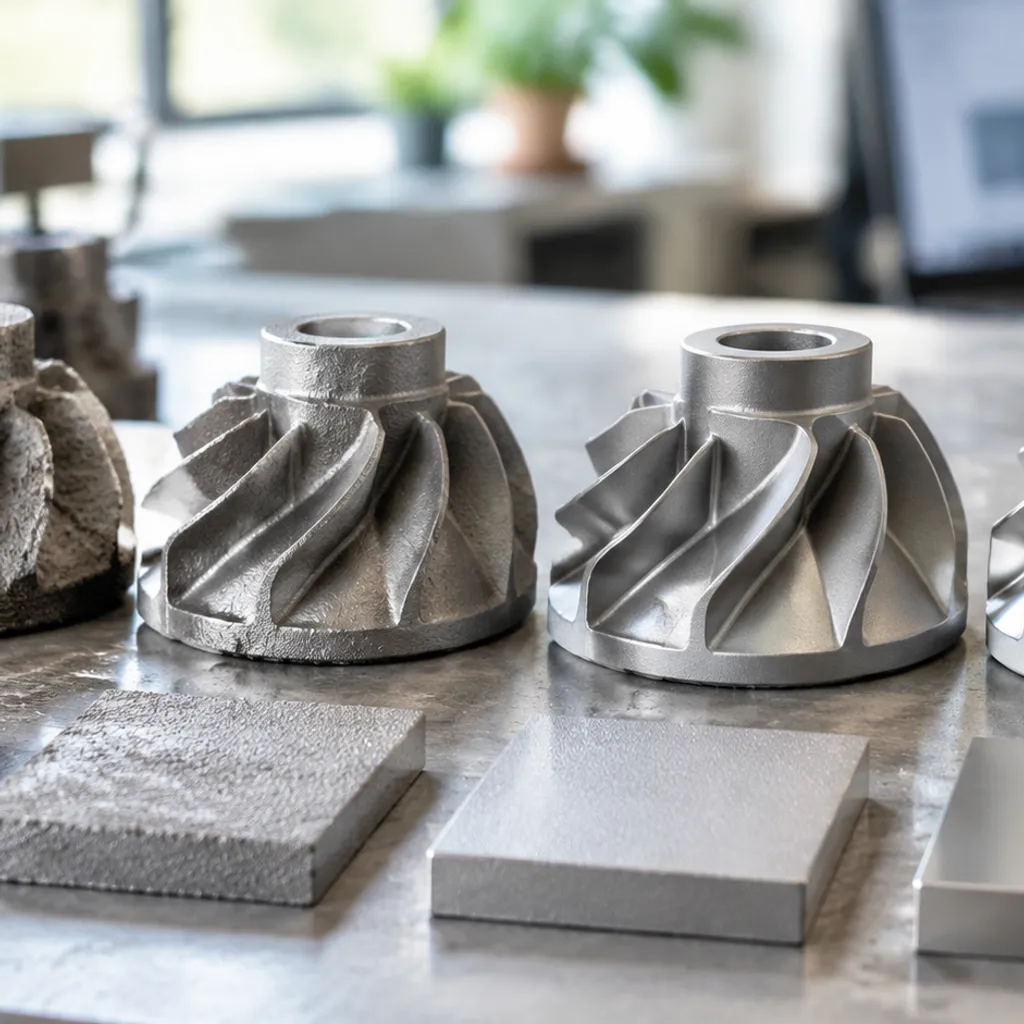
- Die Machining: We machine our wax injection tooling using high-speed CNC centers to eliminate tooling marks and steps.
- Shrinkage Control: Precise wax injection temperature and pressure cycles prevent sink marks and surface ripples.
- Pattern Assembly: Proper handling and smooth gate attachments ensure the wax pattern quality remains flawless prior to shelling.
Ceramic Shell Mold Materials and Grain Size
The innermost face coat of the ceramic shell directly touches the molten alloy, establishing the baseline surface roughness average (Ra).
- Primary Slurry Mesh: We utilize ultra-fine refractory flours, such as fused silica and zircon, for the initial slurry dip to generate an exceptionally smooth boundary layer.
- Dip Consistency: Strict monitoring of slurry viscosity and stucco grain size prevents slurry pooling and air bubbles on complex profiles.
- De-waxing Cleanliness: Complete autoclave dewaxing prevents residual carbon residue from pitting the shell interior during firing.
Alloy Composition and Pouring Temperature
Molten metal behavior during filling determines how crisply the alloy mirrors the mold wall. Higher melt fluidity helps capture fine contours, but overheating causes severe metal-mold reactions that degrade the as-cast finish.
Different materials require distinct thermal windows to prevent oxidation scale:
- Superalloys: Pouring high-temperature metals requires precise vacuum melting or specialized ceramic barriers. For example, our precision investment castings and custom cobalt superalloy parts undergo tight melt-chemistry control to withstand aggressive thermal environments without developing surface micro-fissures.
- Non-Ferrous Alloys: Lower melting point materials require tight atmospheric shielding. Our custom brass casting services rely on disciplined melt degasification to stop dross formation and gas porosity at the surface boundary.
Cooling and Solidification Rates
How the metal freezes inside the ceramic shell directly affects grain structure, shrinkage, and outer skin integrity.
- Directional Solidification: Controlled cooling gates the feed metal into thin sections first, eliminating surface depression defects and local porosity.
- Shell Insulation: Wrapping or preheating shells keeps cooling rates uniform, preventing thermal shock tears and irregular exterior contraction.
- Knockout Timing: Allowing castings to cool to safe breakout temperatures prevents hot mechanical damage during mechanical shell removal.
Common Secondary Surface Finishing Processes
While standard lost wax casting delivers an impressive initial profile, secondary treatments and our surface treatment options allow us to refine the investment casting surface finish to meet exact application standards. Depending on whether your priority is visual appeal, tight sealing capability, or elevated fatigue resistance, we deploy specialized mechanical and chemical techniques to achieve the target roughness average Ra.
Abrasive Blasting (Shot Blasting and Sandblasting)
Abrasive blasting serves as our foundational step to clean parts directly after shell knockout and thermal treatment:
- Shot Blasting: Uses spherical stainless steel or cast steel media to clear ceramic shell remnants, slightly peen the exterior, and impart a clean, uniform satin texture. This light peening action boosts fatigue resistance by introducing compressive surface stress.[5]
- Sand Blasting: Utilizes fine silica, aluminum oxide, or glass beads under controlled pneumatic pressure. It gently evens out micro-irregularities without altering delicate geometries, delivering a consistent matte finish ideal for subsequent coating or painting.
Vibratory Finishing and Tumbling
For high-volume runs requiring consistent edge breaking and radiusing, mass finishing delivers uniform results across complex contours:
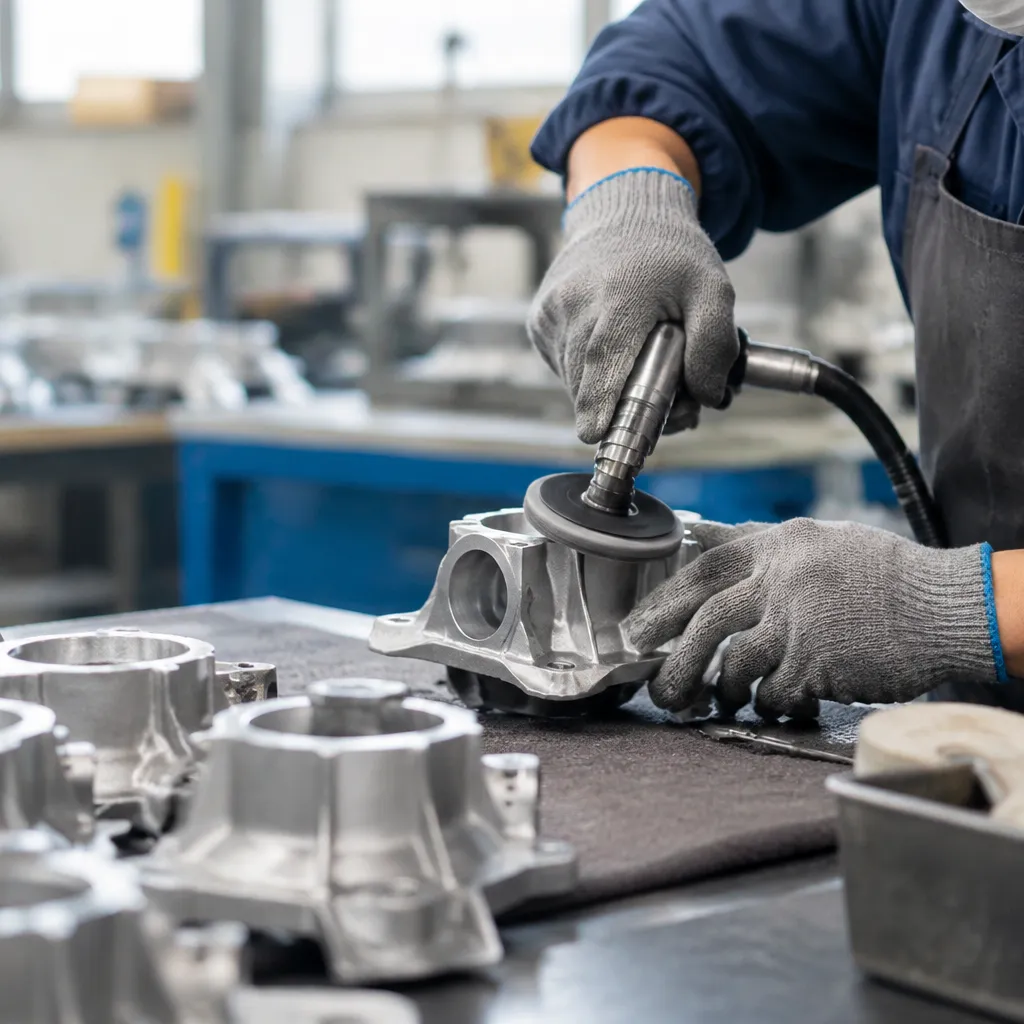
- Vibratory Finishing: Cast parts move through a vibrating bowl filled with abrasive ceramic, plastic, or synthetic media mixed with water and cleaning compounds. This action deburrs parting lines, rounds sharp transitions, and levels out surface peaks.
- Centrifugal Barrel Polishing: Operates at higher energy levels to deliver rapid, mirror-like smoothing for compact components. It drastically improves sealing capability on mating zones without manual grinding.
When specific casting zones demand ultra-tight geometries that mass finishing media cannot shape, integrating advanced tooling with known EDM machining tolerances and processes ensures secondary machined faces seat perfectly with the raw cast body.
Chemical Pickling and Passivation
Pouring and heat treatment can leave a stubborn thermal oxide scale and surface contaminants on alloy parts. Chemical dipping effectively purifies the substrate:
- Pickling: Employs controlled acid baths (typically nitric-hydrofluoric acid blends) to strip away burnt ceramic residue, embedded oxides, and metallic scale without aggressive metal loss.
- Passivation: Specifically vital for stainless steel grades, an acid treatment dissolves free surface iron and forces the formation of a dense, corrosion-resistant chromium oxide passive layer.[6]
Electropolishing and Mechanical Buffing
- Mechanical Buffing: Technicians use rotating cloth wheels treated with fine abrasive compounds to smooth away minor defects, progressively stepping down grit sizes to yield a high-luster, decorative polish.
- Electropolishing: Often described as reverse electroplating, this process submerges the part in an electrolyte bath under an electrical current to dissolve microscopic surface peaks. It significantly lowers the roughness average Ra, eliminates microscopic burrs, and produces a sterile, easy-to-clean exterior required in food, marine, and surgical instruments.
Benefits of Optimizing Casting Surface Finish
Fine-tuning your investment casting surface finish does much more than elevate cosmetic quality.
Enhanced Corrosion and Wear Resistance
Microscopic peaks and valleys on an unrefined casting act as initiation sites for structural degradation. Reducing surface roughness eliminates the micro-crevices where moisture, chemicals, and industrial contaminants settle:
- Corrosion Mitigation: A smoother surface exposes less surface area to oxidizing environments, dramatically lowering the risk of pitting and crevice corrosion.
- Superior Fatigue Resistance: Polished, low-Ra surfaces eradicate micro-notches, preventing stress concentration points that cause premature fatigue cracking under cyclic loads.
- Friction and Wear Control: Uniform contact surfaces minimize sliding friction, reducing abrasive wear in dynamic assemblies.
- Reliable Sealing Capability: Mating faces achieve tighter fluid and gas seals without requiring heavy machining passes or thick elastomer gaskets.
| Surface Condition | Ra Range (µm) | Wear Impact | Corrosion Risk |
|---|---|---|---|
| Standard As-Cast | 3.2 - 6.3 | Moderate friction; faster initial break-in wear | Traps contaminants in micro-voids |
| Optimized / Blasted | 1.6 - 3.2 | Low friction; stabilized contact points | Uniform oxide layer formation |
| Superfinished / Polished | 0.4 - 1.6 | Minimal friction; high sliding durability | Exceptional resistance to pitting |
Superior Aesthetic and Decorative Appeal
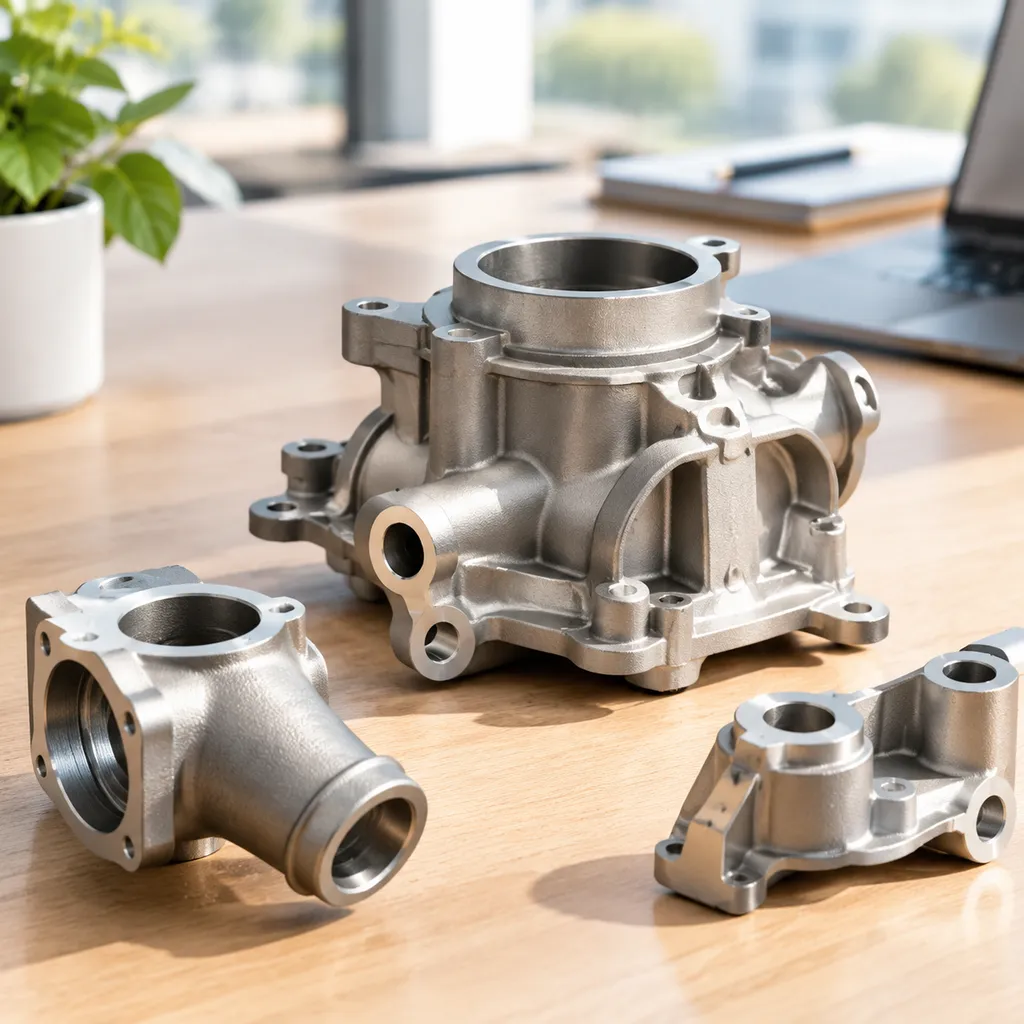
A high-grade as-cast finish from precision lost wax casting minimizes flow marks, gate scars, and mold seam lines.
Achieving a uniform, blemish-free substrate ensures that subsequent plating, anodizing, painting, or PVD coating layers adhere evenly without telegraphing underlying defects. When evaluating parts alongside alternatives like the industrial die casting process, an optimized investment cast surface provides exceptional decorative versatility across intricate, thin-walled geometries that standard casting routes struggle to reproduce cleanly.
Improved Dimensional Accuracy and Component Fit
High surface peaks create false dimensional readings and introduce unpredictable tolerance stack-ups during final assembly. Optimizing surface quality stabilizes key interfaces:
- Tighter Tolerance Control: Controlling surface peaks ensures your parts consistently align with nominal CAD model dimensions.
- Reduced Secondary Machining: Near-net-shape components with low surface roughness can completely bypass rough-milling passes, saving cycle time and tooling wear.
- Repeatable Clamping and Fixturing: Flat, uniform datum surfaces ensure rigid, accurate alignment inside CNC workholding fixtures during finish-machining.
How to Choose Investment Casting Surface Finish for Your Project
Selecting the ideal investment casting surface finish requires balancing functional mechanical demands, aesthetic targets, and production economics. We are Professional Precision Casting and CNC Machining Service Providers, and we always advise engineering teams to specify surface tolerances based strictly on end-use criteria rather than default over-polishing.
Application and Operating Environment Requirements
The operating environment directly dictates the required roughness average (Ra) value.
- Fluid and Pressure Systems: Smooth finishes prevent turbulence and guarantee proper sealing capability across gaskets and O-ring seats.
- Cyclic Fatigue Applications: Eliminating micro-notches through post-cast finishing significantly improves fatigue resistance under heavy dynamic loading.
- Sanitary and Medical Use: Ultra-smooth profiles eliminate micro-crevices where bacteria and contaminants settle, making sterilization straightforward.
| Application Demands | Recommended Finish Level | Typical Target Ra |
|---|---|---|
| General Structural / Non-Critical | Standard As-Cast / Shot Blasting | 3.2 - 6.3 µm (125 - 250 µin) |
| Fluid Flow / Low-Friction Seals | Vibratory Finishing / Sand Blasting | 1.6 - 3.2 µm (63 - 125 µin) |
| Dynamic Bearings / Critical Sealing | Centrifugal Barrel Polishing / CNC Machining | 0.4 - 0.8 µm (16 - 32 µin) |
Material Compatibility and Base Alloy Selection
Your choice of metal directly influences the achievable as-cast finish. Low-melting-point alloys and non-ferrous metals flow easily, producing inherently smoother surfaces straight from the mold, whereas refractory metals and carbon steels naturally display coarser textures due to high pouring temperatures. Review our casting alloy selection guide to evaluate how base metal properties interact with different shell molding systems.
In our lost wax casting operations, we pair the specific metallurgy with matching post-treatment processes. For example, austenitic stainless steels respond exceptionally well to electropolishing, while harder nickel superalloys typically require robust media in mass finishing or dry shot blasting setups to smooth out cast topographies efficiently.
Balancing Surface Quality with Manufacturing Costs
Targeting an unnecessarily fine surface finish drives up production cycle times and scrap risks. A standard as-cast finish offers the most cost-effective baseline. Adding secondary processing stages - such as vibratory deburring, precision hand-buffing, or CNC grinding - progressively increases processing costs.
- Standard As-Cast: Zero secondary cost; ideal for concealed industrial brackets, structural housings, and general framework.
- Mechanical Blast Cleaning: Minimal cost increase; strips scale, cleans residues, and creates a uniform matte appearance.
- Precision Mass Finishing: Moderate cost increase; smooths part contours, rounds sharp corners, and lowers friction across entire production batches.
- Electropolishing and Super-Finishing: Highest cost profile; reserved strictly for critical mating faces, fluid contact paths, and decorative customer-facing components.
References
- Wikipedia - Surface roughness (Ra arithmetical mean deviation) ↩
- ASME B46.1 - Surface Texture (Surface Roughness, Waviness, and Lay) ↩
- Investment Casting Institute - What Is Investment Casting ↩
- NIST - Surface metrology publication (PDF) ↩
- SAE J442 - Test Strip, Holder, and Gage for Shot Peening ↩
- IMOA - Passivation of Stainless Steels (PDF) ↩
- Engineers Edge - Surface Finish / Roughness conversion reference (typical Ra bands)
- NBS Handbook 141 - Optical Interferometry metrology background (PDF)